Items Similar to Funerary Model of a Granary, Han dynasty
Want more images or videos?
Request additional images or videos from the seller
1 of 16
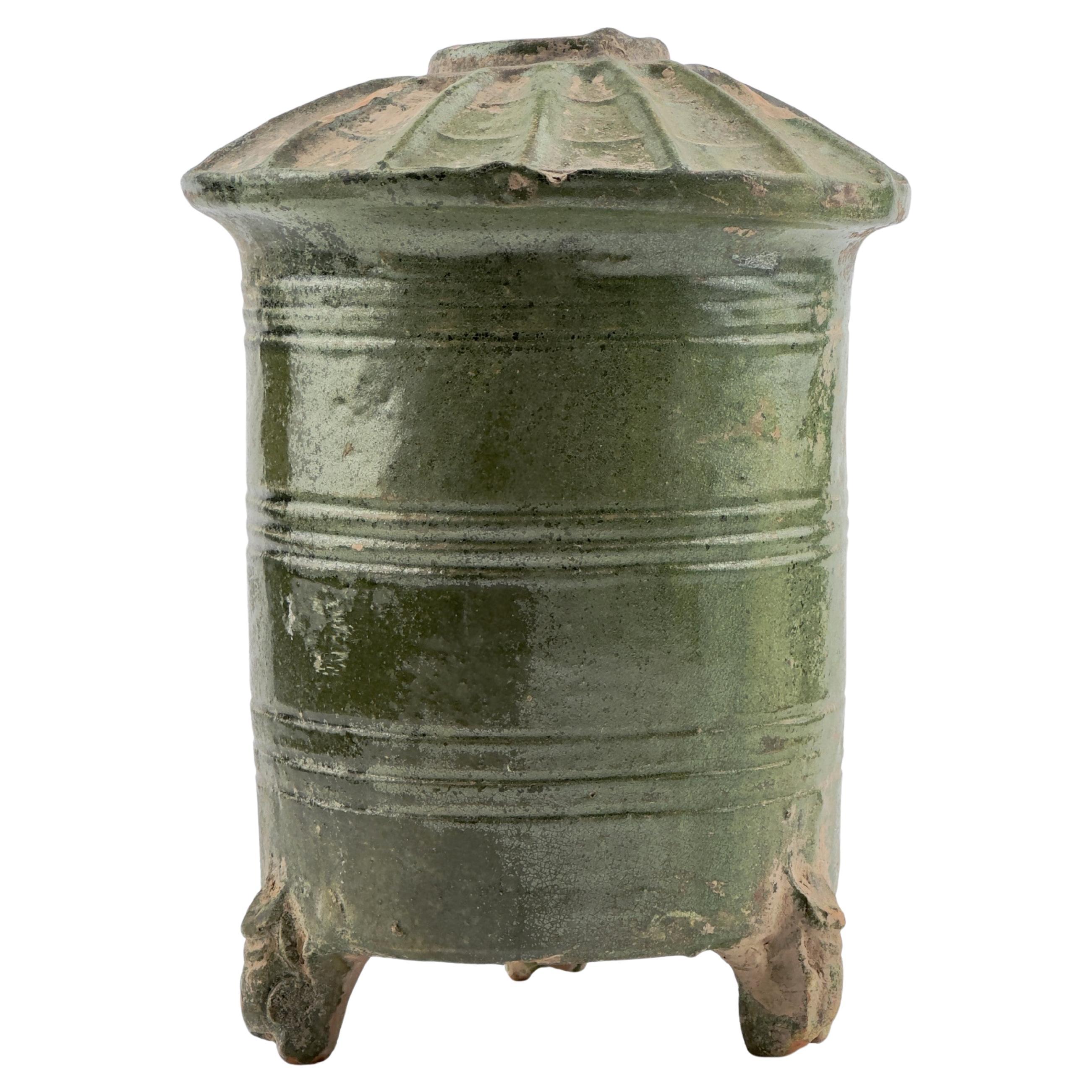
Funerary Model of a Granary, Han dynasty
$2,990
£2,264.65
€2,600.87
CA$4,189.97
A$4,555.34
CHF 2,415.25
MX$54,606.97
NOK 30,696.54
SEK 28,122.21
DKK 19,438.21
About the Item
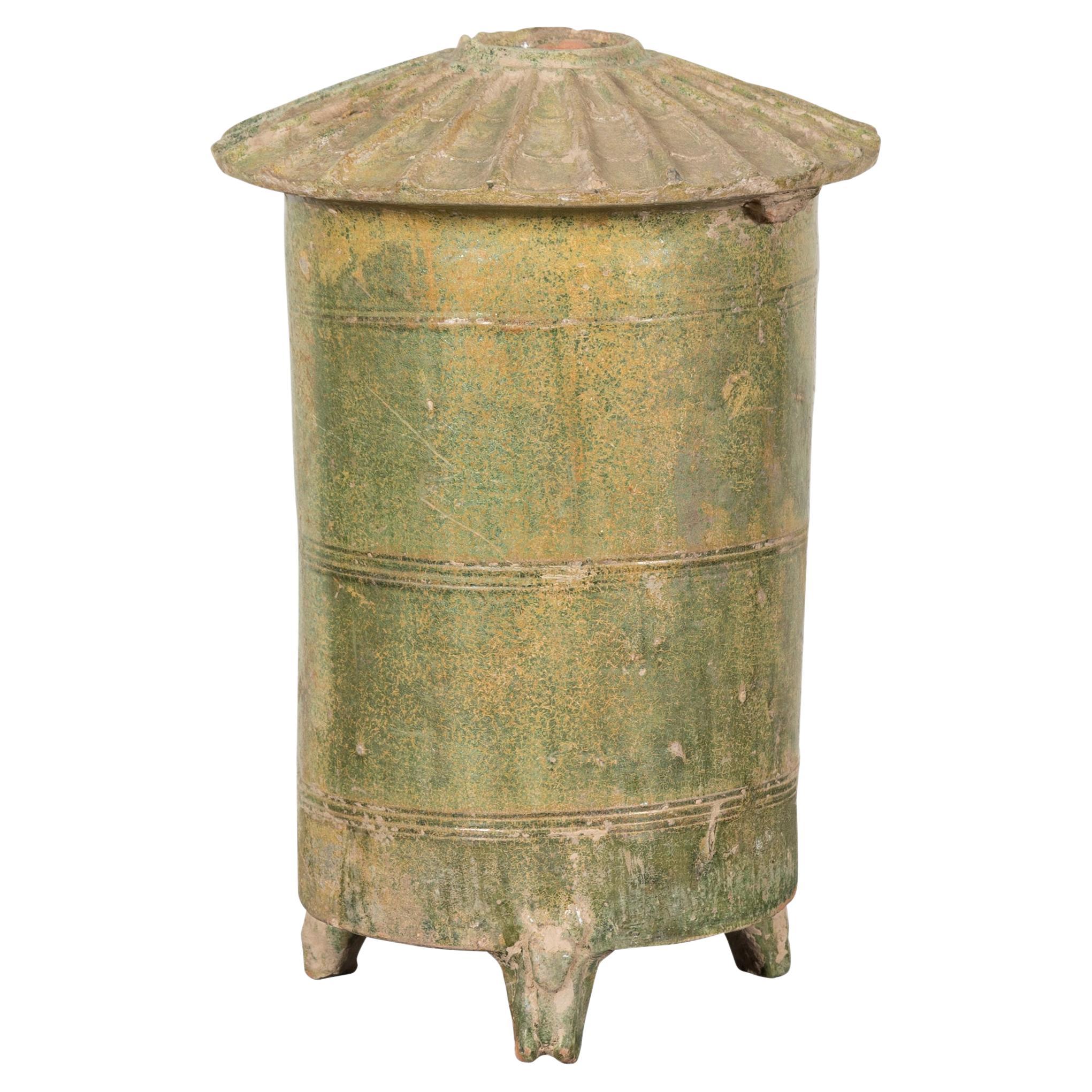
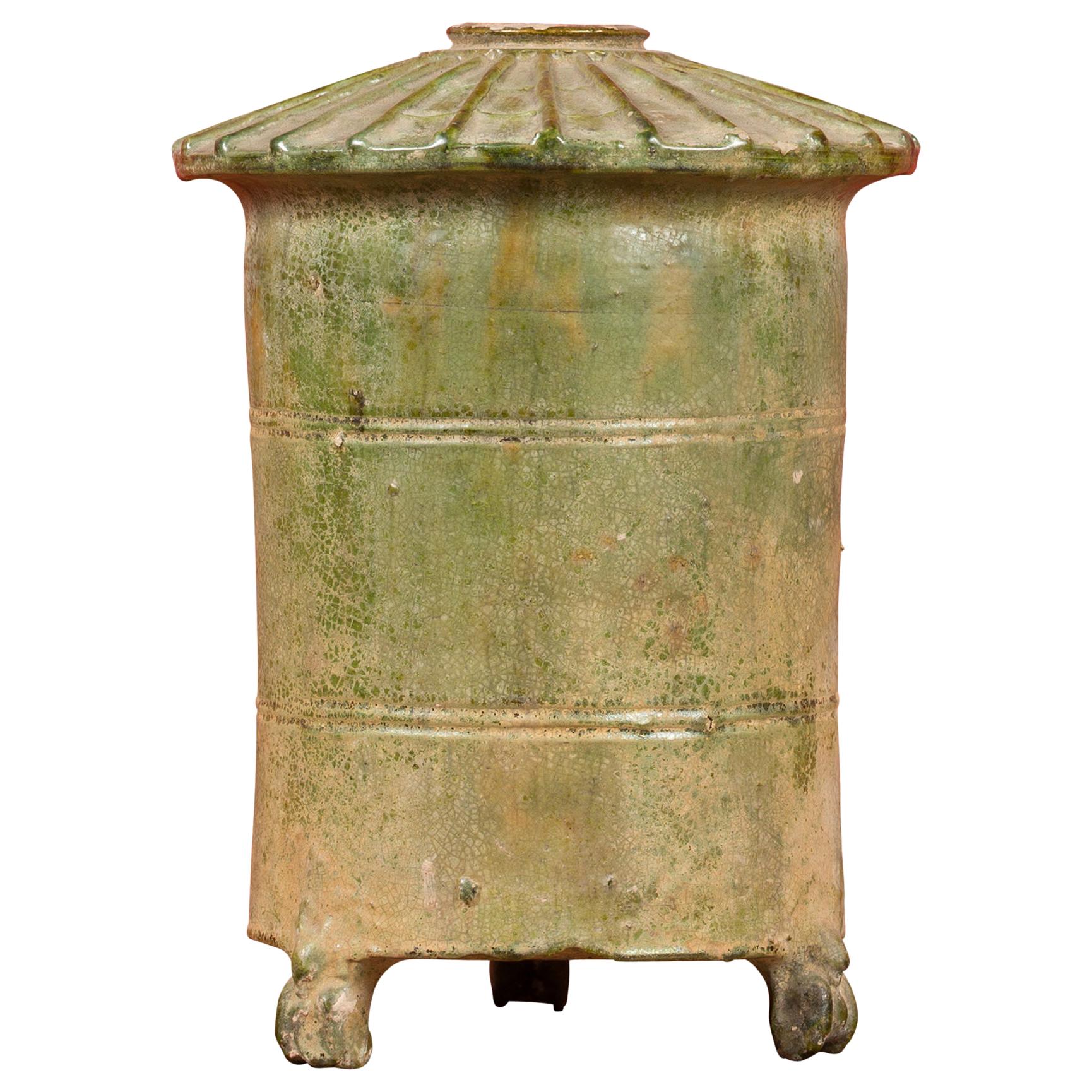
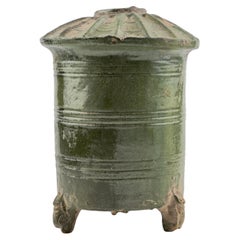
Cylindrical vessel on three animal-shaped feet (dragon or snake), wall with profile grooves, roof. Ceramic with green transparent glaze. "Iridescence" is observed in surface.
Period : Han Dynasty (206 BC - 220 AD)
Medium : Earthenware with Green glaze
Provenance : The piece was acquired in Hong Kong in late 1990s.
Reference :
1) Havard Art Museum - Object Number 2006.170.203
(Type : Closely related)
2) Tokyo National Museum - Object Number TC-543
(Type : Closely related)
* Han Dynasty Pottery
Han Dynasty pottery, originating from one of China's most significant historical periods (202 BCE – 220 CE), is renowned for its technological and artistic achievements in ceramic production. These artifacts typically feature a distinctive green glaze, although other colors were also used. The pottery often includes intricate decorative motifs, such as animals, mythological figures, and geometric patterns.
The craftsmanship during the Han Dynasty was advanced, with pottery techniques that were innovative for the time. These pieces were not only utilitarian but also held ceremonial and symbolic significance. The shapes and designs of Han Dynasty pottery vary, including items like urns, vases, and figures, reflecting both the daily life and the spiritual beliefs of the period.
- Dimensions:Height: 13.78 in (35 cm)Diameter: 11.03 in (28 cm)
- Style:Han (Of the Period)
- Materials and Techniques:Stoneware,Glazed
- Place of Origin:
- Period:
- Date of Manufacture:206 BC - 220 AD
- Condition:Minor fading. Chips on surface.
- Seller Location:seoul, KR
- Reference Number:1stDibs: LU9577239989052
About the Seller
4.8
Vetted Professional Seller
Every seller passes strict standards for authenticity and reliability
Established in 1999
1stDibs seller since 2023
46 sales on 1stDibs
Typical response time: 1 hour
- ShippingRetrieving quote...Shipping from: seoul, Korea South
- Return Policy
More From This Seller
View AllFunerary Model of a Granary, Han dynasty
Located in seoul, KR
Cylindrical vessel on three animal-shaped feet (dragon or snake), wall with profile grooves, roof. pottery with green lead glaze. "Iridescence" is observed in surface.
Period : Han...
Category
Antique 15th Century and Earlier Hong Kong Han Antiquities
Materials
Pottery
Chinese Qingbai Small Model of a Granary Set, Song Dynasty
Located in seoul, KR
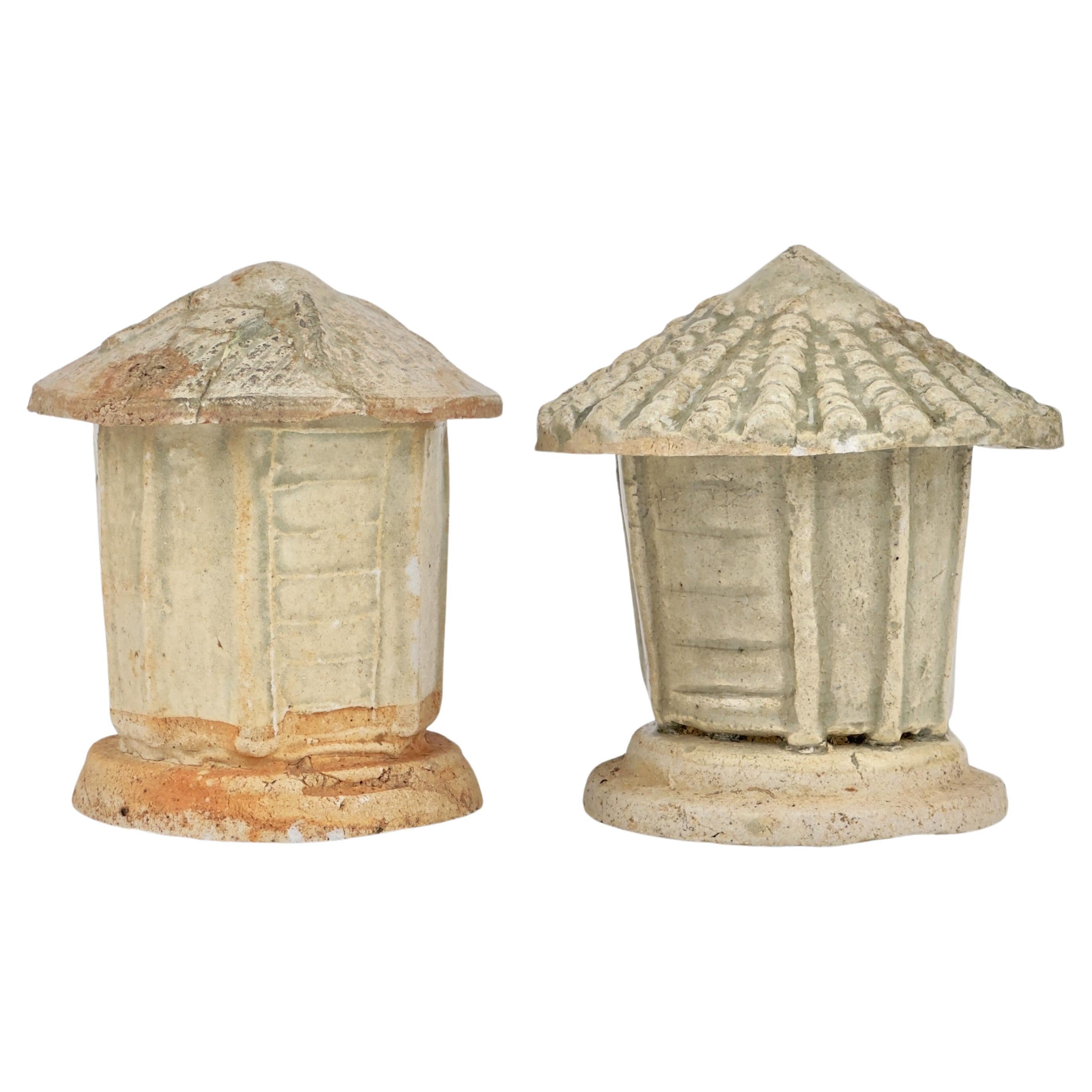
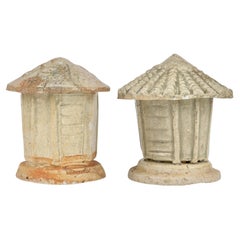
Two granary model porcelains. East Asia, This pottery representation of a granary sits on a layered base, topped with a conical lid that also acts as its roof, all finished in a greyish-blue glaze characteristic of Qingbai ware. The round structure features vertical, embossed strips intersected by a sliding door marked with horizontal lines on one side. Above, a tiled roof completes the model, topped with a central finial that doubles as the lid's handle. The interior of the lid, along with the edge and bottom of the piece, retains the unglazed finish known as biscuit.
Period : Song Dynasty(960~1279)
Type : Porcelain Model
Medium : Qingbai
Dimension : 11 cm(Height), 9cm(Lid Diameter)
Condition : Good
Provenance : Acquired in late 1990s from Hongkong
Reference :
1) Artemis Gallery...
Category
Antique 15th Century and Earlier Hong Kong Antiquities
Materials
Ceramic, Porcelain
Grey Tripod Granary Jar, Han dynasty
Located in seoul, KR
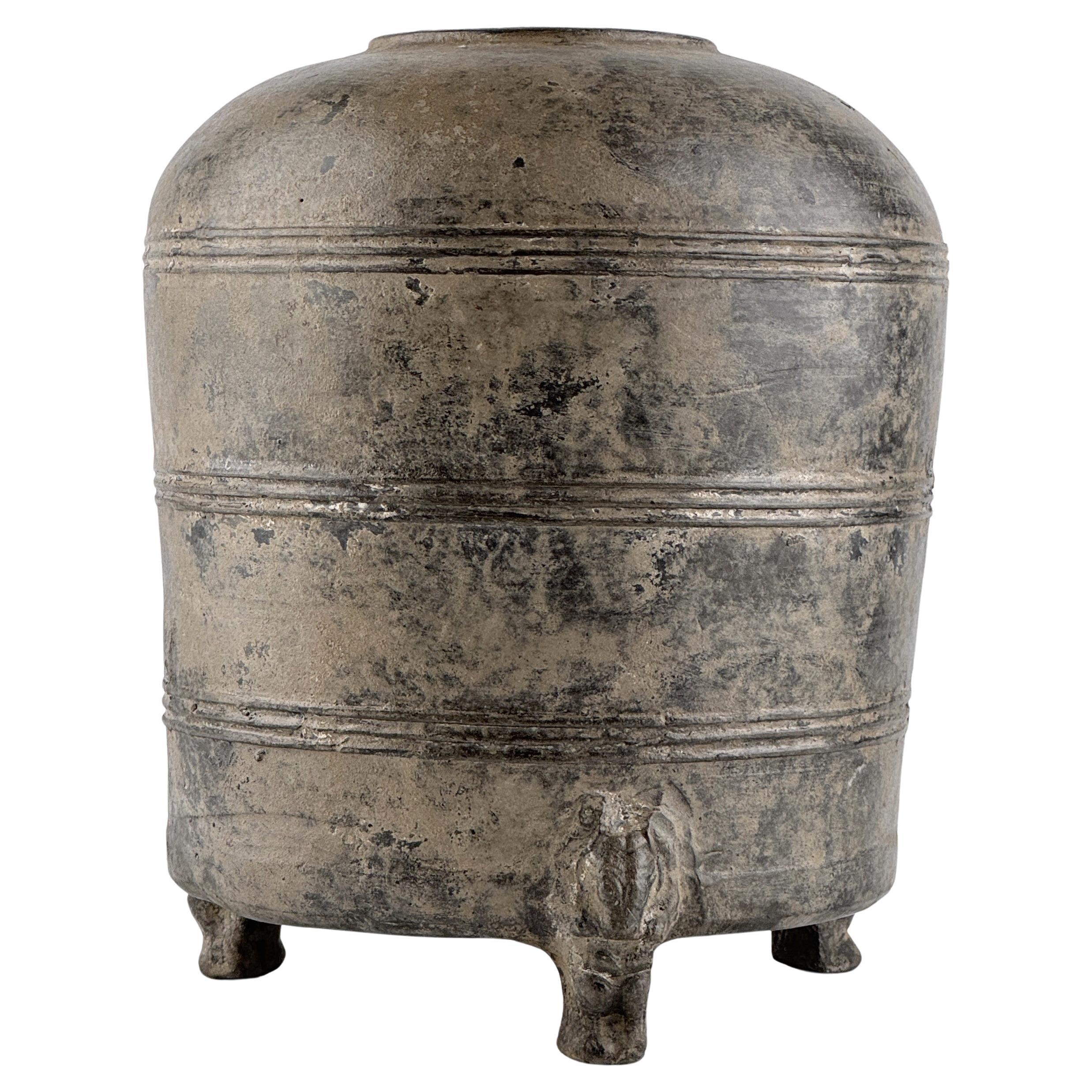
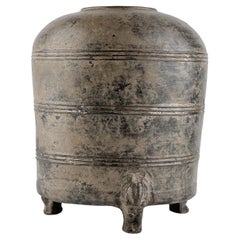
The vessel consists of a rounded cylindrical body, a gently curved upper section, and a small circular opening, suggesting that it was used for storing grain or valuable goods.
Thre...
Category
Antique 15th Century and Earlier Hong Kong Han Antiquities
Materials
Earthenware
Green-glazed model of a shrine, Han dynasty
Located in seoul, KR
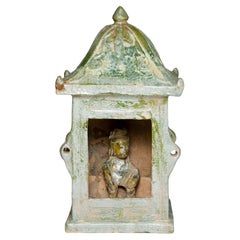
It has a pyramidal roof topped with a finial, ornamental ridges, and faux doors and windows that are characteristic of Chinese sacred architecture of the period.
Period : Han Dynast...
Category
Antique 15th Century and Earlier Hong Kong Han Antiquities
Materials
Stoneware
Sancai-Glazed Pottery Tripod Jar, Tang Dynasty
Located in seoul, KR
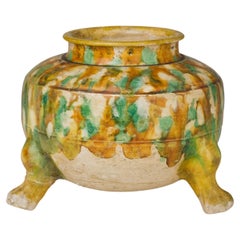
The globular body is supported on three claw feet and is covered in a splashed-glaze of amber, green and cream color, which stops short of the unglazed base.
Date : Tang Dynasty(61...
Category
Antique 15th Century and Earlier Hong Kong Tang Antiquities
Materials
Earthenware
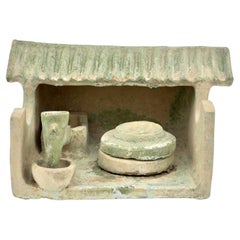
Milling Shed pottery with Green Glaze, Eastern Han Dynasty
Located in seoul, KR
Made from the standard orange earthenware body of Han green glazed tomb models, this miniature milling station features a circular millstone and a foot...
Category
Antique 15th Century and Earlier Hong Kong Han Antiquities
Materials
Earthenware, Pottery
You May Also Like
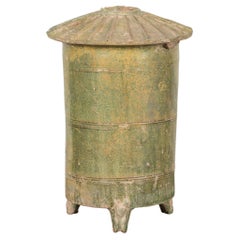
Antique Chinese Granary Jar
Located in Yonkers, NY
A 17th century Antique Chinese Granary Jar hand made from terracotta with a verdigris patina. Unearth an enthralling piece of history with...
Category
Antique 17th Century Chinese Ming Ceramics
Materials
Terracotta
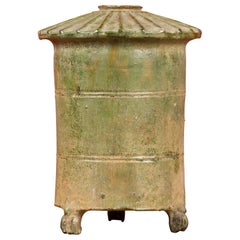
Petit Chinese Ming Dynasty 17th Century Terracotta Granary with Verdigris Patina
Located in Yonkers, NY
A 17th century Chinese Ming Dynasty granary hand made from terracotta with a verdigris patina. This exquisite 17th century Chinese Ming Dynasty granary, meticulously handcrafted from...
Category
Antique 17th Century Chinese Ming Ceramics
Materials
Terracotta
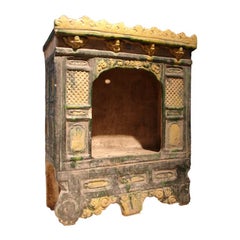
Chinese Ming Dynasty Sancai Glazed Pottery Architectural Model, 16th Century
Located in Austin, TX
An unusually large Chinese Ming Dynasty glazed pottery architectural model of a shrine or cabinet, Ming Dynasty (1368 - 1644), circa 16th century, China.
The shrine model crafted o...
Category
Antique 16th Century Chinese Ming Sculptures
Materials
Pottery
19th century Antique wooden Indian temple from Burma - OriginalBuddhas
Located in DEVENTER, NL
Antique wooden Indian temple
Material : wood
57 cm high
31 cm wide and 31.5 cm deep
19th century
Weight: 4,83 kgs
Originating from Burma
Nr: 3830-278
Category
Antique 19th Century Burmese Sculptures and Carvings
Materials
Wood
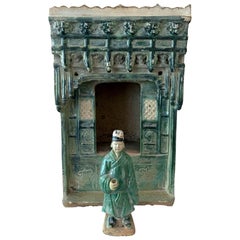
Chinese Stoneware Funeral Shrine Model and Figure Ming Dynasty
Located in Atlanta, GA
A stoneware shrine model with a figurine made in Ming dynasty (15th-17th century) in China and used as funeral burial objects. It is not known whether the two objects were originally associated, but they display similar glaze and oxidation and were in the same collection. The stoneware building is an architectural rendering of a typical ancestor shrine used at the time. It features a single room behind an elaborate front with double doors, under a multiple layered eaves. There are great architectural and decorative details throughout. The green glaze shows a wonderful silvery oxidation, an indication that the piece was buried in the ground. The side appears to be glazed lightly originally and some scrape marks and oxidized glaze residues remains. The back is unglazed. The figure is a typical tomb figurine...
Category
Antique 16th Century Chinese Ming Ceramics
Materials
Stoneware
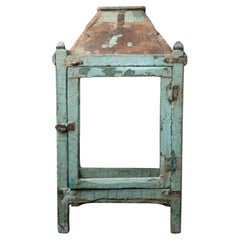
Eastern Han Dynasty Terracotta Barn Workshop, China
206BC - 220AD
Ex-Museum
Located in San Pedro Garza Garcia, Nuevo Leon
Slab pottery constructed barn workshop having a peaked roof – open walled form with a mechanical pounder and a large round covered storage container. Light blue-green mottled glazed surface with some iridescence patina to the glaze.
Condition: Intact, excellent condition, an unusual example.
Provenance: The Living Torah Museum, Brooklyn; ex. Sands of Time, 2002.
Sculptural effigies of domesticated animals were often interred in the tombs of nobility and elite members of the social hierarchy. Models like this one were made to represent everything from simple goat or pig pens to the most elaborate towers and palaces. Because very few ancient Chinese buildings have survived intact, these models, along with descriptions from ancient texts, give a good representation of what the buildings might have looked like.
This fantastic piece is accompanied by a Certificate of Authenticity.
Burial figurines of graceful dancers, mystical beasts, and everyday objects reveal both how people in early China approached death and how they lived. Since people viewed the afterlife as an extension of worldly life, these figurines, called mingqi, sometimes referred as “spirit utensils” or “vessels of ghosts” disclose details of routine existence and provide insights into belief systems over a thousand-year period. For the first time in Chinese history, we have images of rural and daily life during the Han in the form of contemporary...
Category
Antique 15th Century and Earlier Chinese Han Antiquities
Materials
Terracotta