Items Similar to Japanese Antique Huge Sliding Door or Wall Decoration 1860s-1900s / Wabi Sabi
Want more images or videos?
Request additional images or videos from the seller
1 of 20
Japanese Antique Huge Sliding Door or Wall Decoration 1860s-1900s / Wabi Sabi
$2,500
£1,888.87
€2,164.07
CA$3,488.31
A$3,802.08
CHF 2,010.13
MX$45,769.84
NOK 25,513.52
SEK 23,390.68
DKK 16,165.73
About the Item
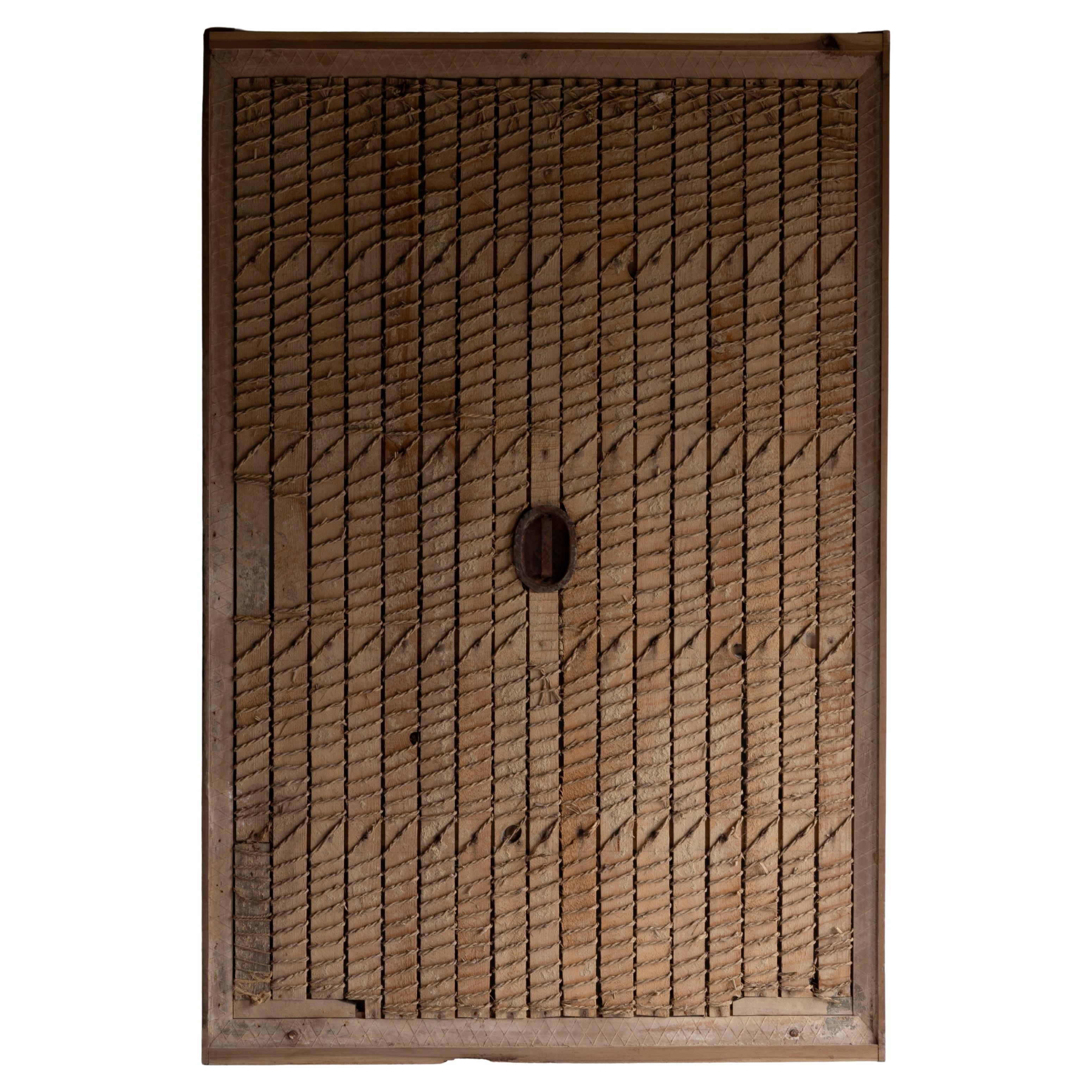
This is an old, large Japanese sliding door.
It was crafted during the Meiji period (1860s–1900s) and was likely used in traditional houses or storehouses of the time. The material is sugi (Japanese cedar), a classic wood in Japanese architecture, and the central handle is made of iron. The combination of the rusted iron texture and the warm, organic tone of the wood creates a perfect harmony, embodying the quiet passage of time.
Originally, the surface seems to have been covered with plaster, but over the course of many decades, it has completely worn away, revealing the wooden base beneath. The exposed grain and texture of the wood are things that cannot be artificially recreated. You can still find traces of hand tools such as axes and saws, while the naturally aged cedar displays a soft silvery-brown hue, exuding a calm and timeless presence.
The condition is excellent, with minimal structural warping, making it suitable for actual use as a sliding door. Alternatively, it can be displayed vertically against a wall as an art piece. The interplay between the wooden surface and the iron’s patina creates a striking contrast that blends beautifully with modern interiors, adding an undeniable sense of character and depth. Weighing approximately 30 kg, it is light enough to be used as a wall-mounted decorative element.
The piece has been fully cleaned, allowing for safe and hygienic use. Even after more than a century, it still reflects the strength of its materials and the precision of Japanese craftsmanship. This work embodies the spirit of wabi-sabi—the appreciation of impermanence and the beauty found in natural aging. A quiet yet powerful expression of timeless Japanese aesthetics.
Weight: 30 kg
_________________________
Our Philosophy
Objects always tell the truth.
All I can do is just to face with them sincerely and give
them deep affection as much as I can.
There is no boundary of nationalities and of eras in beauty.
But I think now is the time we choose 'Japanese style' and it
will be the best way to remind us of what we are losing
today and to question us about an essence of beauty again.
I hope that you can touch the memories which the objects here have,
feel and think of something invisible but exists undoubtedly.
- Similar to:Axel Vervoordt (Designer)
- Dimensions:Height: 73.82 in (187.5 cm)Width: 59.85 in (152 cm)Depth: 2.56 in (6.5 cm)
- Style:Meiji (Of the Period)
- Materials and Techniques:
- Place of Origin:
- Period:
- Date of Manufacture:1860s-1900s
- Condition:Wear consistent with age and use.
- Seller Location:Chōsei District Nagara, JP
- Reference Number:1stDibs: LU10403247303652
About the Seller
4.8
Platinum Seller
Premium sellers with a 4.7+ rating and 24-hour response times
Established in 2017
1stDibs seller since 2025
68 sales on 1stDibs
Typical response time: 2 hours
- ShippingRetrieving quote...Shipping from: Chōsei District Nagara, Japan
- Return Policy
More From This Seller
View AllJapanese Antique Small Door Wall Decoration 1860s-1900s / Abstract Art Wabi Sabi
Located in Chōsei District Nagara, JP
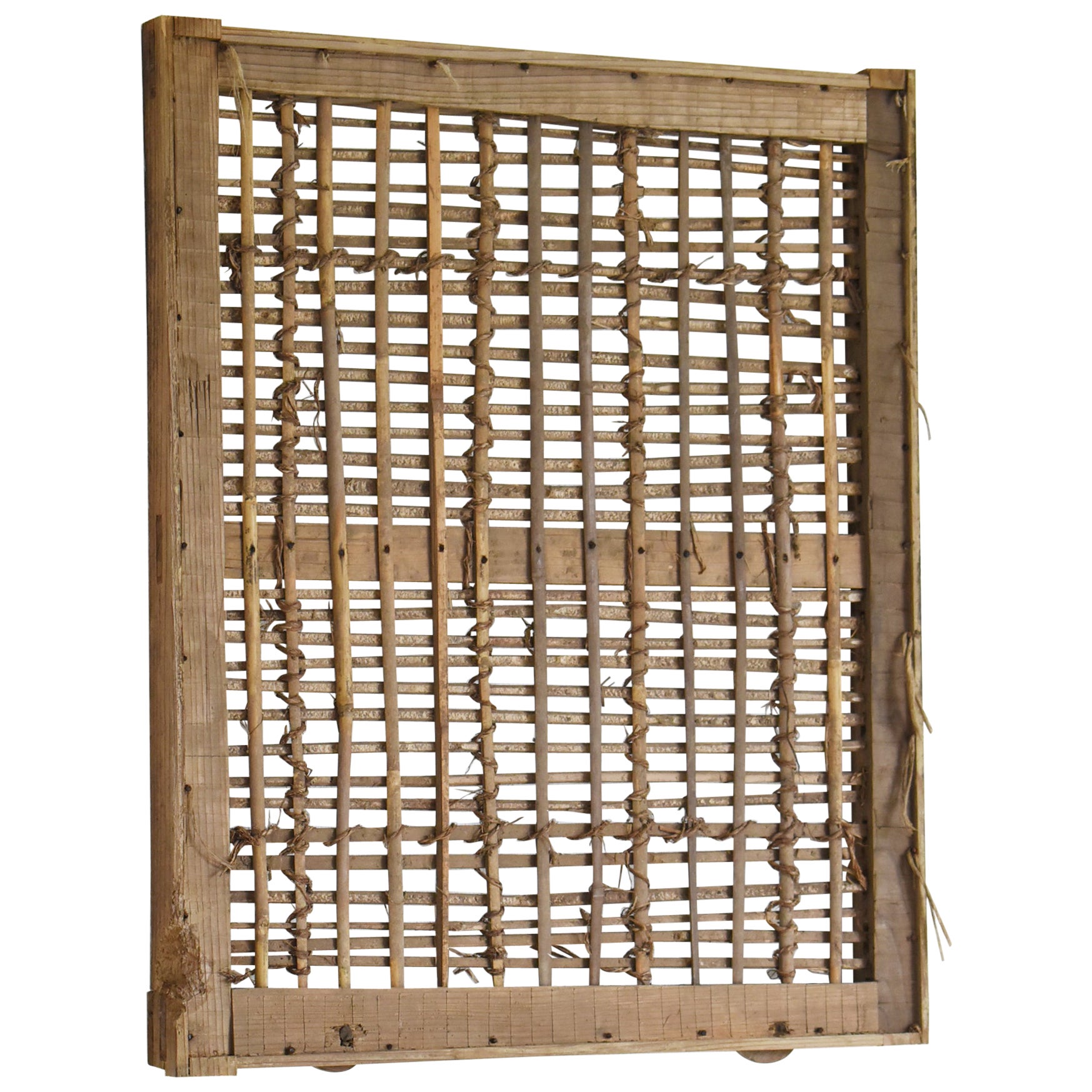
This is an old small window frame made in Japan. It was originally used as a traditional Japanese mud wall fixture. It dates back to the Meiji period (1860s-1900s) and has been in us...
Category
Early 20th Century Japanese Meiji Decorative Art
Materials
Bamboo, Cedar
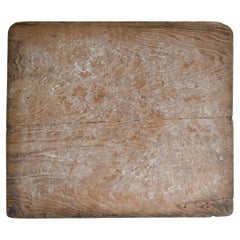
Japanese Antique Wabi-Sabi Wood Board 1860s-1900s / Wall Decoration
Located in Chōsei District Nagara, JP
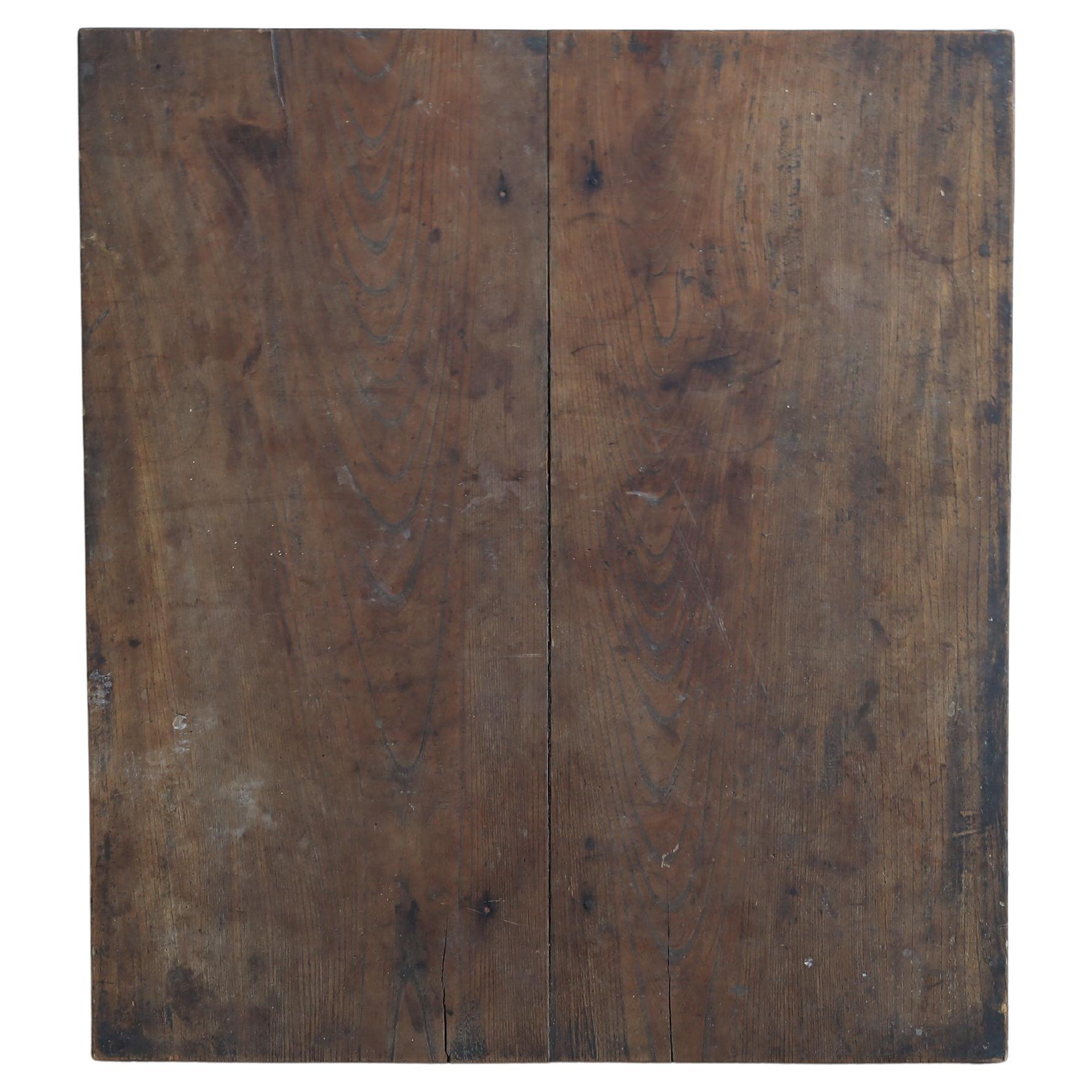
This is an old Japanese wooden board called “Mochiita” (rice cake board).
It was used during the Meiji period (1860s-1900s) and is made of pine wood with a rich texture.
As the name ...
Category
Early 20th Century Japanese Meiji Decorative Art
Materials
Pine
$720 Sale Price
44% Off
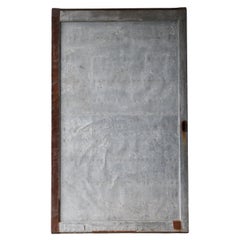
Japanese Antique Sliding Door with Galvanized Steel 1860s-1900s / Wabi Sabi
Located in Chōsei District Nagara, JP
This is an old Japanese sliding door with galvanized metal cladding, crafted during the Meiji period (1860s–1900s).
A rare surviving example, this piece showcases the ingenuity and a...
Category
Early 20th Century Japanese Meiji Doors and Gates
Materials
Steel
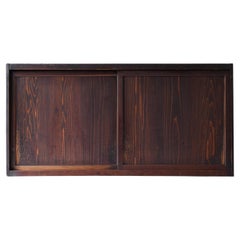
Japanese Antique Large Tansu 1860s-1900s / Sideboard Cabinet Storage Wabi Sabi
Located in Chōsei District Nagara, JP
This is a large antique Tansu chest from Japan, crafted during the Meiji period (1860s–1900s). It is made of Japanese cedar, whose surface has gained depth and character over time, c...
Category
Early 20th Century Japanese Meiji Sideboards
Materials
Cedar
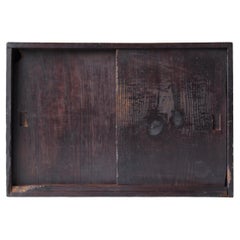
Japanese Antique Wabi Sabi Small Tansu 1860s-1900s / Cabinet Nightstand Storage
Located in Chōsei District Nagara, JP
This is a small antique Japanese tansu chest.
It was crafted in the Meiji period (1860s–1900s) and made from Japan’s traditional sugi (cedar) wood. Sugi, known for its lightness and ...
Category
Early 20th Century Japanese Meiji Cabinets
Materials
Cedar
Japanese Antique Massive Tansu Chest 1860s-1900s / Cabinet Cupboard Wabi Sabi
Located in Chōsei District Nagara, JP
This is a large, old black tansu chest made in Japan, dating to the Meiji period (1860s–1900s). Crafted from Japanese cedar, it is substantial in scale yet maintains a calm, restrain...
Category
Early 20th Century Japanese Meiji Cabinets
Materials
Cedar
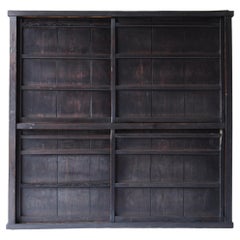
You May Also Like
Japanese Antique Huge Door " Wall Decoration " 1860s-1900s / Wabi Sabi"
Located in Sammu-shi, Chiba
Japanese Antique Huge Door " Wall Decoration " 1860s-1900s / Wabi Sabi
This extraordinary large sliding door was once used in an old warehouse in Japan.
Dating back to the Meiji per...
Category
Early 20th Century Japanese Meiji Decorative Art
Materials
Iron
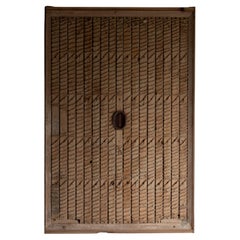
Japanese Antique Wooden Door / Interior Decoration / 1868-1912s / Wabi-Sabi
Located in Iwate-gun Shizukuishi-cho, Iwate Prefecture
This is an old Japanese door.
It is thought to date from the Edo or Meiji period.
It was used as the door of a traditional warehouse called a "kura." In Japan, old storehouses are ...
Category
Antique Late 19th Century Japanese Primitive Doors and Gates
Materials
Iron
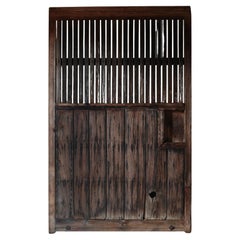
1910s-30s Japanese antique Itado, wabi sabi wide wooden sliding door
Located in 常陸大宮市, JP
Japanese antique Itado, thick wooden sliding door made of Sugi Cedar, for both interior & exterior use.
Manufactured in circa 1910s -1930s (Taisho to early Showa period), estimate from the style & conditions.
Warm dark paint remains on the surface comes from traditional finish with persimmon tannin & burnt pine ink.
Random color tones and deep grains by age, only comes from a quality redwood of Sugi Cedar.
Antique iron ring...
Category
Antique Early 19th Century Doors and Gates
Materials
Wood, Cedar
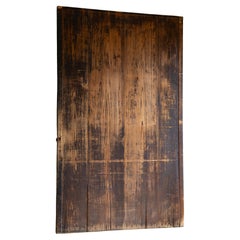
Japanese Antique Wooden Board , Wall Decoration Abstract Art , Wabi-Sabi
Located in Katori-Shi, 12
This wooden board was made in the Taisho era.
It was used as a "mochi board." A "mochi board" is a board from the Meiji era that was used as a workbench for kneading flour, and is m...
Category
Early 20th Century Japanese Taisho Doors and Gates
Materials
Wood
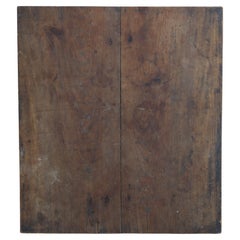
Japanese Antique Door "Wall Decoration" 1860s-1900s / Abstract Art Wabi Sabi
Located in Sammu-shi, Chiba
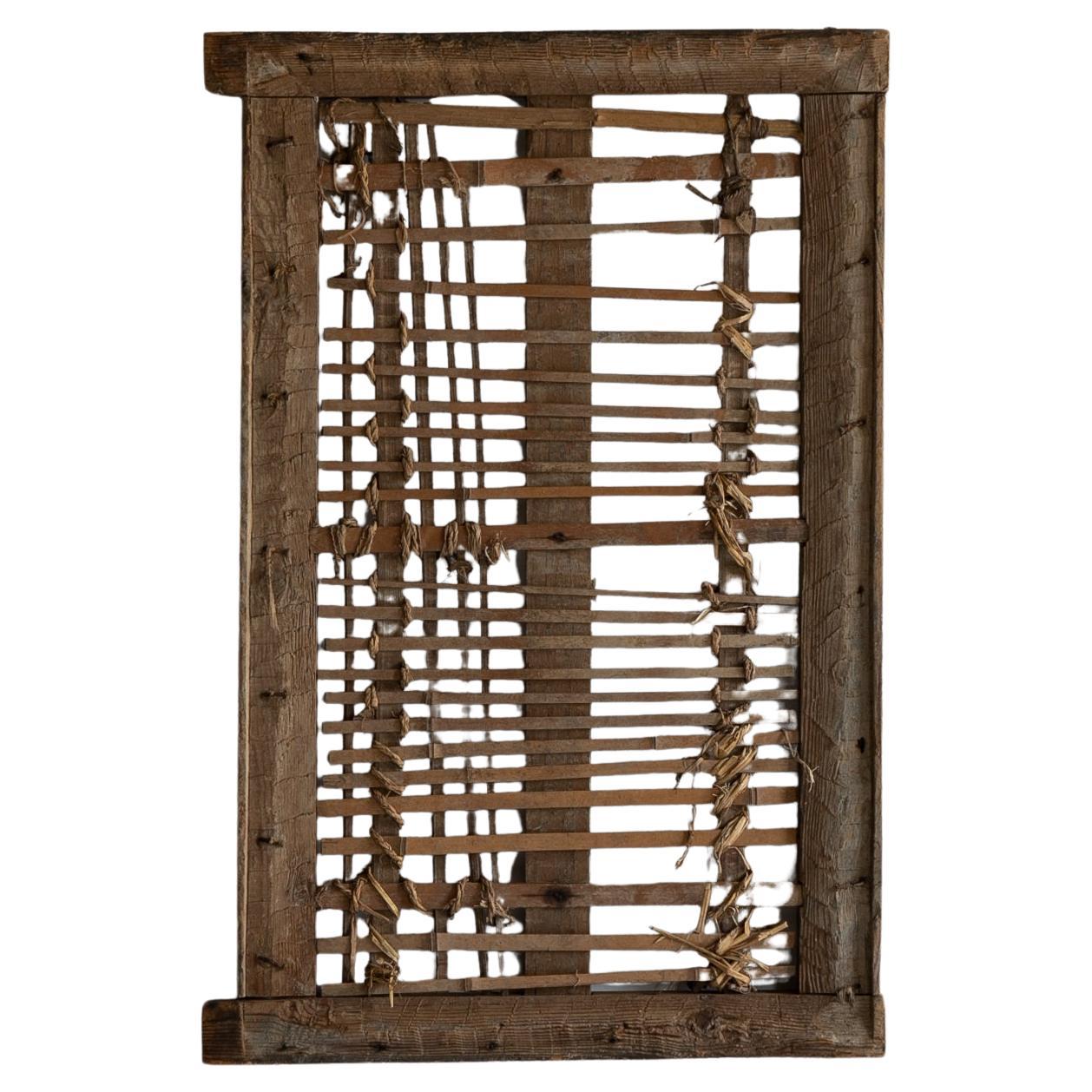
This was a very old Japanese warehouse (kura) window sliding door.
It was made during the Meiji period (1860s-1900s).
The frame is made of cedar wood and the lattice is bamboo.
It w...
Category
Early 20th Century Japanese Meiji Decorative Art
Materials
Bamboo, Cedar
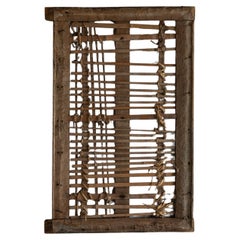
Japanese Antique Door, Abstract Art Wabi Sabi, 1860s-1900s
Located in Katori-Shi, 12
Very old Japanese sliding door.
The simple design conveys the charm of the material.
You can feel the world of wabi and sabi.
Recommended as a wall painting.
It was made in the Mei...
Category
Early 20th Century Meiji Doors and Gates
Materials
Wood