1 of 20
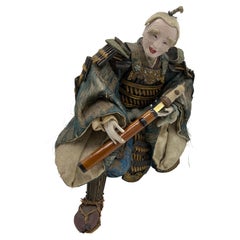
Japanese Antique Samurai Doll, Edo Period, 1790s
$780.65List Price
About the Item
- Dimensions:Height: 12.6 in (32 cm)Width: 8.67 in (22 cm)Depth: 7.09 in (18 cm)
- Style:Edo (Of the Period)
- Materials and Techniques:
- Place of Origin:
- Period:
- Date of Manufacture:circa 1790
- Condition:
- Seller Location:Paris, FR
- Reference Number:1stDibs: LU3222316224492
Authenticity Guarantee
In the unlikely event there’s an issue with an item’s authenticity, contact us within 1 year for a full refund. DetailsMoney-Back Guarantee
If your item is not as described, is damaged in transit, or does not arrive, contact us within 7 days for a full refund. Details24-Hour Cancellation
You have a 24-hour grace period in which to reconsider your purchase, with no questions asked.Vetted Professional Sellers
Our world-class sellers must adhere to strict standards for service and quality, maintaining the integrity of our listings.Price-Match Guarantee
If you find that a seller listed the same item for a lower price elsewhere, we’ll match it.Trusted Global Delivery
Our best-in-class carrier network provides specialized shipping options worldwide, including custom delivery.You May Also Like
Japanese Samurai Figure Hinaningyo, Edo Period
Located in Munich, Bavaria
Antique samurai doll called Hinaningyo; Japan, late EDO period
Praised at the Tang-no-sekku boys' festival on May 5th as a sign of bravery, embodying the...
Category
Antique Mid-18th Century Japanese Antiquities
Materials
Textile, Wood
Japanese Antique "Staircase Chest"
Late Edo Period-Meiji Period
/Cabinet
Located in Sammu-shi, Chiba
We have an aesthetic sense peculiar to Japanese people.
And we introduce the unique items that only we can do, the route of purchasing in Japan, the experience value so far, and the way that no one can imitate.
Japanese antique black chest "staircase chest...
Category
Antique 19th Century Japanese Edo Furniture
Materials
Cedar
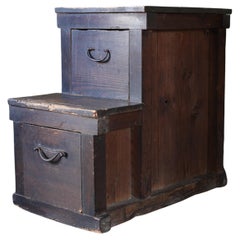
$800
H 22.64 in W 13.78 in D 23.63 in
Rare Antique Original high Ranking Edo period Samurai armor Yoroi Japan Daimyō
Located in Ijzendijke, NL
This complete Edo-period samurai armor is an exceptional example of the refined martial elegance and ceremonial grandeur associated with Japan’s warrior aristocracy. Every component reflects a precise harmony of functionality, symbolism, and prestige.
At the heart of the set is a superb suji-bachi kabuto, constructed from multiple riveted iron plates arranged with flawless symmetry and enriched by a beautifully aged patina. It is crowned with a gilt tehen no kanamono, and the imposing maedate presents a pair of antler-like blades framing a gilded sun disc an emblem of celestial authority and divine lineage.
The Fukigaeshi feature extraordinary gilt dragon ornaments, carved in high relief. Dragons, ancient symbols of protection and power, were reserved for armor of the highest rank, strongly indicating that this set belonged to a Daimyō or high-ranking retainer.
The menpō, lacquered in deep black, includes a natural-hair moustache and an articulated jaw (resseibō), lending the face a vivid sense of character. Below it, the shikoro is composed of finely lacquered blue-and-gold plates, meticulously laced with silk.
The okegawa ni-mai dō cuirass is finished in a dark brown lacquer and laced in deep indigo silk, complemented by elegant orange ceremonial tassels a hallmark of formal presentation armor. The sode (shoulder guards) retain their rare bear-fur trimming, an expensive and status-laden material symbolizing courage and noble rank.
Completing the ensemble are beautifully made kote, haidate, and suneate, each executed with rich fabrics and refined lacquer work. A butterfly mon (chō-mon) appears on the leg guards an elegant symbol of transformation, adding a poetic contrast to the armor’s martial presence.
The extensive use of gilding, the rare bear-fur details, and the prominent dragon motifs confirm this as a piece created for the highest echelons of samurai society. It is a masterpiece where ceremonial artistry, symbolism, and authority converge.
Artistic and Historical Significance
This armor epitomizes the Edo-period ideal, when arms and armor transcended their battlefield origins and became expressions of identity, dignity, and cultural refinement. The interplay of dark lacquer, golden ornamentation, and natural materials embodies the spirit of bushidō discipline, inner strength, and beauty through restraint.
Whether displayed in a private collection, gallery, office, or interior setting, this armor commands attention. Its presence transforms any space, making it a truly museum-worthy centerpiece for collectors of Japanese, military, or historical art.
The set includes its traditional stand and storage box. As with all antique armor...
Category
Antique 17th Century Japanese Japonisme Antiquities
Materials
Metal
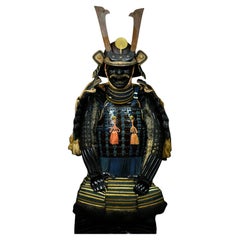
$41,854
Free Shipping
H 63 in W 23.63 in D 19.69 in
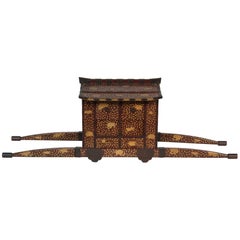
Japanese Edo-Meiji Period Lacquered Palanquin
Located in Stamford, CT
A Japanese Edo-Meiji period Palanquin chair for the childrens festival. The form with sliding and hinged doors, decorated in gold hiramaki-e with peonies ...
Category
Antique 1890s Japanese Edo More Asian Art, Objects and Furniture
Materials
Lacquer
Pair of Japanese Edo Period 18th/19th century Iron Samurai Abumi Stirrups
Located in New York, NY
A pair of antique Japanese samurai Abumi (horse riding stirrups) from the Edo period (1615-1868)
Abumi often have a distinctive shape, curving up and backward at the front to achiev...
Category
Antique Mid-19th Century Japanese Edo Antiquities
Materials
Silver, Iron
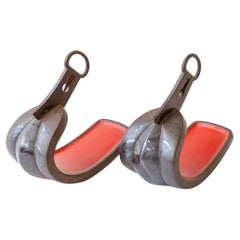
$3,200 / set
H 10 in W 11 in D 5.5 in
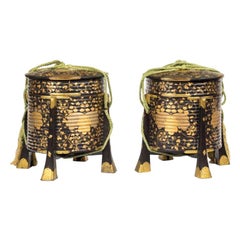
Pair of Edo Period Black and Gold Lacquer Samurai Helmet Boxes
Located in Lymington, Hampshire
A pair of Edo period black and gold lacquer Samurai helmet boxes (Hakko Bako), each of ribbed cylindrical form with a lid, a black lacquer interior,...
Category
Antique 19th Century Japanese Edo Lacquer
Materials
Lacquer
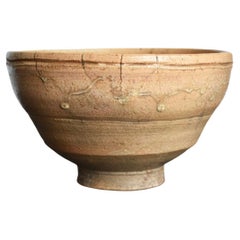
Japanese Antique Earthenware Tea Bowl/Edo Period/1700-1800/
Hagi Ware
Located in Sammu-shi, Chiba
This is Hagi ware made in the middle of the Edo period.
Hagi ware is a type of pottery that began in Hagi City, Yamaguchi Prefecture in the early Edo period...
Category
Antique 18th Century Japanese Edo Pottery
Materials
Pottery
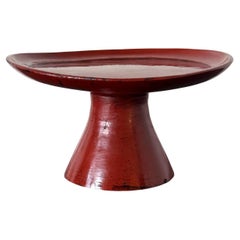
Rare Japanese Negoro Stem Dish Momoyama Edo Period
Located in Atlanta, GA
An antique red lacquer stem dish from Japan, circa 17th century (Momoyama to early Edo period). This type of red lacquer finish is known as Negoro lacquer. It was developed by the me...
Category
Antique 17th Century Japanese Edo Lacquer
Materials
Wood, Lacquer
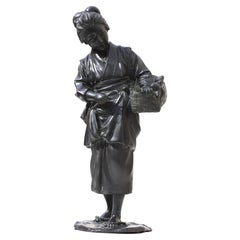
Bronze Model of a Heron Maiden Holding a Fish Basket Japanese, Meiji Period
Located in West Palm Beach, FL
A bronze Model of a Heron Maiden holding a fish basket
Japanese, Meiji Period
late 19th century
realistically rendered, all finely patinated, Signed
Height 18.87 in. (46 cm.)
Category
Antique 19th Century Antiquities
Materials
Bronze
$11,000
H 18.87 in Dm 5 in
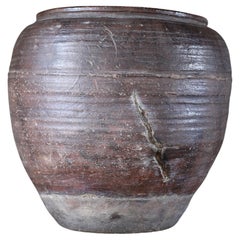
Japanese Antique Pottery with Beautiful Ripped in the Edo Period/Tsubo Wabisabi
Located in Sammu-shi, Chiba
It is an old jar baked in Japan.
It seems to be in the Edo period (1700s-1800s).
The unique distorted shape is beautiful.
The color and balance of the gla...
Category
Antique Early 19th Century Japanese Edo Vases
Materials
Pottery
$900
H 14.38 in Dm 14.97 in
Still Thinking About These?
All Recently ViewedMore Ways To Browse
Antique Samurai
Edo Samurai
Antique Japanese Doll
Antique Long Sword
Samurai Doll
Antique Japanese Silk Dolls
Japanese Doll Edo Period
Antique Clay Dolls
Han Dynasty
Burmese Carved
Burmese Carved Furniture
Wabi Sabi Art
15th Century Bronze
Chinese Ship
Antique Imperial China
Burmese Carved Wood
Rare Antiquities
Antique Han Dynasty