Want more images or videos?
Request additional images or videos from the seller
1 of 14
Japanese Antique Samurai Wine / Sake Gourd “Hyotan” Lacquered Calabash Flask
$960List Price
About the Item
- Dimensions:Height: 14.61 in (37.1 cm)Diameter: 6.7 in (17 cm)
- Materials and Techniques:Fruitwood,Lacquered
- Place of Origin:
- Period:
- Date of Manufacture:Early 20th Century
- Condition:
- Seller Location:Sampantawong, TH
- Reference Number:Seller: DJ5621stDibs: LU5730236222852
About the Seller
4.9
Platinum Seller
Premium sellers with a 4.7+ rating and 24-hour response times
Established in 2004
1stDibs seller since 2021
111 sales on 1stDibs
Typical response time: 3 hours
Authenticity Guarantee
In the unlikely event there’s an issue with an item’s authenticity, contact us within 1 year for a full refund. DetailsMoney-Back Guarantee
If your item is not as described, is damaged in transit, or does not arrive, contact us within 7 days for a full refund. Details24-Hour Cancellation
You have a 24-hour grace period in which to reconsider your purchase, with no questions asked.Vetted Professional Sellers
Our world-class sellers must adhere to strict standards for service and quality, maintaining the integrity of our listings.Price-Match Guarantee
If you find that a seller listed the same item for a lower price elsewhere, we’ll match it.Trusted Global Delivery
Our best-in-class carrier network provides specialized shipping options worldwide, including custom delivery.You May Also Like
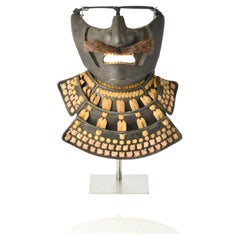
A Japanese Samurai ressei menpo mask
Located in Milano, IT
Samurai menpo mask with the ressei (fierce) expression, belonging to the me-no-shita "half-face" type, which stands out for its leather surface to simulate ...
Category
Antique 18th Century Japanese Japonisme Antiquities
Materials
Leather
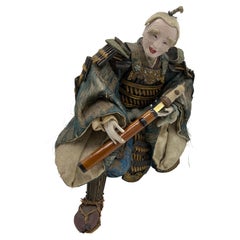
Japanese Samurai Figure Hinaningyo, Edo Period
Located in Munich, Bavaria
Antique samurai doll called Hinaningyo; Japan, late EDO period
Praised at the Tang-no-sekku boys' festival on May 5th as a sign of bravery, embodying the...
Category
Antique Mid-18th Century Japanese Antiquities
Materials
Textile, Wood
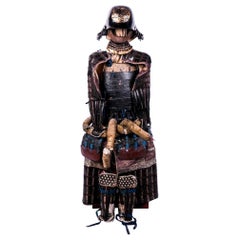
18th Century, Japanese Edo Period Lacquer
Chain Mail Suit of Samurai Armor
Located in Atlanta, GA
Japanese, Edo Period (1603-1868), likely late 18th century.
Step into the rich tapestry of Japanese history with this exquisite 18th-century Edo Period Lacquer & Chain Mail Suit of Armor, a masterpiece that seamlessly blends martial craftsmanship with artistic elegance. Crafted during a period of unparalleled cultural refinement, this armor is a testament to the meticulous skill and dedication of Japanese artisans.
The Gosuko armor, at the heart of this ensemble, embodies the traditional armor design of the Edo Period. Each meticulously lacquered plate, carefully adorned with ornate motifs, reflects not only the functional sophistication required for battle but also the aesthetic sensibilities intrinsic to Japanese art. The incorporation of chain mail adds a layer of flexibility and mobility, harmonizing the demands of protection with the fluidity required in combat.
A crowning glory to this armor is the Kabuto Helmet, an iconic symbol of samurai identity and resilience. Its design not only provides formidable protection but also serves as a canvas for artistic expression. The helmet's form, combined with lacquer embellishments and a crest, creates a striking visual statement, a representation of the wearer's identity and lineage.
To complete the ensemble, the armor comes with a brocade fabric, adding a touch of regality to this already magnificent piece. The interplay of textures and colors in the brocade further elevates the visual impact, turning the act of donning this armor into a ceremonial experience.
For the discerning collector, this piece is presented in a lacquer armor box, meticulously crafted to safeguard and showcase the historical significance of the armor. The accompanying wood armor display stand serves as a stage, allowing this masterpiece to command attention in any setting, whether it be a private collection, museum exhibit, or a distinguished living space.
Owning this 18th-century Japanese Edo Period Lacquer...
Category
Antique 18th Century Japanese Japonisme Antiquities
Materials
Iron, Gold Leaf
$10,000 Sale Price
20% Off
H 55 in W 18 in D 20 in
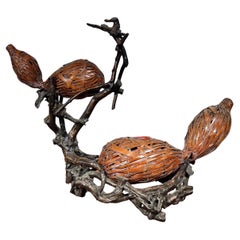
Japanese Double Gourd Ikebana Woven Basket
Located in San Francisco, CA
C. 20th century
Japanese doubled Gourd Ikebana Woven Basket.
Category
20th Century Antiquities
Materials
Wood
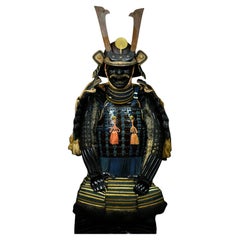
Rare Antique Original high Ranking Edo period Samurai armor Yoroi Japan Daimyō
Located in Ijzendijke, NL
This complete Edo-period samurai armor is an exceptional example of the refined martial elegance and ceremonial grandeur associated with Japan’s warrior aristocracy. Every component reflects a precise harmony of functionality, symbolism, and prestige.
At the heart of the set is a superb suji-bachi kabuto, constructed from multiple riveted iron plates arranged with flawless symmetry and enriched by a beautifully aged patina. It is crowned with a gilt tehen no kanamono, and the imposing maedate presents a pair of antler-like blades framing a gilded sun disc an emblem of celestial authority and divine lineage.
The Fukigaeshi feature extraordinary gilt dragon ornaments, carved in high relief. Dragons, ancient symbols of protection and power, were reserved for armor of the highest rank, strongly indicating that this set belonged to a Daimyō or high-ranking retainer.
The menpō, lacquered in deep black, includes a natural-hair moustache and an articulated jaw (resseibō), lending the face a vivid sense of character. Below it, the shikoro is composed of finely lacquered blue-and-gold plates, meticulously laced with silk.
The okegawa ni-mai dō cuirass is finished in a dark brown lacquer and laced in deep indigo silk, complemented by elegant orange ceremonial tassels a hallmark of formal presentation armor. The sode (shoulder guards) retain their rare bear-fur trimming, an expensive and status-laden material symbolizing courage and noble rank.
Completing the ensemble are beautifully made kote, haidate, and suneate, each executed with rich fabrics and refined lacquer work. A butterfly mon (chō-mon) appears on the leg guards an elegant symbol of transformation, adding a poetic contrast to the armor’s martial presence.
The extensive use of gilding, the rare bear-fur details, and the prominent dragon motifs confirm this as a piece created for the highest echelons of samurai society. It is a masterpiece where ceremonial artistry, symbolism, and authority converge.
Artistic and Historical Significance
This armor epitomizes the Edo-period ideal, when arms and armor transcended their battlefield origins and became expressions of identity, dignity, and cultural refinement. The interplay of dark lacquer, golden ornamentation, and natural materials embodies the spirit of bushidō discipline, inner strength, and beauty through restraint.
Whether displayed in a private collection, gallery, office, or interior setting, this armor commands attention. Its presence transforms any space, making it a truly museum-worthy centerpiece for collectors of Japanese, military, or historical art.
The set includes its traditional stand and storage box. As with all antique armor...
Category
Antique 17th Century Japanese Japonisme Antiquities
Materials
Metal
$41,743
Free Shipping
H 63 in W 23.63 in D 19.69 in
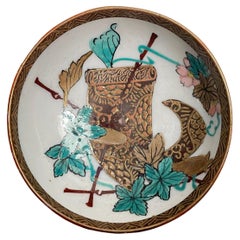
Japanese Porcelain Sake Cup Ochoko Leaves 1960s Kutani ware
Located in Paris, FR
This is a small cup for drinking sake. It is called Ochoko in Japanese.
It was made in showa era around 1960s. It is made with porcelain and all hand painted.
This is Kutani ware.
...
Category
Vintage 1960s Japanese Showa Antiquities
Materials
Porcelain
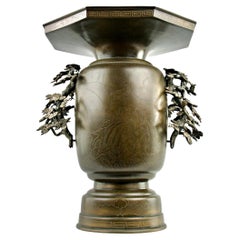
Japanese Silver Inlay Samuraï and Dragon Vase, Japan, 19th Century
Located in PARIS, FR
Beautiful and rare Japanese vase from the 19th century. Superb silver inlay work showcasing a Samuraï fighting off a serpentine dragon with an additional dragon on top of the lid. Additional detailed decorations of chrysanthemums and lily motifs.
This vase was part of the collection of Marechal Niel...
Category
Antique 19th Century Japanese Antiquities
Materials
Silver, Bronze
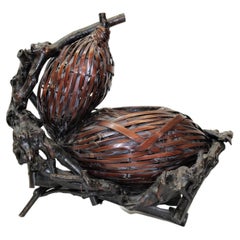
Japanese Double Gourd Ikebana Woven Basket and root
Located in Buffalo, NY
20th Century Japanese Double Gourd Ikebana Woven Basket and Root.. amazing sculpture / art.. Retain original inserts.. one basket re-glued , repaired.. (see photo)
Category
20th Century Japanese Folk Art Antiquities
Materials
Wicker, Wood
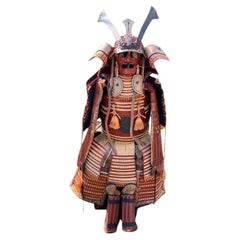
Japanese Red Samurai Armour Beginning of Meiji period 1900s
Located in Paris, FR
This is an armour of samurai. It was made around 1900s in Meiji era. This armour was not used in actual war so it was made as decoration, because of that, it is in good condition as its age.
There are some scratches and missing parts, if you need some more information, please let us know, we will respond you as soon as possible and send more photos.
This armour can be folded in a box. The box is getting damaged so it is not in good condition. We might send this armour in other box.
Dimensions: 50 x 50 x H170 cm
Scholars agree that Japanese armour first appeared in the 4th century, with the discovery of the cuirass and basic helmets in graves. During the Heian period, the unique Japanese samurai...
Category
Antique Early 1900s Japanese Meiji Antiquities
Materials
Metal, Iron
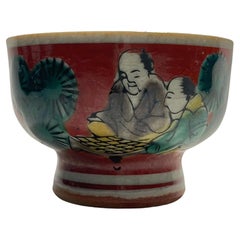
Japanese Porcelain Sake Cup Aoki Mokubei Leaves 1980 Showa Kutani Ware
Located in Paris, FR
This is a small cup for drinking sake. It is called Ochoko in Japanese.
It was made in showa era around 1980s. It is made with porcelain and all hand painted.
This is Kutani ware. ...
Category
Vintage 1980s Japanese Showa Antiquities
Materials
Porcelain
More From This Seller
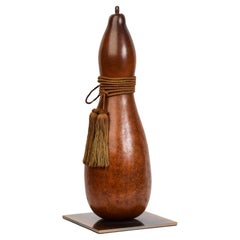
View AllJapanese Antique Samurai Wine / Sake Gourd “Hyotan” Lacquered Calabash Flask
Located in Sampantawong, TH
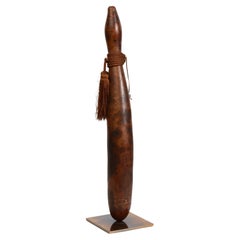
Antique Samurai drinking vessel with red lacquer and wooden stopper in excellent condition. The hand made cord tassels complete the set.
Dark old pati...
Category
Early 20th Century Japanese Antiquities
Materials
Fruitwood
$784 Sale Price
20% Off
Japanese Antique Samurai Wine / Sake Gourd “Hyotan” Lacquered Calabash Flask
Located in Sampantawong, TH
Antique Samurai drinking vessel with red lacquer and wooden stopper in excellent condition. The hand made cord tassels complete the set.
Dark old patina due to its age enhances its ...
Category
Early 20th Century Japanese Antiquities
Materials
Fruitwood
$680 Sale Price
20% Off
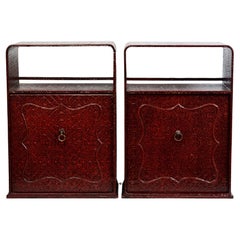
19th Century, A Pair of Antique Japanese Wooden Red Lacquered Cabinet
Located in Sampantawong, TH
A pair of antique Japanese wooden red lacquered cabinet.
Age: Japan, 19th Century
Size: Height 55.5 C.M. / Width 40.5 C.M. / Depth 25.6 C.M.
Condition: Nice condition overall.
100%...
Category
Antique 19th Century Japanese Antiquities
Materials
Wood
$3,920 Sale Price / set
20% Off
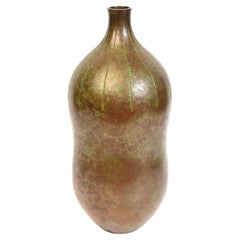
Early 20th C., Showa, Large Japanese Bronze Vase in Gourd Shape with Artist Sign
Located in Sampantawong, TH
Large Japanese bronze vase in gourd shape with artist sign.
Artist signature is on the last photo.
Age: Japan, Showa Period, Early 20th Century
Size: Height 32.8 C.M. / Width 14.5 C...
Category
Early 20th Century Japanese Antiquities
Materials
Bronze
$1,200 Sale Price
20% Off
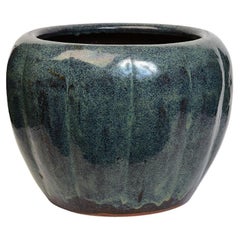
19th Century, Meiji, Antique Japanese Ceramic Jar
Located in Sampantawong, TH
Antique Japanese ceramic jar.
Age: Japan, Meiji Period, 19th century
Size: Height 34 C.M. / Width 46.2 C.M.
Condition: Nice condition overall.
100% satisfaction and authenticity guaranteed...
Category
Antique 19th Century Japanese Antiquities
Materials
Ceramic
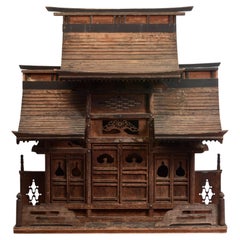
19th Century, Meiji, Antique Japanese Wooden Shrine
Located in Sampantawong, TH
Antique Japanese Wooden Shrine.
Age: Japan, Meiji Period, 19th Century
Size: Height 83 C.M. / Width 76.8 C.M. / Depth 29 C.M.
Condition: Nice condition overall (some expected degrad...
Category
Antique 19th Century Japanese Antiquities
Materials
Wool