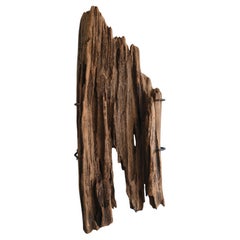
Items Similar to Japanese Antique Wabi-Sabi Weathered Keyaki Wood Block 1900s-1940s / Figurine
Want more images or videos?
Request additional images or videos from the seller
1 of 14
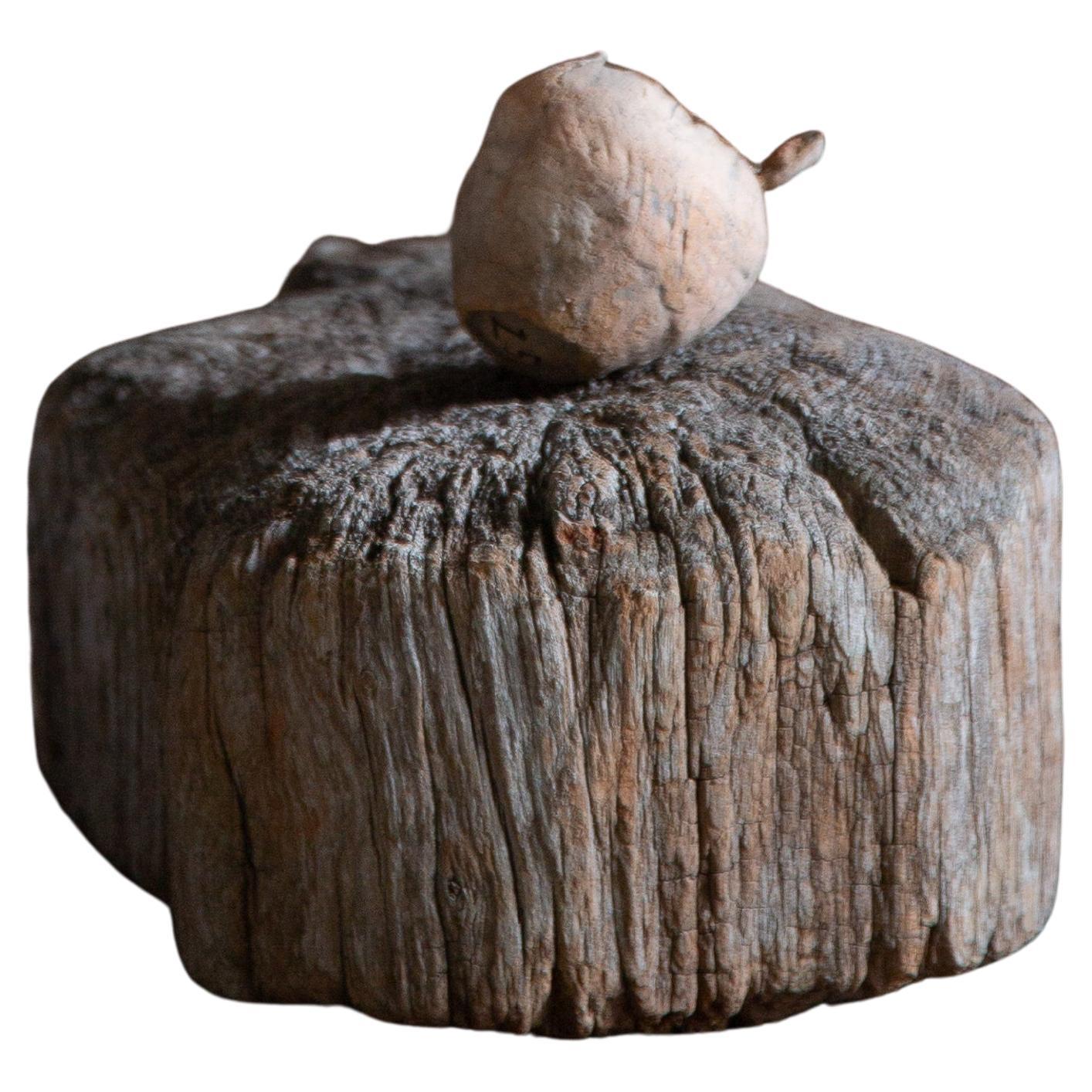
Japanese Antique Wabi-Sabi Weathered Keyaki Wood Block 1900s-1940s / Figurine
$800
£604.44
€693.02
CA$1,116.49
A$1,214.83
CHF 643.24
MX$14,615.21
NOK 8,167.67
SEK 7,472.85
DKK 5,177.85
About the Item
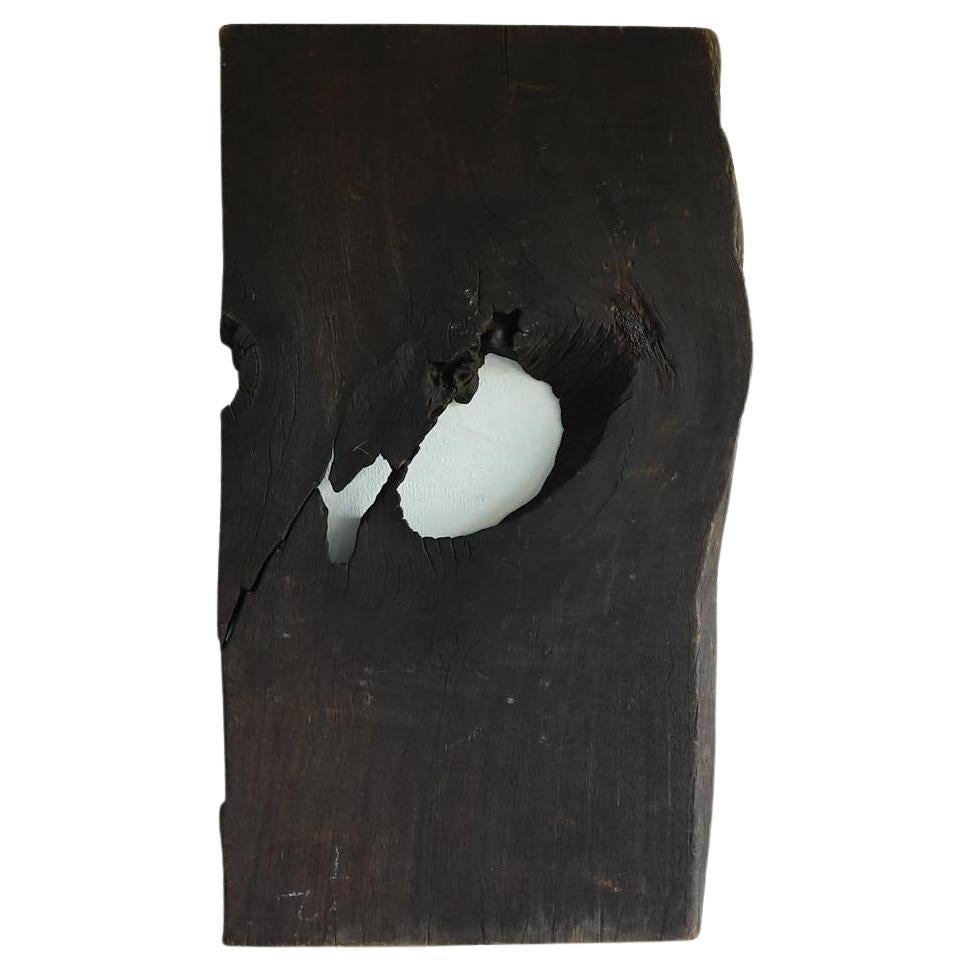
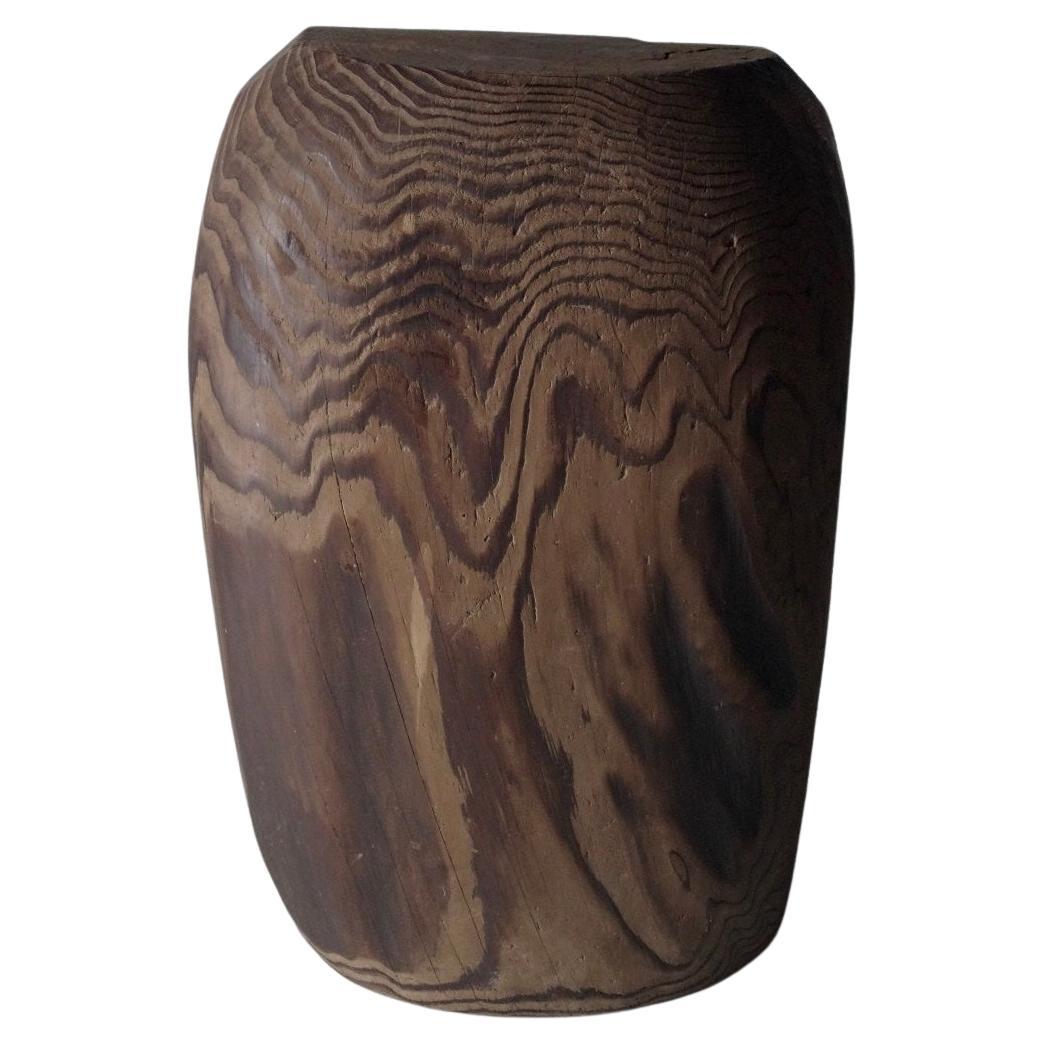
This is an antique, weathered block of Japanese keyaki (zelkova) wood. It is estimated to date from the early 1900s to the 1940s. Its form, shaped over many decades, carries a presence reminiscent of a natural sculpture created entirely by the elements. Exposed to rain, wind, cycles of humidity and dryness, and harsh outdoor environments, the wood has gently eroded over time. As a result, the surface now bears deep, intricate lines and folds—like natural wrinkles—giving it an expressive character akin to a cross-section of the earth’s strata.
Although weathered, it shows no significant insect damage or major deterioration. The interior still retains its density and strength, allowing the piece to convey not just age but also the enduring vitality of seasoned material. The organic shapes formed by natural processes, the accidental curves and fissures, and the inherent heaviness of keyaki all come together to create a rare object full of narrative and depth—one single block holding a long story within it.
Simply placing it in a room gives it the presence of an art piece. It harmonizes beautifully not only with Japanese interiors but also with industrial and modern spaces. It can be used freely as a bookend, object, pedestal, or sculptural accent—the possibilities are open-ended. The play of light and shadow across its textured surface creates shifting expressions, offering new discoveries each time it is viewed.
This piece embodies the Japanese spirit of wabi-sabi, which values naturalness and the beauty of time’s passage. It is a unique object with a quiet yet powerful presence—something no human hand could ever replicate.
Weight: 10.5 kg
____________________________
Our Philosophy
Objects always tell the truth.
All I can do is just to face with them sincerely and give
them deep affection as much as I can.
There is no boundary of nationalities and of eras in beauty.
But I think now is the time we choose 'Japanese style' and it
will be the best way to remind us of what we are losing
today and to question us about an essence of beauty again.
I hope that you can touch the memories which the objects here have,
feel and think of something invisible but exists undoubtedly.
- Similar to:Axel Vervoordt (Designer)
- Dimensions:Height: 12.6 in (32 cm)Width: 12.41 in (31.5 cm)Depth: 5.91 in (15 cm)
- Style:Primitive (In the Style Of)
- Materials and Techniques:Wood,Woodwork
- Place of Origin:
- Period:
- Date of Manufacture:1900s-1940s
- Condition:Wear consistent with age and use.
- Seller Location:Chōsei District Nagara, JP
- Reference Number:1stDibs: LU10403247731062
About the Seller
4.8
Platinum Seller
Premium sellers with a 4.7+ rating and 24-hour response times
Established in 2017
1stDibs seller since 2025
68 sales on 1stDibs
Typical response time: 2 hours
- ShippingRetrieving quote...Shipping from: Chōsei District Nagara, Japan
- Return Policy
More From This Seller
View AllJapanese Antique Wabi-Sabi Wood Board 1860s-1900s / Wall Decoration
Located in Chōsei District Nagara, JP
This is an old Japanese wooden board called “Mochiita” (rice cake board).
It was used during the Meiji period (1860s-1900s) and is made of pine wood with a rich texture.
As the name ...
Category
Early 20th Century Japanese Meiji Decorative Art
Materials
Pine
$720 Sale Price
44% Off
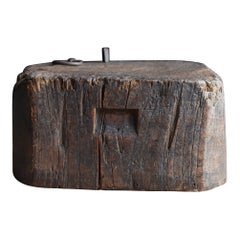
Japanese Antique Wooden Block Workbench 1900s-1940s / Display Stand Wabisabi
Located in Chōsei District Nagara, JP
This is an old Japanese wooden block workbench, believed to have been used in the early Showa period (1900s–1940s). The material is zelkova (keyaki) wood.
The countless scratches, dents, and the smoothness of its surface are proof of the many years of daily use and the touch of human hands that have polished it over time. The iron fittings remaining on the surface tell the story of the work once performed here, while also serving as a striking visual accent.
The inherent durability and beautiful grain of zelkova have gained even greater depth through the passage of time, creating a unique and irreplaceable texture. Left as it is, it stands as a powerful art piece; as a display stand, it functions beautifully to enhance the presence of whatever is placed upon it.
There is a slight tilt, but this too is part of its individuality, telling the tale of its long history. It is not in perfection, but in the imperfections shaped by time, that the Japanese aesthetic of wabi-sabi resides.
This wooden workbench is more than just an old tool — it is a sculptural object that reflects the era and the lives of the people who used it. Whether in a home interior, gallery, or as store display furniture...
Category
Mid-20th Century Japanese Primitive Antiquities
Materials
Wood
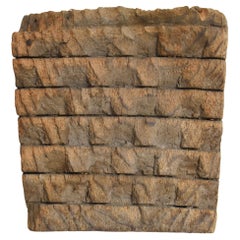
Japanese Antique Thatching Tools "Gangi" 1860s-1920s / Wall Decoration Wabisabi
Located in Chōsei District Nagara, JP
This is a traditional Japanese thatched roof tool known as a “Gangi.”
A Gangi is used to trim the cut ends of the thatch and smooth the roof’s surface, symbolizing the craftsmanship ...
Category
Early 20th Century Japanese Meiji Antiquities
Materials
Cedar
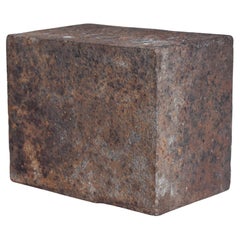
Japanese Old Iron Block 1950s-1970s / Display stand Wabi Sabi
Located in Chōsei District Nagara, JP
This is an old Japanese iron block, estimated to have been made in the early Showa period (1950s–1970s). At the time, it was used in ironworks as an anvil or workbench. Decades of us...
Category
Late 20th Century Japanese Showa Antiquities
Materials
Iron
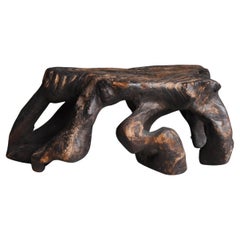
Japanese Antique Primitive Side Chair 1900s-1940s / Display Stand Wabi Sabi
Located in Chōsei District Nagara, JP
This is an old Japanese primitive-style stool or stand, believed to have been crafted in the early Showa period (1900s–1940s). The material appears to be kiri (paulownia wood), known...
Category
Mid-20th Century Japanese Primitive Side Chairs
Materials
Wood
Japanese Antique Wood Carving Daikokuten 1800s-1860s / Figurine Wabisabi
Located in Chōsei District Nagara, JP
This is an old Japanese wooden carving of Daikokuten, created during the Edo period (1800s–1860s). It is carved from sugi (Japanese cedar). Having endured the passage of centuries, i...
Category
Antique Late 19th Century Japanese Edo Sculptures and Carvings
Materials
Cedar
You May Also Like
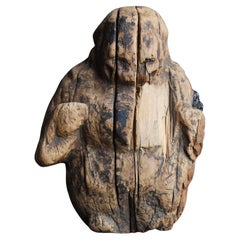
Late 19th Japanese Antique wood slab display stand, wabi sabi decor art piece
Located in 常陸大宮市, JP
Japanese Antique wooden display stand, "Dai" in Japanese, made from thick, single solid wood slab.
Product of 1860s-1900s (late Edo to early Meiji era), estimate from the material an...
Category
Antique Late 19th Century Japanese Primitive Antiquities
Materials
Wood
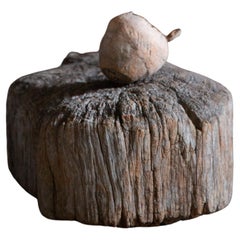
Japanese Antique Wooden Block, 1950s–1960s - Japandi Wabi-Sabi
Located in Chiba, Chiba
A Japanese antique wooden block dating from the 1950s–1960s.
Carved from a solid mass of wood, the piece has a quiet sculptural presence—its simple square form lending itself natural...
Category
Mid-20th Century Japanese Antiquities
Materials
Wood
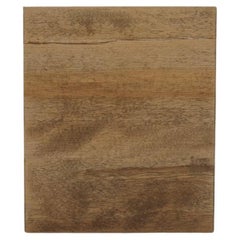
Japanese Old Wooden Object / Wooden Lump Figurine / Wabi-Sabi
Located in Iwate-gun Shizukuishi-cho, Iwate Prefecture
This is an old wooden object.
The details of the tree are unknown, but it seems to be hardwood.
It changes its shape and color over time, and it has become an artistic appearance.
...
Category
Early 20th Century Japanese Primitive Antiquities
Materials
Wood, Hardwood
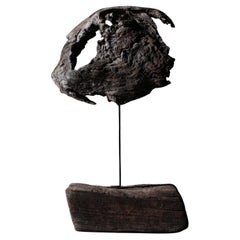
Japanese Antique Wooden Board, "Abstract Sculptures", Wabi-Sabi, Mingei
Located in Katori-Shi, 12
This wooden antique board is from the Meiji period.
It is made of lauan wood.
Years of use and age have given it a beautiful appearance.
Hang it o...
Category
Early 20th Century Meiji Antiquities
Materials
Wood
Japanese Folk Tools Wooden Objet / Display Stand / Wabi-Sabi Primitive
Located in Iwate-gun Shizukuishi-cho, Iwate Prefecture
It is believed that this was used as an old Japanese folk tool.
Cedar is used.
The beautiful wood grain and rounded exterior can be decorated in the space as an object.
In additio...
Category
20th Century Japanese Primitive Antiquities
Materials
Wood, Cedar
Japanese antique wall hanging wooden object/Wabi-Sabi withered ornament
Located in Sammu-shi, Chiba
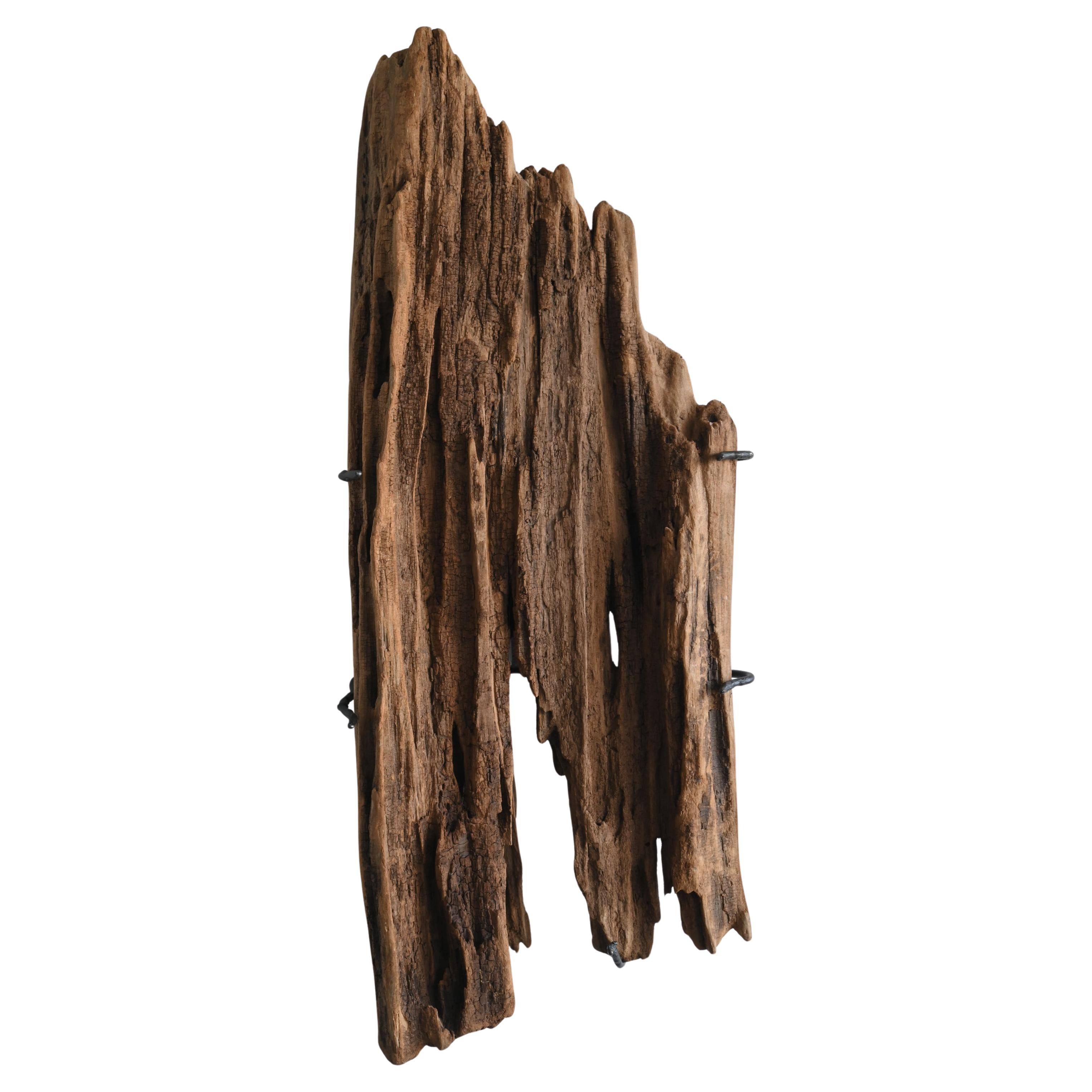
This wall-hanging object combines a naturally weathered block of wood with iron fittings. It likely originates from Japan, and the previous owner was so captivated by the shape of th...
Category
Early 20th Century Japanese Taisho Decorative Art
Materials
Iron