Items Similar to Japanese Antique Wooden Block Workbench 1900s-1940s / Display Stand Wabisabi
Want more images or videos?
Request additional images or videos from the seller
1 of 16
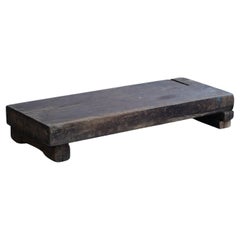
Japanese Antique Wooden Block Workbench 1900s-1940s / Display Stand Wabisabi
$500
£380.74
€438.41
CA$708.54
A$762.14
CHF 407.31
MX$8,983.46
NOK 5,135.22
SEK 4,694.57
DKK 3,275.67
About the Item
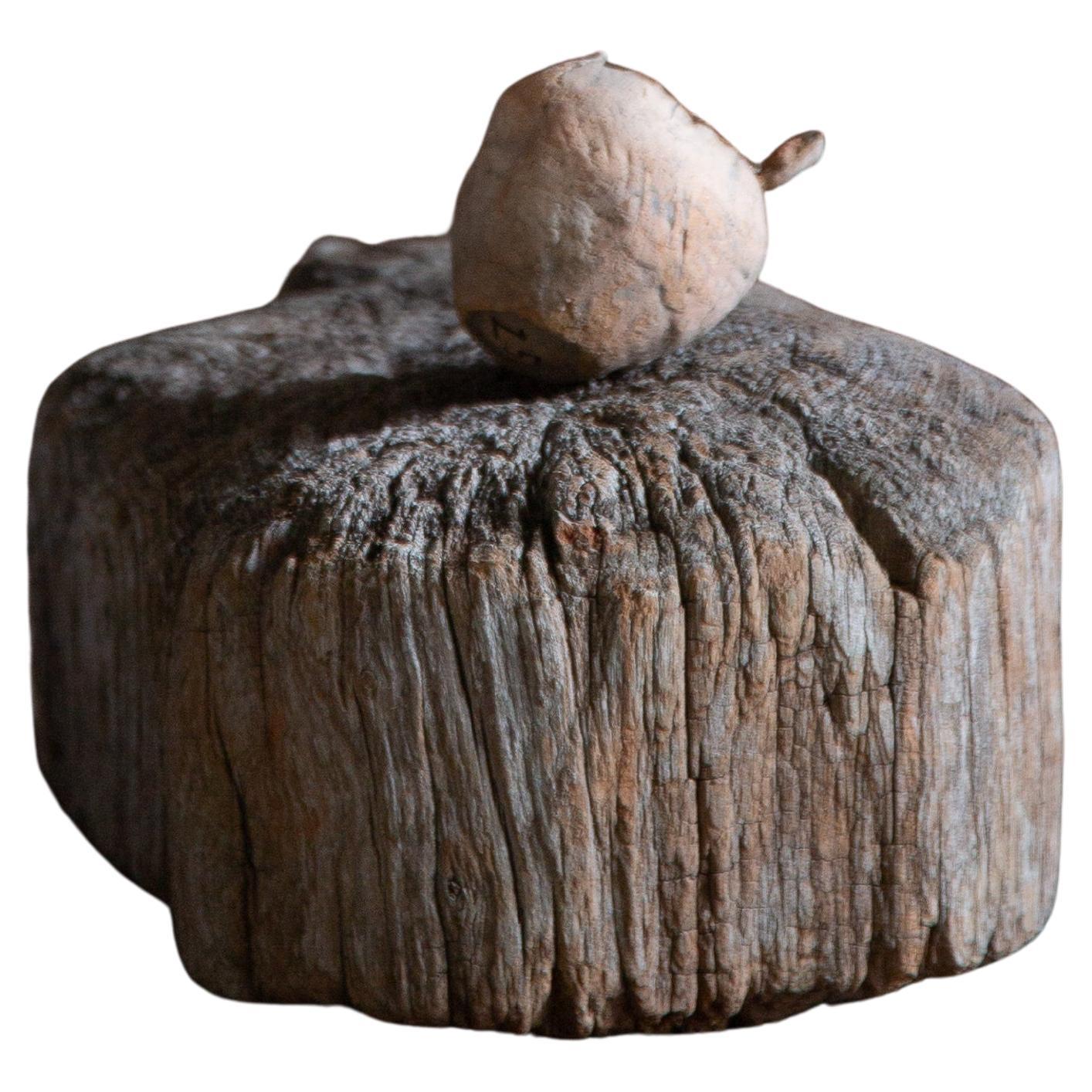
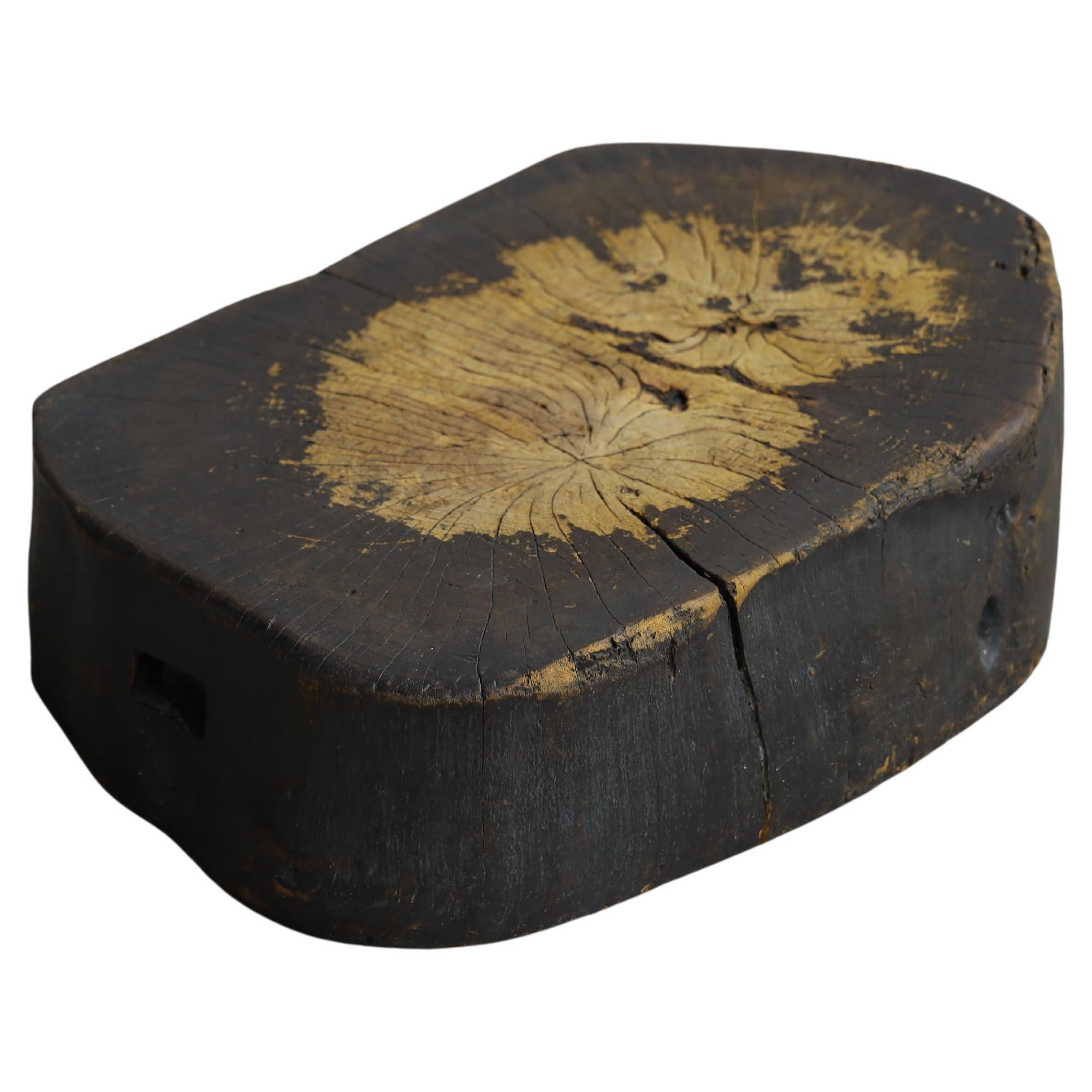
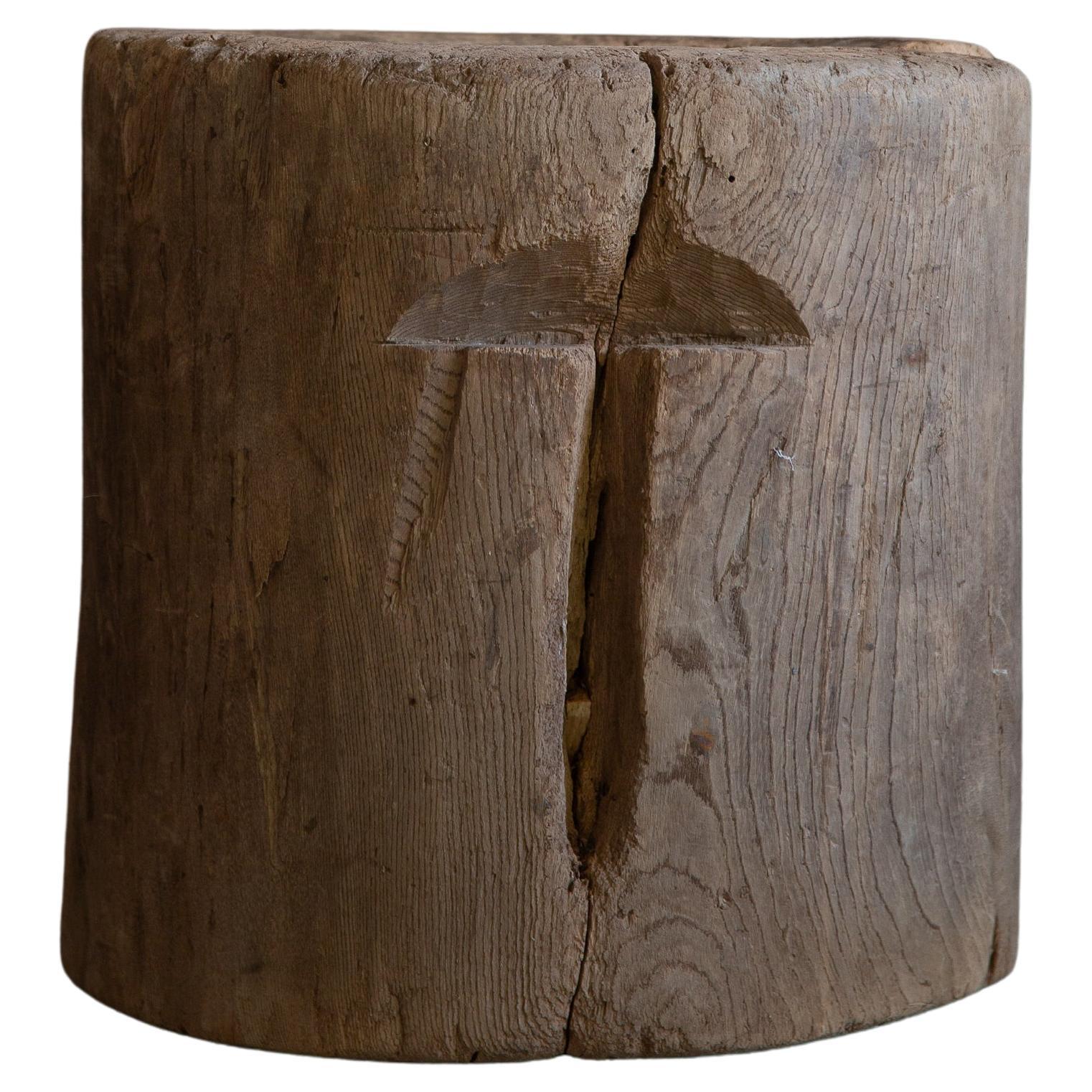
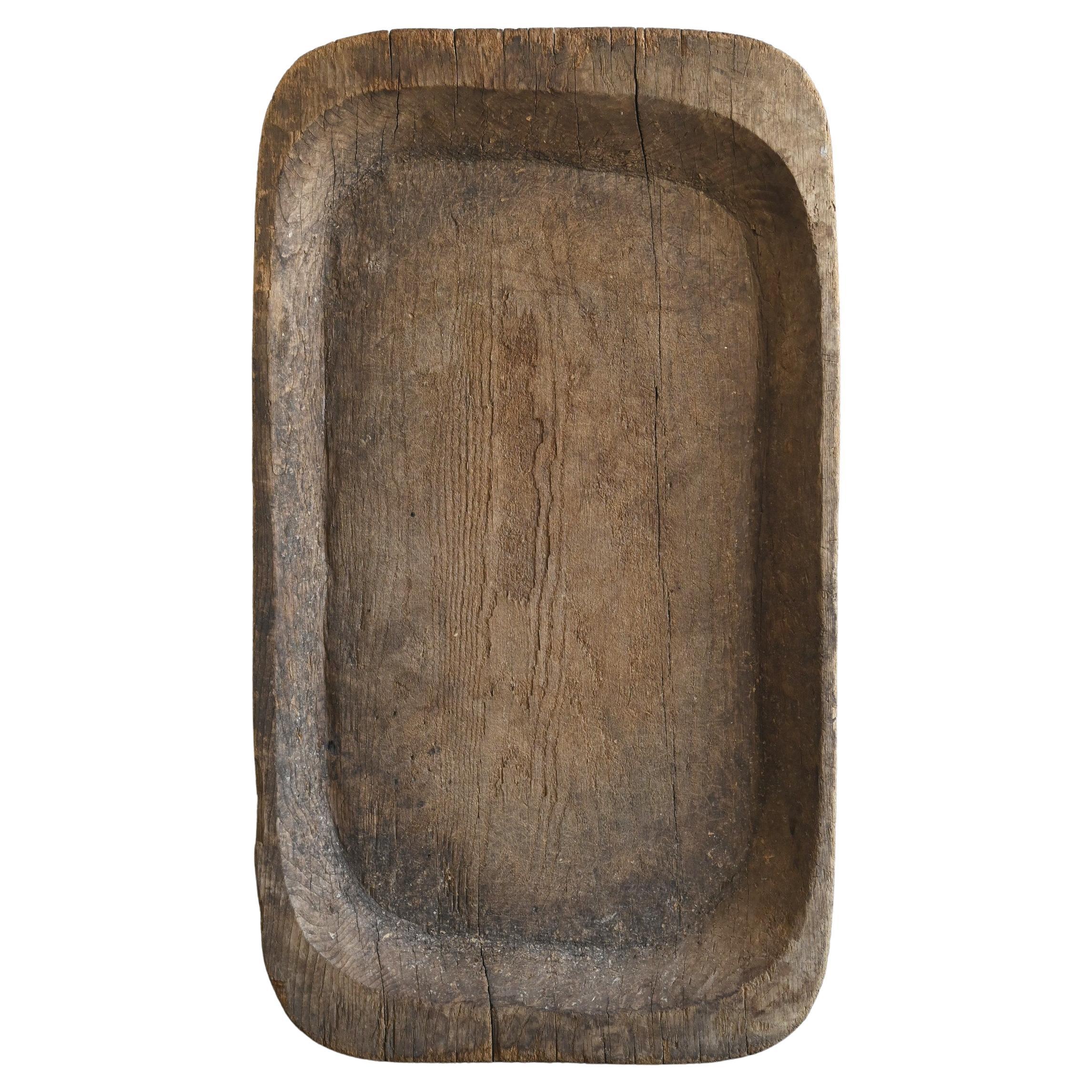
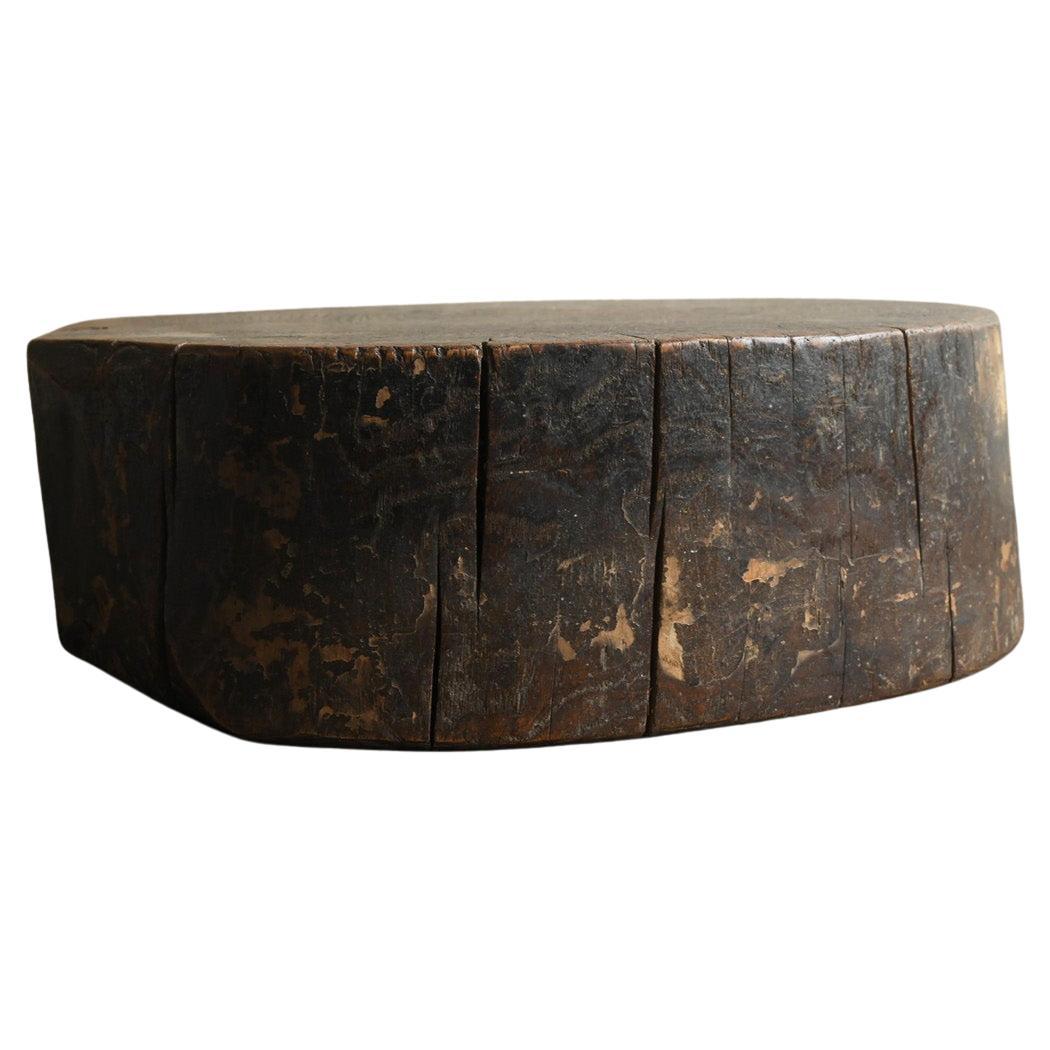
This is an old Japanese wooden block workbench, believed to have been used in the early Showa period (1900s–1940s). The material is zelkova (keyaki) wood.
The countless scratches, dents, and the smoothness of its surface are proof of the many years of daily use and the touch of human hands that have polished it over time. The iron fittings remaining on the surface tell the story of the work once performed here, while also serving as a striking visual accent.
The inherent durability and beautiful grain of zelkova have gained even greater depth through the passage of time, creating a unique and irreplaceable texture. Left as it is, it stands as a powerful art piece; as a display stand, it functions beautifully to enhance the presence of whatever is placed upon it.
There is a slight tilt, but this too is part of its individuality, telling the tale of its long history. It is not in perfection, but in the imperfections shaped by time, that the Japanese aesthetic of wabi-sabi resides.
This wooden workbench is more than just an old tool — it is a sculptural object that reflects the era and the lives of the people who used it. Whether in a home interior, gallery, or as store display furniture, it will bring a truly one-of-a-kind presence to any space.
Weight: 7 kg
__________________________________
Our Philosophy
Objects always tell the truth.
All I can do is just to face with them sincerely and give
them deep affection as much as I can.
There is no boundary of nationalities and of eras in beauty.
But I think now is the time we choose 'Japanese style' and it
will be the best way to remind us of what we are losing
today and to question us about an essence of beauty again.
I hope that you can touch the memories which the objects here have,
feel and think of something invisible but exists undoubtedly.
- Dimensions:Height: 6.3 in (16 cm)Width: 10.24 in (26 cm)Depth: 11.03 in (28 cm)
- Style:Primitive (In the Style Of)
- Materials and Techniques:Wood,Woodwork
- Place of Origin:
- Period:
- Date of Manufacture:1900s-1940s
- Condition:Wear consistent with age and use.
- Seller Location:Chōsei District Nagara, JP
- Reference Number:1stDibs: LU10403246219492
About the Seller
4.8
Platinum Seller
Premium sellers with a 4.7+ rating and 24-hour response times
Established in 2017
1stDibs seller since 2025
73 sales on 1stDibs
Typical response time: 3 hours
- ShippingRetrieving quote...Shipping from: Chōsei District Nagara, Japan
- Return Policy
More From This Seller
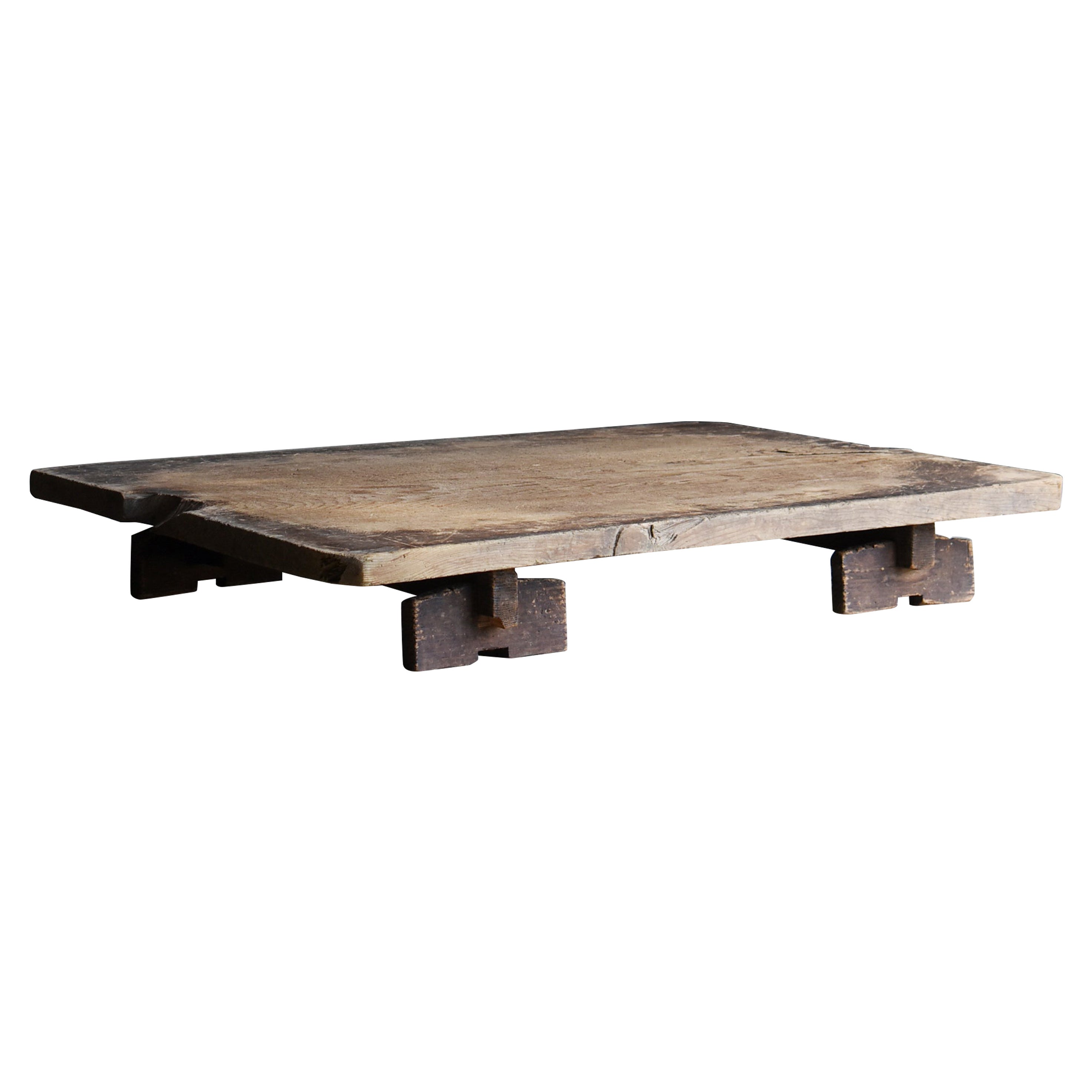
View AllJapanese Antique Low Table 1900s-1940s / Sofa Table Display Table Wabi Sabi
Located in Chōsei District Nagara, JP
This is an old Japanese low table dating from the early Showa period (1900s–1940s), discovered in an old farmhouse.
Designed in a separate two-part structure, it is both practical an...
Category
Mid-20th Century Japanese Showa Side Tables
Materials
Cedar

Japanese Antique Wooden Box 1860s-1920s / Sofa Table Storage Box Wabisabi
Located in Chōsei District Nagara, JP
This is an old Japanese wooden box, crafted in the Meiji to Taishō period (1860s–1920s). Despite its long history, it retains a quiet and compelling presence. The box is made from traditional sugi (Japanese cedar), whose soft grain and gentle texture reflect the depth and warmth of its age.
The form is strikingly minimal—its design is completely free of unnecessary elements. Although it is simply a box, the composition of clean lines and planes gives it a subtle tension and understated beauty. It carries the precision and warmth of handcraft, something that cannot be replicated by industrial production.
One particularly captivating feature is the visible trace of careful repairs made over many years. A knot hole on the side was thoughtfully patched with black washi paper, a practical repair that, over time, has become an expressive and almost artistic detail. In this small gesture, one can sense the quiet presence of Japanese aesthetic sensibilities.
The top and sides bear gentle wear and abrasion accumulated over decades. Rather than damage, these marks serve as a texture created by time, giving the piece its unique depth and character. The box possesses a humble yet powerful presence—a true embodiment of wabi-sabi, the beauty of imperfection and age.
The interior remains sturdy, offering ample storage capacity. It has been thoroughly cleaned, ensuring it can be used safely and comfortably. Its low, elongated proportions make it highly versatile: ideal as a low coffee table, a book table, a side table, or a display platform. Simply placing it in a modern interior instantly adds a sense of calm and visual depth.
A simple yet richly expressive antique wooden box...
Category
Early 20th Century Japanese Taisho Decorative Boxes
Materials
Cedar
Japanese Antique Sofa Table or Storage Box 1860s-1920s / Side Table Wabisabi
Located in Chōsei District Nagara, JP
This is an old Japanese storage chest that also functions as a low table.
It was crafted during the Meiji to Taisho periods (1860s–1920s) and made from traditional Japanese cedar (su...
Category
Early 20th Century Japanese Meiji Sofa Tables
Materials
Tin
Japanese Antique Wabi-Sabi Wood Board 1860s-1900s / Wall Decoration
Located in Chōsei District Nagara, JP
This is an old Japanese wooden board called “Mochiita” (rice cake board).
It was used during the Meiji period (1860s-1900s) and is made of pine wood with a rich texture.
As the name ...
Category
Early 20th Century Japanese Meiji Decorative Art
Materials
Pine
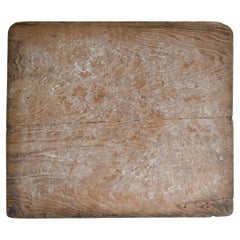
$720 Sale Price
44% Off
Japanese Antique Storage Box 1860s-1900s / Tansu Sideboard Wabisabi
Located in Chōsei District Nagara, JP
This is an old box storage made in Japan.
It was made during the Meiji period (1860s-1900s), and the material used is paulownia wood, which is precious today. Paulownia wood is light...
Category
Early 20th Century Japanese Meiji Sideboards
Materials
Iron
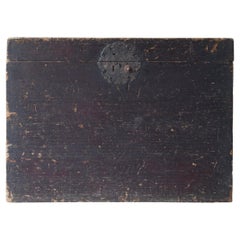
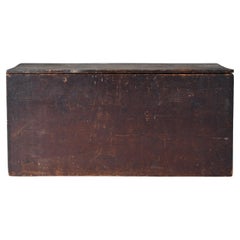
Japanese Antique Storage Box 1860s-1900s / Nightstand Side Table Wabi Sabi
Located in Chōsei District Nagara, JP
This is a wooden storage box made in Japan. It was made during the Meiji period (1860s-1900s) and has a long-standing taste and quiet presence.
The material is cedar wood. This wood ...
Category
Early 20th Century Japanese Meiji Side Tables
Materials
Cedar
$720 Sale Price
28% Off
You May Also Like
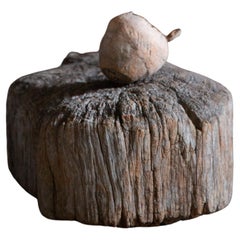
Late 19th Japanese Antique wood slab display stand, wabi sabi decor art piece
Located in 常陸大宮市, JP
Japanese Antique wooden display stand, "Dai" in Japanese, made from thick, single solid wood slab.
Product of 1860s-1900s (late Edo to early Meiji era), estimate from the material an...
Category
Antique Late 19th Century Japanese Primitive Antiquities
Materials
Wood
Wooden Low Table, Japanese Antique, Wabi-Sabi, Mingei
Located in Katori-Shi, 12
This is an antique wooden low table from the Meiji period.
It was used as a workbench by craftsmen at the time.
It is made of high-quality Japanese zelkova wood and finished with l...
Category
Early 20th Century Meiji Antiquities
Materials
Wood
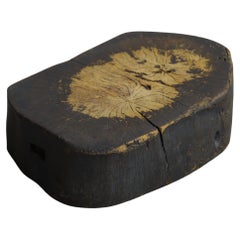
19th Japanese wabi sabi Usu table, low coffee table wood mortar mingei primitive
Located in 常陸大宮市, JP
Hand crafted, Hand-carved antique wooden mortar, "Usu" in Japanese. Hollowed out from the single solid wood of Keyaki (Zelkova).
Circa 1870s-1920s (Meiji to Taisho period) estimate ...
Category
Antique Late 19th Century Japanese Primitive Furniture
Materials
Wood, Hardwood
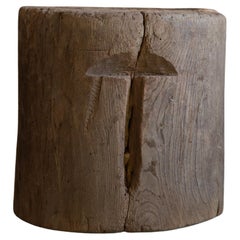
Japanese wooden wabi-sabi board/Early 20th century/Display stand/MINGEI
Located in Sammu-shi, Chiba
This is an old wooden work board called a “Kate-Kiri-Ban,” which was used in the Aizu region of Fukushima Prefecture, Japan, around the early 20th century. The name breaks down as fo...
Category
Early 20th Century Japanese Taisho Antiquities
Materials
Chestnut
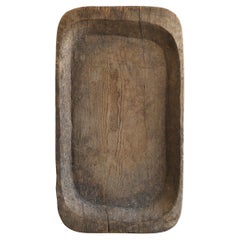
Japanese antique wooden work board / 20th century / small display stand
Located in Sammu-shi, Chiba
This is an old Japanese wooden workbench made from zelkova wood (keyaki), known for its hardness and beautiful grain. The thick cross-sectional shape clearly reveals the concentric g...
Category
20th Century Japanese Taisho Antiquities
Materials
Wood
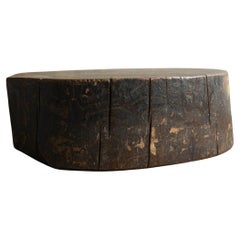
Wooden Low Table, Japanese Antique, Wabi-Sabi, Mingei
Located in Katori-Shi, 12
This low table was loved by craftsmen as a "workbench" during the Meiji period.
The wood grain, which has deepened with age, is reminiscent of the warm lifestyle of that time.
A cu...
Category
Early 20th Century Japanese Meiji Tables
Materials
Wood
More Ways To Browse
Used Display Stands
Old Tools
Wood Display Stand
Primitive Japanese
Midcentury Display Stand
Store Display Furniture
Zelkova Wood
Workbench Furniture
Vintage 1940s Japanese
Keyaki Wood
Asian Display Stand
Japanese Wood Block
Vintage Workbench Furniture
Used Wooden Workbench
Woodworking Workbench
Japanese Workbench
Primitive Workbench
Chinese Terracotta Soldier