Items Similar to Japanese Arita Kraak type Dish, Mid-17th century, Edo Period
Want more images or videos?
Request additional images or videos from the seller
1 of 12
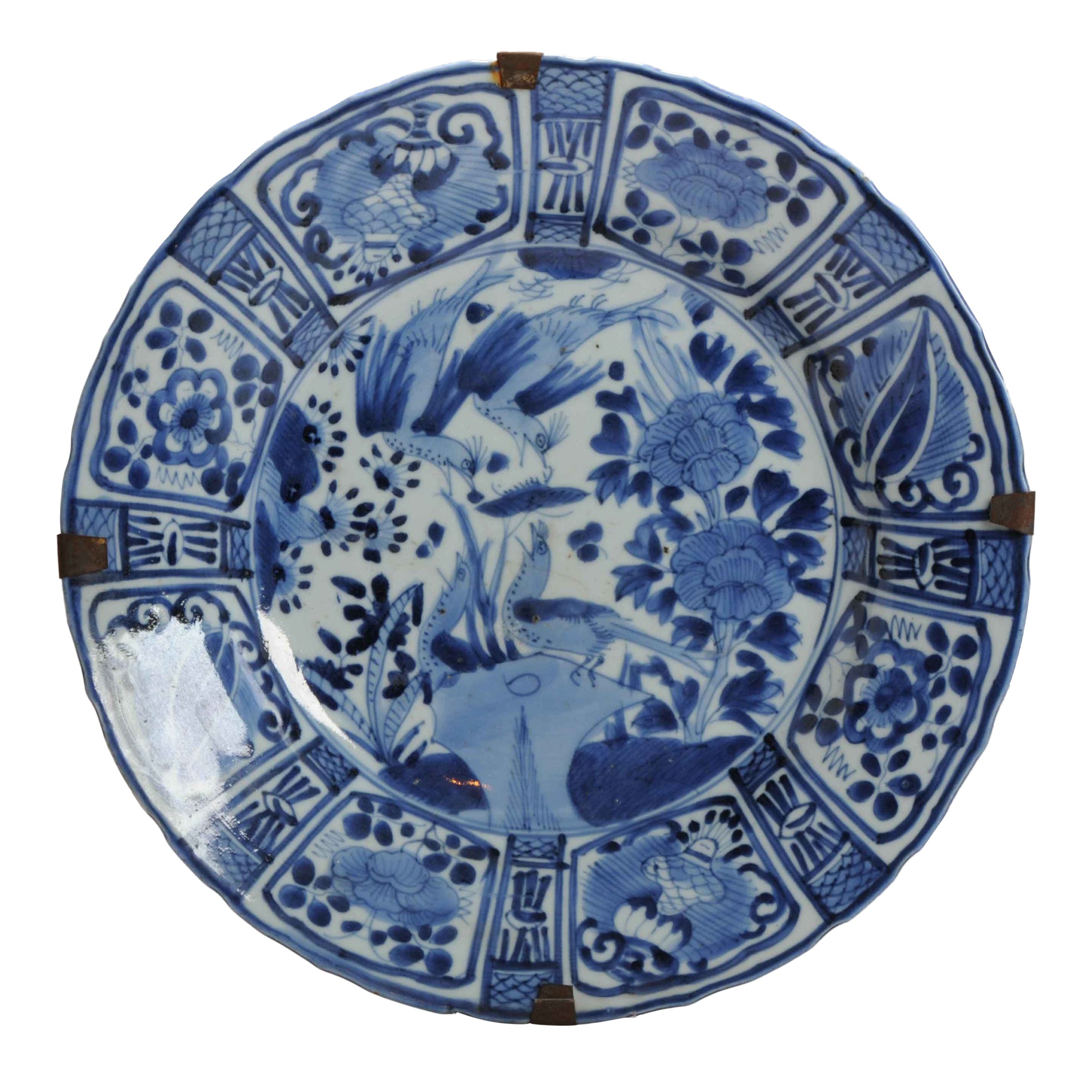
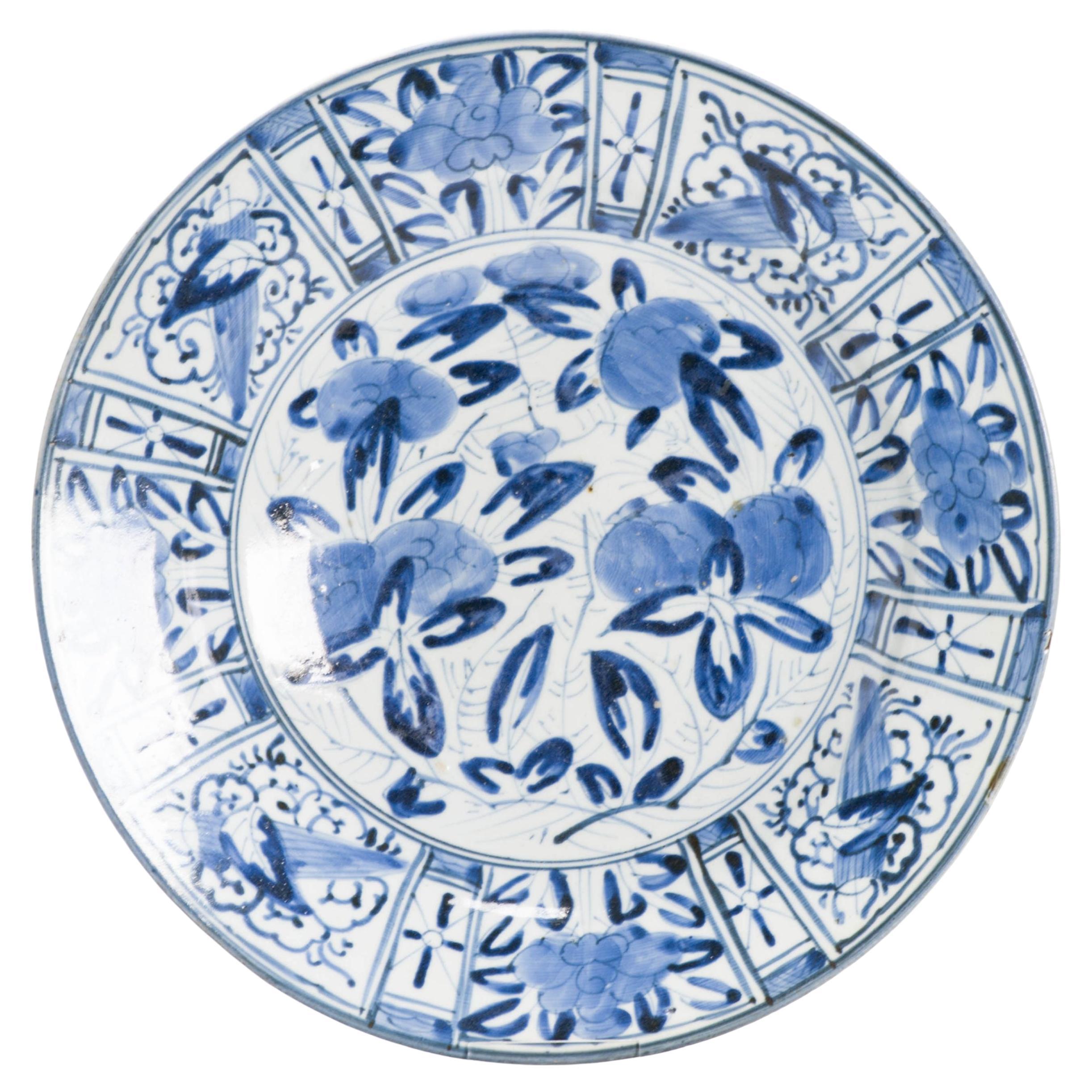
Japanese Arita Kraak type Dish, Mid-17th century, Edo Period
$2,000
£1,510.53
€1,744.90
CA$2,817.72
A$3,017.77
CHF 1,622.33
MX$36,652.63
NOK 20,498.99
SEK 18,768.35
DKK 13,037.61
About the Item
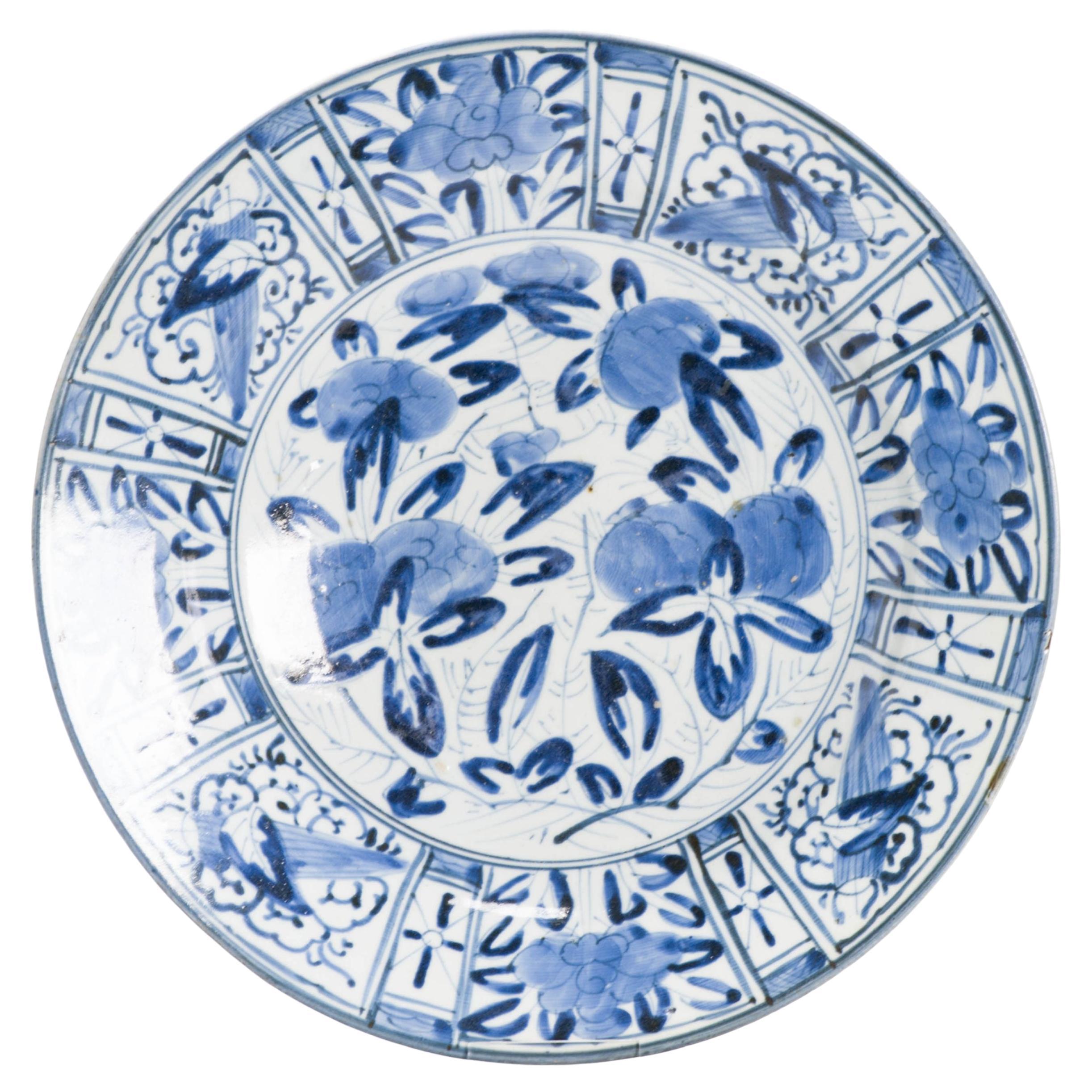
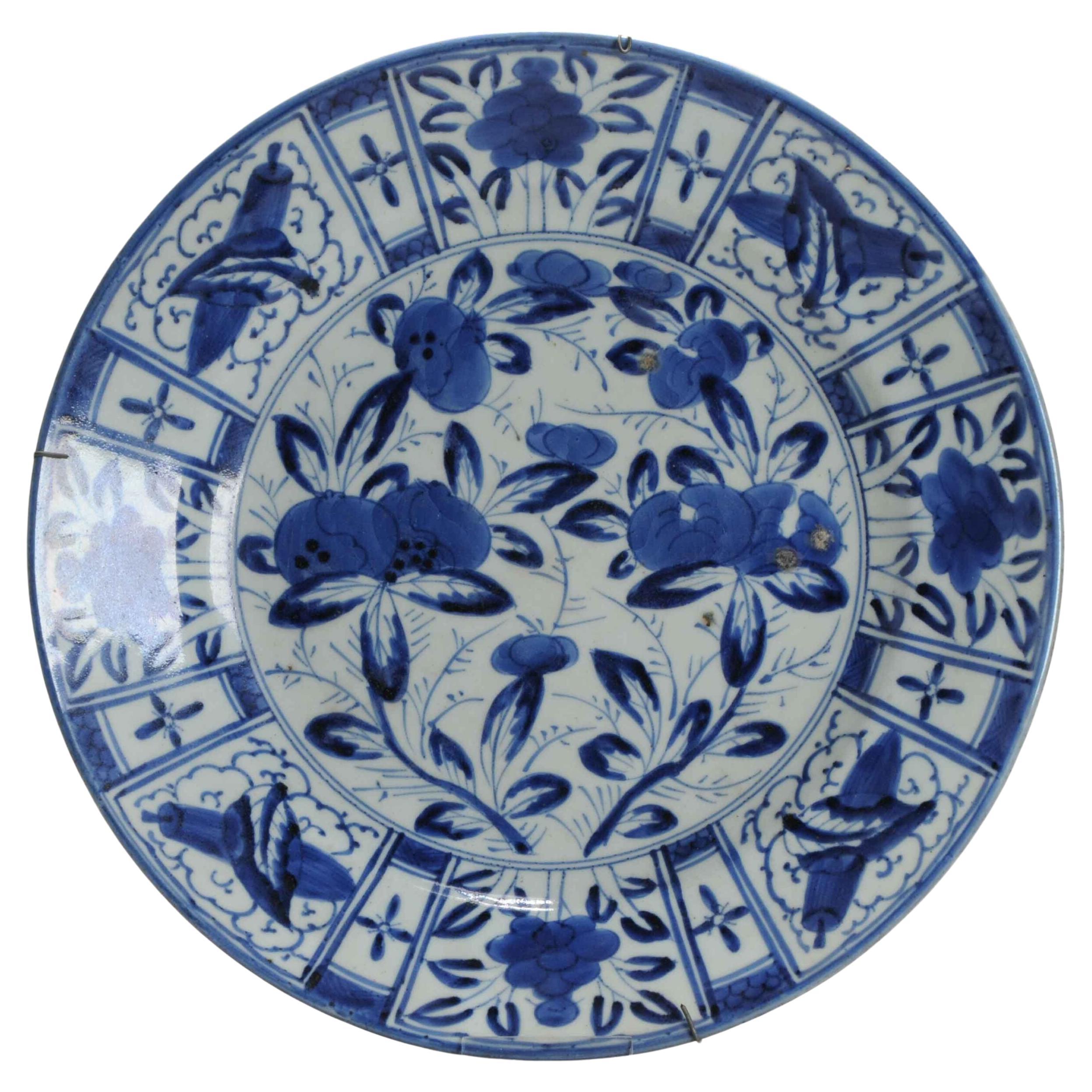
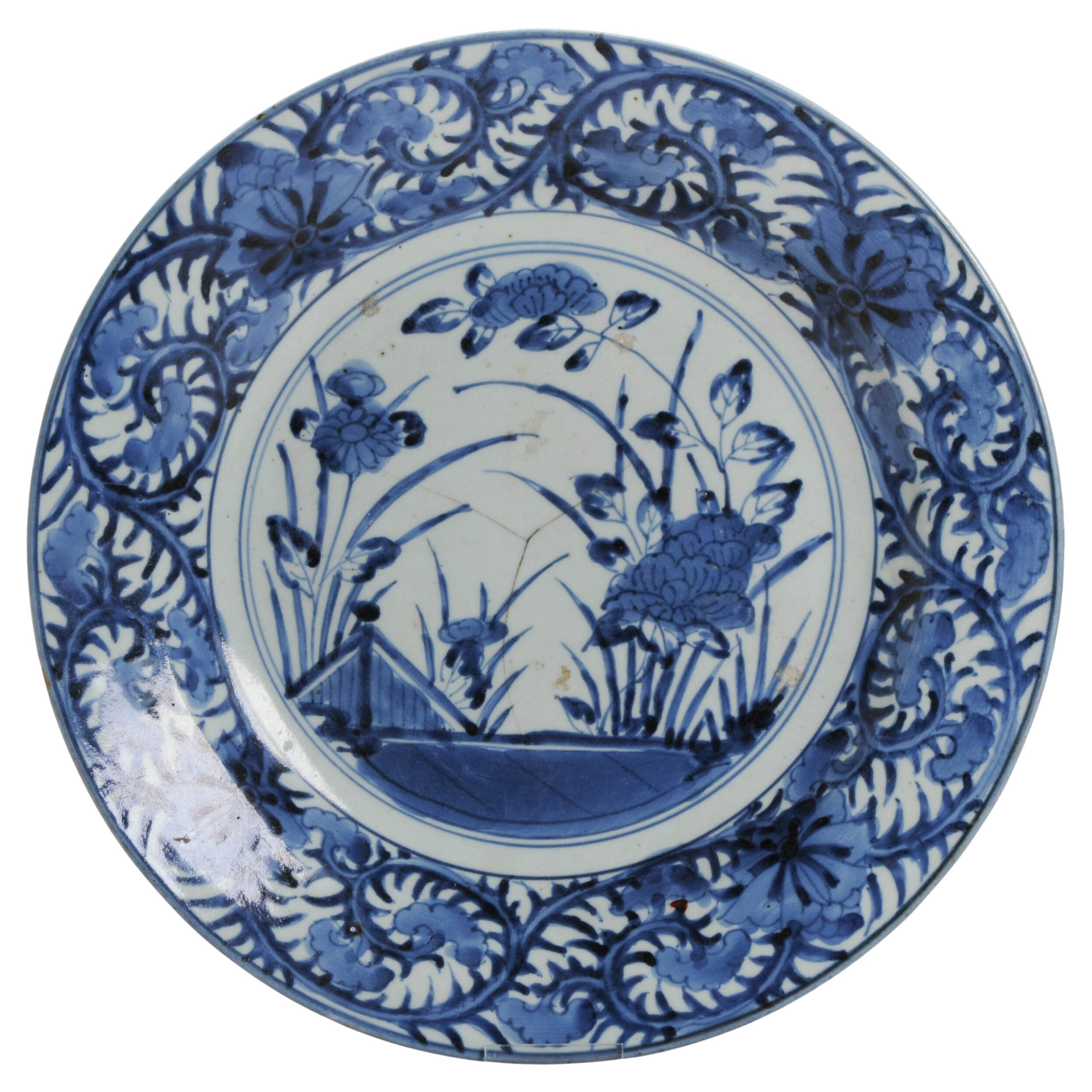
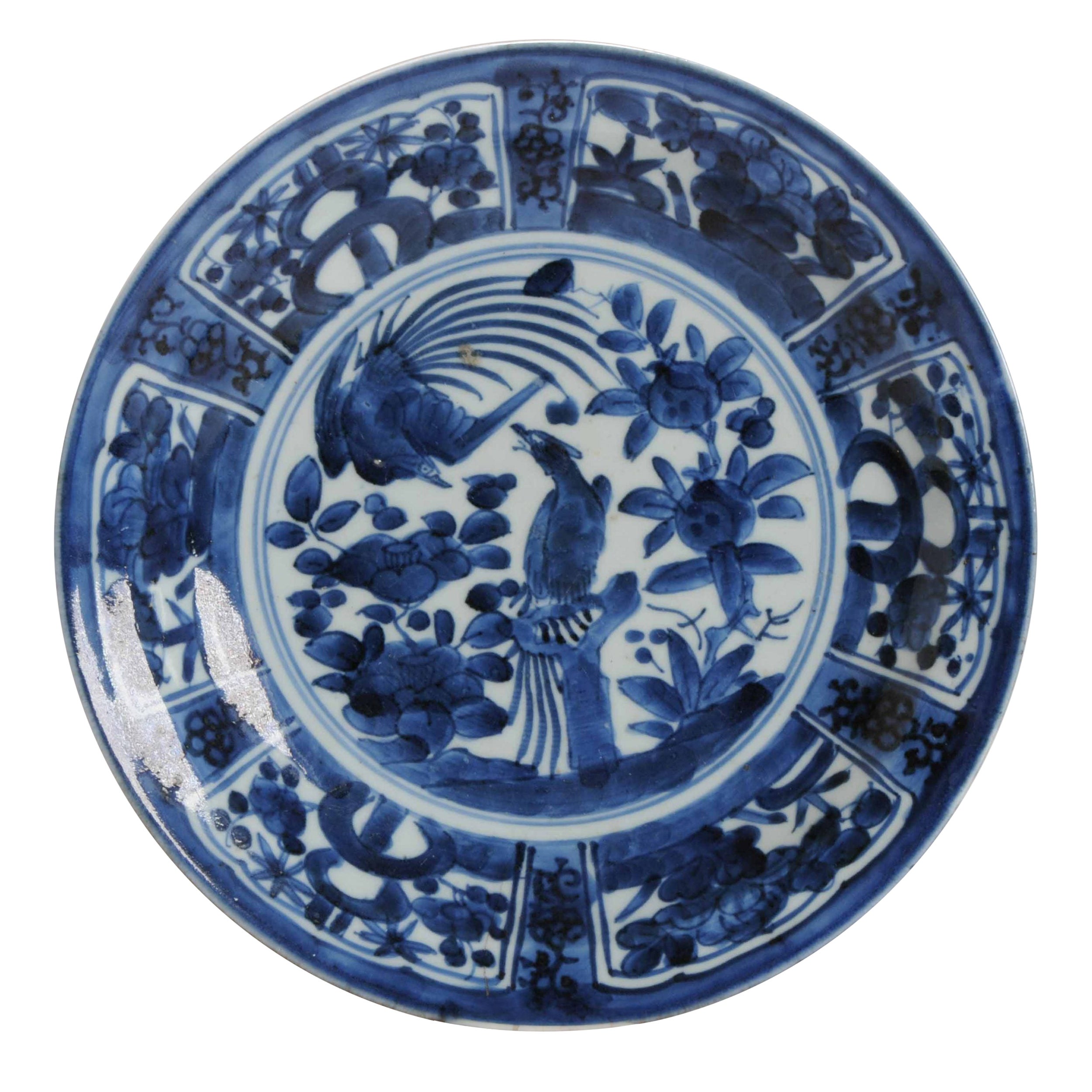
This piece was created in Japan presumably during the second half of the 17th century, with two archaic-style kanji characters, "酬酬" (shu shu), engraved on the bottom. A identical piece is housed in the National Museum of Warsaw.
Period : Edo Period, Japan
Date : 17th century
Provenance : Acquired in late 1990s from Hongkong
Reference : National Museum of Warsaw - Inventory Number SKAZsz 1230 MNW
(Type : Highly related)
* Japanese Edo Period Kraak
The Japanese 17th-century Edo period Kraak-style dish is a fascinating example of cultural exchange and artistic adaptation. The term "Kraak" refers to a style of blue-and-white porcelain originally produced in China during the late Ming dynasty and exported to Europe, where it became highly prized. Japanese potters, particularly those in Arita, began to produce their own interpretations of this style during the Edo period (1603-1868), especially in the mid-to-late 17th century.
Kraak-style dishes from Japan typically feature a central medallion with a floral, animal, or landscape motif, surrounded by panels or compartments with similar decorations. The designs often include traditional Japanese elements such as chrysanthemums, cranes, and other symbols of good fortune. The blue underglaze painting on these dishes closely mimics the Chinese Kraak style, but with distinctive Japanese artistic flair and techniques.
These dishes were not only popular domestically but were also exported to Europe, where they continued to satisfy the Western demand for blue-and-white porcelain. Japanese Kraak-style dishes are valued today for their beauty and as symbols of the global trade networks of the 17th century.
* "shou"
The Chinese character "shou" symbolizes longevity and is deeply rooted in Chinese culture. It is commonly found in art, literature, and decorative items, representing the wish for a long, prosperous life. The character is often used in celebrations such as birthdays and New Year's, and it is associated with the Five Blessings: longevity, wealth, health, love of virtue, and a peaceful death. In the context of the dish, "shou" embodies a desire for enduring happiness and good fortune for the owner.
- Dimensions:Height: 1.19 in (3 cm)Diameter: 8.08 in (20.5 cm)
- Materials and Techniques:Ceramic,Glazed
- Place of Origin:
- Period:
- Date of Manufacture:17th century
- Condition:Minor fading. minor chips on the side.
- Seller Location:seoul, KR
- Reference Number:1stDibs: LU9577241120582
About the Seller
4.8
Vetted Professional Seller
Every seller passes strict standards for authenticity and reliability
Established in 1999
1stDibs seller since 2023
46 sales on 1stDibs
Typical response time: 1 hour
- ShippingRetrieving quote...Shipping from: seoul, Korea South
- Return Policy
More From This Seller
View AllAnnamese Dish Circa 15th Century, Le Dynasty
Located in seoul, KR
Its surface is coated with a smooth, glossy white or cream-colored glaze, exuding a clean and elegant finish. At the center, a geometric motif painted in black pigment draws the eye,...
Category
Antique 15th Century and Earlier Vietnamese Antiquities
Materials
Stoneware
Chinese Swatow Blue and White Ceramic Dish, Late Ming Dynasty
Located in seoul, KR
Famous late ming dynasty chinese blue and white porcelain plate, double phoenix, from the shipwrecked binh thuan
Period: Ming Dyn...
Category
Antique 16th Century Vietnamese Ming Antiquities
Materials
Ceramic
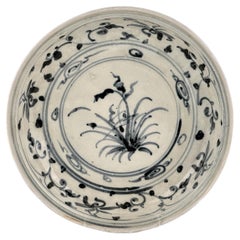
Annamese Stoneware Dish with Lotus Motif, 15-16th Century Vietnam, Le Dynasty
Located in seoul, KR
This Annamese ceramic dish features a central lotus motif, enclosed by a thin circular border. The rim is adorned with intertwining vine patterns and swirling motifs. The dish has a gently curved form with a well-proportioned depth and a neatly finished rim.
Dates : 15th century Le Dynasty
Region : North Annam, Vietnam
Type : Dish
Found/Acquired : Southeast Asia , South China Sea, Hoi An Ship
Reference : Double checked with reference to the original catalogue
Butterfield Treasures Hoi An Hoard Auction Catalogs / San Francisco Butterfields 2000
* Vietnamese trade ceramics
Around the mid-14th century, Vietnam developed its ceramics production technology by producing blue and white porcelain, and began to export it overseas. During this period, China Ming Dynasty implemented a policy of lifting the ban from 1371 to 1657 and restricted foreign trade. This served as a good opportunity in the trade history of Vietnamese ceramics, and ceramic exports...
Category
Antique 15th Century and Earlier Vietnamese Ming Antiquities
Materials
Stoneware
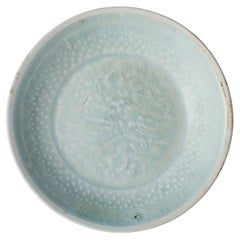
A Molded Qingbai
Flowers
Dish, Southern Song Dynasty
Located in seoul, KR
This dish is coated with a transparent bluish-white glaze over a thin white body. The center is incised with a design of lotus flowers and a bird, while the inner wall is encircled b...
Category
Antique 15th Century and Earlier East Asian Antiquities
Materials
Ceramic
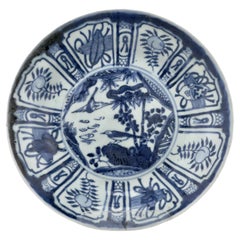
Blue And White Kraak Plate, Late Ming Dynasty
Located in seoul, KR
A Chinese blue and white Kraak plate, the central roundel depicting birds and floral design in a waterside, the rim with panels enclosing foliage and decorative objects.
Period: Late Ming-Early Qing Dynasty (17th century)
Type: Blue and White Porcelain
Provenance : Acquired early 2000s from Southeast asia(Probably from Shipwreck)
Reference :
1) Sotheby's London 12 November 2019 - STYLE: Private Collections - Lot 12
(Price range : 3,000GBP-5,000GBP / Type : Closely related)
2) Christies NEW YORK - 1–11 MAY 2018 - THE COLLECTION OF PEGGY AND DAVID ROCKEFELLER: ONLINE SALE - Lot 1405
(Price realised : 5,625 USD / Type : Highly related)
* Kraak
Kraak porcelain is a type of Chinese export porcelain that was produced during the late Ming Dynasty, especially during the reign of the Wanli Emperor (1573-1620). It is famous for its distinctive design and style. Kraak ware...
Category
Antique 17th Century Indonesian Ming Antiquities
Materials
Ceramic, Porcelain
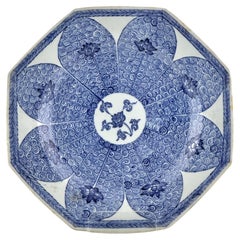
Lotus Pattern Dish From Ca Mau Ship Circa 1725, Qing Dynasty, Yongzheng Reign
Located in seoul, KR
This lotus dish from Ca Mau Ship was held in our gallery in three pieces(according to sizes). One was sold in 2024.
With radiating lotus-petal 8 panels painted with single flowers a...
Category
Antique Early 18th Century Vietnamese Qing Ceramics
Materials
Ceramic
You May Also Like
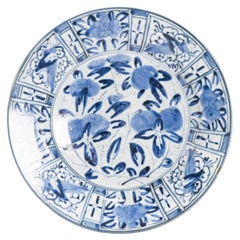
Antique Edo Period Japanese Porcelain Plate Arita Kraak Dish, Ca 1680
Located in Amsterdam, Noord Holland
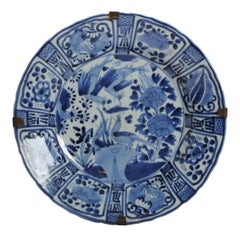
Sharing with you this very nice edo period, 1680-1700, example. With a central scene of a flowers. The rim beautifully painted. The base is blank.
Unmarked at base
Arita ware, also...
Category
Antique 17th Century Japanese Edo Decorative Dishes and Vide-Poche
Materials
Porcelain
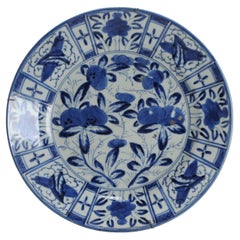
Antique Edo Period Japanese Porcelain Plate Arita Kraak Dish, ca 1680-1700
Located in Amsterdam, Noord Holland
Sharing with you this very nice edo period, 1680-1700, example. With a central scene of a flowers. The rim beautifully painted, quite unusual.
Unmarked at base.
Arita ware, also k...
Category
Antique 17th Century Japanese Edo Decorative Dishes and Vide-Poche
Materials
Porcelain
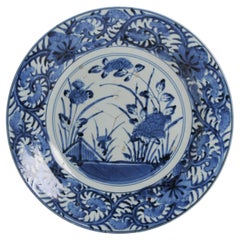
Antique Edo Period Japanese Porcelain Plate Arita Kraak Dish, Ca 1700
Located in Amsterdam, Noord Holland
Sharing this very nice edo period, 1680-1700, example. With a central scene of a flowers. The rim beautifully painted, quite unusual.
Unmarked at base
Arita ware, also known as Ar...
Category
Antique 17th Century Japanese Edo Decorative Dishes and Vide-Poche
Materials
Porcelain
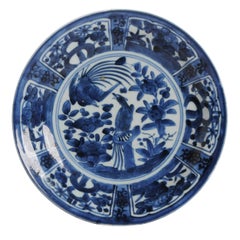
Antique Edo Period Japanese Porcelain Plate Arita Kraak Dish, 1700
Located in Amsterdam, Noord Holland
Sharing this very nice edo period, 1680-1700, example. With a central scene of a birds The rim beautifully painted, quite unusual.
Unmarked at base.
Arita ware, also known as Arit...
Category
Antique 17th Century Japanese Decorative Dishes and Vide-Poche
Materials
Porcelain
$904 Sale Price
20% Off
Antique Edo Period Japanese Porcelain Plate Arita Kraak Dish, 1700
Located in Amsterdam, Noord Holland
Sharing this very nice edo period, 1680-1700, example. With a central scene of a birds The rim beautifully painted. The base has a square mark which is covered by the hanger.
Unmar...
Category
Antique 17th Century Japanese Decorative Dishes and Vide-Poche
Materials
Porcelain
$1,176 Sale Price
20% Off
Perfect Antique Edo period Ca 1680 Japanese Porcelain Plate Arita Kraak Dish
Located in Amsterdam, Noord Holland
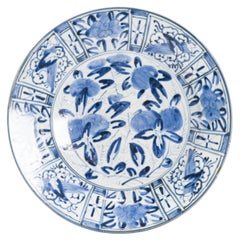
Sharing with you this very nice edo period, 1680-1700, example. With a central scene of a flowers. The rim beautifully painted. The base is blank.
Unmarked at base
Arita ware, also...
Category
Antique 17th Century Chinese Edo Planters, Cachepots and Jardinières
Materials
Porcelain
$2,516 Sale Price
20% Off
More Ways To Browse
Japanese Mid Century
Japanese Mid Century Furniture
17th Century Blue And White
Midcentury Japanese Art
Edo Period Japan
Japanese Blue And White Ceramic
Japanese Arita Blue And White
17th Century Chinese Japanese Porcelain
Japanese Blue And White Dish
17th Century Japanese Art
17th Century Arita
Kraak Porcelain
Arita Blue
Blue Glaze Japan
Tibetan Shell
Ancient Weapon
Antique Chinese Water Pot
Cizhou Pottery