Fabric Antiquities
to
38
92
68
177
1
1
1
1
1
13
49
115
2
29
21
54
7
6
1
3
4
6
3
13
1
304,921
704
536
495
287
172
112
96
49
44
179
179
179
6
1
1
1
Material: Fabric
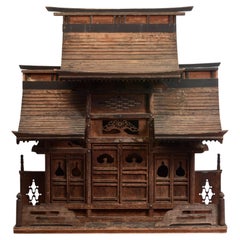
19th Century, Meiji, Antique Japanese Wooden Shrine
Located in Sampantawong, TH
Antique Japanese Wooden Shrine.
Age: Japan, Meiji Period, 19th Century
Size: Height 83 C.M. / Width 76.8 C.M. / Depth 29 C.M.
Condition: Nice condition overall (some expected degrad...
Category
19th Century Japanese Antique Fabric Antiquities
Materials
Wool
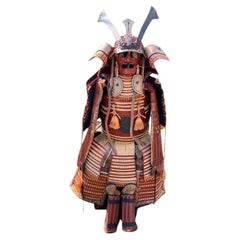
Japanese Red Samurai Armour Beginning of Meiji period 1900s
Located in Paris, FR
This is an armour of samurai. It was made around 1900s in Meiji era. This armour was not used in actual war so it was made as decoration, because of that, it is in good condition as its age.
There are some scratches and missing parts, if you need some more information, please let us know, we will respond you as soon as possible and send more photos.
This armour can be folded in a box. The box is getting damaged so it is not in good condition. We might send this armour in other box.
Dimensions: 50 x 50 x H170 cm
Scholars agree that Japanese armour first appeared in the 4th century, with the discovery of the cuirass and basic helmets in graves. During the Heian period, the unique Japanese samurai...
Category
Early 1900s Japanese Meiji Antique Fabric Antiquities
Materials
Metal, Iron
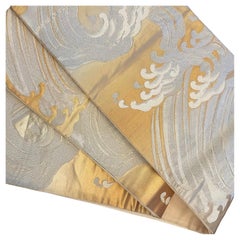
Japanese Vintage Kimono Silk Belt Obi Waves Gold and Silver 1960s
Located in Paris, FR
This is an silk Obi (Kimono belt) made in Japan around 1960s.
Obi is a belt of varying size and shape worn with both traditional Japanese clothing like Kimono.Obi are categorised b...
Category
1960s Japanese Showa Vintage Fabric Antiquities
Materials
Silk
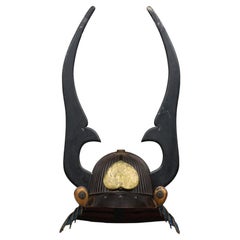
Japanese Edo-Period 62-Plate Kabuto 兜
Helmet
with Long Lacquer Wakidate
Located in Amsterdam, NL
An old and exceptional completely lacquered akoda-nari suji’bachi kabuto (helmet with raised ridges) with a bronze maedate (decorative front piece) shaped like a spade, and mounted b...
Category
18th Century Japanese Antique Fabric Antiquities
Materials
Bronze, Copper, Iron
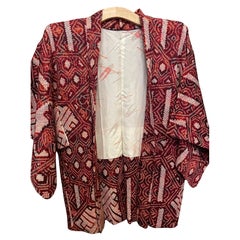
Japanese Silk Haori Jacket Shibori Red 1980s Showa
Located in Paris, FR
This is a silk jacket which was made in Japan.
It was made in Showa era around 1980s.
The haori is a traditional Japanese hip- or thigh-length jacket worn over a kimono. Resembling ...
Category
1980s Japanese Showa Vintage Fabric Antiquities
Materials
Silk
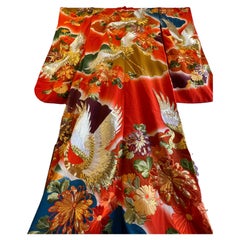
Antique Japanese Kimono
Uchikake
for Wedding, 1970s
Located in Paris, FR
This is a kimono called Uchikake which Japanese women wear for wedding ceremony.
It is said that the women wear the white uchikake for the reason of 'they can dyed in any color' and...
Category
Late 20th Century Japanese Showa Fabric Antiquities
Materials
Silk

$3,352 Sale Price
30% Off
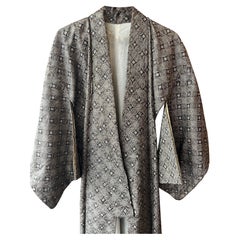
Japanese Kimono-Diamond Pattern
Located in Paris, FR
Kimono designs featuring diamond-shaped (hishi-gata) patterns in the 1980s blended traditional Japanese motifs with modern aesthetics. The hishi pattern is a classic Japanese design ...
Category
Late 20th Century Japanese Showa Fabric Antiquities
Materials
Silk
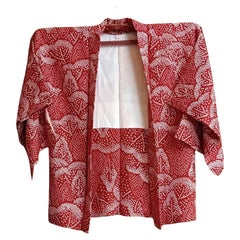
Japanese red and white Haori Kimono Coat for Women with Silk Shibori 1970s
Located in Paris, FR
This is a silk jacket (Coat for automn) which was made in Japan.
It was made in Showa era around 1970s.
There is two haori himo to close this jacket.
The haori is a traditional Jap...
Category
Mid-20th Century Japanese Showa Fabric Antiquities
Materials
Silk
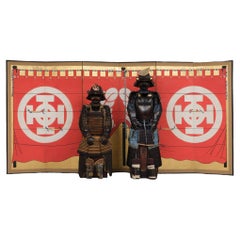
Rare set of 2 Japanese suits-of-armour, complete with 2 matching folding screens
Located in Amsterdam, NL
Important unique set of two suits-of-armour (yoroi), complete with two high six-panel screens, that belong together as is indicated by the used family crests (mon). Two crests are used, both belonging to the Nakagawa family of Oka Castle, Ôita prefecture on Kyûshû.
They are:
– the Nakagawa-kurusu, a circle depicting a Celtic-like cross through a ring.
The cross was originally a Christian symbol but after the ban on Christianity in Japan the use of a hidden cross in family crests could continue.
– the Nakagawa-kashiwa, two leaves of the Japanese Emperor Oak turned to each other (dakikashiwa mon).
The remarkable aspect of this ensemble is the presence of matching crests on both the yoroi and the accompanying folding screens. The kurusu and kashiwa crests adorning the yoroi are elegantly replicated on the screens, providing compelling evidence that these pieces form a harmonious and unified set. This exceptional cohesion between the armour and screens further enhances their artistic and historical value.
After the warlord Toyotomi Hideyoshi (1537-1598) had interfered in the battle between the Lord of Bungo Province Ôtomo Yoshi-mune (1558-1605) and the Shimazu of Hyûga Province, he split the Bungo Province in a number of small fiefs and transferred in 1594 Nakagawa Hideshige (1570-1612) from Miki Castle
in the Harima Fief to Oka Castle in Kyûshû.
The Nakagawa family stayed in possession of Oka Castle till the abolishment of the military use of castles in 1873. In 1884 the Nakagawa family received the title of Count (a title in use till the abolishment of aristocracy in 1947).
After the Nakagawa’s left, the castle and the building soon dilapidated and is now known as Oka Castle Ruins. The castle is located in Taketa Village part of Taketa Town in Ôita Province on Kyûshû.
> Set of two tall byôbu (folding screens),
painted with large red jinmaku (camp enclosure curtain) on a gold leaf ground. The curtains show both crests of the Nakagawa family: one screen depicts two Nakagawa-kurusu crests next to a Nakagawa-kashi crest in the middle, and the other shows the symbols the other way round.
Dimensions:
Total width 148.66 in/377.6 cm (2 x 25.35 in/64.4 cm, 4 x 24.48 in/62.2 cm); Height 72.63 in/184.5 cm.
Period: Japan – Late Edo period (First half 19th century), and maybe even older.
> Yoroi with Nakagawa-kashiwa crest:
A Japanese black lacquered suit-of-armour (yoroi) completely laced with orange cords (kuro’urushinuri hi’ito odoshi nimai’dô’maru).
A thirty-two plate suji’bachi kabuto (helmet with raised ridges) with in front a maedate (fore crest) -with traces of gilding- in the shape of flames, resembling a mythical flaming bird flying down. The fukikaeshi (face guards) and the mabizashi (visor) have the Nakagawa-kashiwa crest in gold maki-e lacquer.
Five curved ‘itazane’-plate neck guards (shikoro) laced with orange cords.
Together with an ‘angry man...
Category
18th Century Japanese Antique Fabric Antiquities
Materials
Gold Leaf, Iron, Metal
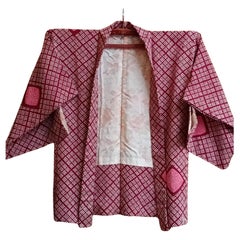
Japanese dark red and pink Haori Kimono Coat for Women with Silk Shibori 1970s
Located in Paris, FR
This is a silk jacket (Coat for winter) which was made in Japan.
It was made in Showa era around 1970s.
There is two haori himo to close this jacket.
The haori is a traditional Jap...
Category
Mid-20th Century Japanese Showa Fabric Antiquities
Materials
Silk
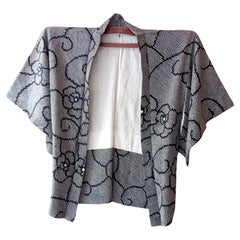
Japanese black and white Haori Kimono Coat for Women with Silk Chirimen 1970s
Located in Paris, FR
This is a silk jacket (Coat for winter) which was made in Japan.
It was made in Showa era around 1970s.
There is two haori himo to close this jacket.
The haori is a traditional Jap...
Category
Mid-20th Century Japanese Showa Fabric Antiquities
Materials
Silk
$306 Sale Price
20% Off
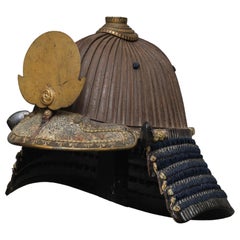
Signed Japanese Edo suji’bachi kabuto (helmet) with a moon
cloud maedate
Located in Amsterdam, NL
An antique, outstanding signed suji’bachi kabuto (helmet with ridges) surmounted by a gilt metal maedate (forecrest) shaped like a full moon emerging from the clouds heightened by a ...
Category
Late 18th Century Japanese Antique Fabric Antiquities
Materials
Metal, Iron
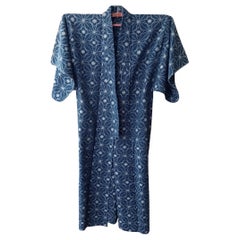
Japanese Cotton Kasuri Kimono Navy Blue with White patterns
Located in Paris, FR
This is a Kasuri kimono which was made in Showa era around 1970s in Japan.
The kimono is a traditional Japanese garment and the national dress of Japan. The kimono is a wrapped-fron...
Category
Late 20th Century Japanese Showa Fabric Antiquities
Materials
Cotton
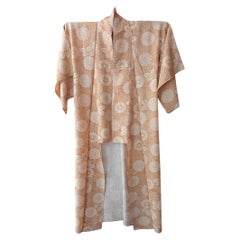
Japanese Silk kimono Beige with Floral patterns 1970s
Located in Paris, FR
This is a silk kimono for women which was made in Showa era around 1970s in Japan.
The kimono is a traditional Japanese garment and the national dress of Japan. The kimono is a wrap...
Category
Late 20th Century Japanese Showa Fabric Antiquities
Materials
Silk
$229 Sale Price
20% Off
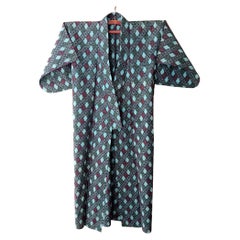
Japanese Kasuri Kimono navy blue with blue and red patterns
Located in Paris, FR
This is a Kasuri kimono which was made in Showa era around 1970s in Japan.
The kimono is a traditional Japanese garment and the national dress of Japan. The kimono is a wrapped-fron...
Category
Late 20th Century Japanese Showa Fabric Antiquities
Materials
Cotton
$268 Sale Price
20% Off
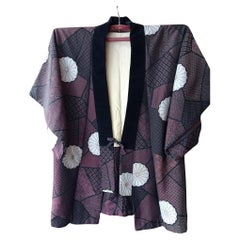
Japanese Kimono Coat for Women with Silk Chrysanthemum 1950s
Located in Paris, FR
This is a silk jacket (Coat for winter) which was made in Japan.
It was made in Showa era around 1950s.
There is two haori himo to close this jacket.
The haori is a traditional Jap...
Category
Mid-20th Century Japanese Showa Fabric Antiquities
Materials
Silk
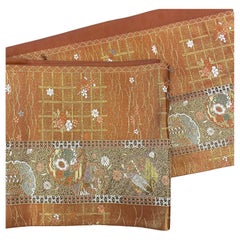
Japanese Vintage Kimono Silk Belt Flowers Orange-gold 1960s
Located in Paris, FR
This is an Obi (Silk Kimono Belt) made in Japan around 1960s.
Obi is a belt of varying size and shape worn with both traditional Japanese clothing like Kimono.Obi are categorised b...
Category
1960s Japanese Showa Vintage Fabric Antiquities
Materials
Silk
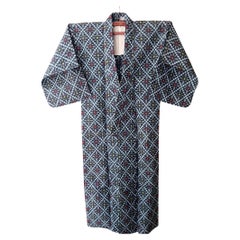
Japanese Cotton Kasuri Navy Blue Square Pattern
Located in Paris, FR
This is a Kasuri laquer kimono which was made in Showa era around 1950s in Japan.
The kimono is a traditional Japanese garment and the national dress of Japan. The kimono is a wrapp...
Category
Late 20th Century Japanese Showa Fabric Antiquities
Materials
Cotton
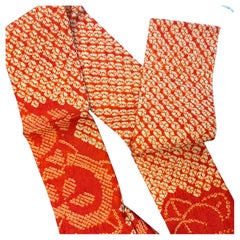
Japanese Vintage Kimono Silk Belt Nagoya-obi Red Shibori 1980s
Located in Paris, FR
This is a Nagoya obi made in Japan around 1980s.
Obi is a belt of varying size and shape worn with both traditional Japanese clothing like Kimono.Obi are categorised by their desig...
Category
1980s Japanese Showa Vintage Fabric Antiquities
Materials
Silk
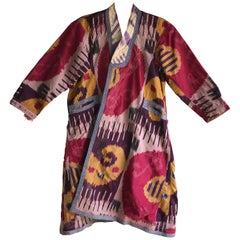
Antique Ikat Dyed Uzbek Silk Robe
Located in Delray Beach, FL
Beautiful bright and colorful Antique Ikat silk Dyed Uzbek Robe. Has minor wear and tear shown in photos. Colors: Fuchsia, light pink, purple, yellow and bl...
Category
1920s Uzbek Vintage Fabric Antiquities
Materials
Silk, Cotton
$450 Sale Price
35% Off
Japanese Kimono-Navy and Green Floral Print
Located in Paris, FR
The "1980s Japanese Kimono – Navy and Green Floral Print" reflects a blend of traditional Japanese aesthetics with the subtle modern influences of the 1980s. During this decade, Japa...
Category
Late 20th Century Japanese Showa Fabric Antiquities
Materials
Silk
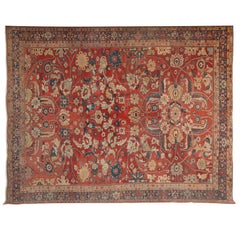
Antique 1870s Persian Sultanabad Rug, Wool, 8
x 10
Located in New York, NY
This Persian Sultanabad carpet circa 1870 consists of handspun wool and vegetable dyes. The pile is hand-knotted, and the carpet is in excellent antique condition. Its rich gold, blu...
Category
19th Century Persian Sultanabad Antique Fabric Antiquities
Materials
Wool
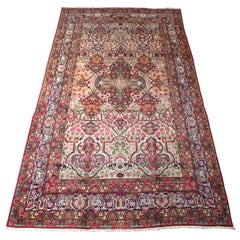
Antique 1910s Persian Yazd Rug, Wool, Hand-knotted, 10
x 17
Located in New York, NY
This Persian Yazd carpet circa 1910 consists of a hand-knotted handspun wool pile and natural vegetable dyes. The size is 10' x 16'9" and it is in excellen...
Category
Early 20th Century Persian Fabric Antiquities
Materials
Wool
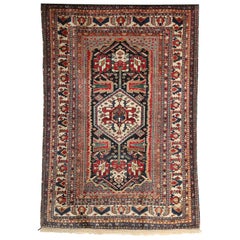
$33,600 Sale Price
20% Off
Antique 1880s Persian Qashqai Kashkouli Rug, Wool, 4
x 6
Located in New York, NY
This 1880-1890 Persian Kashkouli Qashqai rug consists of a handspun wool warp and weft and hand-knotted handspun wool pile. Its rich blues, reds, greens, and golds were all created u...
Category
Early 20th Century Persian Fabric Antiquities
Materials
Wool
$12,400 Sale Price
20% Off
Antique 1880s Persian Fereghan Rug, 8
x 11
Located in New York, NY
This Persian Fereghan carpet circa 1880 in handspun wool and vegetable dyes was completed using a hand-knotted pile with cotton warp and thread. Its deep navy and red medallion desig...
Category
20th Century Persian Sarouk Farahan Fabric Antiquities
Materials
Wool
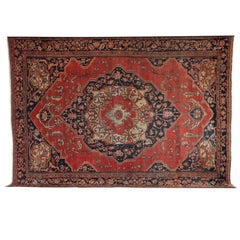
Japanese Kimono silk purple with patterns 1970s
Located in Paris, FR
This a silk kimono which was made in Showa era around 1970s in Japan.
The kimono is a traditional Japanese garment and the national dress of Japan. The kimono is a wrapped-front gar...
Category
Late 20th Century Japanese Showa Fabric Antiquities
Materials
Silk
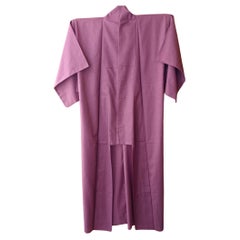
Antique 1880s Persian Sultanabad Rug, 11
x 14
Located in New York, NY
This Persian Sultanabad carpet circa 1880 consists of handspun wool and natural vegetal dyes. Created in the Sultanabad workshop of the Swiss artist Zigler, it is an extremely fine p...
Category
19th Century Persian Sultanabad Antique Fabric Antiquities
Materials
Wool
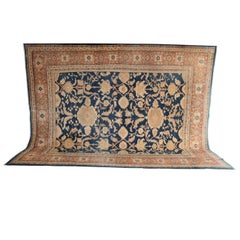
Antique 1880s Persian Sultanabad Rug, Tree of Life, Wool, 14
x 17
Located in New York, NY
This Persian Sultanabad carpet circa 1880 was created using handspun wool and organic vegetable dyes. It is an exceptional Sultanabad by uniqueness of coloration and design, created ...
Category
19th Century Persian Sultanabad Antique Fabric Antiquities
Materials
Wool
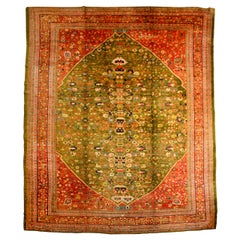
Antique Persian Haji Jalili Tabriz Rug, Circa 1880s, Wool, 9’ x 12’
Located in New York, NY
This Persian Haji Jalili Tabriz carpet circa 1880 consists of a cotton warp and thread, hand-knotted wool pile and natural vegetable dyes. It is an exceptional piece from the workshi...
Category
19th Century Persian Tabriz Antique Fabric Antiquities
Materials
Wool
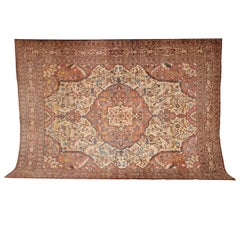
$45,500 Sale Price
30% Off
Antique 1880s Wool Persian Sultanabad Rug, Red and Cream, 9
x 12
Located in New York, NY
This Persian Sultanabad carpet consists of handspun wool and organic vegetable dyes, circa 1880. The size is 8'10" x 11'9", and it is in great antique condition.
Orley Shabahang take...
Category
20th Century Persian Sultanabad Fabric Antiquities
Materials
Wool
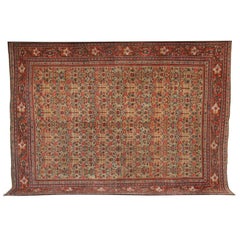
Antique Wool Persian Kermanshah Rug, Circa 1880, Hand-knotted, 8
x 11
Located in New York, NY
This Persian Kermanshah carpet circa 1880 consists of handspun wool and vegetable dyes. The size is 8'4" x 10'10", and it is in excellent antique condition.
Orley Shabahang takes pri...
Category
20th Century Persian Kirman Fabric Antiquities
Materials
Wool
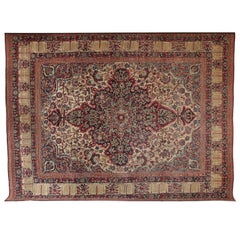
Antique 1910s Persian Chahal Shotor Bakhtiari Rug, Wool, 4
x 7
Located in New York, NY
This 1910 Bakhtiari rug from the village of Chahal Shotor consists of a cotton warp and handspun wool weft and hand-knotted pile. Its beautiful bright colors are derived from organic...
Category
Early 20th Century Persian Fabric Antiquities
Materials
Wool
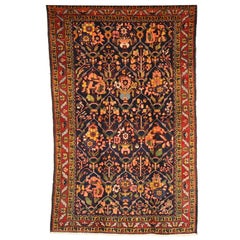
Japanese Vintage Kimono Silk Belt Flowers Navy and Silver 1920s
Located in Paris, FR
This is a Fukuro Obi made in Japan around 1920s.
Obi is a belt of varying size and shape worn with both traditional Japanese clothing like Kimono.Obi are categorised by their desig...
Category
1920s Japanese Taisho Vintage Fabric Antiquities
Materials
Silk
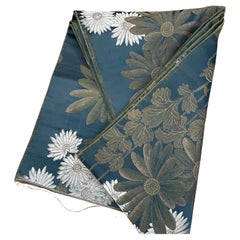
Antique 1890s Persian Haji Jalili Tabriz Rug, Medallion Design, Wool, 4
x 6
Located in New York, NY
This 1890 Haji Jalili Persian Tabriz rug consists of a cotton warp, handspun wool weft and hand-knotted handspun wool pile. The bright copper hues, soft blues, indigos, cream and bei...
Category
19th Century Persian Tabriz Antique Fabric Antiquities
Materials
Wool
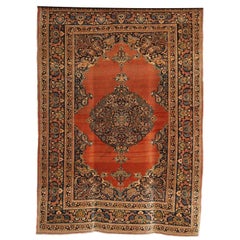
$6,875 Sale Price
44% Off
Samuraï armor
Located in Brussel, BE
Amazing and unique Samuraï armor.
Early XXth century.
Composed of an iron helmet mounted with large standing rivets and "Kuwagata" decoration (shoe shaped decoration) on the front. R...
Category
Early 20th Century Japanese Japonisme Fabric Antiquities
Materials
Iron
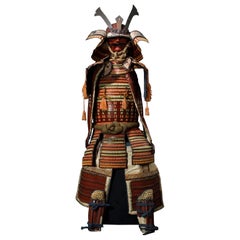
$29,929
Lou Gartner Needlepoint Blanks, Belts/Straps
By Lou Gartner
Located in Riverdale, NY
Hand painted Lou Gartner Needlepoint Blanks, Belts/Straps from the 1960s-70s from his estate. The longer ones are likely belts or pulls and the shorter one...
Category
1970s American Mid-Century Modern Vintage Fabric Antiquities
Materials
Textile
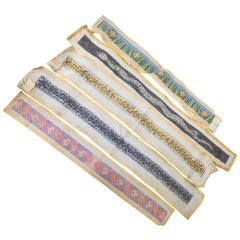
$185 / item
Antique 1910s Persian Kermanshah Songhor Rug, 4
x 6
Located in New York, NY
This Persian Kermanshah carpet from the village of Songhor circa 1910 consists of a hand-knotted handspun wool pile and natural vegetable dyes. The medallion design features exceptio...
Category
Early 20th Century Persian Fabric Antiquities
Materials
Wool
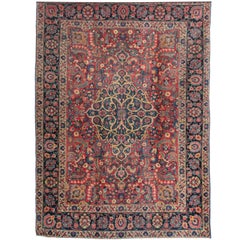
Antique 1910s Persian Lavar Rug, Wool, Hand-knotted, 6
x 12
Located in New York, NY
This Persian Lavar carpet created circa 1910 consists of a pure wool hand-knotted pile with cotton warp and threads and natural vegetable dyes. The work of master weaver Sakhaie, as ...
Category
Early 20th Century Persian Fabric Antiquities
Materials
Wool
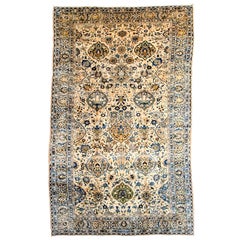
Japanese Samurai Figure Hinaningyo, Edo Period
Located in Munich, Bavaria
Antique samurai doll called Hinaningyo; Japan, late EDO period
Praised at the Tang-no-sekku boys' festival on May 5th as a sign of bravery, embodying the...
Category
Mid-18th Century Japanese Antique Fabric Antiquities
Materials
Textile, Wood
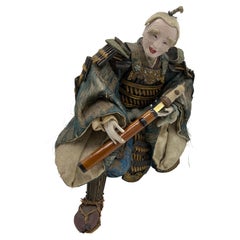
$2,710 Sale Price
20% Off
Japanese Antique Combat Helmet
Kabuto
1800s Edo Era
Located in Paris, FR
This is an antique combat helmet made around 1800s in Edo era in Japan.
Kabuto is a type of helmet first used by ancient Japanese warriors which, in later periods, became an important part of the traditional Japanese armour...
Category
Early 19th Century Japanese Antique Fabric Antiquities
Materials
Iron
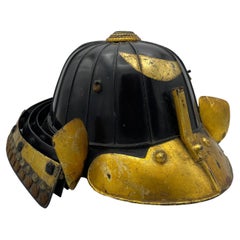
Rare Antique Original high Ranking Edo period Samurai armor Yoroi Japan Daimyō
Located in Ijzendijke, NL
This complete Edo-period samurai armor is an exceptional example of the refined martial elegance and ceremonial grandeur associated with Japan’s warrior aristocracy. Every component reflects a precise harmony of functionality, symbolism, and prestige.
At the heart of the set is a superb suji-bachi kabuto, constructed from multiple riveted iron plates arranged with flawless symmetry and enriched by a beautifully aged patina. It is crowned with a gilt tehen no kanamono, and the imposing maedate presents a pair of antler-like blades framing a gilded sun disc an emblem of celestial authority and divine lineage.
The Fukigaeshi feature extraordinary gilt dragon ornaments, carved in high relief. Dragons, ancient symbols of protection and power, were reserved for armor of the highest rank, strongly indicating that this set belonged to a Daimyō or high-ranking retainer.
The menpō, lacquered in deep black, includes a natural-hair moustache and an articulated jaw (resseibō), lending the face a vivid sense of character. Below it, the shikoro is composed of finely lacquered blue-and-gold plates, meticulously laced with silk.
The okegawa ni-mai dō cuirass is finished in a dark brown lacquer and laced in deep indigo silk, complemented by elegant orange ceremonial tassels a hallmark of formal presentation armor. The sode (shoulder guards) retain their rare bear-fur trimming, an expensive and status-laden material symbolizing courage and noble rank.
Completing the ensemble are beautifully made kote, haidate, and suneate, each executed with rich fabrics and refined lacquer work. A butterfly mon (chō-mon) appears on the leg guards an elegant symbol of transformation, adding a poetic contrast to the armor’s martial presence.
The extensive use of gilding, the rare bear-fur details, and the prominent dragon motifs confirm this as a piece created for the highest echelons of samurai society. It is a masterpiece where ceremonial artistry, symbolism, and authority converge.
Artistic and Historical Significance
This armor epitomizes the Edo-period ideal, when arms and armor transcended their battlefield origins and became expressions of identity, dignity, and cultural refinement. The interplay of dark lacquer, golden ornamentation, and natural materials embodies the spirit of bushidō discipline, inner strength, and beauty through restraint.
Whether displayed in a private collection, gallery, office, or interior setting, this armor commands attention. Its presence transforms any space, making it a truly museum-worthy centerpiece for collectors of Japanese, military, or historical art.
The set includes its traditional stand and storage box. As with all antique armor...
Category
17th Century Japanese Japonisme Antique Fabric Antiquities
Materials
Metal
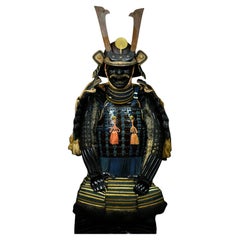
Samuraï armor
Located in Brussel, BE
Amazing and unique Samuraï armor.
End of XIXth century, early XXth century.
Nimai do Okegawa gusoku (2 plate with barrel form cuirasse armor).
Composed o...
Category
Late 19th Century Japanese Japonisme Antique Fabric Antiquities
Materials
Iron
$29,929
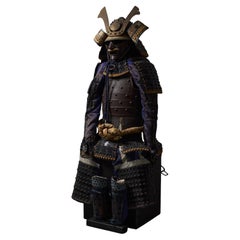
18th Century, Japanese Edo Period Lacquer
Chain Mail Suit of Samurai Armor
Located in Atlanta, GA
Japanese, Edo Period (1603-1868), likely late 18th century.
Step into the rich tapestry of Japanese history with this exquisite 18th-century Edo Period Lacquer & Chain Mail Suit of Armor, a masterpiece that seamlessly blends martial craftsmanship with artistic elegance. Crafted during a period of unparalleled cultural refinement, this armor is a testament to the meticulous skill and dedication of Japanese artisans.
The Gosuko armor, at the heart of this ensemble, embodies the traditional armor design of the Edo Period. Each meticulously lacquered plate, carefully adorned with ornate motifs, reflects not only the functional sophistication required for battle but also the aesthetic sensibilities intrinsic to Japanese art. The incorporation of chain mail adds a layer of flexibility and mobility, harmonizing the demands of protection with the fluidity required in combat.
A crowning glory to this armor is the Kabuto Helmet, an iconic symbol of samurai identity and resilience. Its design not only provides formidable protection but also serves as a canvas for artistic expression. The helmet's form, combined with lacquer embellishments and a crest, creates a striking visual statement, a representation of the wearer's identity and lineage.
To complete the ensemble, the armor comes with a brocade fabric, adding a touch of regality to this already magnificent piece. The interplay of textures and colors in the brocade further elevates the visual impact, turning the act of donning this armor into a ceremonial experience.
For the discerning collector, this piece is presented in a lacquer armor box, meticulously crafted to safeguard and showcase the historical significance of the armor. The accompanying wood armor display stand serves as a stage, allowing this masterpiece to command attention in any setting, whether it be a private collection, museum exhibit, or a distinguished living space.
Owning this 18th-century Japanese Edo Period Lacquer...
Category
18th Century Japanese Japonisme Antique Fabric Antiquities
Materials
Iron, Gold Leaf
$10,000 Sale Price
20% Off
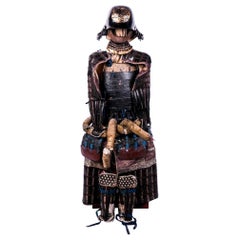
18th Century Hirate Clan Samurai Armor with Signed Kabuto Helmet
Located in Fukuoka, JP
This is a truly exceptional set of 18th century Samurai armor that is sure to impress any collector or enthusiast. The patinated iron used in its construction has aged beautifully, giving the armor a truly unique appearance that is sure to catch the eye. The brocade silk and cotton padding used to line the armor not only provide a comfortable fit for the wearer, but also add an extra layer of decorative flair.
One of the most striking features of this armor is the crests of the Hirate samurai clan that adorn it. These crests are a symbol of the clan's identity and heritage, and their presence on the armor speaks to the deep connection between samurai warriors and the clans they belonged to.
The Kabuto...
Category
18th Century Japanese Antique Fabric Antiquities
Materials
Iron
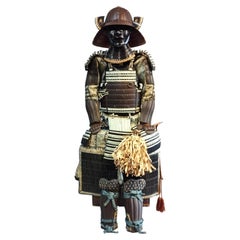
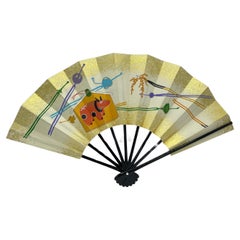
Japanese Paper Fan Akabeko and Kanzashi printed 1980s Showa
Located in Paris, FR
This is a fan which was made in Japan around 1980s in Showa era.
This material is Paper and wood and there are little threads with cotton on the side.
Both sides are same designs o...
Category
1980s Japanese Showa Vintage Fabric Antiquities
Materials
Cotton, Wood, Paper
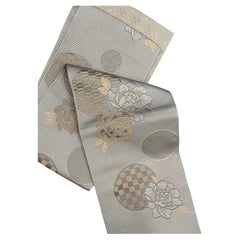
Japanese Half Kimono Belt Hanhaba Obi Sky Blue with Rose 1980s
Located in Paris, FR
This is a Japanese beautiful Kimono belt called 'Han haba obi'.
Both side are with motifs but different motifs. It is a belt for kimono but you can use as a table runner or wall deco...
Category
1980s Japanese Showa Vintage Fabric Antiquities
Materials
Silk
$210 Sale Price
20% Off
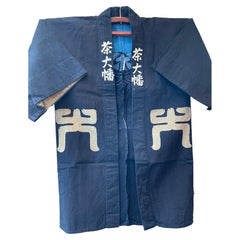
Japanese Antique Shirushi-Hanten Jacket Cotton
Oohata Chaten
1900s
Located in Paris, FR
This is a jacket with cotton which was made in Japan.
These kind of jackets are called Hanten in Japanese.
Hanten is a short jacket similar to a haori, but without a gusset. It is w...
Category
Early 20th Century Japanese Fabric Antiquities
Materials
Cotton
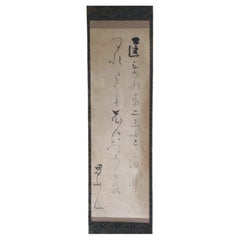
19th century Edo-period Japanese Hanging Scroll Calligraphy of Mad Poetry
Located in Chiba, JP
Hanging scroll with such unstrained and refined calligraphy of ‘Kyoka’ (lit. ‘Mad poetry’ – Humorous style of Japanese tanka poetry with joke or irony or satire) by a late Edo-period...
Category
19th Century Japanese Edo Antique Fabric Antiquities
Materials
Brocade, Wood, Paper
Japanese Silk Haori Poppy Multi Colours 1980s Showa
Located in Paris, FR
This is a silk jacket which was made in Japan.
It was made in Showa era around 1980s.
The haori is a traditional Japanese hip- or thigh-length jacket worn over a kimono. Resembling ...
Category
1980s Japanese Showa Vintage Fabric Antiquities
Materials
Silk
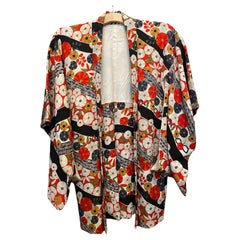
Japanese silk jacket HAORI black
Located in Paris, FR
This is a silk jacket which was made in Japan.
It was made in Showa era around 1970s.
The haori is a traditional Japanese hip- or thigh-length jacket worn over a kimono. Resembling ...
Category
Late 20th Century Japanese Showa Fabric Antiquities
Materials
Silk
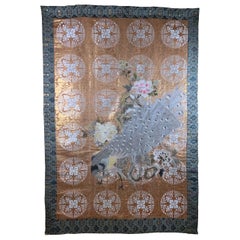
Large Vintage Chinese Hand Embroidery Tapestry
Located in Delray Beach, FL
About
A spectacular Chinese embroidery wall hanging purchased from Antique Chinese collector This example, entailed with many stitch techni...
Category
1960s Chinese Vintage Fabric Antiquities
Materials
Wool, Cotton, Silk
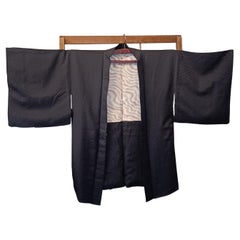
Japanese Silk Haori Jacket Simple Black 1980s MaruniChigaiTakanoHaMon
Located in Paris, FR
This is a silk jacket which was made in Japan.
It was made in Showa era around 1980s.
This haori jacket has a family crest of MaruniChigaiTakanoHaMon.
The haori is a traditional Ja...
Category
1980s Japanese Showa Vintage Fabric Antiquities
Materials
Silk
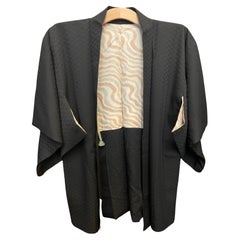
Japanese Silk Jacket Michiyuki 1970s
Located in Paris, FR
This is a Japanese Silk Jacket called Michiyuki.
It was made around 1970s. This Michiyuki Jacket has a pocket and belts inside.
It is not reversi...
Category
1970s Japanese Showa Vintage Fabric Antiquities
Materials
Silk
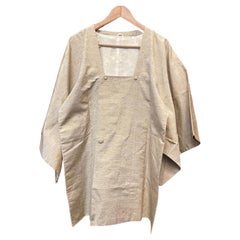
Japanese Half Kimono Belt Hanhaba Obi Orange with Embroidery 1980s
Located in Paris, FR
This is a Japanese beautiful Kimono belt called 'Han haba obi'.
Both side are with motifs but different motifs. It is a belt for kimono but you can use as a table runner or wall deco...
Category
1980s Japanese Showa Vintage Fabric Antiquities
Materials
Silk
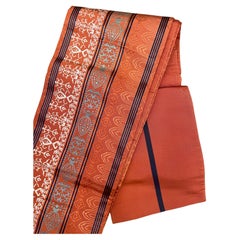
Antique 1890s Persian Bakhtiari Zelesultan Rug by Master Weaver Ardal, Oversized
Located in New York, NY
This Persian Bakhtiari ZeleSultan carpet by master weaver Ardal was created, circa 1890. It consists of a hand-knotted wool pile, wool weft, cotton warp ...
Category
19th Century Persian Tribal Antique Fabric Antiquities
Materials
Wool
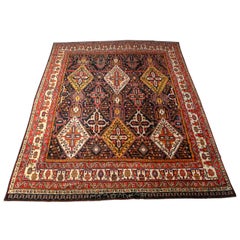
$94,500 Sale Price
30% Off
Japanese black yukata with striped pattern
Located in Paris, FR
This is a cotton jacket which was made in Japan in Showa era around 1990s.
A yukata (浴衣, lit. 'bathrobe') is an unlined cotton summer kimono, worn in casual settings such as summer ...
Category
Late 20th Century Japanese Showa Fabric Antiquities
Materials
Cotton
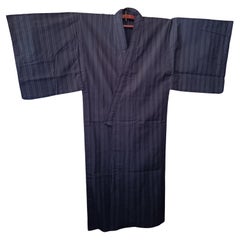
Japanese yukata - black with white striped pattern
Located in Paris, FR
This is a cotton jacket which was made in Japan in Showa era around 2000s.
A yukata (浴衣, lit. 'bathrobe') is an unlined cotton summer kimono, worn in casual settings such as summer ...
Category
Early 2000s Fabric Antiquities
Materials
Cotton
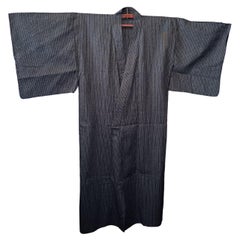
Japanese silk kimono pink grey with patterns
Located in Paris, FR
This is a silk kimono which was made in Showa era around 1970s in Japan.
The kimono is a traditional Japanese garment and the national dress of Japan. The kimono is a wrapped-front garment with square sleeves and a rectangular body, and is worn left side wrapped over right, unless the wearer is deceased. The kimono is traditionally worn with a broad sash, called an obi, and is commonly worn with accessories such as zōri sandals and tabi socks...
Category
Late 20th Century Japanese Showa Fabric Antiquities
Materials
Silk
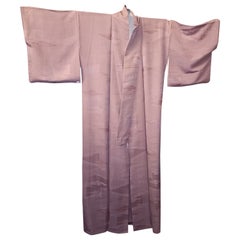
Japanese Silk Haori Jacket for Women Black 1980s Showa Hanaguruma
Located in Paris, FR
This is a silk jacket which was made in Japan.
It was made in Showa era around 1980s.
The haori is a traditional Japanese hip- or thigh-length jacket worn over a kimono. Resembling ...
Category
1980s Japanese Showa Vintage Fabric Antiquities
Materials
Silk
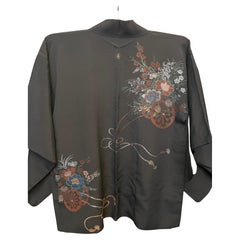
Japanese silk kimono beige with pink purple with patterns 1970s
Located in Paris, FR
This is a silk kimono which was made in Showa era around 1970s in Japan.
The kimono is a traditional Japanese garment and the national dress of Japan. The kimono is a wrapped-front ...
Category
Late 20th Century Japanese Showa Fabric Antiquities
Materials
Silk
Still Thinking About These?
All Recently ViewedMore Ways To Browse
Schist Buddha
Tibetan Prayer Wheel
Vung Tau Vase
Walking Buddha
Wei Horse
Afghanistan Buddha
Ancient Luristan Bronze
Antique Wood Foot Warmer
Bronze Age Sword
Chinese Dagger
Chinese Dragon Pottery Jar
Chinese Porcelain 8 Immortals
Gandharan Schist
Gerald Hong
Gong Cambodia
Han Dynasty Bowl
Haniwa Heads
Ichimatsu Doll