Items Similar to Milling Shed pottery with Green Glaze, Eastern Han Dynasty
Want more images or videos?
Request additional images or videos from the seller
1 of 17
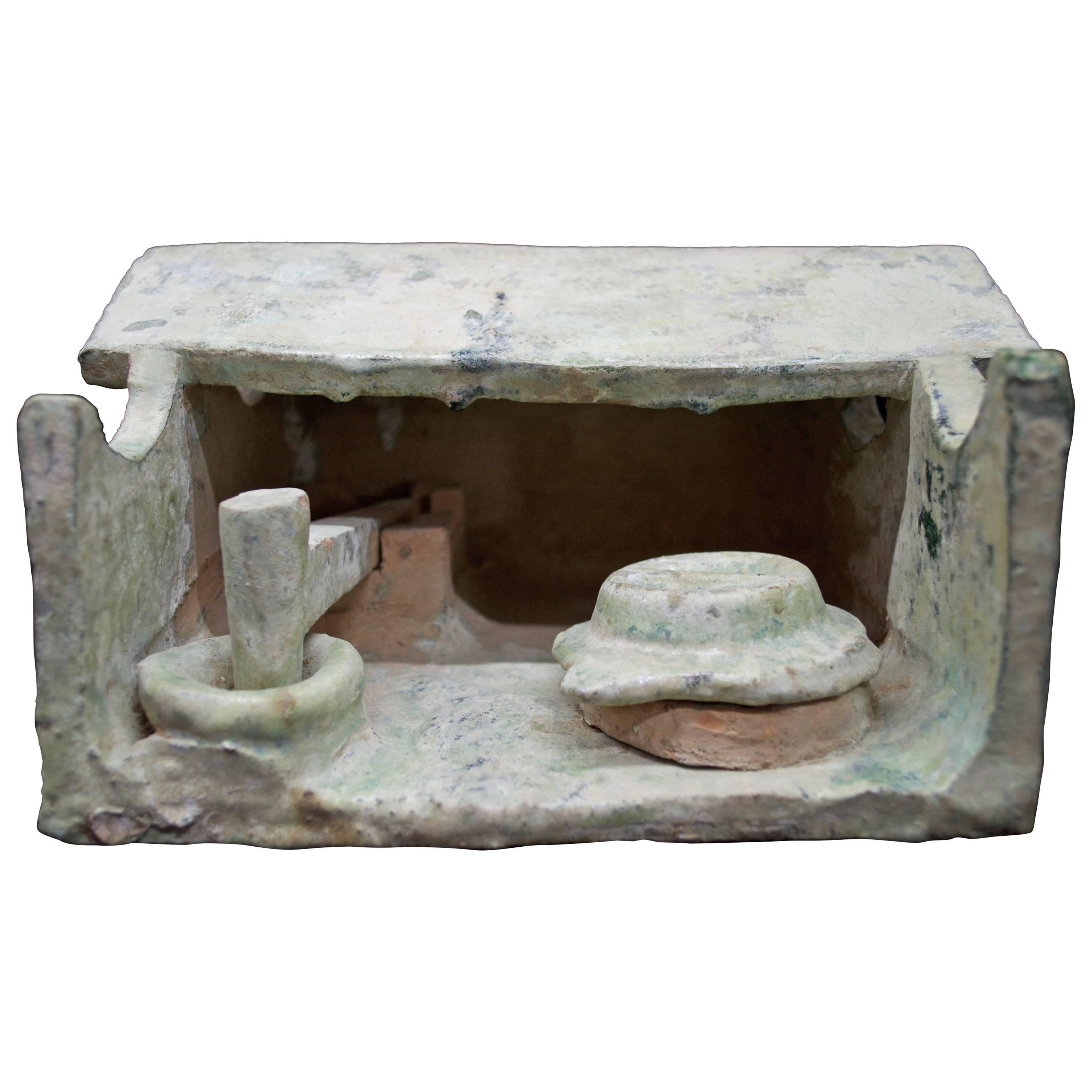
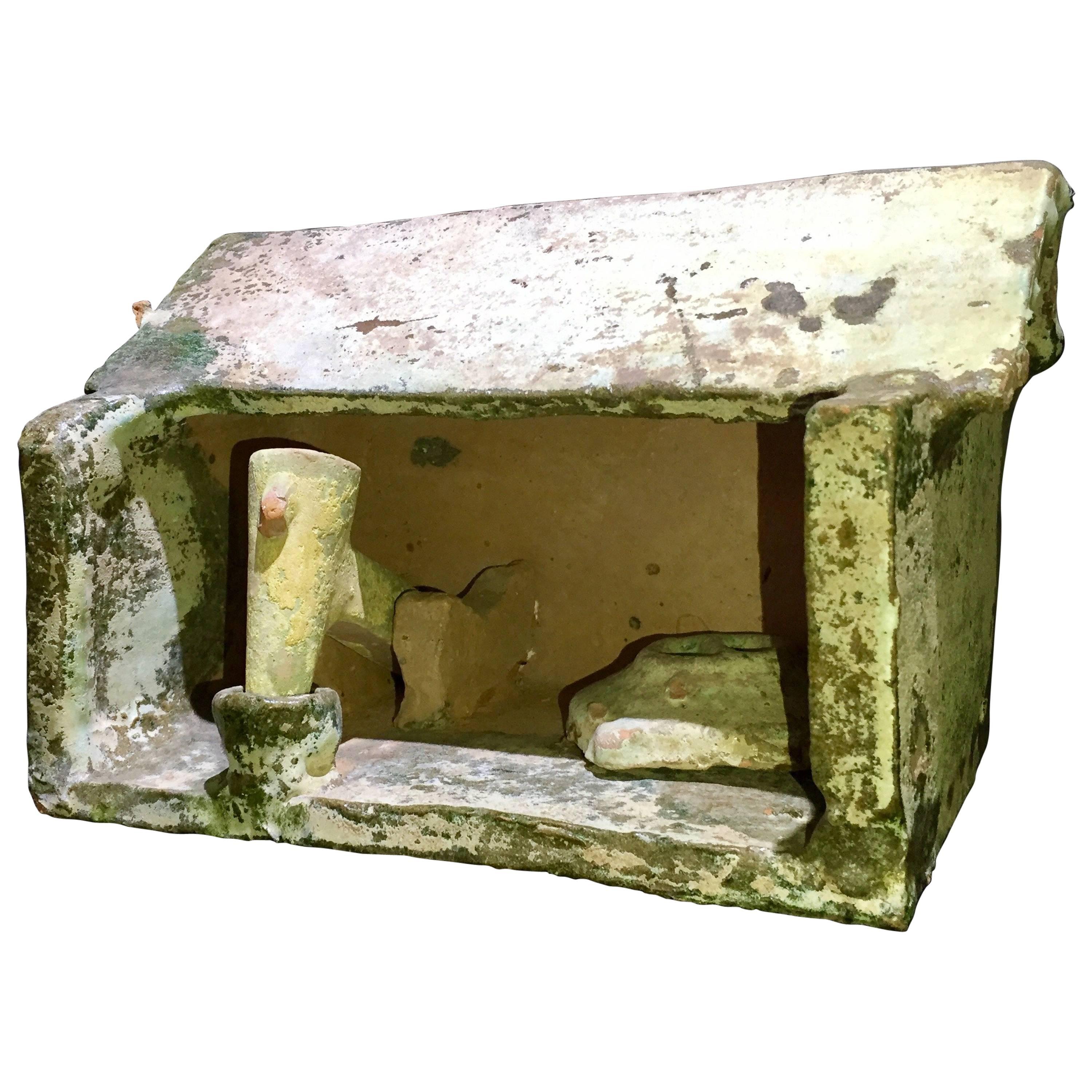
Milling Shed pottery with Green Glaze, Eastern Han Dynasty
$4,900
£3,658.84
€4,214.48
CA$6,837.73
A$7,229.24
CHF 3,884.80
MX$86,824.31
NOK 48,644.53
SEK 44,513.34
DKK 31,472.91
About the Item
Made from the standard orange earthenware body of Han green glazed tomb models, this miniature milling station features a circular millstone and a foot-operated mortar and pestle grain pounder under its shed roof. Both of these farm tools can still be seen in use throughout rural China. Han tombs provide an abundance of agricultural models reflecting the belief that agriculture was fundamental to the prosperity of the country.
Period : Han Dynasty (206 BC - 220 AD)
Medium : Earthenware with Green glaze
Dimension : 25.4cm x 23.7cm
Provenance : The piece was acquired in Hong Kong in the year 1999.
Condition : Good
Reference :
1) The Metropolitan Museum of Art - Accession Number: 1994.605.19
2) Minneapolis Institute of Art - Accession Number:89.43.2.1
* Han Dynasty Pottery
Han Dynasty pottery, originating from one of China's most significant historical periods (202 BCE – 220 CE), is renowned for its technological and artistic achievements in ceramic production. These artifacts typically feature a distinctive green glaze, although other colors were also used. The pottery often includes intricate decorative motifs, such as animals, mythological figures, and geometric patterns.
The craftsmanship during the Han Dynasty was advanced, with pottery techniques that were innovative for the time. These pieces were not only utilitarian but also held ceremonial and symbolic significance. The shapes and designs of Han Dynasty pottery vary, including items like urns, vases, and figures, reflecting both the daily life and the spiritual beliefs of the period.
- Dimensions:Height: 5.12 in (13 cm)Diameter: 10.24 in (26 cm)
- Style:Han (Of the Period)
- Materials and Techniques:
- Place of Origin:
- Period:
- Date of Manufacture:206 BC - 220 AD
- Condition:Minor fading.
- Seller Location:seoul, KR
- Reference Number:1stDibs: LU9577239045122
About the Seller
4.8
Vetted Professional Seller
Every seller passes strict standards for authenticity and reliability
Established in 1999
1stDibs seller since 2023
46 sales on 1stDibs
Typical response time: <1 hour
- ShippingRetrieving quote...Shipping from: seoul, Korea South
- Return Policy
More From This Seller
View AllGreen-Glazed Pottery ‘Money Tree’ Base, Han Dynasty
Located in seoul, KR
This piece, directly referred to as a Money Tree, is a captivating work that embodies wishes for material prosperity. It takes center stage in the Asian collections of institutions s...
Category
Antique 15th Century and Earlier Hong Kong Han Antiquities
Materials
Earthenware, Pottery
Green-Glazed Dish, Han Dynasty
Located in seoul, KR
This Han Dynasty green-glazed dish exhibits significant signs of wear, indicative of its age and the long passage of time it has witnessed. The glaze, once vibrant, now shows substan...
Category
Antique 15th Century and Earlier Hong Kong Han Antiquities
Materials
Earthenware
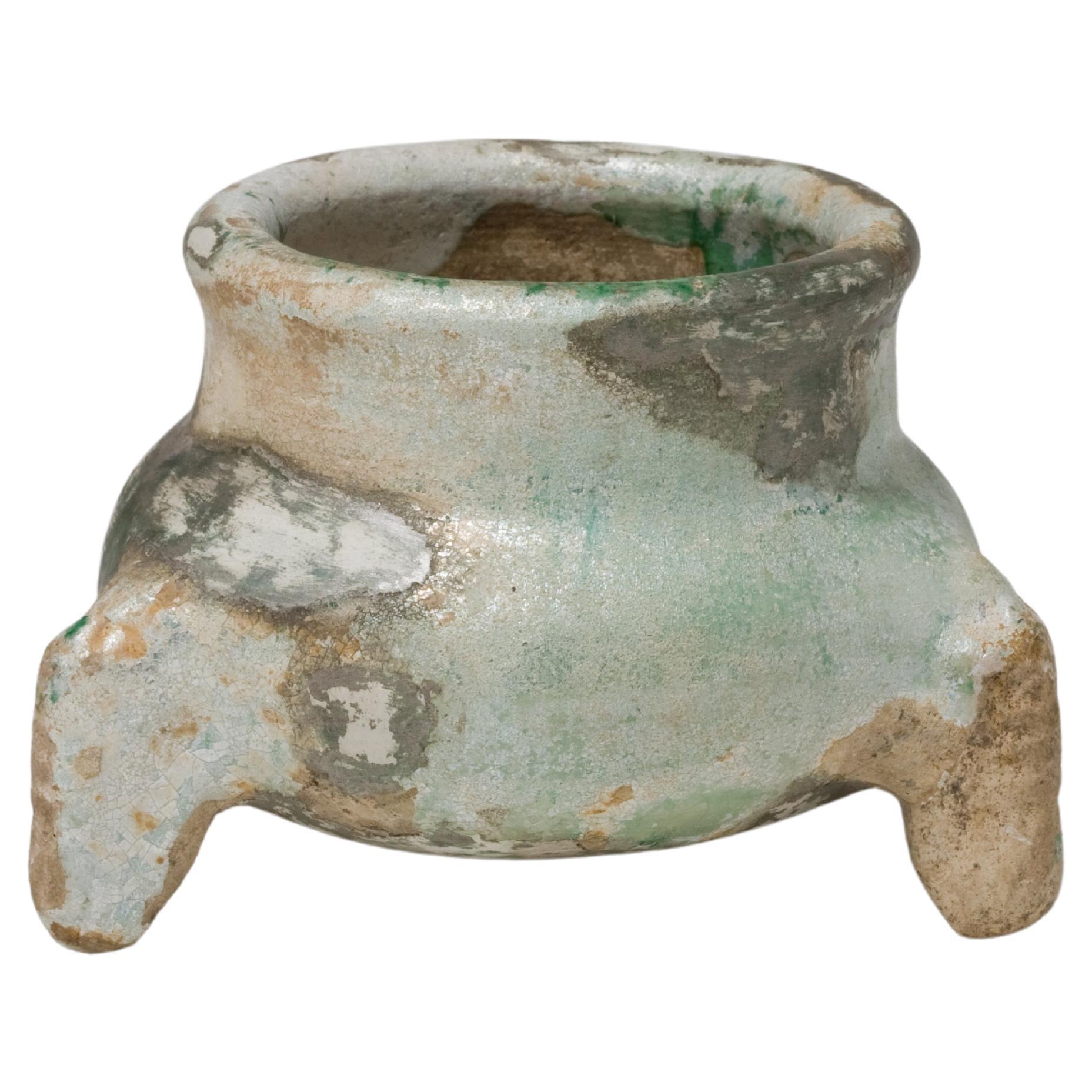
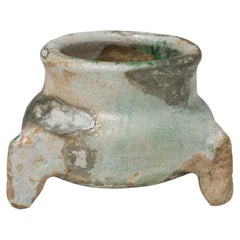
Green-Glazed Tripod Vessel, Han Dynasty
Located in seoul, KR
Han Dynasty green-glazed tripods are comparatively rare, especially ones that have retained their structural integrity and glaze over millennia. Pieces in good condition are scarce b...
Category
Antique 15th Century and Earlier Hong Kong Han Antiquities
Materials
Earthenware
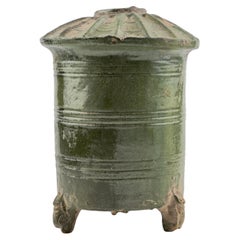
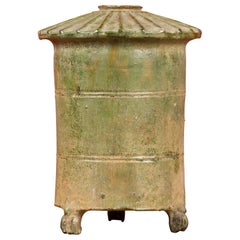
Funerary Model of a Granary, Han dynasty
Located in seoul, KR
Cylindrical vessel on three animal-shaped feet (dragon or snake), wall with profile grooves, roof. pottery with green lead glaze. "Iridescence" is observed in surface.
Period : Han...
Category
Antique 15th Century and Earlier Hong Kong Han Antiquities
Materials
Pottery
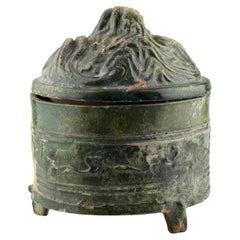
Green-glazed pottery tripod
hill
jar, Han Dynasty, 206 BC - 220 AD
Located in seoul, KR
The modelled animal figures and landscapes of this piece represent the Daoist ideology of the Han dynasty. The mountain-shaped lid refers to the sacred dwellings of the immortals, th...
Category
Antique 15th Century and Earlier East Asian Han Antiquities
Materials
Stoneware
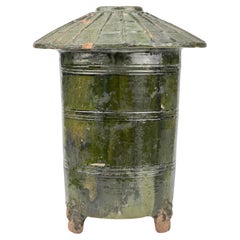
Funerary Model of a Granary, Han dynasty
Located in seoul, KR
Cylindrical vessel on three animal-shaped feet (dragon or snake), wall with profile grooves, roof. Ceramic with green transparent glaze. "Iridescence" is observed in surface.
Period...
Category
Antique 15th Century and Earlier Hong Kong Han Antiquities
Materials
Stoneware
You May Also Like
Eastern Han Dynasty Terracotta Barn Workshop, China
206BC - 220AD
Ex-Museum
Located in San Pedro Garza Garcia, Nuevo Leon
Slab pottery constructed barn workshop having a peaked roof – open walled form with a mechanical pounder and a large round covered storage container. Light blue-green mottled glazed surface with some iridescence patina to the glaze.
Condition: Intact, excellent condition, an unusual example.
Provenance: The Living Torah Museum, Brooklyn; ex. Sands of Time, 2002.
Sculptural effigies of domesticated animals were often interred in the tombs of nobility and elite members of the social hierarchy. Models like this one were made to represent everything from simple goat or pig pens to the most elaborate towers and palaces. Because very few ancient Chinese buildings have survived intact, these models, along with descriptions from ancient texts, give a good representation of what the buildings might have looked like.
This fantastic piece is accompanied by a Certificate of Authenticity.
Burial figurines of graceful dancers, mystical beasts, and everyday objects reveal both how people in early China approached death and how they lived. Since people viewed the afterlife as an extension of worldly life, these figurines, called mingqi, sometimes referred as “spirit utensils” or “vessels of ghosts” disclose details of routine existence and provide insights into belief systems over a thousand-year period. For the first time in Chinese history, we have images of rural and daily life during the Han in the form of contemporary...
Category
Antique 15th Century and Earlier Chinese Han Antiquities
Materials
Terracotta
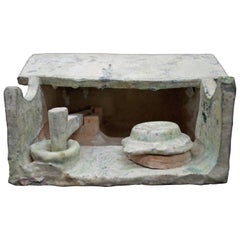
Eastern Han Dynasty Terracotta Model of a Paper Mill , China
206BC - 220AD
Located in San Pedro Garza Garcia, Nuevo Leon
Slab pottery constructed Model of a Paper Mill, in Green and Cream Color Glazed Terracotta having a peaked roof – open walled form with a mechanical pounder and a large round storage container. Light blue-green mottled glazed surface with some iridescence patina to the glaze. The Iridescence is a refraction of the layers on the glass that produces multicolor hues & metallic luster, and only develops after one thousand years of being buried in the ground. An unquestionable mark of antiquity, impossible to falsify.
Han Dynasty, dated 206 B.C-220 A.D.
Condition: Excellent, wear commensurate with age, an unusual example.
This fantastic piece is accompanied by a Certificate of Authenticity.
Sculptural effigies of domesticated animals were often interred in the tombs of nobility and elite members of the social hierarchy. Models like this one were made to represent everything from simple goat or pig pens to the most elaborate towers and palaces. Because very few ancient Chinese buildings have survived intact, these models, along with descriptions from ancient texts, give a good representation of what the buildings might have looked like.
Burial figurines of graceful dancers, mystical beasts, and everyday objects reveal both how people in early China approached death and how they lived. Since people viewed the afterlife as an extension of worldly life, these figurines, called mingqi, sometimes referred as “spirit utensils” or “vessels of ghosts” disclose details of routine existence and provide insights into belief systems over a thousand-year period. For the first time in Chinese history, we have images of rural and daily life during the Han in the form of contemporary records...
Category
Antique 15th Century and Earlier Chinese Han Antiquities
Materials
Terracotta
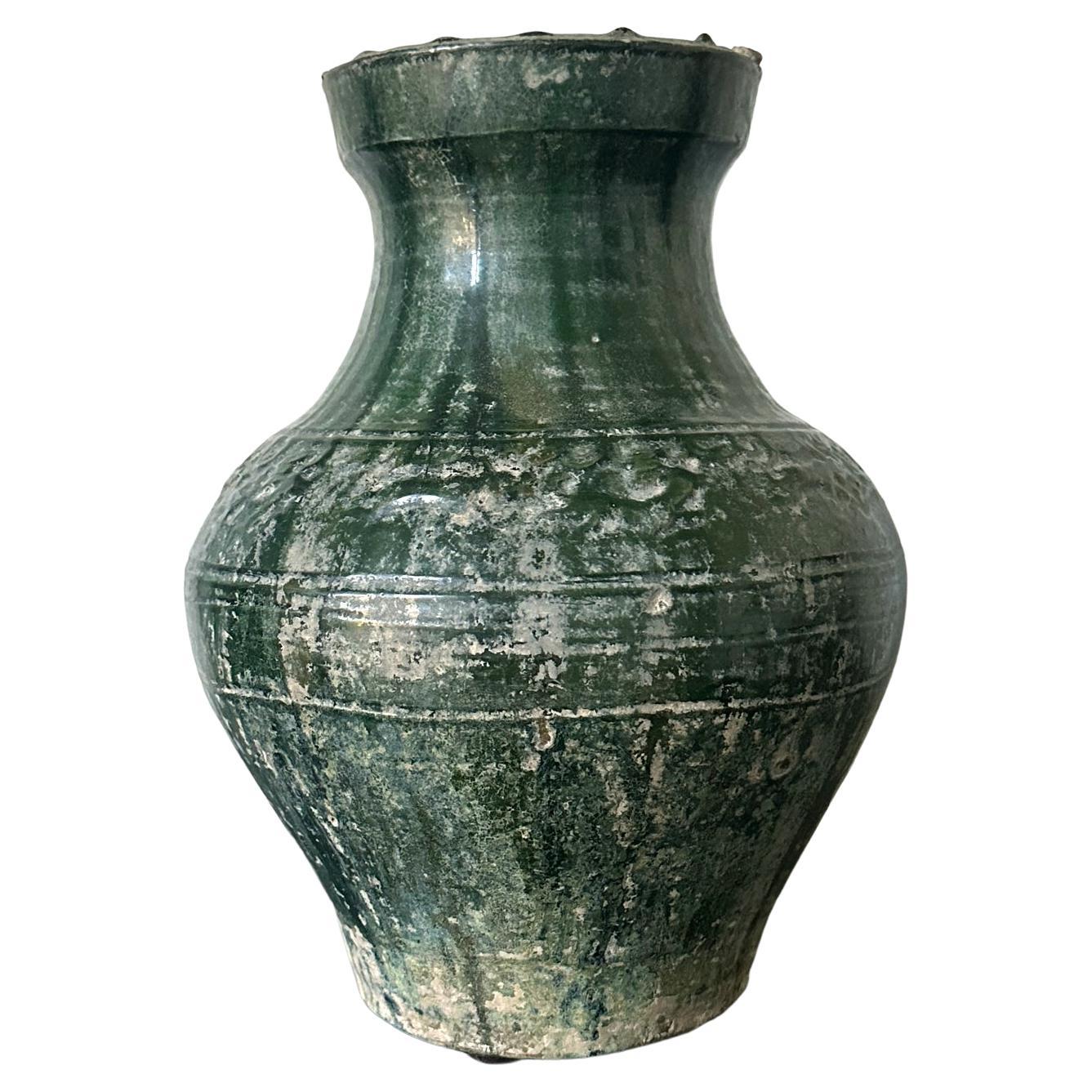
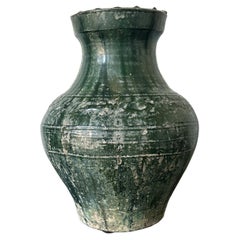
Chinese Ceramic Hu Jar with Green Glaze Han Dynasty
Located in Atlanta, GA
A large ceramic storage jar in "Hu" shape from Eastern Han Dynasty of China (25-220AD). The classic shaped vessel with swell shoulder and generous body is covered in a dark green gla...
Category
Antique 15th Century and Earlier Chinese Archaistic Ceramics
Materials
Ceramic
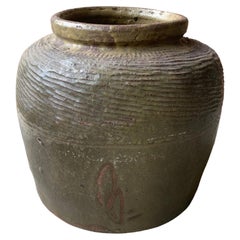
Chinese Ceramic Pickling Jar Jade Green, c. 1950
Located in Jimbaran, Bali
This glazed Chinese ceramic jar was once used for pickling foods. It features a jade green finish and outer surface that features a ribbed texture. A great example of Chinese pottery...
Category
Vintage 1950s Chinese Qing Ceramics
Materials
Ceramic
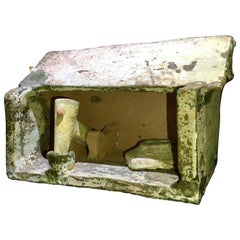
Petit Chinese Ming Dynasty 17th Century Terracotta Granary with Verdigris Patina
Located in Yonkers, NY
A 17th century Chinese Ming Dynasty granary hand made from terracotta with a verdigris patina. This exquisite 17th century Chinese Ming Dynasty granary, meticulously handcrafted from...
Category
Antique 17th Century Chinese Ming Ceramics
Materials
Terracotta
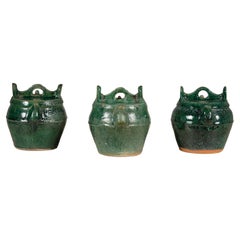
Qing Dynasty Green Glaze Late 19th Century Shiwan Ware Pottery Teapots Sold Each
Located in Yonkers, NY
A Qing Dynasty period green glaze Shiwan ware ceramic teapot from the late 19th century. Born in the late 19th century during the Qing Dynasty, these exquisite Shiwan ware ceramic teapots captivate with their rich green glaze and historical charm. Each teapot is slightly unique, offering a distinctive character that makes it a special addition to any collection. These teapots are sold individually, priced to reflect their individual craftsmanship and unique variations.
The design of each teapot features a functional pouring spout, a convenient carrying or suspension handle, and a lid. The handle is ingeniously placed on top, allowing the teapot to be suspended over an open fire for heating water, a traditional method that speaks to the practical and cultural heritage of the period.
The vibrant green glaze, characteristic of Shiwan ware, enhances the teapot’s aesthetic appeal, while the slightly varied shapes and finishes highlight the artisanal quality of each piece. The glossy finish and rich color add a touch of elegance, making these teapots not only functional but also decorative.
Perfect for use as a charming display piece in a kitchen, dining room, or living room, each teapot can also serve its original purpose for tea enthusiasts who appreciate traditional brewing methods. Whether showcased individually or as a set, these Qing Dynasty green...
Category
Antique 19th Century Chinese Qing Ceramics
Materials
Ceramic
More Ways To Browse
Antique Shed
Chinese Tomb
Antique Canning Tools
Antique Farm Tools
Carved Wooden Crown
12th Century Khmer
Asian Wooden Mask
Gandharan Art
Liao Dynasty
Northern Wei Dynasty
Antique 2000 Furniture
Kangxi Miniature
Sui Dynasty
Antique Chinese Pottery Figures
Antique Chinese Amber
Chinese Jade Phoenix
Green Dragon China
Green Ming Pottery