Items Similar to Northern Wei Dynasty Terracotta Horses, TL Tested,
386 AD-535 AD
Want more images or videos?
Request additional images or videos from the seller
1 of 21
Northern Wei Dynasty Terracotta Horses, TL Tested,
386 AD-535 AD
$185,000per set
£140,831.34per set
€160,999.97per set
CA$260,297.50per set
A$284,722.64per set
CHF 149,914.22per set
MX$3,399,298.41per set
NOK 1,910,678.45per set
SEK 1,747,814.88per set
DKK 1,202,504.90per set
About the Item
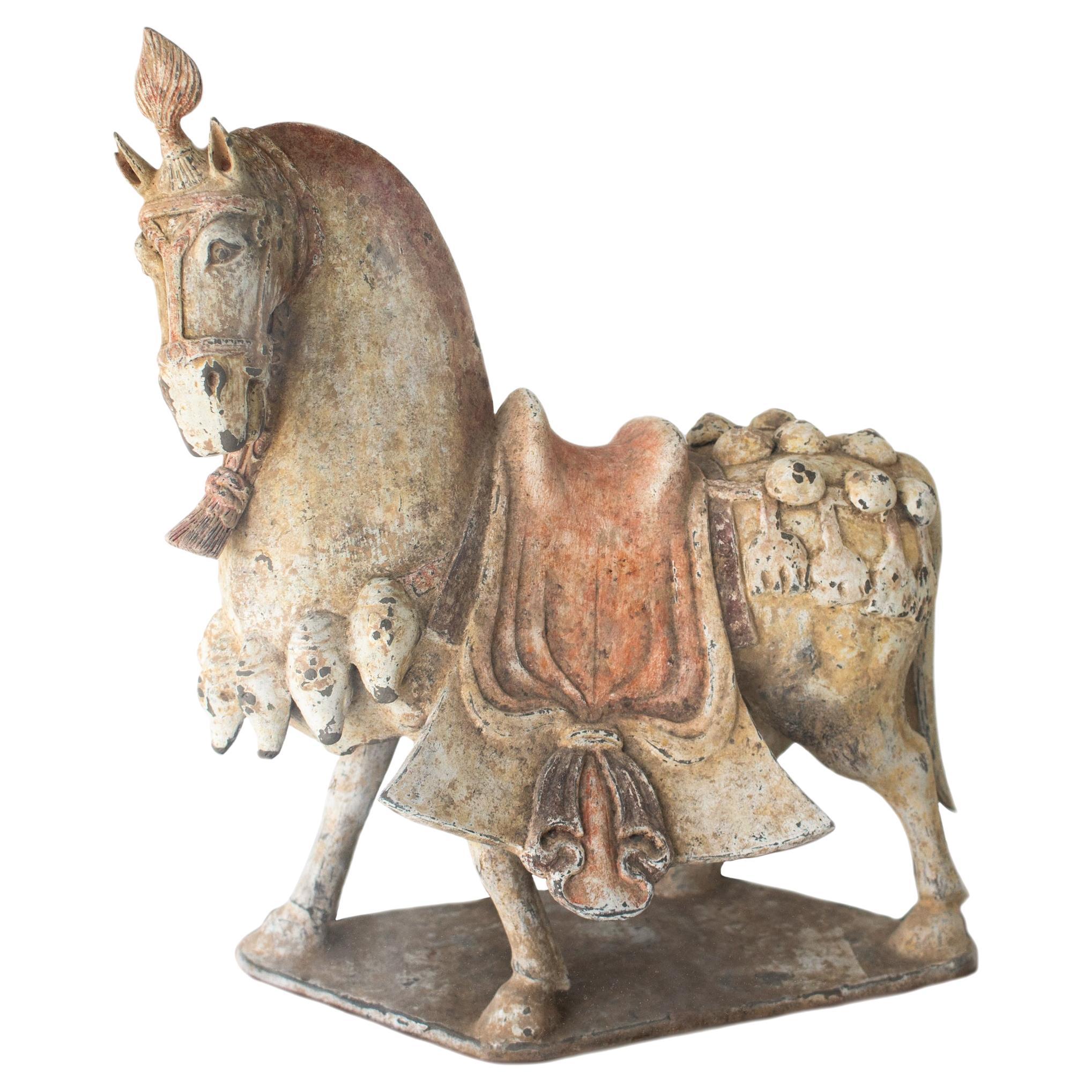
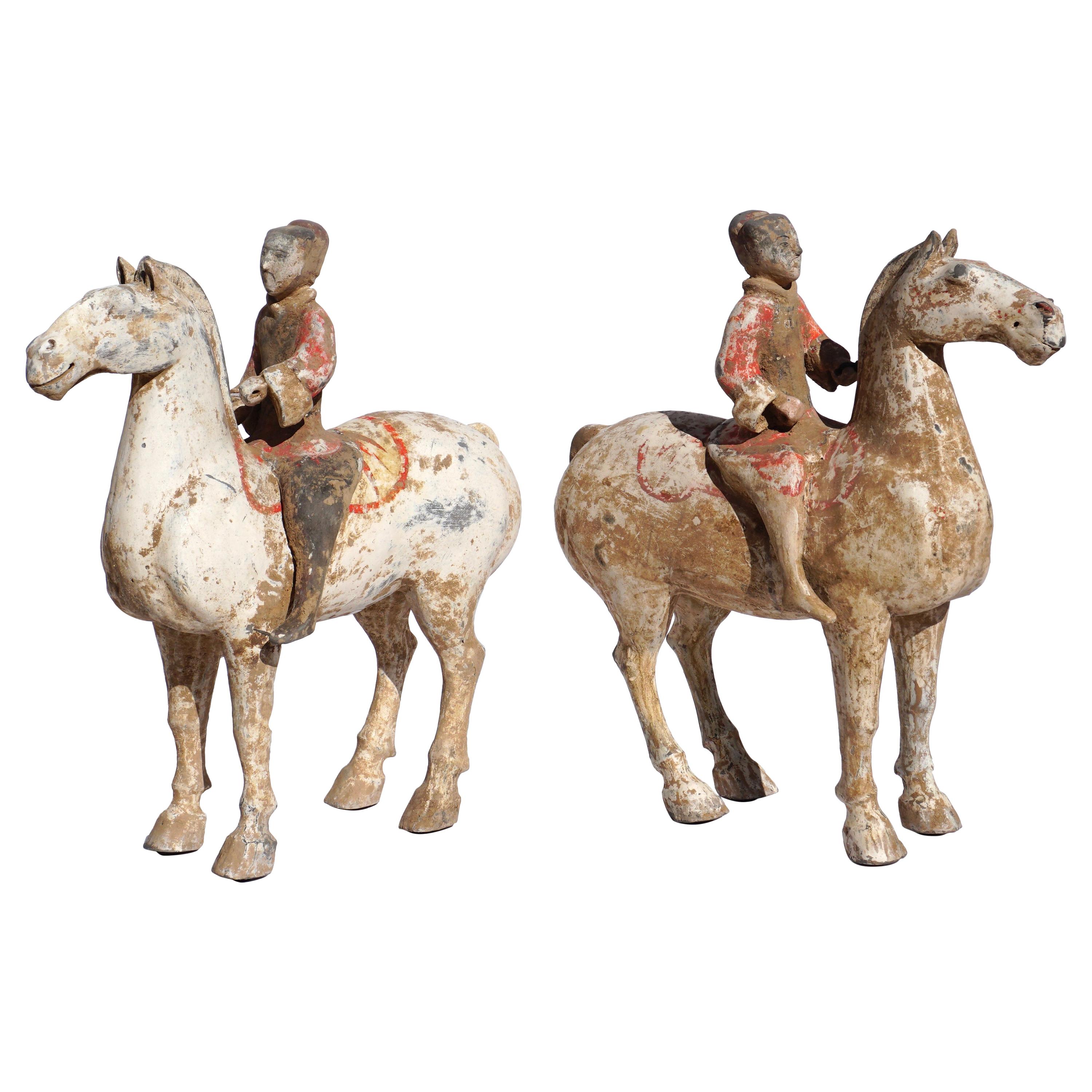
A massive pottery pair of horses standing on all fours and striding with its right hoof forward. Extended snout ends in parted lips showing teeth beneath in a braying attitude. Low relief bridle on face and well defined eyes. Raised mane down back of the neck
A fantastic example of the Wei dynasty horses.
Large, exquisite walking Ferghana horses with great attention paid to anatomical detail were the choice of the wealthy. The horse was second only in importance to the dragon. It was supposed to possess magical powers which the early Chinese were eager to explore. It would be the horse that would carry the deceased to the next life and it would be the amount of horses that an individual owned that would guarantee his ongoing status in the hereafter.
Thermoluminescence certificate from Madrid Labs included.
In southern China, people turned to Daoism, and mingqi, as well as above-ground sculptures, became ever more infused with animal iconography and energized with dynamic lines.
The north of China was eventually united by nomadic Tuoba invaders who founded the Northern Wei dynasty (386-534) and established a measure of stability. Their rule fostered both preservation, seen in Han tomb styles and funerary practices, as well as innovation, seen in new types of mingqi such as human-faced guardian animals called zhenmushou, human guardians, and increasing numbers of pack animals and military figures.
The Northern Wei or the Northern Wei Empire (/we?/), also known as the Tuoba Wei (???), Later Wei (??), or Yuan Wei (??), was a dynasty founded by the Tuoba (Tabgach) clan of the Xianbei, which ruled northern China from 386-534 AD (de jure until 535), during the period of the Southern and Northern Dynasties. Described as "part of an era of political turbulence and intense social and cultural change", the Northern Wei Dynasty is particularly noted for unifying northern China in 439: this was also a period of introduced foreign ideas, such as Buddhism, which became firmly established.
During the Taihe period (477-499) of Emperor Xiaowen, court advisers instituted sweeping reforms and introduced changes that eventually led to the dynasty moving its capital from Datong to Luoyang, in 494. The Tuoba renamed themselves the Han people surname Yuan (?) as a part of systematic Sinicization. Towards the end of the dynasty there was significant internal dissension resulting in a split into Eastern Wei and Western Wei.
Many antiques and art works, both Taoist art and Buddhist art, from this period have survived. It was the time of the construction of the Yungang Grottoes near Datong during the mid-late 5th century, and towards the latter part of the dynasty, the Longmen Caves outside the later capital city of Luoyang, in which more than 30,000 Buddhist images from the time of this dynasty have been found.
- Dimensions:Height: 23.42 in (59.49 cm)Width: 11.81 in (30 cm)Depth: 20.47 in (52 cm)
- Sold As:Set of 2
- Style:Han (Of the Period)
- Materials and Techniques:
- Place of Origin:
- Period:
- Date of Manufacture:300-600 AD
- Condition:Wear consistent with age and use.
- Seller Location:Miami, FL
- Reference Number:1stDibs: LU1726217808752
About the Seller
4.6
Gold Seller
Premium sellers maintaining a 4.3+ rating and 24-hour response times
Established in 1995
1stDibs seller since 2015
1,373 sales on 1stDibs
Typical response time: 1 hour
- ShippingRetrieving quote...Shipping from: Moncada, Spain
- Return Policy
More From This Seller
View AllPair of Large Chinoiserie Style Urns or Vases on Pedestals of Glazed Terracotta
Located in Miami, FL
Pair of large chinoiserie style urns or vases on pedestals of glazed terracotta
Measurements:
Item A:
Pedestal: H 31.29 in, D 12.99 in, W 13.38 in
Total height with vase 45.66 ...
Category
Early 20th Century Asian Chinoiserie Ceramics
Materials
Terracotta
Pottery Figure Seductress
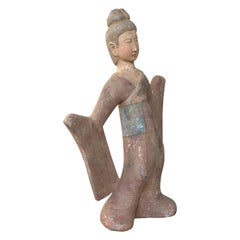
Dancer Lady, Han Style Terracotta
Located in Miami, FL
A fantastic Han style terracotta figure. Such a figure is seen in the Han dynasty dating 206 BC-220 AD. The figure is of an alluring girl who is in a showing his suit. She has a full...
Category
Late 20th Century Asian Han Sculptures and Carvings
Materials
Terracotta
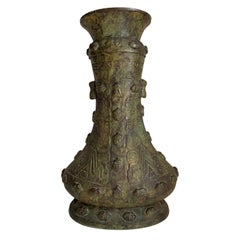
Chinese Archaistic Bronze Vase, Circa 1900 Shang Dynasty Style Gu Vessel
Located in Miami, FL
Of Classic vessel form, with an oval, splayed foot, narrow, waisted body and wide, flaring mouth.
Very heavy and archaist vessel with lucky beetles around the sides.
Category
Antique 1890s Asian Archaistic Antiquities
Materials
Bronze
$31,120 Sale Price
20% Off
Free Shipping
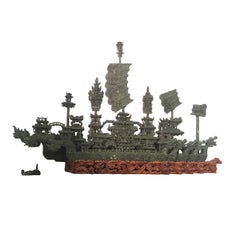
20th Jade Sculpture with Nine Dragon Boat **** 16 Foots Large***
Located in Miami, FL
Chinese Scrib, but handcrafted in Thailand. Sixteen feet long. Rosewood base. The sculptors of this enormous boat made of jade. You will admire the details of this vessel. The dragon is the ultimate symbol of auspiciousness. It is the most important symbol in both Feng Shui and in Chinese folklore. It's most powerful when displayed in the east sector of your home, office or location of the piece. This dragon jade boat...
Category
Early 20th Century Thai Chinoiserie Figurative Sculptures
Materials
Jade
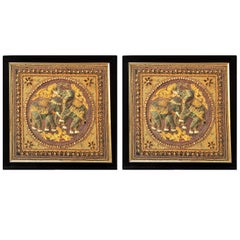
Early 20th Century Indonesian 3-D Framed Textiles, Pair
Located in Miami, FL
Early 20th century pair of Indonesian handmade textiles. Pictures with inlays.
Category
Early 20th Century Southeast Asian Tibetan Tapestries
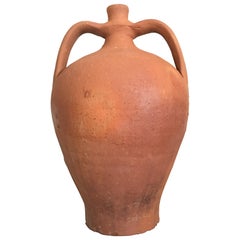
19th Century Two-Handled Terracotta Urns with Aged Patina, Spain
Located in Miami, FL
19th century two-handled terracotta urns with aged patina, Spain.
Category
Antique Late 19th Century Spanish Country Pottery
Materials
Terracotta
You May Also Like
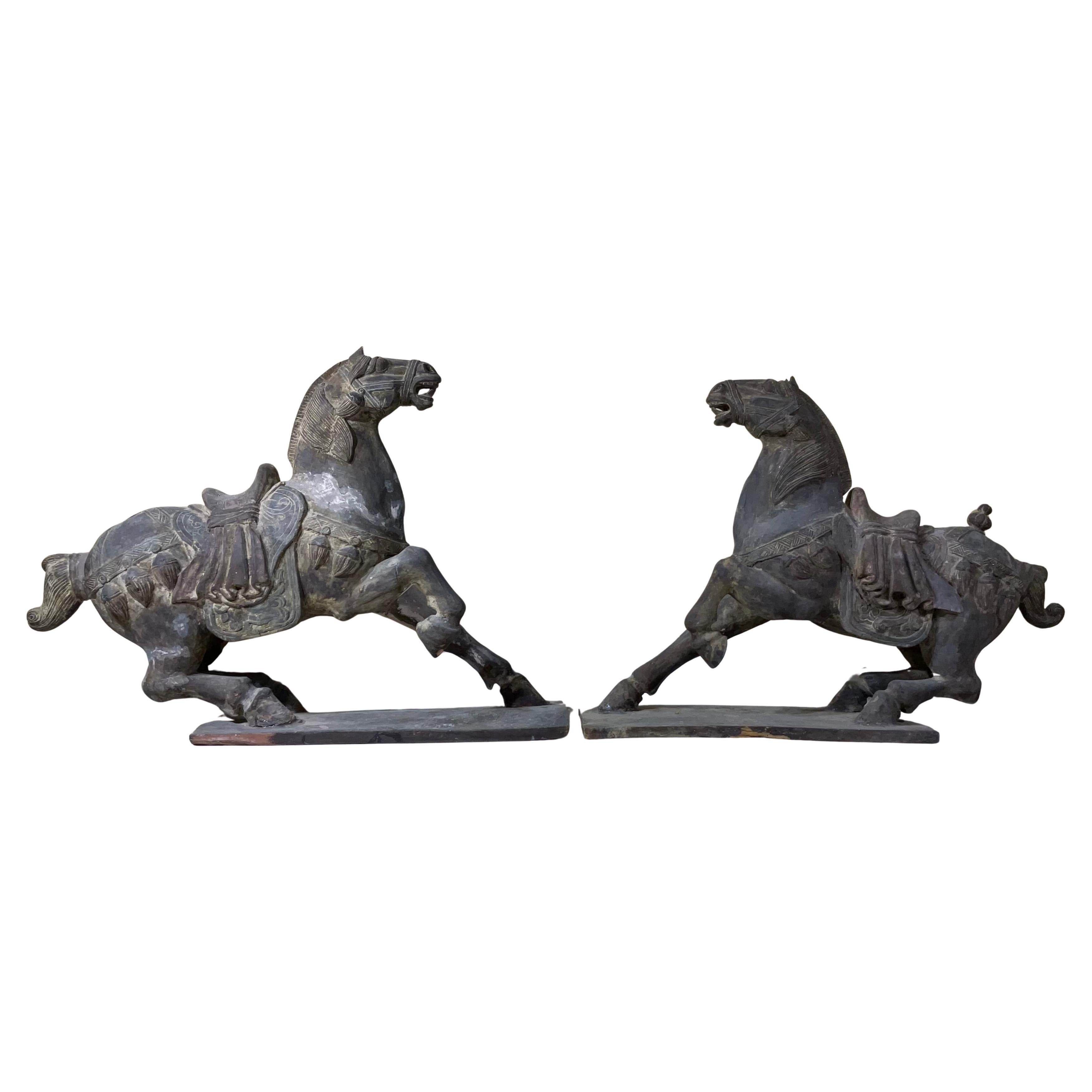
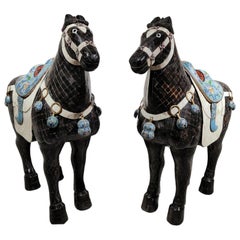
Magnificent Pair of Antique Tang Dynasty Style Carved Horses
Located in Delray Beach, FL
Step back in time with this stunning pair of antique wooden horses, meticulously carved in the style reminiscent of the illustrious Tang Dynasty ...
Category
20th Century Chinese Sculptures and Carvings
Materials
Wood
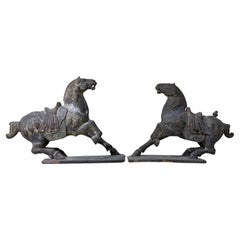
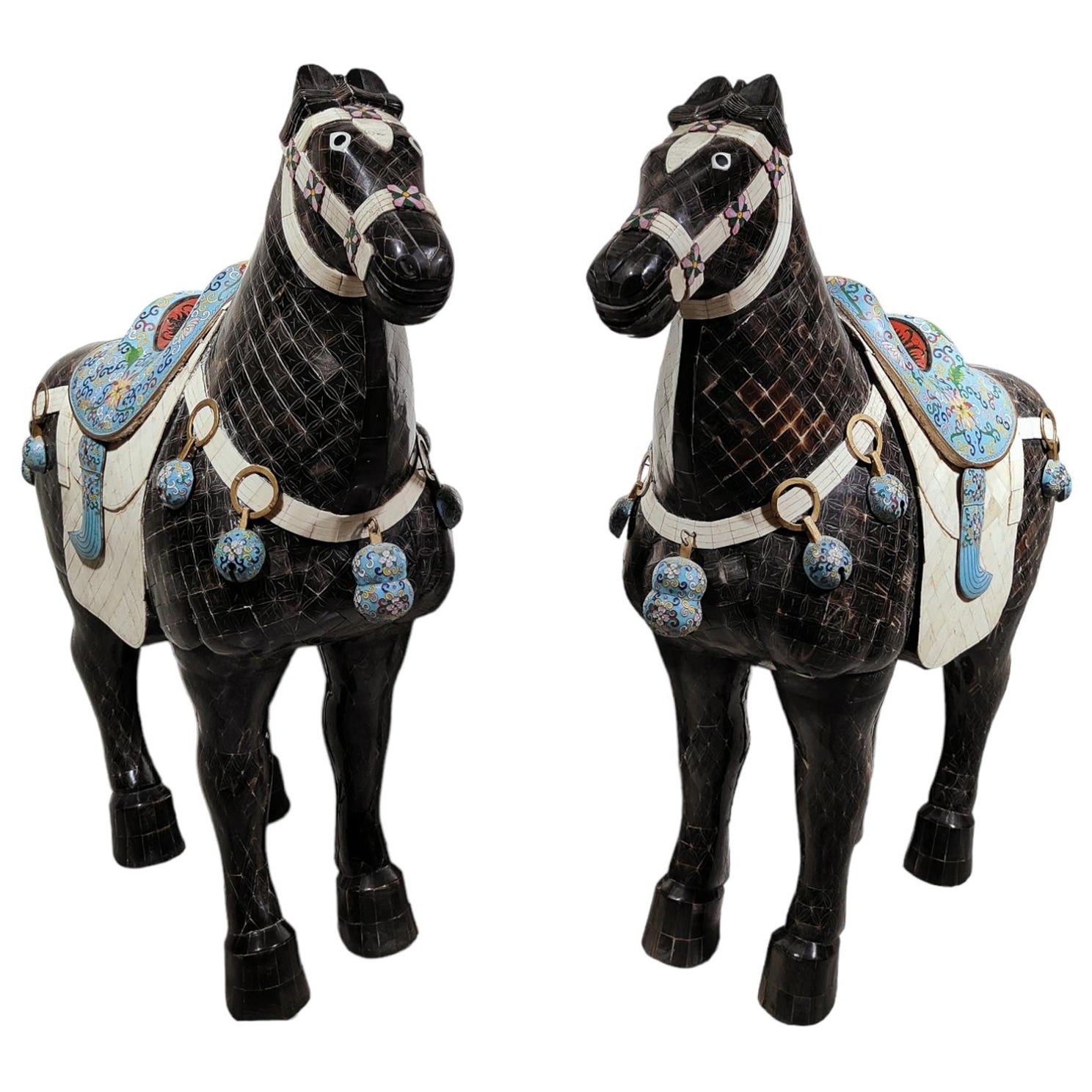
Important Pair of Horses from the Ching Dynasty
Located in Madrid, ES
"Important Pair Of Horses From The Ching Dynasty"
Pair of ching dynasty horses dating from the beginning of 1900. It keeps the certificate of authenticity of the purchase made in th...
Category
Early 20th Century Sculptures and Carvings
Materials
Bone
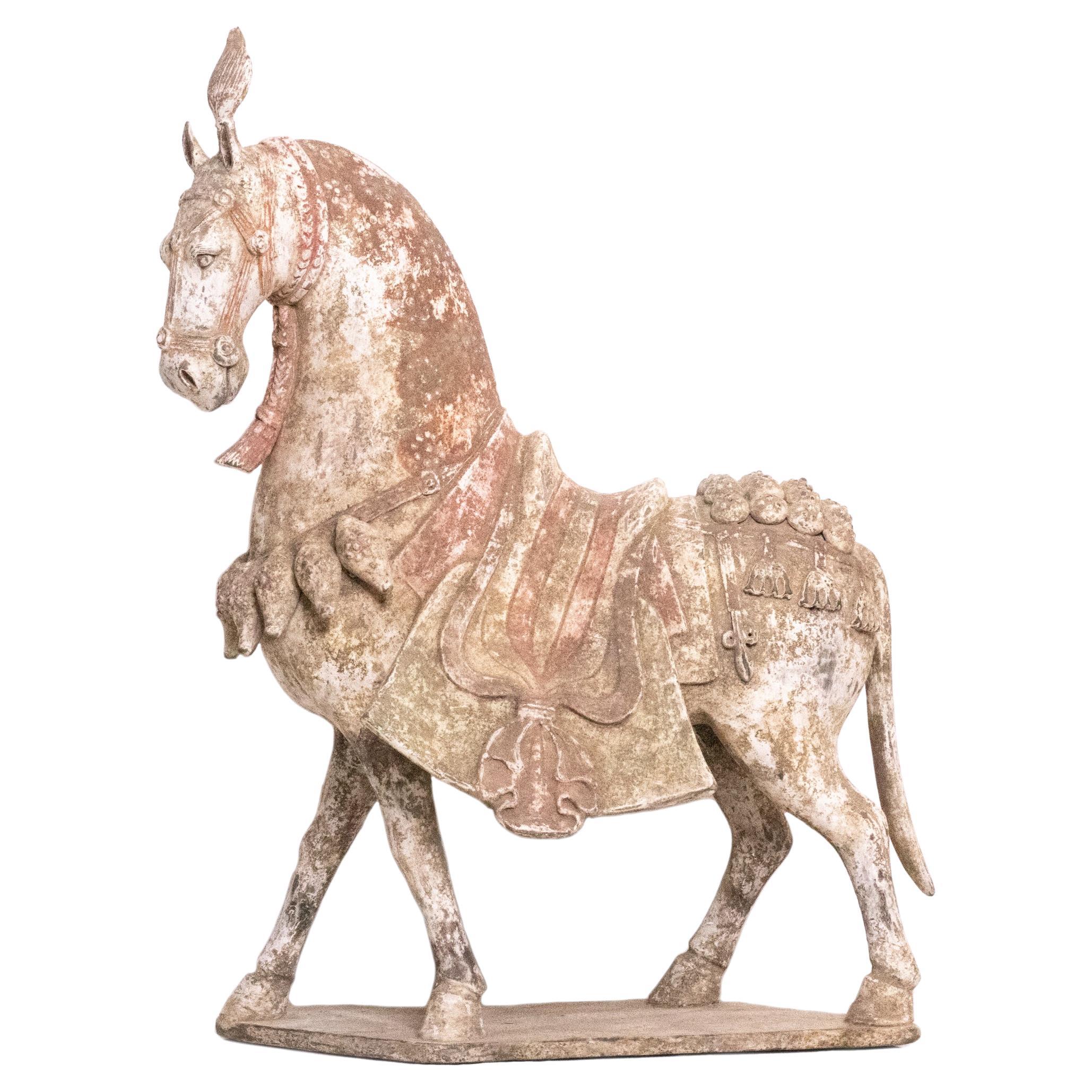
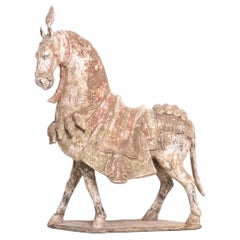
China 549-577 AD Northern Qi Dynasty Ancient Caparisoned Horse in Earthenware
Located in Miami, FL
Extremely rare Chinese pottery caparisoned horse from the Northern Qi region.
A beautiful large sculptural piece, created in China during the Northern Qi dynasty period, between the 549 and 577 AD. This horse statue is extremely finely modeled of earthenware pottery, standing in a very elegant and majestic position striding on a trapezoidal shaped base.
The animal has a gracefully arched neck to the left looking forward and its extremely well modeled. The head is adorned with a large detailed tassels of plumes and the body is embellished with a beautiful saddle and intricate harnesses. The trapping around the chest and rump is adorned with elaborated tassels and the straps are accented with multiples florets and bosses in high relief. Decorated with dotted and circles patterns.
The surface is treated with applications of natural color pigments such; red, white and others.
Has a measurements of 435 mm by 319 mm by 243 mm (17.10 x 12.55 x 9.55 Inches) (43.5 x 31.9 x 24.3 Cm).
Northern Qi, was the successor state of the Chinese Xianbei state of Eastern Wei...
Category
Antique 15th Century and Earlier Chinese Archaistic Antiquities
Materials
Earthenware, Clay, Paint
$26,495 Sale Price
30% Off
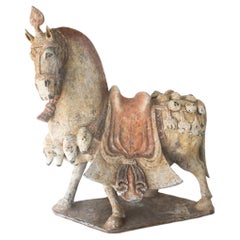
China 549-577 AD Northern Qi Dynasty Ancient Caparisoned Horse In Earthenware
Located in Miami, FL
Exceedingly rare Chinese pottery caparisoned horse from the Northern Qi region.
A beautiful sculptural piece, created in China during the Northern Qi dynasty period, between the 549 and 577 AD. This horse statue is extremely finely modeled of earthenware pottery, standing in a very elegant and majestic position striding on a trapezoidal shaped base.
The animal has a gracefully arched neck to the left and its extremely well modeled. The head is adorned with a large detailed tassels of plumes and the body is embellished with a beautiful saddle and intricate harnesses. The trapping around the chest and rump is adorned with elaborated tassels and the straps are accented with multiples florets and bosses in high relief.
The surface is treated with applications of natural pigments such; red, white and others.
Has a measurements of 394 mm by 343 mm by 257 mm (15.53 x 13.52 x 10.15 Inches) (39.4 x 34.3 x 25.7 Cm).
Northern Qi, was the successor state of the Chinese Xianbei state of Eastern Wei...
Category
Antique 15th Century and Earlier Chinese Archaistic Sculptures and Carvings
Materials
Earthenware, Pottery
$27,989 Sale Price
30% Off
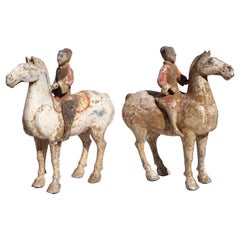
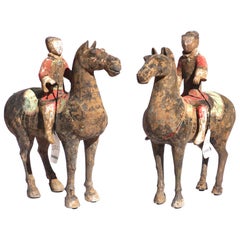
Pair of Han Dynasty Pottery Horses and Equestrian Riders
Located in Dallas, TX
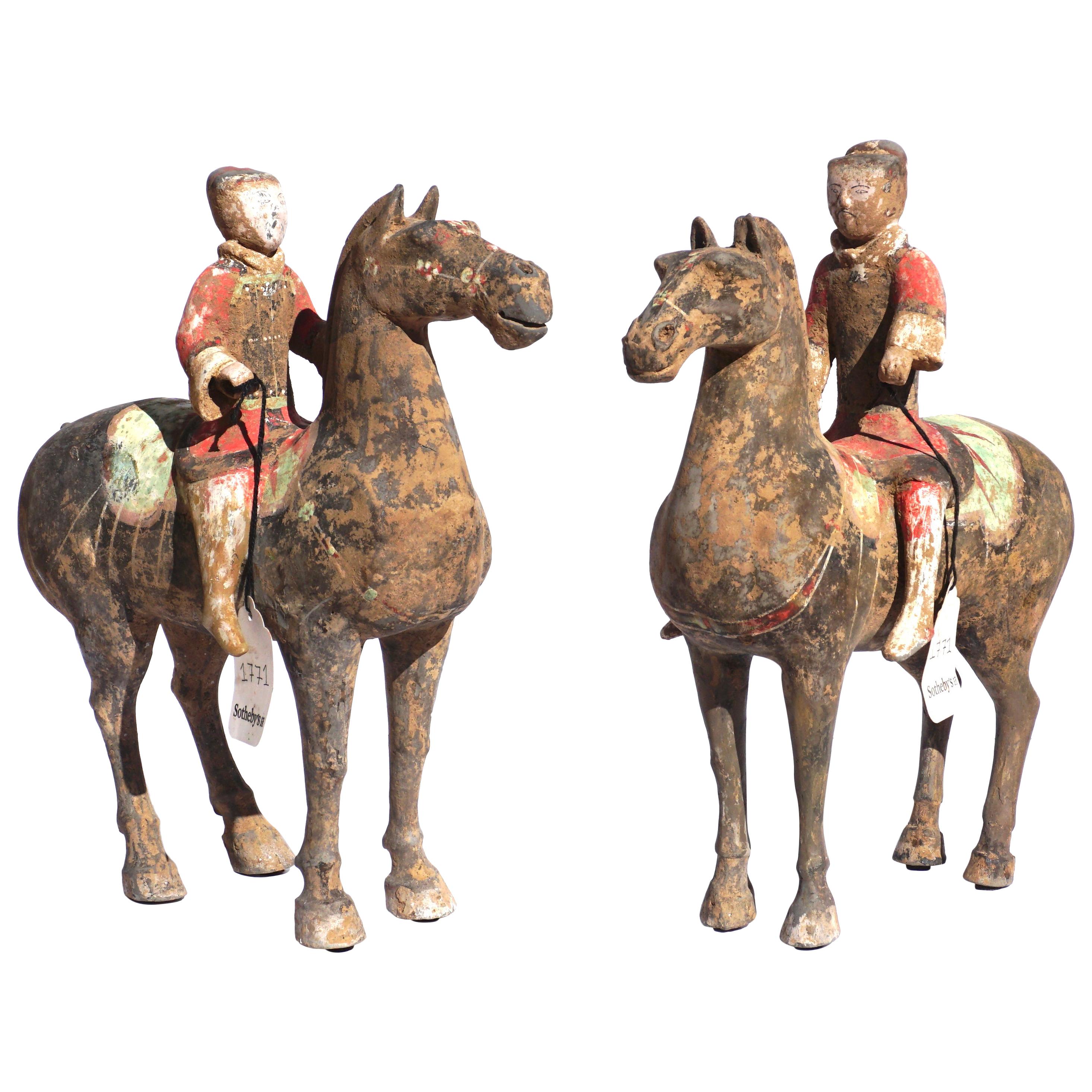
A wonderful pair of Ex Sotheby’s painted Polychrome Equestrian Horse and Riders made from gray pottery, Presents beautifully and guaranteed authentic with provenance and COA.
Measures: Height 11.5 inches and width 11 inches
Condition: Possible professional restorations but not detectable.
Provenance: Sotheby’s London. 16th November, 1999. Lot 12 (2 of 4 horses in that lot).
Sotheby’s New York, NY September 14, 2019.
The importance of the horse in the history and culture of China can be viewed, in part, through the artistic legacy of this great civilization. In sculpture, painting, and literature, horses were glorified and revered. Horses were believed to be related to mythological dragons, reflecting their sacred status within society. During the unification of China under the Han Dynasty, bands of mounted nomadic warriors from the north threatened the country. In order to thwart their attacks, the Chinese sought to import stronger, faster steeds from Central Asia (as opposed to the Mongol ponies used by the invaders), eventually leading to the creation of the Silk Road. This small sculpture of a mounted soldier reveals the crucial military role of the horse. When compared to the diminutive stature of the rider, the importance of the horse becomes readily apparent. This creature provided security and strength, allowing the Empire to secure its borders and expand its influences across Central Asia. The magnificent regalia of the horse, including a brilliantly painted saddle in red and green/gold, reflect the respect this animal received. The warrior as well is gorgeously decorated with a painted red tunic and gray chest...
Category
Antique 15th Century and Earlier Chinese Chinoiserie Animal Sculptures
Materials
Pottery
Pair of Han Dynasty pottery Horses and Equestrian Riders
Located in Dallas, TX
A wonderful pair of Ex Sotheby’s painted Polychrome equestrian horse and riders made from gray pottery, presents beautifully and guaranteed authentic with provenance and COA.
Measures: Height 11.5 inches and width 11 inches
Condition: Possible professional restorations but not detectable.
Provenance: Sotheby’s London. 16th November, 1999. Lot 12 (2 of 4 horsed in that lot)
Sotheby’s New York, NY September 14, 2019.
AVANTIQUES is dedicated to providing an exclusive curated collection of Fine Arts, Paintings, Bronzes, Asian treasures, Art Glass and Antiques. Our inventory represents time-tested investment quality items with everlasting decorative beauty. We look forward to your business and appreciate any reasonable offers. All of our curated items are vetted and guaranteed authentic and as described. Avantiques only deals in original antiques and never reproductions. We stand behind our treasures with a full money back return if the items are not as described.
The importance of the horse in the history and culture of China can be viewed, in part, through the artistic legacy of this great civilization. In sculpture, painting, and literature, horses were glorified and revered. Horses were believed to be related to mythological dragons, reflecting their sacred status within society. During the unification of China under the Han Dynasty, bands of mounted nomadic warriors from the north threatened the country. In order to thwart their attacks, the Chinese sought to import stronger, faster steeds from Central Asia (as opposed to the Mongol ponies used by the invaders), eventually leading to the creation of the Silk Road. This small sculpture of a mounted soldier reveals the crucial military role of the horse. When compared to the diminutive stature of the rider, the importance of the horse becomes readily apparent. This creature provided security and strength, allowing the empire to secure its borders and expand its influences across Central Asia. The magnificent regalia of the horse, including a brilliantly painted saddle in red and green/gold, reflect the respect this animal received. The warrior as well is gorgeously decorated with a painted red tunic and gray chest...
Category
Antique 15th Century and Earlier Chinese Han Animal Sculptures
Materials
Pottery