Items Similar to Rare Figure of an Attendant Wearing Swirling Vest, Ming Dynasty(1368-1644)
Want more images or videos?
Request additional images or videos from the seller
1 of 14
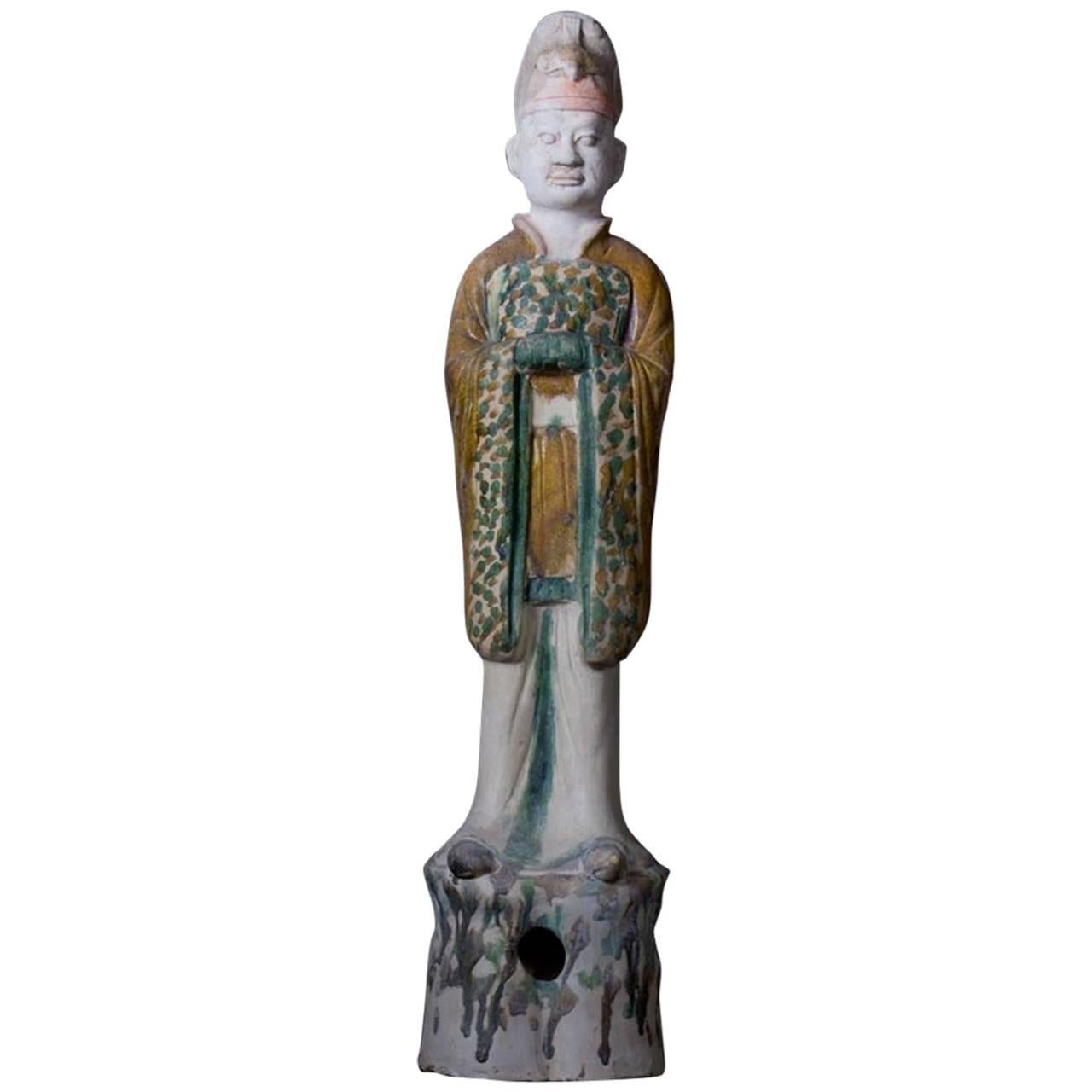
Rare Figure of an Attendant Wearing Swirling Vest, Ming Dynasty(1368-1644)
$3,590
£2,711.41
€3,132.10
CA$5,057.80
A$5,416.90
CHF 2,912.09
MX$65,791.47
NOK 36,795.68
SEK 33,689.18
DKK 23,402.50
About the Item
Statues of attendant crafted from terracotta, dressed in a black coat-like garment with a vest adorned with swirling patterns. Set on rectangular bases.
Period: Ming Dynasty
Medium: Glazed Pottery
Type: Figure
Size : 12cm(Diameter) x 27cm(Height)
Condition : Excellent(It has soil on it, which is presumed to be evidence of excavation)
Provenance : Acquired in late 1990s from Hongkong
Reference :
1) Indianapolis Museum of Art - Dinastia ming, figure maschili, 1368-1644
(Type : Closely related)
2) V&A Museum - Accession number FE.295:1, 2-2005
(Type : Closely related)
3) Sotheby's 01 May 2007 - The Collection Of Paul Otto Taubert
Jewellery And Decorative Arts - Lot 233
(Price range : 5,000 - 7,000 AUD / Type : Closely related)
4) Asian Art Museum, San Francisco - Object number B60P1631 - Standing Man Tomb Figure
(Type : Highly related)
* Ming Dynasty Glazed Pottery Figures
Ming Dynasty glazed pottery figures are renowned for their bold color palette, intricate detailing, and lifelike forms, distinguishing them from earlier traditions. These figures, which depict officials, warriors, animals, and mythical creatures, are characterized by high-gloss lead-based glazes in green, amber, ochre, and sancai (three-color) combinations. The thickly applied glaze pools in recesses, creating depth and enhancing sculptural details. With dynamic postures, expressive facial features, and meticulously rendered drapery, these figures reflect the period’s advancement in ceramic craftsmanship, offering a greater sense of movement and realism compared to the rigid and stylized forms of earlier dynasties.
A defining characteristic of Ming glazed pottery is its elaborate surface detailing, often achieved through raised relief elements and contrasting glazes. Equestrian figures, for example, feature carefully sculpted saddles, harnesses, and decorative embellishments, while human figures are adorned with intricate robes and headdresses. The large scale of these tomb figures, often more imposing than those from previous periods, underscores the increasing importance of funerary art during the Ming era. Unlike later Qing Dynasty figures, which emphasize overglaze enamel decorations and famille-rose palettes, Ming glazed figures maintain a rich, saturated aesthetic, demonstrating the technical mastery of high-fired ceramics. Their sturdy construction and vibrant finishes ensure a lasting visual impact, making them some of the most remarkable works in Chinese ceramic history.
About the Seller
4.8
Vetted Professional Seller
Every seller passes strict standards for authenticity and reliability
Established in 1999
1stDibs seller since 2023
46 sales on 1stDibs
Typical response time: 1 hour
- ShippingRetrieving quote...Shipping from: seoul, Korea South
- Return Policy
More From This Seller
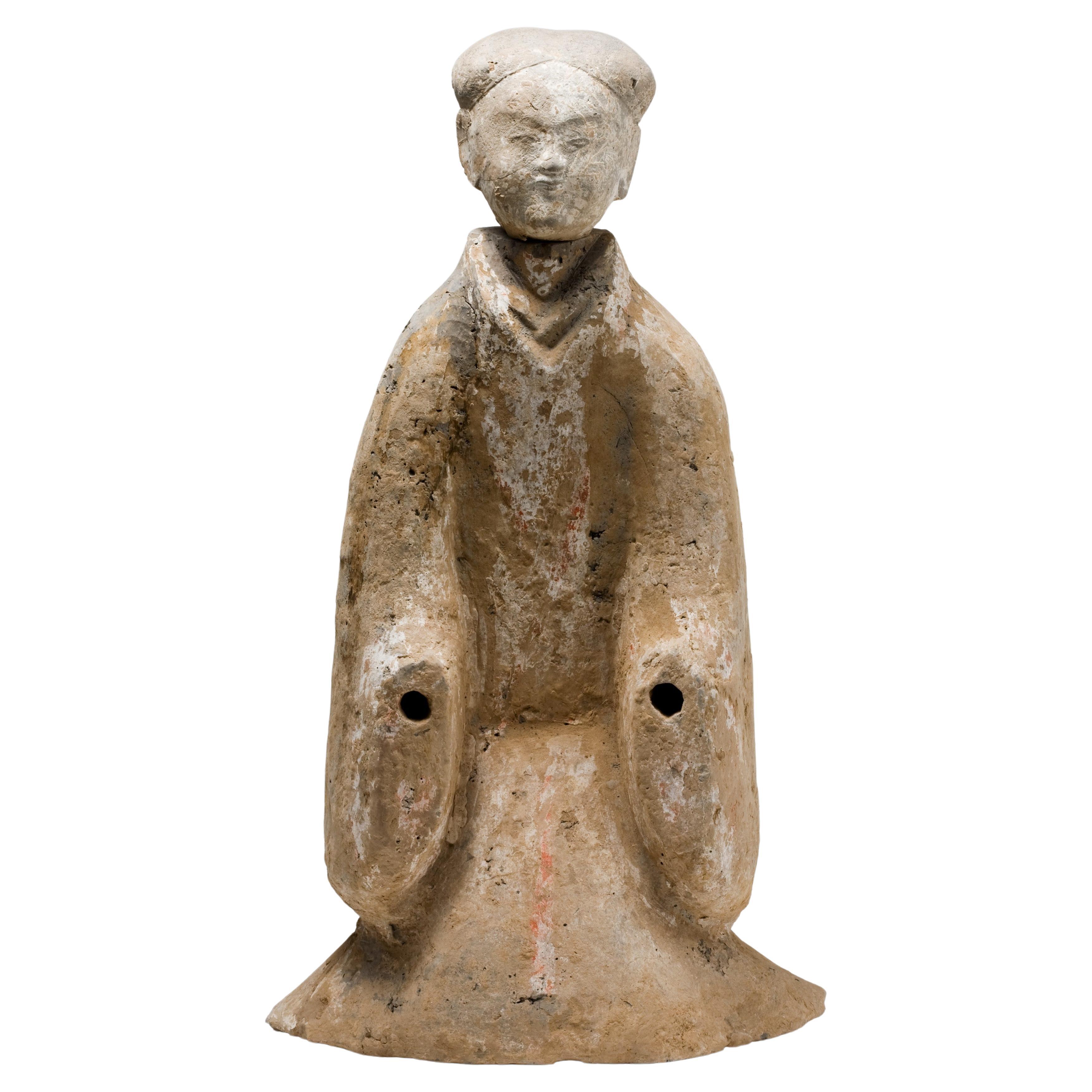
View AllLarge Pottery Standing Figure of Attendant
Located in seoul, KR
This artwork, acquired in Hong Kong during the 1990s, is presumed to have been produced in the same kiln from the Han dynasty, based on the head of the Sotheby's reference piece, which also originated from Hong Kong. Furthermore, given its almost identical shape to the piece from the Artemis Gallery...
Category
Antique 15th Century and Earlier Hong Kong Han Antiquities
Materials
Pottery
Large Pottery Standing Figure of Attendant
Located in seoul, KR
The statuette shows traces of the original red, black, and white pigmentation. The figure’s body, head, and hands (which in this case are lost) were all made separately to give her an essence of movement and dynamism. Given its almost identical shape to the piece from the Artemis Gallery...
Category
Antique 15th Century and Earlier Hong Kong Han Antiquities
Materials
Pottery
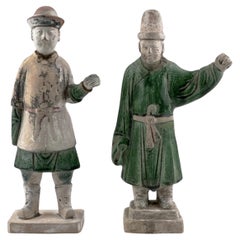
Two Figures of Attendants, Ming Period(1368-1644)
Located in seoul, KR
Statues of attendants crafted from terracotta, featuring glazes in green, Set on rectangular bases.
Period: Ming Dynasty
Medium: Glazed Pottery
Type: Figure
Condition : Excellent(It has soil on it, which is presumed to be evidence of excavation)
Provenance : Acquired in late 1990s from Hongkong
Reference :
1) Indianapolis Museum of Art - Dinastia ming, figure maschili, 1368-1644
(Type : Closely related)
2) V&A Museum - Accession number FE.295:1, 2-2005
(Type : Closely related)
3) Sotheby's 01 May 2007 - The Collection Of Paul Otto Taubert & Jewellery And Decorative Arts - Lot 233
(Price range : 5,000 - 7,000 AUD / Type : Closely related)
4) Asian Art Museum, San Francisco - Object number B60P1631 - Standing Man Tomb Figure
* Ming Dynasty Glazed Pottery Figures
Ming Dynasty glazed pottery figures are renowned for their bold color palette, intricate detailing, and lifelike forms, distinguishing them from earlier traditions. These figures, which depict officials, warriors, animals, and mythical creatures, are characterized by high-gloss lead-based glazes in green, amber, ochre, and sancai (three-color) combinations. The thickly applied glaze pools in recesses, creating depth and enhancing sculptural details. With dynamic postures, expressive facial features, and meticulously rendered drapery, these figures reflect the period’s advancement in ceramic craftsmanship, offering a greater sense of movement and realism compared to the rigid and stylized forms of earlier dynasties.
A defining characteristic of Ming glazed pottery is its elaborate surface detailing, often achieved through raised relief elements and contrasting glazes. Equestrian figures, for example, feature carefully sculpted saddles, harnesses, and decorative embellishments, while human figures are adorned with intricate robes and headdresses. The large scale of these tomb figures, often more imposing than those from previous periods, underscores the increasing importance of funerary art during the Ming era. Unlike later Qing Dynasty figures...
Category
Antique 15th Century and Earlier Hong Kong Ming Antiquities
Materials
Pottery
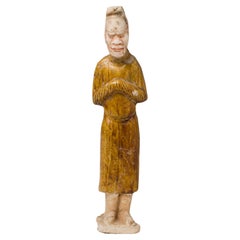
Amber-Glazed Pottery Figure Of A Foreign Official
Located in seoul, KR
The figure stands with arms crossed in front, a pose that is often seen in tomb figurines which were intended to serve the deceased in the afterlife. The long robe and facial feature...
Category
Antique 15th Century and Earlier Hong Kong Tang Antiquities
Materials
Earthenware
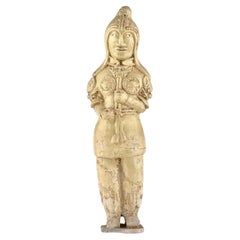
A Large Straw Glazed Pottery Figure of a Solider
Located in seoul, KR
This well-modeled ceramic figure depicts a Scythian warrior in full armor, likely serving as a standard bearer. The warrior stands upright on a thin rectangular base, with clenched f...
Category
Antique 15th Century and Earlier Hong Kong Tang Antiquities
Materials
Straw
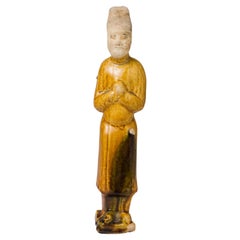
Amber-Glazed Pottery Figure Of An Official
Located in seoul, KR
The figure stands with arms crossed in front, a pose that is often seen in tomb figurines which were intended to serve the deceased in the afterlife. The long robe and facial feature...
Category
Antique 15th Century and Earlier Hong Kong Tang Figurative Sculptures
Materials
Earthenware
You May Also Like
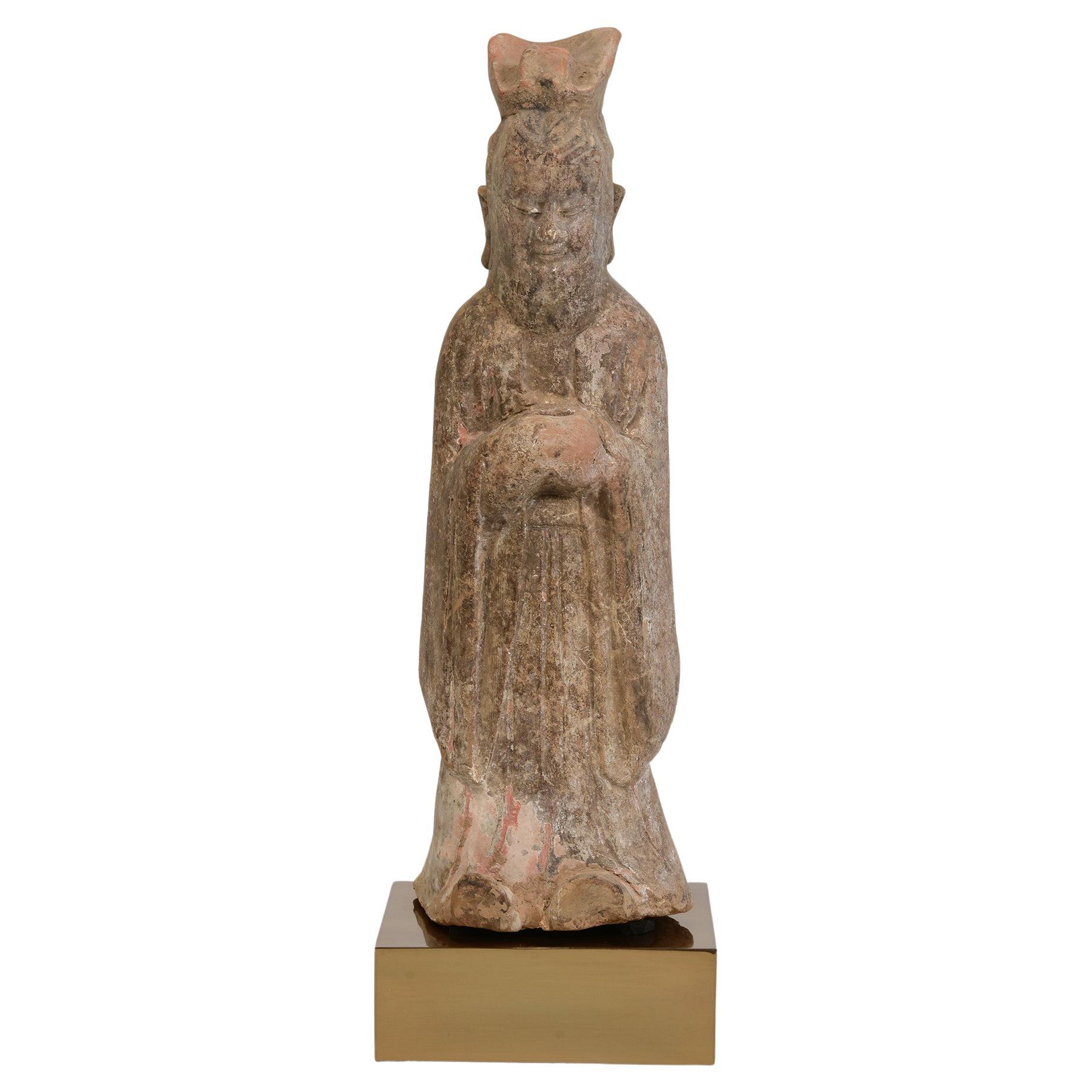
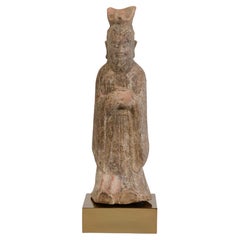
Northern Qi Dynasty, Antique Chinese Pottery Standing Court Man
Located in Sampantawong, TH
Antique Chinese pottery standing court man.
Age: China, Northern Qi Dynasty, A.D. 550 - 577
Size of figure only: Height 29.8 C.M. / Width 9 C.M.
Height including stand: 33.8 C.M.
Co...
Category
Antique 15th Century and Earlier Chinese Antiquities
Materials
Pottery
$1,480 Sale Price
20% Off
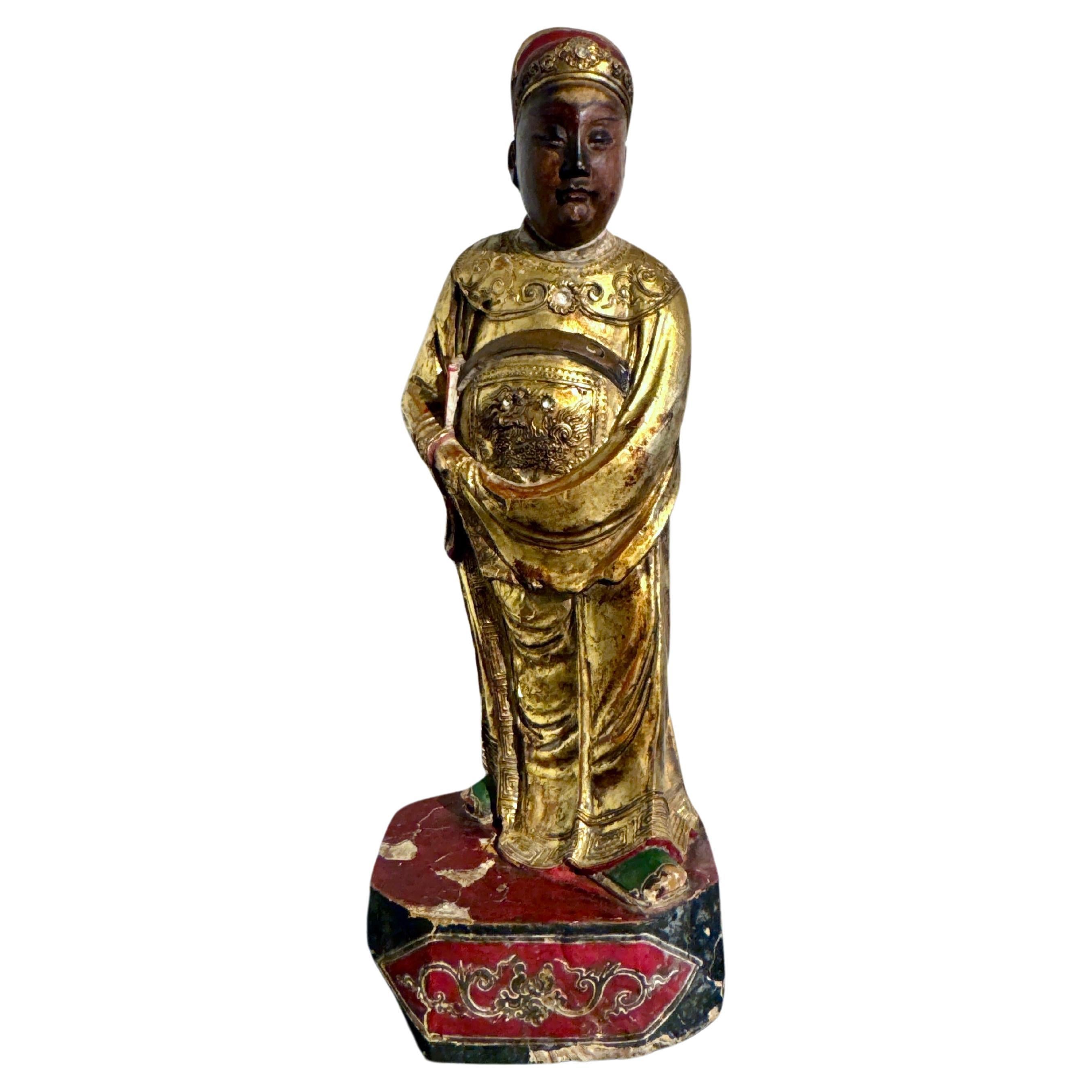
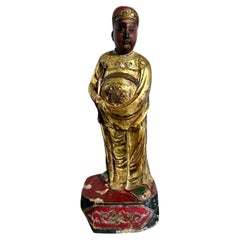
Chinese Taoist Figure of Wenchang, Late Qing Dynasty, c. 1900, China
Located in Austin, TX
A tall and impressive figure of the Taoist deity Wenchang Wang, carved, gessoed, lacquered, gilt and polychromed wood, Late Qing Dynasty, circa 1900, Fujian, China.
Wenchang, the T...
Category
Antique Early 1900s Chinese Qing Sculptures and Carvings
Materials
Wood
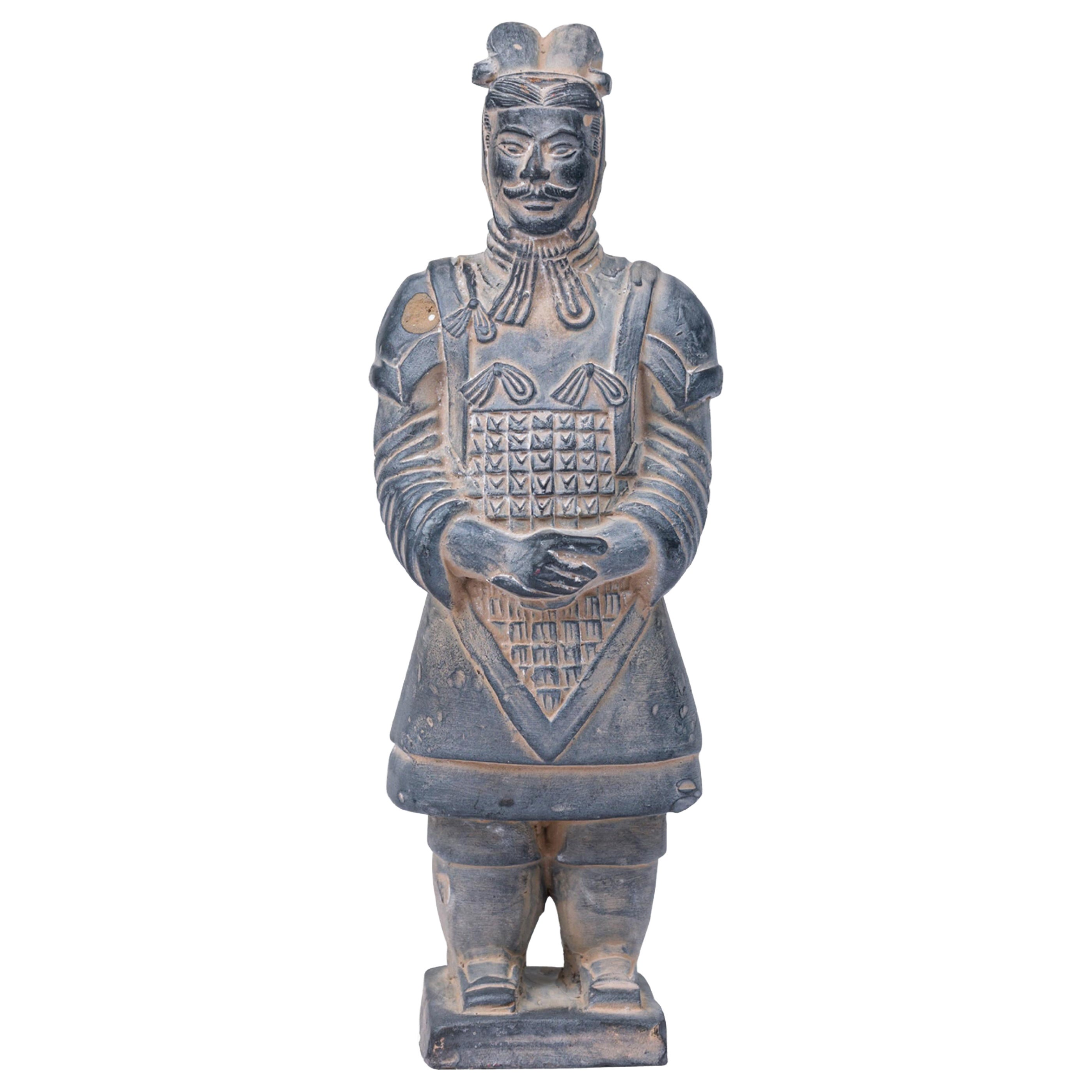
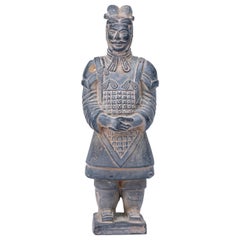
Chinese Gray Ceramic Figure Depicting a Dignitary
Located in Queens, NY
Chinese molded ceramic figure, fired in a matte gray finish, depicts a mustached dignitary in formal attire standing on a square base with both hands clasped.
Some chipping with a p...
Category
20th Century Chinese Chinese Export Figurative Sculptures
Materials
Ceramic
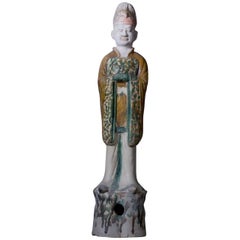
Tang Dynasty Court Official in Sancai Glazed Robes, China
618-907
- TL Tested
Located in San Pedro Garza Garcia, Nuevo Leon
A Tang dynasty sancai (three color) glazed pottery model of a Taoist official, TL tested by Ralf Kotalla - worldwide oldest private laboratory specialized for genuine thermoluminesce...
Category
Antique 15th Century and Earlier Chinese Tang Antiquities
Materials
Terracotta
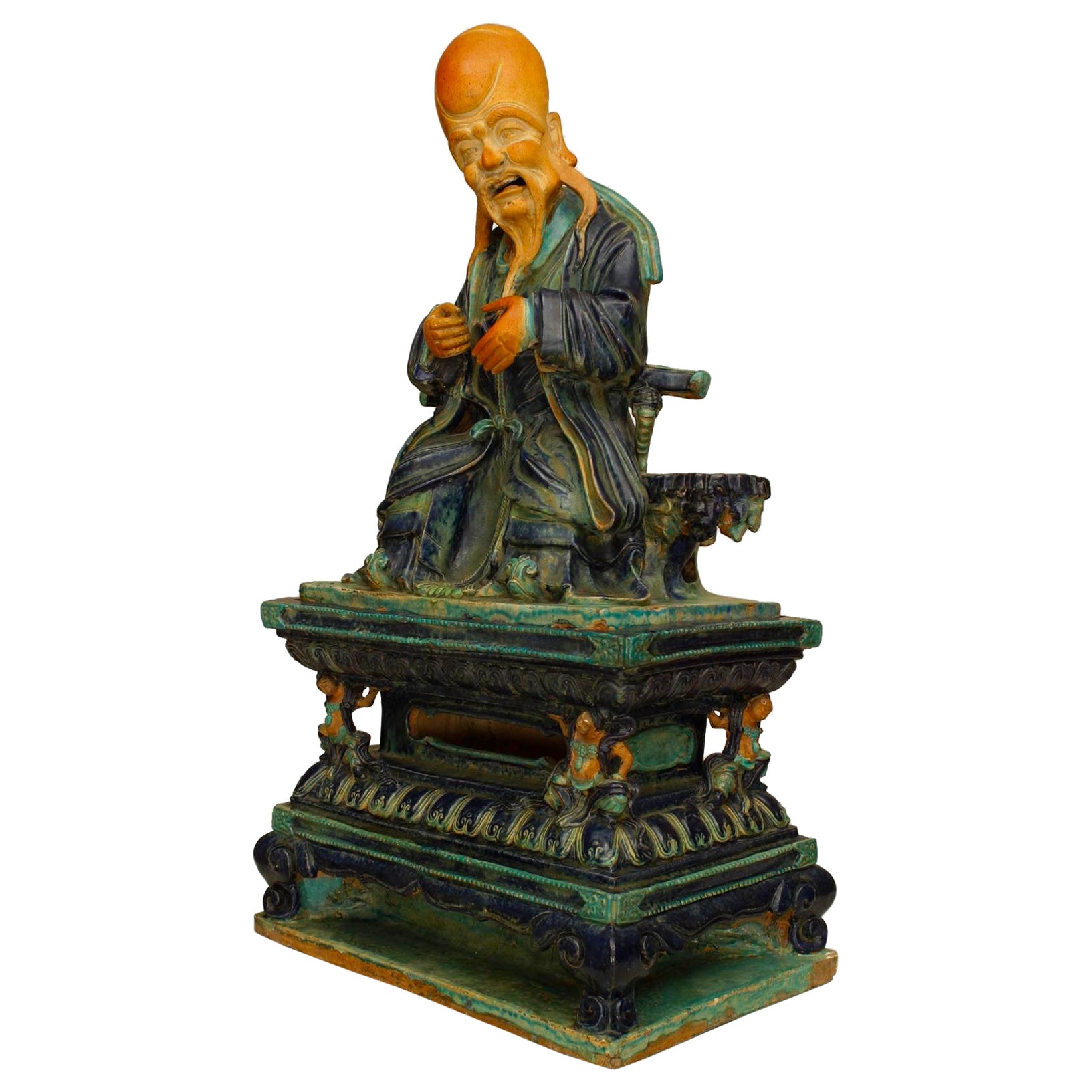
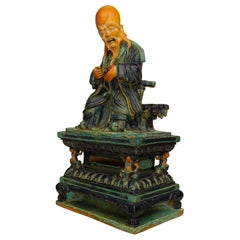
Ming Dynasty Porcelain Shou Lau Figure
Located in Queens, NY
Asian Chinese (Ming Dynasty-Circa 1500) blue & green porcelain Shou Lau seated figure with oversize head (symbolism of longevity & luck) on a base suppo...
Category
Antique 16th Century Chinese Chinese Export Figurative Sculptures
Materials
Porcelain
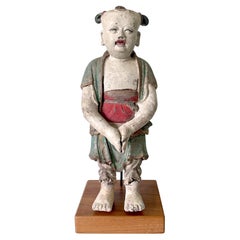
Rare Early Korean Buddhist Boy Attendant Figure Dongja Joseon Dyasty
Located in Atlanta, GA
A Korean statue of Dongja made from clay/stucco with wood core and painted with polychrome colors circa 18th century of the Joseon Dynasty. The statue is nicely presented on a custom...
Category
Antique 18th Century Korean Archaistic Sculptures and Carvings
Materials
Clay, Wood, Stucco
More Ways To Browse
Antique Vest
Antique Harness
Ming Dynasty Art
Arts And Crafts Green Glazed Pottery
Ming Figure
Tomb Figure
Swirl Pottery
Qing Dynasty Green Glazed Pottery
Vestal Pottery
Han Dynasty Pot
Korean Buddha
Mandalay Wood Figure
Yuan Celadon
Chinese Bronze Wine Vessel
Chinese Coconut
Conch Trumpet
Japanese Wood Plate
Taiwan Coral