Items Similar to A Rare Minai Pottery Bowl Depicting Bahram Gur And Azada, Late 12TH Century
![Japanese antique pottery bowl [tokoname ware]/Tokoname ware/12th-13th century](https://a.1stdibscdn.com/japanese-antique-pottery-bowl-tokoname-ware-tokoname-ware-12th-13th-century-for-sale/f_54872/f_438190121740644008945/f_43819012_1740644009233_bg_processed.jpg)
Want more images or videos?
Request additional images or videos from the seller
1 of 7
A Rare Minai Pottery Bowl Depicting Bahram Gur And Azada, Late 12TH Century
$343,192.14
£250,000
€292,463.54
CA$470,102.54
A$512,856.39
CHF 272,008.60
MX$6,178,763.07
NOK 3,452,317.35
SEK 3,160,690.17
DKK 2,184,265.28
About the Item
A rare Minai pottery bowl depicting Bahram Gur and Azada, late 12th/ early 13th Century
of deep rounded form with slightly everted rim on a splayed foot, decorated overglaze in polychrome on a cream ground with Bahram Gur and Azada seated on a camel, Azada holding a harp, Bahram Gur a bow, a winged mythical creature to the left, a holy man to the right, the rim with a series of panels containing vegetal interlace, the exterior with a band of pseudo-inscription.
21.5 cm. diam.
Provenance
Private Japanese Collection, acquired circa 1975.
The bowl depicts a scene from the Shahnamah in which Bahram Gur is challenged by his concubine Azada to demonstrate his skill with a bow and arrow. This popular episode was depicted on both ceramics and metalware. A similar Minai bowl in the Metropolitan Museum, New York, depicts the same scene and is the most closely comparable example to the present lot (57.36.2). Another is in the Brooklyn Museum (86.227.11). The present lot is unusual for the inclusion of the onlooker, possibly Monzer, Bahram Gur's protector who is mentioned in the previous chapter and who provided the young prince with two noble Byzantine slave girls. In the subsequent episode, Azada pities the slain creature and reproaches him for his cruelty, dismissing his hunting prowess. In anger at her rejection, he throws her from the camel, where she is trampled underfoot.
This is also a popular story in Minai ceramics, and the aforementioned bowl in the Metropolitan Museum represents the two scenes at once, showing Azada both on the camel and beneath it. For a bowl in a private collection depicting the subject, see B. Brend, C. Melville, Epic of the Persian Kings: the Art of Ferdowsi's Shahnameh, Cambridge 2010, p. 83, no. 16.
The Minai technique, also known as the 'seven colours' technique, emerged in Iran in the 12th Century and was accompanied by a revolutionary development that enabled potters to paint more complex and polychromatic designs. Not all the pigments were applied at the same point, making the process a long and difficult one. This probably explains the short life of the technique, known to have been employed from the last quarter of the 12th Century to the first decades of the 13th Century. Gilding, present on the horses saddle, was applied last to enrich the object. The Minai ceramics which illustrate stories from the Shahnamah, such as the present lot, predate its earliest surviving illustrated manuscript by nearly a century.
- Dimensions:Height: 5.91 in (15 cm)Diameter: 8.47 in (21.5 cm)
- Materials and Techniques:
- Period:
- Date of Manufacture:Late 12TH Century
- Condition:Repaired. Wear consistent with age and use.
- Seller Location:London, GB
- Reference Number:1stDibs: LU6022248133262
About the Seller
5.0
Vetted Professional Seller
Every seller passes strict standards for authenticity and reliability
Established in 1989
1stDibs seller since 2021
25 sales on 1stDibs
Associations
LAPADA - The Association of Arts
Antiques Dealers
- ShippingRetrieving quote...Shipping from: Richmond, United Kingdom
- Return Policy
More From This Seller
View AllKashan Lustre Bowl, 12th/13th Century, Horse and Rider Motif, Antique
Located in London, GB
of deep rounded form on a splayed foot, decorated in a yellow-brown lustre with a large richly caparisoned horse, the rider seated within a canopy, surrounded by abstract vegetal mot...
Category
Antique 15th Century and Earlier Ceramics
Materials
Ceramic
A Nishapur Slip-Painted Pottery Bowl Depicting A Seated Figure, 10TH Century
Located in London, GB
of conical form on a short foot, decorated in red, ochre and manganese on a cream ground with a seated figure holding a cup, the rim with rectangle motifs.
Diameter: 33.5cm, Height...
Category
Antique 15th Century and Earlier Ceramics
Materials
Ceramic
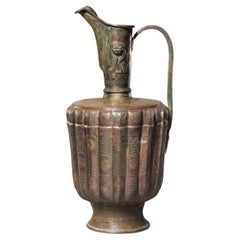
A Khorasan Silver And Copper Inlaid Bronze Ewer, 12TH Century
Located in London, GB
of slightly flaring lobed form on a splayed foot, wide shoulder and long neck with spout, simple handle, engraved and inlaid in silver and copper with alternating inscription-filled ...
Category
Antique 15th Century and Earlier Metalwork
Materials
Bronze
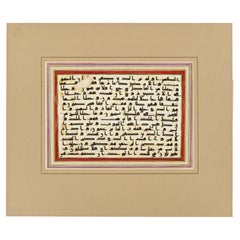
A Fine Kufic Quranic Page On Velum, Abbasid, 9TH Century
Located in London, GB
A fine Abbasid Qur’anic manuscript leaf on vellum, 9th century, featuring bold Kufic script in black ink with red diacritical marks, framed by colourful borders.
Dimensions: 23 x 1...
Category
Antique 15th Century and Earlier Asian Antiquities
Materials
Animal Skin
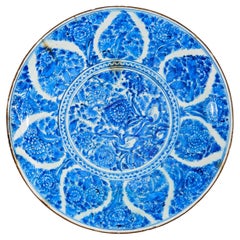
A Large Safavid Blue And White Pottery Dish, Late 17Th - Early 18Th Century
Located in London, GB
Large Safavid pottery dish painted in cobalt blue underglaze with a central medallion featuring birds among dense floral motifs. The cavetto is decorat...
Category
Antique 17th Century Asian Porcelain
Materials
Porcelain
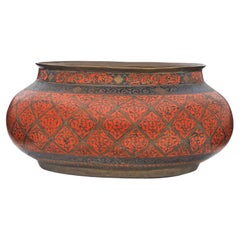
A Rare Safavid Enamelled Brass Bowl, 16TH - 17TH Century
Located in London, GB
of compressed globular form on a tapering foot with waisted flaring rim, profusely engraved with a lattice containing vegetal interlace, above and below bands of tendrils and interla...
Category
Antique 16th Century Metalwork
Materials
Brass
You May Also Like
Japanese antique pottery bowl [tokoname ware]/Tokoname ware/12th-13th century
Located in Sammu-shi, Chiba
This bowl is made from Tokoname ware, a type of pottery from Aichi Prefecture. Tokoname ware has a history dating back to the 12th century, and there are still several active kilns t...
Category
Antique 15th Century and Earlier Japanese Other Antiquities
Materials
Pottery
![Japanese antique pottery bowl [tokoname ware]/Tokoname ware/12th-13th century](https://a.1stdibscdn.com/japanese-antique-pottery-bowl-tokoname-ware-tokoname-ware-12th-13th-century-for-sale/f_54872/f_438190121740644008945/f_43819012_1740644009233_bg_processed.jpg?width=240)
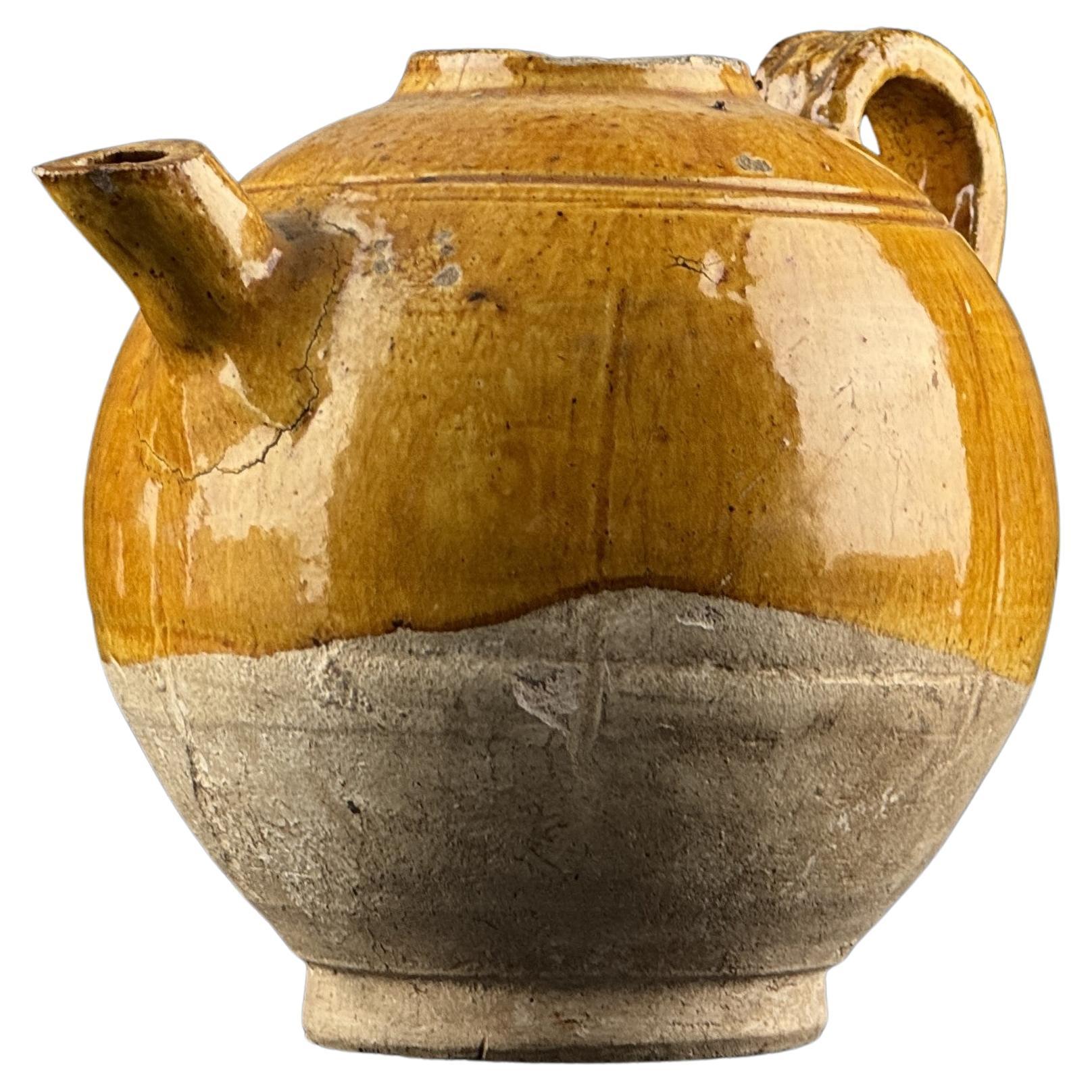
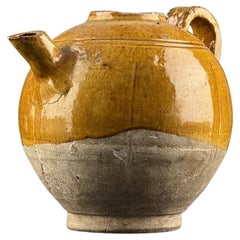
Amber-Glazed Pottery Ewer, Tang-Liao Dynasty (7-12th Century)
Located in seoul, KR
This historical piece features a robust, rounded body with a broad shoulder tapering down to a narrower base. The glaze, characterized by its rich amber hue, covers most of the vessel, while the lower part remains unglazed, exposing the rough, textured clay beneath.
Date : Tang-Liao Dynasty(7-12th century)
Type : Amber-glazed pottery
Provenance : Acquired in late 1990s from Hongkong
Reference :
1) Christies Newyork 1–15 DEC 2015 - Exquisite Splendor: Chinese Ceramics And Works Of Art - Lot 49
(Price realised : 5,250 USD / Type : Closely related)
2) Christies Newyork 18–27 MAR 2015 - The Collection of Robert Hatfield Ellsworth...
Category
Antique 15th Century and Earlier Hong Kong Tang Antiquities
Materials
Pottery
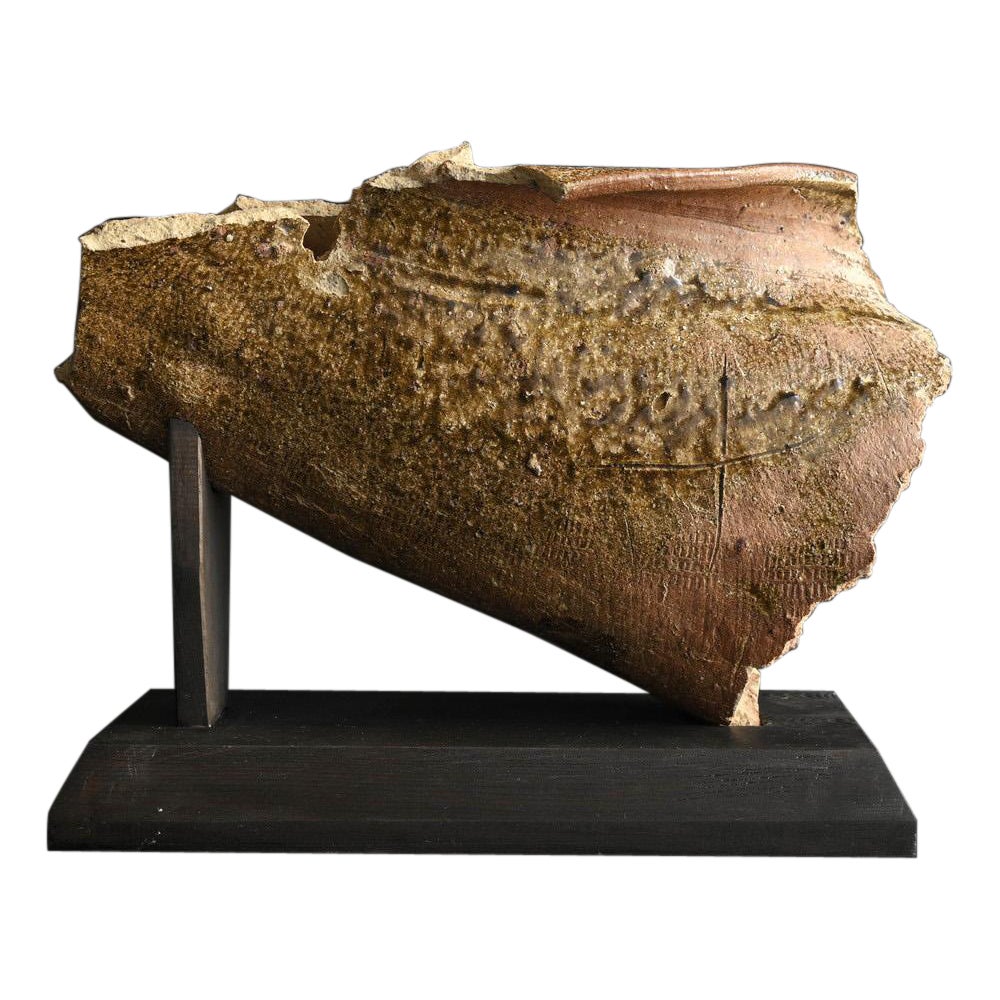
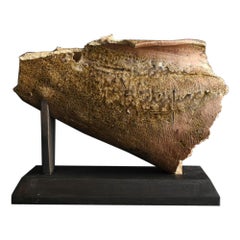
Japanese antique pottery fragments/12th to 13th century/Flower vase
Located in Sammu-shi, Chiba
Tokoname ware is a historic kiln in Japan, where pottery has been made since before the Common Era, and a kiln was established in the 5th century. This kiln is located in Aichi Prefe...
Category
Antique 15th Century and Earlier Japanese Other Antiquities
Materials
Pottery
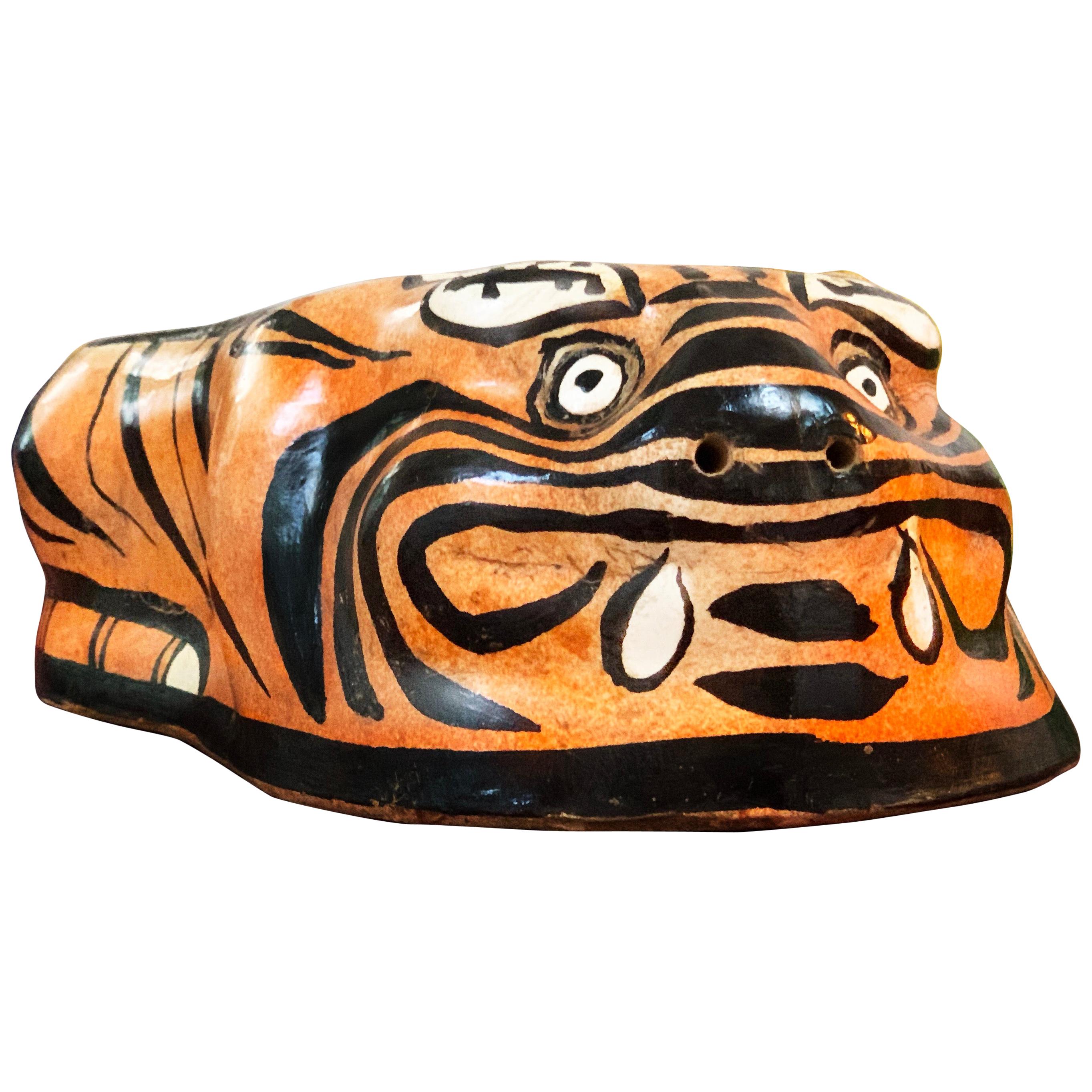
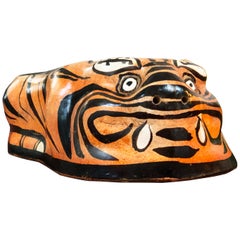
Jin Dynasty Cizhou Ware Crouching Tiger Pottery Pillow, 12th-century, China
Located in Brooklyn, NY
Chinese Jin Dynasty 12th Century Cizhou Ware Crouching Tiger Pottery Pillow .Tiger pillow, Jin dynasty, 12th century (circa 1150)
The pillow is assembled ...
Category
Antique 15th Century and Earlier Chinese Ming Antiquities
Materials
Ceramic
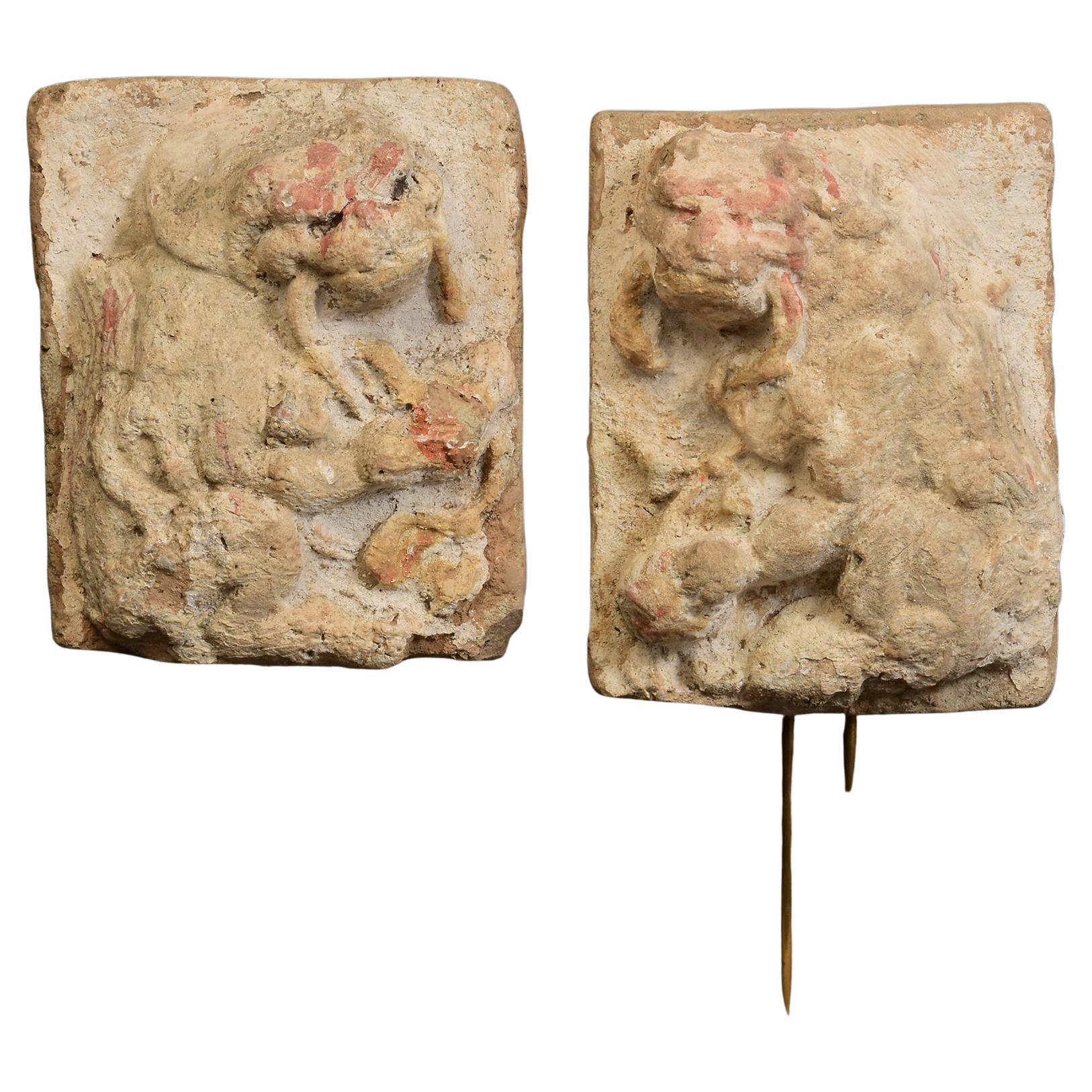
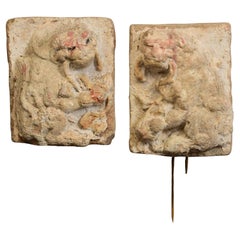
10th - 12th Century, Song Dynasty, A Pair of Antique Chinese Pottery Lion Panel
Located in Sampantawong, TH
A pair of Antique Chinese pottery lion panel with stand.
Age: China, Song Dynasty, 10th - 12th Century
Size excluding stand: Height 23.6 - 24.3 C.M. / Width 18.8 - 20.5 C.M. / Thick...
Category
Antique 15th Century and Earlier Chinese Antiquities
Materials
Pottery
$1,600 Sale Price / set
20% Off
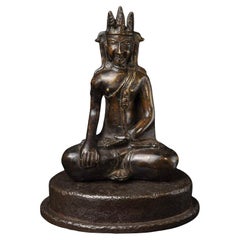
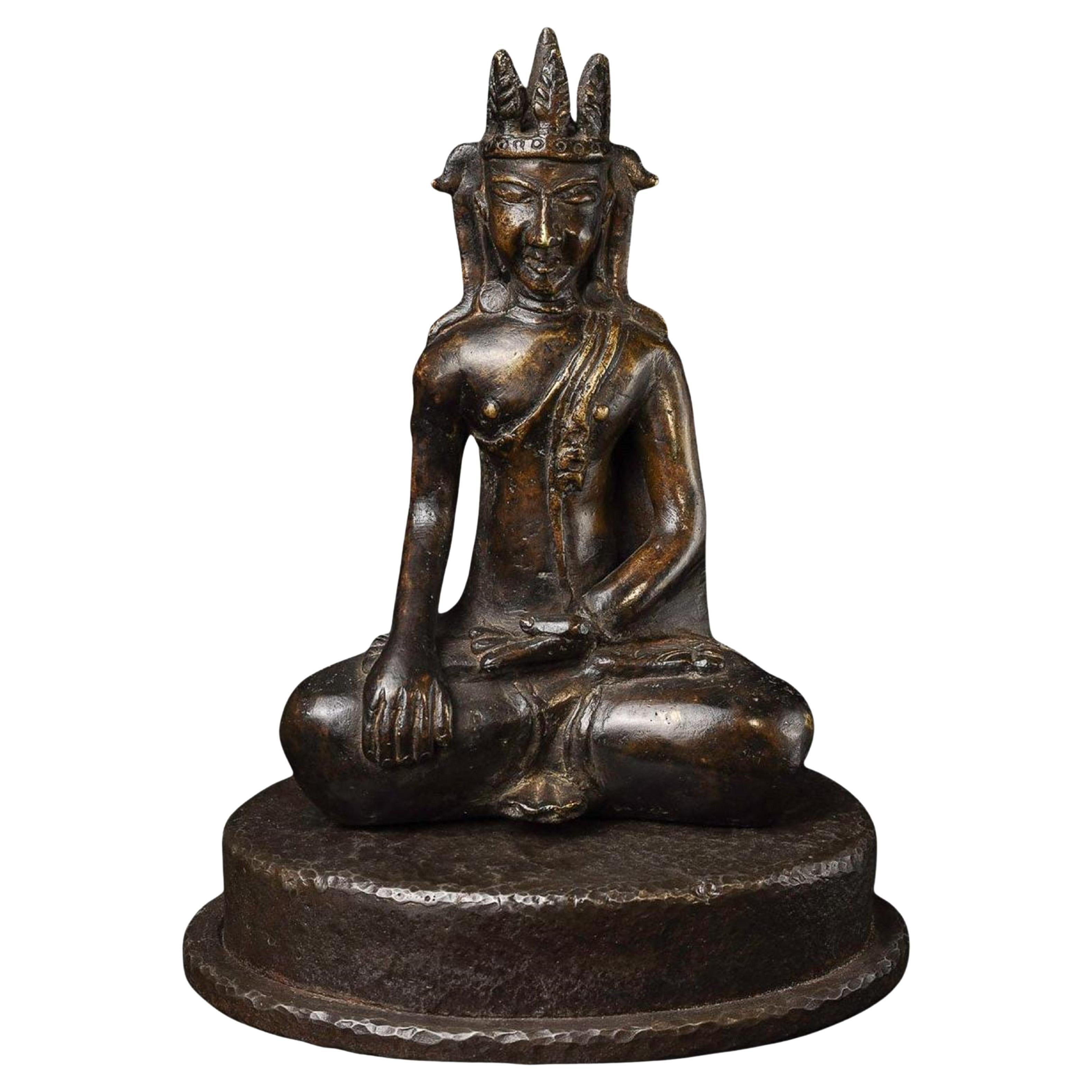
12th/13thC Pagan Folk Buddha- Large, Rare! 9997
Located in Ukiah, CA
This Pagan or post-Pagan Buddha, executed in a charming folk style, reflects the enduring regional traditions of Southeast Asian Buddhist art. Likely orig...
Category
Antique 15th Century and Earlier Burmese Antiquities
Materials
Bronze