Items Similar to Rare Samurai Hishaku (Mounted Water Dipper) with Raden Inlay, Edo Period
Want more images or videos?
Request additional images or videos from the seller
1 of 13
Rare Samurai Hishaku (Mounted Water Dipper) with Raden Inlay, Edo Period
$1,370
£1,034.72
€1,195.26
CA$1,930.13
A$2,067.18
CHF 1,111.30
MX$25,107.05
NOK 14,041.81
SEK 12,856.32
DKK 8,930.76
About the Item
This rare samurai hishaku (water dipper) dates to the mid Edo period, circa 17th–18th century, and represents an unusual and highly refined example of mounted samurai equipment. Such implements were used by samurai while on horseback, serving both practical and ceremonial functions during travel and military service.
The hishaku is lavishly decorated with raden shell inlay, demonstrating a remarkable level of craftsmanship applied to an otherwise utilitarian object. The combination of lacquered surfaces and iridescent shell reflects the status and aesthetic sensibilities of the mounted warrior class.
The piece remains in very fine overall condition, with minor losses and surface abrasions consistent with age and use, as visible in the photographs.
Period:
Mid Edo period (circa 17th–18th century)
Materials:
Wood, lacquer, and raden shell inlay
Dimensions:
Length: 63 cm; Width: 11 cm
(Length: 24.8 in; Width: 4.3 in)
Weight:
250 g (0.6 lb)
Condition:
Very fine condition with minor losses and abrasions due to age.
⸻
International Buyers — Please Note:
Import duties, taxes, and charges are not included in the item price or shipping costs. These charges are the buyer’s responsibility. Please consult your local customs office prior to purchase.
- Dimensions:Height: 24.81 in (63 cm)Width: 4.34 in (11 cm)Depth: 4.34 in (11 cm)
- Style:Edo (Of the Period)
- Materials and Techniques:
- Place of Origin:
- Period:Mid-17th Century
- Date of Manufacture:1600-
- Condition:
- Seller Location:Fukuoka, JP
- Reference Number:1stDibs: LU8121248176712
About the Seller
5.0
Vetted Professional Seller
Every seller passes strict standards for authenticity and reliability
Established in 1998
1stDibs seller since 2023
62 sales on 1stDibs
Typical response time: 1 hour
- ShippingRetrieving quote...Shipping from: Tambon Hang Dong, Thailand
- Return Policy
More From This Seller
View AllExtremely Rare Tokugawa Clan Kimono Hanger with Maki-e Lacquer. Edo period
Located in Fukuoka, JP
Extremely Rare Tokugawa Clan Kimono Hanger with Makie Lacquer and Gilded Fittings
Edo Period, 18th–19th Century Dimensions: H 166 cm × L 187 cm × W 41.5 cm Materials: Wood, Lacquer...
Category
Antique 18th Century Japanese Edo Antiquities
Materials
Metal
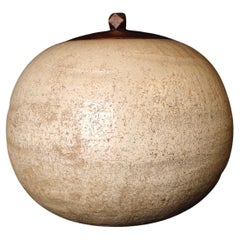
Early Seto Ware Mizusashi with Original Wooden Lid, Edo Period
Located in Fukuoka, JP
This super early-style Seto ware mizusashi (water container for the tea ceremony) dates to the Edo period (18th–19th century) and exemplifies the understated elegance and functional ...
Category
Antique 18th Century Japanese Edo Ceramics
Materials
Ceramic, Wood, Lacquer
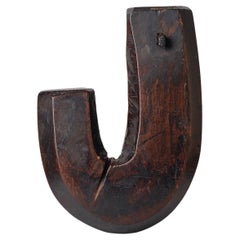
19th c Rare folk brazier wooden hook. Edo-Meji period
Located in Fukuoka, JP
Rare wooden brazier hook.Such hooks were traditionally used in relatively wealthy farmers houses and were suspended from the ceiling over the traditional iron hearth. Beautifully ca...
Category
Antique 19th Century Japanese Abstract Sculptures
Materials
Wood
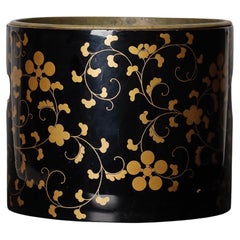
Edo Period Makie Lacquer Incense Burner with Bronze Receptor
Located in Fukuoka, JP
A Fine Lacquer Incense Burner with Makie Gold Design.
This fine lacquer incense burner is a stunning example of Japanese craftsmanship. It is dated to the Edo-Meiji period, 19th cen...
Category
Antique 19th Century Japanese Edo Lacquer
Materials
Bronze
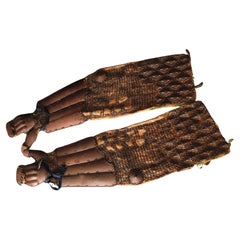
Rare Samurai Kote (Arm Guards), Mid Edo Period
Located in Fukuoka, JP
This rare pair of samurai kote (arm guards) dates to the mid Edo period, circa 17th–18th century, and represents an authentic element of Japanese armor. Crafted from patinated iron a...
Category
Antique Late 17th Century Japanese Edo Antiquities
Materials
Iron
Rare Early Japanese Hibachi with Unique Makie Lacquer Scene, 19th, planter
Located in Fukuoka, JP
An exceptional and rare example of an early Japanese hibachi (charcoal brazier), this elegant piece is crafted from kiri wood (paulownia) and fitted with a beautifully aged copper in...
Category
Antique 19th Century Japanese Meiji Antiquities
Materials
Copper
You May Also Like
Japanese Spotted Bamboo Tobacco Inro, circa 1850
Located in Chicago, IL
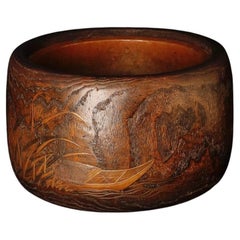
Because traditional Japanese kimono didn't include pockets, men and women carried their belongings in small compartments known as inro. Hung from the obi sash belted around the waist and secured by carved netsuke beads, inro were worn as fashionable accessories and often crafted of fine materials.
Paired with a cylindrical case that once held a thin smoking pipe (kiseru), this 19th century inro was likely used for storing shredded tobacco. Both components are carved from spotted bamboo...
Category
Antique Mid-19th Century Japanese Edo Tobacco Accessories
Materials
Bone, Bamboo, Hardwood
Chinese Tobacco Water Pipe, c. 1900
Located in Jimbaran, Bali
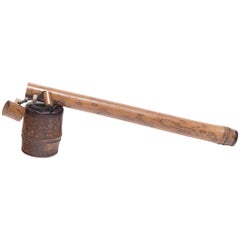
Despite common belief that water pipes such as these were used to smoke opium, water pipes such as these were more commonly used for smoking Tobacco. The h...
Category
Early 20th Century Chinese Chinoiserie Metalwork
Materials
Brass
Japanese Inlaid Bronze Yatate Scholars Travelling Inkwell
Located in Bishop
s Stortford, Hertfordshire
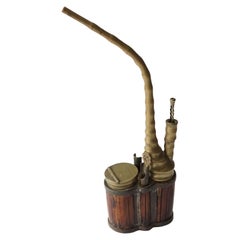
A fine quality antique Japanese inlaid bronze Yatate scholars travelling inkwell dating to the 19th century and understood to be from the Edo pe...
Category
Antique 19th Century Japanese Edo Scholar s Objects
Materials
Bronze
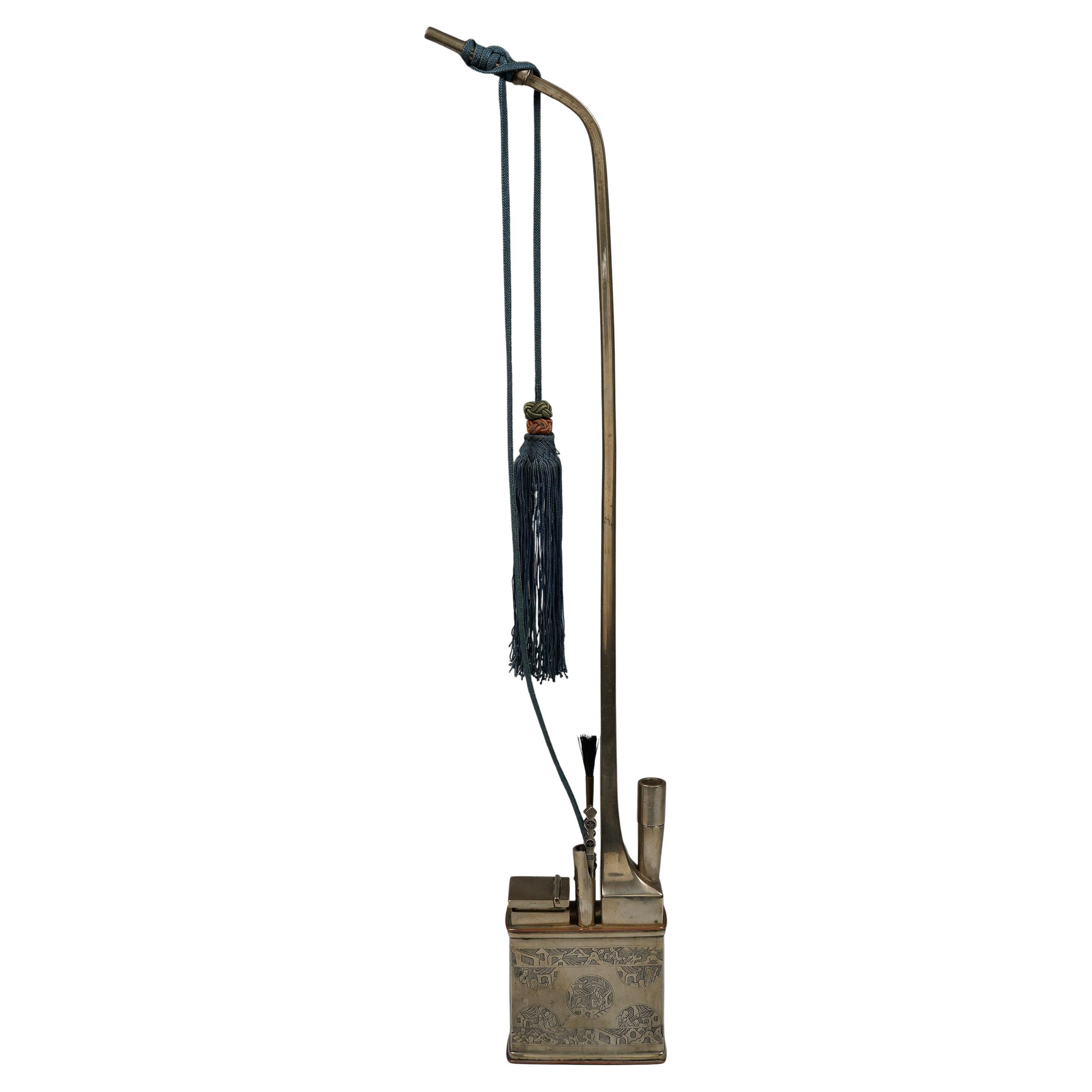
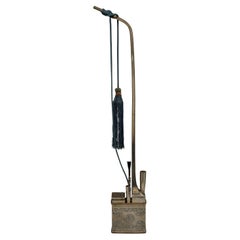
Late 19th/early 20th century, Tobacco Water Pipe, China
Located in Point Richmond, CA
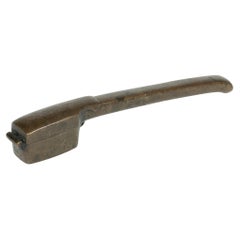
Tobacco Water Pipe with Set of Complete Accessories
China
Late 19th/early 20th century
White metal (baiting), copper decoration, silk cording and tassel
H: 22 in :: 56 cm
Water pipe...
Category
Early 20th Century Asian Sculptures and Carvings
Materials
Metal, Copper
Antique Japanese Bronze Hatate 19th C Meiji Inkpot Japan Unsigned
Located in Amsterdam, Noord Holland
Lovely and very detailed piece. .
If someone were to bring up the topic of Japanese antiques, what images would come to your mind? Kimono? Swords? Armor? Possibly netsuke? A few might even know what an inro is. How about the yatate?
I have shown a yatate to many of my Japanese acquaintances here in Tokyo, and was surprised to discover that most did not even know what it was! Artists and calligraphers usually knew right away, though.
A yatate (pronounced yah-tah-teh) is a Japanese portable writing set. The yatate has been around since the Kamakura period (1185-1333). It contains a traditional Japanese bamboo brush and an ink pot filled with cotton or silk which holds liquid sumi ink.
Yatate literally means "arrow Stand."
The Japanese traditional way of writing is with a brush (fude) and ink (sumi). Before the invention of the yatate, whenever anyone wanted to write or draw in ink, he had to make his own ink by grinding the ink stick...
Category
Antique 19th Century Japanese Sculptures and Carvings
Materials
Bronze
$572 Sale Price
20% Off
Incense Burner, Japan, 19th Century
Located in PARIS, FR
Beautiful incense burner in the shape of a straw basket with a praying mantis sitting on top. Bronze, Japan 19th century.
Good condition, oxidation, one leg missing from the prayi...
Category
Antique Mid-19th Century Japanese Meiji Urns
Materials
Bronze