Items Similar to Rare set of 2 Japanese suits-of-armour, complete with 2 matching folding screens
Want more images or videos?
Request additional images or videos from the seller
1 of 21
Rare set of 2 Japanese suits-of-armour, complete with 2 matching folding screens
$63,317.75per set
£47,320.52per set
€53,000per set
CA$87,350per set
A$95,675.34per set
CHF 50,373.07per set
MX$1,141,853.34per set
NOK 641,959.69per set
SEK 586,847.92per set
DKK 403,973.59per set
About the Item
Important unique set of two suits-of-armour (yoroi), complete with two high six-panel screens, that belong together as is indicated by the used family crests (mon). Two crests are used, both belonging to the Nakagawa family of Oka Castle, Ôita prefecture on Kyûshû.
They are:
– the Nakagawa-kurusu, a circle depicting a Celtic-like cross through a ring.
The cross was originally a Christian symbol but after the ban on Christianity in Japan the use of a hidden cross in family crests could continue.
– the Nakagawa-kashiwa, two leaves of the Japanese Emperor Oak turned to each other (dakikashiwa mon).
The remarkable aspect of this ensemble is the presence of matching crests on both the yoroi and the accompanying folding screens. The kurusu and kashiwa crests adorning the yoroi are elegantly replicated on the screens, providing compelling evidence that these pieces form a harmonious and unified set. This exceptional cohesion between the armour and screens further enhances their artistic and historical value.
After the warlord Toyotomi Hideyoshi (1537-1598) had interfered in the battle between the Lord of Bungo Province Ôtomo Yoshi-mune (1558-1605) and the Shimazu of Hyûga Province, he split the Bungo Province in a number of small fiefs and transferred in 1594 Nakagawa Hideshige (1570-1612) from Miki Castle
in the Harima Fief to Oka Castle in Kyûshû.
The Nakagawa family stayed in possession of Oka Castle till the abolishment of the military use of castles in 1873. In 1884 the Nakagawa family received the title of Count (a title in use till the abolishment of aristocracy in 1947).
After the Nakagawa’s left, the castle and the building soon dilapidated and is now known as Oka Castle Ruins. The castle is located in Taketa Village part of Taketa Town in Ôita Province on Kyûshû.
Set of two tall byôbu (folding screens),
painted with large red jinmaku (camp enclosure curtain) on a gold leaf ground. The curtains show both crests of the Nakagawa family: one screen depicts two Nakagawa-kurusu crests next to a Nakagawa-kashi crest in the middle, and the other shows the symbols the other way round.
Dimensions:
Total width 148.66 in/377.6 cm (2 x 25.35 in/64.4 cm, 4 x 24.48 in/62.2 cm); Height 72.63 in/184.5 cm.
Period: Japan – Late Edo period (First half 19th century), and maybe even older.
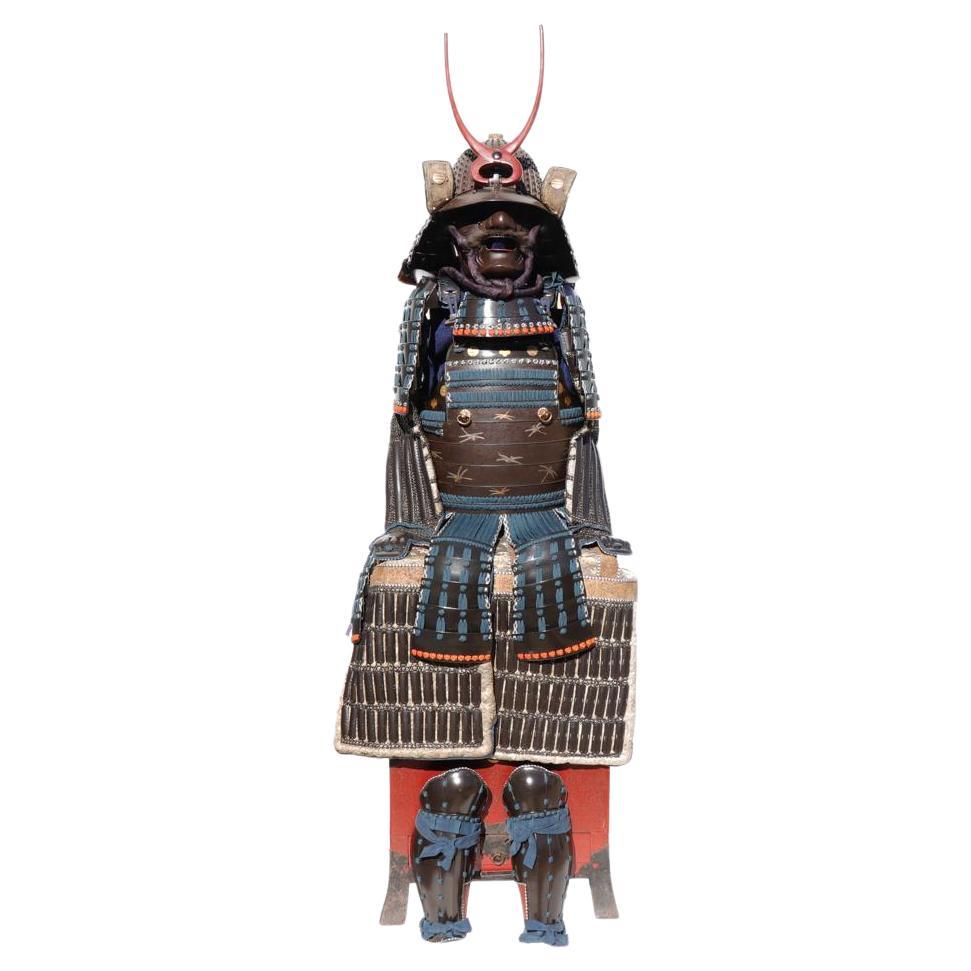
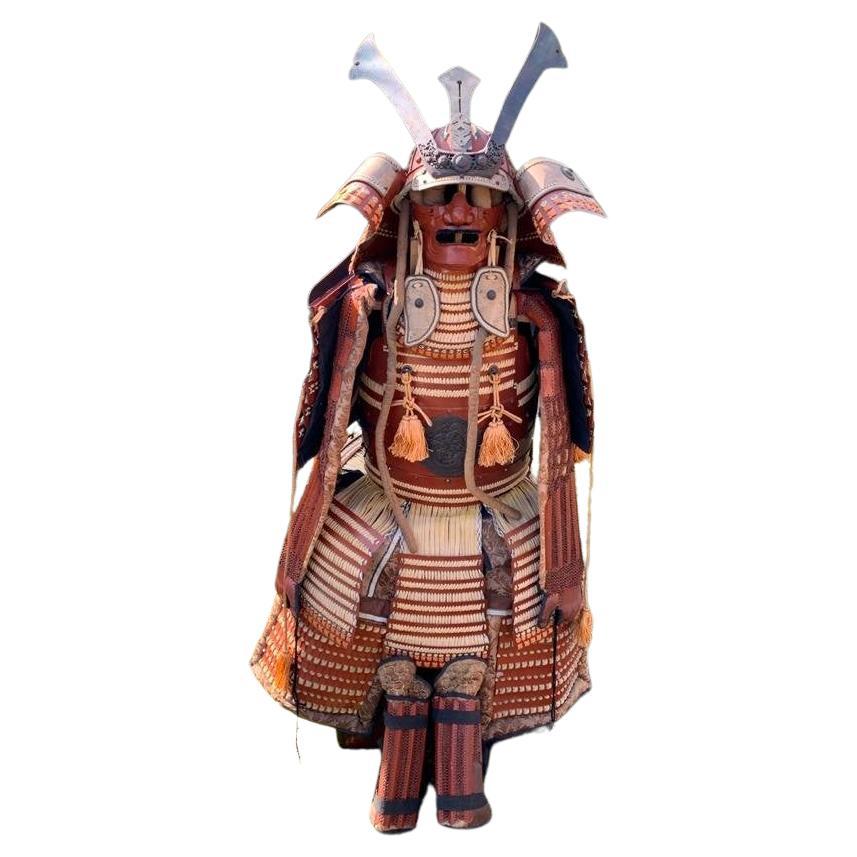
Yoroi with Nakagawa-kashiwa crest:
A Japanese black lacquered suit-of-armour (yoroi) completely laced with orange cords (kuro’urushinuri hi’ito odoshi nimai’dô’maru).
A thirty-two plate suji’bachi kabuto (helmet with raised ridges) with in front a maedate (fore crest) -with traces of gilding- in the shape of flames, resembling a mythical flaming bird flying down. The fukikaeshi (face guards) and the mabizashi (visor) have the Nakagawa-kashiwa crest in gold maki-e lacquer.
Five curved ‘itazane’-plate neck guards (shikoro) laced with orange cords.
Together with an ‘angry man’-facial mask (resseibô) with a separate nose piece, brown moustache and a four-piece ‘kiritsuke kozane’-plate gorget (yodarekake).
The arms (kote) are protected by various black lacquered pieces connected by Japanese mail (kaushi-gusari), of which two shaped like bottle gourds, hence this type of sleeve armour is called hisago’kote (bottle gourd bracer). The elbow’s protective plate is in the shape of a chrysanthemum flower, and the hand guards (tekko) with a flower-emblem in relief. Placed over a blue-green-golden brocade silk with a dragon and flower design.
Two-part maru’dô (cuirass) made of a ‘odoshi’-type laced ‘kiritsuke kozane’-plate construction. The front fitted with a cord-ring with a chrysanthemum-shaped backplate. The back equipped with an iron hook (gattari) and leather support for a flag-pole (machi’uke).
From the cuirass hangs a 7-parts of 5-piece ‘kiritsuke kozane’-plate kusazuri (tassets).
The haidate, ‘shino’-type, constructed with black lacquered metal pieces connected by Japanese mail. The ones oth the bottom shaped like a chrysanthemum flower as well. Placed over ensuite brocade silk mounted with golden silk borders with a plum blossom design. It has flaps to tie around the leg.
Brocade silk suneate -that originally had vertical metal strips- protect the lower legs with a very special feature. The leather parts around the inner ankles are decorated with oak leaves that together form the Nakagawa-kashiwa crest.
With a square red lacquered store-box for a suit-of armour (yoroi’bako) with iron ‘pole carrying’-handles.
Period: Japan – Early/Mid Edo Period (17th/18th century).
Height ca. 150 cm.
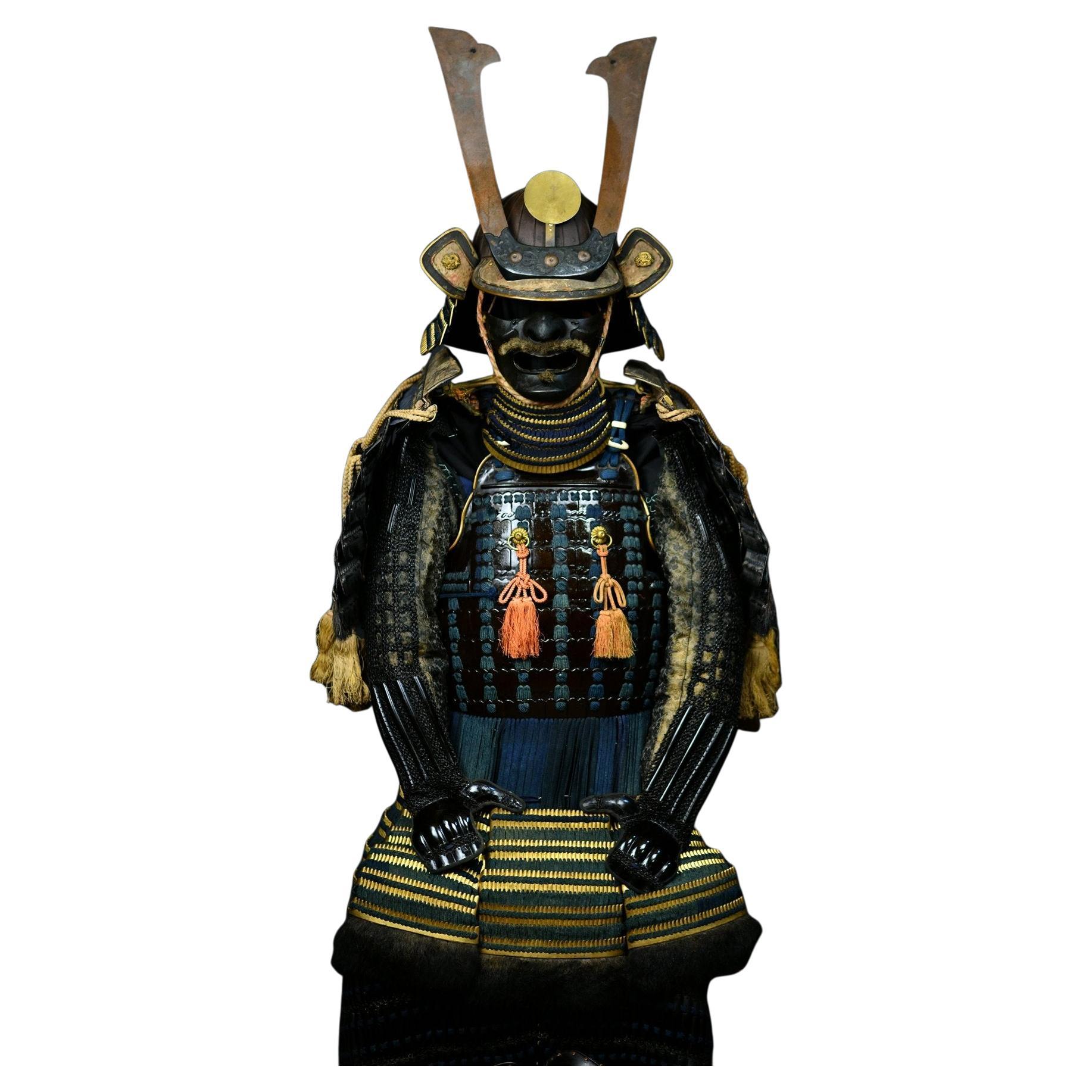
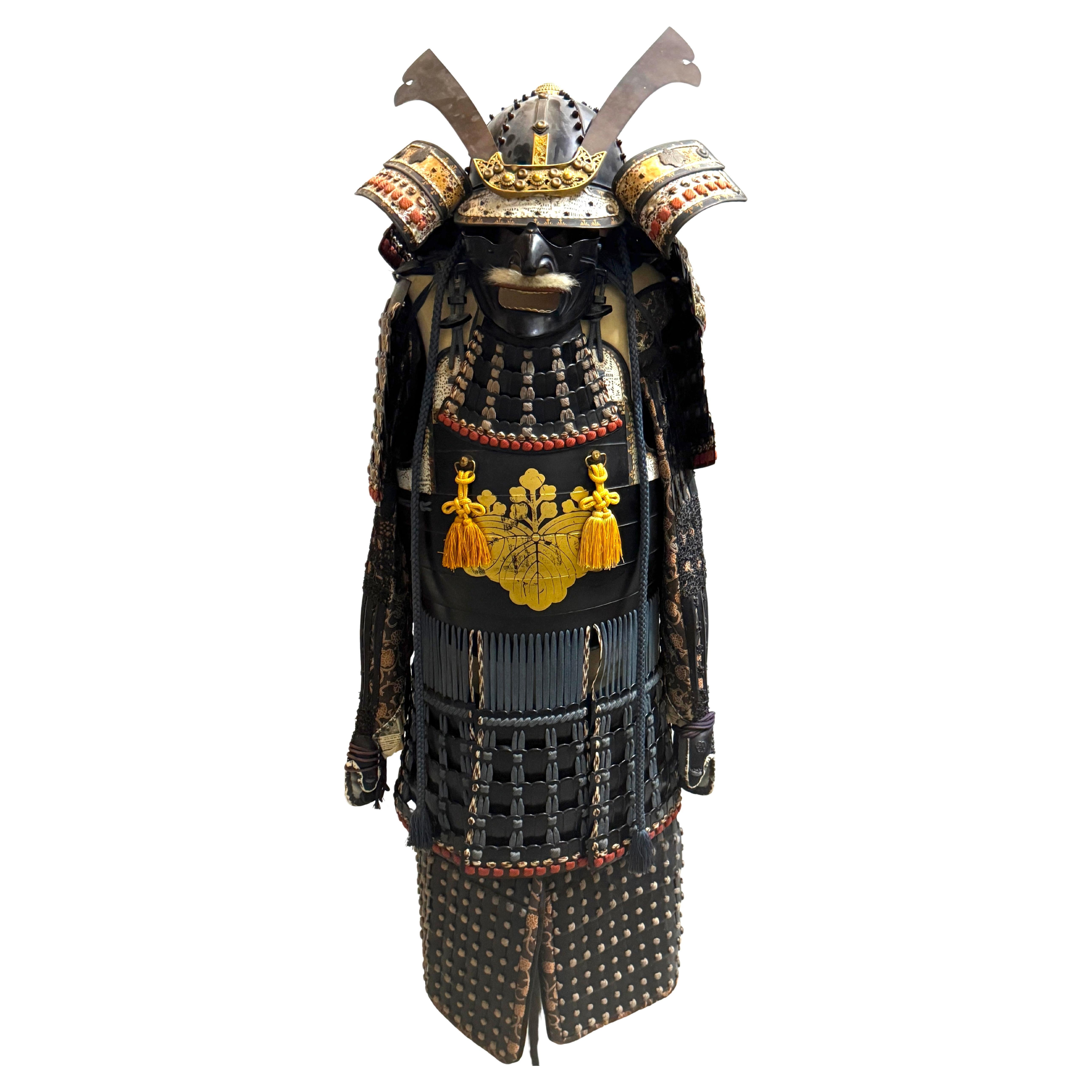
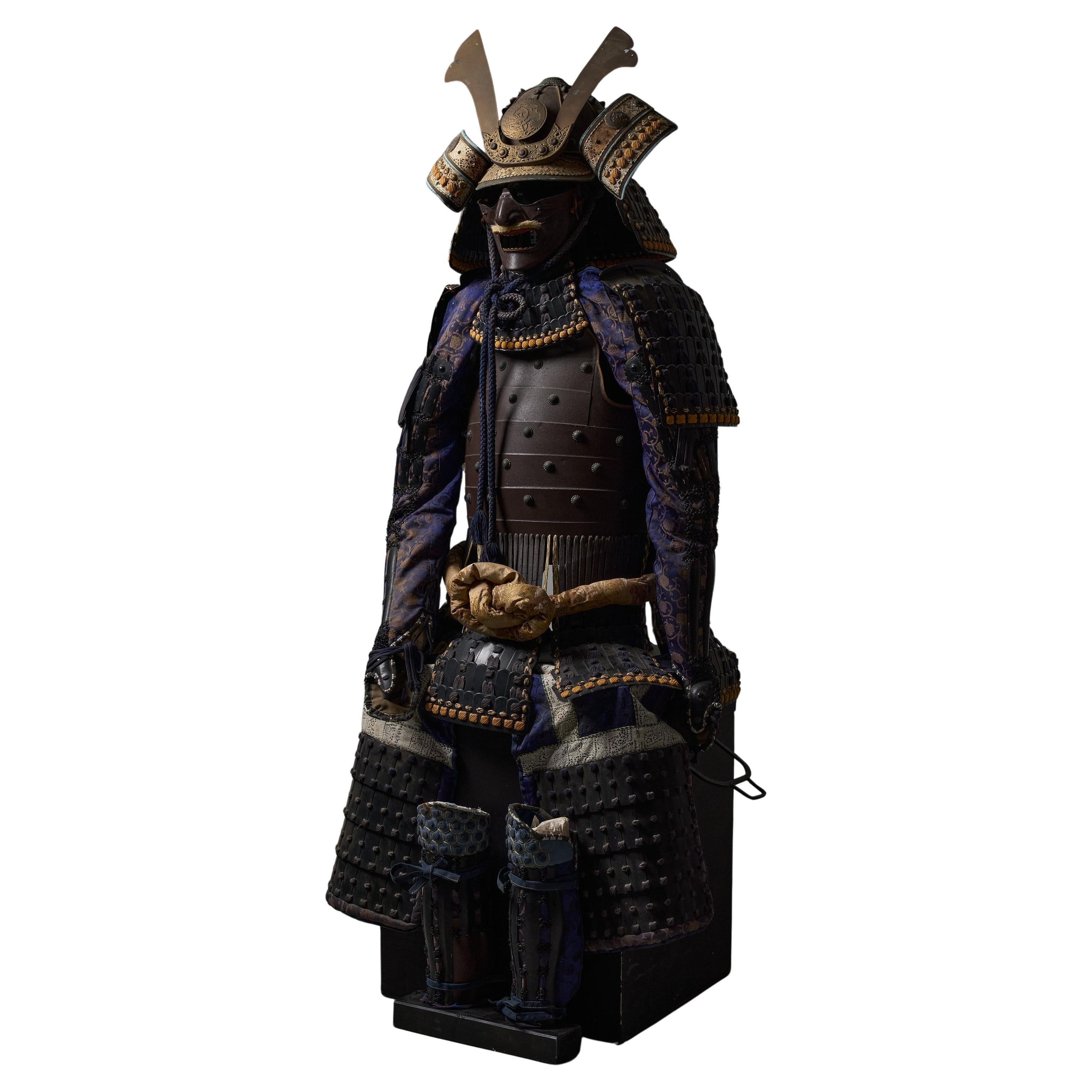
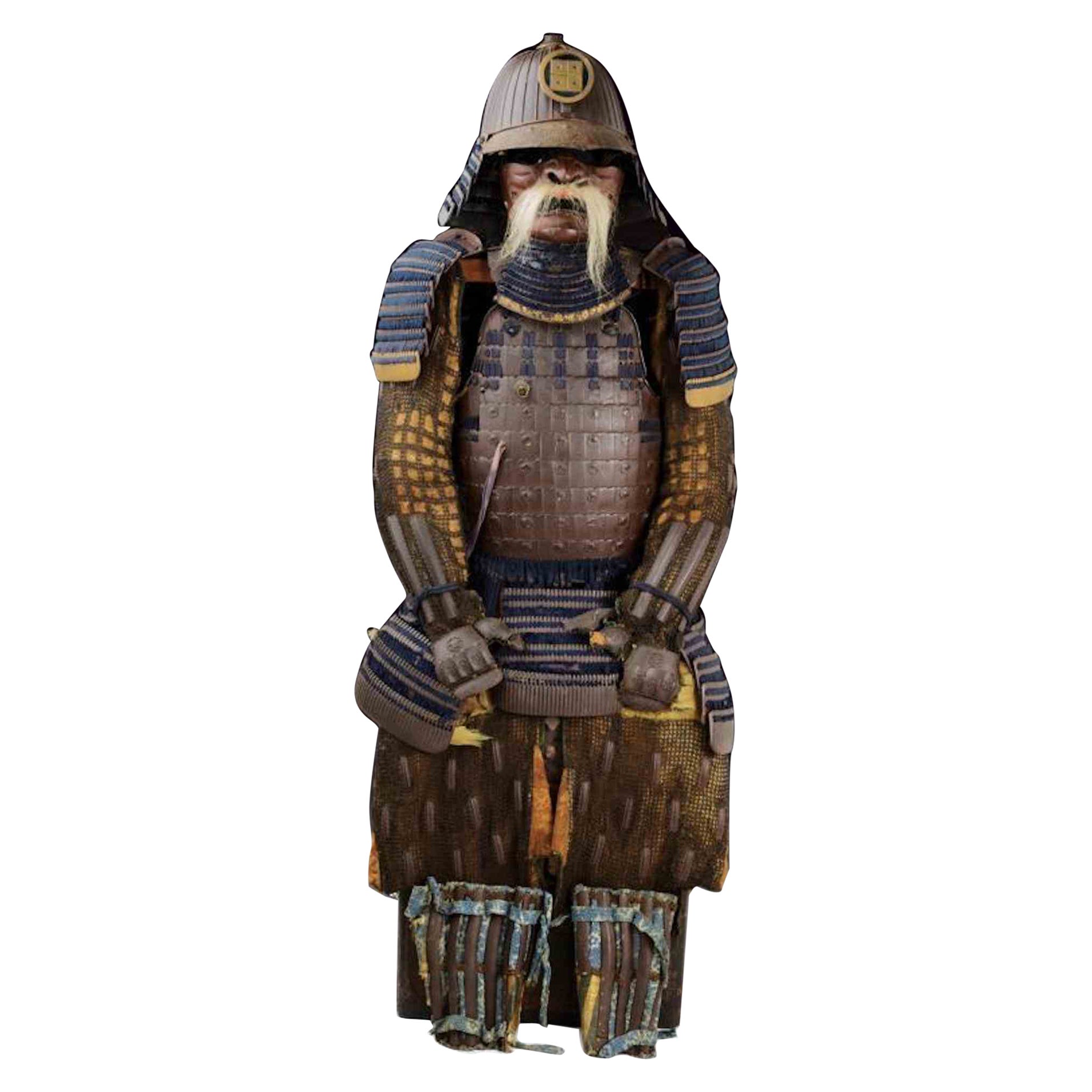
Yoroi with Nakagawa-kurusu crest:
A complete Japanese black lacquered suit-of-armour (yoroi) laced with dark blue cords, multi-coloured and orange hems, rare 5-piece yukinoshita-dô and impressive half-moon maedate (kuro’urushinuri kon’ito hi’suso go’mai’yukinoshita’dô tôsei gusoku).
A sixty-two plate suji’bachi kabuto (helmet with raised ridges) with in front a large brass half-moon maedate (fore crest). The fukikaeshi (face guards) fitted with gilded appliques in relief depicting the ‘Nakagawa-kurusu’-crest. Orange decorative tassel (agemaki) at the back. Four curved ‘itazane’-plate neck guards (shikoro) laced with en-suite cords.
Together with an ‘angry man’-facial mask (resseibô) with a separate nose piece, brown moustache and a four-piece ‘itazane’-plate gorget (yodarekake).
Tôsei-type of shoulder guards (sode) constructed with 5 rows of arched ‘itazane’-plates.
Tsubo’kote (bracers) with tube-shaped lacquered plates connected by Japanese mail (kaushi-gusari), placed over blue brocade silk with flower design. The elbows covered by a protective plate shaped like a chrysanthemum flower.
Dô (cuirass) of the rare ‘yukinoshita’-type with ‘apricot’-shaped kohire (winglets) jutting out from the shoulder boards over the points of the shoulder, protecting them. These kohire are fitted with matching appliques depicting the ‘Nakagawa-kurusu’-crest. Equipped with 8(!)-parts of 5-piece ‘itazane’-plate kusazuri (tassets).
Large haidate (thigh armour) of 5-rows of 15 ‘iyo’-plates, over matching silk and decorative ‘smoked leather’ borders with flaps to tie around the leg.
Suneate (shin guards), ‘shino’-type, vertical metal plates connected by Japanese mail placed over brown brocade silk with a crimson tateage (knee guards).
Including a uncommonly tall brown lacquered store-box for a suit-of armour (yoroi’bako) with arched sides. A side equipped with two rings. These where used to make a rig for the samurai’s attendant to carry this box as a back-pack! The wooden plaque with the opening in between was made to make the load a bit more comfortable.
Carved with the character mae 前 (“in front”) in gold. The Kanji “Mae” meaning “the first”; in other words: “I, who has priority above others”.
Period: Japan – Late Edo period (Late 18th/early 19th century).
Height ca. 170 cm.
A marvellous unique set, and highly exceptional that this has stayed together through time in such a condition. Considering their age they are in a very good condition with some restorations and traces of wear conform age.
The screens are in a good restored condition with quality gold leaf restorations in front. and matching paper restoration and some wear on the back
Both suits with traces of wear conform age, like aging of the brocade of the ‘kashiwa’-yoroi. The collar of the ‘kurusu’-yoroi and the knee guards of the ‘kashiwa’-yoroi refurbished of high quality in an original manner. The yoroi’bako of the ‘kurusu’-yoroi restored. Please look at the photos for a clear condition reference.
Provenance: Japan – Bought from an esteemed dealer who has its location situated in close proximity to the Oka Castle ruins, further enhancing the historical origins of this set.
We include a wooden stand and an explanation how to put this armour on display. When shipped we will add a certificate of authenticity.
Due to the delicate nature of the set, custom-made wooden crates will be crafted for its safe transportation, resulting in a slightly extended shipping process time.
Kindly get in touch with us so that we can offer you an appropriate shipping quotation, or if you prefer additional detail photos.
- Dimensions:Height: 72.64 in (184.5 cm)Width: 148.67 in (377.6 cm)Depth: 0.71 in (1.8 cm)
- Sold As:Set of 4
- Materials and Techniques:
- Place of Origin:
- Period:
- Date of Manufacture:Edo period (1600-1868)
- Condition:Repaired. Refinished. Wear consistent with age and use. Minor losses. As described in the description, and please have a close look at the photos.
- Seller Location:Amsterdam, NL
- Reference Number:Seller: 81384 AB1stDibs: LU7165235936322
About the Seller
4.8
Vetted Professional Seller
Every seller passes strict standards for authenticity and reliability
Established in 1996
1stDibs seller since 2022
22 sales on 1stDibs
- ShippingRetrieving quote...Shipping from: Zwanenburg, Netherlands
- Return Policy
More From This Seller
View AllPair of Japanese hinagata byôbu 雛形屏風 (small folding screens) with flower carts
Located in Amsterdam, NL
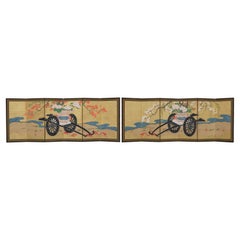
An amazing pair of six-panel hinagata byôbu (doll festival folding screens) with a continuous painting on gold leaf showcasing flower carts (hana’guruma) at the edge of a winding river.
Both laden with a large bamboo basket...
Category
Antique Early 19th Century Japanese Paintings and Screens
Materials
Gold Leaf
$4,300 / set
Free Shipping
Pair of Japanese kakejiku 掛け軸 (hanging scrolls) depicting Niô guardians 仁王
Located in Amsterdam, NL
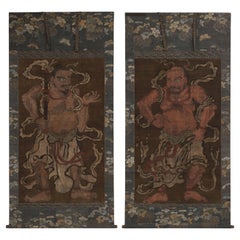
Pair of impressive, antique kakejiku (hanging scrolls) showcasing the awe-inspiring Niô guardians, also referred to as heavenly kings.
Each painting cap...
Category
Antique Early 18th Century Japanese Paintings and Screens
Materials
Brocade, Silk, Paint
$16,725 / set
Free Shipping
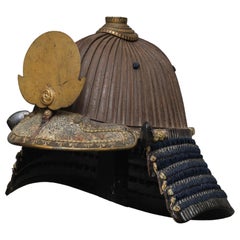
Signed Japanese Edo suji’bachi kabuto (helmet) with a moon
cloud maedate
Located in Amsterdam, NL
An antique, outstanding signed suji’bachi kabuto (helmet with ridges) surmounted by a gilt metal maedate (forecrest) shaped like a full moon emerging from the clouds heightened by a ...
Category
Antique Late 18th Century Japanese Antiquities
Materials
Metal, Iron
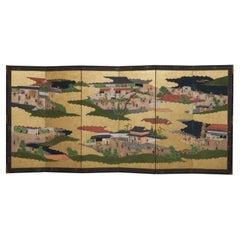
Large Japanese 6-panel byôbu 屏風 (folding screen) with Edo genre painting
Located in Amsterdam, NL
An elaborate, large six-panel byôbu (folding screen) featuring a detailed genre painting on gold leaf, capturing the vibrancy of festive scenes from the Edo period.
Central to the p...
Category
Antique Early 19th Century Japanese Paintings and Screens
Materials
Metal, Gold Leaf
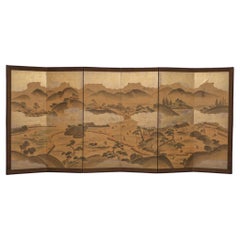
Large Japanese 6-panel byôbu 屏風 (folding screen) with genre painting
Located in Amsterdam, NL
Fascinating large six-panel byôbu (folding screen) with a detailed genre painting on goldish silver leaf with different scenes of people at work in a rural mountain village during th...
Category
Early 20th Century Japanese Paintings and Screens
Materials
Silver Leaf
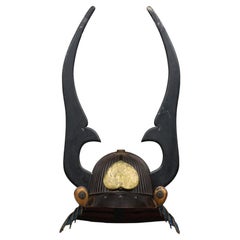
Japanese Edo-Period 62-Plate Kabuto 兜
Helmet
with Long Lacquer Wakidate
Located in Amsterdam, NL
An old and exceptional completely lacquered akoda-nari suji’bachi kabuto (helmet with raised ridges) with a bronze maedate (decorative front piece) shaped like a spade, and mounted b...
Category
Antique 18th Century Japanese Antiquities
Materials
Bronze, Copper, Iron
You May Also Like
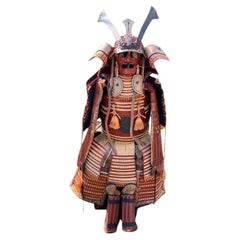
Antique Japanese Samurai Suit of Armor, Edo Period, 18th Century
Located in Point Richmond, CA
Antique Japanese Samurai Suit of Armor, Edo period, 18th century.
A complete matching set of lacquered iron work; the cuirass with dragonfly decoration and blue lacing, a Kaga schoo...
Category
Antique 18th Century Japanese Edo Metalwork
Materials
Gold Leaf, Silver, Foil, Iron, Metal
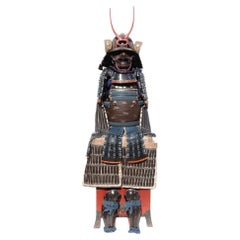
Rare Antique Original high Ranking Edo period Samurai armor Yoroi Japan Daimyō
Located in Ijzendijke, NL
This complete Edo-period samurai armor is an exceptional example of the refined martial elegance and ceremonial grandeur associated with Japan’s warrior aristocracy. Every component reflects a precise harmony of functionality, symbolism, and prestige.
At the heart of the set is a superb suji-bachi kabuto, constructed from multiple riveted iron plates arranged with flawless symmetry and enriched by a beautifully aged patina. It is crowned with a gilt tehen no kanamono, and the imposing maedate presents a pair of antler-like blades framing a gilded sun disc an emblem of celestial authority and divine lineage.
The Fukigaeshi feature extraordinary gilt dragon ornaments, carved in high relief. Dragons, ancient symbols of protection and power, were reserved for armor of the highest rank, strongly indicating that this set belonged to a Daimyō or high-ranking retainer.
The menpō, lacquered in deep black, includes a natural-hair moustache and an articulated jaw (resseibō), lending the face a vivid sense of character. Below it, the shikoro is composed of finely lacquered blue-and-gold plates, meticulously laced with silk.
The okegawa ni-mai dō cuirass is finished in a dark brown lacquer and laced in deep indigo silk, complemented by elegant orange ceremonial tassels a hallmark of formal presentation armor. The sode (shoulder guards) retain their rare bear-fur trimming, an expensive and status-laden material symbolizing courage and noble rank.
Completing the ensemble are beautifully made kote, haidate, and suneate, each executed with rich fabrics and refined lacquer work. A butterfly mon (chō-mon) appears on the leg guards an elegant symbol of transformation, adding a poetic contrast to the armor’s martial presence.
The extensive use of gilding, the rare bear-fur details, and the prominent dragon motifs confirm this as a piece created for the highest echelons of samurai society. It is a masterpiece where ceremonial artistry, symbolism, and authority converge.
Artistic and Historical Significance
This armor epitomizes the Edo-period ideal, when arms and armor transcended their battlefield origins and became expressions of identity, dignity, and cultural refinement. The interplay of dark lacquer, golden ornamentation, and natural materials embodies the spirit of bushidō discipline, inner strength, and beauty through restraint.
Whether displayed in a private collection, gallery, office, or interior setting, this armor commands attention. Its presence transforms any space, making it a truly museum-worthy centerpiece for collectors of Japanese, military, or historical art.
The set includes its traditional stand and storage box. As with all antique armor...
Category
Antique 17th Century Japanese Japonisme Antiquities
Materials
Metal
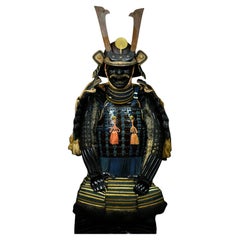
Showa-Period Japanese Samurai Armor (Yoroi), with Paulownia Crest, Post-WWII
Located in West Palm Beach, FL
Showa-Period Japanese Samurai Armor with Paulownia Crest, Post-WWII Diplomatic Gift
A complete suit of Japanese samurai armor (yoroi), crafted in the Showa period (post-World War II...
Category
Mid-20th Century Japanese Showa Arms, Armor and Weapons
Materials
Metal, Brass
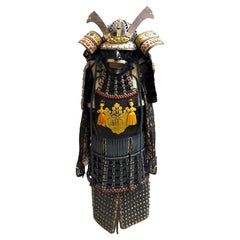
Samuraï armor
Located in Brussel, BE
Amazing and unique Samuraï armor.
End of XIXth century, early XXth century.
Nimai do Okegawa gusoku (2 plate with barrel form cuirasse armor).
Composed o...
Category
Antique Late 19th Century Japanese Japonisme Antiquities
Materials
Iron
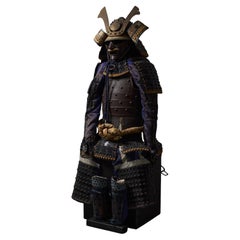
$29,866
Japanese Red Samurai Armour Beginning of Meiji period 1900s
Located in Paris, FR
This is an armour of samurai. It was made around 1900s in Meiji era. This armour was not used in actual war so it was made as decoration, because of that, it is in good condition as its age.
There are some scratches and missing parts, if you need some more information, please let us know, we will respond you as soon as possible and send more photos.
This armour can be folded in a box. The box is getting damaged so it is not in good condition. We might send this armour in other box.
Dimensions: 50 x 50 x H170 cm
Scholars agree that Japanese armour first appeared in the 4th century, with the discovery of the cuirass and basic helmets in graves. During the Heian period, the unique Japanese samurai...
Category
Antique Early 1900s Japanese Meiji Antiquities
Materials
Metal, Iron
A Tosei Gusoku (Samurai
s Armour), 17th Century
Located in Roma, IT
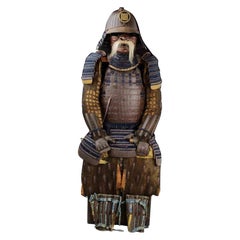
Belonging to the period 1603-1867, most likely between the end of 17th and the beginning of 18th Century, this beautiful armour is a 32-plate suji kabuto made of brown-lacquered iron...
Category
Antique 17th Century Japanese Figurative Sculptures
Materials
Metal, Iron
More Ways To Browse
Antique Transfers
Antique Mail
Emperor Japan
Asian Gold Leaf Art
Antique Tills
Japanese Oak
Leather Hook
Japanese Silk Brocade
Antique Rigs
Japanese Folding Screen Art
Gold Folding Screen
Dragon Silk
Antique Japanese Lacquer Screens
18th Century Japanese Screens
Decorative Plates Set Of 2 Large
Lacquered Folding Screen
Hand Painted 4 Panel Screen
19th Century Japanese Lacquer Screen