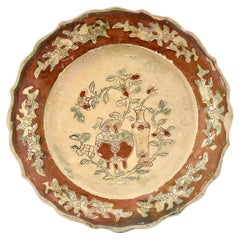
Items Similar to Sancai-glazed ‘floral’ dish, Liao dynasty(916~1125)
Want more images or videos?
Request additional images or videos from the seller
1 of 13
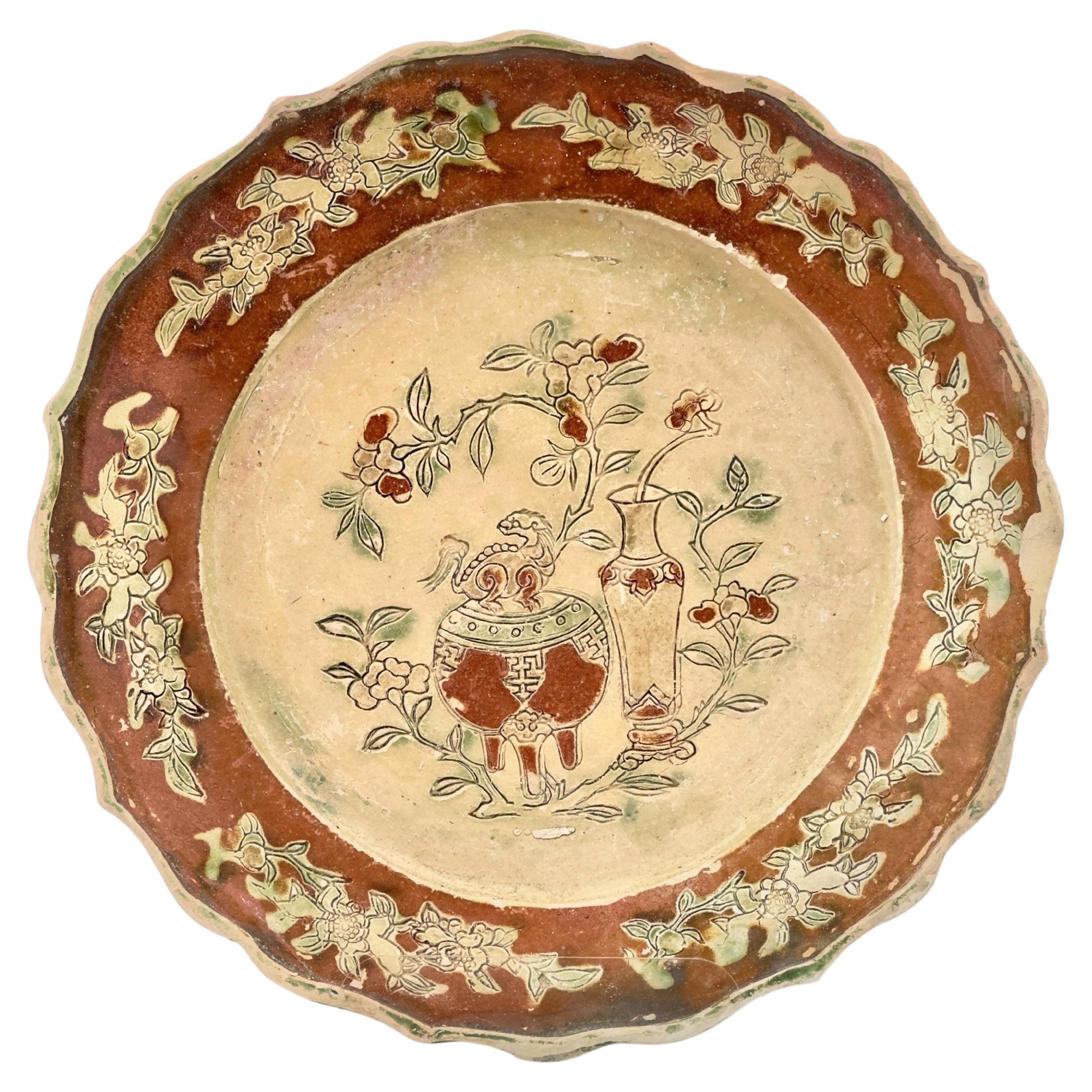
Sancai-glazed ‘floral’ dish, Liao dynasty(916~1125)
$7,000
£5,291.19
€6,069.21
CA$9,758.29
A$10,622.69
CHF 5,638.53
MX$127,813.85
NOK 71,447.84
SEK 65,466.41
DKK 45,324.53
About the Item
Well potted with shallow sides rising from a short foot, the interior molded with a single chrysanthemum surrounded by peony blossoms picked out in yellow and with green leaves against a creamy ivory ground, the exterior glazed in green stopping well above the foot. Nice condition. "Iridescence" is observed in surface.
Date : Liao Dynasty(916~1125)
Type : Sancai-Glazed Dish
Provenance : Acquired in late 1990s from Hongkong
Reference :
1) Sotheby's Hong Kong 25 November 2022 - CHINA / 5000 YEARS - Lot 435
(Price range : 30,000HKD-50,000HKD / Type : Highly related)
2) Tokyo National Museum - Collection Reference : TG-2440
3) Christies London 30 NOV – 7 DEC 2017 - The Art of China: Online Winter Sale - Lot65 (USD 6,875, Type: Closely related)
4) China Guardian 2017 Spring Auctions - Ancient Chinese Ceramics from the Tang to the Song Dynasty - Lot 704
(HKD: 53,100, Type: Closely related)
* San-cai
Sancai glazed pottery refers to a type of Chinese ceramic that became famous during the Tang Dynasty (618-907 AD). "Sancai" translates to "three colors," which typically are brown, green, and cream or white. Occasionally, blue was also used. These colors were achieved through the use of metallic oxides in the glaze, which, when fired at high temperatures, produced vivid colors that have retained their brilliance over centuries.
The art of Sancai pottery is characterized by its decorative and functional purposes. It includes items such as figurines, vessels, and architectural elements. Tang Sancai ceramics were often used as burial items, intended to accompany the deceased in the afterlife. The pieces frequently featured images of people, animals, and mythical creatures, reflecting the Tang Dynasty's cosmopolitan culture and the religious and mythological beliefs of the time.
The distinct look of Sancai comes from the way the glazes melt and run together, creating a flowing effect that makes each piece unique. This pottery is a valuable part of China's cultural heritage and provides insight into the sophisticated ceramic technology of the Tang Dynasty.
About the Seller
4.8
Platinum Seller
Premium sellers with a 4.7+ rating and 24-hour response times
Established in 1999
1stDibs seller since 2023
46 sales on 1stDibs
Typical response time: 1 hour
- ShippingRetrieving quote...Shipping from: seoul, Korea South
- Return Policy
More From This Seller
View AllThree-glazed Earthenware dish circa 1725, Qing Dynasty, Yongzheng Reign
Located in seoul, KR
Painted with yellow, brown and green glazes against the straw-glazed ground, the cavettos with a broad brown-glazed band, the exteriors green-glazed.
Period : Qing Dynasty, Yongzhen...
Category
Antique 1720s Vietnamese Qing Decorative Bowls
Materials
Earthenware
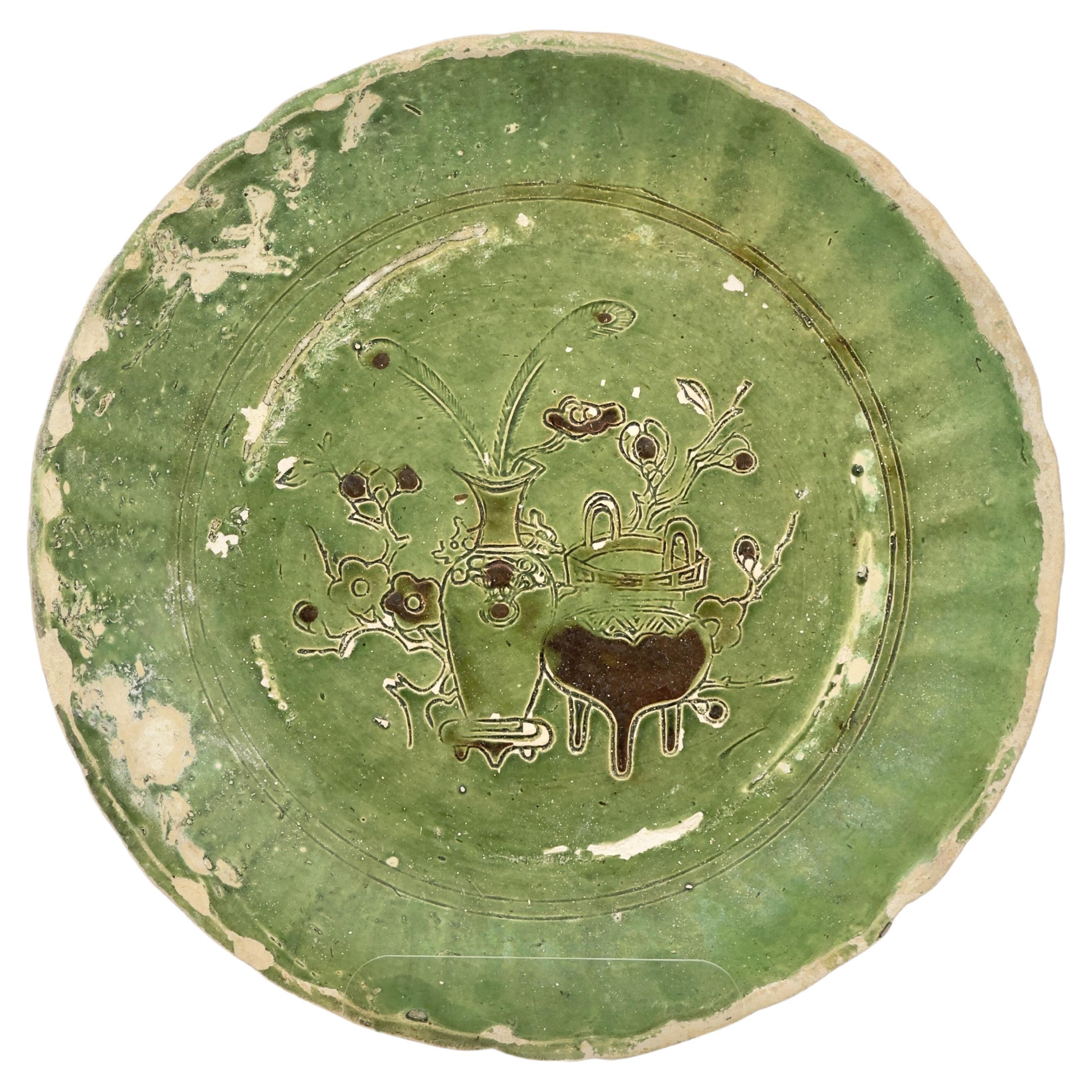
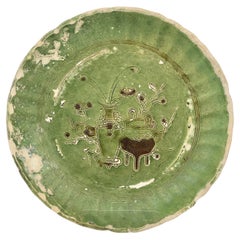
Green-Glazed Earthenware Dish Circa 1725, Qing Dynasty, Yongzheng Reign
Located in seoul, KR
It is the rare earthenware among those excavated from the Ca Mau Ship, and it is a green-glaze work that is especially unique. Although it is in very worn condition, it is a valuable...
Category
Antique 1720s Vietnamese Qing Antiquities
Materials
Earthenware
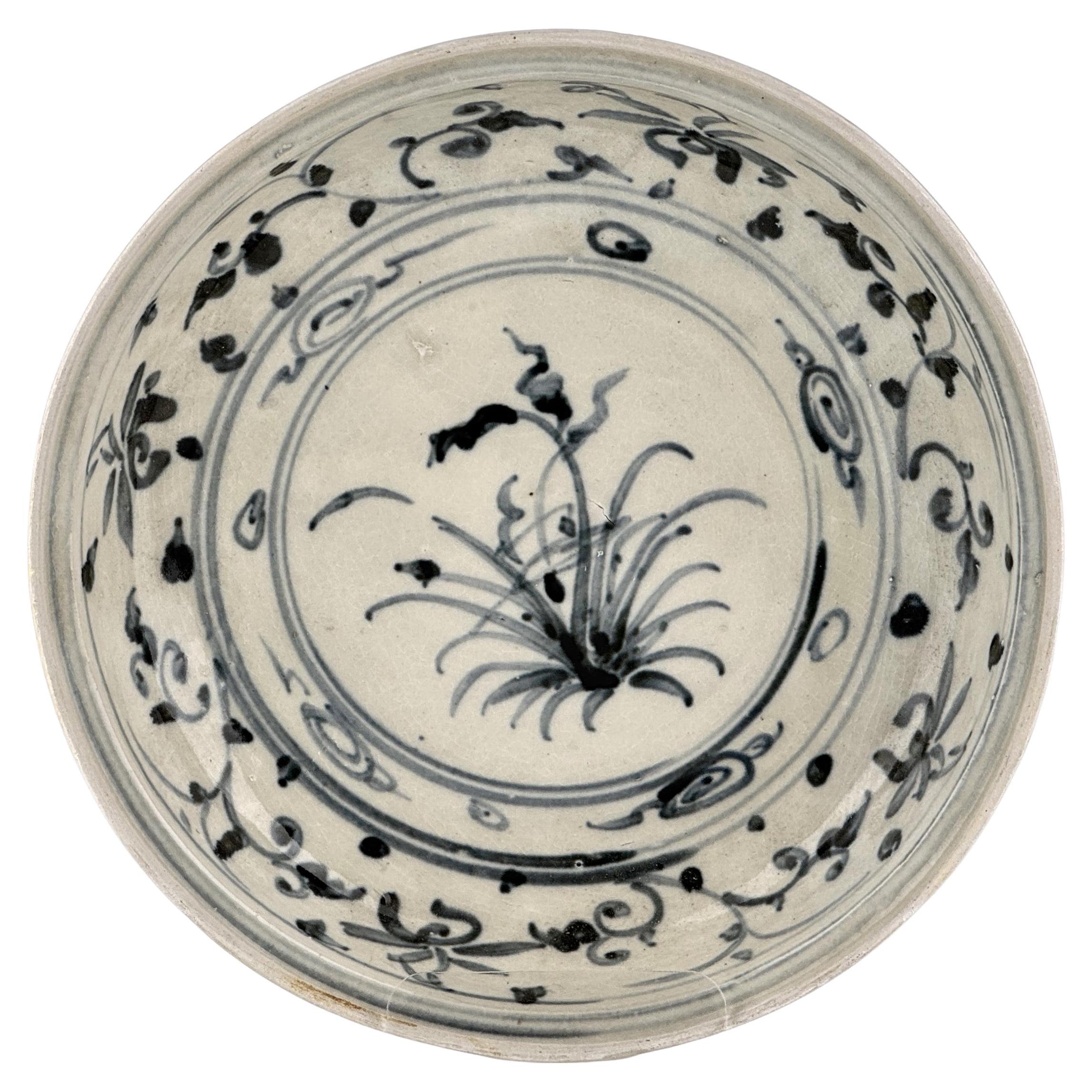
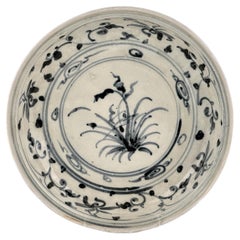
Annamese Stoneware Dish with Lotus Motif, 15-16th Century Vietnam, Le Dynasty
Located in seoul, KR
This Annamese ceramic dish features a central lotus motif, enclosed by a thin circular border. The rim is adorned with intertwining vine patterns and swirling motifs. The dish has a gently curved form with a well-proportioned depth and a neatly finished rim.
Dates : 15th century Le Dynasty
Region : North Annam, Vietnam
Type : Dish
Found/Acquired : Southeast Asia , South China Sea, Hoi An Ship
Reference : Double checked with reference to the original catalogue
Butterfield Treasures Hoi An Hoard Auction Catalogs / San Francisco Butterfields 2000
* Vietnamese trade ceramics
Around the mid-14th century, Vietnam developed its ceramics production technology by producing blue and white porcelain, and began to export it overseas. During this period, China Ming Dynasty implemented a policy of lifting the ban from 1371 to 1657 and restricted foreign trade. This served as a good opportunity in the trade history of Vietnamese ceramics, and ceramic exports...
Category
Antique 15th Century and Earlier Vietnamese Ming Antiquities
Materials
Stoneware
A Molded Qingbai
Flowers
Dish, Southern Song Dynasty
Located in seoul, KR
This dish is coated with a transparent bluish-white glaze over a thin white body. The center is incised with a design of lotus flowers and a bird, while the inner wall is encircled b...
Category
Antique 15th Century and Earlier East Asian Antiquities
Materials
Ceramic
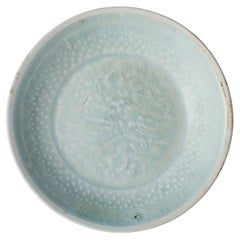
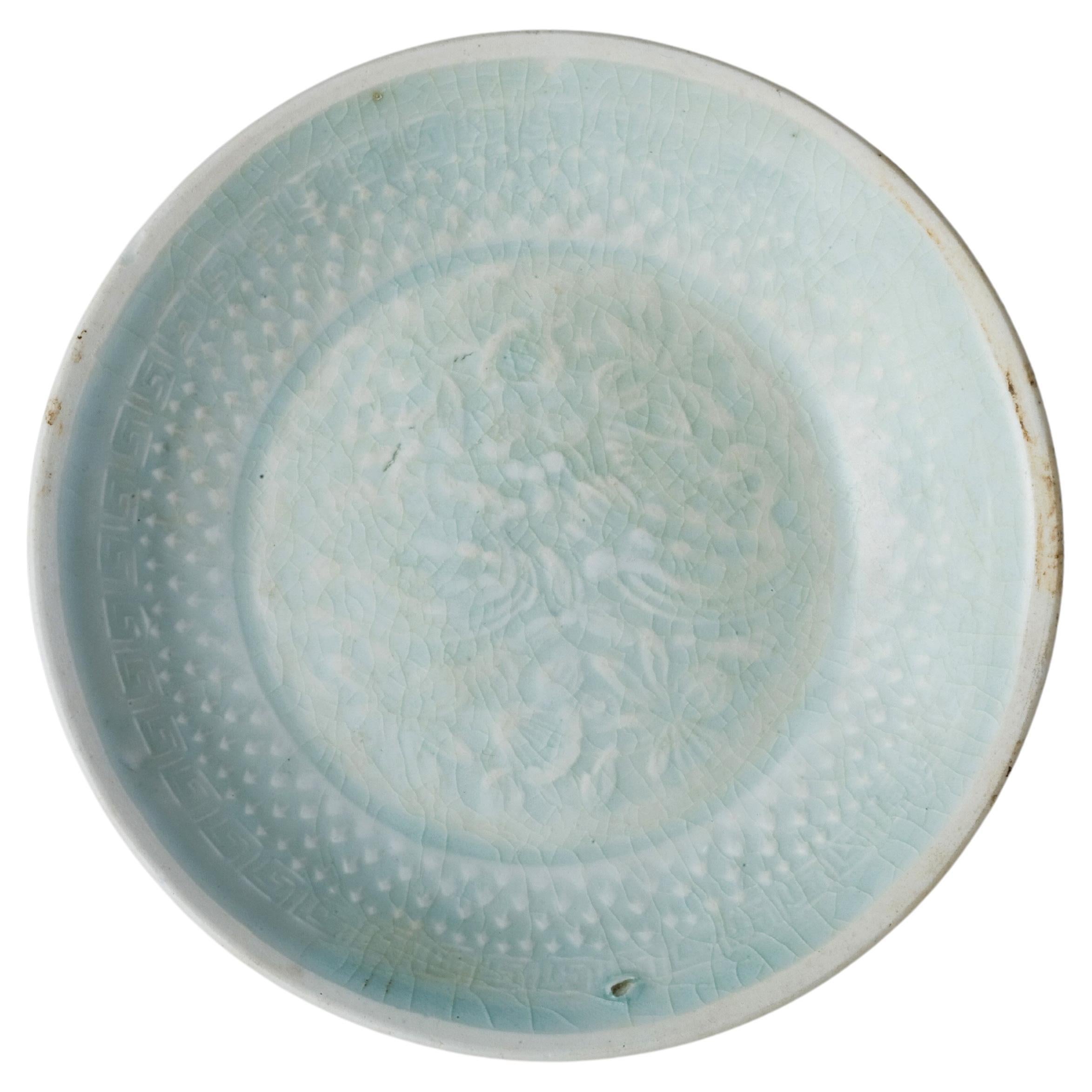
Qingbai Floriform Dish, Song-Yuan Dynasty
Located in seoul, KR
The dish has a scalloped rim, which gives it a flower-like appearance. The wavy edges were often inspired by nature. It has a pale, almost translucent blue-green glaze, typical of Qi...
Category
Antique 15th Century and Earlier Hong Kong Antiquities
Materials
Ceramic

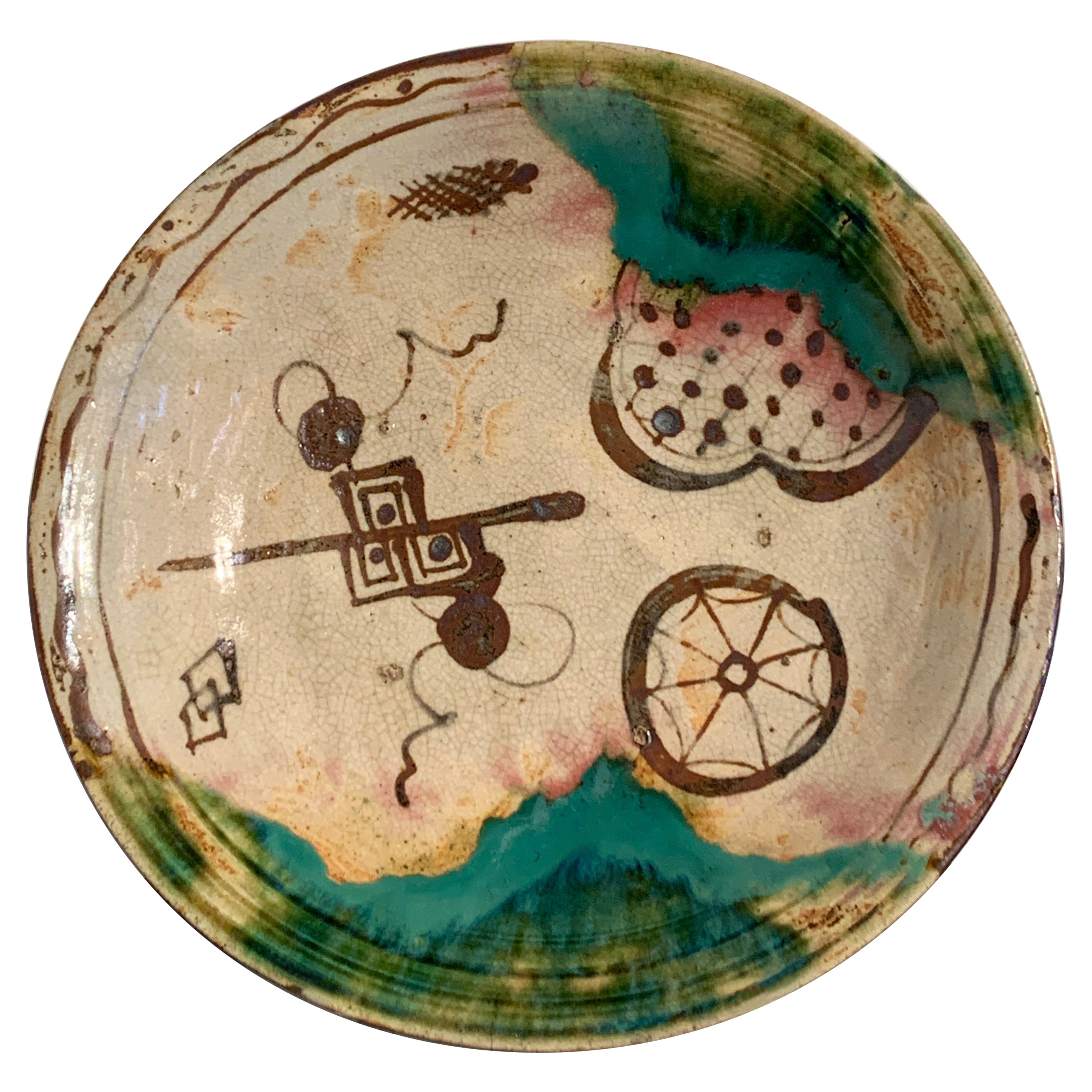
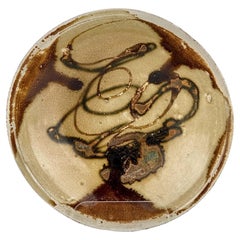
Changsha Bowl from Belitung Ship, Tang Dynasty
Located in seoul, KR
The edges have been dipped in four places with brown, probably iron-oxide. The well of the bowl is freely painted in deep green and coffee coloured brown. These are characteristic fe...
Category
Antique 15th Century and Earlier Indonesian Tang Antiquities
Materials
Pottery
You May Also Like
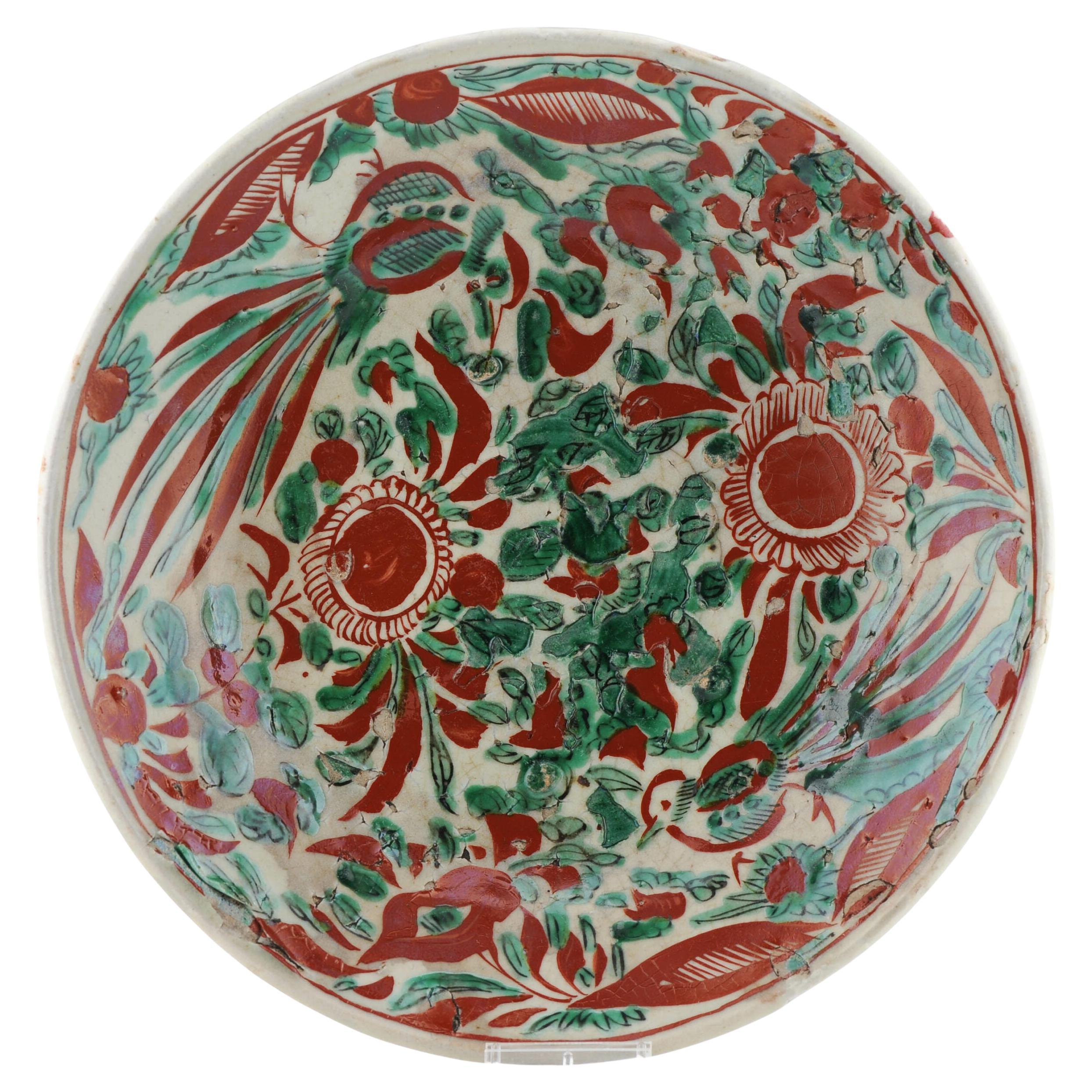
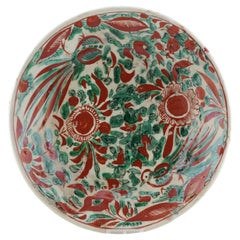
Antique Chinese Porcelain Dish Swatow Flower and Fenghuang, 16/17th Century
Located in Amsterdam, Noord Holland
A very nicely decorated large dish from around 1600-1630.
The robustly potted rounded sides rising from a short tapering foot to an everted rim, brightly decorated in Red and green w...
Category
Antique 17th Century Asian Ming Decorative Dishes and Vide-Poche
Materials
Porcelain
$2,733 Sale Price
20% Off
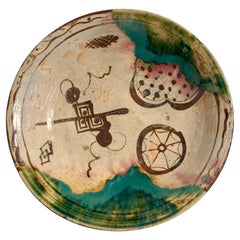
Japanese Ao-Oribe Glazed Stoneware Dish, Early Edo Period, 17th Century, Japan
Located in Austin, TX
A fine and rare Japanese ao-oribe glazed minoyaki stoneware dish, late Momoyama or early Edo period, 17th century, Japan.
The circular dish of wheel thrown ...
Category
Antique 17th Century Japanese Edo Ceramics
Materials
Stoneware
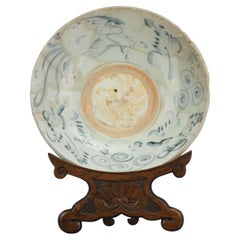
Jiajing/Wanli Period Chinese Porcelain Dish Charger Floral Swatow Antique, 17 C
Located in Amsterdam, Noord Holland
Large and very nice Blue and White Charger/Dish from the Jiajin/Wanli Period.
Dish on footring, decorated in underglaze blue. In the centre a circle containing a flying crane between cloud...
Category
Antique 17th Century Qing Decorative Dishes and Vide-Poche
Materials
Porcelain
$958 Sale Price
20% Off
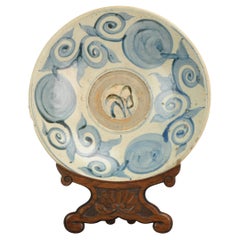
Vietnamese Earthenware Dish Charger Flowers Motiff Swatow Style, 17th Century
Located in Amsterdam, Noord Holland
Large and very nice Blue and White Charger/Dish from the Jiajing Period This type of dish, with undecorated sides and flowing, somewhat 'fatty' glaze and greyish blue colour characte...
Category
Antique 17th Century Qing Dinner Plates
Materials
Porcelain
$1,918 Sale Price
20% Off
Kangxi Chinese Porcelain Thai Market Dish Bencharong, 18th Century
Located in Amsterdam, Noord Holland
Lovely Chinese porcelain 18th c dish from the late 18th c.
Additional information:
Material: Porcelain & Pottery
Region of Origin: China, South East Asia
Period: 18th century
Empero...
Category
Antique 18th Century Chinese Qing Decorative Dishes and Vide-Poche
Materials
Porcelain
Price Upon Request
Antique Korean Ceramic Buncheong Bowl Joseon Dynasty
Located in Atlanta, GA
A Korean ceramic shallow bowl on ring foot in the classic Buncheong (or Punch'ong) style from early Joseon Dynasty circa 15th century. The bowl features...
Category
Antique 15th Century and Earlier Korean Archaistic Ceramics
Materials
Ceramic