Want more images or videos?
Request additional images or videos from the seller
1 of 18
Shipping costJapanese Old Pottery Dog 1940s-1960s / Figurine Sculpture Wabi Sabi
Price:$1
$600List Price
About the Item
About the Seller
5.0
Platinum Seller
Premium sellers with a 4.7+ rating and 24-hour response times
Established in 2015
1stDibs seller since 2020
1,703 sales on 1stDibs
Typical response time: 6 hours
Authenticity Guarantee
In the unlikely event there’s an issue with an item’s authenticity, contact us within 1 year for a full refund. DetailsMoney-Back Guarantee
If your item is not as described, is damaged in transit, or does not arrive, contact us within 7 days for a full refund. Details24-Hour Cancellation
You have a 24-hour grace period in which to reconsider your purchase, with no questions asked.Vetted Professional Sellers
Our world-class sellers must adhere to strict standards for service and quality, maintaining the integrity of our listings.Price-Match Guarantee
If you find that a seller listed the same item for a lower price elsewhere, we’ll match it.Trusted Global Delivery
Our best-in-class carrier network provides specialized shipping options worldwide, including custom delivery.You May Also Like
Japanese Antique Horse Figurine 1900s-1940s / Sculpture Object Wabi Sabi
Located in Chōsei District Nagara, JP
This is an antique Japanese horse figurine, crafted in the early Shōwa period (1900s–1940s).
Although simple in form, it carries a distinct sense of life—an expressive charm that cou...
Category
Mid-20th Century Japanese Showa Antiquities
Materials
Glass, Wood, Paper
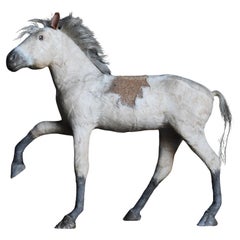
$700
H 8.08 in W 8.67 in D 2.76 in
Japanese Old Copper Elephant Figurine 1940s-1960s / Sculpture Wabi Sabi
Located in Chōsei District Nagara, JP
This is an old Japanese copper elephant figurine.
It was crafted in the mid-Showa period (1940s–1960s), a time when Japan’s metal-casting techniques had reached an exceptional level ...
Category
Vintage 1950s Japanese Showa Metalwork
Materials
Copper
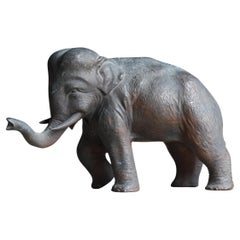
$600
H 5.91 in W 9.45 in D 3.55 in
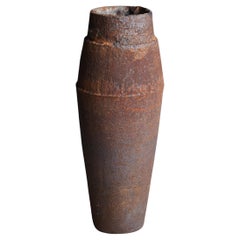
Japanese Old Shell Casing 1930s-1940s / Iron Object Flower Vase Wabi Sabi
Located in Chōsei District Nagara, JP
This is the warhead part (shell) of an old Japanese shell. Functional parts such as the internal explosive and fuse have already been lost, and we present this as a safe relic that h...
Category
Vintage 1930s Japanese Showa Antiquities
Materials
Iron
Japanese Antique Wabi-Sabi Weathered Keyaki Wood Block 1900s-1940s / Figurine
By Axel Vervoordt
Located in Chōsei District Nagara, JP
This is an antique, weathered block of Japanese keyaki (zelkova) wood. It is estimated to date from the early 1900s to the 1940s. Its form, shaped over many decades, carries a presen...
Category
Mid-20th Century Japanese Primitive Antiquities
Materials
Wood
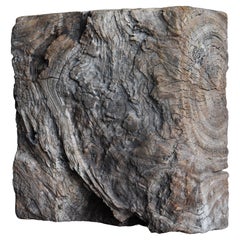
$800
H 12.6 in W 12.41 in D 5.91 in
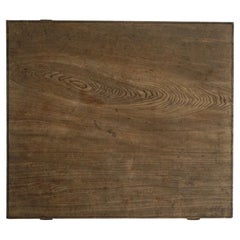
Japanese Antique Zelkova Slab Board, 1940s, Japandi Wabi-Sabi
Located in Chiba, Chiba
A Japanese antique single-slab board crafted from zelkova and dating to the 1940s.
The wood grain is strikingly beautiful—bold, flowing, and expressive—giving the piece a sculptural ...
Category
Mid-20th Century Japanese Showa Antiquities
Materials
Wood
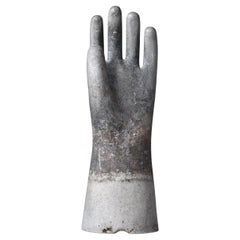
Japanese Old Aluminum Glove Mold 1940s-1960s / Object Wabi Sabi
Located in Chōsei District Nagara, JP
This is an old rubber glove mold made in Japan.
It was made in the Showa period (1940s-1960s), and the material used is aluminum.
Although it is a practical item that has been used f...
Category
Mid-20th Century Japanese Showa Metalwork
Materials
Aluminum
$400 Sale Price
20% Off
H 12.8 in W 4.34 in D 3.35 in
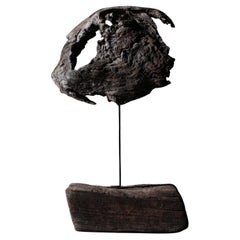
Japanese Old Wooden Object / Wooden Lump Figurine / Wabi-Sabi
Located in Iwate-gun Shizukuishi-cho, Iwate Prefecture
This is an old wooden object.
The details of the tree are unknown, but it seems to be hardwood.
It changes its shape and color over time, and it has become an artistic appearance.
...
Category
Early 20th Century Japanese Primitive Antiquities
Materials
Wood, Hardwood
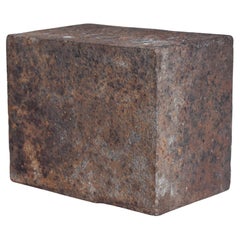
Japanese Old Iron Block 1950s-1970s / Display stand Wabi Sabi
Located in Chōsei District Nagara, JP
This is an old Japanese iron block, estimated to have been made in the early Showa period (1950s–1970s). At the time, it was used in ironworks as an anvil or workbench. Decades of us...
Category
Late 20th Century Japanese Showa Antiquities
Materials
Iron
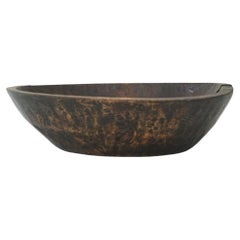
Japanese Antique Wooden Bowl, 1910s–1940s - Japandi Wabi-Sabi Primitive
Located in Chiba, Chiba
A Japanese antique wooden bowl dating from the 1910s–1940s.
Once used in daily life as a functional folk craft, the piece is hand-carved from a solid block of wood—its exact species ...
Category
Early 20th Century Japanese Antiquities
Materials
Wood
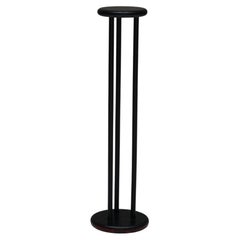
Japanese Antique Lacquered Display Stand, 1920s–1940s, Japandi Wabi-Sabi
Located in Chiba, Chiba
A Japanese antique lacquered display stand dating from the 1920s–1940s.
The surface is finished in deep black urushi lacquer, softly worn over time to reveal traces of the red underl...
Category
Early 20th Century Japanese Antiquities
Materials
Wood
More From This Seller
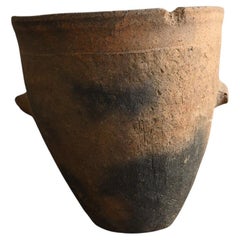
View AllJapanese antique earthenware/Wabi-sabi objects/Unglazed pottery
Located in Sammu-shi, Chiba
I would like to introduce some earthenware with a very interesting shape.
This is an old excavated earthenware from Japan, called "Yayoi" or "Hajiki".
This item is from before the 9...
Category
Antique 15th Century and Earlier Japanese Other Antiquities
Materials
Pottery
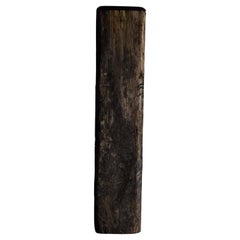
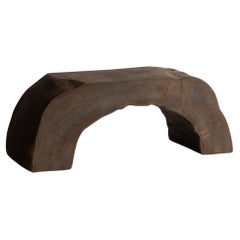
Japanese old wood stand / Exhibition stand wabi-sabi / primitive wood stand /
Located in Sammu-shi, Chiba
This display stand is made by combining old wooden sleepers with a newly made tabletop.
The top of the display stand is finished with cashew paint, like lacquer, and has a jet blac...
Category
Mid-20th Century Japanese Primitive Antiquities
Materials
Wood
Japanese Old Primitive Side Chair 1940s-1960s / Stool Display Stand Wabi Sabi
Located in Sammu-shi, Chiba
This chair embodies the essence of Japanese primitive design, crafted in the mid-20th century (circa 1940s–1960s).
Made from tochi (Japanese horse chestnut), a rare domestic hardwood...
Category
Early 20th Century Japanese Primitive Side Chairs
Materials
Wood
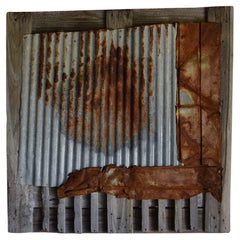
Japanese Wall Art / Japanese objet / wabi-sabi art / primitive wall art
Located in Sammu-shi, Chiba
This is a wall art made using some of the material from an old Japanese door.
This is a wooden door reinforced with galvanized iron sheets.
It's a convenient size that doesn't take...
Category
2010s Japanese Primitive Antiquities
Materials
Tin
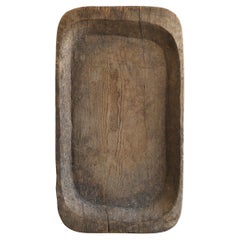
Japanese wooden wabi-sabi board/Early 20th century/Display stand/MINGEI
Located in Sammu-shi, Chiba
This is an old wooden work board called a “Kate-Kiri-Ban,” which was used in the Aizu region of Fukushima Prefecture, Japan, around the early 20th century. The name breaks down as fo...
Category
Early 20th Century Japanese Taisho Antiquities
Materials
Chestnut
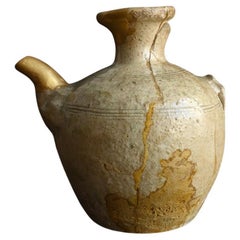
Very old Japanese teapot-shaped pottery "Koseto" / 1200s / Excavated pottery
Located in Sammu-shi, Chiba
This is Seto ware.
Seto is a kiln with a long history located in Aichi Prefecture, Japan (Seto kilns are marked with red circles on the map). It is said to have originated around the 13th century.
In Japan, items from this period of Seto ware are referred to as "Ko-Seto." "Ko" means "old."
This particular item is Ko-Seto, which was fired around the 13th century.
One of the distinguishing features of Ko-Seto, as compared to other kilns, is the presence of glaze. While other kilns produced mostly unglazed pottery, Ko-Seto was covered with ash glaze, giving it a yellowish-green or pale emerald-green color.
In the early Kamakura period (13th century), when Ko-Seto production began, there was increased demand from temples in Kamakura (the capital city of the time, in present-day Kanagawa Prefecture) and the Tokai region for roof tiles, Buddhist ritual objects, and burial urns...
Category
Antique 15th Century and Earlier Japanese Other Antiquities
Materials
Pottery
Still Thinking About These?
All Recently ViewedMore Ways To Browse
Japanese Dog Sculpture
Japanese Sculptures 1960s
Vintage Japanese Dog Figurines
Old Pottery Dog
Han Green Glaze
Neolithic Art
Vintage Haori Jacket
Yuan Porcelain
Thai Pottery
Vung Tau Cargo
Antique Primitive Tools
Chinese Hand Fan
Wei Dynasty
Antique Preserve Stand
Dragon Horse
11th Century Furniture
Angkor Art
Antique Chinese Hand Fans