Items Similar to Fine Art 45CM Japanese Dish Arita, Artist Fujii Shumei Leaf Landscape Born, 1936
Want more images or videos?
Request additional images or videos from the seller
1 of 10
Fine Art 45CM Japanese Dish Arita, Artist Fujii Shumei Leaf Landscape Born, 1936
$2,499.95
$3,124.9420% Off
£1,851.80
£2,314.7520% Off
€2,080
€2,60020% Off
CA$3,419.85
CA$4,274.8120% Off
A$3,727.46
A$4,659.3220% Off
CHF 1,970.68
CHF 2,463.3420% Off
MX$44,871.54
MX$56,089.4320% Off
NOK 25,012.78
NOK 31,265.9720% Off
SEK 22,931.61
SEK 28,664.5120% Off
DKK 15,848.45
DKK 19,810.5620% Off
About the Item
Lovely and rare piece.
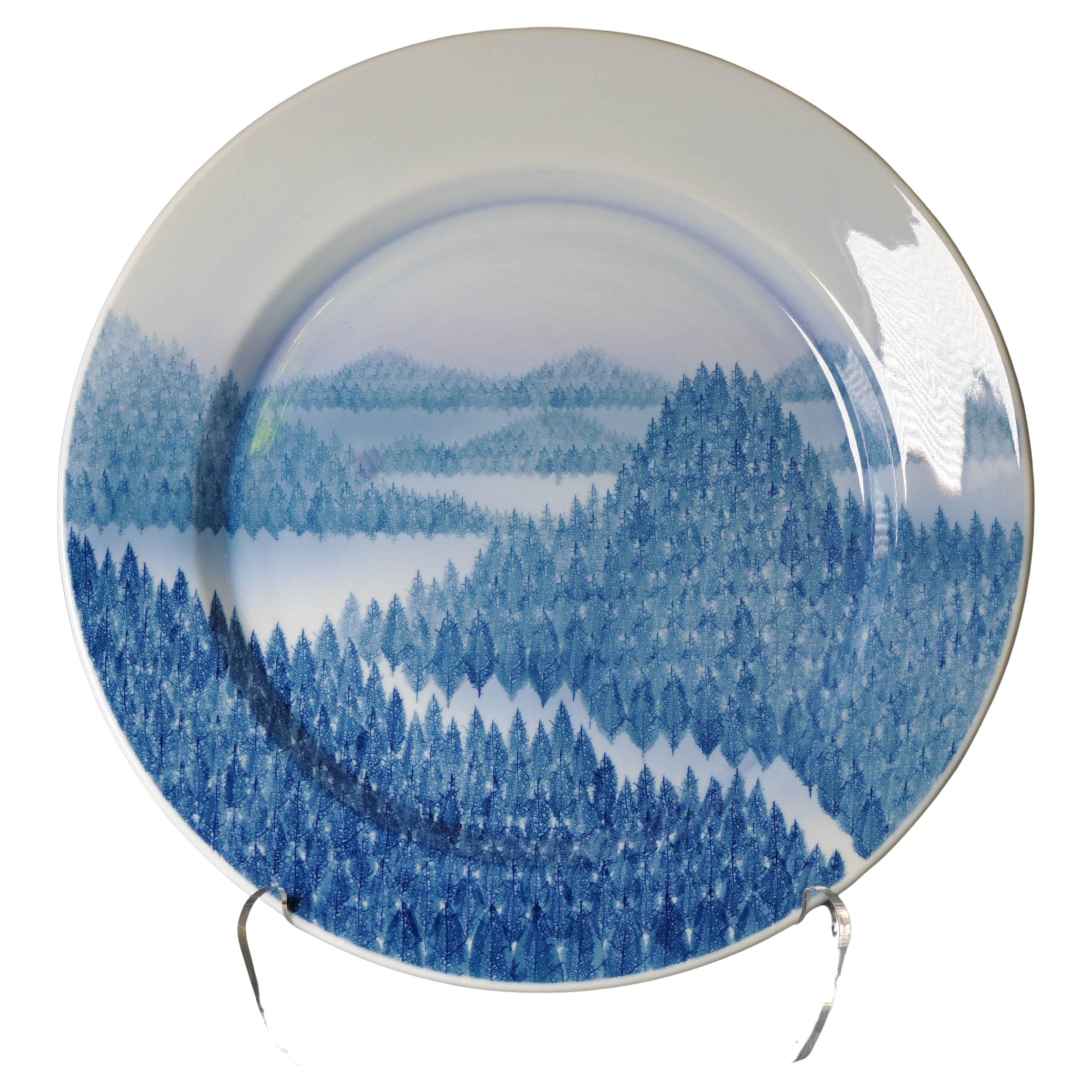
A superb blue and white porcelain Dish bowl, with a leaf pattern. Made by Fuji Shumei
Fujii Mr. Aki Fujii's specialty is the technique of drawing a mountain by simulating the veins of a leaf, called the “leaf technique”, as if it were a complex tree branch.
When young leaves such as magnolia are pressed against unglazed pottery like Japanese paper dyeing and bleeding Kuresu, the veins of the leaves emerge as dark lines, and the mountains are drawn by arranging them.
This technique is used to capture the characteristics of the season, and the Arita landscape itself, which I imagined in my mind, is depicted in the work.
Mr. Akiaki Fujii has won many prizes including the Japan Ceramic Art Exhibition and the Kyushu Yamaguchi Ceramics Exhibition Minister of Education Award.
Period
20th century
A pot with dyeing the towering mountains was painted in front of me. If you look closely with your face close, you can see that even the branches of the tree are growing densely. The distant mountains are pale and small. On the other hand, the nearby mountains are drawn thick and large, and I realize that each tree is in the shape of a leaf. Dr. Aki Fujii is synonymous with this "tree leaf technique," which draws a mountain with veins resembling complex tree branches.
When young leaves such as magnolia are pressed against unglazed pottery like Japanese paper dyeing to let gosu bleed, the veins emerge as dark lines, and mountains are formed by lining them up. Mr. Fujii explains, "The mountain is the best way to make the best use of the shape of the leaves. What I draw is the Arita landscape itself that I imagined in my mind." The origin of this style was the leaf of a single tree, which was found only during the walk.
Mr. Fujii, who is also familiar with the bones, said, "In the Meiji era, roasted plates made of wax were made, but these are so-called handmade products. Spare no effort It is said that it takes one to two days to draw a mountain on one vessel.
The Fujii family is a family lineage that has been involved in pottery for generations, such as being allowed to use the family name sword as a pottery kiln during the Edo period. Mr. Fujii's pottery career begins with a 15-year-old painting apprentice. In his twenties, while working for a local ceramics manufacturer, he challenged to exhibit at Nikko. He became independent as a painting craftsman the year after he won the first prize, and opened the kiln 10 years later.
During this time, he has been working on various techniques, including the "cotton thread technique," which involves spraying soil that has been melted with water onto unglazed wrapping yarn to remove the thread and create a three-dimensional effect. At the time of the boom in Komari, there were times when products that could sell were made more and more, which strengthened the idea that “business and art are different things”. I still have the anxiety that "good-looking products sell well, and really good works don't sell well. That's a pain."
After receiving the Prefecture Art and Cultural Achievement Award six years ago, Mr. Fujii has refrained from exhibiting activities such as exhibitions and solo exhibitions at pottery exhibitions for health reasons. On behalf of them, the eldest son, Tsuyoshi (31), is developing an active creative activity using blue-white porcelain. He looks to his successor, who pursues his way with a style different from his father's.
Mr. Fujii himself said, "I think I can make another expression with Konoha technique. I want to open a hole in Arita who is somehow stuck", and he is eager to go outside again.
Condition
Perfect. 450 x 72mm diameter x height
Period
20th century Showa Periode (1926-1989).
- Dimensions:Height: 2.84 in (7.2 cm)Diameter: 17.72 in (45 cm)
- Style:Qing (Of the Period)
- Materials and Techniques:
- Place of Origin:
- Period:
- Date of Manufacture:20th Century
- Condition:Wear consistent with age and use. Minor losses.
- Seller Location:Amsterdam, NL
- Reference Number:1stDibs: LU4863233167292
About the Seller
5.0
Gold Seller
Premium sellers maintaining a 4.3+ rating and 24-hour response times
Established in 2015
1stDibs seller since 2019
294 sales on 1stDibs
Typical response time: 6 hours
- ShippingRetrieving quote...Shipping from: Amsterdam, Netherlands
- Return Policy
More From This Seller
View AllFine Art Japanese Bowl Arita, Artist Fujii Shumei Leaf Landscape Born 1936
Located in Amsterdam, Noord Holland
Lovely and rare piece.
A superb blue and white porcelain Dish bowl, with a leaf pattern. Made by Fuji Shumei
Fujii Mr. Aki Fujii's specialty is the technique of drawing a mount...
Category
20th Century Japanese Qing Ceramics
Materials
Porcelain
$3,461 Sale Price
20% Off
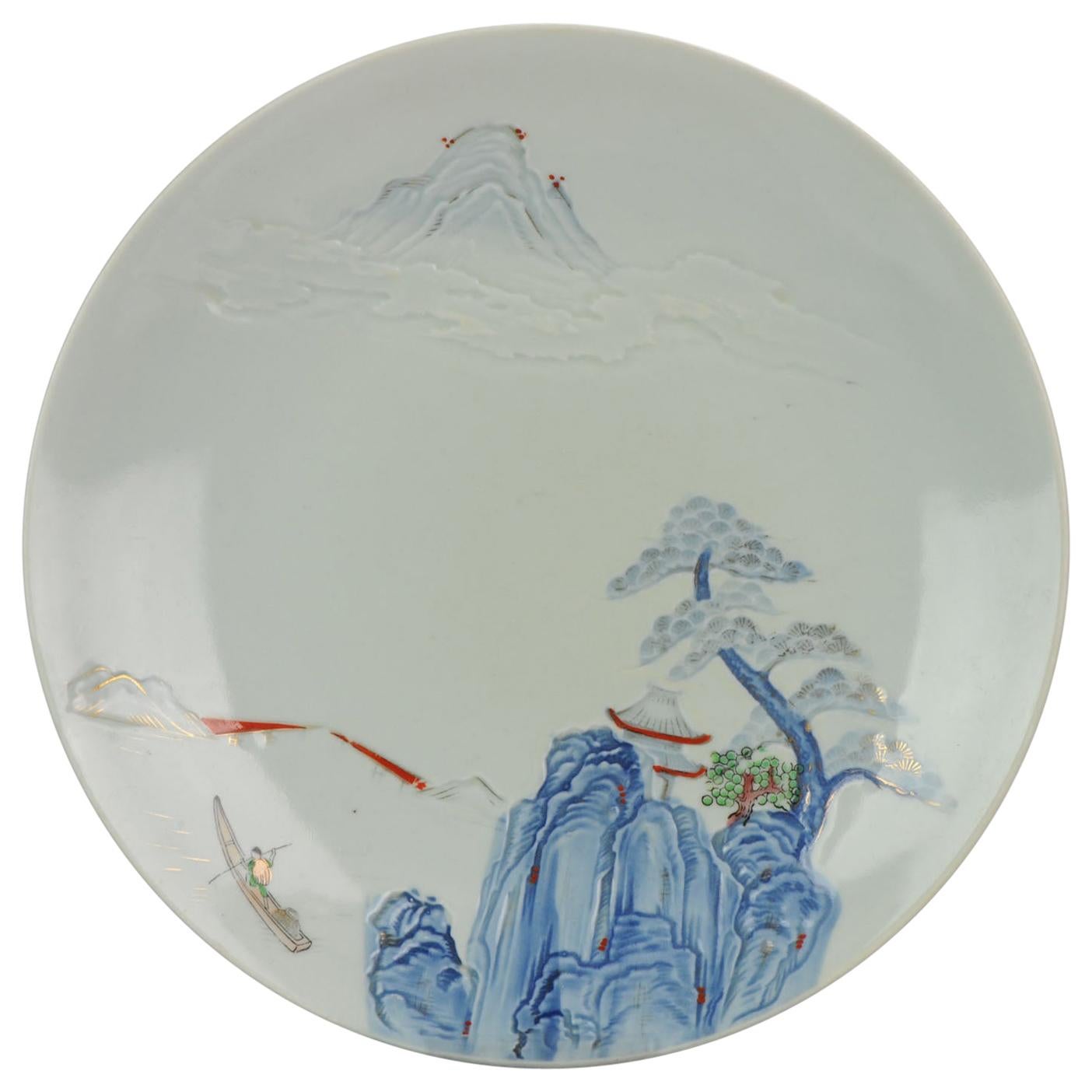
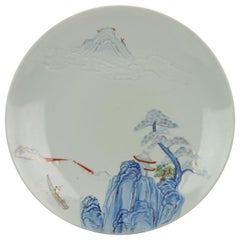
Antique 20th Japanese Porcelain Plate Scene of a Landscape Relief
Located in Amsterdam, Noord Holland
Lovely and rare piece.
Condition
Overall condition perfect. Measures: 290 x 43mm
Period
Showa Periode (1926-1989).
Category
20th Century Japanese Showa Ceramics
Materials
Porcelain
$435 Sale Price
48% Off
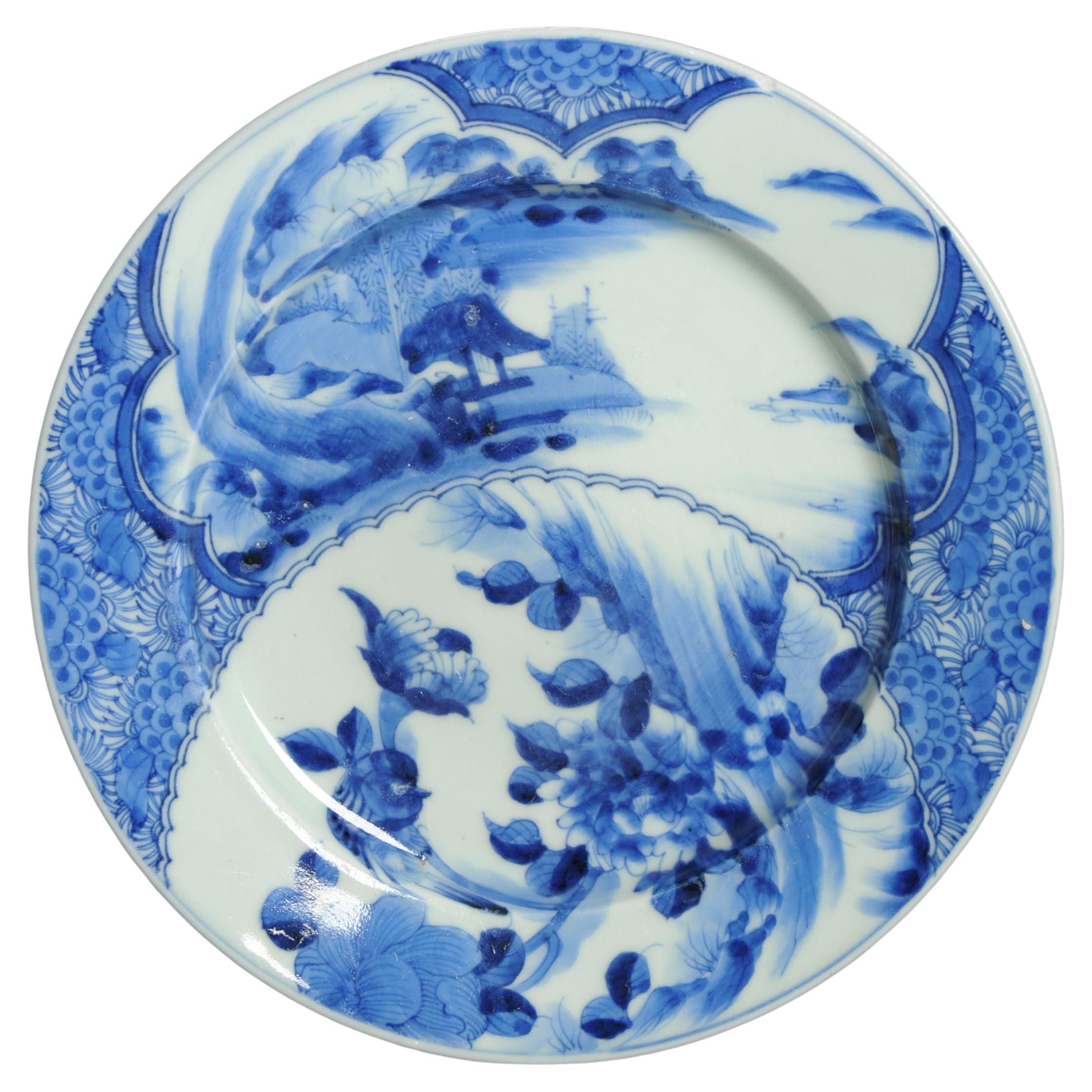
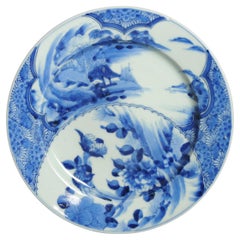
Antique Edo Period 1750-1800 Japanese Arita Plate with a Great landscape scene
Located in Amsterdam, Noord Holland
Description
Very happy with this new arrival.
Arita plate with a landscape scene. Circa 1750-1800
Marked at the base with a six character mark.
Condition
Small Chip. Size: 21.4cm
...
Category
Antique Late 18th Century Japanese Edo Ceramics
Materials
Porcelain
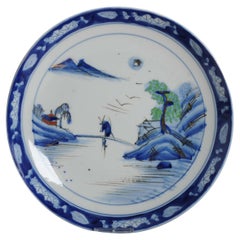
Antique 19th c Japanese Meiji Arita plate in Ming Chinese Style Landscape Wan
Located in Amsterdam, Noord Holland
Very nice Japanese dish with a scene relating to Late Ming Xieyi painting
Condition
Perfect. Size 23.5x4CM DiameterxHeight
Period
20th century
Category
Antique 17th Century Japanese Meiji Ceramics
Materials
Porcelain
$267 Sale Price
69% Off
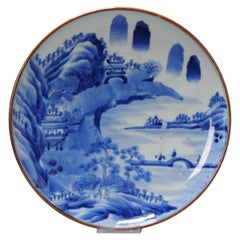
Antique Japanese Edo/Meiji Large Dish Figures Landscape Pagode, 19th Century
Located in Amsterdam, Noord Holland
This magnificent Japanese large dish dates to the 19th century, Late Edo or Early Meiji period.
Whether you're a collector of Japanese art or simply appreciate the beauty of fine cr...
Category
Antique 19th Century Japanese Decorative Dishes and Vide-Poche
Materials
Porcelain
$959 Sale Price
20% Off
Huge Meiji Antique Japanese Porcelain Charger Landscape Scene Marked on
Located in Amsterdam, Noord Holland
Large and amazing charger with a scene landscape scene. Marked at base.
Condition:
Overall condition perfect. Size: Approximate 410 x 73mm
Period:
20th century
19th century.
Category
Antique 19th Century Japanese Meiji Ceramics
Materials
Earthenware
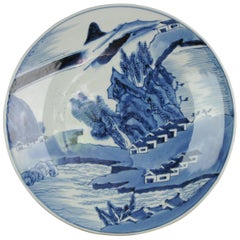
$913 Sale Price
20% Off
You May Also Like
Fine Japanese Ceramic Plate by Kinkozan for Yamanaka
Co.
By Kinkozan
Located in Atlanta, GA
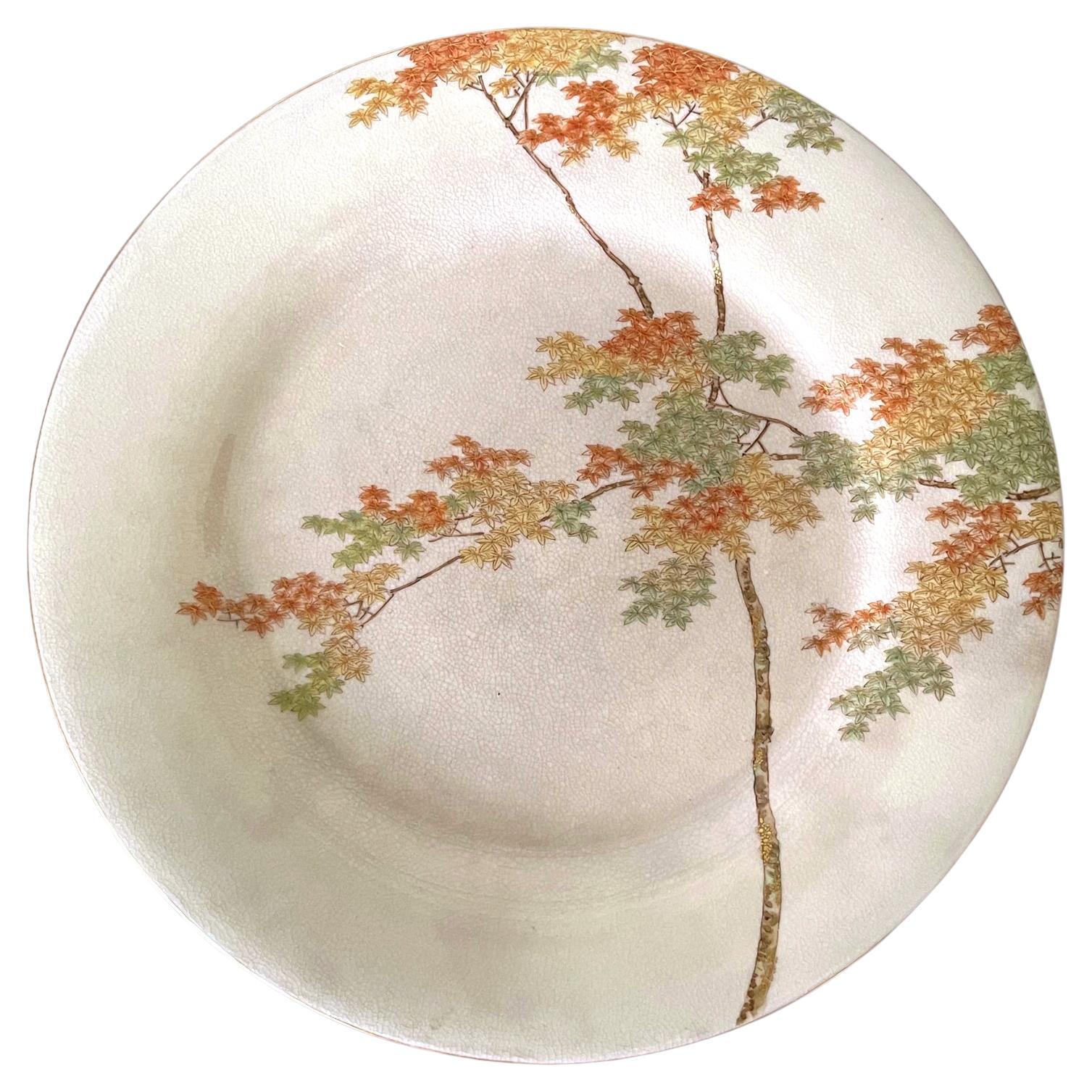
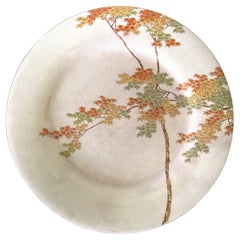
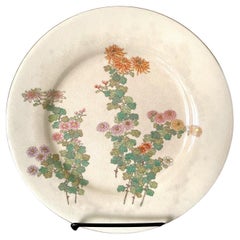
A fine Japanese ceramic satsuma plate made by Kinkozan and retailed by Yamanaka & Co. circa 1900-20s (late Meiji to early Tasho Period). The cream-color glazed plate features a very fine decoration of a maple tree in the midst of foliage color-changing in autumn. The poetic composition is stylized but also realistic, with a literati painter's quality, and was advantageously enhanced by the enamel colorings in incredible details. The maple tree is one of the favored motifs by the fine satsuma potters such as Yabu Meizan as it demonstrates the painter's skill. It is signed on the base in gilt kanji seal (Made by Kinkozan) and branded Yamanaka & Co in English. The plate was likely commissioned by the company from Kinkozan for its various galleries in US and Europe.
The Kinkozan family established their pottery business first in 1645 and by the end of 19th century, it had become the largest studio producer of Satsuma ware. By the 1850s, Kinkozan Sobei...
Category
Early 20th Century Japanese Meiji Ceramics
Materials
Ceramic
Fine Japanese Ceramic Plate by Kinkozan for Yamanaka
Co.
By Kinkozan
Located in Atlanta, GA
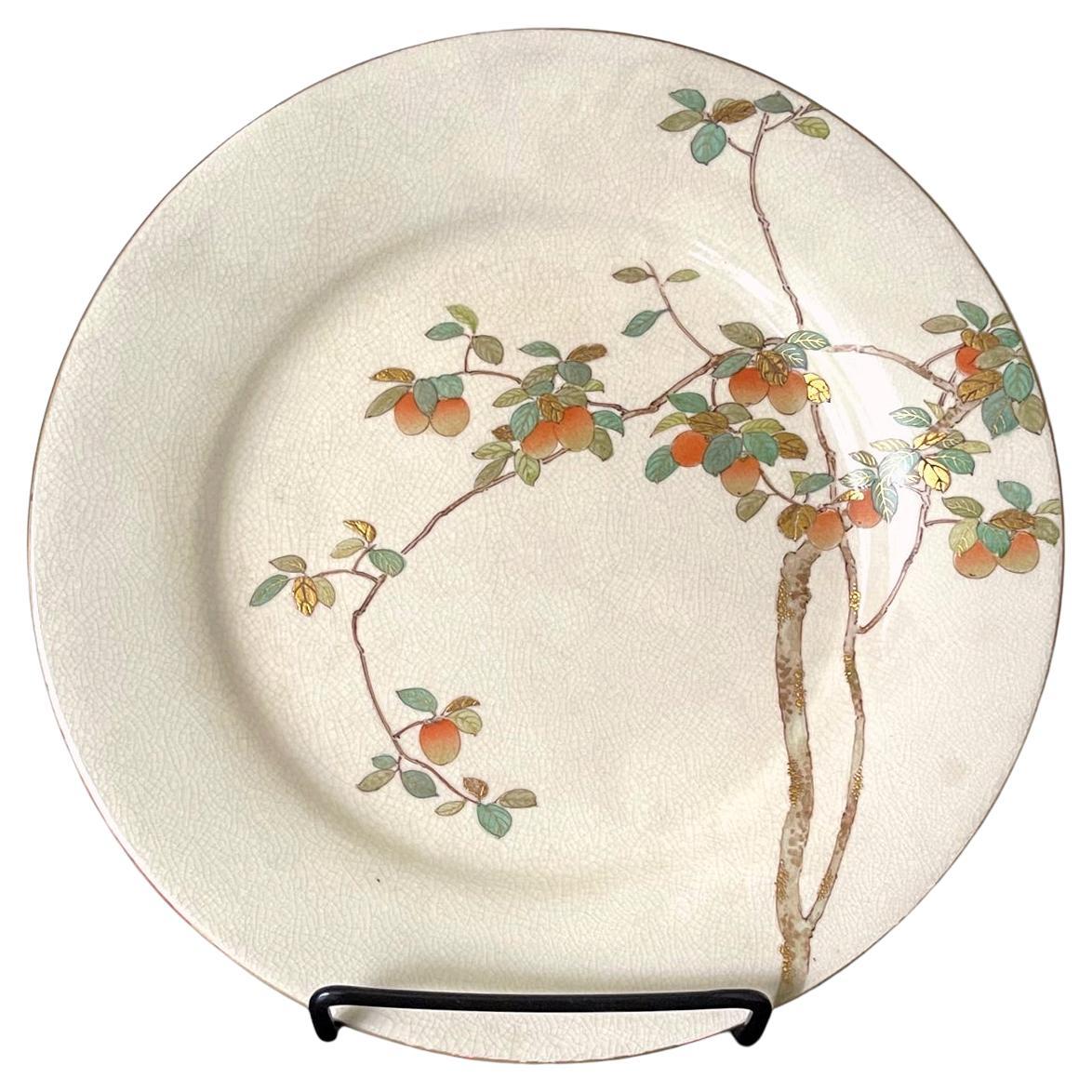
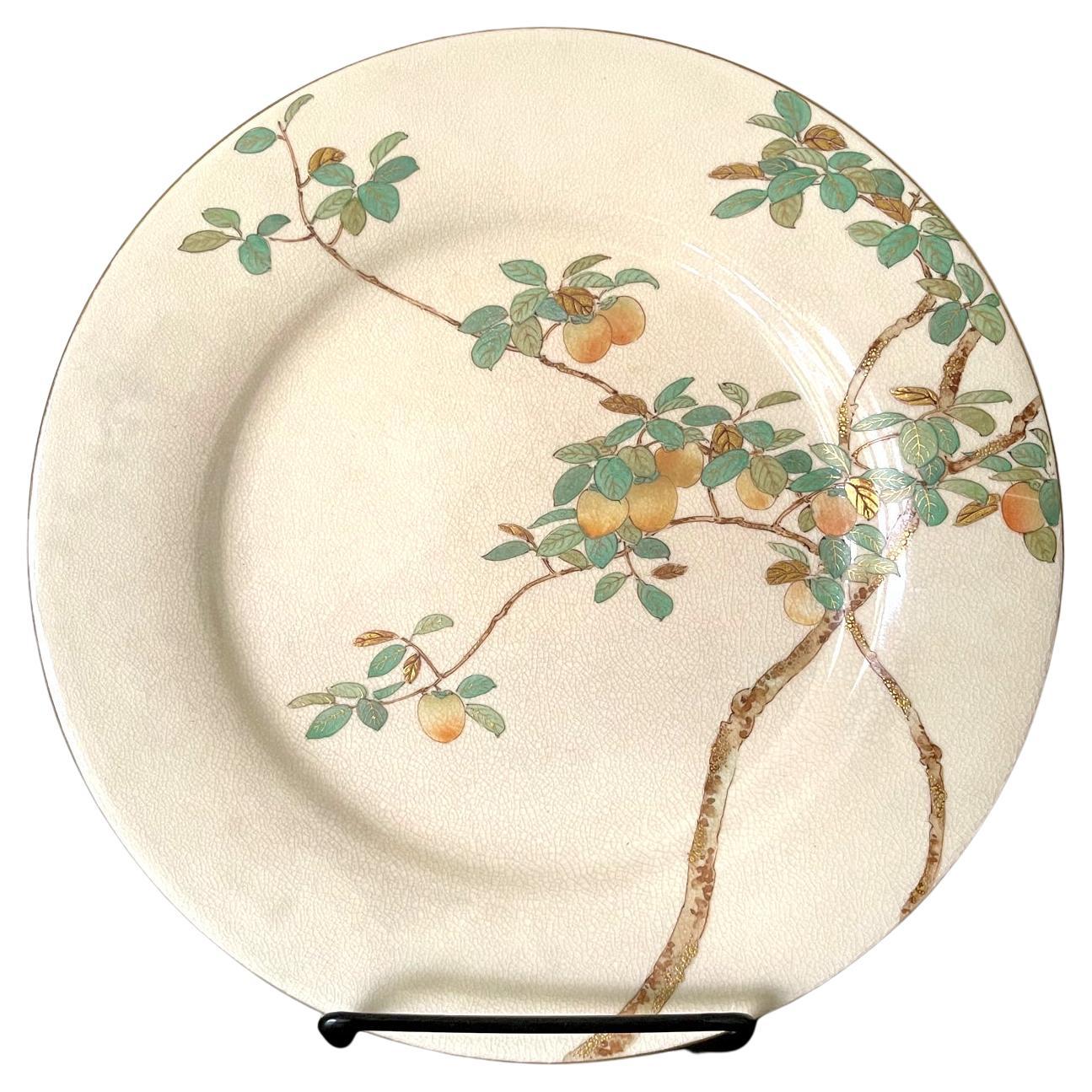
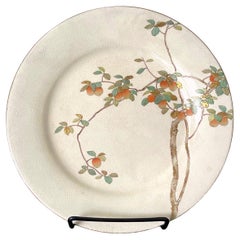
A fine Japanese ceramic satsuma plate made by Kinkozan and retailed by Yamanaka & Co. circa 1900-20s (late Meiji to early Tasho Period). The cream-color glazed plate features a very fine decoration of a persimmon tree bearing fruits. The composition is poetic, stylized but also realistic, with a literati painter's quality, and was advantageously enhanced by the enamel colorings in incredible details. The mastership of the medium came through the piece. It is signed on the base in gilt kanji seal (Made by Kinkozan) and branded Yamanaka & Co in English. The plate was likely commissioned by the company from Kinkozan for its various galleries in US and Europe.
The Kinkozan family established their pottery business first in 1645 and by the end of 19th century, it had become the largest studio producer of Satsuma ware. By the 1850s, Kinkozan Sobei...
Category
Early 20th Century Japanese Meiji Ceramics
Materials
Ceramic
Fine Japanese Ceramic Plate by Kinkozan for Yamanaka
Co.
By Kinkozan
Located in Atlanta, GA
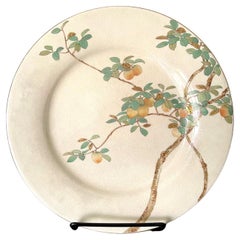
A fine Japanese ceramic satsuma plate made by Kinkozan and retailed by Yamanaka & Co. circa 1900-20s (late Meiji to early Tasho Period). The cream-color glazed plate features a very fine decoration of a persimmon tree bearing fruits. The composition is poetic, stylized but also realistic, with a literati painter's quality, and was advantageously enhanced by the enamel colorings in incredible details. The mastership of the medium came through the piece. It is signed on the base in gilt kanji seal (Made by Kinkozan) and branded Yamanaka & Co in English. The plate was likely commissioned by the company from Kinkozan for its various galleries in US and Europe.
The Kinkozan family established their pottery business first in 1645 and by the end of 19th century, it had become the largest studio producer of Satsuma ware. By the 1850s, Kinkozan Sobei...
Category
Early 20th Century Japanese Meiji Ceramics
Materials
Ceramic
Fine Japanese Ceramic Plate by Kinkozan for Yamanaka
Co.
By Kinkozan
Located in Atlanta, GA
A fine Japanese ceramic satsuma plate made by Kinkozan and retailed by Yamanaka & Co. circa 1900-20s (late Meiji to early Tasho Period). The cream-color...
Category
Early 20th Century Japanese Meiji Ceramics
Materials
Ceramic
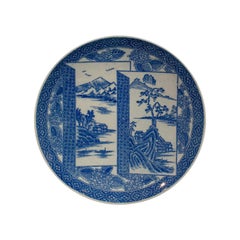
Vintage Decorative Plate, Arita Taste, Japanese, Painted, Dish, 20th Century
Located in Hele, Devon, GB
This is a vintage decorative plate in Arita taste. A Japanese, blue and white painted dish from the mid-20th century, circa 1950.
Decorati...
Category
20th Century Japanese Anglo-Japanese Ceramics
Materials
Ceramic
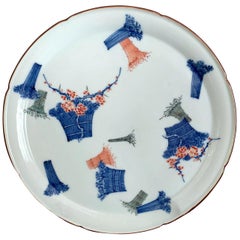
Japanese Antique Kakiemon Plate from Arita
Located in Atlanta, GA
A milky white dish with slight scalloped rim and decorated with cobalt blue iron red and green enamel over glaze, this delicate piece in Kakiemon Style was dated at least to the earl...
Category
Antique Early 18th Century Japanese Japonisme Ceramics
Materials
Porcelain
More Ways To Browse
Leaf Ceramics
Rare Blue And White Plates
White Handmade Ceramics And Pottery
Japanese Blue And White Dish
Vintage Leaf Dish
Arita Blue
Japanese Landscape Artist
Shumei Fujii
Kangxi Blue And White Plates
Famille Rose Plate
Famille Rose Plates
Chinese Brown Glazed Porcelain
Japanese Earthenware Vase
Edo Imari Porcelain
Chinese Blanc De Chine
Dynasty Bowl
18th Century Chinese Bowl
Seal Box