Want more images or videos?
Request additional images or videos from the seller
1 of 19
Japanese Ceramic 1600s Early Karatsu Ware Kintsugi Bowl / Ring Pattern Chawan
$1,500List Price
About the Item
- Dimensions:Height: 3.15 in (8 cm)Diameter: 4.26 in (10.8 cm)
- Style:Edo (Of the Period)
- Materials and Techniques:
- Place of Origin:
- Period:
- Date of Manufacture:Early 1600s
- Condition:
- Seller Location:Sammu-shi, JP
- Reference Number:1stDibs: LU5487222317862
About the Seller
5.0
Platinum Seller
Premium sellers with a 4.7+ rating and 24-hour response times
Established in 2015
1stDibs seller since 2020
1,703 sales on 1stDibs
Typical response time: 6 hours
Authenticity Guarantee
In the unlikely event there’s an issue with an item’s authenticity, contact us within 1 year for a full refund. DetailsMoney-Back Guarantee
If your item is not as described, is damaged in transit, or does not arrive, contact us within 7 days for a full refund. Details24-Hour Cancellation
You have a 24-hour grace period in which to reconsider your purchase, with no questions asked.Vetted Professional Sellers
Our world-class sellers must adhere to strict standards for service and quality, maintaining the integrity of our listings.Price-Match Guarantee
If you find that a seller listed the same item for a lower price elsewhere, we’ll match it.Trusted Global Delivery
Our best-in-class carrier network provides specialized shipping options worldwide, including custom delivery.You May Also Like
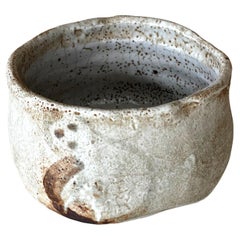
Antique Japanese Shino Ware Chawan Tea Bowl
Located in Atlanta, GA
On offer is a Japanese ceramic tea bowl (chawan) used in the traditional chado ceremony. The bowl was potted in clog form with a ring foot shaved extremely low. Its size and harmonious proportion make it perfect to be held in both hands during chado. Classified as shino ware...
Category
Antique 18th Century Japanese Edo Ceramics
Materials
Ceramic
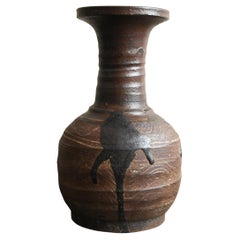
Japanese Ceramic Sake Bottle Chosen Karatsu Ware
Located in Atlanta, GA
The long neck bottle of classic form was heavily potted with coarse clay with high iron content. The flask, circa 18th century Edo period, was purposed for sake storage but also substituted as a flower vase during tea ceremony. The surface is covered in glossy black glaze and contrasts strikingly with white ash glaze around the shoulder. The white, fired with straw, displays a splashing feather effect and fine crackles, blending in with the black artistically. This type of Karatsu ware...
Category
Antique 18th Century Japanese Japonisme Ceramics
Materials
Ceramic

Japanese Shino Ware Chawan Tea Bowl by Toyoda Katsuhiko
Located in Atlanta, GA
A modern Japanese ceramic tea bowl (chawan) made by potter Toyoda Katsuhiko (1945-). The bowl was potted in clog form with a short ring foot in the tradition of Shino ware...
Category
20th Century Japanese Edo Ceramics
Materials
Ceramic
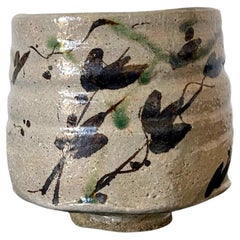
Japanese Mino Ware Oribe Type Chawan Tea Bowl
Located in Atlanta, GA
A Japanese Kutsu-gata (clog-shaped) chawan (tea bowl) circa 19th century possibly older. The stoneware bowl potted from buff clay has a slight irregular shape and an unusual depth for a tea bowl. Of Mino ware...
Category
Antique 19th Century Japanese Meiji Ceramics
Materials
Ceramic
Rare Japanese Ceramic Glazed Bowl Makuzu Kozan Meiji Period
By Makuzu Kozan
Located in Atlanta, GA
On offer is a rare ceramic bowl with overglazed design by the famed Japanese ceramic artist Makuzu Kozan (1842-1916), circa 1906-1916. The bowl is rather unusual from the potter's repertoire with its unique glaze colors and decoration, and it likely belonged to a small series that Kozan made in and after 1906. A bowl of similar glaze and nearly identical dragon motif was recorded as a diplomatic present to the British royalty Arthur Connaught (1883-1932) when he represented King Gorge V in Japan in 1906. Other pieces, such as this bowl, were likely made with similar materials and designs afterwards.
Essentially round in form, the bowl has a generous volume with six harmonious lobes. The bottom of the interior showcases a coiled dragon in red, green and gold slithering on a cobalt blue background. The roundel shares an echoing lobed perimeter, which is further outlined by red and turquois bands and rising sun design. The exterior of the bowl features six stylized Japanese camellias...
Category
Antique Early 1900s Japanese Japonisme Ceramics
Materials
Ceramic

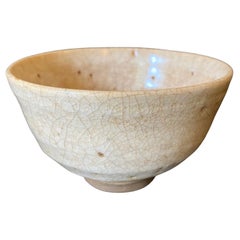
Shinbei Sakakura X (10th) Japanese Hagi Yaki Ware Pottery Chawan Tea Bowl
Box
Located in Studio City, CA
A wonderfully hand crafted and beautifully glazed Hagi Yaki Ware Chawan tea bowl by the 10th Shinbei Sakakura (X). This piece has quite a special feel to it. The Chawan radiates i...
Category
Antique Mid-19th Century Japanese Edo Ceramics
Materials
Pottery, Stoneware
$995
H 4 in W 6 in D 6 in
Japanese Glazed Ceramic Gohon Chawan Tea Bowl
Located in Atlanta, GA
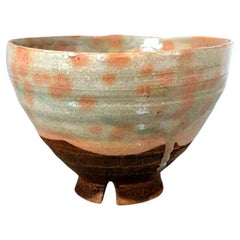
A bespoken Japanese ceramic glazed tea bowl with fabric insert, pouch and original padded wood tomobako box. The chawan has a slightly irregular wall supported by a high notched foot...
Category
Antique 19th Century Japanese Meiji Ceramics
Materials
Ceramic
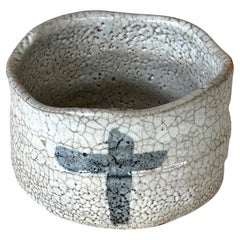
Japanese Shino Chawan Tea Bowl Edo Period
Located in Atlanta, GA
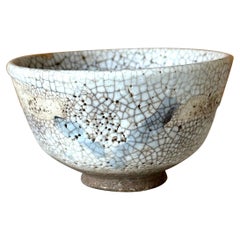
A Japanese ceramic Chawan (tea bowl) of e-Shino (painted Shino) ware style circa mid-late 18th century Edo period. The classically shaped bowl features an abstract blue paint of blue grass and displays strong characters in the milky white glaze, with overall crawling and crackling effect. One of the most distinctive characteristics of Shino that is exemplified on this bowl is the small pinholes called suana, which tea masters favor (termed as yuzuhada, or citron skin). The milky-white feldspar...
Category
Antique Late 18th Century Edo Ceramics
Materials
Ceramic
Exquisite Hand Painted Japanese Satsuma Lidded Bowl
Located in San Francisco, CA
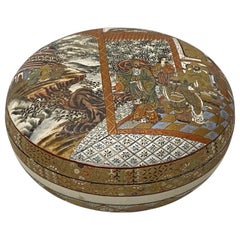
Exquisite Hand Painted Japanese Satsuma Lidded Bowl
A stunning lidded Japanese Satsuma bowl, likely Meiji period, completely hand painted inside and out. This could be used on your ...
Category
Mid-20th Century Japanese Anglo-Japanese Ceramics
Materials
Porcelain
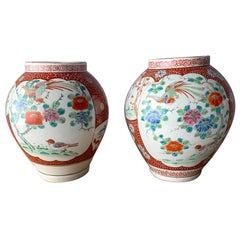
Near Pair of Antique Japanese Arita Export Ceramic Jars
Located in Atlanta, GA
A near pair Hizen pottery jars from Artia Japan, circa mid-19th century of the Meiji Era. Heavy stoneware construction with overglaze enamels that was inspired by Chinese WuCai from ...
Category
Antique Mid-19th Century Japanese Japonisme Ceramics
Materials
Ceramic
More From This Seller
View AllJapanese antique pottery bowl/[Banko ware] Mie prefecture/1850-1912
Located in Sammu-shi, Chiba
Banko-yaki is a type of pottery that began in the northern part of Mie Prefecture in the middle of the Edo period. (The places marked with red circles on the map are the kilns of Banko ware...
Category
Antique Late 19th Century Japanese Edo Pottery
Materials
Pottery
![Japanese antique pottery bowl/[Banko ware] Mie prefecture/1850-1912](https://a.1stdibscdn.com/japanese-antique-pottery-bowl-banko-ware-mie-prefecture-1850-1912-for-sale/1121189/f_319674221672470538196/31967422_datamatics.jpg?width=240)
Japanese Antique Earthenware Tea Bowl/Edo Period/1700-1800/
Hagi Ware
Located in Sammu-shi, Chiba
This is Hagi ware made in the middle of the Edo period.
Hagi ware is a type of pottery that began in Hagi City, Yamaguchi Prefecture in the early Edo period...
Category
Antique 18th Century Japanese Edo Pottery
Materials
Pottery
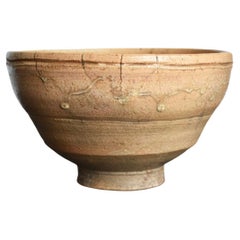
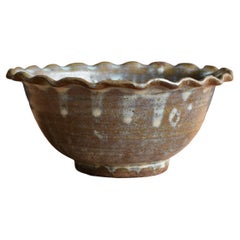
Antique pottery bowl from Kumamoto, Japan / Shodai ware / Edo / 18-19 thcentury
Located in Sammu-shi, Chiba
We have a unique Japanese aesthetic sense.
And only we can introduce unique items through our purchasing channels in Japan and the experience we have gained so far, in such a way that no one else can imitate.
It is speculated that this pottery was fired in the Shodai kiln in Kumamoto Prefecture during the Edo period, around the 18th century to the first half of the 19th century.
It is characterized by the use of iron-rich clay and the appearance of a white glaze that looks like falling snow.
As a feature, using clay with a lot of iron,
It is characterized by a white glaze that looks like snow.
This vessel is made with two types of glaze.
One is straw ash glaze and the other is rice husk ash glaze.
This rice husk ash glaze changes to a white glaze.
This pot is very beautiful with a petal-like rim.
However, there is one spot where the crack has been repaired.
The part marked with a red arrow has been broken once, but it seems to have been glued later.
Therefore, it will not leak even if you put water in it.
It's not very noticeable so I wouldn't worry about it.
This Shodai ware was made in Kumamoto Prefecture and was used there, so there are not many items in Japan.
It is a rare item.
Also, a wooden box is included, but it says "Karatsu ware...
Category
Antique Mid-18th Century Japanese Edo Serving Bowls
Materials
Pottery
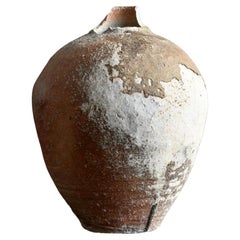
Japanese Antique Pottery Jar/1500s/"Shigaraki Ware"/Wabisabi Vase
Located in Sammu-shi, Chiba
This is a Japanese pottery called "Shigaraki ware".
Shigaraki is a historical kiln located in Shiga Prefecture, Japan. (Shigaraki Kiln is marked with a ...
Category
Antique 15th Century and Earlier Japanese Other Vases
Materials
Pottery
1610-1640/Japanese White Porcelain Blue and White Vase/"Imari Ware"/Sake Bottle
Located in Sammu-shi, Chiba
I bought a very nice vase with white porcelain and blue dye.
This is a sake bottle called Imari ware in Japan.
Imari ware is a kiln with a long history that began in the 17th cen...
Category
Antique Early 17th Century Japanese Edo Bottles
Materials
Porcelain
Japanese antique pottery small vase / Karatsu ware / Edo period / Kyushu region
Located in Sammu-shi, Chiba
This is Takeo Karatsu pottery, believed to have been fired during the Edo period (circa 17th to 19th centuries).
Karatsu ware is traditional Japanese ceramics made in the Karatsu reg...
Category
Antique 19th Century Japanese Edo Vases
Materials
Pottery