Items Similar to Japanese Ceramic Bowl Makuzu Kozan with Original Inscribed Box

Want more images or videos?
Request additional images or videos from the seller
1 of 16
Japanese Ceramic Bowl Makuzu Kozan with Original Inscribed Box
$6,000per item
£4,535.31per item
€5,202.18per item
CA$8,364.25per item
A$9,105.16per item
CHF 4,833.03per item
MX$109,554.73per item
NOK 61,241per item
SEK 56,114.07per item
DKK 38,849.59per item
Quantity
About the Item
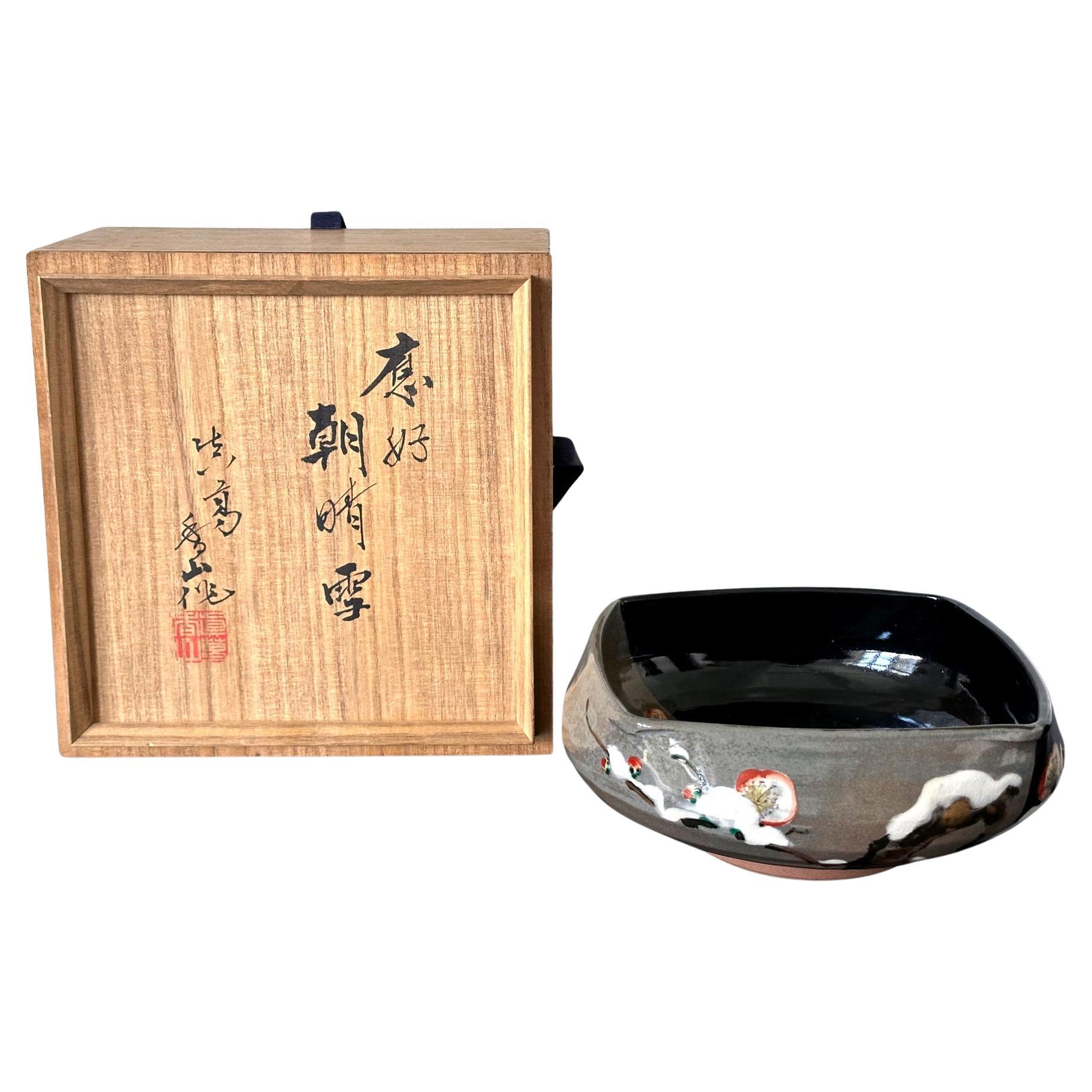
A glazed ceramic shallow bowl with surface paint decoration by Japanese imperial potter Makuzu Kozan ((1842–1916) with its original inscribed tomobako storage wood box. Unlike the better-known works Kozan made for the expositions in the west and export to the foreign market, this piece exemplifies his work for the domestic market and specifically, the tea ceremony. The bowl was made in the so called "Utusushi" to Ogata Kenzan (1663-1743), a celebrated Edo painter and ceramicist. Utusushi is loosely translated as "in the spirit of" or "Inspired by". It is not at all a simple imitation of a master, but a Japanese concept of embracing the spiritual essence of a master while the creator is free to mix in his or her own unique artistic interpretation and flavor.
The bowl was made to hold sweet cakes during the tea ceremony. It has a slab dish form with upturning edges and an overall irregular shape that radiate a sense of Mingei and wabi-sabi. The bottom of the dish features a branch of white camellia blossom, a beloved flower in Japan that blooms in winter. The laconic composition and misleadingly simple and sure strokes and colorings were homage to the master Ogata Kenzan. A similar flowering branch was placed on the underside of the dish, appreciated only possibly by the hands who handle the piece. There is simmering gold highlight in the shade of the veins in the leaf and also along the rims. On the bottom well of the dish, one can see several small round circles. These are called Kase in Japanese (deer back). The pattern resulted when stain seeped through the glaze for a long period from use: a naturally developed patina collectors of tea ceremony ware are particularly fond of. In the center of the foot ring, the mark Kozan in Kanji was written in dark glaze. There also retain a paper label indicating that the dish was in a US collection.
The original tomobako bears ink inscription on the lid "Sweet Cake Dish, Made by Kakuzu Utusushi Ogata Kenzan". A large red square seal read "Makuzu Kozan Made". The underside of the lid bears Miyagawa Kozan (his other name) and a smaller red "Mazuku Kozan" seal. The box also retains the yellow wrapping cloth that is likely original.
Reference: compare to a similar sweet cake dish illustrated on figure 14 of the book Bridging East and West: Japanese Ceramics from Kozan Studio: Selection from the Perry Foundation. Ashmolean Museum".
- Creator:Makuzu Kozan (Artist)
- Dimensions:Height: 2 in (5.08 cm)Width: 8.2 in (20.83 cm)Depth: 5.3 in (13.47 cm)
- Style:Meiji (Of the Period)
- Materials and Techniques:
- Place of Origin:
- Period:1900-1909
- Date of Manufacture:1890-1910
- Condition:Wear consistent with age and use. Fine antique condition. A minor darker mark on the well of the dish and a few kiln glaze pops and the ensuing Kase spots. The tomobako box shows extensive wear and a crackline.
- Seller Location:Atlanta, GA
- Reference Number:1stDibs: LU945047939192
About the Seller
4.9
Platinum Seller
Premium sellers with a 4.7+ rating and 24-hour response times
Established in 2006
1stDibs seller since 2010
583 sales on 1stDibs
Typical response time: <1 hour
- ShippingRetrieving quote...Shipping from: Atlanta, GA
- Return Policy
More From This Seller
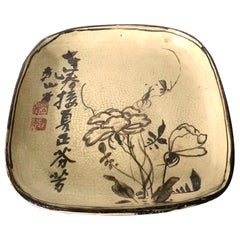
View AllJapanese Ceramic Dish Meiji Ogata Kenzan
Located in Atlanta, GA
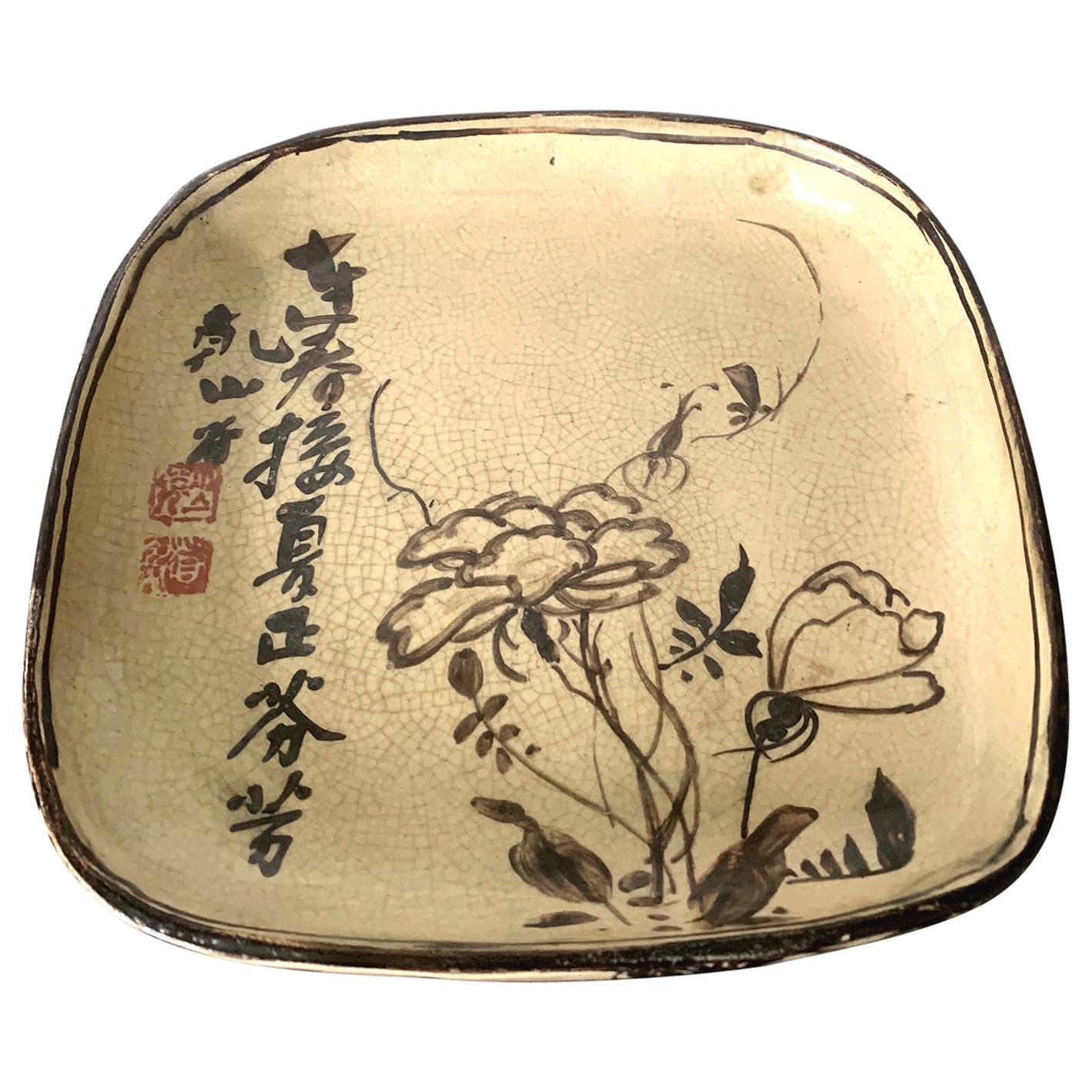
A Japanese ceramic shallow dish in square form with rounded corners from Meiji period in the style of Ogata Kenzan. The dish features a cream color crackl...
Category
Antique 19th Century Japanese Meiji Ceramics
Materials
Ceramic
Rare Published Japanese Ceramic Bowl Makuzu Kozan with Original Inscribed Box
By Makuzu Kozan
Located in Atlanta, GA
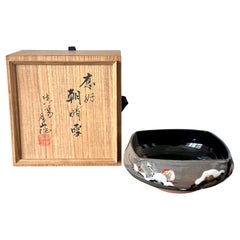
A rare published glazed ceramic bowl with surface paint decoration by Japanese imperial potter Makuzu Kozan ((1842–1916) with its original inscribed tomobako storage wood box. Unlike the better-known works Kozan made for the expositions in the west and export to the foreign market, this piece exemplifies his work for the domestic market and specifically, the tea ceremony. The bowl was made in the so called "Utusushi" Ogata Kenzan (1663-1743), a celebrated Edo painter and ceramicist. Utusushi is loosely translated as "in the spirit of". It is not at all a simple imitation of a master, but a Japanese concept of embracing the spiritual essence of a master while the creator is free to mix in his or her own unique artistic interpretation and flavor.
The bowl was made to hold sweet cakes during the tea ceremony. It has a very distinguished form with a circular swelled lower body morphing into a square upper portion that further opening with flared rim. The surface has a distinct glaze pattern partitioned diagonally in black and brown. On top, snow-covered branches of prunus flowers were painted overglaze in a poetic near-abstract fashion. Blooming in winter, prunus flower is the symbol of the season and cherished for its resistance to cold. The bowl was likely reserved for the tea ceremony during the winter months.
A white porcelain plaque with Kozan in black inlay was placed on the black glaze toward the bottom. Under the base, the bowl was further branded with two incised characters "Makuzu" as shown. The original tomobako bears ink inscription and paper slip label "Sweet Bowl...
Category
Antique Early 1900s Japanese Meiji Ceramics
Materials
Ceramic
Japanese Ceramic Bowl Makuzu Kozan Utusushi Kenzan
By Makuzu Kozan
Located in Atlanta, GA
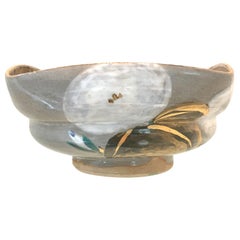
A rare ceramic bowl with overglaze paint decoration by Japanese imperial potter Makuzu Kozan ((1842–1916). Unlike the better-known works Kozan made for the expositions in the west and export to the foreign market, this piece exemplifies his work for the domestic market and the tea ceremony. The bowl was made in the so called "Utusushi" Ogata Kenzan (1663-1743), a celebrated Edo painter and ceramicist. Utusushi is loosely translated as "in the spirit of". It is not at all a simple imitation of a master, but a Japanese concept of embracing the spiritual essence of a master while the creator is free to mix in his or her own unique artistic interpretation and flavor.
The bowl was made to hold fruits during the tea ceremony. It has a very distinguished form with a circular lower body morphing into a square upper portion that further opening with flared rim. The surface has a grey glaze onto which Asagao flowers (Japanese morning glory) on the vines were painted in a free and poetic style. White was used for the petals, green for the leaves with touches of gold highlight. Asagao, the symbol of the summer was rendered in the spirit of Ogata Kenzan, and interestingly the shape of the blossom echoes the unique form the bowl. It was likely reserved for the tea ceremony during the summer months.
Under the base, Kozan was signed in black on a white porcelain plaque inlay.
For two similar examples of Kozan's work Utusushi Kenzan, see Page 168-169 of the book: Sekai ni Aisa Reta ya Kimono Miyagawa Kozan Makuzu...
Category
Antique Early 1900s Japanese Japonisme Ceramics
Materials
Ceramic
Japanese Glazed Ceramic Bowl by Makuzu Kozan
By Makuzu Kozan
Located in Atlanta, GA
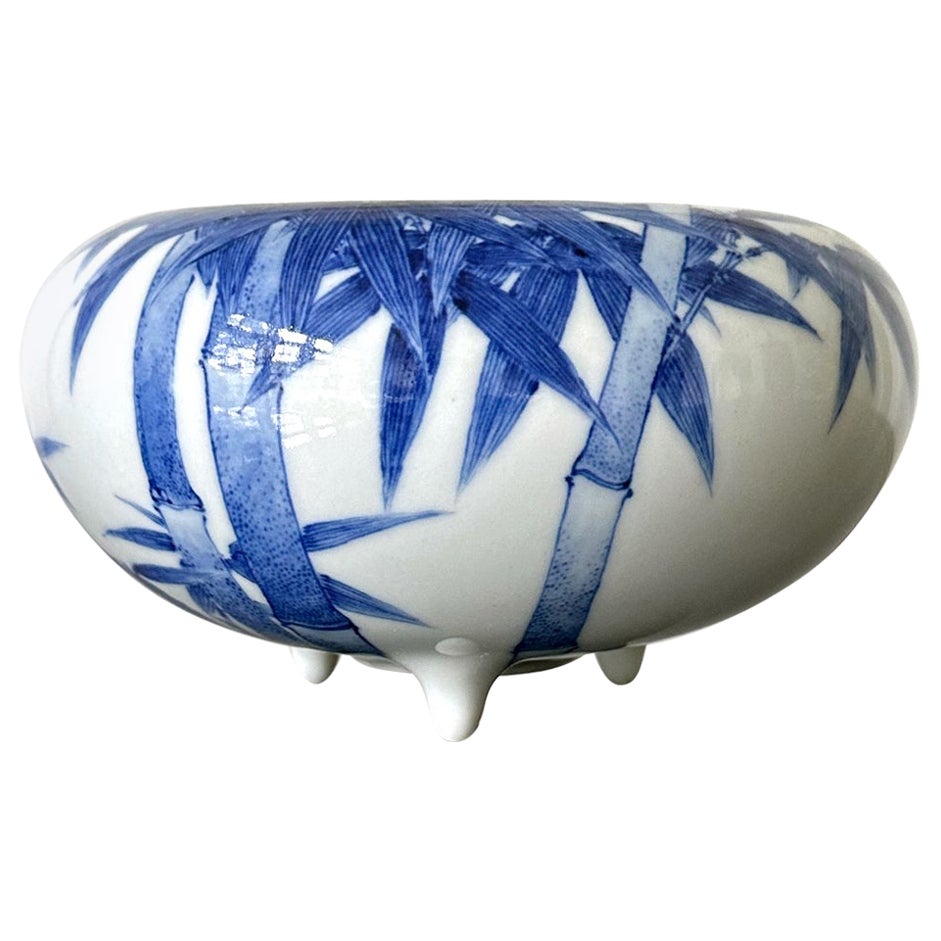
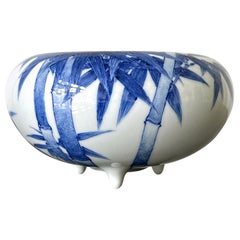
Tri-pod ceramic bowl likely used as an incense burner (koro) by Japanese Imperial potter Makuzu Kozan (1842-1916) circa late Meiji period. The signature indicates that it was produce...
Category
Antique 1880s Japanese Meiji Ceramics
Materials
Ceramic
Rare Japanese Porcelain Painted Footed Dish Makuzu Kozan
By Makuzu Kozan
Located in Atlanta, GA
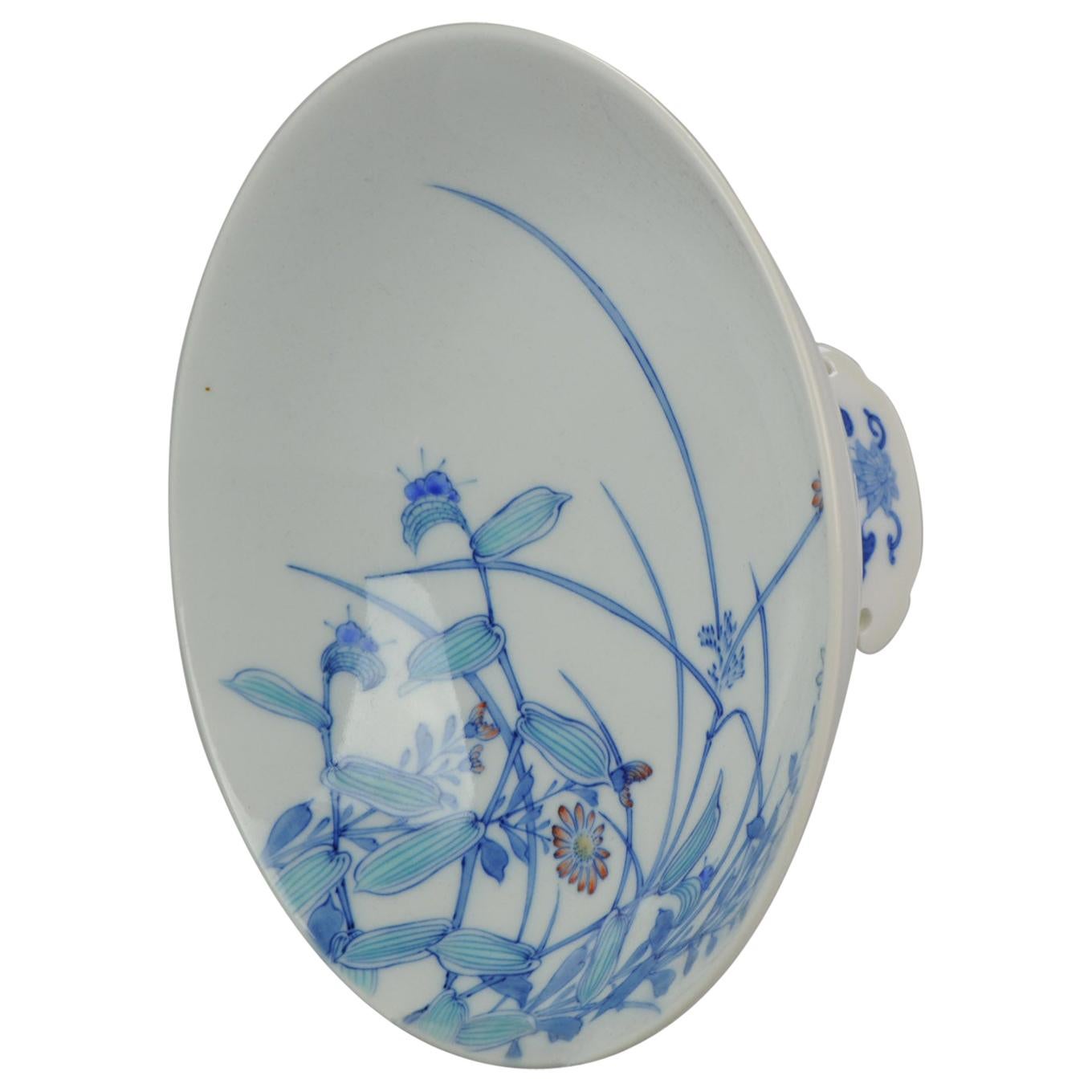
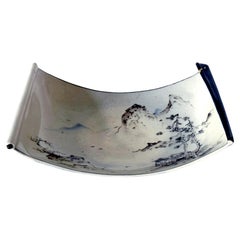
A rare footed dish in the form of an open scroll painting with literati landscape from the studio of Japanese Potter Makuzu Kozan. Also known as Miyagawa Kozan (1842–1916), Makuzu wa...
Category
Antique Early 1900s Japanese Meiji Ceramics
Materials
Porcelain
Rare Japanese Ceramic Glazed Bowl Makuzu Kozan Meiji Period
By Makuzu Kozan
Located in Atlanta, GA
On offer is a rare ceramic bowl with overglazed design by the famed Japanese ceramic artist Makuzu Kozan (1842-1916), circa 1906-1916. The bowl is rather unusual from the potter's repertoire with its unique glaze colors and decoration, and it likely belonged to a small series that Kozan made in and after 1906. A bowl of similar glaze and nearly identical dragon motif was recorded as a diplomatic present to the British royalty Arthur Connaught (1883-1932) when he represented King Gorge V in Japan in 1906. Other pieces, such as this bowl, were likely made with similar materials and designs afterwards.
Essentially round in form, the bowl has a generous volume with six harmonious lobes. The bottom of the interior showcases a coiled dragon in red, green and gold slithering on a cobalt blue background. The roundel shares an echoing lobed perimeter, which is further outlined by red and turquois bands and rising sun design. The exterior of the bowl features six stylized Japanese camellias...
Category
Antique Early 1900s Japanese Japonisme Ceramics
Materials
Ceramic

You May Also Like
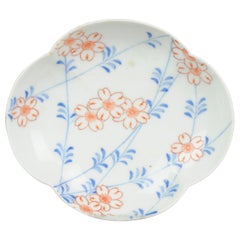
Fantastic Japanese Porcelain Bowl Nabeshima Flowers Japan Marked Base
Located in Amsterdam, Noord Holland
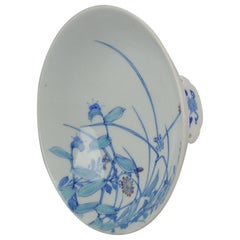
A very nice and beautiful bowl. Medium size. With a stunning scene of flowers
Exquisite Nabeshima bowl
The Nabeshima kilns were the earliest makers of porcelain in Japan and the clan's artisans have continued their excellence for nearly 400 years. Nabeshima ware...
Category
20th Century Japanese Showa Ceramics
Materials
Earthenware
$1,716 Sale Price
20% Off
Antique Ko-Kutani Edo Period Japanese Porcelain Dish Arita, 17th Century
Located in Amsterdam, Noord Holland
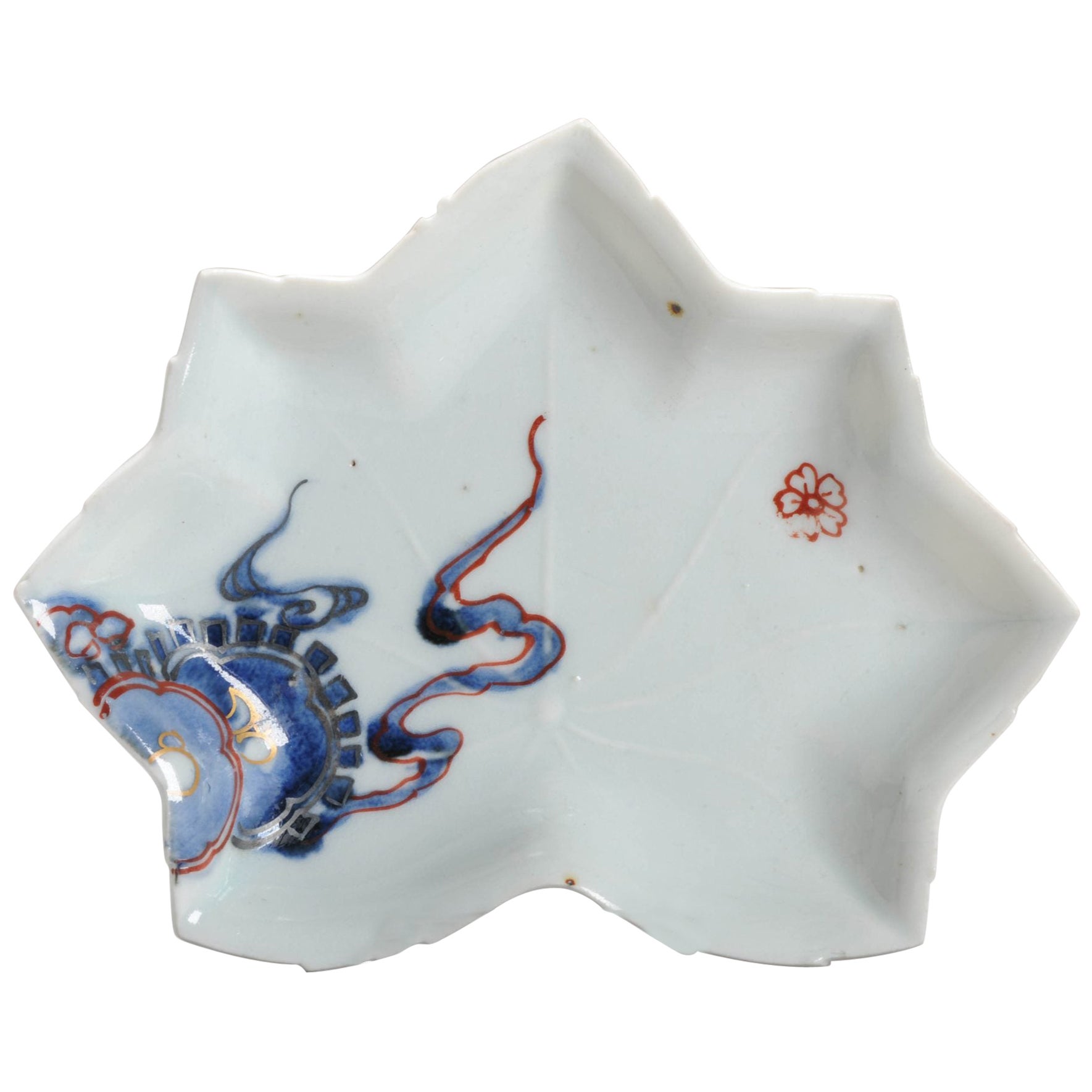
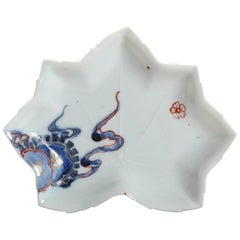
A very nice leaf shaped polychrome dish of moulded shape. Unusual shape and painting.
Early Edo period.
Additional information:
Material: Porcelain & Pottery
Japanese Style: Kutani...
Category
Antique 17th Century Japanese Edo Decorative Dishes and Vide-Poche
Materials
Porcelain
$871 Sale Price
45% Off
Japanese antique pottery bowl/[Banko ware] Mie prefecture/1850-1912
Located in Sammu-shi, Chiba
Banko-yaki is a type of pottery that began in the northern part of Mie Prefecture in the middle of the Edo period. (The places marked with red circles on the map are the kilns of Banko ware...
Category
Antique Late 19th Century Japanese Edo Pottery
Materials
Pottery
![Japanese antique pottery bowl/[Banko ware] Mie prefecture/1850-1912](https://a.1stdibscdn.com/japanese-antique-pottery-bowl-banko-ware-mie-prefecture-1850-1912-for-sale/1121189/f_319674221672470538196/31967422_datamatics.jpg?width=240)
Antique Japanese Nabeshima or Nabeshima Style Serving Dish flowers, 19/20th Cen
Located in Amsterdam, Noord Holland
Japan, Nabeshima style or Nabeshima serving Dish, 19/20C period;
Rare and very beautiful serving dish in the form of a crane bird. Stunninly beautiful.
Additional information:
Mater...
Category
Antique 19th Century Japanese Serving Pieces
Materials
Porcelain
$756 Sale Price
20% Off
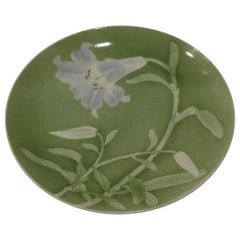
Makuzu Kozan Modern Japanese Ceramic Tray
By Makuzu Kozan
Located in Phoenix, AZ
Beautiful pale green ceramic tray featuring white lilies.
It is signed on the base by Miyagawa (Makuzu) Kozan (1842-1916).
This tray has no damage and is in perfect condition.
It measures 8"diameter and 1 1/8"high.
It is a beautiful example of the work of this Meiji Era ceramic artist.
Miyagawa (Makuzu) Kozan (1842-1916) was appointed artist to the Japanese Imperial household...
Category
Antique Late 19th Century Japanese Ceramics
Materials
Ceramic
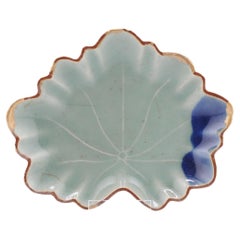
Antique Ko-Kutani Edo Period Japanese Porcelain Dish Arita, 1650-1670
Located in Amsterdam, Noord Holland
A very nice leaf shaped Celadon dish of moulded shape. with nice blue color also in one corner. Unusual shape and painting.
Early Edo period.
Additional information:
Material: Porc...
Category
Antique 17th Century Asian Edo Decorative Dishes and Vide-Poche
Materials
Porcelain
$1,730 Sale Price
20% Off