Items Similar to Japanese Ceramic Vase Mingei Style Hamada Shoji
Want more images or videos?
Request additional images or videos from the seller
1 of 10
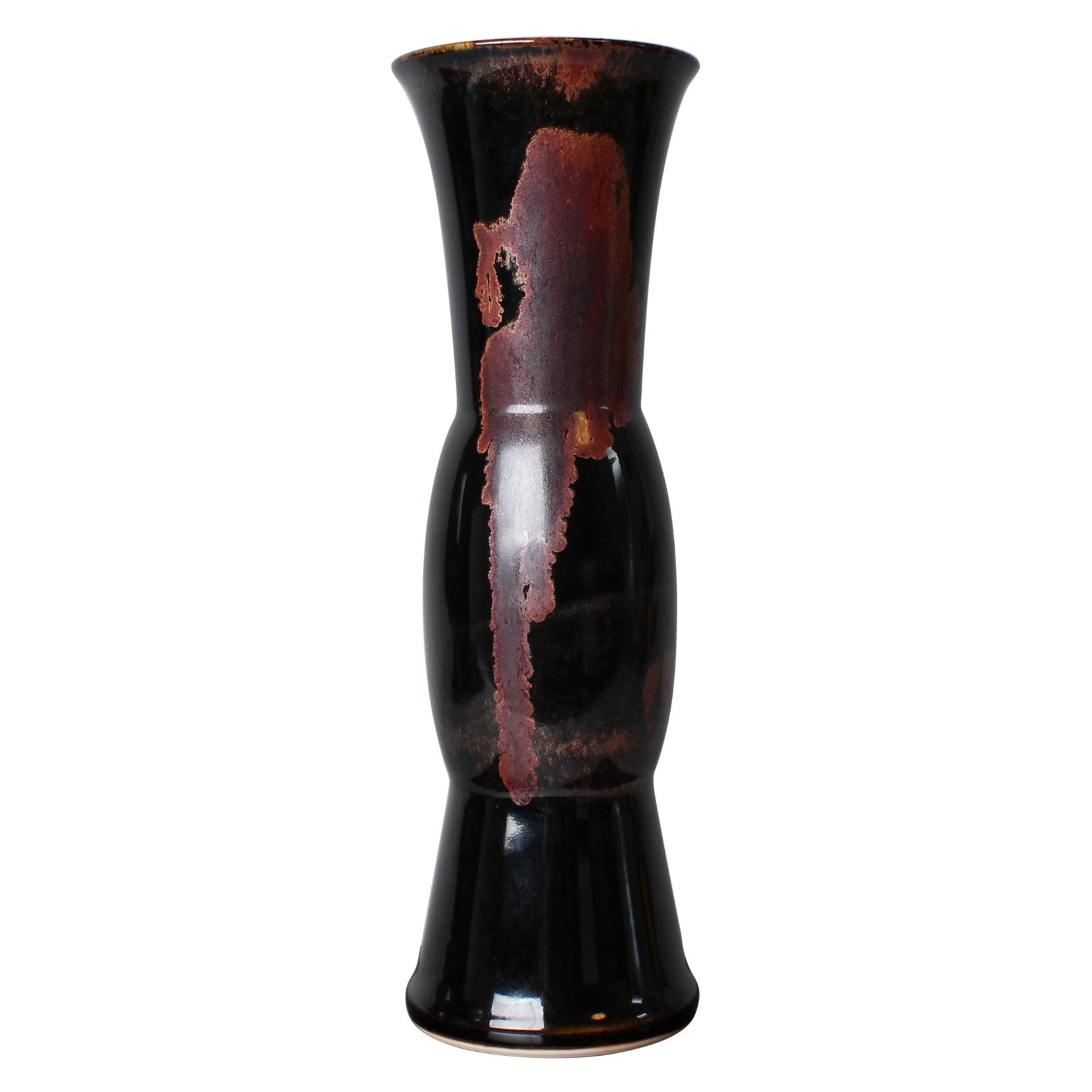
Japanese Ceramic Vase Mingei Style Hamada Shoji
$2,000
£1,524.04
€1,757.64
CA$2,840.60
A$3,052.06
CHF 1,637.43
MX$35,956.84
About the Item
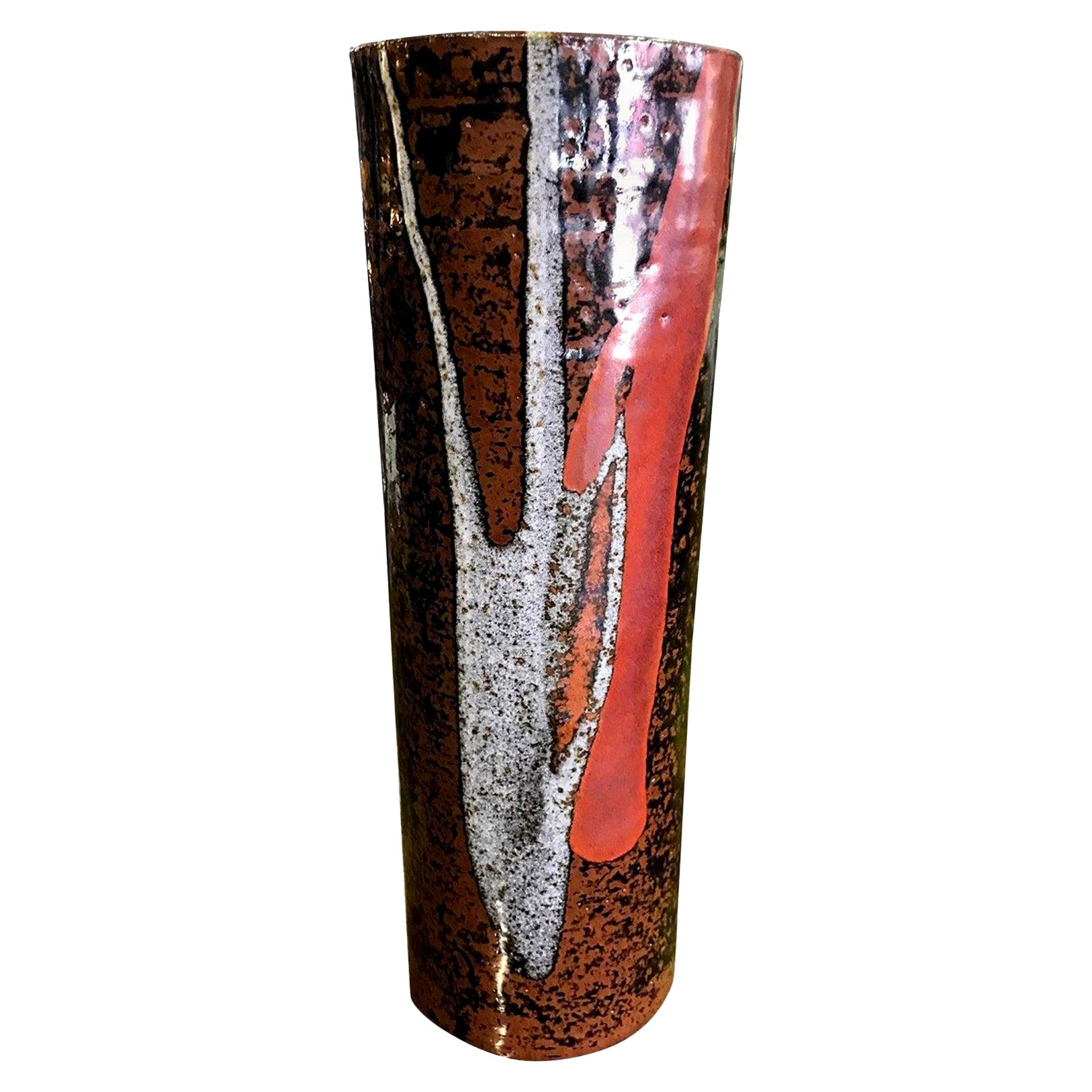
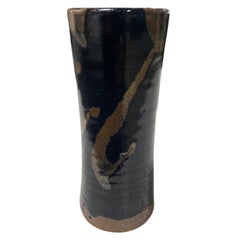
A heavily potted stoneware vase in cylindrical form, decorated with abstract strokes in iron rust glaze (known as Persimmon Glaze in Japanese) on a black glazed background. The pattern suggests autumn grasses, and it was applied with free hands. The vase is attributed to Japanese potter Hamada Shoji (1894-1978), who was a leading figure of the mingei Folk Art movement. He established his studio and practice in the Japanese town Mashiko to reinvent and spearhead the style that is both rustic and refined. From the renowned pottery center, he connected with international art communities by introducing the traditional Japanese pottery art to a wider world. In 1955 he was designated a "Living National Treasure", for the first time for someone from the field of crafts.
The vase is not signed, but it came with an old storage box with the hand-written label as shown.
- Attributed to:Hamada Shoji (Artist)
- Dimensions:Height: 8.2 in (20.83 cm)Diameter: 3.5 in (8.89 cm)
- Style:Arts and Crafts (Of the Period)
- Materials and Techniques:
- Place of Origin:
- Period:
- Date of Manufacture:1960s-1970s
- Condition:Wear consistent with age and use. Fine condition with minimal wear. With a storage box as shown.
- Seller Location:Atlanta, GA
- Reference Number:1stDibs: LU945020171052
About the Seller
4.9
Platinum Seller
Premium sellers with a 4.7+ rating and 24-hour response times
Established in 2006
1stDibs seller since 2010
588 sales on 1stDibs
Typical response time: 1 hour
- ShippingRetrieving quote...Shipping from: Atlanta, GA
- Return Policy
More From This Seller
View AllModern Japanese Ceramic Shigaraki Ikebana Vase Takahashi Shunsai
Located in Atlanta, GA
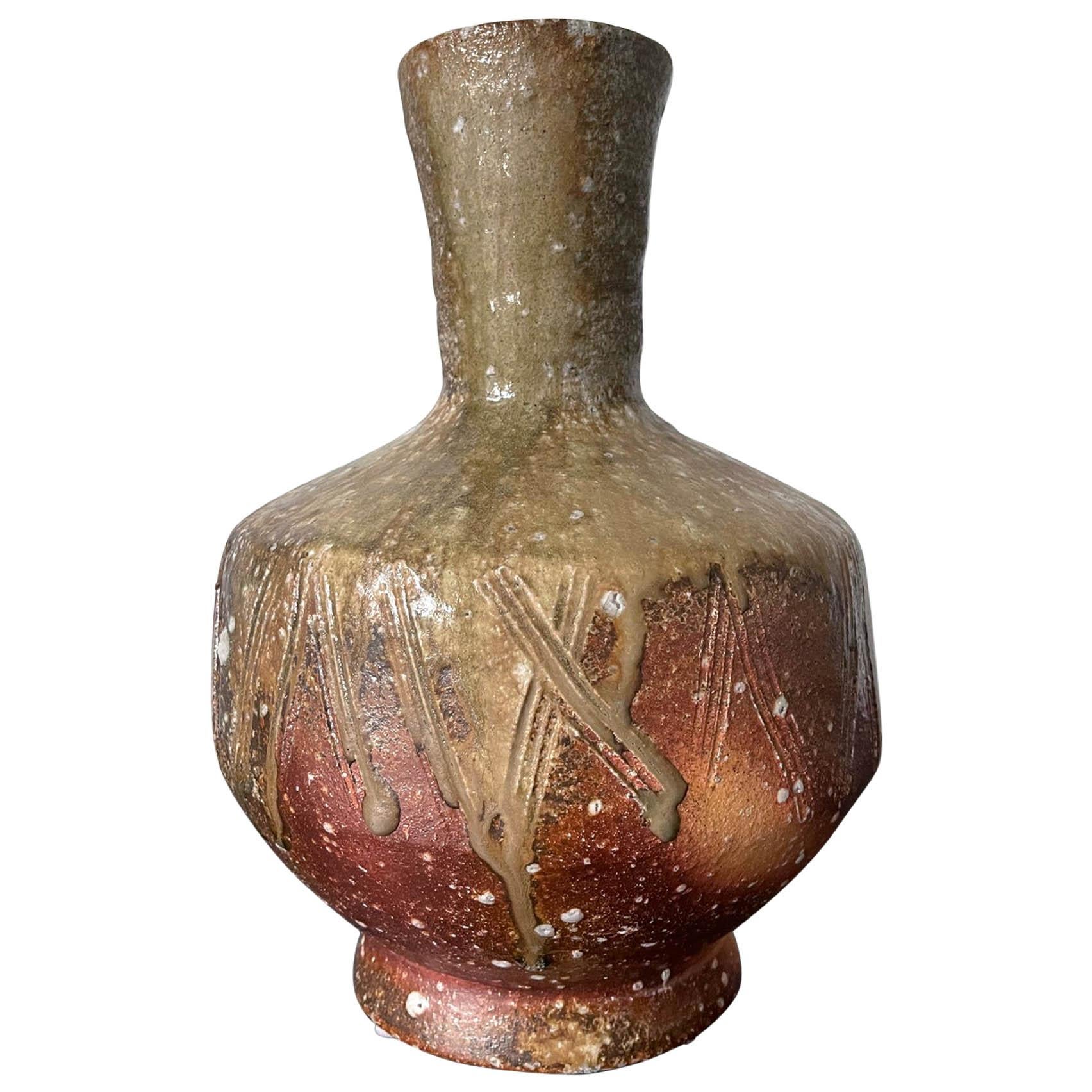
A tall ceramic vase made in the tradition of Shigaraki ware by Japanese potter Takahashi Shunsai (1927-2011), the fourth heir of the famed Rakusai lineage of potters. The vase is heavily potted in the reddish sandy Shigaraki clay. It has a Classic vase form made for Ikebana display. The surface is thickly draped with natural ash glaze that deposited onto the body during the firing process in the kiln. It also features decoration of carved lines. Nuggets of feldspar were incorporated in the clay and exposed onto the surface as crystal like jewels. Substantial and archaic looking, the vase also has a strong modern appeal due to its Mingei styling. It was signed on the base with a pressed seal Shunsai as shown. The vase comes with its original wood storage box (tomobako) with bears the title and signature in Kanji and a seal. It also retains a paperwork noting the artist's biography and practice philosophy in Japanese.
Born in Shigaraki, Shunsai was the second son of renowned potter Takahashi Rakusai...
Category
1990s Japanese Modern Ceramics
Materials
Ceramic
Japanese Studio Ceramic Vase by Ken Matsuzaki with Original Tomobako
By Ken Matsuzaki
Located in Atlanta, GA
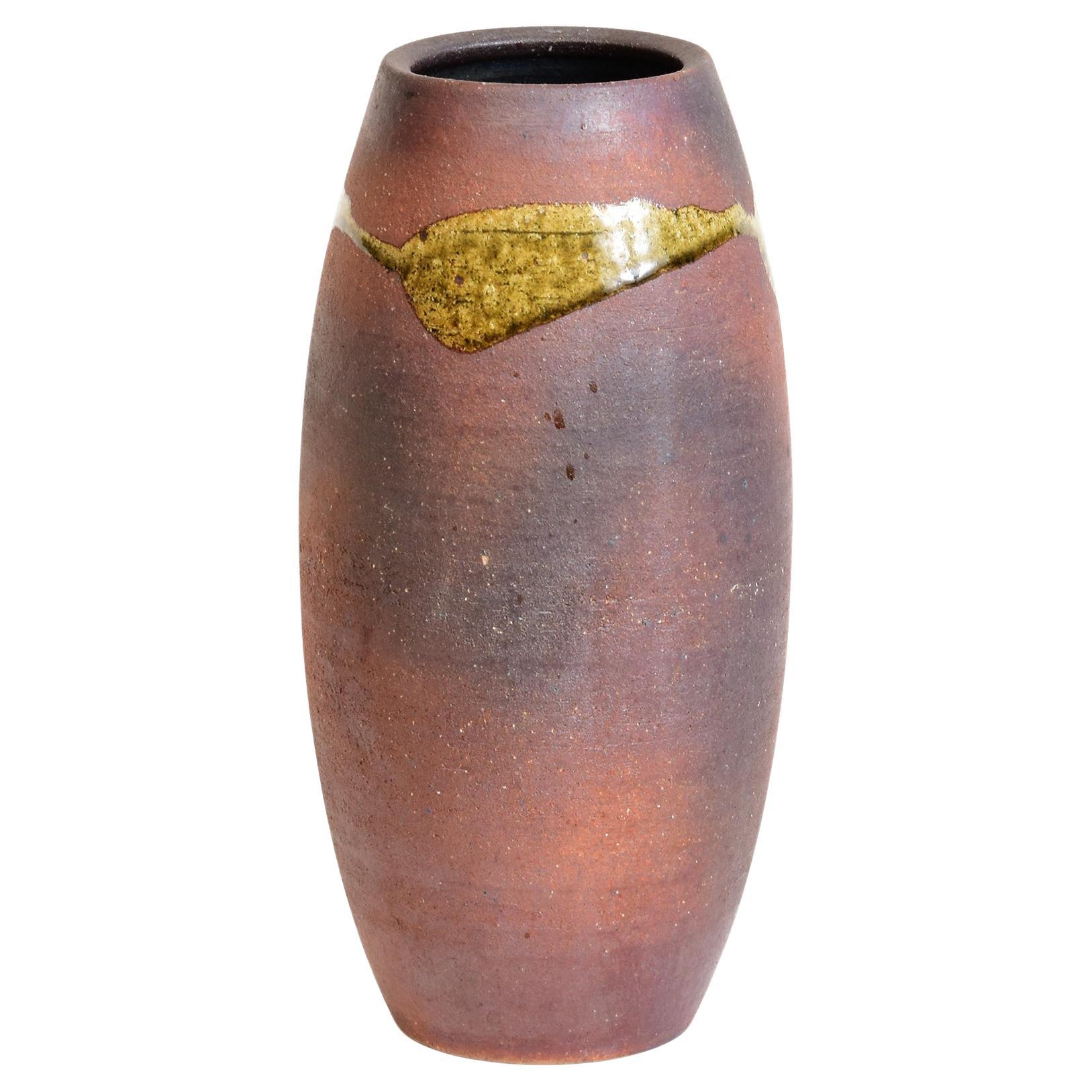
An impressive stoneware bottle form vase by contemporary Japanese studio potter Ken Matsuzaki (1950-) circa 2010s. The solid form takes its cue from Chinese traditional plum vase (Meiping) with raised and swelled shoulder and a small opening, yet it rises from a non-conventional pentagonal faceted base. The extraordinary surface was covered with Yohen Shino glaze in a deep iron hue. Thick white slips were applied in bold strokes to the lower portion of the vase. The abstract pattern calls to mind of the imagery of the iconic ocean waves found in traditional Japanese art. The presence of the vase is strong and none-compromising, reaching back to the past yet appearing utterly modern. It is marked by the artist underneath and comes with the original tomobako with title and author inscriptions and a wrapping cloth with the artist's seal.
"Ken Matsuzaki’s haptic ceramics bring a contemporary approach to traditional Japanese ceramicware, most notably 16th-century Oribe pottery...
Category
21st Century and Contemporary Japanese Modern Ceramics
Materials
Ceramic
Japanese Ceramic Sake Bottle Chosen Karatsu Ware
Located in Atlanta, GA
The long neck bottle of classic form was heavily potted with coarse clay with high iron content. The flask, circa 18th century Edo period, was purposed for sake storage but also substituted as a flower vase during tea ceremony. The surface is covered in glossy black glaze and contrasts strikingly with white ash glaze around the shoulder. The white, fired with straw, displays a splashing feather effect and fine crackles, blending in with the black artistically. This type of Karatsu ware...
Category
Antique 18th Century Japanese Japonisme Ceramics
Materials
Ceramic

Asian Flambe Studio Pottery Vase
By Kyoto Pottery
Located in Atlanta, GA
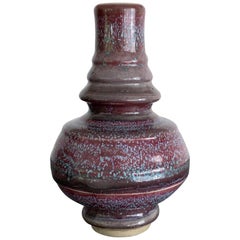
A garlic bottle vase in an archaic Chinese form, but likely Japanese in origin. Several circumventing grooves however, suggest a more modern age. It was done in a brilliant purple glaze over a robin egg blue background glaze. The bubbling and bursting effects during the firing renders the surface an artistic spotting effect. The color pallet recalls the Classic Jun Yao...
Category
Antique Late 19th Century Japanese Japonisme Ceramics
Materials
Ceramic
Modern Studio Vase Bizen Ware by Jun Isezaki
Located in Atlanta, GA
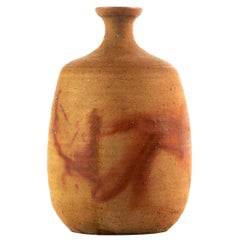
A bottle form vase by Japanese studio ceramic artist Jun Isezaki (Born in 1936). A modern Bizen yaki stoneware piece that is strongly rooted in history and ...
Category
20th Century Japanese Organic Modern Ceramics
Materials
Ceramic, Wood
Japanese Ceramic Ikebana Vase Bizen Ware Nanba Koyo
Located in Atlanta, GA
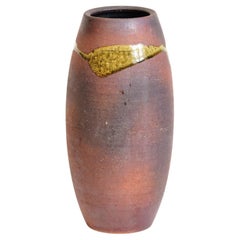
A tall vintage ceramic vase with handle from Japan (20th century) by Nanba Koyo. Made in the tradition of Bizen ware, the vase has a modern aesthetic with a...
Category
20th Century Japanese Japonisme Ceramics
Materials
Ceramic

$1,500 / item
You May Also Like
20th Century, Japanese Pottery Vase
Located in Sampantawong, TH
Japanese pottery vase.
Age: Japan, 20th Century
Size: Height 28 C.M. / Width 13.5 C.M.
Condition: Nice condition overall.
Category
20th Century Japanese Sculptures and Carvings
Materials
Pottery
$520 Sale Price
20% Off
Large, Beautiful Country-Ware Vase
Located in Hudson, NY
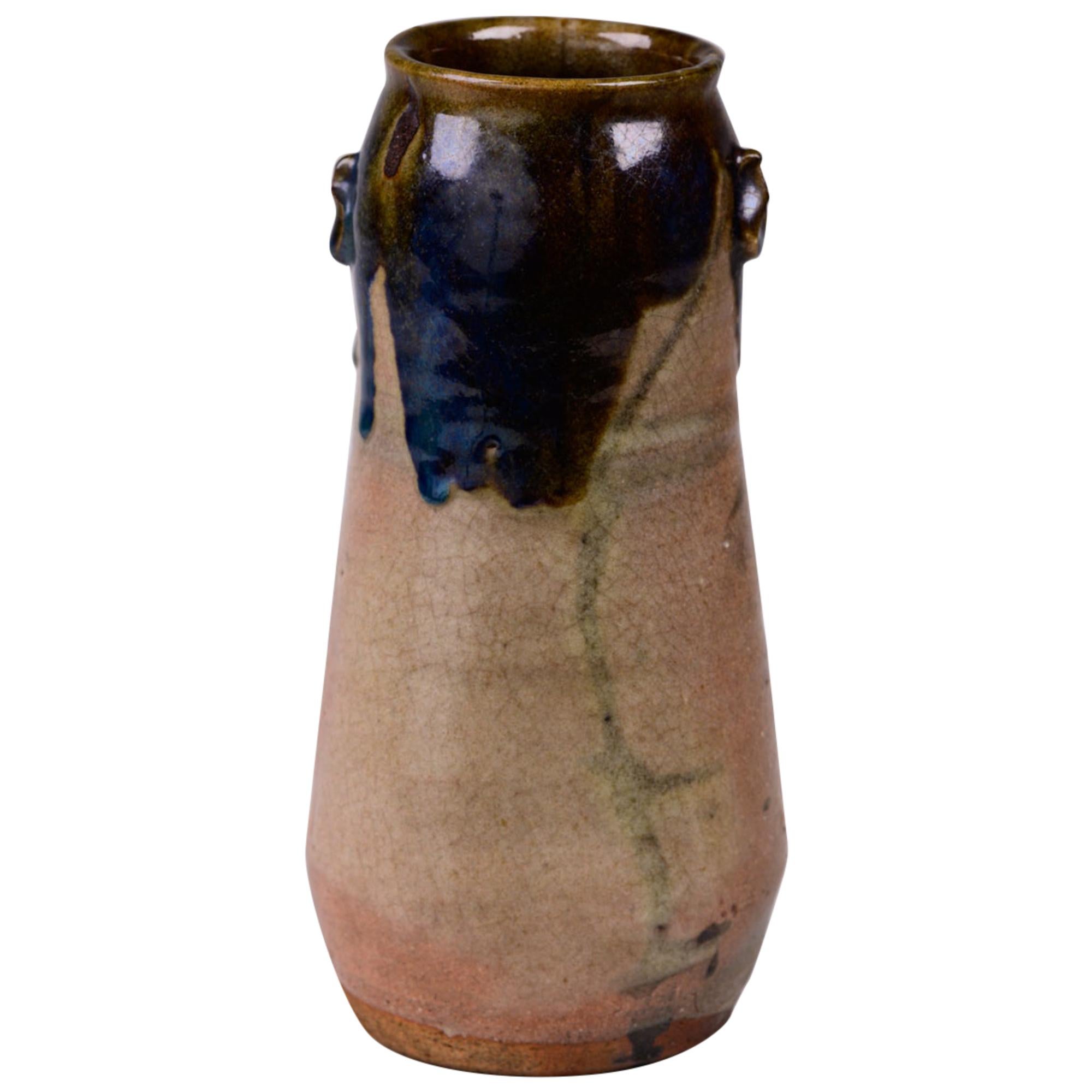
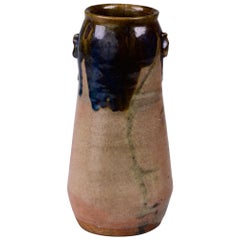
Large, beautiful country-ware vase. Possibly Oribe vase with beautiful blue-green drip over-glaze and other nice glazing techniques. Small "ears" on the side. Taisho period handmade ...
Category
Early 20th Century Japanese Taisho Ceramics
Materials
Ceramic
Japanese Midcentury Large Glazed Pottery Vase in the Manner of Shoji Hamada
Located in Studio City, CA
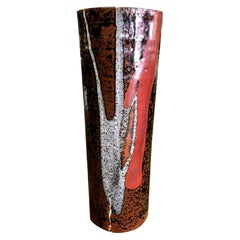
A really large and wonderful piece. Clearly, the maker was a fan of Shoji Hamada's work. Could be a Mashiko Ware pottery vase.
Signed on the base along with a sticker on the insi...
Category
Vintage 1960s Japanese Showa Ceramics
Materials
Earthenware
Japanese Artist Made Glazed Pottery Vase
Located in Bridgeport, CT
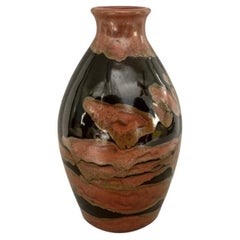
A well made and understated UlGlazed pottery vase having baluster form in a dark glaze and accentuated with relief brown, rust and golden/coppery elements. The vase is artist signed ...
Category
20th Century Japanese Mid-Century Modern Ceramics
Materials
Pottery
Ichikawa Kouzan Nabeshima Ceramic Vase with Irresistible Charm
Located in Fukuoka, JP
Captivating Nabeshima ceramic vase by Master Artisan Ichikawa Kouzan. Continuing the legacy of 18 generations of ceramics production since the late 16th century. Patronized by Nabeshima Daimyo, a powerful samurai lord, and renowned for unmatched quality and artistic ingenuity. Passed down with secret formulas for generations. Includes signed wooden storage box.
Dimensions: H.30cm (11.8 inches), W.9cm (3.54 inches)
Weight: 660gr (1.45 lbs) without box, 1.15kg (2.53 lbs) with box
Nabeshima ware is a type of Japanese porcelain that originated in the late 17th century during the Edo period. It was produced exclusively for the Nabeshima clan, a powerful feudal lord...
Category
Mid-20th Century Ceramics
Materials
Ceramic, Porcelain
Shoji Hamada Tenmoku Glaze
Kaki Trailing Vase with Original Signed Sealed Box
By Shoji Hamada
Located in Studio City, CA
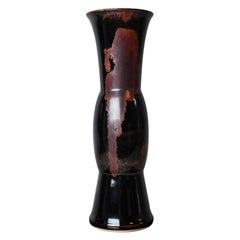
An exquisite, beautifully crafted Japanese pottery vase by master potter Shoji Hamada featuring Hamada's famous signature tenmoku glaze with kaki trailing. The original Hamada signed and sealed wood storage box is included as well as the written appraised signature of his son Shinsaku Hamada. The vase also comes with a printed artist profile/sales brochure of Hamada (featuring some of his other presumably available work). It appears this piece was offered at the Keio Department store in Shinjuku, Tokyo. At first glance, this may seem odd but in fact, this is quite an honor in Japan. This store is known for selling and exhibiting such high-profile artists and potters as Bernard Leach, Lucie Rie, Gyokudo Kawai, Shiko Munakata, Kawai Kanjiro, and Rosanjin Kitaoji. A major goal of many ceramic artists in Japan is to have a one-man exhibition in a department store. For many Westerners, this is a strange concept. Some of the larger department stores have up to three or four dedicated galleries showing concurrent art exhibitions. A well-known artist's exhibition can bring in hundreds, often thousands, of customers to a store and increase revenue for other sales in the millions-of-yen range. These exhibits are usually longer running and highlight a potter's career, like a Living National...
Category
Mid-20th Century Japanese Showa Ceramics
Materials
Stoneware
More Ways To Browse
Japanese Vintage Ceramic
Japanese Mingei
Mingei Furniture
Hamada Shoji
Japanese Shoji
Japanese Mashiko
Japanese Ceramics Mingei
Dragon Art Chinese
19th Century Satsuma
Chinese Famille Rose 20th Century
Famille Rose Chinese Ceramics
Japanese Arita Porcelains
Blue And White Ming Porcelain
Japanese Kutani
Japanese Porcelain Edo
Chinese Ming Porcelain
Qing Dynasty Porcelain
Satsuma Meiji