Items Similar to Japanese Glazed Ceramic Bowl by Makuzu Kozan

Want more images or videos?
Request additional images or videos from the seller
1 of 15
Japanese Glazed Ceramic Bowl by Makuzu Kozan
$6,800
£5,186.96
€5,909.51
CA$9,557.46
A$10,426.94
CHF 5,521
MX$124,944.41
NOK 70,313.01
SEK 64,296.03
DKK 44,125.44
About the Item
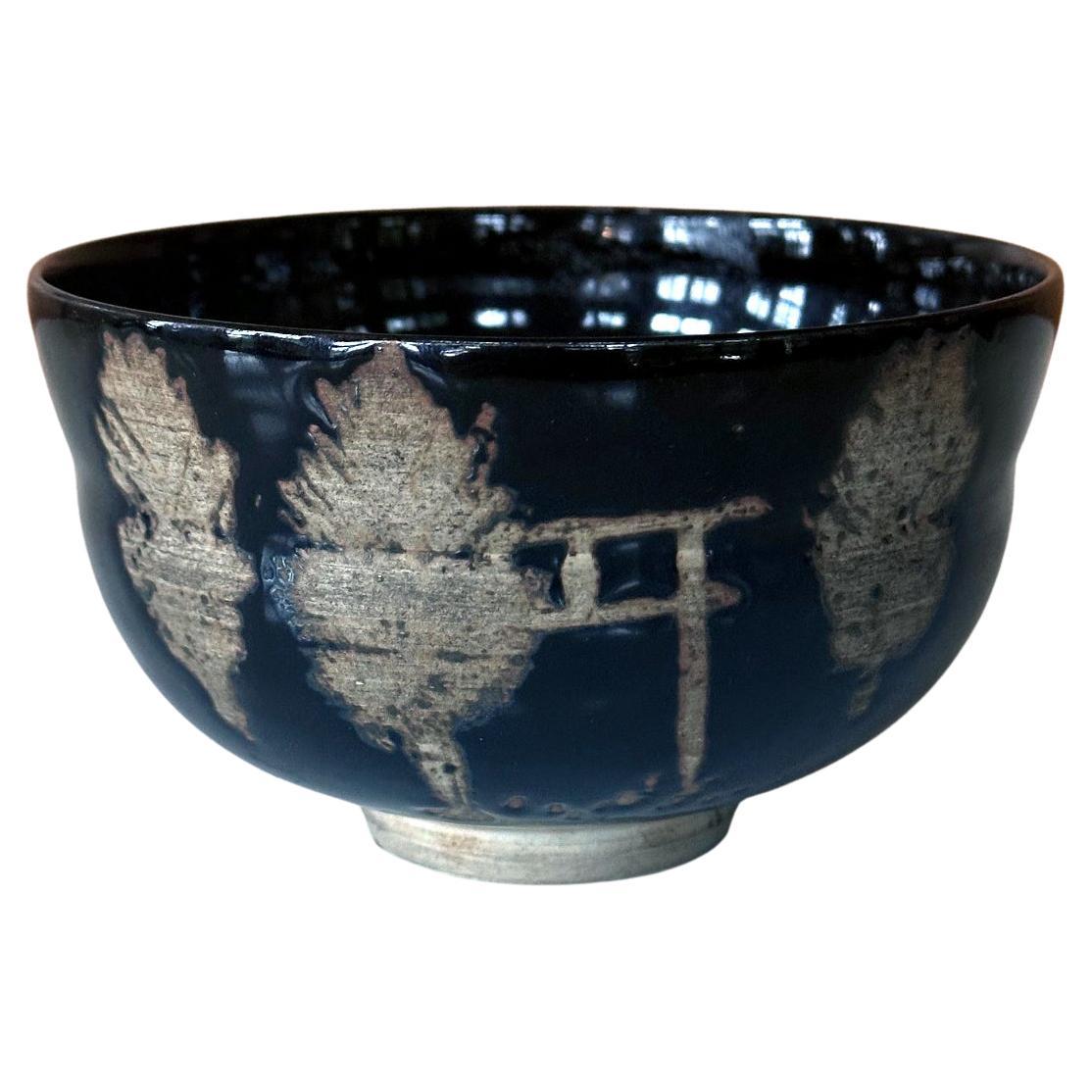
Tri-pod ceramic bowl likely used as an incense burner (koro) by Japanese Imperial potter Makuzu Kozan (1842-1916) circa late Meiji period. The signature indicates that it was produced around Meiji 30th year (1897). A fine example of the artist's work belonging to the middle period of his underglaze paint phase (started around 1887 until his death), the surface of the koro was painted in beautiful shades of blue to depict clumps of bamboo, one of the favorite flora subjects in Asian art. The painterly work is typical of Kozan's work in that period when different shades of the blue were used to achieve a subtle dimensional visual effect. The base is signed in underglaze blue "Makuzu Kiln Kozan Sei" within a rectangular seal. The bowl is in the form of "monk's alms bowl" and supported with three short feet. The shape is often associated with incense burner (koro), although it may be used for other purpose like pen wash or simply as an okimono item.
Also known as Miyagawa Kozan (1842–1916), Makuzu Kozan was one of the most established and collected ceramist from Meiji Period. Born as Miyagawa Toranosuke, Kozan established his pottery studio in Yokohama around 1870s and later became one of the appointed artists to the Japanese Imperial household. His work was exhibited in many international fairs that the Meiji government participated at the turn of the century and won many grand prizes. Being one of the most creative ceramists, Kozan started experimenting with new chemical colors from the West in the format of his porcelain glaze around 1880s. New colors allowed him to create underglaze designs that appeared bright, smooth and glossy. He even invented his own receipt of cobalt blue to achieve a much brighter yet softer shade, as evident on this vase. To create landscape that is realistic and dimensional, more common in the western paintings, he was inspired by the native Japanese ink painting technique developed around 1900 by Yokoyama Taikan (1868-1958) and Hishidan Shunso (1874-1911) called Morotai (Hazy style) and used cobalt blue on the porcelain like ink on paper. The fuki-e technique was demanding and uniquely featured in the works of Kozan studio.
For a bowl with identical shape and same period signature but with a different surface decoration, see illustration 41 on page 100 in "Makuzu Kozan I" by Dr. Yamamoto.
- Creator:Makuzu Kozan (Artist)
- Dimensions:Height: 3.25 in (8.26 cm)Diameter: 6.25 in (15.88 cm)
- Style:Meiji (Of the Period)
- Materials and Techniques:Ceramic,Glazed
- Place of Origin:
- Period:
- Date of Manufacture:1897
- Condition:Wear consistent with age and use. Fine antique condition, minimal wear if any.
- Seller Location:Atlanta, GA
- Reference Number:1stDibs: LU945035150502
About the Seller
4.9
Platinum Seller
Premium sellers with a 4.7+ rating and 24-hour response times
Established in 2006
1stDibs seller since 2010
581 sales on 1stDibs
Typical response time: <1 hour
- ShippingRetrieving quote...Shipping from: Atlanta, GA
- Return Policy
More From This Seller
View AllJapanese Ceramic Centerpiece Bowl Makuzu Kozan Meiji Period
By Makuzu Kozan
Located in Atlanta, GA
A beautiful ceramic vessel in the form of Bo, the so-called monk's alms bowl from the studio of Japanese Potter Makuzu Kozan, also known as Miyagawa Kozan (1842–1916), one of the most established and collected ceramist from Meiji Period. Born as Miyagawa Toranosuke, Kozan established his pottery studio in Yokohama circa 1870s and later became one of the appointed artists to the Japanese Imperial household. His work was exhibited in many international fairs that the Meiji government participated at the turn of the century and won many grand prizes.
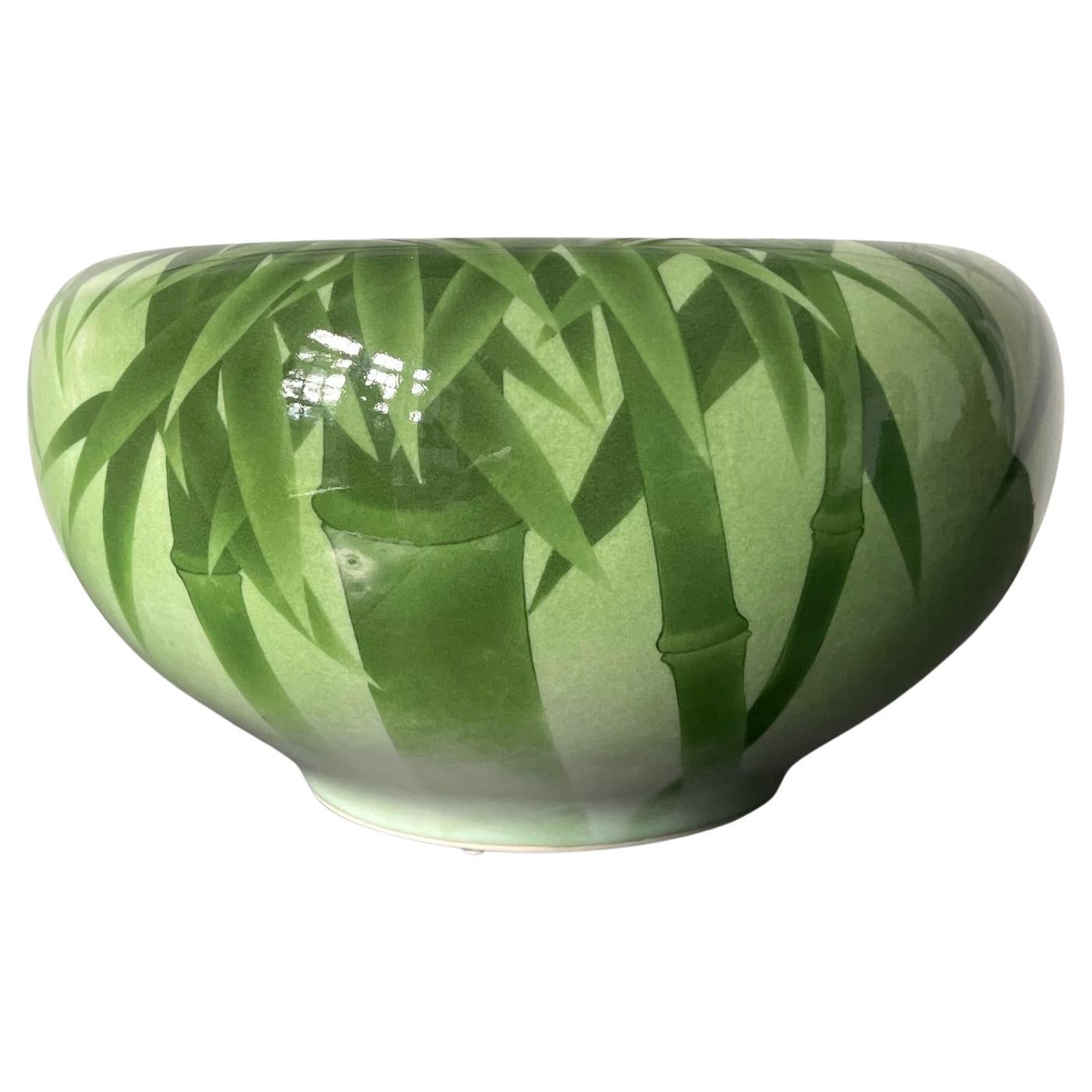
Of a relatively large size, this piece was made as a decorative center piece for display. It was brilliantly decorated with underglaze paint of a green-on-green bamboo motif, using the novel technique developed by Kozan called Fuki-e (the blow painting). As a result, the bamboos appear took on a three-dimensional quality as if appearing in a mist. Known as one of the most creative ceramists, circa 1887, Kozan started experimenting with new chemical colors from the West in the format of his porcelain glaze. New colors allowed him to create underglaze design that appeared bright, smooth and glossy. To create design that is realistic and dimensional, more common in the western paintings, he was inspired by the native Japanese ink painting technique developed around 1900 by Yokoyama Taikan...
Category
Antique Early 1900s Japanese Japonisme Ceramics
Materials
Ceramic
Rare Japanese Ceramic Glazed Bowl Makuzu Kozan Meiji Period
By Makuzu Kozan
Located in Atlanta, GA
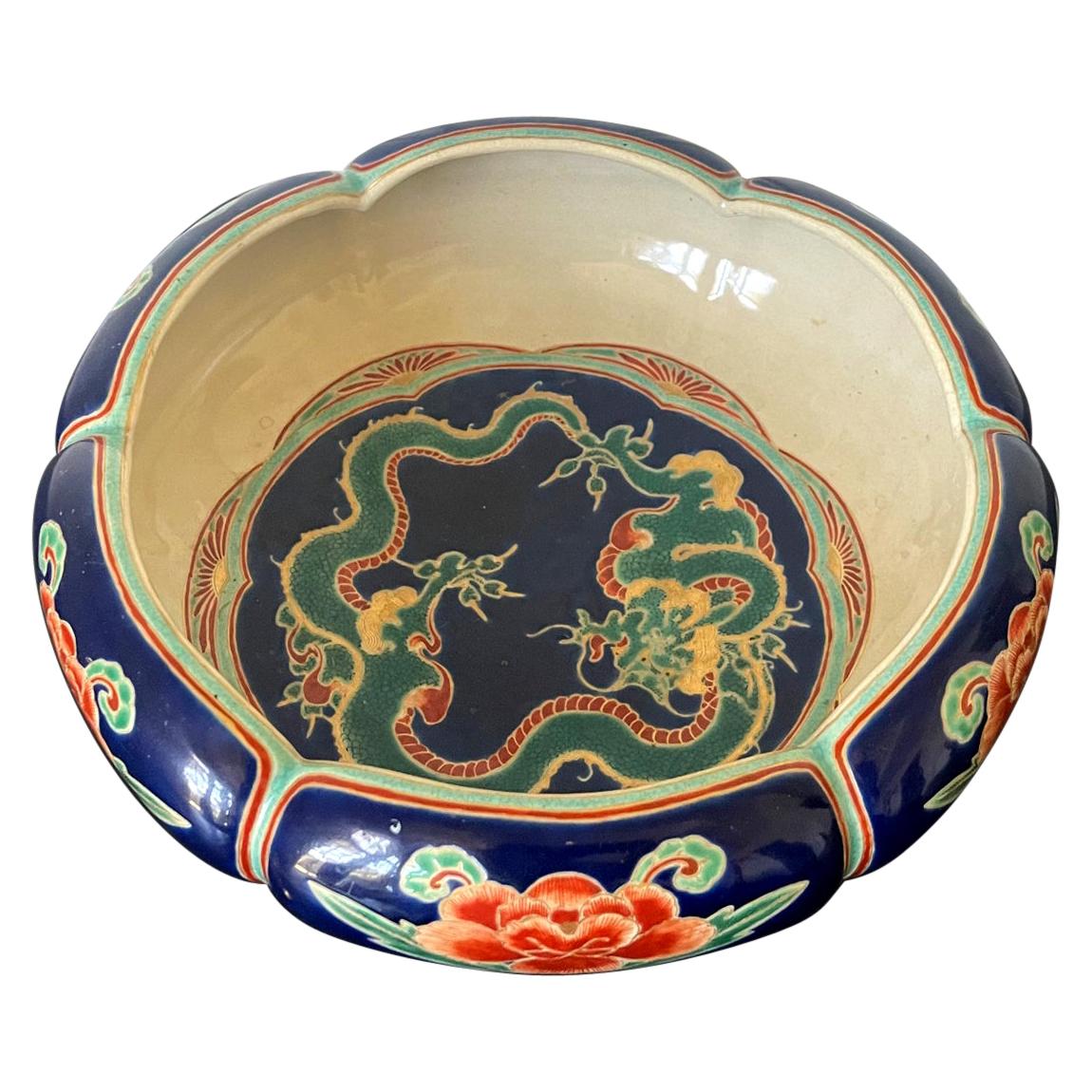
On offer is a rare ceramic bowl with overglazed design by the famed Japanese ceramic artist Makuzu Kozan (1842-1916), circa 1906-1916. The bowl is rather unusual from the potter's repertoire with its unique glaze colors and decoration, and it likely belonged to a small series that Kozan made in and after 1906. A bowl of similar glaze and nearly identical dragon motif was recorded as a diplomatic present to the British royalty Arthur Connaught (1883-1932) when he represented King Gorge V in Japan in 1906. Other pieces, such as this bowl, were likely made with similar materials and designs afterwards.
Essentially round in form, the bowl has a generous volume with six harmonious lobes. The bottom of the interior showcases a coiled dragon in red, green and gold slithering on a cobalt blue background. The roundel shares an echoing lobed perimeter, which is further outlined by red and turquois bands and rising sun design. The exterior of the bowl features six stylized Japanese camellias...
Category
Antique Early 1900s Japanese Japonisme Ceramics
Materials
Ceramic

Japanese Ceramic Bowl Makuzu Kozan Utusushi Kenzan
By Makuzu Kozan
Located in Atlanta, GA
A rare ceramic bowl with overglaze paint decoration by Japanese imperial potter Makuzu Kozan ((1842–1916). Unlike the better-known works Kozan made for the expositions in the west and export to the foreign market, this piece exemplifies his work for the domestic market and the tea ceremony. The bowl was made in the so called "Utusushi" Ogata Kenzan (1663-1743), a celebrated Edo painter and ceramicist. Utusushi is loosely translated as "in the spirit of". It is not at all a simple imitation of a master, but a Japanese concept of embracing the spiritual essence of a master while the creator is free to mix in his or her own unique artistic interpretation and flavor.
The bowl was made to hold fruits during the tea ceremony. It has a very distinguished form with a circular lower body morphing into a square upper portion that further opening with flared rim. The surface has a grey glaze onto which Asagao flowers (Japanese morning glory) on the vines were painted in a free and poetic style. White was used for the petals, green for the leaves with touches of gold highlight. Asagao, the symbol of the summer was rendered in the spirit of Ogata Kenzan, and interestingly the shape of the blossom echoes the unique form the bowl. It was likely reserved for the tea ceremony during the summer months.
Under the base, Kozan was signed in black on a white porcelain plaque inlay.
For two similar examples of Kozan's work Utusushi Kenzan, see Page 168-169 of the book: Sekai ni Aisa Reta ya Kimono Miyagawa Kozan Makuzu...
Category
Antique Early 1900s Japanese Japonisme Ceramics
Materials
Ceramic
Rare Porcelain Bowl with Plique-a-Jour Design by Makuzu Kozan
By Makuzu Kozan
Located in Atlanta, GA
An extremely fine and delicate porcelain bowl from the studio of Japanese Potter Makuzu Kozan, also known as Miyagawa Kozan (1842–1916), one of the most established and collected cer...
Category
Antique Early 1900s Japanese Japonisme Ceramics
Materials
Porcelain
Japanese Glazed and Caved Ceramic Dragon Bowl by Makuzu Kozan
By Makuzu Kozan
Located in Atlanta, GA
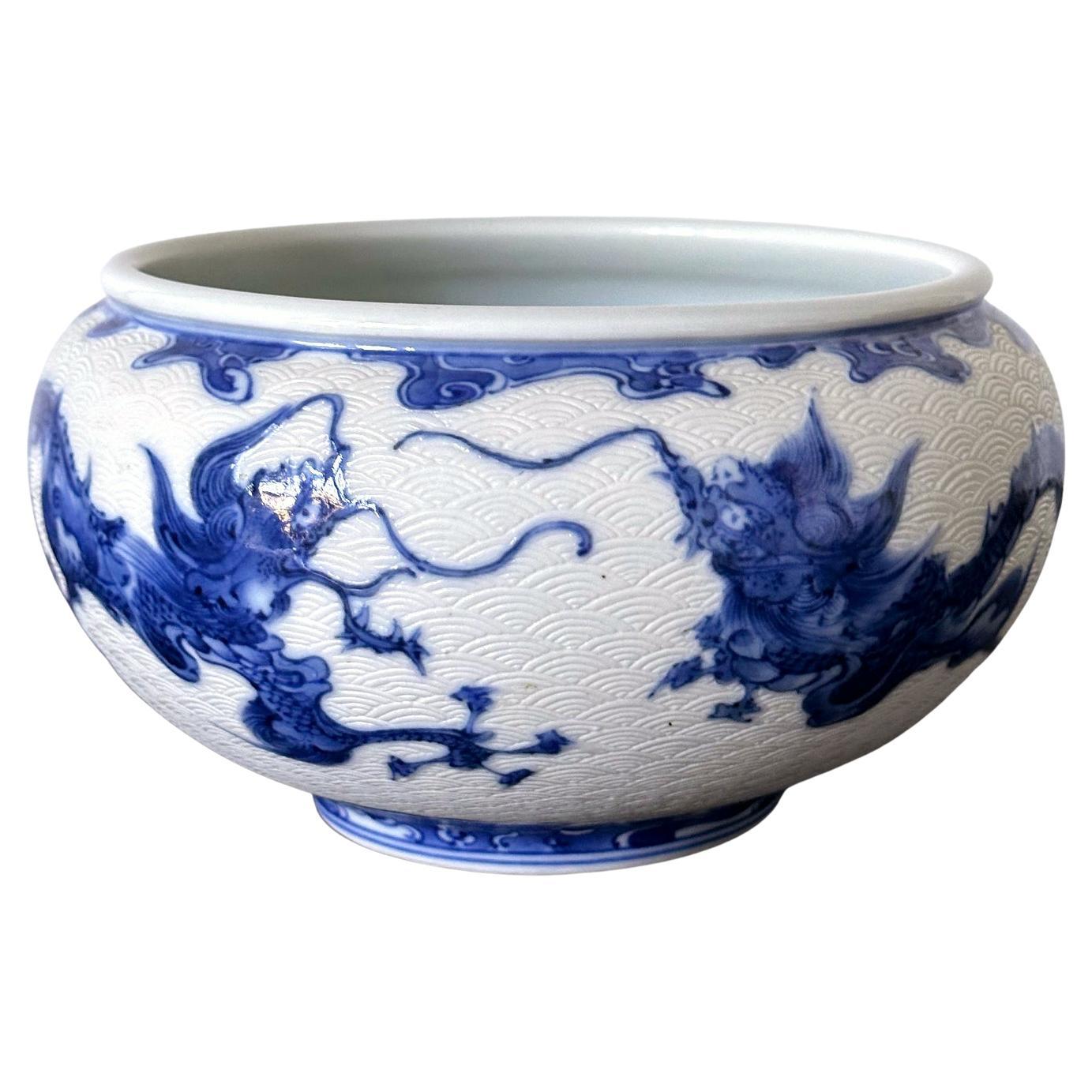
A ceramic bowl by Japanese Imperial potter Makuzu Kozan (1842-1916) circa 1891 of late Meiji period. A very fine example of the artist's work that belongs to the middle period of his...
Category
Antique Late 19th Century Japanese Meiji Ceramics
Materials
Ceramic
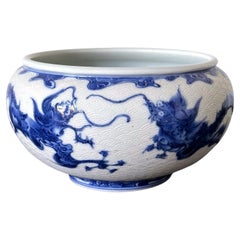
Japanese Glazed Kyo-yaki Tea Bowl Nin
ami Dohachi Edo Period
Located in Atlanta, GA
A Japanese chawan (tea bowl) of Kyo-yaki (Kyoto ware) attributed to Nin'ami Dōhachi, also known as Takahashi Dōhachi (1783–1855). Potted sensitively wi...
Category
Antique 19th Century Japanese Edo Decorative Bowls
Materials
Ceramic
You May Also Like
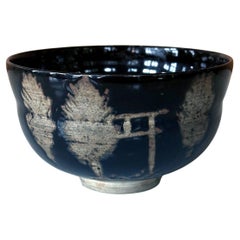
Chinese Jun Ware Streak Glazed Art Pottery Bowl
Located in Bishop
s Stortford, Hertfordshire
A very stylish good quality Chinese Jun Ware pottery bowl decorated with streaked glazes on a red and pale blue glazed ground dating from the latter 19th o...
Category
Antique 19th Century Chinese Other Ceramics
Materials
Pottery
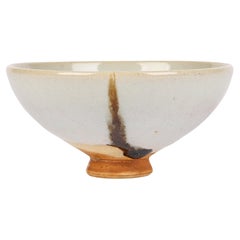
Japanese antique pottery bowl/[Banko ware] Mie prefecture/1850-1912
Located in Sammu-shi, Chiba
Banko-yaki is a type of pottery that began in the northern part of Mie Prefecture in the middle of the Edo period. (The places marked with red circles on the map are the kilns of Banko ware...
Category
Antique Late 19th Century Japanese Edo Pottery
Materials
Pottery
![Japanese antique pottery bowl/[Banko ware] Mie prefecture/1850-1912](https://a.1stdibscdn.com/japanese-antique-pottery-bowl-banko-ware-mie-prefecture-1850-1912-for-sale/1121189/f_319674221672470538196/31967422_datamatics.jpg?width=240)
Japanese Antique Bowl: Mashiko Ware Plum 1920s
Located in Paris, FR
・ Mashiko ware is a traditional Japanese pottery produced in Mashiko, Tochigi Prefecture.
・It was made around 1920s in Showa era and It was all hand painted.
・Plum (Ume) is trad...
Category
Vintage 1920s Japanese Ceramics
Materials
Ceramic
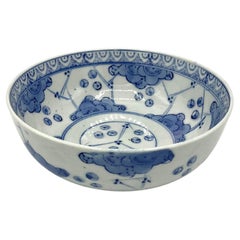
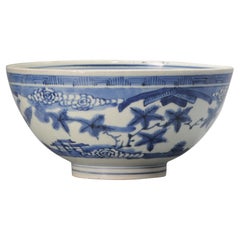
Antique Japanese Arita Porcelain Bowl Japan Top Quality, ca 1670-1690
Located in Amsterdam, Noord Holland
A lovely antique bowl from Arita, Japan. The outside wall with an ongoing landscape scene and the inside also with a nice landscape scene in a circle.
Additional information:
Materi...
Category
Antique 17th Century Japanese Decorative Bowls
Materials
Porcelain
$1,117 Sale Price
48% Off
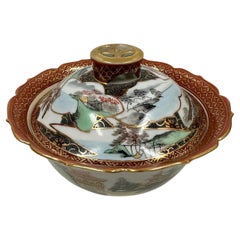
Vintage Japanese Kutani Lidded Porcelain Bowl
Located in Pomona, CA
This beautiful Japanese Kutani porcelain bowl is hand made in about 1950s with hand painted picture of landscape, temple, etc highlighted with gold plated on the edge of the bowl a...
Category
Mid-20th Century Japanese Anglo-Japanese Decorative Bowls
Materials
Porcelain
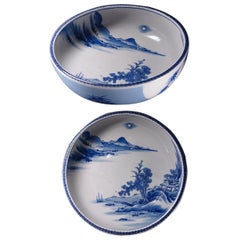
Large Arita Bowl Beautifull Japanese Porcelain 19th Century Edo/Meiji Period
Located in Amsterdam, Noord Holland
A very nice Arita Meiji bowl
11-2-20-1-4
Condition
Overall condition perfect. Size: 238mm
Period
18th century.
Category
Antique 19th Century Japanese Meiji Ceramics
Materials
Earthenware
$814 Sale Price
20% Off
More Ways To Browse
Japanese Koro
Koro Incense
Bowl With Feet
Miyagawa Kozan
Alms Bowl
Yokoyama Taikan
Large China Bowl
Rose Canton Porcelain
Signed Asian Vases
Vintage Japanese Kutani
Antique Rose China Plates
Chinese Canton Rose Porcelain
Antique China Ware
Japanese Shoji
Signed Japanese Pottery
Porcelain Japanese 1900
Satsuma Pottery
Asian Tiles