Items Similar to Japanese Ko-Seto Stoneware Ewer with Carved Design
Want more images or videos?
Request additional images or videos from the seller
1 of 21
Japanese Ko-Seto Stoneware Ewer with Carved Design
$9,800
£7,422.59
€8,524.59
CA$13,733
A$14,930.55
CHF 7,916.19
MX$178,979.38
NOK 100,610.74
SEK 92,173.12
DKK 63,710.51
About the Item
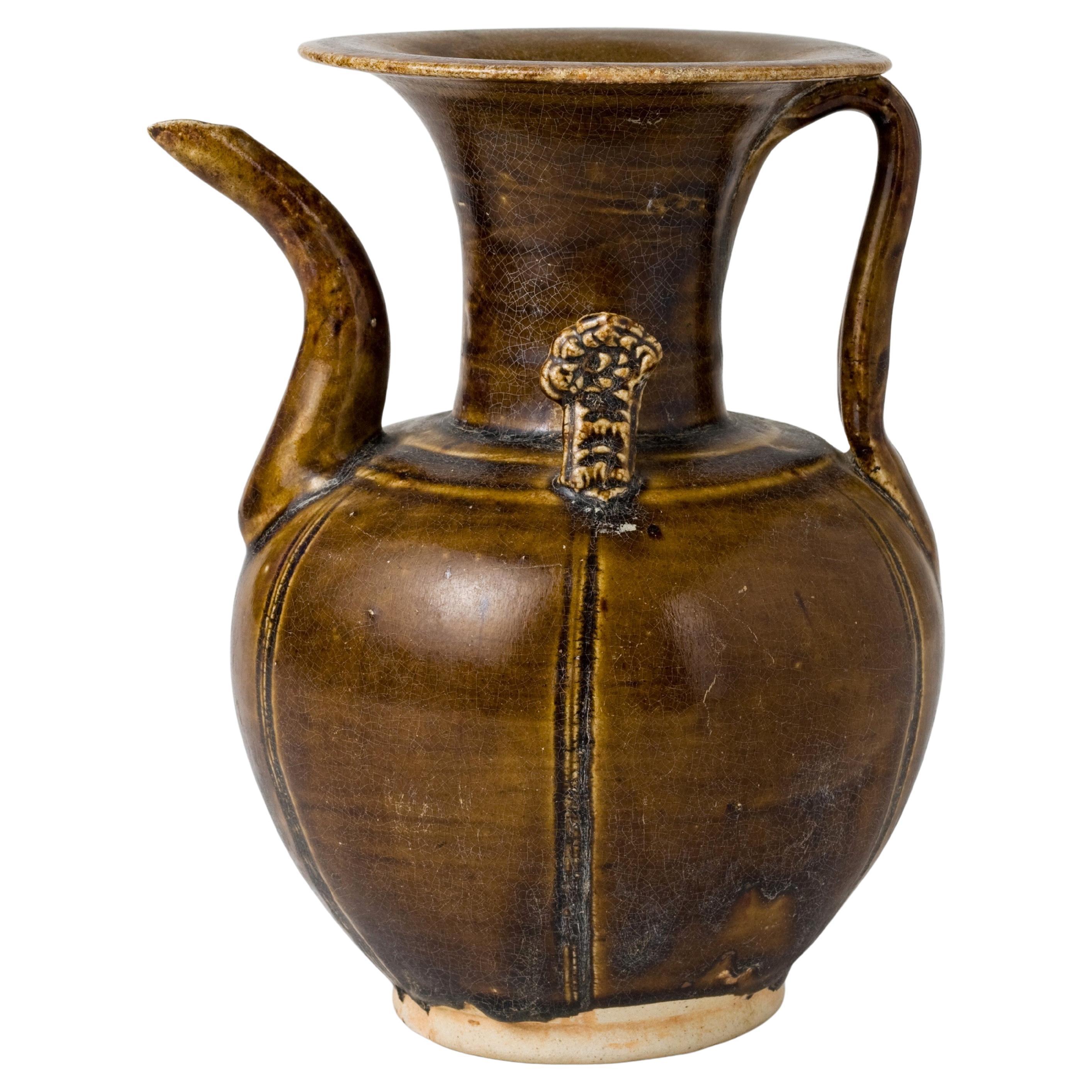
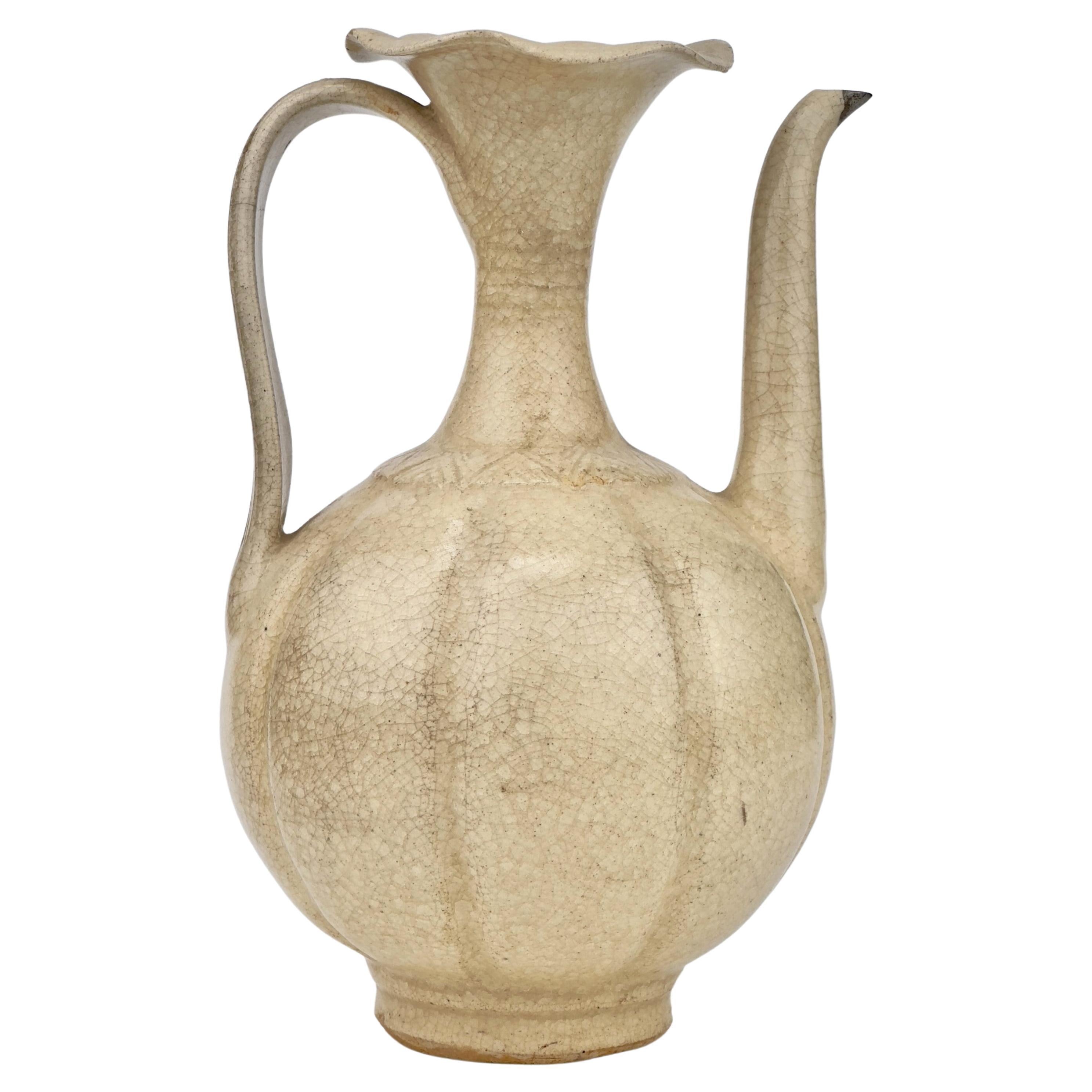
On offer is a rare Ko-seto (old seto) stoneware ewer from Kamakura period (12-14th century) Japan. The exceptionally heavily potted ewer is made of stoneware. The main body was likely hand-coiled with individually built handle, sprout and wheel-made neck and mouth assembled. It takes the basic form from the contemporary Chinese ewer of Song Dynasty. The body was decorated with large carved chrysanthemums with petals surrounding the bottom of the neck and the base. It was washed in a yellow glaze (ko-seto was one the place first used glaze), the color was known as "dead leaf brown". The glaze now showcases an even effect of small crackles. The base was quite scorched and uneven from the residues during kiln firing. There is an old thin vein of kintsugi repair around the sprout, the end of which has a historical chip is uneven to the touch.
While the Ko-seto stoneware jar (heishi) are more commonly preserved from the period, the handled ewer that derived from the Chinese form is rather obscure. An intact Sue stoneware ewer of a similar form from Heian Period (10-11th century) was excavated at Maebashi in Gumma Prefecture in 1961 (see last picture).
For a Ko-seto jar with carved design and similar glaze, see item 1991.6 in the collection of Asian Art Musuem in San Francisco. Item AFI.14.2016 in the collection of Birmingham Musuem of Art
- Dimensions:Height: 11 in (27.94 cm)Diameter: 6.5 in (16.51 cm)
- Style:Archaistic (Of the Period)
- Materials and Techniques:Stoneware,Glazed
- Place of Origin:
- Period:
- Date of Manufacture:13th-14th Century
- Condition:Repaired: Ab historical Kintsugi repair around the sprout. Wear consistent with age and use. Minor losses. Overall fine condition. Old chip at the end of the sprout as shown.
- Seller Location:Atlanta, GA
- Reference Number:1stDibs: LU945031270192
About the Seller
4.9
Platinum Seller
Premium sellers with a 4.7+ rating and 24-hour response times
Established in 2006
1stDibs seller since 2010
584 sales on 1stDibs
Typical response time: <1 hour
- ShippingRetrieving quote...Shipping from: Atlanta, GA
- Return Policy
More From This Seller
View AllKorean Glazed Ceramic Vase Buncheong Ware Early Joseon Dynasty
Located in Atlanta, GA
An antique Korean Buncheong stoneware vase from early Joseon Dynasty circa late 15th to early 16th century. The vase is of a classic pear form with a ...
Category
Antique 15th Century and Earlier Korean Archaistic Ceramics
Materials
Ceramic
Korean Glazed Ceramic Vase Buncheong Ware Joseon Dynasty
Located in Atlanta, GA
A small antique Korean Buncheong stoneware vase from early Joseon Dynasty circa 16th century. The vase is of a classic pear form with a waisted neck, a flared mouth and a ringed base...
Category
Antique 16th Century Korean Other Ceramics
Materials
Ceramic
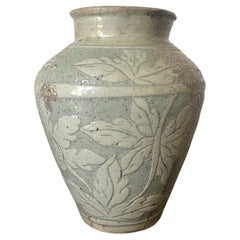
Antique Korean Buncheong Ceramic Vase with Incised Designs
Located in Atlanta, GA
A Korean ceramic bottle form jar of Buncheong ware circa 15-16th century Joseon Dynasty. The surface of the jar features a celadon glaze and an elaborate incised design of large flor...
Category
Antique 16th Century Korean Archaistic Ceramics
Materials
Ceramic
Japanese Ceramic Sake Bottle Chosen Karatsu Ware
Located in Atlanta, GA
The long neck bottle of classic form was heavily potted with coarse clay with high iron content. The flask, circa 18th century Edo period, was purposed for sake storage but also substituted as a flower vase during tea ceremony. The surface is covered in glossy black glaze and contrasts strikingly with white ash glaze around the shoulder. The white, fired with straw, displays a splashing feather effect and fine crackles, blending in with the black artistically. This type of Karatsu ware...
Category
Antique 18th Century Japanese Japonisme Ceramics
Materials
Ceramic

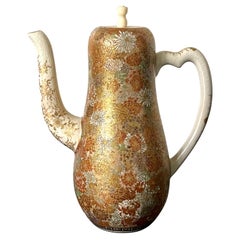
Japanese Satsuma Ceramic Ewer Yabu Meizan
By Yabu Meizan
Located in Atlanta, GA
A Satsuma ware miniature ewer from the studio of Yabu Meizan (birth name Yabu Masashichi; 1853-1934), who was one of the most celebrated and collectible Satsuma artists from the Meij...
Category
Early 20th Century Japanese Japonisme Ceramics
Materials
Ceramic
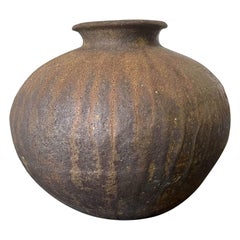
Japanese Echizen Ceramic Tsubo Fujita Jurouemon VIII
Located in Atlanta, GA
A Japanese storage jar (tsubo) made in the ancient Echizen ware tradition by Fujita Jurouemon VIII. Echizen is one of the six ancient kilns in Japan, directly influenced by the Sue ware...
Category
20th Century Japanese Modern Ceramics
Materials
Ceramic
You May Also Like
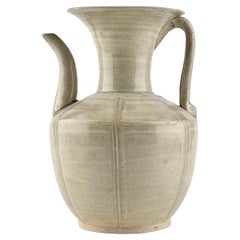
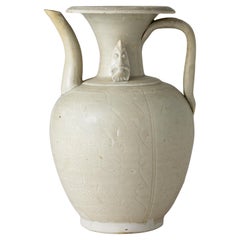
A Zhejiang Porcelain Ewer, Northern Song Dynasty
Located in seoul, KR
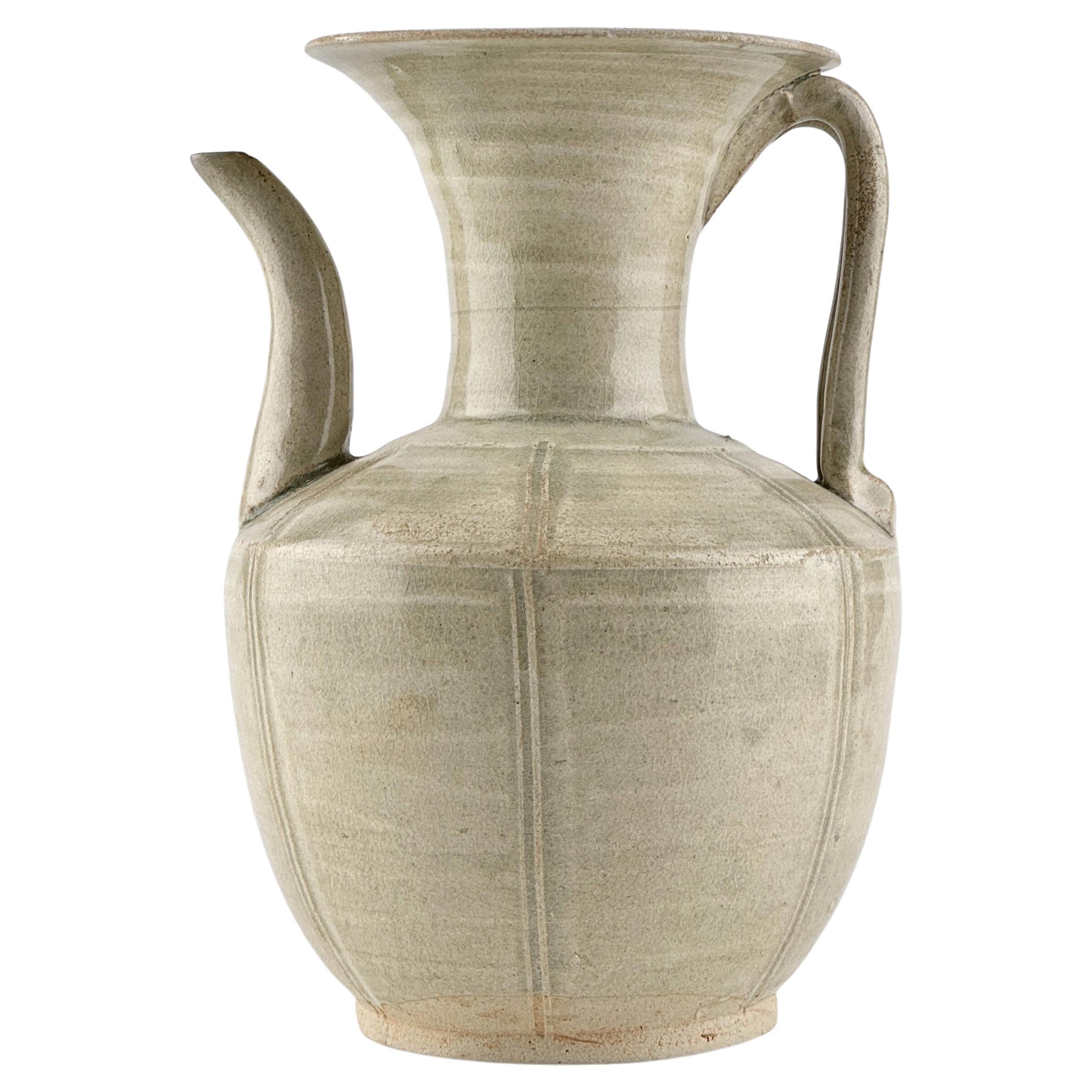
The oviform body is divided into few lobes. All covered in a finely crackled pale olive-green glaze. The surface and glaze characteristics are definitive, confirming the authenticity...
Category
Antique 15th Century and Earlier Hong Kong Antiquities
Materials
Porcelain
Changsha Ewer, Tang Dynasty
Located in seoul, KR
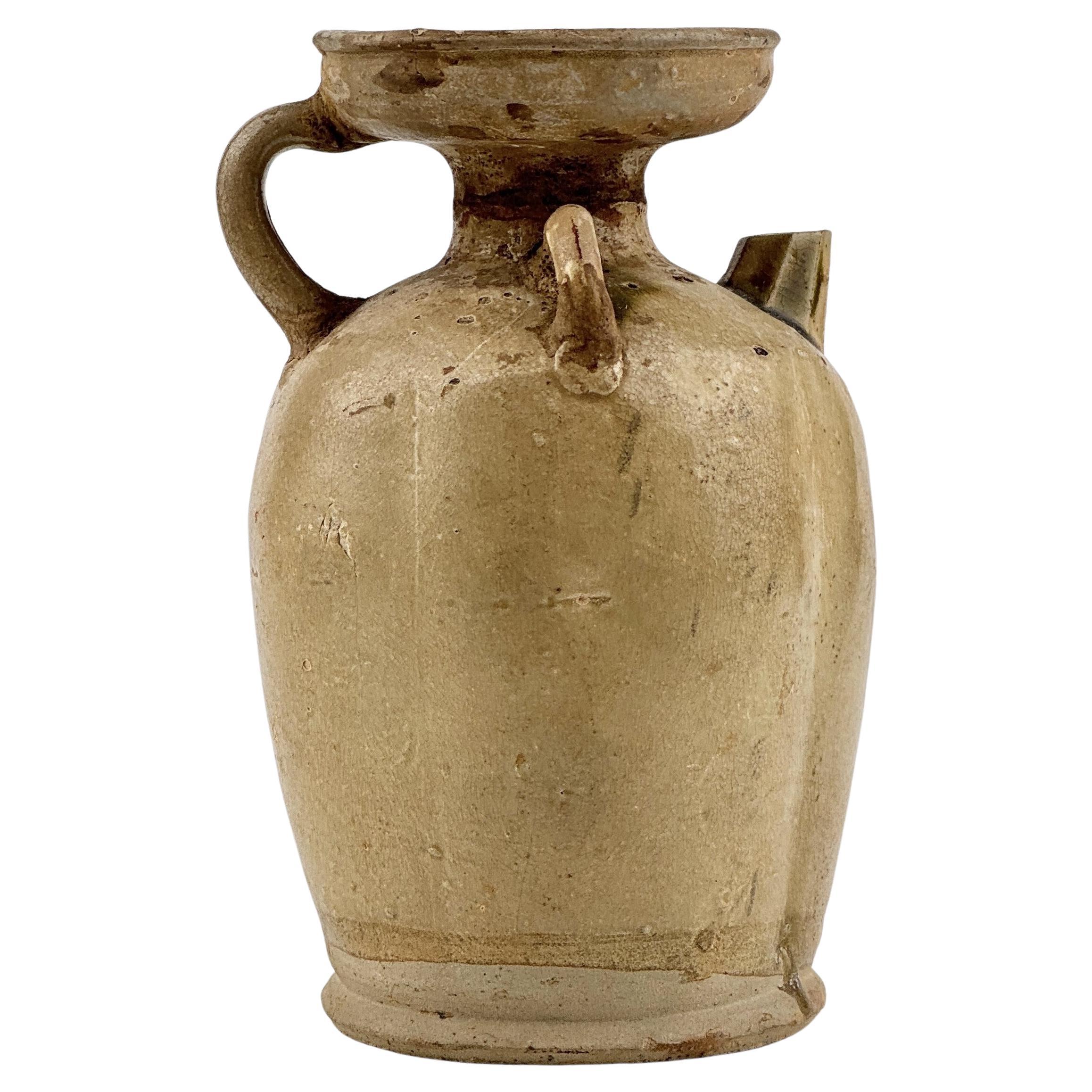
It features two small lug handles on either side of the neck and a spout opposite the main handle. This ewer might have been used for wine or other liquids, which were poured through...
Category
Antique 15th Century and Earlier Hong Kong Tang Antiquities
Materials
Pottery, Stoneware

Qingbai Melon form water ewer, Five Dynasties-Northern song dynasty
Located in seoul, KR
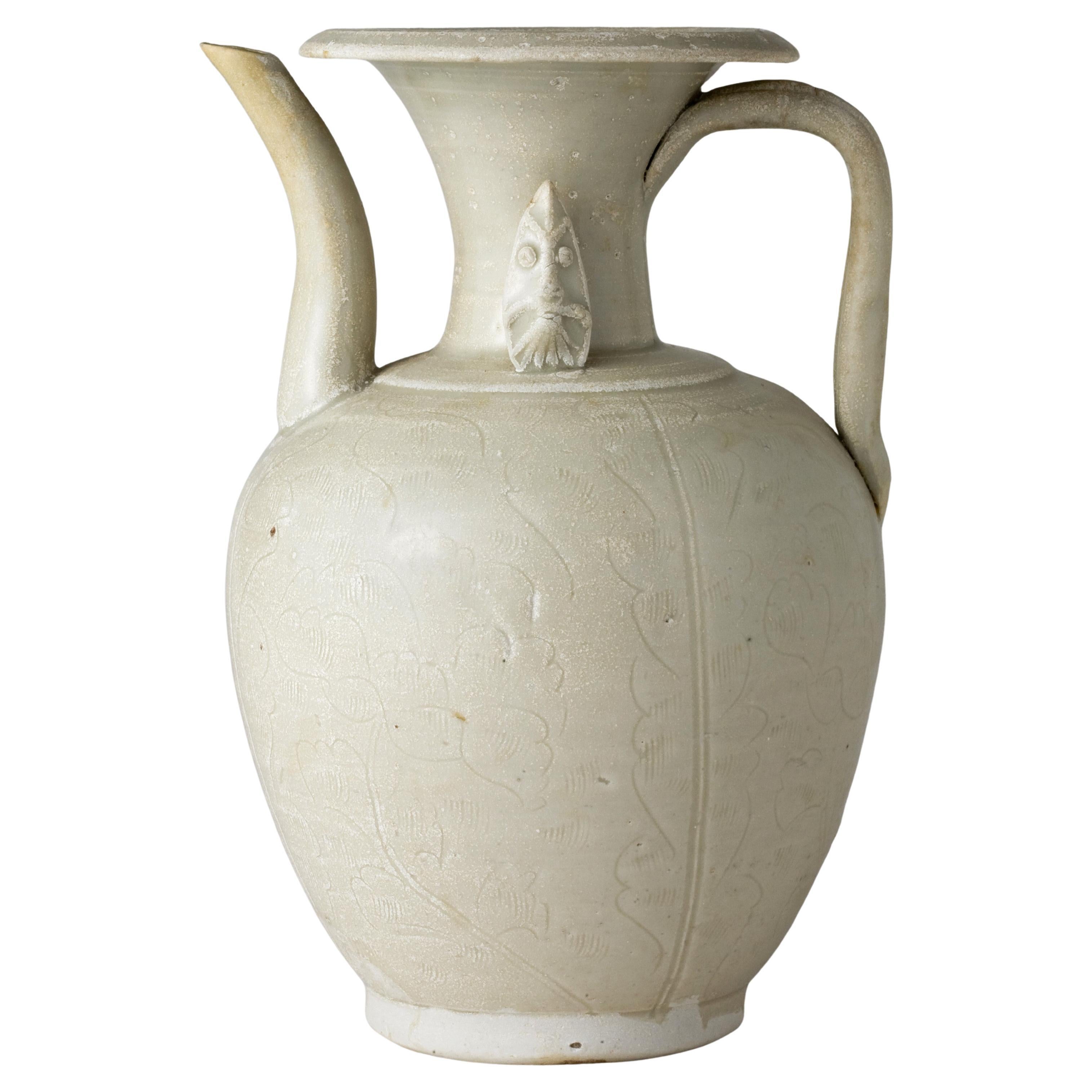
The oviform body is divided into few lobes, and the shoulder is applied with a pair of small loops molded.
Period : Five Dynasties-Song Dynasty(907~1279)
Type : Ewer
Medium : Zheji...
Category
Antique 15th Century and Earlier Hong Kong Antiquities
Materials
Porcelain
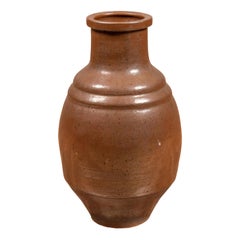
Japanese Tamba Tachikui Ware Monochrome Brown Glazed Water Jug, 19th Century
Located in Yonkers, NY
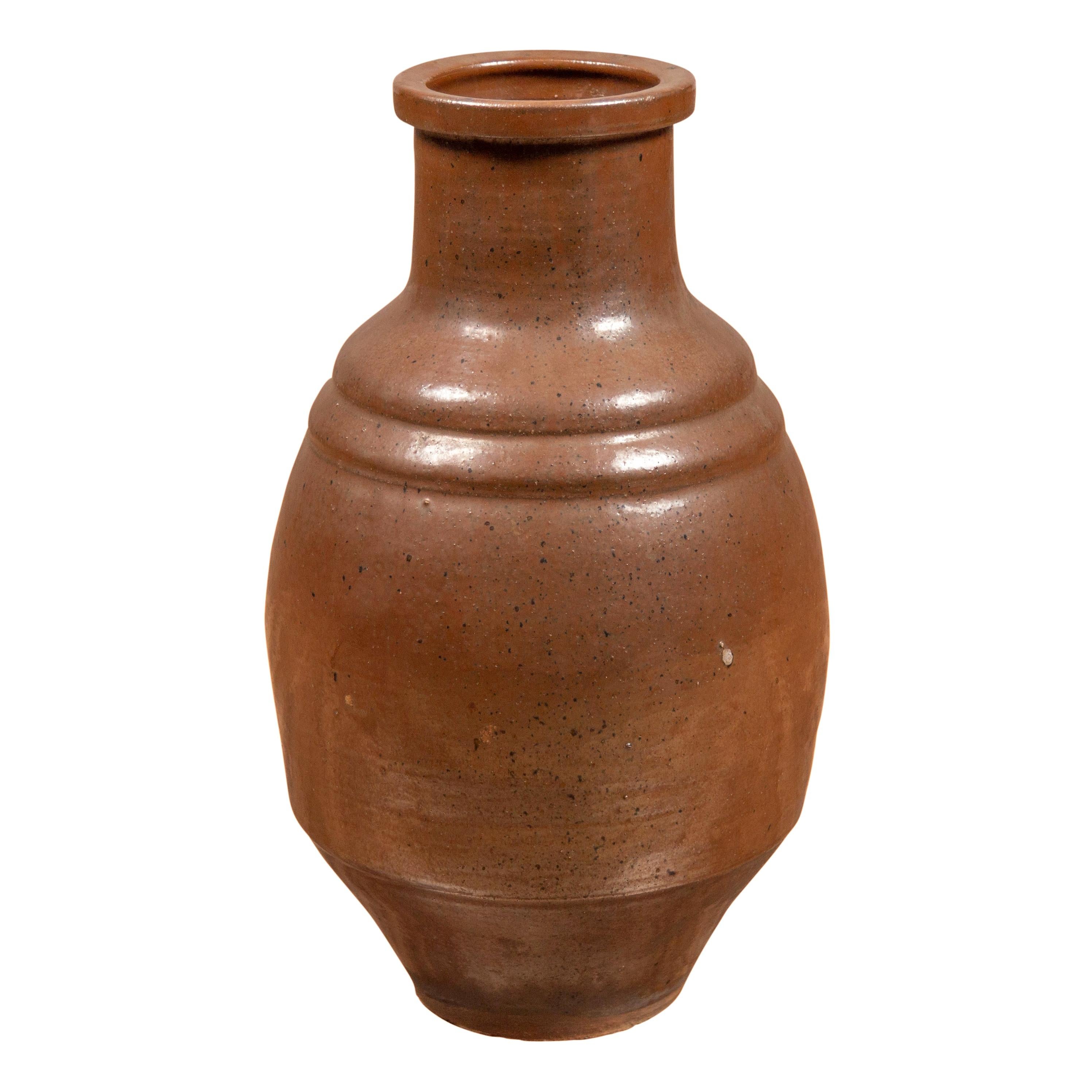
A Japanese Tamba Tachikui ware brown glazed water jug from the 19th century. This exquisite 19th century Japanese Tamba Tachikui ware water jug enchants with its understated elegance and monochrome brown glaze. Crafted in one of Japan’s six renowned ancient kilns, this jug showcases a beautifully circular body that gracefully narrows into a slender neck, adorned with ribbed accents that add subtle texture to its surface. The protruding lip, delicately formed, contributes to the jug's overall harmonious silhouette, embodying a sense of refined simplicity and traditional craftsmanship.
With its rich, deep brown hue, the jug’s glaze captures the essence of natural earth tones, creating a warm and inviting presence. This Tamba ware...
Category
Antique 19th Century Japanese Ceramics
Materials
Ceramic, Pottery
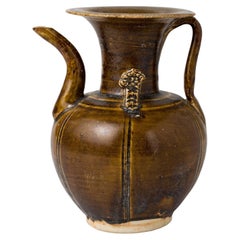
Brown Glazed Ceramic Ewer, Five Dynasties-Song Dynasty
Located in seoul, KR
The glaze crackles, reflecting the passage of time, add to the piece's antique charm. The spout and handle are well-proportioned, and the brown glaze is evenly applied, the unique fi...
Category
Antique 15th Century and Earlier Hong Kong Antiquities
Materials
Ceramic
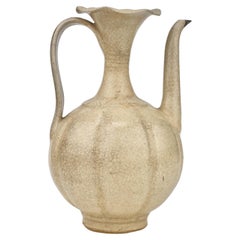
Rare annamese cream glazed ewer, Vietnam, 11-15th century
Located in seoul, KR
Famous annamese cream glazed ceramic ewer covered with a cream glaze. Traces of excavation are clearly visible in the glaze.
Dates : Presumably Ly Dynasty (11-13th century)
Region ...
Category
Antique 15th Century and Earlier Vietnamese Antiquities
Materials
Ceramic, Stoneware
More Ways To Browse
Antique Carved Japanese Furniture
Antique Ewer
Japanese Stoneware
Antique Stoneware Jars
Antique Kintsugi
Heian Period
Antique Japanese Stoneware
15th Century Japan
Chinese Ewer
Kamakura Period
Japanese Ewer
Chinese Mandarin
Pottery Mid Century Japanese
Meiji Blue And White
Showa Japanese Porcelain
Antique Base Asian
17th Century Japanese Art
Chinese Rose Bowl