Items Similar to Japanese Meiji period (1868-1912) Satsuma Cup and Saucer Pair by Kinkozan
Want more images or videos?
Request additional images or videos from the seller
1 of 20
Japanese Meiji period (1868-1912) Satsuma Cup and Saucer Pair by Kinkozan
$1,321.65
£970
€1,126.47
CA$1,819.42
A$1,988.98
CHF 1,052.26
MX$23,801.35
NOK 13,388.50
SEK 12,255.82
DKK 8,414.01
About the Item
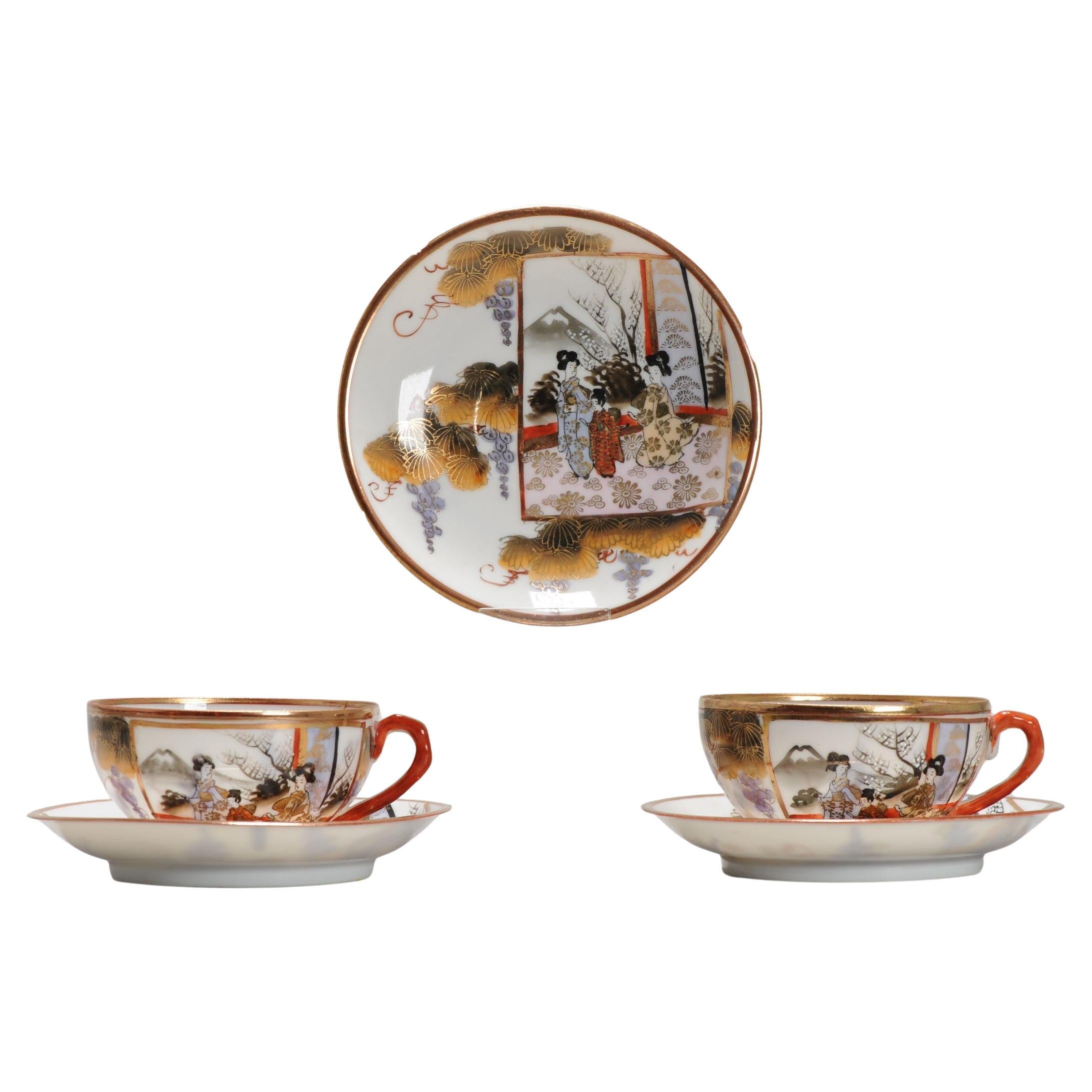
PAIR OF CUP AND SAUCERS BY KINKOZAN
MEASUREMENTS
Saucer 10.8cm Diameter x 1.5cm High (4.25 x 0.6 Inches)
Cup 4.6cm High x 6.7cm Long x 5cm Wide (1.8 x 2.64 x 1.97 Inches)
From our Japanese collection, we are delighted to bring to market this pair of Japanese Satsuma Cup and Saucer Pair by Kinkozan. The pair of Satsuma cup and saucers beautifully decorated with a blue cobalt glaze extensively gilded with a beautiful parallel geometric borders, a central band of flowers and roundels depicting dragons clutching a pearl and butterflies to the centre. The cups with matching decoration to the saucer finished with gilt pin striping to the handle and top rim. The base of each piece is signed by the maker Kinkozan 錦光山 and dates to the late 19th century during the Japanese Meiji period 1868-1912.
KINKOZAN 錦光山
the Kinkozan family have been associated with pottery dating back to 1645. They went on to become the largest producer of Satsuma ware by one individual company, from the end of the 19th century until 1927 after which the factory closed. By the 1850s Kobayashi Sobei (1824-84), Kinkozan Sobei (artist name Kinkozan IV), started to export his products together with the Kyoto manufacturer Taizan VIII. The main target market was America with their main production period approximately between 1875-1927 under the leadership of Kinkozan V(1868-1927).
SATSUMA
ware is a type of earthenware pottery originating from the Satsuma province in Southern Kyushu, Japan’s third largest island.
MEIJI PERIOD
was an era of Japanese history that spanned from 1868 to 1912. It was the first half of the Empire of Japan, when the Japanese people began to build a paradigm of a modern, industrialised nation state and emergent great power, influenced by Western countries and aesthetics. As a result of radically different ideas, the changes to Japan were profound and it affected the social structure, politics, economy, military, and foreign relations across the board. The period corresponded to the reign of Emperor Meiji and was preceded by the Keio era and was succeeded by the Taisho era.
Cultural Art during the Meiji Period was of particular interest to the government and they overhauled the art export market which in turn promoted Japanese arts via various world’s fairs, beginning in Vienna at the world fair in 1873. The government heavily funded the fairs and took an active role organising how Japan’s culture was presented to the world including creating a semi-public company named Kiritsu Kosho Kaisha (First Industrial Manufacturing Company). The Kiritsu Kosho Kaisha was used to promote and commercialise exports of Japanese art and established the Hakurankai Jimukyoku (Exhibition Bureau) to maintain quality standards. For the 1876 Centennial International Exhibition in Philadelphia, the Japanese government created a Centennial Office and sent a special envoy to secure space for the 30,000 items that would be displayed. The Imperial Household also took an active interest in arts and crafts, commissioning works by select artists to be given as gifts for foreign dignitaries further emphasising the high quality and importance of Japanese art. Just before the end of the 19th century in 1890, the Teishitsu Gigeiin (Artist to the Imperial Household) system was created to recognise distinguished artists. These artists were selected for their exceptionally high quality wares and talent in their own industry. Over a period of 54 years Seventy artists were appointed, amongst these were ceramicist Makuzu Kozan and cloisonné enamel artist Namikawa Yasuyuki.
- Creator:Kinkozan (Manufacturer)
- Dimensions:Height: 0.4 in (1 cm)Width: 0.4 in (1 cm)Depth: 0.4 in (1 cm)
- Style:Meiji (Of the Period)
- Materials and Techniques:
- Place of Origin:
- Period:
- Date of Manufacture:Circa 1890
- Condition:Wear consistent with age and use. Minor fading. Very Good, some small areas of rubbing to the gilding.
- Seller Location:Newark, GB
- Reference Number:Seller: HKIRD41stDibs: LU6971243759202
About the Seller
5.0
Vetted Professional Seller
Every seller passes strict standards for authenticity and reliability
Established in 2019
1stDibs seller since 2022
39 sales on 1stDibs
Typical response time: 1 hour
- ShippingRetrieving quote...Shipping from: Newark, United Kingdom
- Return Policy
More From This Seller
View AllVienna Porcelain Cup and Saucer
By Royal Vienna Porcelain
Located in Newark, England
Decorated with a Female Portrait
Measurements Saucer 2.7cm High x 13.4cm Diameter (1.1 x 5.3 Inches) Cup 6.5cm High x 8.5cm Long x 6.5cm Wide (2.56 x 3.35 x 2.56 Inches)
From our Ceramics collection, we are pleased to offer this Vienna Cup and Saucer. The Vienna Cup and Saucer made from porcelain with a deep dish saucer beautifully decorated with intricate gilt scrollwork bordering each colour and scene. Colours of turquoise and deep purple finish the inner saucer with a central medallion of white glaze. The base of the saucer is signed in underglaze blue with the classic Vienna beehive mark. The matching cup is features a central hand painted romantic scene of a Shepard and shepherdess in a classical garden perched next to a marble bust on column...
Category
Antique Late 19th Century Austrian Ceramics
Materials
Ceramic, Porcelain
Japanese Meiji Period Cloisonne Enamel Tea Set
Located in Newark, England
Extensively Decorated with Traditional Japanese Images
The Tea Set comprises of fifteen pieces including six cup and saucers, a lidded teapot, a lidded sugar pot and a milk jug. The...
Category
Early 20th Century Japanese Meiji Tea Sets
Materials
Metal, Enamel, Metallic Thread
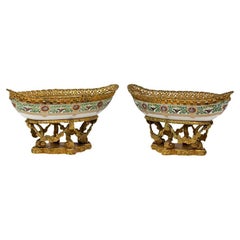
French Pair of Sèvres Style Ormolu Mounted Serving Dishes
By Manufacture Nationale de Sèvres
Located in Newark, England
FREE WORLDWIDE SHIPPING
A pair of French Sèvres style boat-shaped serving dishes with original ormolu mounts, decorated in the Fontainebleau pattern.
From our European Ceramics col...
Category
Antique Late 19th Century French Louis Philippe Ceramics
Materials
Ormolu
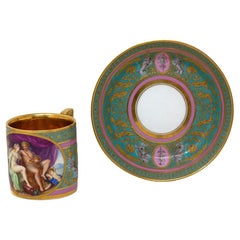
Antique Vienna Porcelain Cup and Saucer
By Royal Vienna Porcelain
Located in Newark, England
Decorated with a Classical Scene
Measurements Saucer 2.7cm High x 13.4cm Diameter (1.1 x 5.3 Inches) Cup 6.5cm High x 8.5cm Long x 6.5cm Wide (2.56 x 3.35 x 2.56 Inches)
From our C...
Category
Antique Late 19th Century Austrian Belle Époque Ceramics
Materials
Ceramic, Porcelain
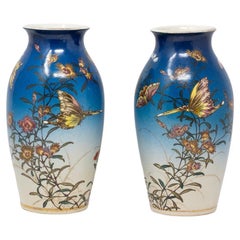
Unusual Pair of Japanese Meiji Period (1868-1912) Satsuma Vases by Kinkozan
By Kinkozan
Located in Newark, England
Taizan Yohei IX Style
From our Japanese collection we are delighted to offer this pair of Japanese Satsuma Vases by Kinkozan. The Satsuma Vases of baluster shape made from earthenwa...
Category
Antique Early 1900s Japanese Meiji Ceramics
Materials
Ceramic, Earthenware, Pottery
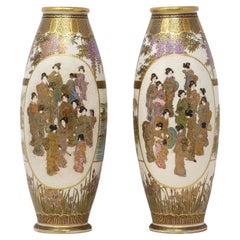
Japanese Satsuma Vase Pair by Senzan Meiji Period
Located in Newark, England
FREE WORLDWIDE SHIPPING
From our Japanese Satsuma collection, we’re pleased to offer this unusually shaped pair of Japanese Satsuma vases, signed by the artist Senzan 泉山 and dating...
Category
Early 20th Century Japanese Meiji Ceramics
Materials
Ceramic, Earthenware
You May Also Like
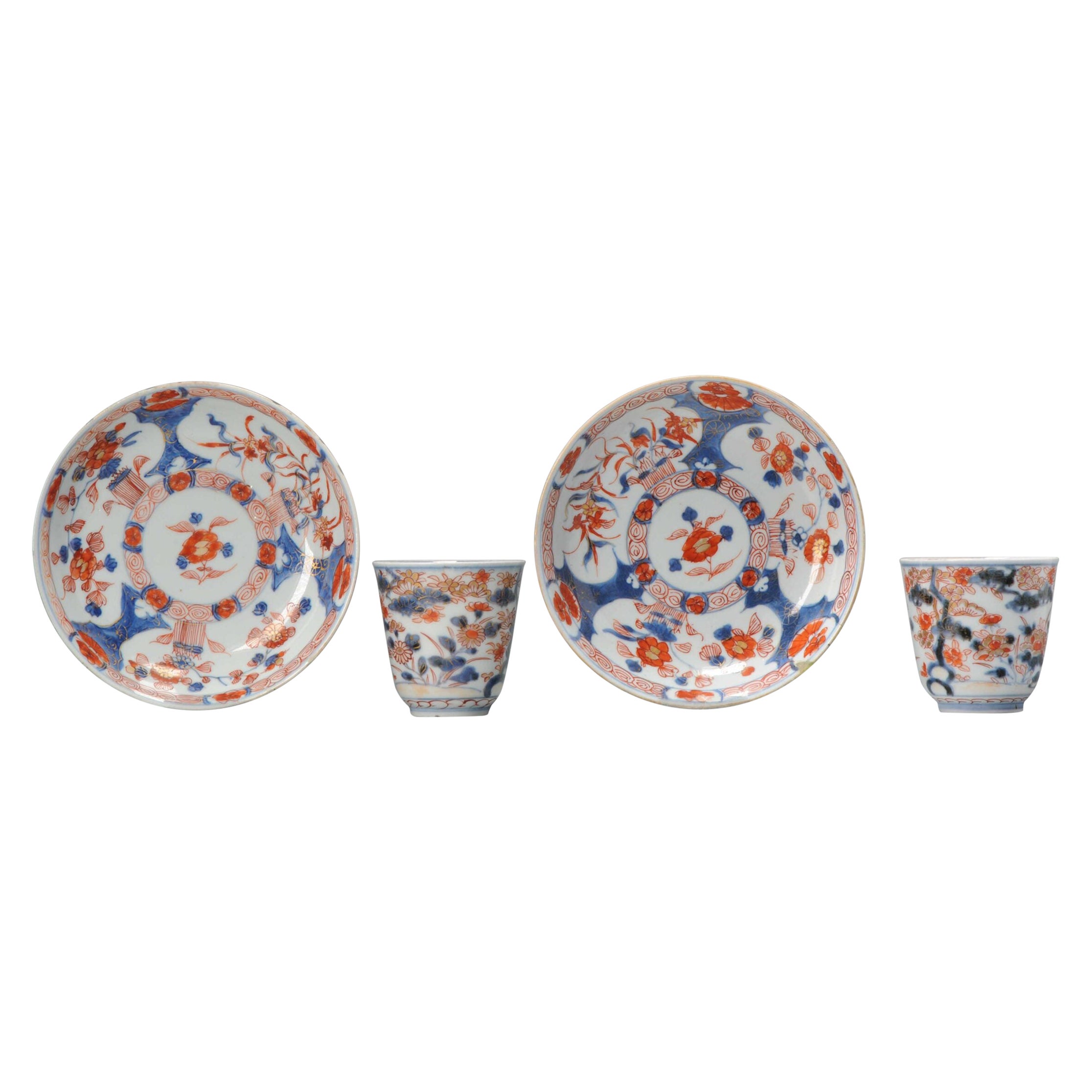
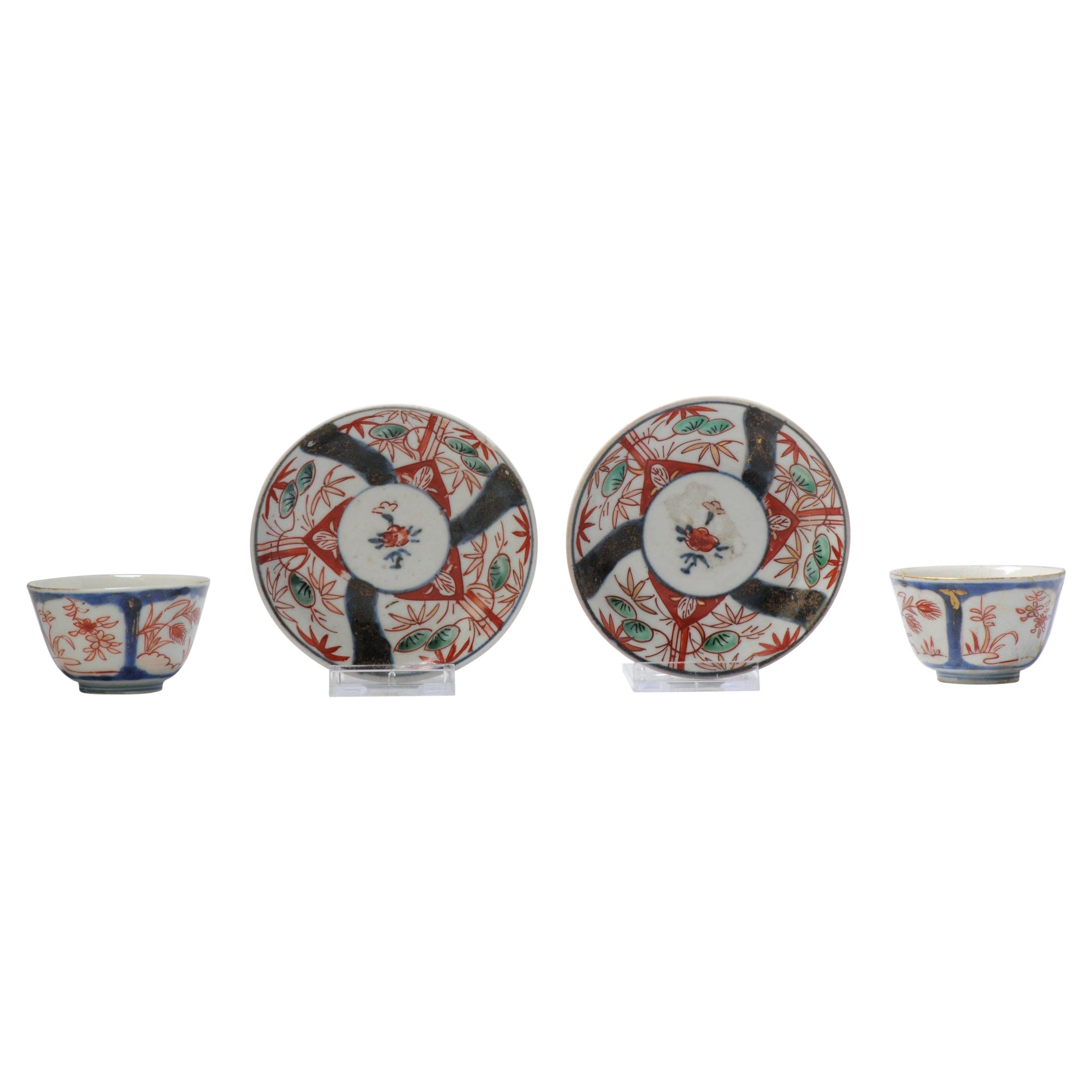
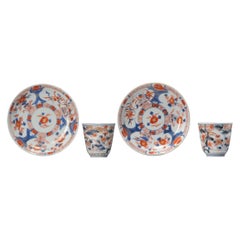
Pair of Arita Edo Period Japanese Porcelain Chocolate Cup / Tea Bowl Japan
Located in Amsterdam, Noord Holland
Very nice edo period examples, 18th century
A Japanese pair of Imari tea bowls / chocolate cups.
Additional information:
Material: Porcelain & Pottery
Type: Tea/Coffee Drinking: Bowls, Cups & Teapots...
Category
Antique 17th Century Japanese Tea Sets
Materials
Porcelain
$558 Sale Price / set
20% Off
Free Shipping
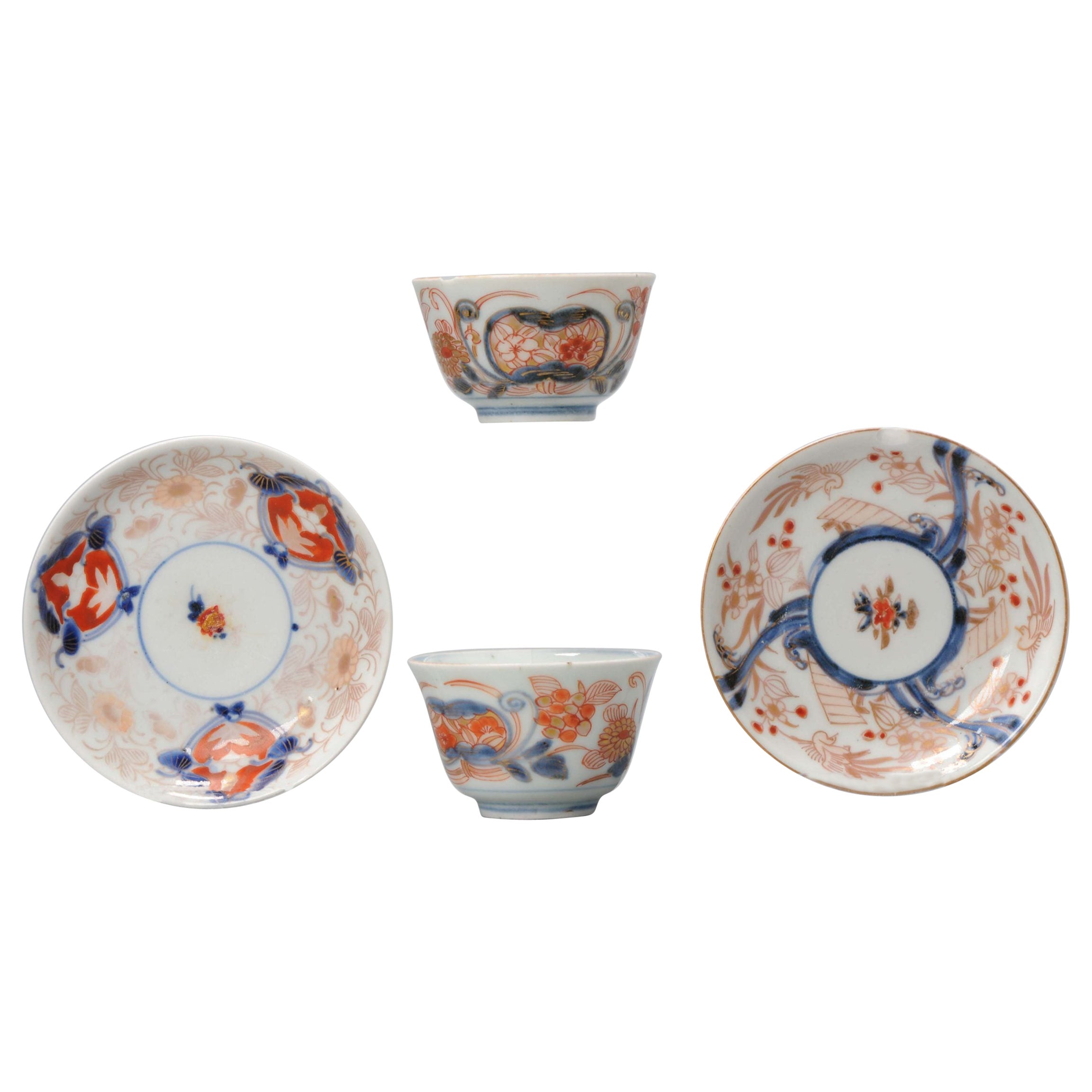
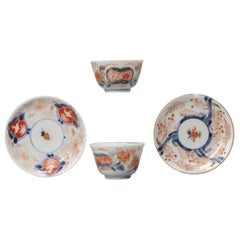
A Set of 2 Japanese Edo Period Gold Imari Porcelain Tea Bowl
Saucer Japan
Located in Amsterdam, Noord Holland
A set of 2 Japanese Edo period Gold Imari Porcelain Tea Bowl & Saucer Japan.
Nice Edo period tea set with imari floral decoration.
Additional informati...
Category
Antique 18th Century Japanese Tea Sets
Materials
Porcelain
$470 Sale Price / set
20% Off
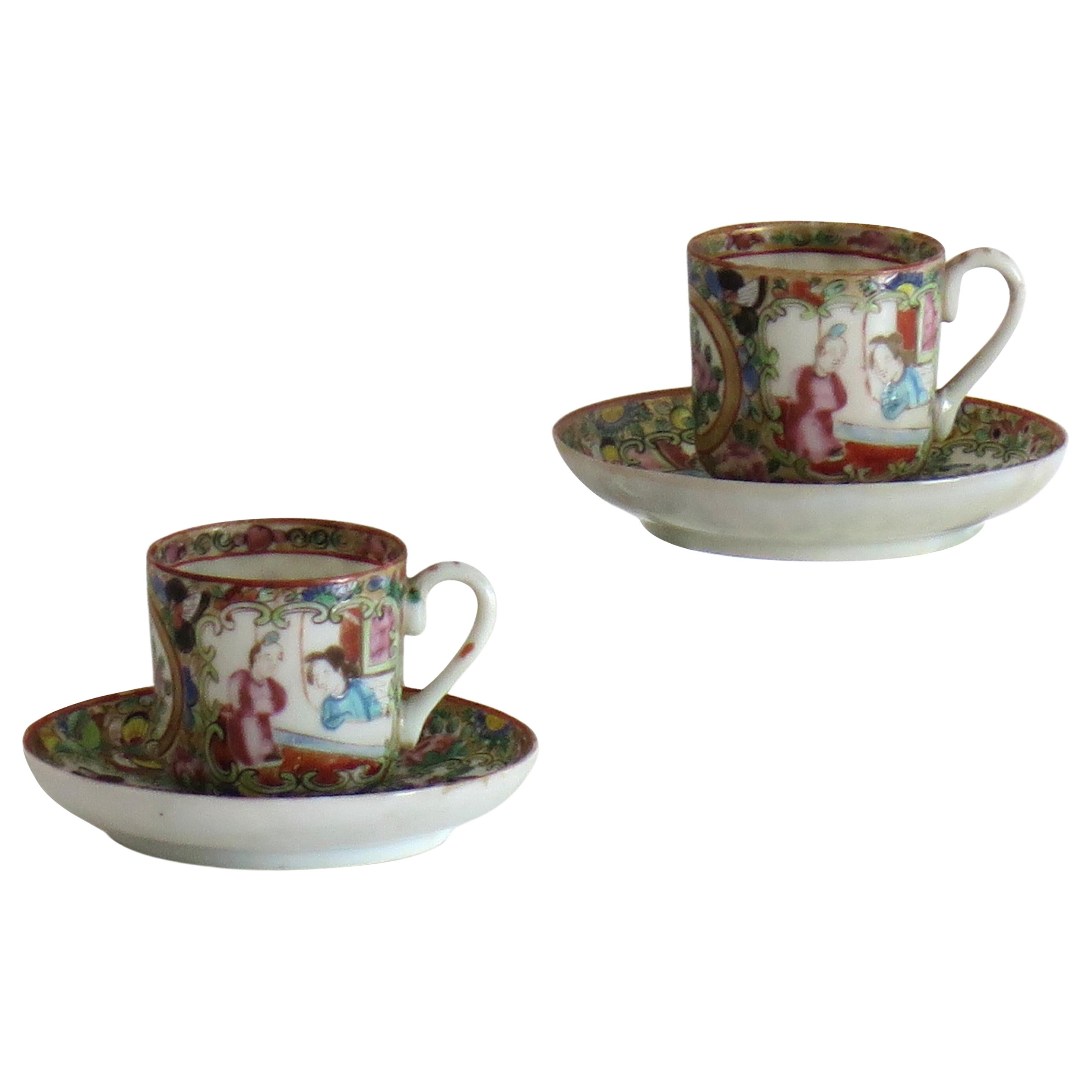
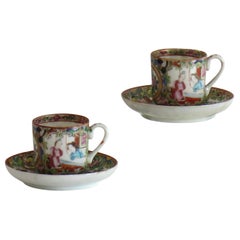
Two PAIRs of Chinese Export Cups and Saucers egg-shell porcelain, Qing 19th C
Located in Lincoln, Lincolnshire
This is Two PAIRS of Chinese export Cups and Saucers made from eggshell porcelain and hand painted in the very decorative Rose Medallion ...
Category
Antique 19th Century Chinese Chinese Export Ceramics
Materials
Porcelain
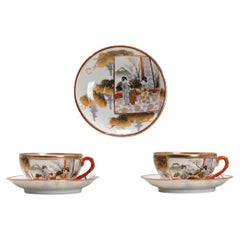
Antique Japanese Meiji/Showa Period Set of Cups or Tea Bowls Porcelain Eggshell
Located in Amsterdam, Noord Holland
A very nice set of 12 bowls with saucers. Very nicely decorated. They are marked on the base.
Additional information:
Material: Porcelain & Pottery
Region of Origin: Japan
Japan Dyn...
Category
20th Century Japanese Meiji Prints
Materials
Porcelain
$143 Sale Price
20% Off
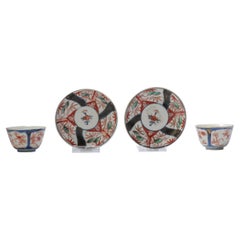
Pair of Japanese Porcelain Flower Tea Cup Bowl
Saucer Saucer Imari, 18th Cen
Located in Amsterdam, Noord Holland
Porcelain decorated in underglaze cobalt blue. A Mariage
Edo and Qing Dynasty, Kangxi period (1662-1722), c. 1700
Tea Bowl
Additional information:
Material: Porcelain & Pottery
Ty...
Category
Antique 18th Century Japanese Tea Sets
Materials
Porcelain
$318 Sale Price / set
20% Off
Pair of Antique Japanese Meiji
Black Ship
Imari Porcelain Cups
Saucers
By Imari Porcelain
Located in Philadelphia, PA
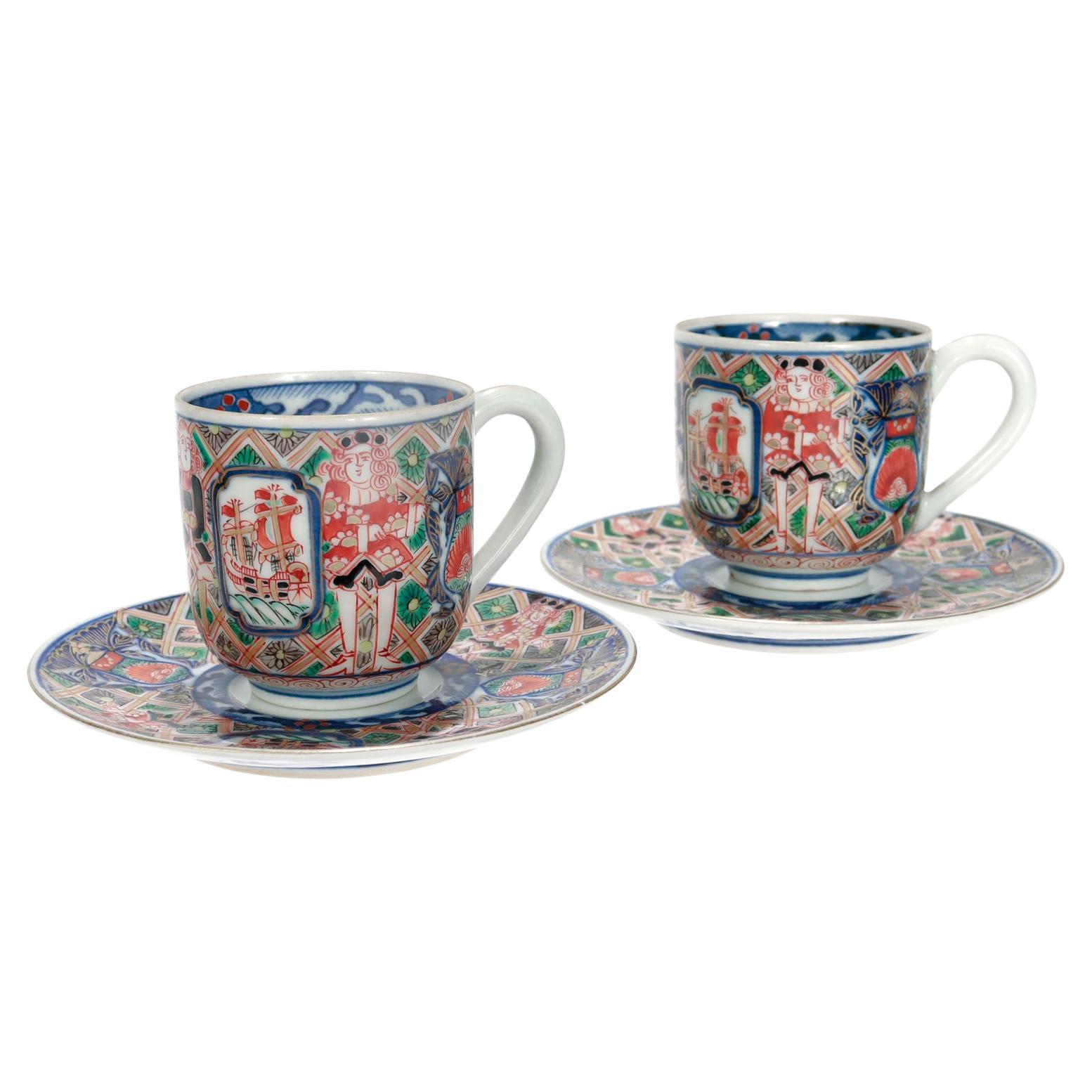
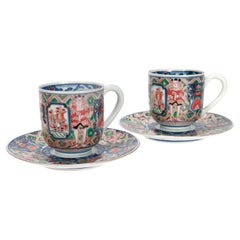
A fine pair of antique Japanese Imari porcelains demitasse coffee or tea cups & saucers.
In the 'Black Ship' pattern.
Decorated throughout with painted depictions of Western sailors and their ships in reds, blues, and greens with extensive gilt accents throughout.
The centers of the cups and saucers each have a stylized gilt kanji for longevity (寿).
The bases of both cups & saucers have apocryphal Chinese reign marks for the Ming Dynasty of the Chenghua period (太明成化年製).
Black Ships (黒船, kurofune) was a name used for Western sea vessels arriving in Japan from the 16th - 19th Century. The name originated from the very first Portuguese vessels to trade with the Japanese ca. 1543 had hulls painted black. When the expedition of Matthew Commodore Perry in 1853 forcibly ended Japan's self-imposed isolationist sakoku (鎖国, lit. "locked country") period, his steam-powered warships inspired fear in the Japanese populace with their coal fueled black smoke. Subsequently, the Black Ships became symbolic of the end of Japan's isolationist period.
Simply a wonderful set of antique Arita...
Category
Early 20th Century Porcelain
Materials
Porcelain
More Ways To Browse
19th Century Cup And Saucer
Centennial 1876
Pottery Cup
Saucers Japan
Antique Japanese Cup
Cup Saucer Japanese
Japanese Ceramic Cups
Antique Japanese Cup And Saucer
Butterfly Cup
Ceramic Saucers
Chinese 14th Century
Chinese Antique Rose Mandarin Porcelain
Chinese Butterfly Porcelain
Chinese Qing Dog
Chinese Tea Bowl
Japanese Bizen
Vintage Green China
Antique Chinese China Fruit