Want more images or videos?
Request additional images or videos from the seller
1 of 18
Japanese Meiji Period Satsuma Bowl Signed Kozan
$5,367.96List Price
About the Item
- Dimensions:Height: 4.34 in (11 cm)Diameter: 9.85 in (25 cm)
- Style:Meiji (Of the Period)
- Materials and Techniques:
- Place of Origin:
- Period:
- Date of Manufacture:circa 1880
- Condition:Wear consistent with age and use.
- Seller Location:Newark, GB
- Reference Number:Seller: SSBBDD1stDibs: LU6971231583742
About the Seller
5.0
Vetted Professional Seller
Every seller passes strict standards for authenticity and reliability
Established in 2019
1stDibs seller since 2022
40 sales on 1stDibs
Typical response time: 3 hours
Authenticity Guarantee
In the unlikely event there’s an issue with an item’s authenticity, contact us within 1 year for a full refund. DetailsMoney-Back Guarantee
If your item is not as described, is damaged in transit, or does not arrive, contact us within 7 days for a full refund. Details24-Hour Cancellation
You have a 24-hour grace period in which to reconsider your purchase, with no questions asked.Vetted Professional Sellers
Our world-class sellers must adhere to strict standards for service and quality, maintaining the integrity of our listings.Price-Match Guarantee
If you find that a seller listed the same item for a lower price elsewhere, we’ll match it.Trusted Global Delivery
Our best-in-class carrier network provides specialized shipping options worldwide, including custom delivery.You May Also Like
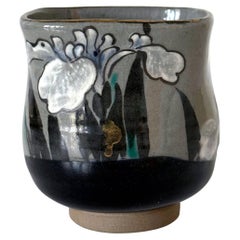
Japanese Ceramic Teacup by Makuzu Kozan Meiji Period
By Makuzu Kozan
Located in Atlanta, GA
A small glazed ceramic teacup with surface paint decoration by Japanese imperial potter Makuzu Kozan ((1842–1916) with two tomobako storage wood boxes (likely later). Unlike the bett...
Category
Antique Early 1900s Japanese Meiji Ceramics
Materials
Ceramic
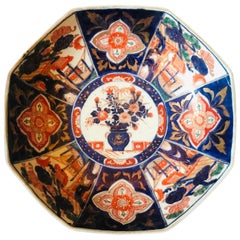
Meiji Period Large Japanese Imari Bowl Centerpiece
By Imari Porcelain
Located in Vero Beach, FL
Meiji period large Japanese Imari bowl centerpiece
This large, distinctive, octagonal porcelain Imari bowl is painted in rich, inky blue, co...
Category
Antique 19th Century Japanese Meiji Ceramics
Materials
Porcelain
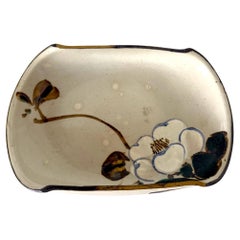
Japanese Ceramic Bowl Makuzu Kozan with Original Inscribed Box
By Makuzu Kozan
Located in Atlanta, GA
A glazed ceramic shallow bowl with surface paint decoration by Japanese imperial potter Makuzu Kozan ((1842–1916) with its original inscribed tomobako storage wood box. Unlike the be...
Category
Antique Early 1900s Japanese Meiji Ceramics
Materials
Ceramic
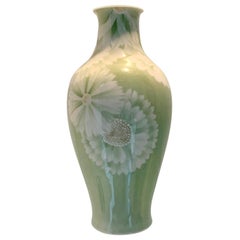
Japanese Porcelain Vase Meiji Period Makuzu Kozan
By Makuzu Kozan
Located in Atlanta, GA
A finely decorated and glazed Japanese porcelain vase by Makuzu Kozan (1842-1916) circa 1900s Meiji Period. The vase is of a classic bottle form with baluster body and short neck. It was decorated with underglaze white magnolia blossom on a pleasant celadon background. The stamens of the flower were artistically rendered in a low relief, giving the design a realistic appeal with the dimension.
Miyagawa Kozan...
Category
Early 20th Century Japanese Meiji Ceramics
Materials
Porcelain
Japanese Ceramic Bowl Makuzu Kozan Utusushi Kenzan
By Makuzu Kozan
Located in Atlanta, GA
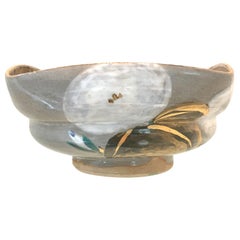
A rare ceramic bowl with overglaze paint decoration by Japanese imperial potter Makuzu Kozan ((1842–1916). Unlike the better-known works Kozan made for the expositions in the west and export to the foreign market, this piece exemplifies his work for the domestic market and the tea ceremony. The bowl was made in the so called "Utusushi" Ogata Kenzan (1663-1743), a celebrated Edo painter and ceramicist. Utusushi is loosely translated as "in the spirit of". It is not at all a simple imitation of a master, but a Japanese concept of embracing the spiritual essence of a master while the creator is free to mix in his or her own unique artistic interpretation and flavor.
The bowl was made to hold fruits during the tea ceremony. It has a very distinguished form with a circular lower body morphing into a square upper portion that further opening with flared rim. The surface has a grey glaze onto which Asagao flowers (Japanese morning glory) on the vines were painted in a free and poetic style. White was used for the petals, green for the leaves with touches of gold highlight. Asagao, the symbol of the summer was rendered in the spirit of Ogata Kenzan, and interestingly the shape of the blossom echoes the unique form the bowl. It was likely reserved for the tea ceremony during the summer months.
Under the base, Kozan was signed in black on a white porcelain plaque inlay.
For two similar examples of Kozan's work Utusushi Kenzan, see Page 168-169 of the book: Sekai ni Aisa Reta ya Kimono Miyagawa Kozan Makuzu...
Category
Antique Early 1900s Japanese Japonisme Ceramics
Materials
Ceramic
Fine Japanese Ceramic Vase Makuzu Kozan Meiji Period
By Makuzu Kozan
Located in Atlanta, GA
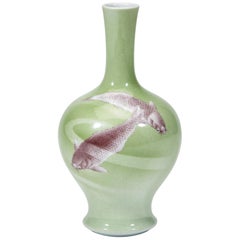
A Japanese long neck porcelain vase circa 1900-1910s by the studio of Miyagawa Kozan (1842–1916), one of the most established and collected Japanese ceramist from the end of Meiji Period. Commonly known as Makuzu Kozan, which also appears as the signature on his work, his originally birth name was Miyagawa Toranosuke. He was the appointed artist to the Japanese Imperial household and his work was exhibited in many international fairs that the Meiji government participated at the turn of the century.
This vase features an elegant Classic form with a slender neck and slightly flared mouth above a baluster body. It was finely painted with two swimming carps in a copper red underglaze among green ribbons like waves. The background display a brilliant verdant green overall, Around the fish a poetic hazy effect was emphasized for a visual complexity by Fuki-e (the blow painting), an invention in Kozan's studio. The new technical development of chemical colors from the west was embraced circa 1900s in Kozan studio. This empowered the more creative experiments with not only colors, but also concept of dimension, which led Makuzu Kozan's work to become a bridge between East and West aesthetics. This is particularly evident in this vase with the Masterly details of the brush strokes, the expertly employment of gradient of color, and a very realistic and detailed rendering of the fish and their vivid motions.
For two similar examples of Kozan's work with similar carps decoration, see Page 148-149 of the book: Sekai ni Aisa Reta ya Kimono Miyagawa Kozan Makuzu...
Category
Early 20th Century Japanese Meiji Ceramics
Materials
Ceramic
Rare Published Japanese Ceramic Bowl Makuzu Kozan with Original Inscribed Box
By Makuzu Kozan
Located in Atlanta, GA
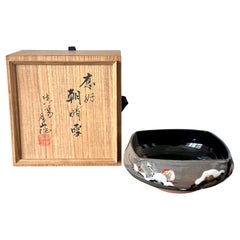
A rare published glazed ceramic bowl with surface paint decoration by Japanese imperial potter Makuzu Kozan ((1842–1916) with its original inscribed tomobako storage wood box. Unlike the better-known works Kozan made for the expositions in the west and export to the foreign market, this piece exemplifies his work for the domestic market and specifically, the tea ceremony. The bowl was made in the so called "Utusushi" Ogata Kenzan (1663-1743), a celebrated Edo painter and ceramicist. Utusushi is loosely translated as "in the spirit of". It is not at all a simple imitation of a master, but a Japanese concept of embracing the spiritual essence of a master while the creator is free to mix in his or her own unique artistic interpretation and flavor.
The bowl was made to hold sweet cakes during the tea ceremony. It has a very distinguished form with a circular swelled lower body morphing into a square upper portion that further opening with flared rim. The surface has a distinct glaze pattern partitioned diagonally in black and brown. On top, snow-covered branches of prunus flowers were painted overglaze in a poetic near-abstract fashion. Blooming in winter, prunus flower is the symbol of the season and cherished for its resistance to cold. The bowl was likely reserved for the tea ceremony during the winter months.
A white porcelain plaque with Kozan in black inlay was placed on the black glaze toward the bottom. Under the base, the bowl was further branded with two incised characters "Makuzu" as shown. The original tomobako bears ink inscription and paper slip label "Sweet Bowl...
Category
Antique Early 1900s Japanese Meiji Ceramics
Materials
Ceramic
$12,000
H 3.4 in Dm 8 in
Large Japanese Ceramic Vase by Makuzu Kozan Meiji Period
By Makuzu Kozan
Located in Atlanta, GA
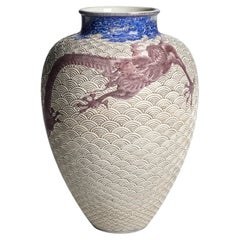
A large Japanese ceramic vase by the celebrated Meiji imperial potter Makuzu Kozan (1842-1916) circa 1880-1890s. Dated to his underglaze phase post 1887 after he successfully mastered the new colors available from the west and used them to the best advantage in his work deeply rooted in Japanese aesthetics. The vase has an impressive size and was potted in the classic baluster form with an elegant proportion. The surface is decorated using a combination of techniques of low relief sculpturing...
Category
Antique Late 19th Century Japanese Meiji Ceramics
Materials
Ceramic
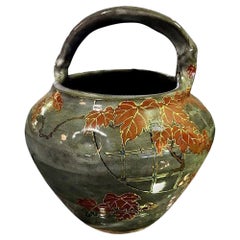
Makuzu Kozan II Signed and Stamped Japanese Ceramic Flower Pottery Bowl Pot Vase
By Makuzu Kozan II
Located in Studio City, CA
A beautiful handmade handled bowl by well-known Japanese ceramic artist Makuzu Kozan II, son of Makuzu Kozan who was appointed artist to the Japanese Imperial household...
Category
Vintage 1930s Japanese Showa Ceramics
Materials
Ceramic
$2,495
H 9.5 in Dm 8 in
Japanese Porcelain Vase Makuzu Kozan Meiji Period
By Makuzu Kozan
Located in Atlanta, GA
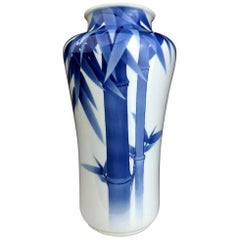
A striking blue and white vase from the studio of Japanese Potter Makuzu Kozan, also known as Miyagawa Kozan (1842–1916), one of the most established and collected ceramist from Meiji Period. Born as Miyagawa Toranosuke, Kozan established his pottery studio in Yokohama circa 1870s and later became one of the appointed artists to the Japanese Imperial household. His work was exhibited in many international fairs that the Meiji government participated at the turn of the century and won many grand prizes.
Of a relatively large size, this vase is decorated with underglaze cobalt blue using the novel technique developed by Kozan called Fuki-e (the blow painting). As a result, the bamboos appear took on a three-dimensional quality as if appearing in a mist. Known as one of the most creative ceramists, circa 1887, Kozan started experimenting with new chemical colors from the West in the format of his porcelain glaze. New colors allowed him to create underglaze design that appeared bright, smooth and glossy. He even invented his own receipt of cobalt blue to achieve a much brighter yet softer shade, as evident on this vase. To create landscape that is realistic and dimensional, more common in the western paintings, he was inspired by the native Japanese ink painting technique developed around 1900 by Yokoyama Taikan...
Category
Antique Early 1900s Japanese Japonisme Ceramics
Materials
Ceramic
More From This Seller
View AllJapanese Meiji Period Satsuma Vase by Ryokuzan
Located in Newark, England
From our Japanese Satsuma Collection, we are delighted to offer this Japanese Satsuma Vase by Ryokuzan 緑山. The Satsuma vase of ovoid shape with a tapered body, circular foot rim, wai...
Category
Antique Early 1900s Japanese Meiji Ceramics
Materials
Ceramic, Earthenware, Pottery

Japanese Meiji Period Satsuma Vase by Kinkozan
By Kinkozan
Located in Newark, England
FREE WORLDWIDE SHIPPING
FROM KYOTO’S FAMED KINKOZAN WORKSHOP, A MEIJI-PERIOD SATSUMA VASE OF EXCEPTIONAL ENAMEL AND GILT.
From our Japanese Satsuma collection, we are delighted to ...
Category
Antique Late 19th Century Meiji Ceramics
Materials
Ceramic, Earthenware, Pottery
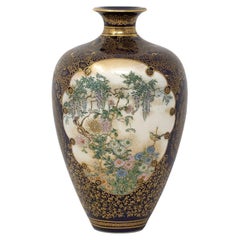
Japanese Satsuma Vase Pair by Senzan Meiji Period
Located in Newark, England
FREE WORLDWIDE SHIPPING
From our Japanese Satsuma collection, we’re pleased to offer this unusually shaped pair of Japanese Satsuma vases, signed by the artist Senzan 泉山 and dating...
Category
Early 20th Century Japanese Meiji Ceramics
Materials
Ceramic, Earthenware
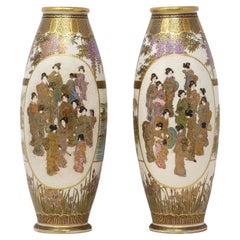
Japanese Antique Meiji Period Satsuma Vase by Kinkozan
By Kinkozan
Located in Newark, England
GLOBULAR FORM MINIATURE VASE
From our Japanese collection, we are delighted to offer this Japanese Satsuma Vase by Kinkozan. The Satsuma Vase made from earthenware pottery is potted...
Category
Antique Early 1900s Japanese Meiji Ceramics
Materials
Ceramic, Earthenware, Pottery

Antique Japanese Meiji Period Satsuma Vase by Ryozan
Located in Newark, England
MEIJI PERIOD 1868-1912
From our Japanese collection, we are delighted to offer this Japanese Satsuma Vase by Ryozan. The vase of tapered form with tightly pinched neck and flared to...
Category
Antique Late 19th Century Japanese Meiji Ceramics
Materials
Ceramic, Earthenware, Pottery
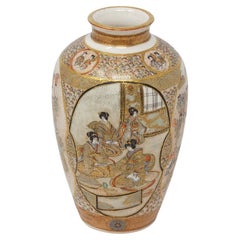
Japanese Antique Earthenware Satsuma Vase by Kinkozan Meiji Period
By Kinkozan
Located in Newark, England
FREE WORLDWIDE SHIPPING
MEIJI PERIOD (1868-1912)
From our Japanese Satsuma collection, we are delighted to present this exceptional Meiji period Satsuma vase by Kinkozan
This tal...
Category
Antique Late 19th Century Japanese Meiji Ceramics
Materials
Ceramic, Earthenware, Pottery
Still Thinking About These?
All Recently ViewedMore Ways To Browse
Painted Japanese Bowl
Meiji Period Bowl
Japanese Bowl Signed
Antique Childrens Seats
Antique Hand Painted Japanese Bowl
Satsuma Bowl
Antique Satsuma Bowl
Japanese Satsuma Bowl
Meiji Satsuma Bowl
17th Century Japanese Art
Chinese Rose Bowl
Japanese Meiji Bowl
Marked Chinese Porcelain
Ming Plate
Blue Imari
Meiji 19th Century Plate
Canton Rose
Kangxi Blue And White