Items Similar to A Large Chinese Ming Dynasty Polychrome Porcelain Dish, circa 1620
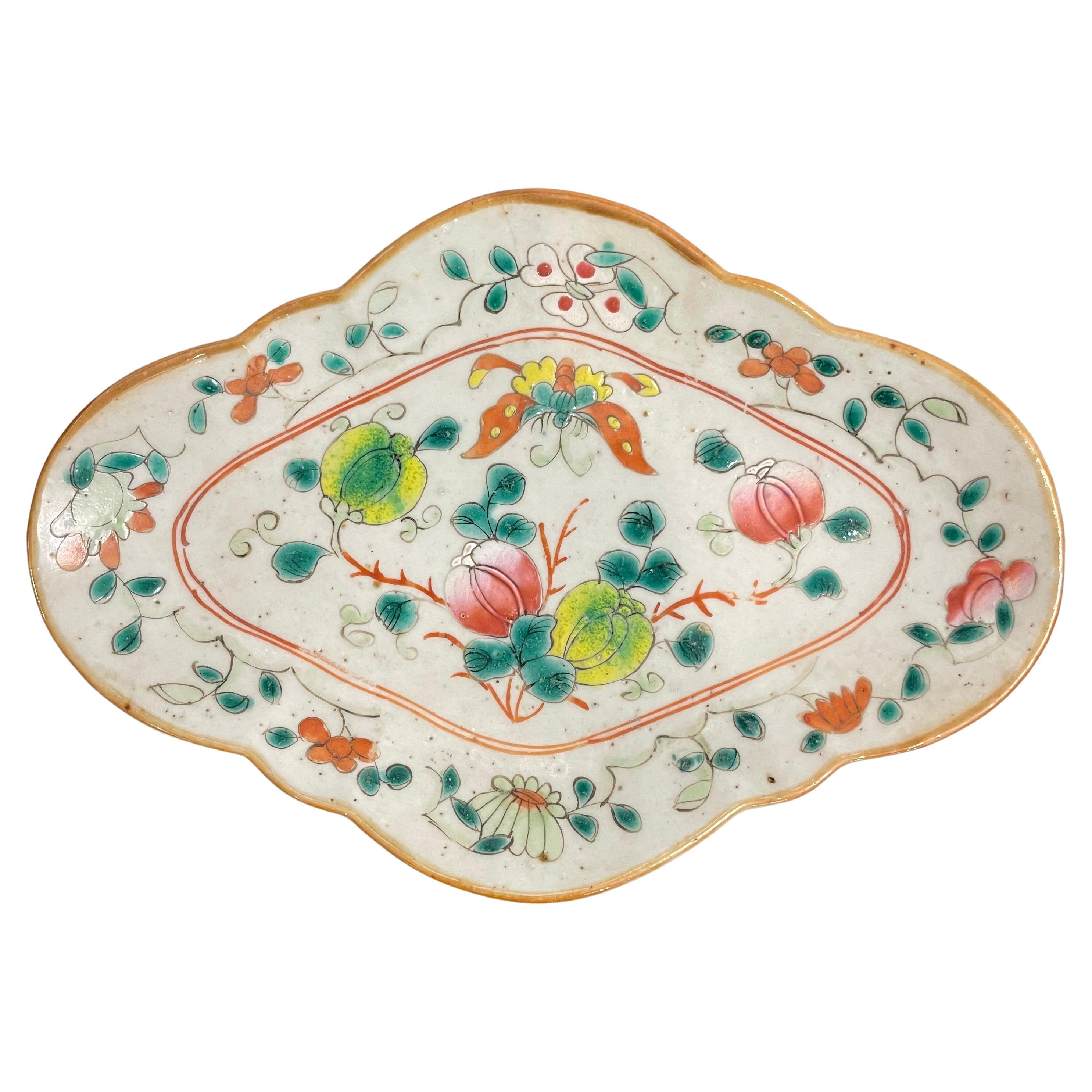
Want more images or videos?
Request additional images or videos from the seller
1 of 7
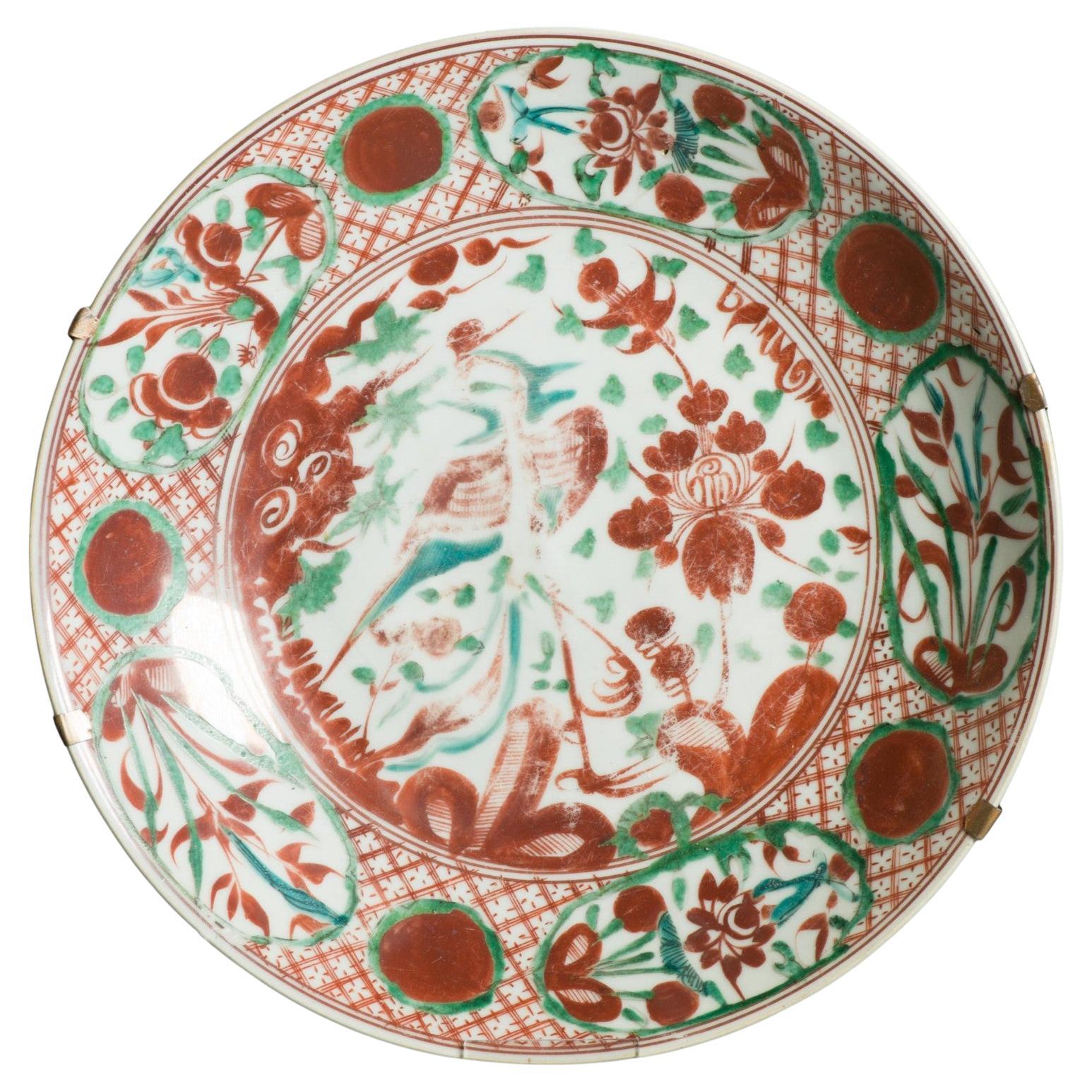
A Large Chinese Ming Dynasty Polychrome Porcelain Dish, circa 1620
$9,478.07
£6,900
€8,082.90
CA$13,021.45
A$14,156.94
CHF 7,506.03
MX$169,705.85
NOK 95,397.75
SEK 87,397.31
DKK 60,409.45
About the Item
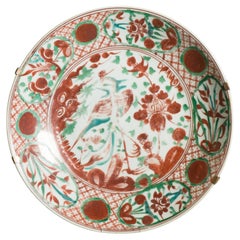
A large Chinese Ming Dynasty polychrome porcelain dish, circa 1620.
Late Ming Dynasty.
Painted in turquoise, black and red enamels with a central 'Split Pagoda' pattern scene, the cavetto with four landscape vignettes alternating with stylised seals.
Many Mid-Century studio potters were inspired by the shapes and designs of ancient Chinese and Ming pottery.
We believe this dish is a good example of this, which is why it will fit with both antique and modern interiors, making it the perfect cross-collecting piece.
See Bonhams Lot 168 from Asian Art sale on 19 February 2014 for a similar example.
Swatow ware or Zhangzhou ware is a loose grouping of mainly late Ming dynasty Chinese export porcelain wares initially intended for the Southeast Asian market. The traditional name in the West arose because Swatow, or present-day Shantou, was the South Chinese port in Guangdong province from which the wares were thought to have been shipped. The many kilns were probably located all over the coastal region, but mostly near Zhangzhou, Pinghe County, Fujian, where several were excavated in the mid-1990s, which has clarified matters considerably.
Many authorities now prefer to call the wares Zhangzhou ware, as it seems that Swatow did not become an important export port until the 19th century, and the wares were actually probably exported from Yuegang, now Haicheng in Longhai City, Zhangzhou. The precise dates for the beginning and ending of production remain uncertain, but the evidence from archaeology suggests production between about 1575–1650, though an earlier start has been proposed. The peak levels of production may have ended around 1620.
- Dimensions:Height: 2.88 in (7.3 cm)Diameter: 12.96 in (32.9 cm)
- Style:Ming (Of the Period)
- Materials and Techniques:
- Place of Origin:
- Period:
- Date of Manufacture:XVII century
- Condition:Wear consistent with age and use. There is wear to the painted enamel areas and overall craquelure to the glaze which is normal aged pottery. Otherwise structurally sound with no chips or cracks.
- Seller Location:London, GB
- Reference Number:1stDibs: LU7049240298782
About the Seller
5.0
Vetted Professional Seller
Every seller passes strict standards for authenticity and reliability
Established in 1998
1stDibs seller since 2022
13 sales on 1stDibs
Typical response time: Several days
- ShippingRetrieving quote...Shipping from: Maastricht, Netherlands
- Return Policy
More From This Seller
View AllKorean Early Joseon Period White Ceramic Lotus Blossom Bowl, Late 14th Century
Located in London, GB
A finely thin potted white glazed bowl, with incised lotus blossom pattern decoration from the Joseon period, Korea, circa 1400.
It has an old colle...
Category
Antique 15th Century and Earlier Korean Other Antiquities
Materials
Ceramic
$5,494 Sale Price
50% Off
Dame Lucie Rie, 1950
s Porcelain Footed Bowl with Manganese Glaze.
By Lucie Rie
Located in London, GB
This is a great example of a Lucie Rie iconic hand-thrown, footed bowl with manganese glaze.
It is thinly potted and slightly pulled into an ovoid shape with an undulating rim.
The running glaze is subtle whilst adding an individual element to the decoration of the bowl.
The bowl bears the artist's monogram seal mark under.
Lucie Rie was an Austrian-born British ceramics artist. Rie’s works, usually consisting of hand-thrown pots, bottles, and bowl forms, are noteworthy for their Modernist forms.
Born in 1902 in Vienna, Austria, she studied pottery at the Vienna Kunstgewerbeschule, a school of arts and crafts. In 1937, she won a silver medal at the Paris International Exhibition and by the following year, Rie moved to London to flee Nazi Austria.
Once settled in the British capital, she maintained a small studio and continued to produce pottery and small clay objects, including ceramic buttons and jewellery which she sold to support herself.
She was later joined by Hans Coper, a young artist who soon became a partner in her studio. She taught at the Camberwell School of Art from 1960...
Category
Vintage 1950s English Mid-Century Modern Decorative Bowls
Materials
Porcelain
$12,362 Sale Price
43% Off
Jorge Zalszupin For L
atelier, Brazil, 1960s Imbuia Console
By Jorge Zalszupin, L
Atelier San Paulo
Located in London, GB
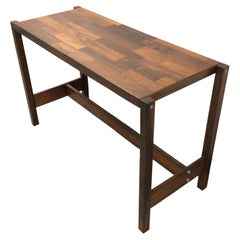
An original 1960s L'atelier console table designed by Jorge Zalszupin, Brazil.
This versatile console table also works as a small desk.
It has his iconic patchwork pattern Imbuia wo...
Category
Mid-20th Century Brazilian Mid-Century Modern Console Tables
Materials
Imbuia
1950s Pierre Jeanneret
Kangourou
Chandigarh Lounge Chair PJ-SI-59-A
By Pierre Jeanneret
Located in London, GB
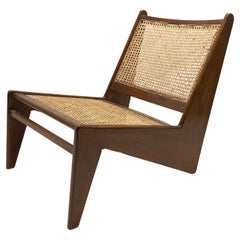
1950s Pierre Jeanneret 'Kangourou' 'Kangaroo' Chandigarh Lounge Low Chair model PJ-SI-59-A.
This chair is made of Indian rosewood which was used in the earliest productions of Pierr...
Category
Vintage 1950s Mid-Century Modern Lounge Chairs
Materials
Hardwood
$17,185 Sale Price
50% Off
Chryssa,
Electric Sky
, 1980, Serigraph, Signed and Numbered
By Chryssa Vardea-Mavromichali
Located in London, GB
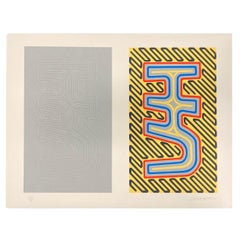
Chryssa, 'Electric Sky', 1980, Serigraph, signed and numbered in pencil from an edition of 75.
This print is part of a portfolio of 8 original serigraphs, executed under the supervision of the artist at Atelier Arcay in Paris.
Chryssa Vardea-Mavromichali (Greek: Χρύσα Βαρδέα-Μαυρομιχάλη; December 31, 1933 – December 23, 2013) was a Greek American artist who worked in a wide variety of media. An American art pioneer in light art and luminist sculpture, known for her neon, steel, aluminium and acrylic glass installations, she always used the mononym Chryssa professionally.
After studying at the Académie de la Grande Chaumière in Paris in 1953-1954 (where she met André Breton, Edgar Varèse, and Max Ernst) and at the California School of Fine Arts in San Francisco in 1954-1955, she settled in New York, where she lived and worked until 1992, before returning to Greece. She became a pioneering artist on the New York art scene, alongside Jasper Johns and Robert Rauschenberg, within the “new realist...
Category
Vintage 1980s Prints
Materials
Paper
$2,692 Sale Price
30% Off
Chryssa,
Electric Sky
, 1980, Serigraph, Signed and Numbered
By Chryssa Vardea-Mavromichali
Located in London, GB
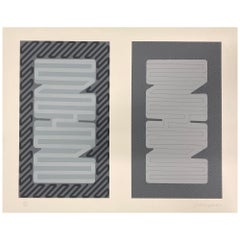
Chryssa, 'Electric Sky', 1980, Serigraph, signed and numbered in pencil from an edition of 75.
This print is part of a portfolio of 8 original serigraphs, executed under the supervision of the artist at Atelier Arcay in Paris.
Chryssa Vardea-Mavromichali (Greek: Χρύσα Βαρδέα-Μαυρομιχάλη; December 31, 1933 – December 23, 2013) was a Greek American artist who worked in a wide variety of media. An American art pioneer in light art and luminist sculpture, known for her neon, steel, aluminium and acrylic glass installations, she always used the mononym Chryssa professionally.
After studying at the Académie de la Grande Chaumière in Paris in 1953-1954 (where she met André Breton, Edgar Varèse, and Max Ernst) and at the California School of Fine Arts in San Francisco in 1954-1955, she settled in New York, where she lived and worked until 1992, before returning to Greece. She became a pioneering artist on the New York art scene, alongside Jasper Johns and Robert Rauschenberg, within the “new realist...
Category
Vintage 1980s Prints
Materials
Paper
$3,090 Sale Price
25% Off
You May Also Like
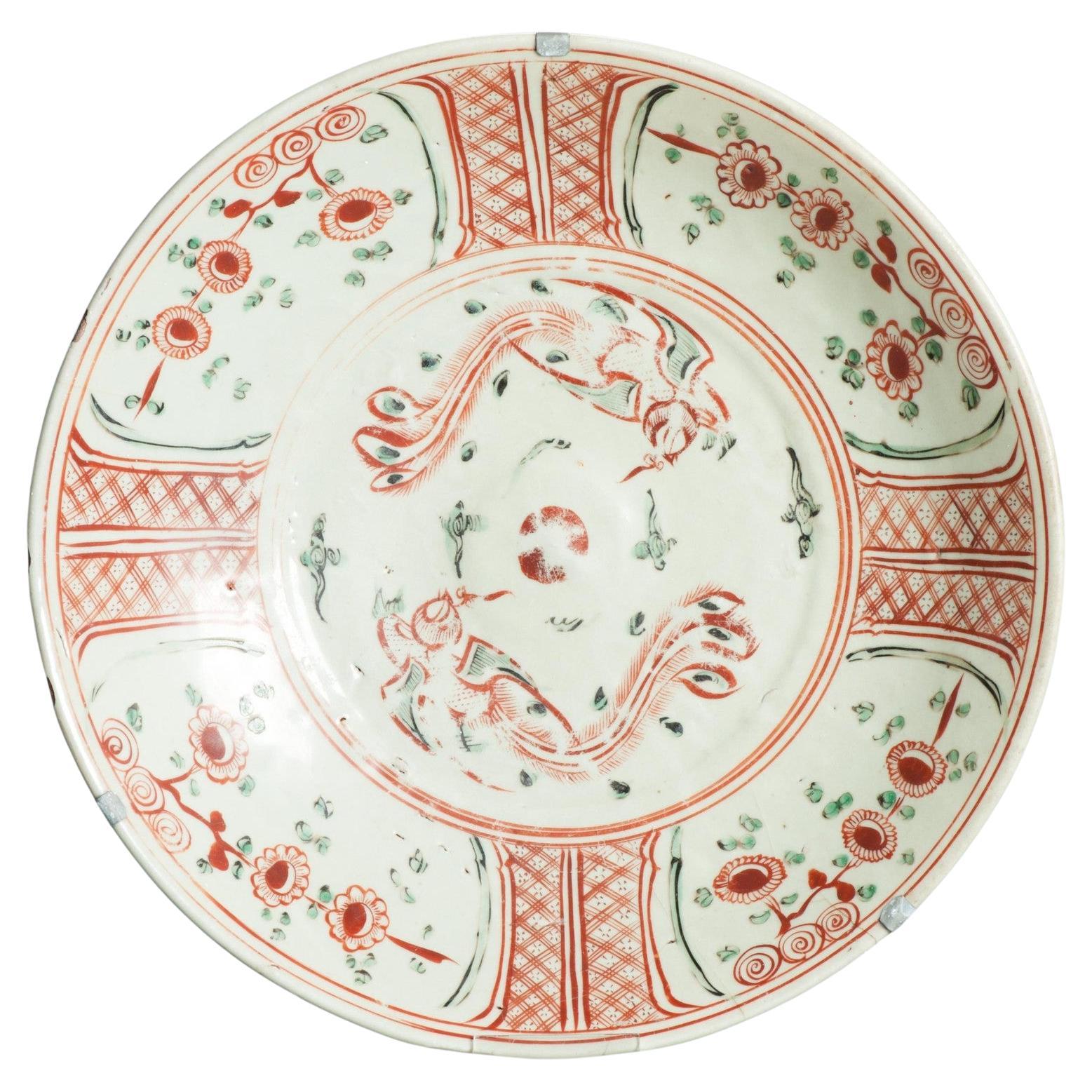
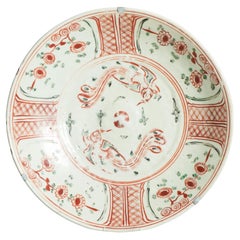
Antique Chinese 16/17C Ming Porcelain Dish Zhangzhou Swatow Fenghuang China
Located in Amsterdam, Noord Holland
A very nicely decorated large dish from around 1580-1630.
Heavy and larger sized piece with beautiful decoration in red and green
Similar piece in the literature, see pictures.
Con...
Category
Antique 17th Century Chinese Ming Ceramics
Materials
Porcelain
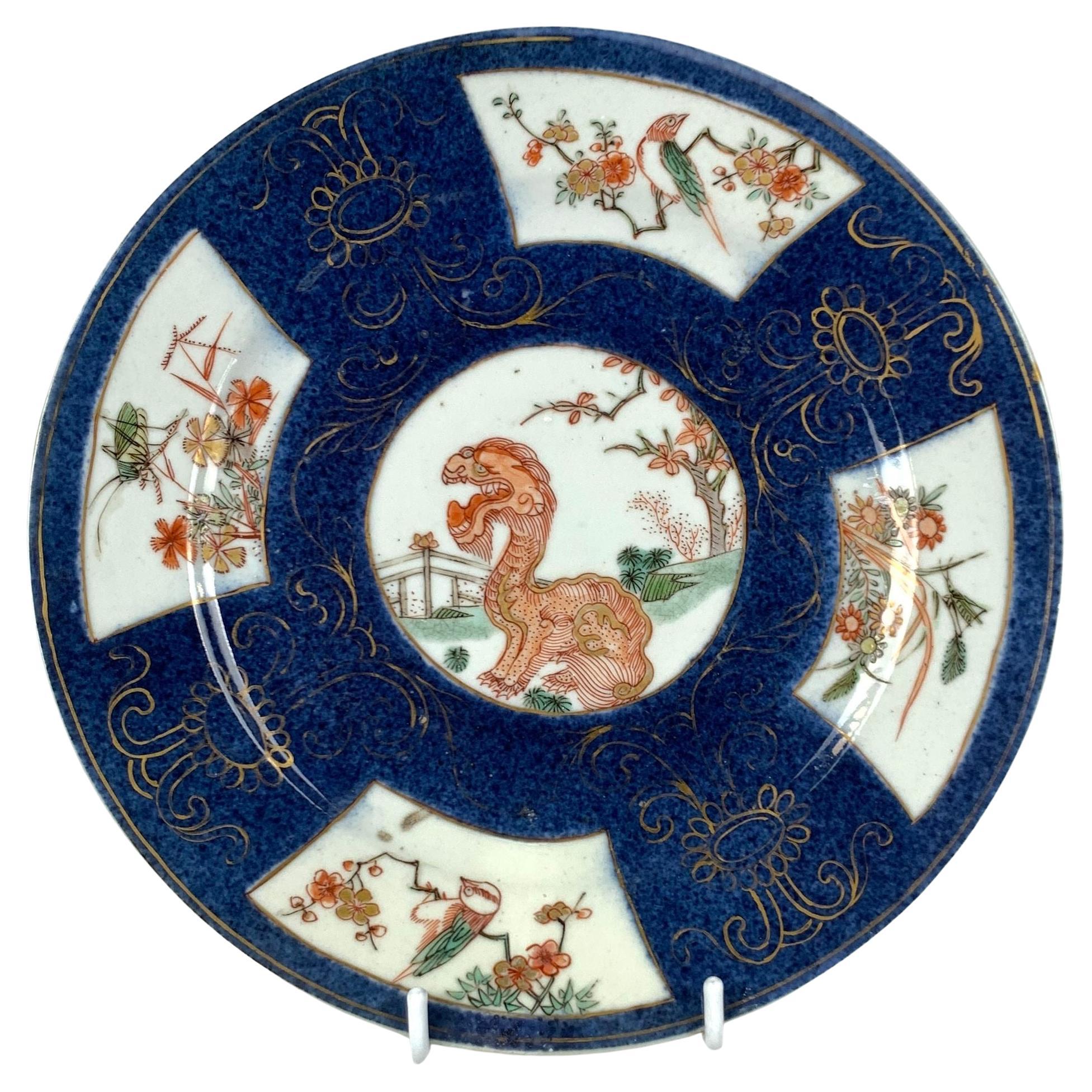
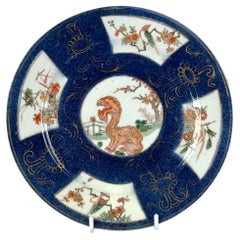
Antique Chinese Export Porcelain Dish Hand-Painted Qianlong Era Circa 1760
Located in Katonah, NY
This exquisite Chinese porcelain powder-blue dish was hand-painted in the 18th century during the Qianlong Era, circa 1760.
The center is painted in famille verte enamels.
It feature...
Category
Antique Mid-18th Century Chinese Qing Ceramics
Materials
Porcelain
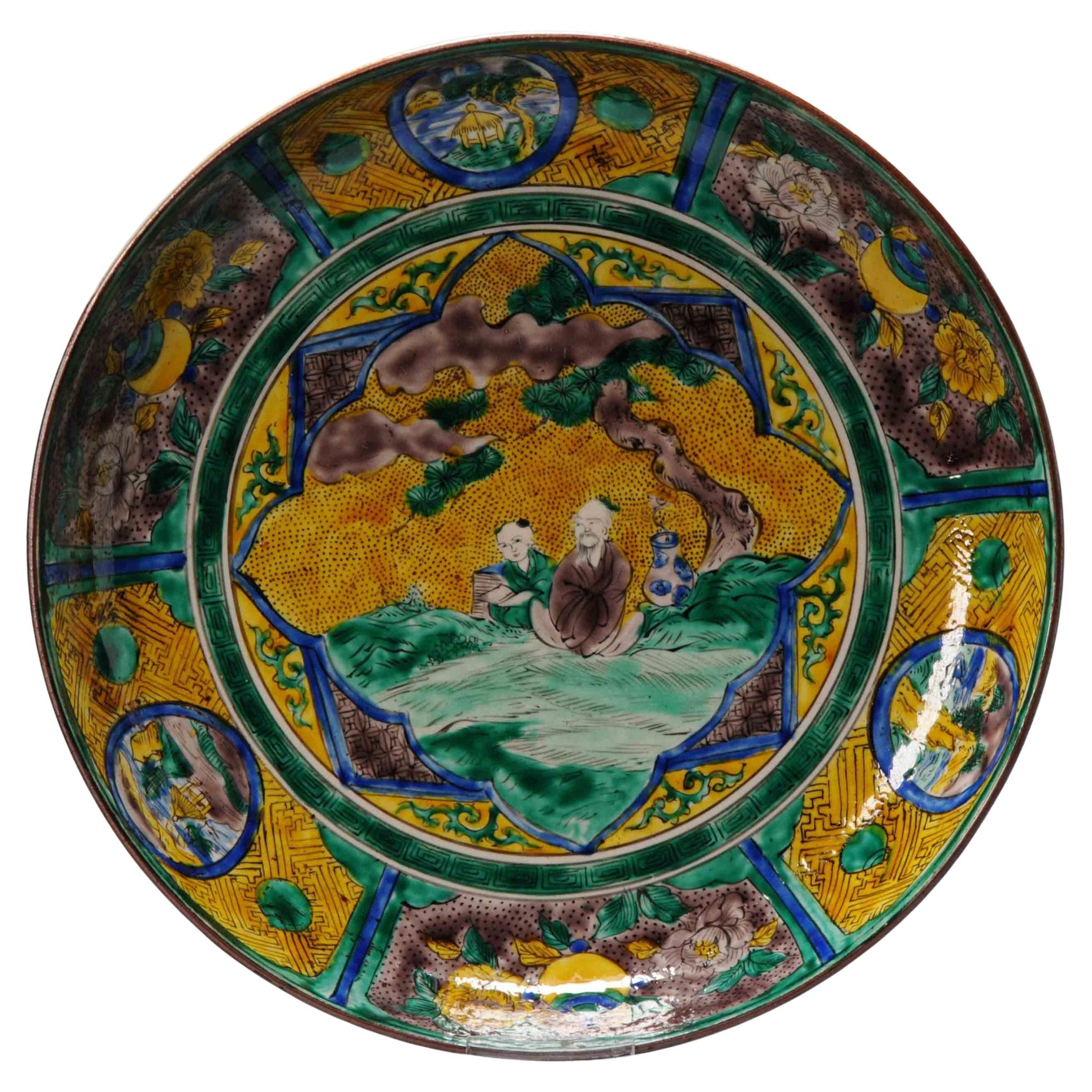
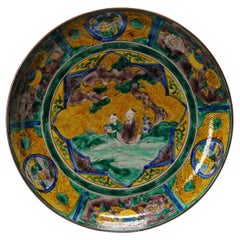
Antique 19th Century Japanese Porcelain Yoshidaya Kutani Large Dish, Japan
Located in Amsterdam, Noord Holland
Sharing with you this lovely and unusal Kutani porcelain large dish. The dish is of circular form and has a scene of a wise man and his apprentice in a landscape scene. With beautiful colors and very nicely painted.
Base marked with a Fuku mark...
Category
Antique 19th Century Japanese Qing Ceramics
Materials
Porcelain
$4,688 Sale Price
20% Off
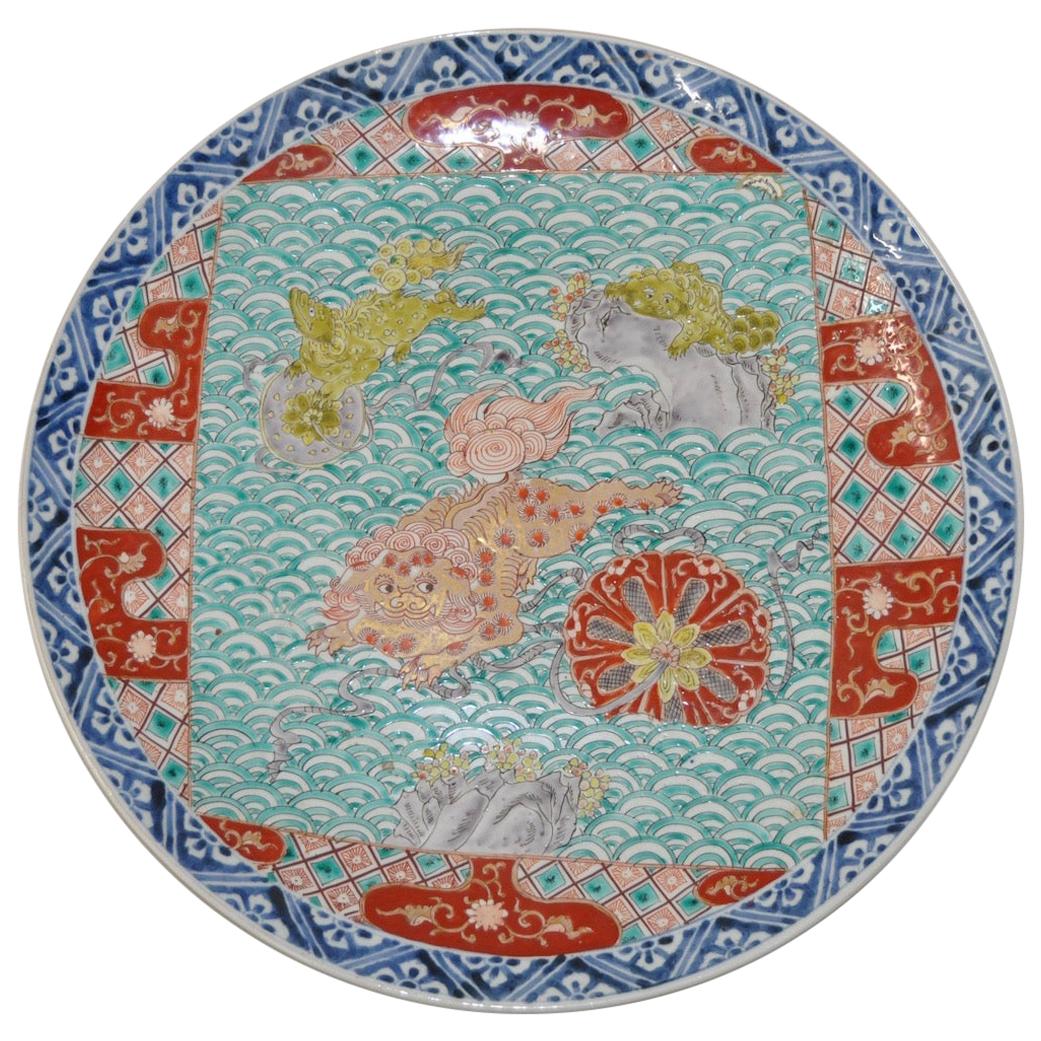
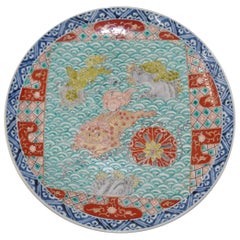
Antique Chinese Enameled Ceramic Platter, 19th Century
Located in San Francisco, CA
19th century Chinese enameled ceramic platter.
Beautifully hand painted with superb detail throughout.
Very good condition.
Dimensions 18" diameter x 2" high.
No chips. ...
Category
Antique Late 19th Century Chinese Chinese Export Ceramics
Materials
Ceramic
Antique Chinese 16/17C Ming Porcelain Dish Zhangzhou Swatow Fenghuang China
Located in Amsterdam, Noord Holland
A very nicely decorated large dish from around 1580-1630.
Heavy and larger sized piece with beautiful decoration in red and green
Similar piece in the literature, see pictures.
Cond...
Category
Antique 17th Century Chinese Ming Planters, Cachepots and Jardinières
Materials
Porcelain
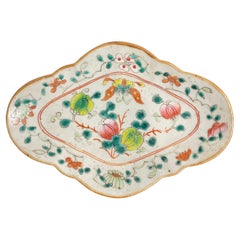
A Chinese Wucai Plate, 19th Century
Located in ARMADALE, VIC
A Chinese Wucai Plate, 19th Century
Home decor, Interior design and collectibles.
Provenance: Private Victoria Collection.
Dimension:
Height: 4cm
Width: 20cm
Depth: 14cm.
Category
Antique 19th Century Chinese Qing Ceramics
Materials
Porcelain
More Ways To Browse
Chinese Polychrome
Ming Dynasty Art
Large Chinese Dish
Chinese Ming Pottery
Ming Dynasty Dish
Swatow Ware
Arita Blue White
Chinese Black Pottery
Vietnam Antiques
Chinese Wanli Porcelain
Edo Period Bowl
Used Kiln Furniture
Antique Chinese Green Porcelain
Blue And White Imari
Large Asian Jars
Chinese Famille Rose Jar
China Porcelain Dogs
Chinese Porcelain Statue