Items Similar to Large Exceptional Japanese Ceramic Moriage Moon Flask Vase Meiji Kinkozan

Want more images or videos?
Request additional images or videos from the seller
1 of 21
Large Exceptional Japanese Ceramic Moriage Moon Flask Vase Meiji Kinkozan
$18,000
£13,706.62
€15,782.81
CA$25,507.58
A$27,437.06
CHF 14,663.16
MX$323,404.72
NOK 184,868.09
SEK 169,004.52
DKK 117,924.22
About the Item
A large and rare Japanese ceramic vase of exceptional quality from late Meiji period circa 1900-10s by Kinkozan (1645-1927). One of the largest studio manufacturers of the export ceramics at the time based in Kyoto. In the typical decorated style of satsuma ware made at the turn of 20th century, the superb vase is of an impressive size in a rare full moon flask shape. The form was originated from central Asia and came to Japan by way of Yuan and Ming Dynastic China. The surface was densely decorated with kinran-de (gold paint) with fine moriage details. The bedazzling designs cover the entire surface, anchored on each facade by a medallion with a coiled dragon in the center. Embedded in a geometrical lattice-like background bedecked with groups of seasonal blossoms, the medallion is surrounded by many auspicious symbols, including flaming pearl, flying butterfly, fan, ribbon knots, Sheng (a bamboo instrument), hand-chimes, and Zither (a stringed instrument) and other smaller Buddhist symbols. The sided are decorated with large chrysanthemum flowers with long curly petals. The neck showcases moriage scrolling design centered by a large kikunogomon, which has sixteen petals resembling the imperial kiku insignia. The recessed base of the vase is signed in gilt Kanji characters "Great Nippon, Kyoto, Made by Kinkozan" as shown.
This presentation vase is of museum-quality, no doubt made to the highest standard by a master decorator from Kinkozan workshop. What sets it apart are its large size, the unusual exotic form, the meticulously and masterfully surface decoration with subtle moriage effect, and the central dragon motif. It was possibly made for an international expose or associated with the imperial household.
- Creator:Kinkozan (Artist)
- Dimensions:Height: 19.25 in (48.9 cm)Width: 15 in (38.1 cm)Depth: 5 in (12.7 cm)
- Style:Meiji (Of the Period)
- Materials and Techniques:Ceramic,Glazed
- Place of Origin:
- Period:
- Date of Manufacture:1890-1910s
- Condition:Wear consistent with age and use. Fine condition with only minor shelf wear. Old paper label residue remians under the base. Expected very light rubbing on the gilt around the base.
- Seller Location:Atlanta, GA
- Reference Number:1stDibs: LU945038272082
About the Seller
4.9
Platinum Seller
Premium sellers with a 4.7+ rating and 24-hour response times
Established in 2006
1stDibs seller since 2010
588 sales on 1stDibs
Typical response time: 1 hour
- ShippingRetrieving quote...Shipping from: Atlanta, GA
- Return Policy
More From This Seller
View AllLarge Japanese Satsuma Ceramic Vase Kinkozan
By Kinkozan
Located in Atlanta, GA
A large Japanese ceramic vase from the end of Meiji period circa 1890-1910s by Kinkozan (1645-1927). One of the largest studio manufacturers of the export ceramics at the time based in Kyoto. In the typical style of satsuma made at the turn of 20th century, the vase is elaborately decorated with a rather unusual kinran-de (gold paint) and green enamel highlight on a mottled brown background. The painterly decoration depicts a large seasonal floral arrangement in a circular fashion. Besides the obviously superb craftsmanship, what sets this particular vase apart from many lower quality and mass-produced pieces is its tone-on-tone color pallet that is visually somber and the small and sensitive details that heralds the change of the seasons. When the viewer goes beyond the first casual glimpse of the blossom and foliage, one would notice that on the edges of certain leaves as well as along the stalks, there accumulates a very thin layer of the white dust that represents the frost. The flower in bloom are chrysanthemums. Despite of being splendid, they are the messengers of the autumn. The large lotus leaf was subtly rendered in a bended and slightly withered manner, just past its prime. Although the lotus is still in bloom, the prominent seed pod indicates it may be the last for the season. The sentimental capture of the change of the seasons is not unusual in Japanese art. This vase poetically represents such a subtle transition from summer to fall, perhaps depicting the very first frost.
The neck of the vase is also slightly unusual with two rolled rings...
Category
Early 20th Century Japanese Meiji Ceramics
Materials
Ceramic
Exquisite Japanese Satsuma Vase by Seikozan
Located in Atlanta, GA
A miniature vase in elegant upright form reminiscent of the Chinese imperial Willow Leaf form made by Japanese studio Seikozan circa 1890-1910s (late Meiji Period). One of the many a...
Category
Antique 1880s Japanese Meiji Ceramics
Materials
Ceramic
Fine Japanese Ceramic Satsuma Vase by Kinkozan
By Kinkozan
Located in Atlanta, GA
A miniature Japanese ceramic vase from the end of Meiji period circa 1880s- 1910s by Kinkozan (1645-1927). One of the largest studio manufacturers of the export ceramics at the time ...
Category
Early 20th Century Japanese Meiji Ceramics
Materials
Ceramic
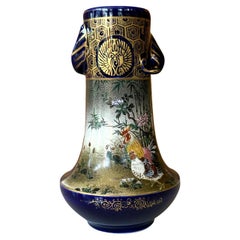
Large Japanese Ceramic Vase by Makuzu Kozan Meiji Period
By Makuzu Kozan
Located in Atlanta, GA
A large Japanese ceramic vase by the celebrated Meiji imperial potter Makuzu Kozan (1842-1916) circa 1880-1890s. Dated to his underglaze phase post 1887 after he successfully mastered the new colors available from the west and used them to the best advantage in his work deeply rooted in Japanese aesthetics. The vase has an impressive size and was potted in the classic baluster form with an elegant proportion. The surface is decorated using a combination of techniques of low relief sculpturing...
Category
Antique Late 19th Century Japanese Meiji Ceramics
Materials
Ceramic
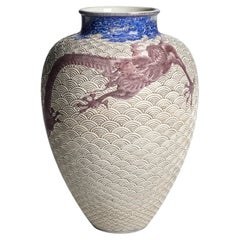
Fine Japanese Satsuma Vase by Ryozan Okamoto for Yasuda Company Meiji Period
Located in Atlanta, GA
A finely decorated Japanese satsuma ceramic vase by Ryozan Okamoto (c.1820s-1910s) for Yasuda. Ryozan is the head artist working for Yasuda company, a Japanese ceramic makers and dea...
Category
Antique Early 1900s Japanese Meiji Ceramics
Materials
Ceramic
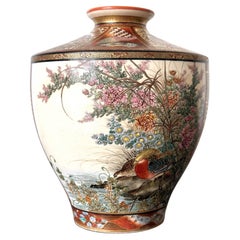
Fine Japanese Satsuma Ceramic Jar with Gilt Decoration by Kinkozan
By Kinkozan
Located in Atlanta, GA
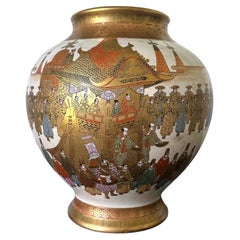
A large Japanese ceramic vase from end of Meiji period circa 1880s- 1910s by Kinkozan (1645-1927). One of the largest studio manufacturers of the export ceramics at the time based in Kyoto. In the typical style of satsuma made at the turn of 20th century, the vase is of a moon jar shape and finely decorated with kinran-de (gold paint) on a cream white background with even fine crackles. What sets this particular vase apart from many lower quality and mass-produced pieces is the meticulously renditioned surface decoration. Lavishly gilded with a continuous design, the carefully composed imagery depicts an elaborately decorated float cart in a festival parade. A group of people are seated within the float with a woman and a child standing in the front. Surrounding the float are streams of marchers dressed...
Category
Early 20th Century Japanese Meiji Ceramics
Materials
Ceramic
You May Also Like
Japanese Satsuma Earthenware Vase by Kinkozan, Meiji Period
By Kinkozan
Located in West Palm Beach, FL
A Japanese Satsuma Earthenware Vase by Kinkozan, Meiji period (1868-1912)
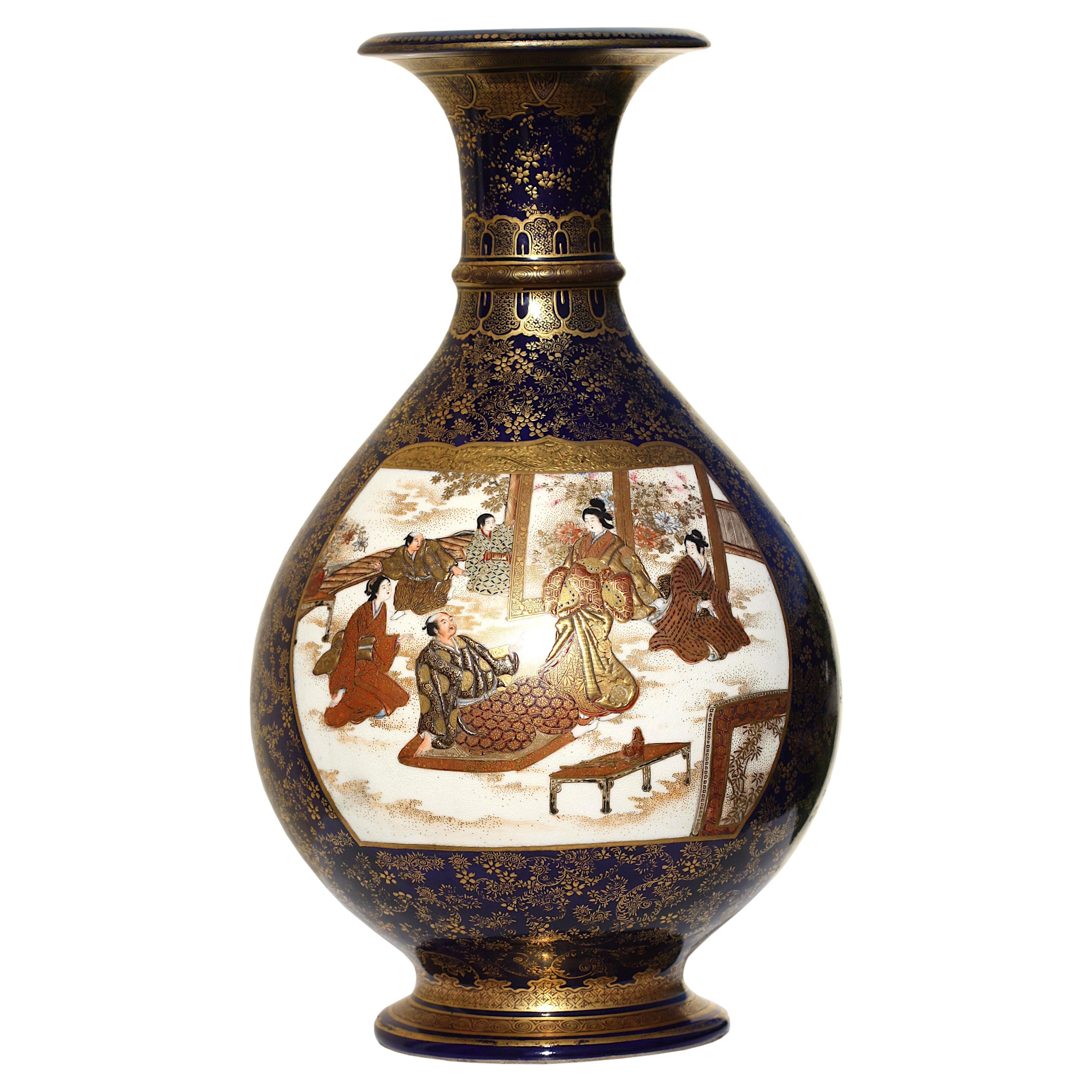
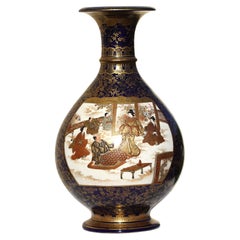
The body inset with two panels, one depicting figures seated around a table, the other painted with a joyful scene in a shrine, all reserved on a blue ground decorated with a gilt flower pattern, signed Nihon Kyoto Kinkozan zo...
Category
20th Century Antiquities
Materials
Ceramic
Satsuma earthenware vase by kinkozan, Meiji period
By Kinkozan
Located in Tel Aviv - Jaffa, IL
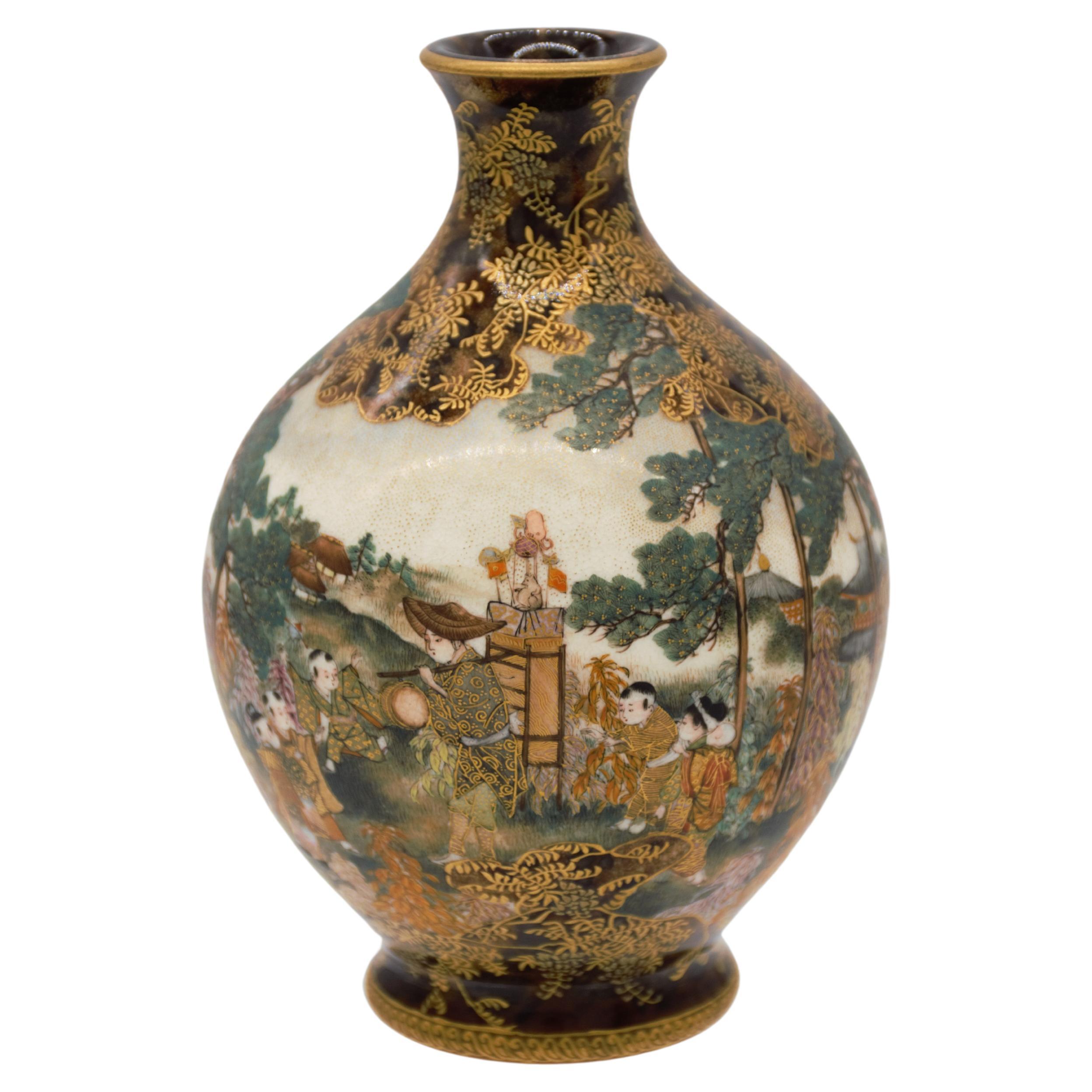
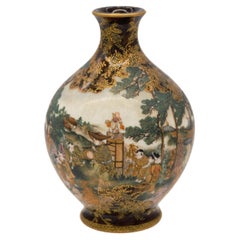
the body of this small marvelous vase is painted with a scene of a puppet show vendor with his wood backpack, on top of the backpack there are toys and dolls, he is surrounded with a group of 6 children, and on the background you can see a village.
on the other side of the vase there is an amazing painting of flowers and on the sides there are two amazing strong pine trees, the amorphous background is decorated in a "Tortoiseshell" color and design that gives it a real character and which is quite rare to see on satsuma pottery.
all the vase is over richly overpainted over the glaze with gold, which gives it its depth and realism.
signed Kyoto Kinkozan zo, and sealed Kinkozan zo
Kyoto’s Satsuma:
The painting technique used in Kyoto’s Satsuma-style ware is said to be the invention of the sixth generation Kinkōzan Sōbei (1824–1884). The Kinkōzan were a famous family of Kyoto Awataguchi potters who made ceramics that were used at Shōren'in, a temple closely tied to the imperial family, and by the shoguns of the Edo government. In fact the shogun is said to have granted them the name Kinkōzan. With the upheavals at the end of the Edo period, however, and the reforms of the subsequent Meiji government, the potters lost their traditional patrons and had to develop new markets.
Just at that time, the visit of a certain Westerner is said to have decided them to embark on overseas trade. By 1870, they had perfected Kyō Satsuma...
Category
Antique 1890s Japanese Meiji Ceramics
Materials
Gold
Japanese Antique Earthenware Satsuma Vase by Kinkozan Meiji Period
By Kinkozan
Located in Newark, England
FREE WORLDWIDE SHIPPING
MEIJI PERIOD (1868-1912)
From our Japanese Satsuma collection, we’re pleased to offer this Meiji period bottle-form Satsuma vase by Kinkozan.
The vase is...
Category
Antique Early 1900s Japanese Meiji Ceramics
Materials
Ceramic, Earthenware, Pottery
Huge 46CM Antique Taizan Yohei Style Meiji period Japanese Satsuma Vase
Located in Amsterdam, Noord Holland
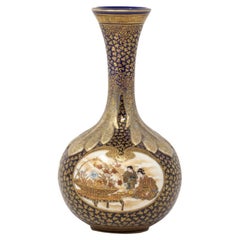
Fabulous japanese earthenware Satsuma Vase of great shape and scene. Taizan Yohei style. Meiji Period
It was made into a lamp, there is a hole in the base, a cork in the neck and a b...
Category
Antique 19th Century Meiji Ceramics
Materials
Porcelain
Japanese Meiji Period Satsuma Vase by Kinkozan
By Kinkozan
Located in Newark, England
FREE WORLDWIDE SHIPPING
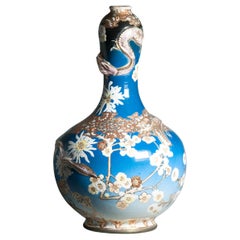
FROM KYOTO’S FAMED KINKOZAN WORKSHOP, A MEIJI-PERIOD SATSUMA VASE OF EXCEPTIONAL ENAMEL AND GILT.
From our Japanese Satsuma collection, we are delighted to ...
Category
Antique Late 19th Century Meiji Ceramics
Materials
Ceramic, Earthenware, Pottery
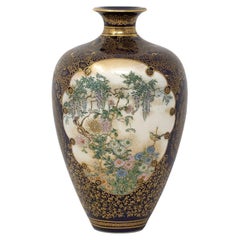
Satsuma Earthenware Vase, by Kinkozan
By Satsuma
Located in West Palm Beach, FL
A Satsuma earthenware vase,
by Kinkozan,
Japanese, Meiji period (1868-1912)
decorated in polychrome enamels and gilt over a clear, crackled glaz...
Category
Antique Early 1900s Vases
Materials
Earthenware