Items Similar to Ming Dunasty - Two Procedural Figures
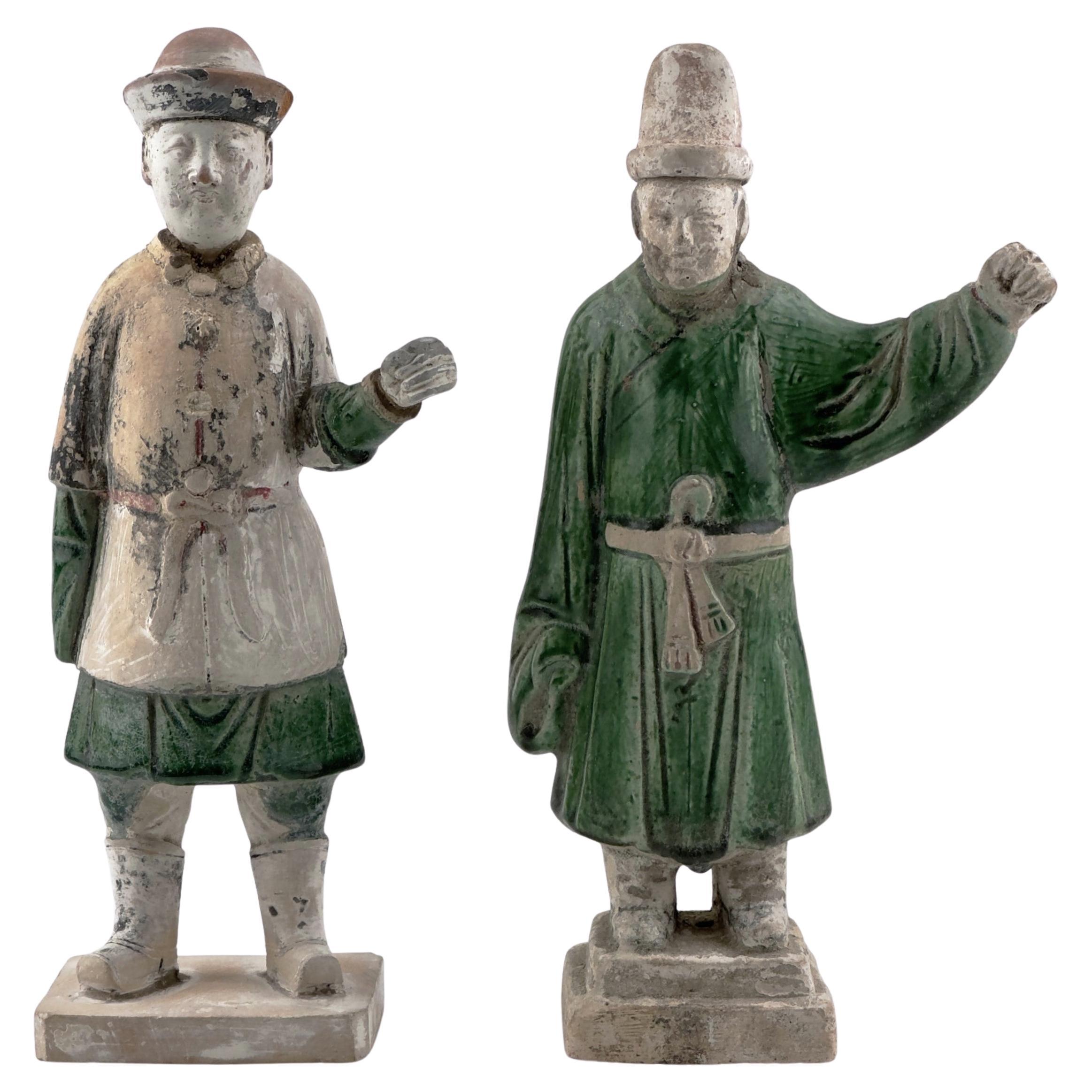
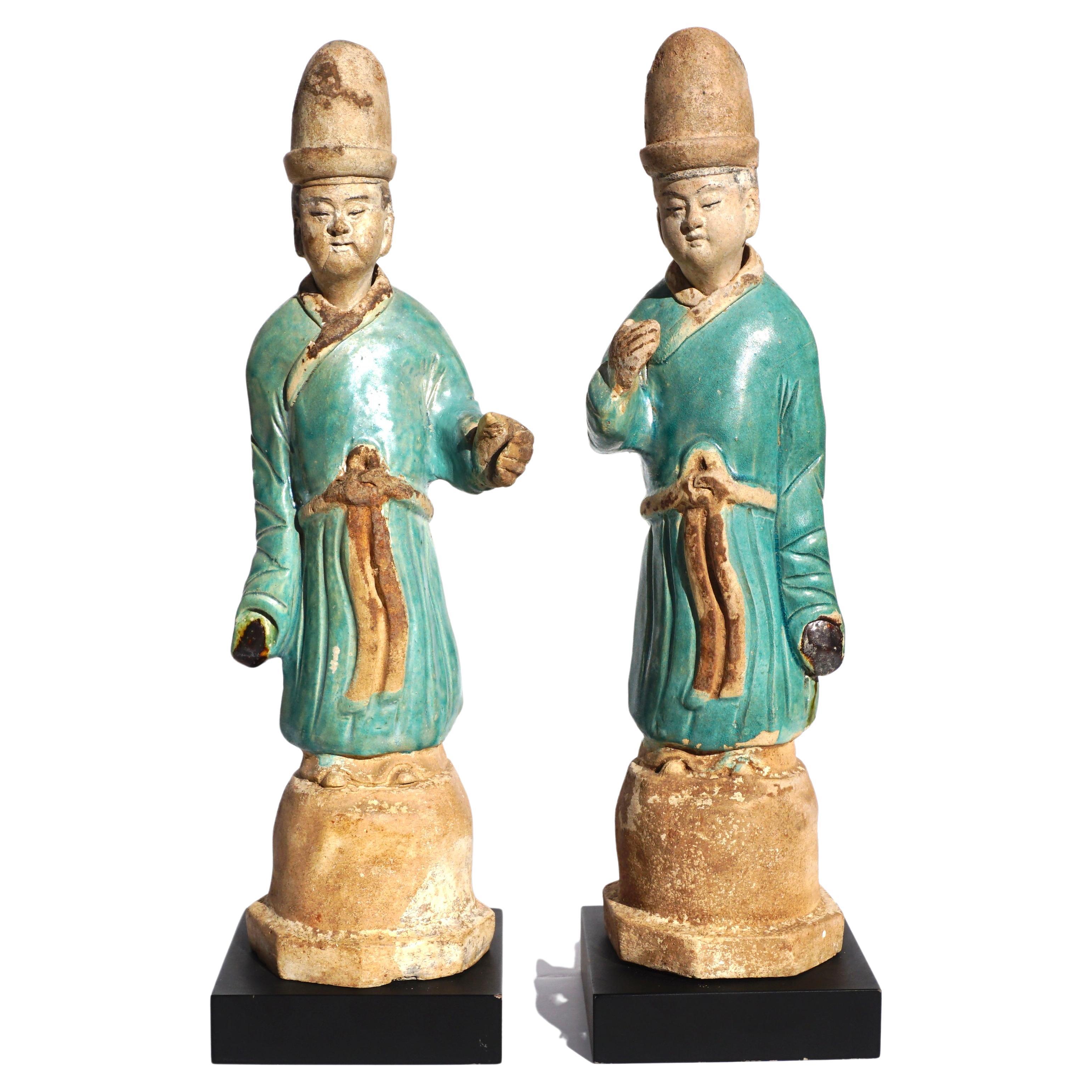
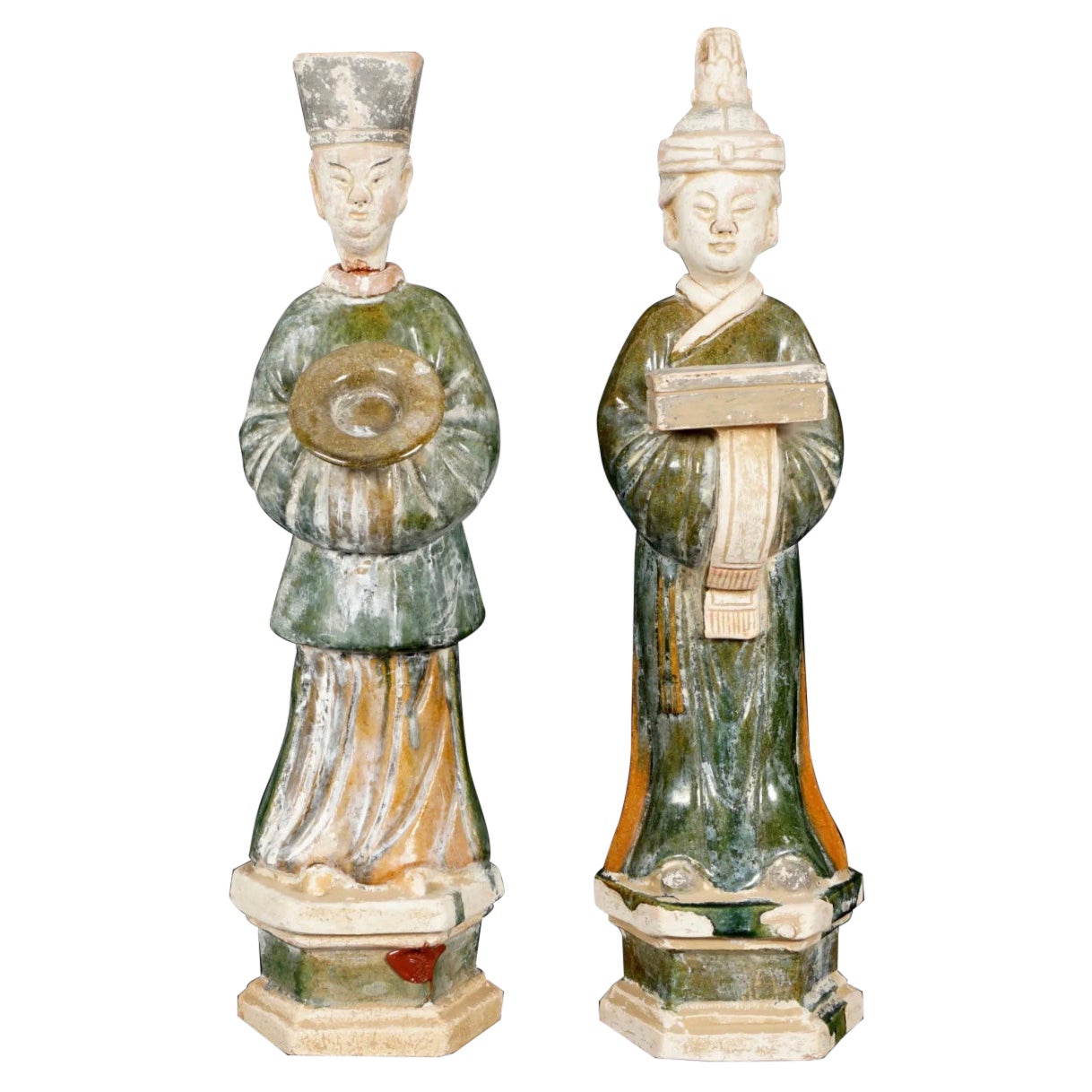
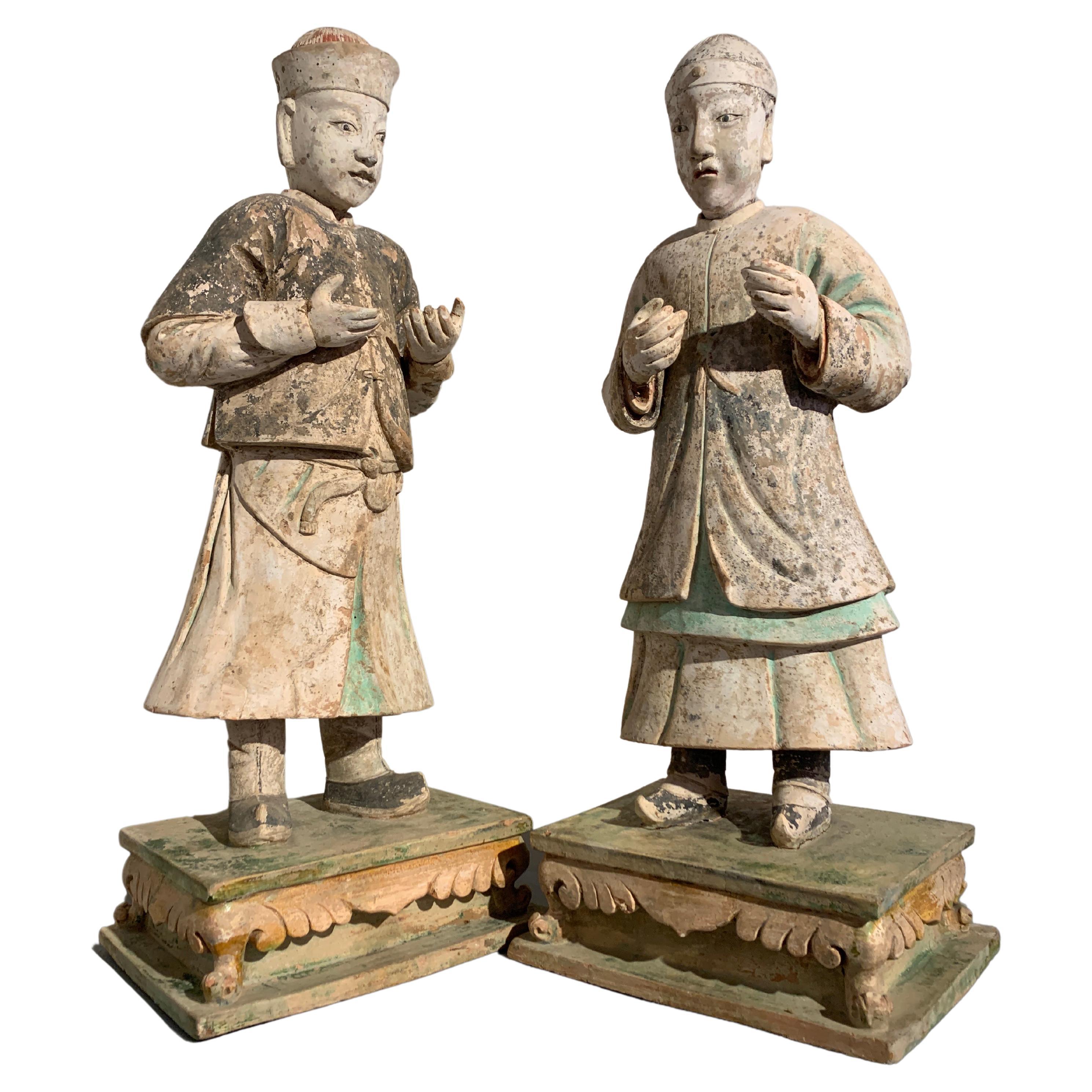
Want more images or videos?
Request additional images or videos from the seller
1 of 7
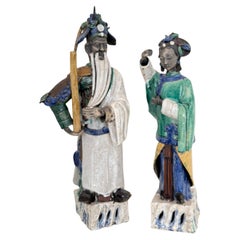
Ming Dunasty - Two Procedural Figures
$3,000
$6,00050% Off
£2,266.39
£4,532.7850% Off
€2,599.06
€5,198.1150% Off
CA$4,185.93
CA$8,371.8550% Off
A$4,555.58
A$9,111.1550% Off
CHF 2,414.91
CHF 4,829.8150% Off
MX$54,807.05
MX$109,614.1050% Off
NOK 30,628.76
NOK 61,257.5350% Off
SEK 28,023.17
SEK 56,046.3550% Off
DKK 19,416.92
DKK 38,833.8550% Off
About the Item
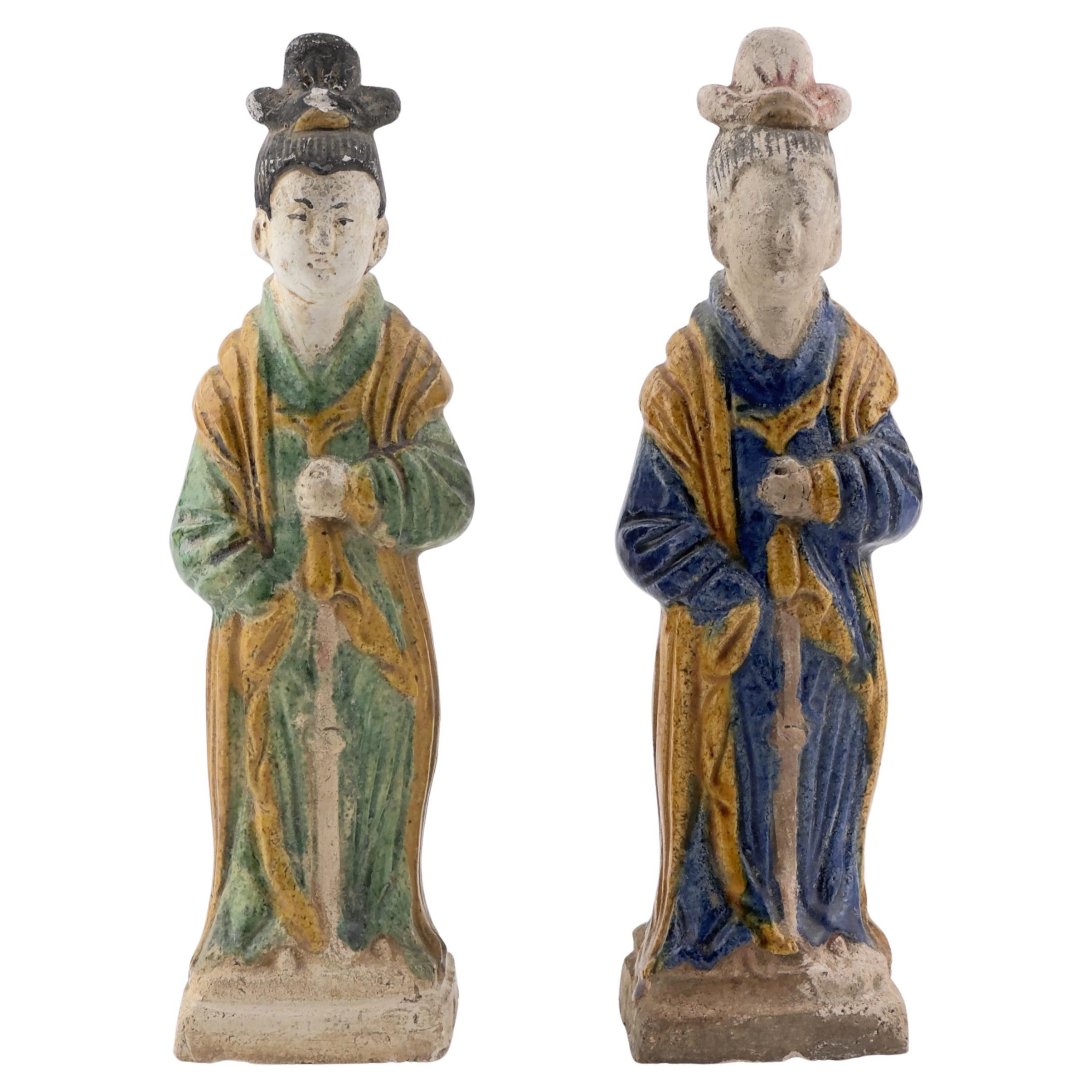
These striking Chinese sculptures, crafted in glazed terracotta, represent the refinement and elegance of traditional Chinese ceremonial art. Each figure is depicted wearing long green enamelled robes, with the head modeled separately and adorned with a tall, tapered hat, reflecting the formal attire of officials or dignitaries. The figures stand firmly on hexagonal bases, emphasizing their presence and enhancing display stability. While the sculptures remain in excellent overall condition, they do exhibit some defects and evidence of old restorations, which are consistent with their age and historical usage. The total height of the ensemble reaches 56 cm, making them visually impressive and highly decorative. These works combine historical significance, artistic craftsmanship, and cultural authenticity, offering both collectors and institutions a rare opportunity to acquire representative examples of traditional Chinese glazed terracotta sculpture from an earlier period.
- Dimensions:Height: 22.05 in (56 cm)Width: 7.88 in (20 cm)Depth: 1.97 in (5 cm)
- Materials and Techniques:
- Period:
- Date of Manufacture:15th century
- Condition:
- Seller Location:Porto, PT
- Reference Number:1stDibs: LU10523246447602
About the Seller
New to 1stDibs
Joined in the past six months.
No Reviews Yet
Vetted Professional Seller
Every seller passes strict standards for authenticity and reliability
Established in 2000
1stDibs seller since 2025
7 sales on 1stDibs
Typical response time: 3 hours
- ShippingRetrieving quote...Shipping from: Porto, Portugal
- Return Policy
More From This Seller
View AllMing Dunasty - Four Procedural Figures
Located in Porto, PT
These remarkable Chinese sculptures, dating from the Ming dynasty, are crafted in glazed terracotta and showcase the exquisite artistry and ceremonial elegance of the period. Each fi...
Category
Antique 15th Century and Earlier Ceramics
Materials
Ceramic
Don Quixote De La Mancha
Located in Porto, PT
This finely executed bronze sculpture of Don Quixote de la Mancha, the legendary literary figure created by Miguel de Cervantes, captures the spirit of the noble yet idealistic knigh...
Category
20th Century Sculptures and Carvings
Materials
Art Glass
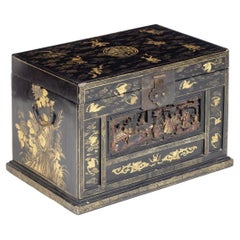
Chinese Ark - Year 1862 - With Certificate
Located in Porto, PT
This elegant piece originates from the Ching Dynasty, circa 1862, and is a remarkable example of traditional Chinese craftsmanship. Crafted from fine black lacquered wood, the surfac...
Category
Antique 19th Century Furniture
Materials
Wood
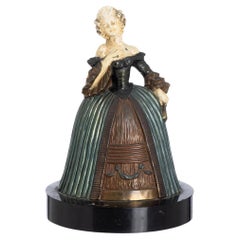
Georges Maxim (1885-1940)
Located in Porto, PT
This finely crafted sculpture, titled “Female Figure”, is by French artist Georges Maxim (1885–1940), recognized for his sensitive and expressive portrayals of the human form. The wo...
Category
20th Century Figurative Sculptures
Materials
Bronze
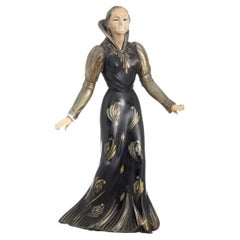
Salvatore Melani (1902-1934)
Located in Porto, PT
This evocative sculpture, titled “Female Figure”, is by Italian artist Salvatore Melani (1902–1934), known for his expressive and finely detailed works. The piece is primarily cast in bronze, with the head and hands meticulously modeled in clay, highlighting Melani’s attention to anatomical detail and his skill in combining materials. Standing 41 cm in height, the sculpture captures a delicate balance of realism and artistic interpretation, conveying both strength and grace in the female form. Its careful execution reflects the early 20th-century European approach to figurative sculpture, where mastery of material and subtle expressiveness were highly valued. This artwork is a rare example of Melani’s work and would be of significant interest to collectors of early modern Italian sculpture...
Category
20th Century Figurative Sculptures
Materials
Bronze
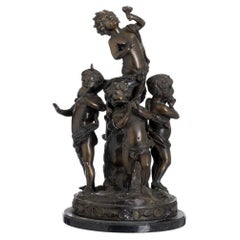
Giovanni Maria Benzoni (1809-1873)
Located in Porto, PT
Bronze sculptural group, set on a marble base. Signed and dated 1809. Height: (total) 48.5 cm.
Category
Antique Early 19th Century Italian Figurative Sculptures
Materials
Bronze
You May Also Like
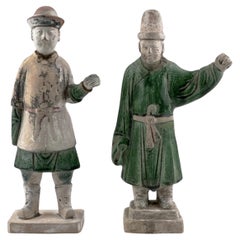
Two Figures of Attendants, Ming Period(1368-1644)
Located in seoul, KR
Statues of attendants crafted from terracotta, featuring glazes in green, Set on rectangular bases.
Period: Ming Dynasty
Medium: Glazed Pottery
Type: Figure
Condition : Excellent(It has soil on it, which is presumed to be evidence of excavation)
Provenance : Acquired in late 1990s from Hongkong
Reference :
1) Indianapolis Museum of Art - Dinastia ming, figure maschili, 1368-1644
(Type : Closely related)
2) V&A Museum - Accession number FE.295:1, 2-2005
(Type : Closely related)
3) Sotheby's 01 May 2007 - The Collection Of Paul Otto Taubert & Jewellery And Decorative Arts - Lot 233
(Price range : 5,000 - 7,000 AUD / Type : Closely related)
4) Asian Art Museum, San Francisco - Object number B60P1631 - Standing Man Tomb Figure
* Ming Dynasty Glazed Pottery Figures
Ming Dynasty glazed pottery figures are renowned for their bold color palette, intricate detailing, and lifelike forms, distinguishing them from earlier traditions. These figures, which depict officials, warriors, animals, and mythical creatures, are characterized by high-gloss lead-based glazes in green, amber, ochre, and sancai (three-color) combinations. The thickly applied glaze pools in recesses, creating depth and enhancing sculptural details. With dynamic postures, expressive facial features, and meticulously rendered drapery, these figures reflect the period’s advancement in ceramic craftsmanship, offering a greater sense of movement and realism compared to the rigid and stylized forms of earlier dynasties.
A defining characteristic of Ming glazed pottery is its elaborate surface detailing, often achieved through raised relief elements and contrasting glazes. Equestrian figures, for example, feature carefully sculpted saddles, harnesses, and decorative embellishments, while human figures are adorned with intricate robes and headdresses. The large scale of these tomb figures, often more imposing than those from previous periods, underscores the increasing importance of funerary art during the Ming era. Unlike later Qing Dynasty figures...
Category
Antique 15th Century and Earlier Hong Kong Ming Antiquities
Materials
Pottery
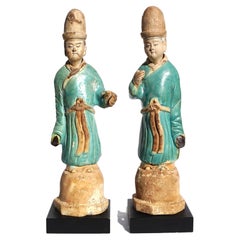
Pair Ming Dynasty Glazed Pottery Dignitary Figures
Located in Dallas, TX
A pair of Ming dynasty sancai blue glazed pottery figures.
Circa 1500 AD Ming Dynasty
I have owned over 250 ming tomb figures including over 80...
Category
Antique 16th Century Chinese Ming Figurative Sculptures
Materials
Pottery
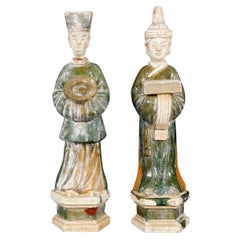
Two Ming Style Chinese Pottery Dignitaries
Located in Bradenton, FL
Two Chinese Ming style sancai polychrome glaze terracotta pottery figures of Chinese dignitaries in glazed green and ocher terracotta on hexagonal bases and removable heads. The man ...
Category
20th Century Chinese Chinese Export Figurative Sculptures
Materials
Pottery
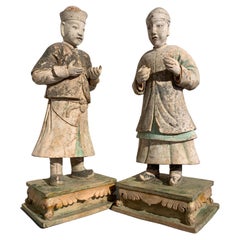
Pair Large Chinese Ming Dynasty Glazed and Painted Pottery Figures, 16th Century
Located in Austin, TX
A striking pair of large Chinese glazed and painted pottery figures, Ming Dynasty (1368 to 1644), circa 16th century, China.
The impressive and realistically modeled figures each portrayed standing upright upon a sancai (three color) glazed pedestal of kang table form.
The man is dressed in a short black surcoat over a long robe and pants, a smart cap upon his head. His face is warm and welcoming, with wide eyes and a slight smile on his lips. He holds his hands out in front of him, palms up, almost as if shrugging, though presumably originally holding an object or offering, now lost.
The woman of slightly smaller stature, and dressed in a longer surcoat over a long robe and skirt. She wears a fitted cap upon her head. Her hands also held out in front, grasping long lost objects. Her face is slightly more severe, with a somewhat pinched look, and slight frown upon her lips.
The size of these figures is remarkable, as is the realism and attention to detail, almost as if they were modeled after real people, as opposed to the more common and generic Ming Dynasty pottery...
Category
Antique 16th Century Chinese Ming Sculptures and Carvings
Materials
Pottery
Antique Chinese Qing Ceramic Sculptures Pair of 19th Century Figures, 1880
Located in Berlin, DE
A fine pair of Chinese ceramic sculptures from the Qing dynasty, dating to around 1880. These figures are richly detailed and hand-painted in a striking palette of green, blue, white...
Category
Antique Early 1900s Chinese Qing Figurative Sculptures
Materials
Ceramic
Two Glazed Court Attendants, Ming Period (1368-1644)
Located in seoul, KR
Two finely hollow-moulded terracotta statuettes from ancient China, dating to the Ming Dynasty. The figure is depicted standing, dressed in long, flowing robes, painted in vibrant blue or green and deep amber yellow. The hair is styled into an elaborate top-knot, painted in a muted brown. Areas left unpainted would have been 'cold-painted' after firing, contrasting with the vivid fired blue or green and amber pigments. The figure is shown with the left hand raised to the chest, as if holding something, possibly an offering or incense. Figurines like this were placed in tombs to guide the deceased on their journey to the afterlife.
The Ming Dynasty was known for its exceptional artistic achievements, partly due to its economic prosperity. Since the Han Dynasty, it was customary to bury terracotta miniatures of everyday objects with the deceased. These items, known as mingqi, or "spirit utensils" and "vessels for ghosts," were believed to help and assist the deceased in the afterlife. Mingqi were crafted in the form of cooking utensils, miniature replicas of houses, temples, furniture, and other items. Anthropomorphic and zoomorphic terracotta figures were also popular, designed to assist, entertain, and recreate the living world for the deceased.
Period: Ming Dynasty
Medium: Green/blue-glazed Pottery
Type: Figure
Provenance : Acquired in late 1990s from Hongkong
Reference :
1) Ancient & Oriental - Terracotta Tomb Attendants
(Type : Highly related)
2) La Maison De La Petite Sara S.r.l. - Archaeology section - A Black glazed Terracotta Statuette, Servant with Trumpet, Ming Dynasty
(Price realised : 700 GBP / Type : Highly related)
* Ming Dynasty Glazed Pottery Figures
Ming Dynasty glazed pottery figures are renowned for their bold color palette, intricate detailing, and lifelike forms, distinguishing them from earlier traditions. These figures, which depict officials, warriors, animals, and mythical creatures, are characterized by high-gloss lead-based glazes in green, amber, ochre, and sancai (three-color) combinations. The thickly applied glaze pools in recesses, creating depth and enhancing sculptural details. With dynamic postures, expressive facial features, and meticulously rendered drapery, these figures reflect the period’s advancement in ceramic craftsmanship, offering a greater sense of movement and realism compared to the rigid and stylized forms of earlier dynasties.
A defining characteristic of Ming glazed pottery is its elaborate surface detailing, often achieved through raised relief elements and contrasting glazes. Equestrian figures, for example, feature carefully sculpted saddles, harnesses, and decorative embellishments, while human figures are adorned with intricate robes and headdresses. The large scale of these tomb figures, often more imposing than those from previous periods, underscores the increasing importance of funerary art during the Ming era. Unlike later Qing Dynasty figures...
Category
Antique 15th Century and Earlier Hong Kong Ming Antiquities
Materials
Pottery
