Items Similar to A Pair in fuchin or kakemono weights in painted porcelain of Kutani
Want more images or videos?
Request additional images or videos from the seller
1 of 8
A Pair in fuchin or kakemono weights in painted porcelain of Kutani
$956.18
£715.04
€800
CA$1,318.27
A$1,446.83
CHF 760.33
MX$17,217.01
NOK 9,719.29
SEK 8,881.51
DKK 6,096.33
About the Item
Pair of kakemono weights (fuchin), cubic in shape, made of ceramic and painted with green floral dots on a black ground. Fuchin are used to keep the fabric or paper of a kakemono taut. Since kakemono are stored rolled but displayed flat on the wall, these weights ensure the scroll hangs properly and remains legible.
Marked Kutani.
Japan – Meiji period (1868–1912)
Height: 4.2 cm – Length: 3.5 cm – Width: 3.5 cm
- Dimensions:Height: 1.66 in (4.2 cm)Width: 1.38 in (3.5 cm)Depth: 1.38 in (3.5 cm)
- Style:Meiji (Of the Period)
- Materials and Techniques:
- Place of Origin:
- Period:
- Date of Manufacture:1868-1912
- Condition:Wear consistent with age and use.
- Seller Location:PARIS, FR
- Reference Number:Seller: 2025-14051stDibs: LU8311247963272
About the Seller
No Reviews Yet
Vetted Professional Seller
Every seller passes strict standards for authenticity and reliability
Established in 2013
1stDibs seller since 2023
- ShippingRetrieving quote...Shipping from: PARIS, France
- Return Policy
More From This Seller
View AllA Pair of porcelain fuchin or kakaemono weights
Located in PARIS, FR
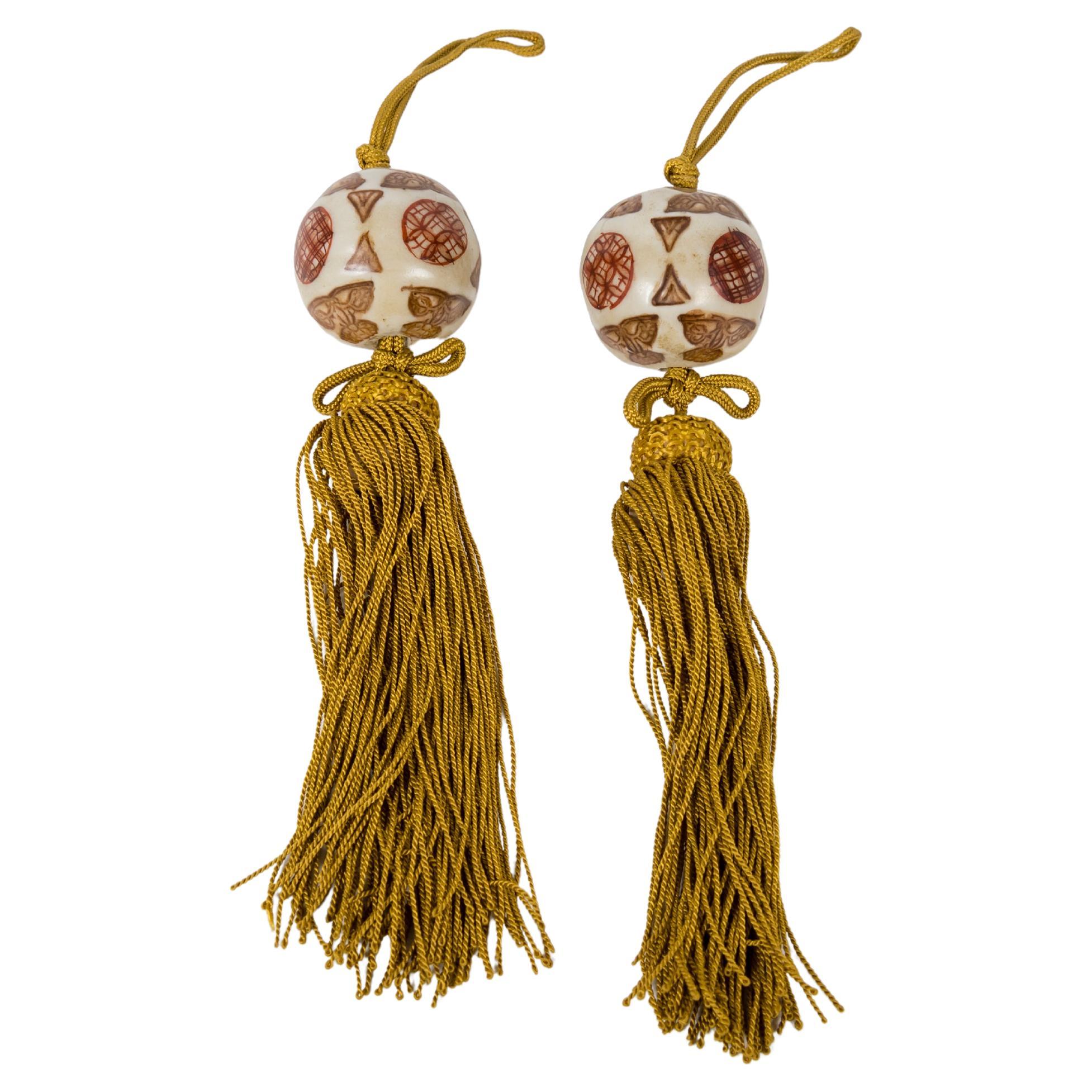
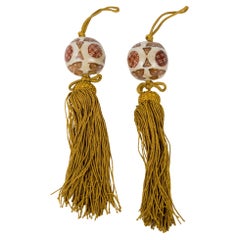
Pair of spherical kakemono weights (fuchin), made of enamelled porcelain and decorated with geometric patterns and red spheres. Fuchin are used to keep the fabric or paper of a kakem...
Category
Antique Late 19th Century Japanese Meiji Ceramics
Materials
Porcelain
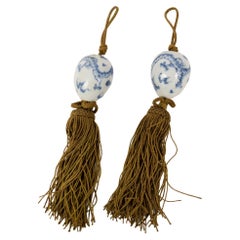
A pair of kakemono weight in porcelain decorated with dragons in a cloudy sky
Located in PARIS, FR
Pair of eggshaped kakemono weights (fuchin), made of blue-and-white porcelain (possibly Hirado) and decorated with a three-clawed dragon. Fuchin are used to keep the fabric or paper ...
Category
Antique Late 19th Century Japanese Meiji Ceramics
Materials
Porcelain
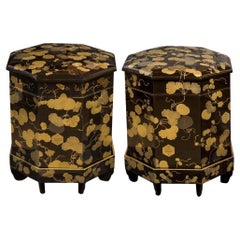
Japanese pair of kaioke boxes or Hokkaibako made of black and gold lacquer
Located in PARIS, FR
Two large eight-sided kaioke boxes in black lacquer, decorated with mon and maple leaves in golden lacquer.
These are usually octagonal boxes containing the painted shells used in ...
Category
Antique Late 19th Century Japanese Meiji Lacquer
Materials
Gold
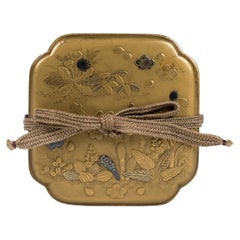
Japanese golden kobako flowers Edo period 18th century
Located in PARIS, FR
Quadrangular kobako box decorated with flowers in gold and blue lacquer with aogai inlay. Lid and sides in fundame lacquer, underside and interio...
Category
Antique 18th Century Japanese Japonisme Lacquer
Materials
Gold
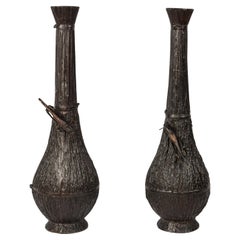
Pair of japanese bronze vase imitating hay and decorated with a grass hopper
Located in PARIS, FR
Detailed pair of vases in bronze of baluster form, textured to represent straws of hay, bound together by three knots that divide each vase in three, just under le second ring, a well detailed grasshopper is detached from the rest of the composition.
Insects (mushi) occupy an important place in Japanese culture. Hunting for insects is a popular pastime, especially among children. Using plastic nets and cages, they catch cicadas and beetles to observe them.
Between 1830 and 1832, Hokusai composed an untitled series of ten large horizontal prints...
Category
Antique Late 19th Century Japanese Meiji Metalwork
Materials
Bronze
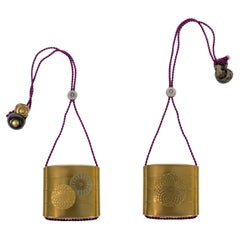
Inro in gold kinji lacquer representing chrysantemum flowers on all sides
Located in PARIS, FR
Beautifull Inro of three compartments made in kinji lacquer with an hiro maki-e ornament chrysanthemum flowers of gold and silver lacquer. Inside is in fundame lacquer.
Signed by Josen Zo and stamped by Seisan
Presented with an Ojime in metal in the shape of a chrysanthemum flower and with its netsuke representing two chrysanthemum flower buds.
The chrysanthemum (kiku) in not only the heraldic symbol of the Japanese imperial family...
Category
Antique Early 19th Century Asian Edo Lacquer
Materials
Lacquer
You May Also Like
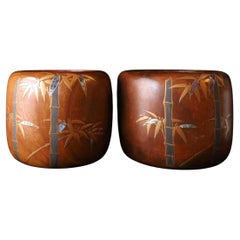
Pair of Japanese Hibachi with Inlaid Bamboo Motif
Located in Fukuoka, JP
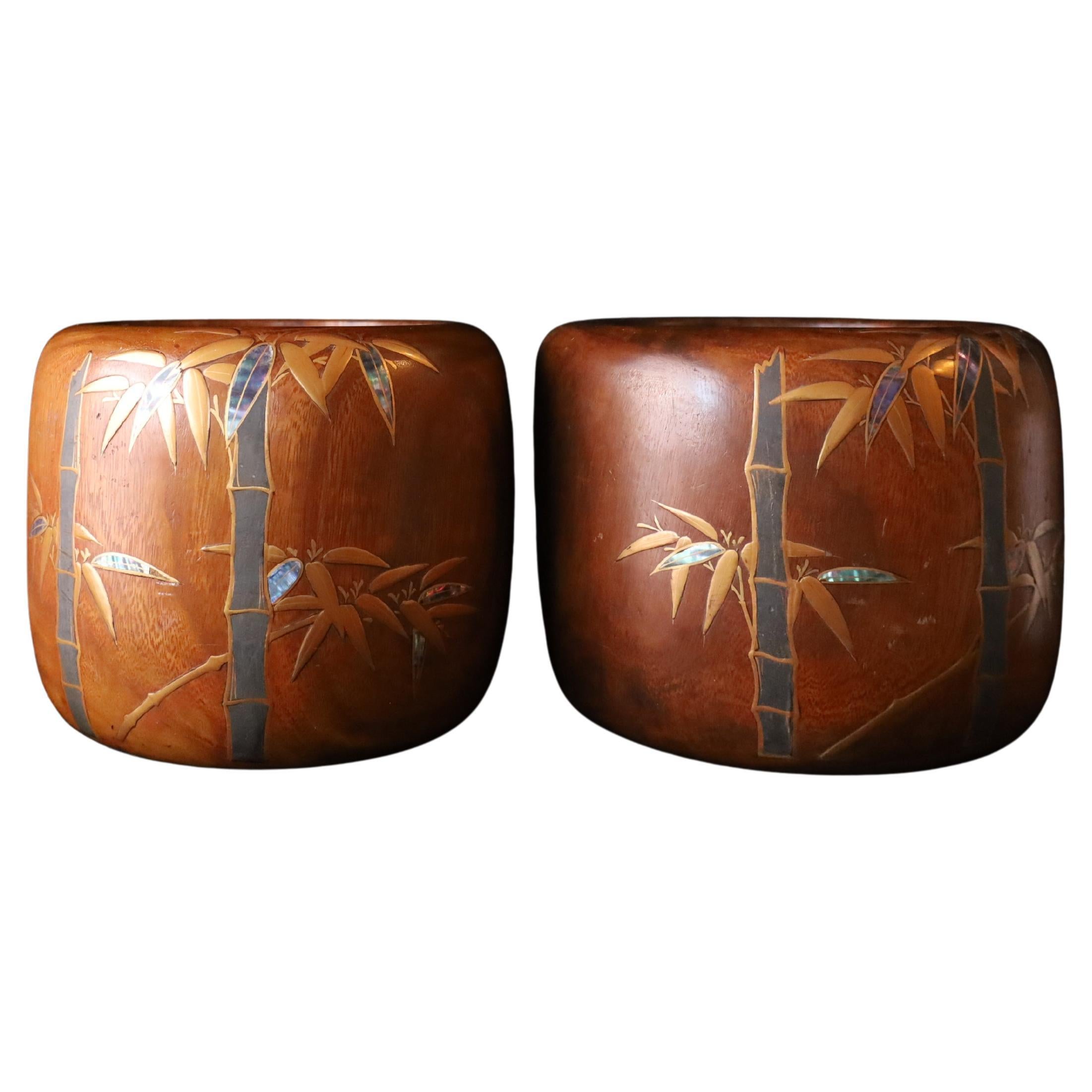
A beautifully matched pair of Japanese hibachi (traditional fire bowls) from the Meiji period (1868–1912), showcasing exceptional craftsmanship and refined aesthetics. Each vessel is...
Category
Early 20th Century Japanese Taisho Lacquer
Materials
Wood
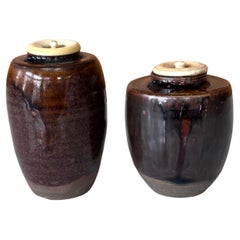
Set of Two Antique Japanese Ceramic Ko-Seto Chaires
Located in Atlanta, GA
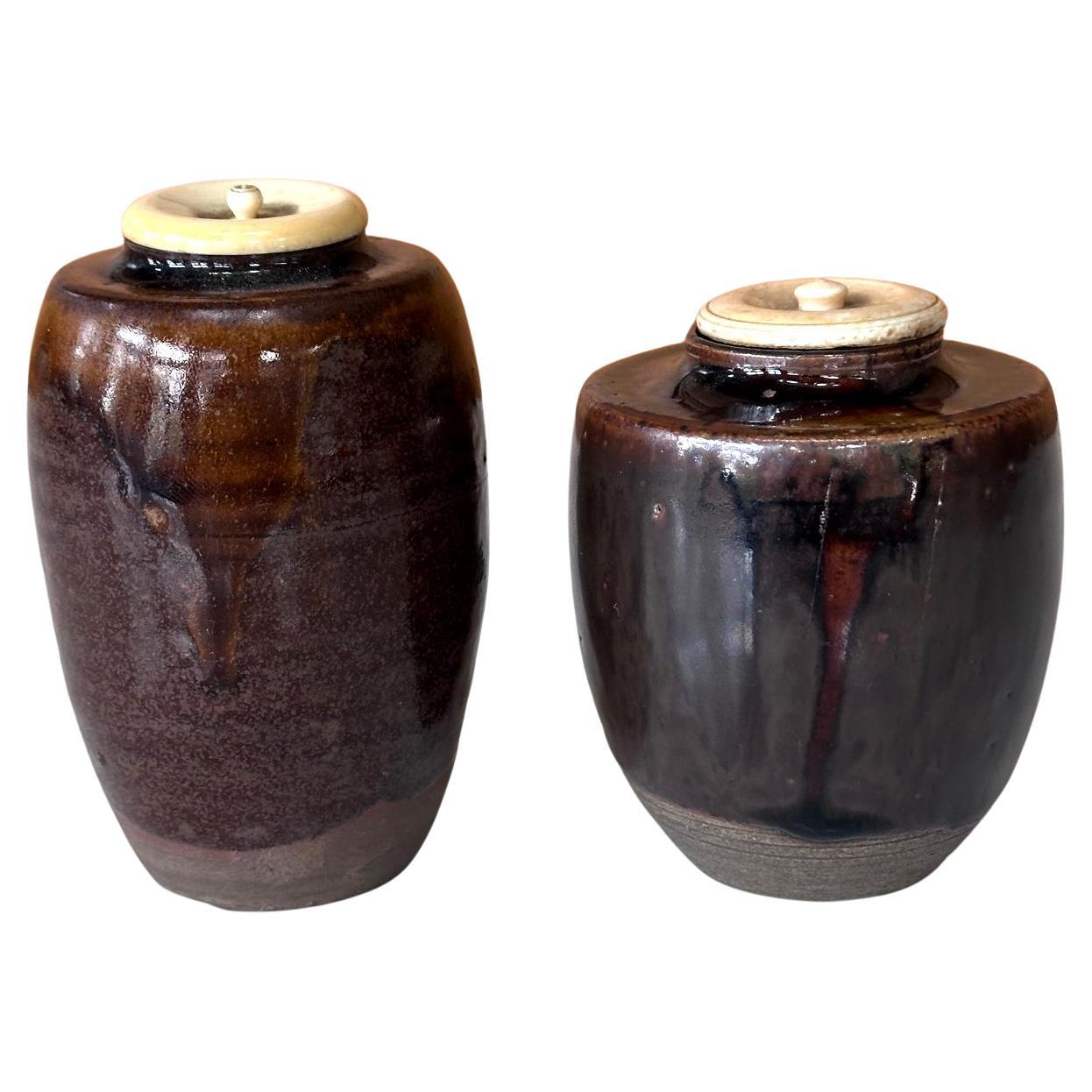
A collection of two ceramic chaires (Tea caddies) of Ko-seto ware type from Edo period Japan circa 17-18th century. This type of small jar was made of stoneware in old Seto kilns in ...
Category
Antique 18th Century Japanese Edo Ceramics
Materials
Ceramic
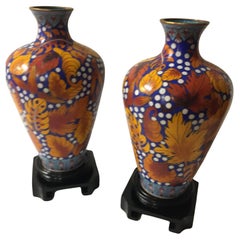
Antique Japanese Cloisonne Enamel Meiji Vases Petite Pair
Located in Savannah, GA
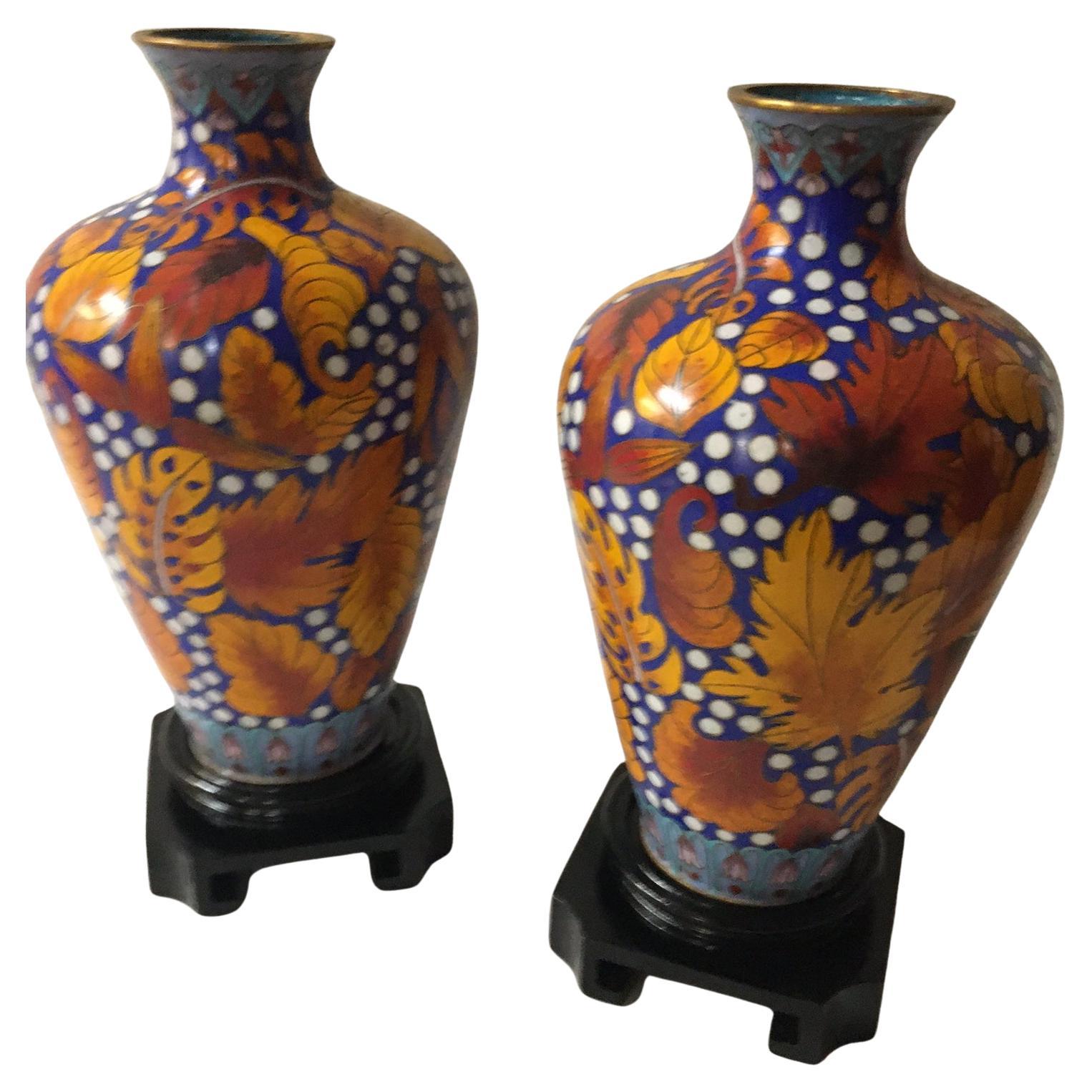
This colorful striking pair of antique Japanese bronze vases from the Meiji period are decorated with enamel using the cloisonne technique. Two matched vases with a relief pattern of...
Category
Antique Early 1900s Japanese Anglo-Japanese Metalwork
Materials
Enamel
$475 Sale Price / set
46% Off
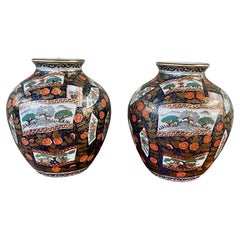
Pair of 20th Century Japanese Amari Vases
Located in Southall, GB
These 20th-century Japanese Amari vases in navy with gilt-painted floral and woodland scenes are a beautiful example of Japanese craftsmanship and artistic expression, blending tradi...
Category
Late 20th Century Ceramics
Materials
Ceramic
$791 / item
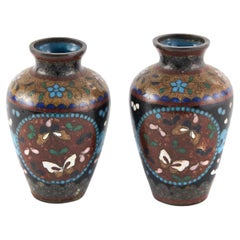
Miniature Pair of Antique Japanese Cloisonne Vases
Located in Ipswich, GB
Offered for sale is this miniature pair of antique Japanese cloisonne vases of good quality with wonderful cloisonné decoration in classical vase form.
Category
Early 20th Century Ceramics
Materials
Ceramic
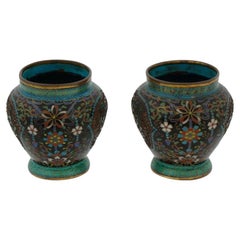
Rare Pair of Antique Japanese Cloisonne Enamel Meiji Vases
Located in Long Island City, NY
A pair of rare antique Japanese bronze vases from the Meiji period, decorated with enamel using the cloisonne technique. Two matched globular vases with a relief pattern of cloisonne...
Category
Antique Late 19th Century Japanese Meiji Vases
Materials
Enamel, Bronze
$600 Sale Price / set
50% Off