Items Similar to Rare Antique Edo period 17/18th Century Japanese Porcelain Plate Stand Arita Dis
Want more images or videos?
Request additional images or videos from the seller
1 of 14
Rare Antique Edo period 17/18th Century Japanese Porcelain Plate Stand Arita Dis
$1,070.15
£793.42
€891
CA$1,470.14
A$1,604.89
CHF 845
MX$19,224.78
NOK 10,807.20
SEK 9,867.16
DKK 6,789.10
About the Item
Description
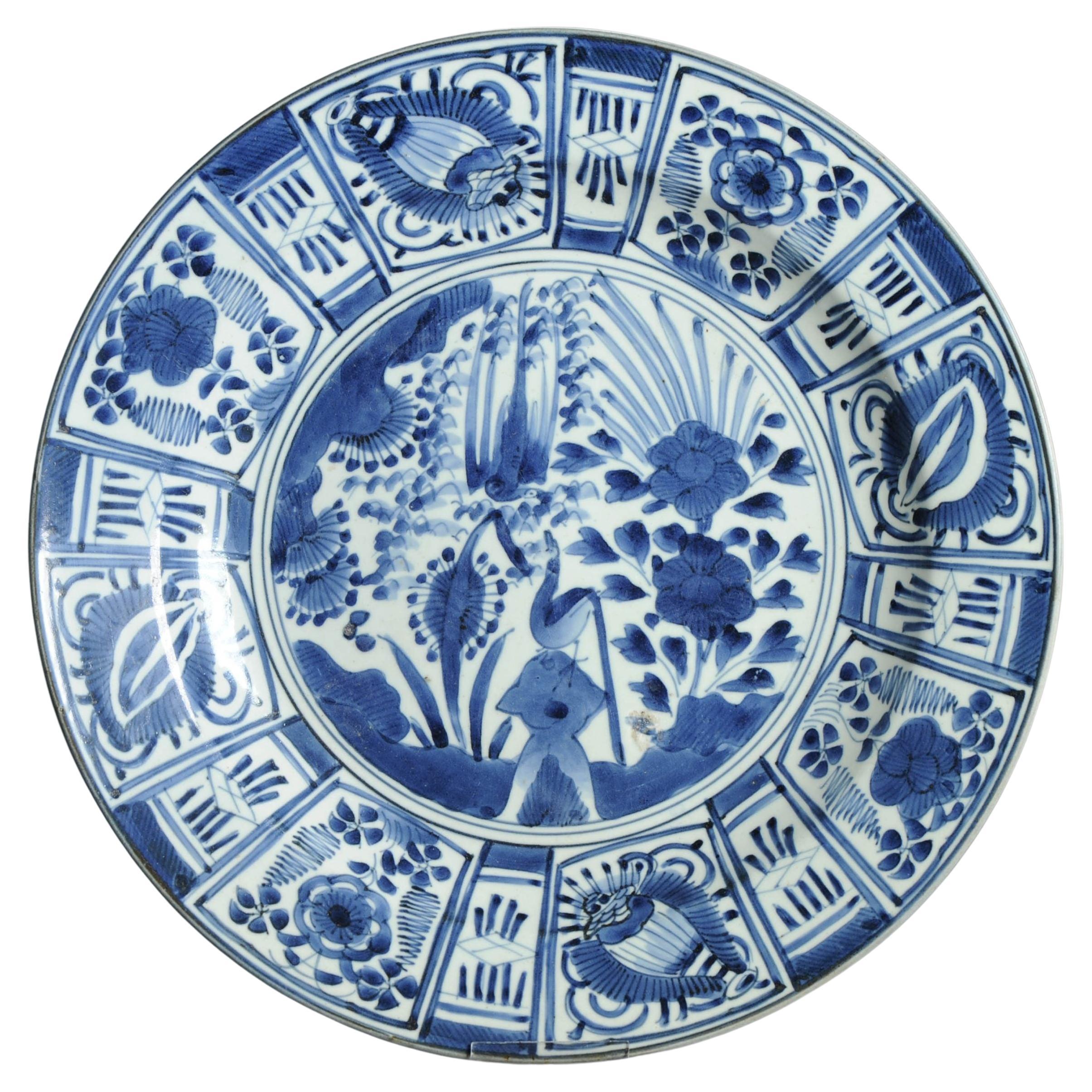
This is a beautiful piece of antique Japanese porcelain — it looks like Arita or Imari ware, decorated in classic blue and white cobalt underglaze.
The central opening indicates that this is not a regular plate or saucer, but rather a stand or holder, most likely for a bowl or incense burner (kōro).
Given its proportions and the elevated ring in the center, this is most likely a stand for a small bowl or incense burner (kōro) — essentially an incense burner stand or bowl stand.
Here’s why that makes sense:
The raised central ring would securely hold the base of a small vessel (such as a porcelain or bronze incense burner).
The outer rim decorated with floral and geometric patterns would remain visible around the burner — both functional and decorative.
The lotus and vine motifs fit well with ceremonial or religious uses, which supports the incense burner theory.
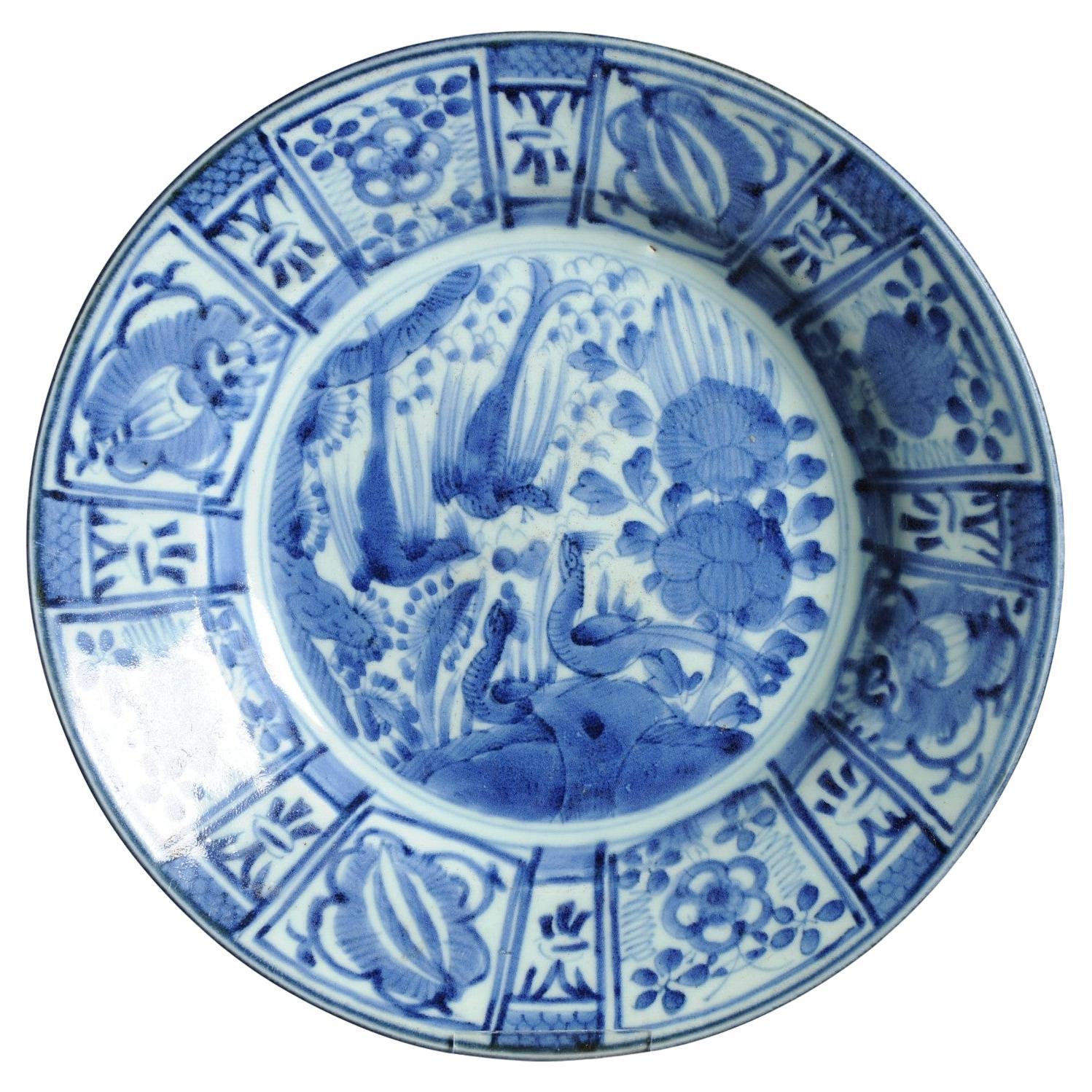
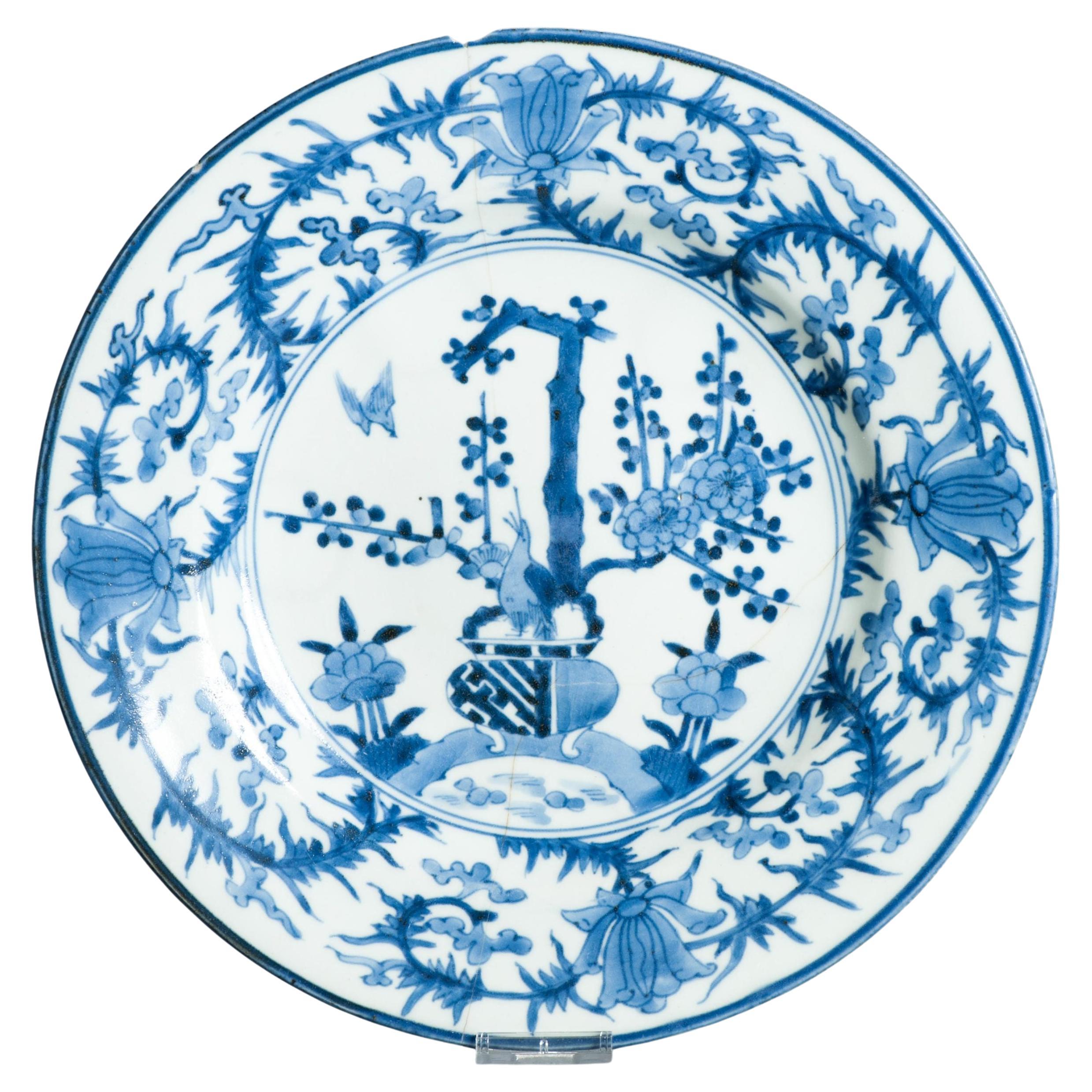
Arita ware, also known as Arita-yaki, has its origins in 1616, when a Korean farmer, Yi Sam-pyeong, discovered white clay kaolin in Arita and used it to create Japan’s first porcelain. Arita was the first place to produce ceramics in Japan. After the discovery, a number of kilns opened in the area and it soon became a source for Japanese export porcelain destined for Europe. The Dutch East India Company began exporting the porcelain in 1653. The export pieces were often made in Western shapes and forms and incorporating Chinese decoration. One example is Chinese Kraak decoration–the name derives from the Portuguese ships, Carracks, that transported the porcelain. The decoration is distinguished by its cobalt blue underglaze and foliated radial panels. Traditional motifs, such as stylised flowers, decorate these panels, with abstracted designs in between each one.
Condition
Crackles lines over large part of the piece, 1 chip to rim with hairline and 3 body hairlines. Size: 17.5CM total diameter, inside opening diameter 6.3CM
Period
17th century
18th century Edo Period (1603–1867)
- Dimensions:Height: 0.04 in (1 mm)Diameter: 6.89 in (17.5 cm)
- Style:Edo (Of the Period)
- Materials and Techniques:
- Place of Origin:
- Period:
- Date of Manufacture:18th c
- Condition:Wear consistent with age and use.
- Seller Location:Amsterdam, NL
- Reference Number:Seller: 1350735831661stDibs: LU4863247855532
About the Seller
5.0
Gold Seller
Premium sellers maintaining a 4.3+ rating and 24-hour response times
Established in 2015
1stDibs seller since 2019
293 sales on 1stDibs
Typical response time: 4 hours
- ShippingRetrieving quote...Shipping from: Amsterdam, Netherlands
- Return Policy
More From This Seller
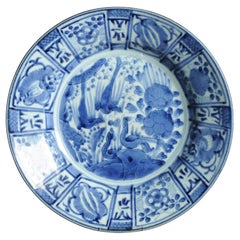
View All31CM Antique Kraak Edo period 1680-1690 Japanese Porcelain Charger Arita
Located in Amsterdam, Noord Holland
Description
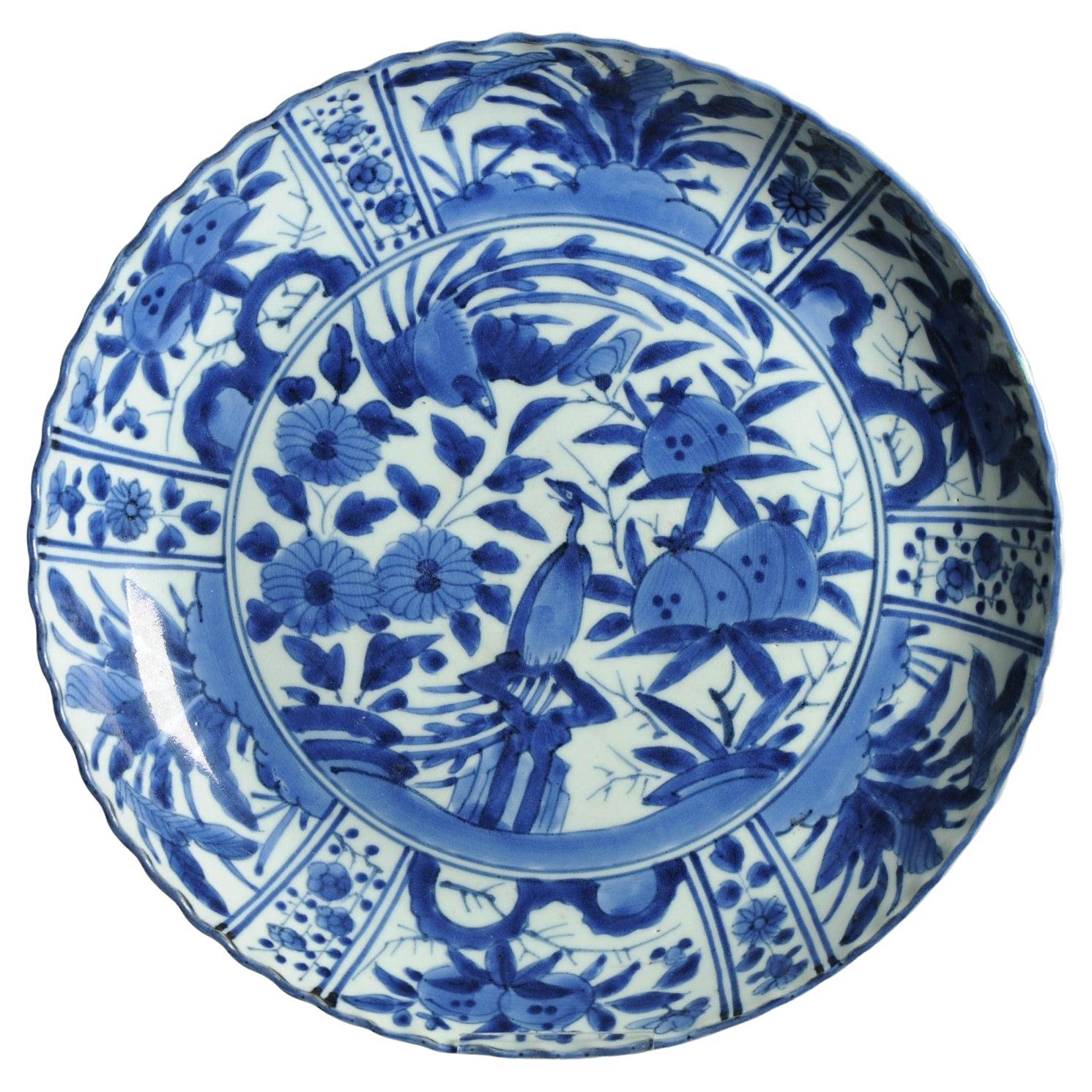
Sharing with you this very nice edo period, 1680-1700, example. With a garden floral bird scene in the style of Chinese Wanli period pieces.
Marked at the base with a fl...
Category
Antique Late 17th Century Japanese Edo Ceramics
Materials
Porcelain
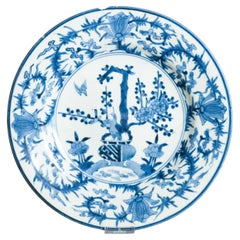
Rare Antique Edo period Ca 1680 -1700 Japanese Porcelain Plate Arita Dish
Located in Amsterdam, Noord Holland
Description
Sharing with you this very nice edo period, 1660-1680, example. With a central scene of flowers. The rim beautifully painted.
Unmarked at base
Arita ware, also known a...
Category
Antique 17th Century Japanese Edo Ceramics
Materials
Porcelain
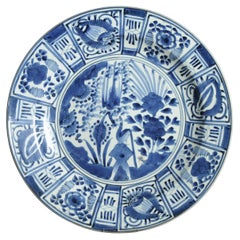
39CM Antique Kraak Edo period 1680-1690 Japanese Porcelain Huge Charger Arita
Located in Amsterdam, Noord Holland
Description
Sharing with you this very nice edo period, 1680-1700, example. With a garden floral scene with birds in the style of Chinese Wanli period pieces.
Unmarked at base
Arit...
Category
Antique Late 17th Century Japanese Edo Ceramics
Materials
Porcelain
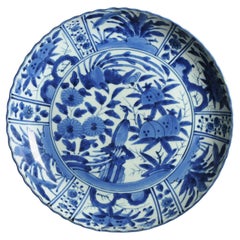
31.5CM Antique Kraak Edo period 1680-1690 Japanese Porcelain Charger Arita
Located in Amsterdam, Noord Holland
Description
Sharing with you this very nice edo period, 1680-1700, example. With a garden floral bird scene in the style of Chinese Wanli period pieces.
Marked at the base with a fl...
Category
Antique Late 17th Century Japanese Edo Ceramics
Materials
Porcelain
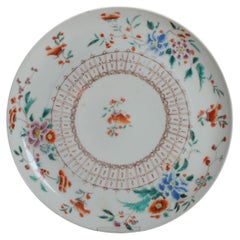
Antique Edo Period Japanese Porcelain Plate Kakiemon Style, ca 1800
Located in Amsterdam, Noord Holland
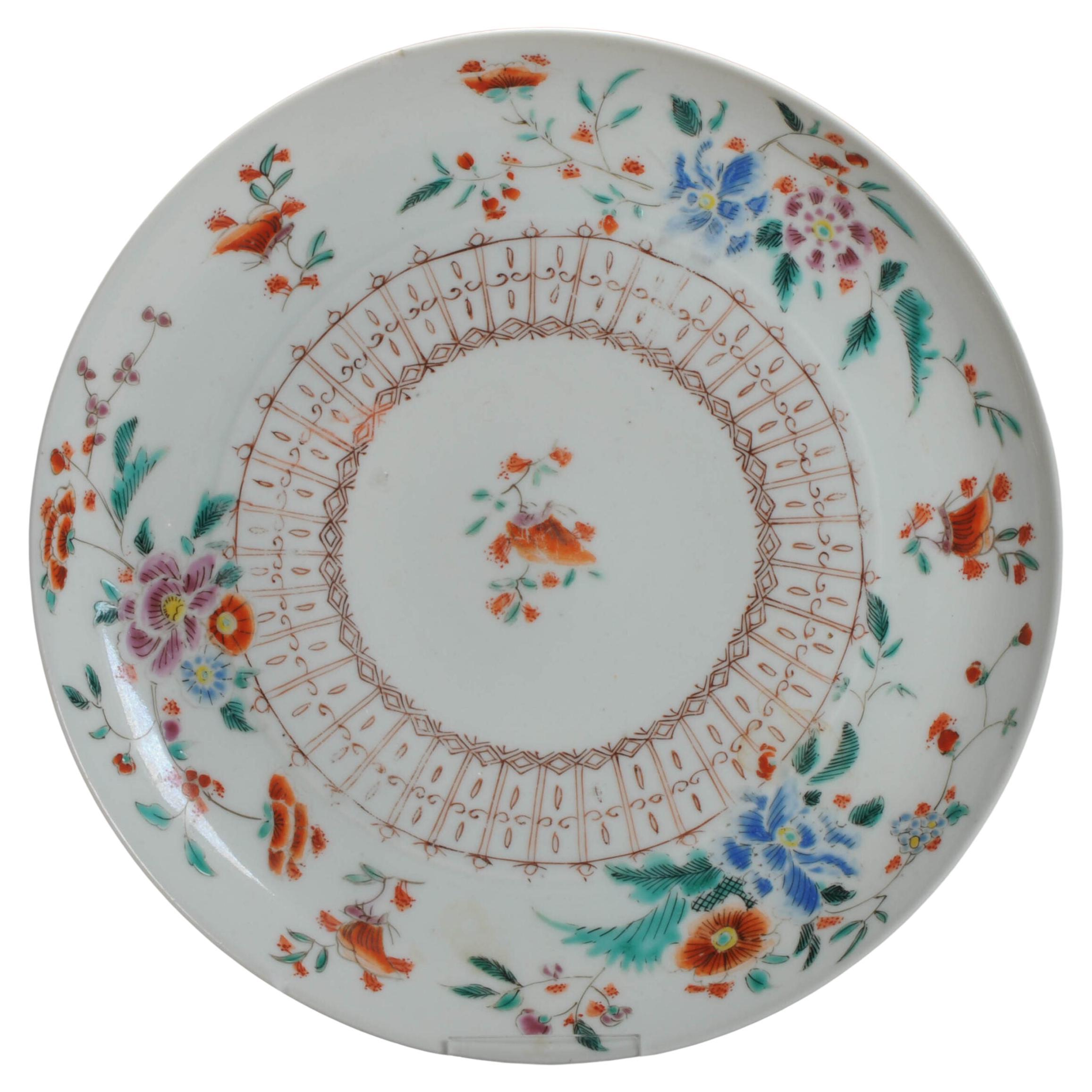
Sharing with you this very nice edo period, early 19th c, example. The rim beautifully painted, quite unusual.
Unmarked at base
Arita ware, also known as Arita-yaki, has its origin...
Category
Antique 18th Century Japanese Edo Decorative Dishes and Vide-Poche
Materials
Porcelain
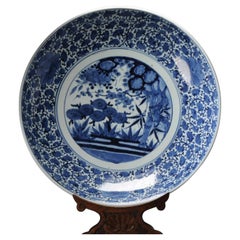
Antique Kraak Edo Period 1680-1690 Japanese Porcelain Huge Charger Arita
Located in Amsterdam, Noord Holland
Sharing with you this very nice edo period, 1680-1700, example. With a garden floral scene.
Marked at base:
made in the Hua Qing period of the great Ming Dynasty
Arita ware, also known as Arita-yaki, has its origins in 1616, when a Korean farmer, Yi Sam-pyeong, discovered white clay kaolin in Arita and used it to create Japan’s first porcelain. Arita was the first place to produce ceramics in Japan. After the discovery, a number of kilns opened in the area and it soon became a source for Japanese export porcelain...
Category
Antique 17th Century Japanese Edo Ceramics
Materials
Porcelain
$3,687 Sale Price
20% Off
You May Also Like
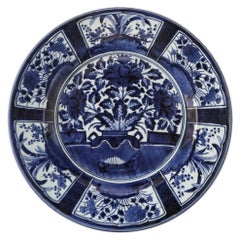
A Japanese Edo period export porcelain charger
Located in Lymington, Hampshire
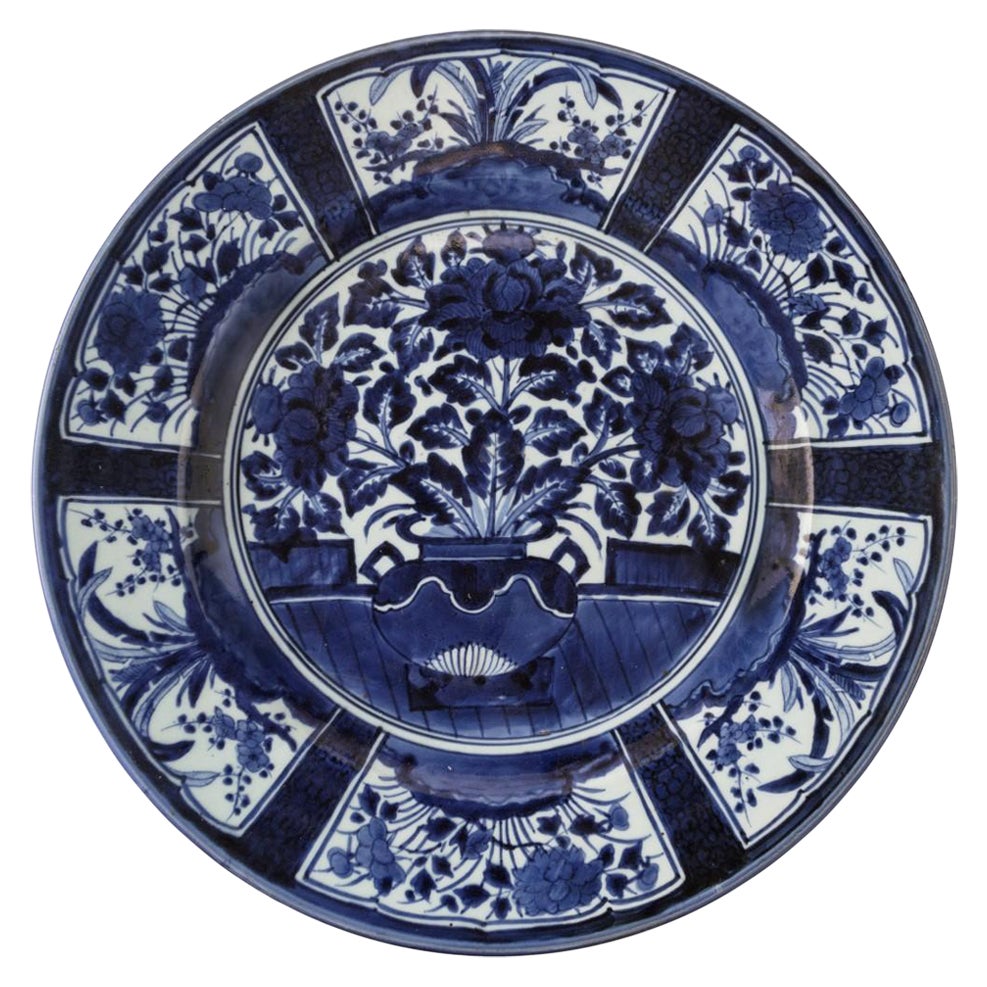
A large Arita charger of circular form painted in rich cobalt blue under thick glossy glaze with a central vase of thee peony sprays on a platform, the e...
Category
Antique Early 1700s Japanese Edo Ceramics
Materials
Porcelain
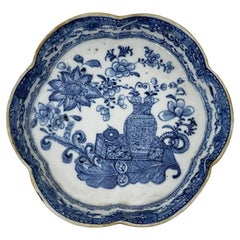
18th Century Chinese porcelain Pattipan, tea stand
Located in Delft, NL
18th Century Chinese porcelain Pattypan, tea stand
A Qianlong period Chinese blue and white porcelain Pattipan or tea stand with scallo...
Category
Antique Mid-18th Century Chinese Ceramics
Materials
Porcelain
Japanese Arita Kraak type Dish, Mid-17th century, Edo Period
Located in seoul, KR
This piece was created in Japan presumably during the second half of the 17th century, with two archaic-style kanji characters, "酬酬" (shu shu), engraved on the bottom. A identical piece is housed in the National Museum of Warsaw.
Period : Edo Period, Japan
Date : 17th century
Provenance : Acquired in late 1990s from Hongkong
Reference : National Museum of Warsaw - Inventory Number SKAZsz 1230 MNW
(Type : Highly related)
* Japanese Edo Period Kraak
The Japanese 17th...
Category
Antique 17th Century Japanese Antiquities
Materials
Ceramic
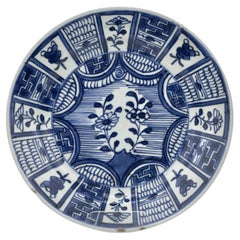
Handcrafted Chinese Plate from the Kangxi Period
Located in Vienna, AT
Blue and white hand-painted porcelain plate from the Kangxi period. Finely executed cobalt-blue decoration with characteristic clarity and balance of early Qing craftsmanship. The gl...
Category
Antique 18th Century Chinese Ming Ceramics
Materials
Porcelain
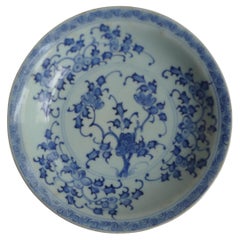
Large 17th Century Colonial Japanese Porcelain VOC Charger
Located in Amsterdam, NL
A Japanese Arita blue and white porcelain VOC dish.
Arita, late 17th century
Measure: Diameter 32.1 cm
These dishes, ordered by the VOC during the second half of the 17th century, were copied after the popular Chinese Wanli ‘Kraak’ porcelain...
Category
Antique Late 17th Century Japanese Ceramics
Materials
Porcelain
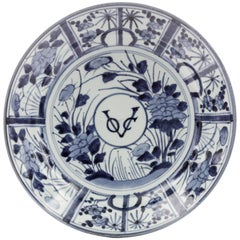
17th Century Arita Dish Blue White Export Porcelain Charger Ming Edo Period
By 1616 / Arita Japan, Arita, Delft
Located in Wommelgem, VAN
Large 17th Century Japanese Edo Period Arita dish Chinoiserie blue and white Wanli Kraak Charger
Material: Ceramic, porcelain
Design: Arita, Ming Dynasty, Wanli style, Chinoiserie
Style: Ming, William and Mary - Louis XIV Baroque, Antique, Asian antique, Oriental
Origin: Japan, Arita, 17th century
Colors: Blue and white, the blue is unbelievable fabulous
Decor: Chinoiserie, Chinese Wanli style known as "kraakdish"
Description: Large 17th Century ceramic...
Category
Antique 17th Century Japanese Edo Ceramics
Materials
Ceramic, Porcelain