Items Similar to Rare Japanese Porcelain Painted Footed Dish Makuzu Kozan

Want more images or videos?
Request additional images or videos from the seller
1 of 19
Rare Japanese Porcelain Painted Footed Dish Makuzu Kozan
$5,000
£3,792.49
€4,346.89
CA$6,999.86
A$7,646
CHF 4,047.25
MX$91,916.86
NOK 51,446.42
SEK 47,056.02
DKK 32,467.60
About the Item
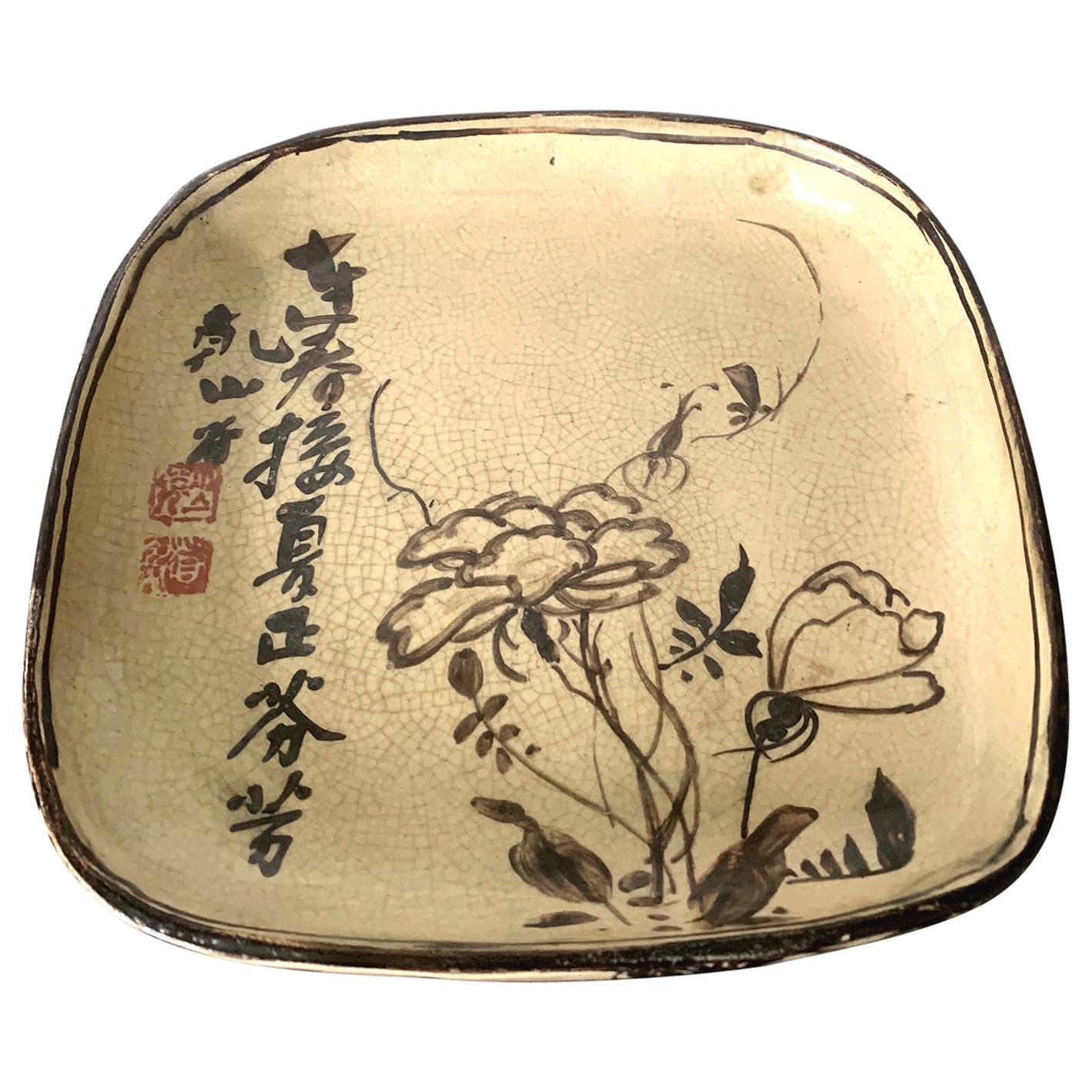
A rare footed dish in the form of an open scroll painting with literati landscape from the studio of Japanese Potter Makuzu Kozan. Also known as Miyagawa Kozan (1842–1916), Makuzu was one of the most established ceramists from Meiji Period. Born as Miyagawa Toranosuke, Kozan established his pottery studio in Yokohama around 1870s and later became one of the appointed artists to the Japanese Imperial household. His work was exhibited in many international fairs that the Meiji government participated at the turn of the century and won many grand prizes.
The unusual design was a smart play with both form and concept. The scroll opens to reveal an actual ink landscape painting that depicts a thatched hermitage under towering pines set in a mountainous scenery. Faint blue color was used to depict peak afar in the mist and also a very subtle full moon shape vignette, both very poetic touch with an intention to create a dimensional ambience. A small grove of bamboo and a sculptural plum tree with strokes of branches bearing the flowers complete the concept of "Three Winter Friends", a literary and pictorial metaphor of purity in a gentleman's character. The tropic of hermit who was tired of the corrupted court life and retreated back in nature has always been a favorite for ancient Chinese composition in both literature and art. This bowl embodies such a spirit. The bowl was supported by a foot ring and the underside was partially glazed black to add a strong visual effect. The bowl was likely used during a themed tea ceremony to present the sweets to the esteemed guest. It was signed with an impressed seal "Makuzu" on the base. The bowl has a very small historical kintsugi repair on one corner and a speckle on the bottom as well. The golden lacquer was intentional chosen to contrast the black glazed background, a wabi Sabi effect that was pursued to the aesthetic perfection.
A nearly identical dish with a variation of the painting is illustrated (no 40) on page 64 in the book "Bridging East and West: Japanese Ceramics from the Kozan Studio" by Emerson-Dell.
- Creator:Makuzu Kozan (Artist)
- Dimensions:Height: 2.75 in (6.99 cm)Width: 8 in (20.32 cm)Depth: 5.3 in (13.47 cm)
- Style:Meiji (Of the Period)
- Materials and Techniques:Porcelain,Glazed
- Place of Origin:
- Period:1900-1909
- Date of Manufacture:1900s
- Condition:Wear consistent with age and use. Fine antique condition with small spotted historical kintsugi repair as shown.
- Seller Location:Atlanta, GA
- Reference Number:1stDibs: LU945036842772
About the Seller
4.9
Platinum Seller
Premium sellers with a 4.7+ rating and 24-hour response times
Established in 2006
1stDibs seller since 2010
583 sales on 1stDibs
Typical response time: <1 hour
- ShippingRetrieving quote...Shipping from: Atlanta, GA
- Return Policy
More From This Seller
View AllJapanese Ceramic Bowl Makuzu Kozan with Original Inscribed Box
By Makuzu Kozan
Located in Atlanta, GA
A glazed ceramic shallow bowl with surface paint decoration by Japanese imperial potter Makuzu Kozan ((1842–1916) with its original inscribed tomobako storage wood box. Unlike the be...
Category
Antique Early 1900s Japanese Meiji Ceramics
Materials
Ceramic
Japanese Ceramic Bowl Makuzu Kozan Utusushi Kenzan
By Makuzu Kozan
Located in Atlanta, GA
A rare ceramic bowl with overglaze paint decoration by Japanese imperial potter Makuzu Kozan ((1842–1916). Unlike the better-known works Kozan made for the expositions in the west and export to the foreign market, this piece exemplifies his work for the domestic market and the tea ceremony. The bowl was made in the so called "Utusushi" Ogata Kenzan (1663-1743), a celebrated Edo painter and ceramicist. Utusushi is loosely translated as "in the spirit of". It is not at all a simple imitation of a master, but a Japanese concept of embracing the spiritual essence of a master while the creator is free to mix in his or her own unique artistic interpretation and flavor.
The bowl was made to hold fruits during the tea ceremony. It has a very distinguished form with a circular lower body morphing into a square upper portion that further opening with flared rim. The surface has a grey glaze onto which Asagao flowers (Japanese morning glory) on the vines were painted in a free and poetic style. White was used for the petals, green for the leaves with touches of gold highlight. Asagao, the symbol of the summer was rendered in the spirit of Ogata Kenzan, and interestingly the shape of the blossom echoes the unique form the bowl. It was likely reserved for the tea ceremony during the summer months.
Under the base, Kozan was signed in black on a white porcelain plaque inlay.
For two similar examples of Kozan's work Utusushi Kenzan, see Page 168-169 of the book: Sekai ni Aisa Reta ya Kimono Miyagawa Kozan Makuzu...
Category
Antique Early 1900s Japanese Japonisme Ceramics
Materials
Ceramic
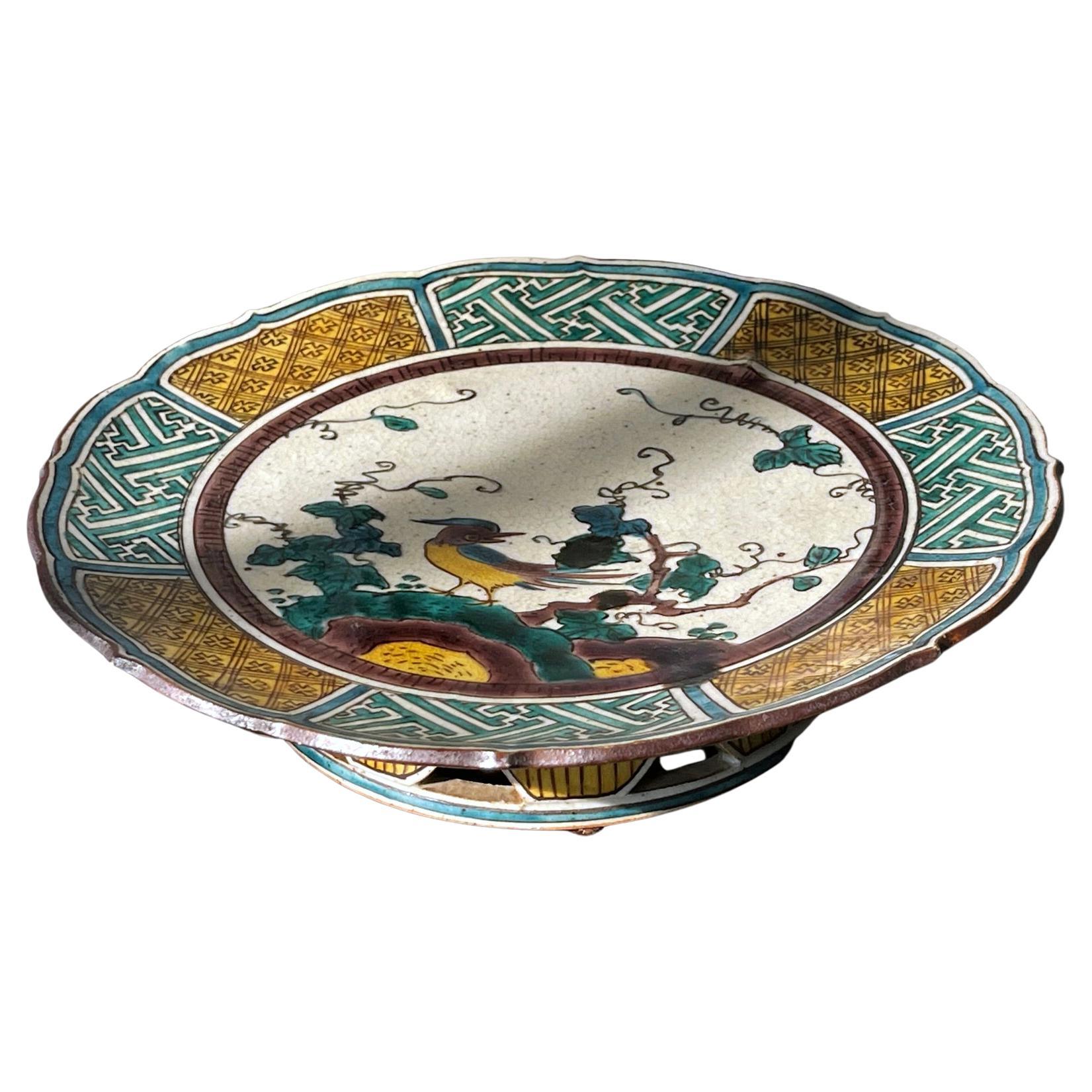
Antique Japanese Ceramic Ko-Kutani Revival Footed Dish
Located in Atlanta, GA
A Japanese glazed ceramic footed dish made in the Ko-Kutani type of Edo period but likely during Kutani revival in the 19th century Meiji Period. The dish with delicate foliaged rim ...
Category
Antique 19th Century Japanese Japonisme Ceramics
Materials
Ceramic

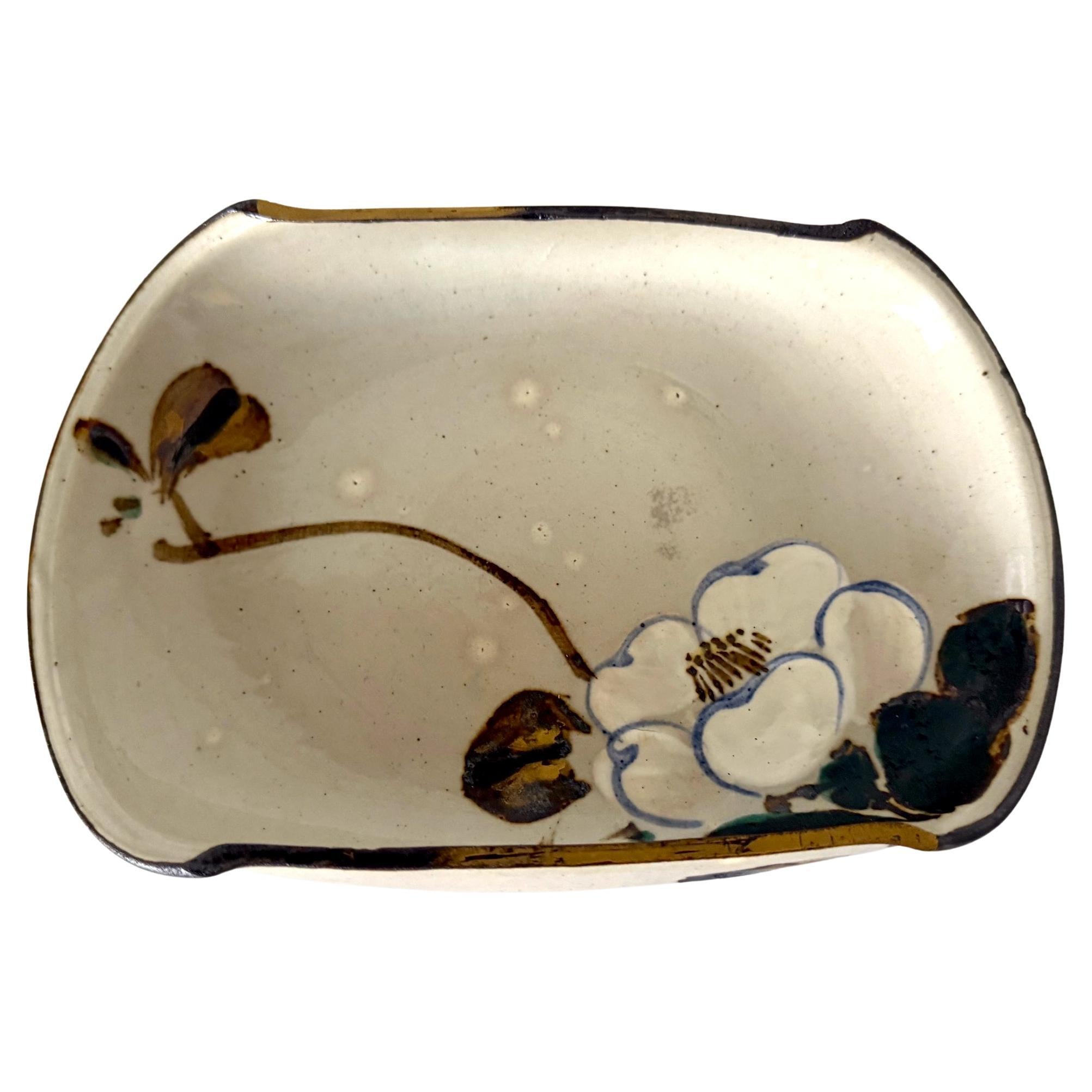
Japanese Ceramic Dish Meiji Ogata Kenzan
Located in Atlanta, GA
A Japanese ceramic shallow dish in square form with rounded corners from Meiji period in the style of Ogata Kenzan. The dish features a cream color crackl...
Category
Antique 19th Century Japanese Meiji Ceramics
Materials
Ceramic
Japanese Glazed Ceramic Bowl by Makuzu Kozan
By Makuzu Kozan
Located in Atlanta, GA
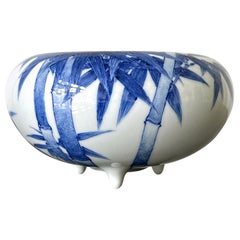
Tri-pod ceramic bowl likely used as an incense burner (koro) by Japanese Imperial potter Makuzu Kozan (1842-1916) circa late Meiji period. The signature indicates that it was produce...
Category
Antique 1880s Japanese Meiji Ceramics
Materials
Ceramic
Korean Ceramic Tea Bowl with Slip Inlays Goryeo Dynasty
Located in Atlanta, GA
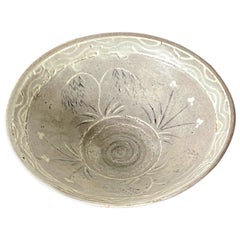
A small ceramic conical form tea bowl from Korean Goryeo Dynasty circa 14th century. The bowl is of a slightly irregular shape and covered in a grayish overglaze. The inlaid slip dec...
Category
Antique 15th Century and Earlier Korean Archaistic Ceramics
Materials
Ceramic
You May Also Like
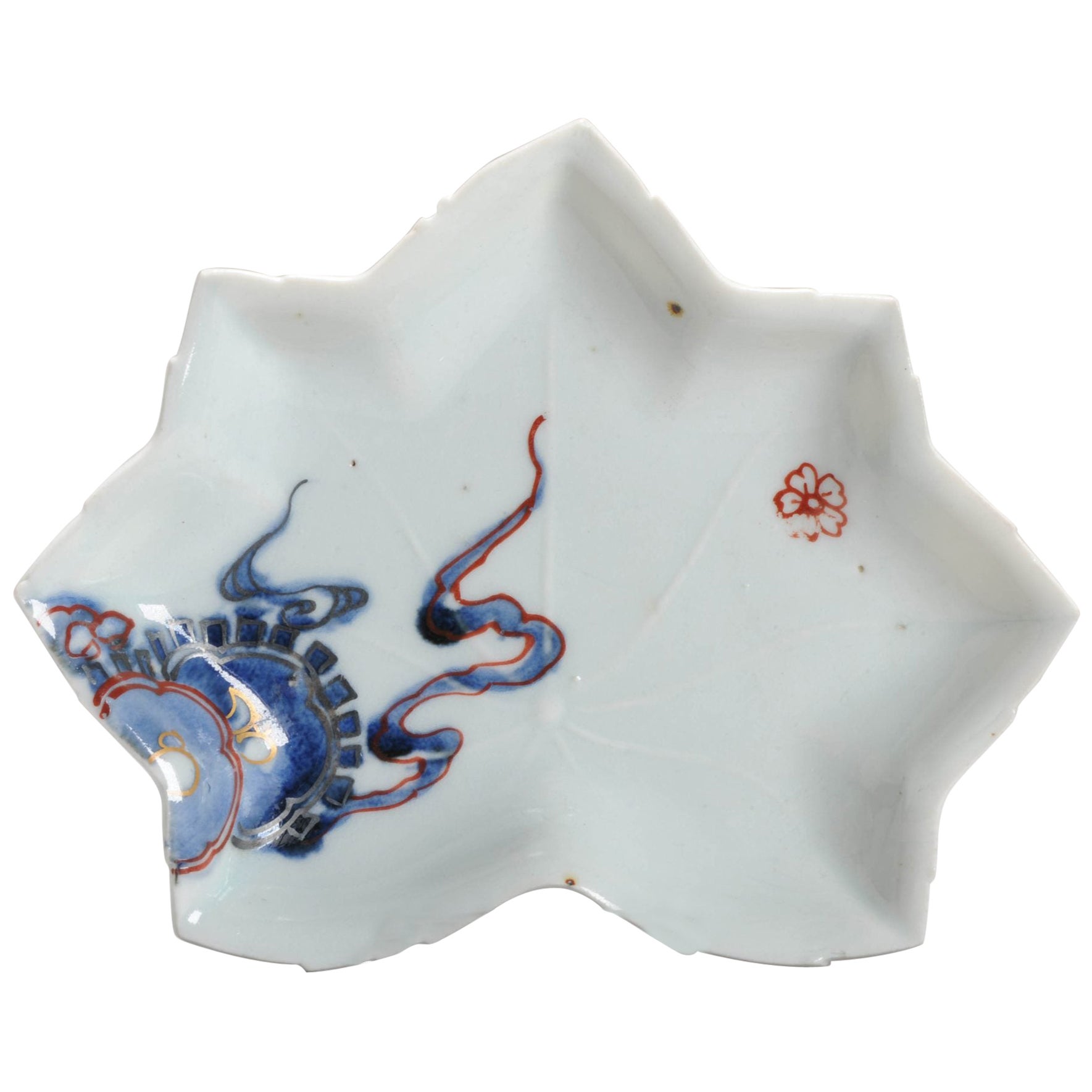
Antique Ko-Kutani Edo Period Japanese Porcelain Dish Arita, 17th Century
Located in Amsterdam, Noord Holland
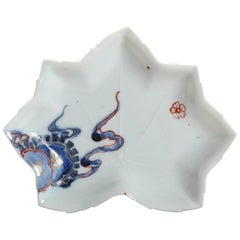
A very nice leaf shaped polychrome dish of moulded shape. Unusual shape and painting.
Early Edo period.
Additional information:
Material: Porcelain & Pottery
Japanese Style: Kutani...
Category
Antique 17th Century Japanese Edo Decorative Dishes and Vide-Poche
Materials
Porcelain
$868 Sale Price
45% Off
Edo Period Japanese Porcelain Plate Antique Ko-Kutani, ca 1660-80
Located in Amsterdam, Noord Holland
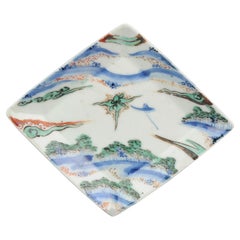
A very nice Ko-Kutani Plate.
Additional information:
Material: Porcelain & Pottery
Region of Origin: Japan
Period: 17th century
Age: Pre-1800
Condition: Overall Condition Very good,...
Category
Antique 17th Century Japanese Decorative Dishes and Vide-Poche
Materials
Porcelain
$2,318 Sale Price
20% Off
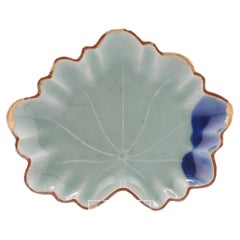
Antique Ko-Kutani Edo Period 1650-1670 Century Japanese Porcelain Dish Arita
Located in Amsterdam, Noord Holland
A very nice leaf shaped Celadon dish of moulded shape. with nice blue color also in one corner. Unusual shape and painting.
Early Edo period.
Condition
crackle lines all over, som...
Category
Antique 17th Century Chinese Edo Planters, Cachepots and Jardinières
Materials
Porcelain
$1,089 Sale Price
20% Off
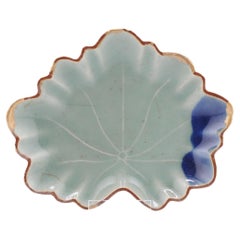
Antique Ko-Kutani Edo Period Japanese Porcelain Dish Arita, 1650-1670
Located in Amsterdam, Noord Holland
A very nice leaf shaped Celadon dish of moulded shape. with nice blue color also in one corner. Unusual shape and painting.
Early Edo period.
Additional information:
Material: Porc...
Category
Antique 17th Century Asian Edo Decorative Dishes and Vide-Poche
Materials
Porcelain
$1,726 Sale Price
20% Off
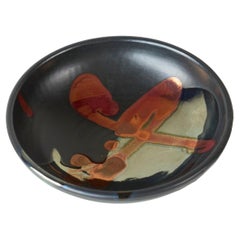
Wonderful Japanese Showa Era Lustre Glazed Studio Pottery Bowl 1960s
Located in Meer, VAN
Wonderful Japanese Showa Era Lustre Glazed Studio Pottery Bowl 1960s.
A very beautiful black Japanese studio pottery bowl with a wonderful lustre glaze in red and gold on the inside...
Category
Mid-20th Century Mid-Century Modern Decorative Bowls
Materials
Pottery
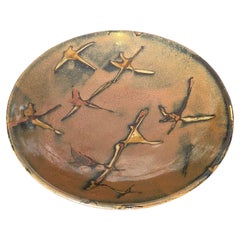
Japanese Signed Mashiko Mingei Art Pottery Plate in the Manner of Shoji Hamada
Located in Studio City, CA
A quite beautiful, expertly crafted, sumptuously glazed large Japanese Mashiko Ware Mingei (folk craft/folk art) pottery plate/ charger quite similar to the works of master potter Sh...
Category
Mid-20th Century Japanese Folk Art Ceramics
Materials
Pottery, Stoneware
More Ways To Browse
Japanese Ceramics
Rare Asian Art
Antique Kintsugi
Rare Japanese Porcelain
Three Friends Of Winter
Emerson Antique
Miyagawa Kozan
Large Japanese Charger
Satsuma Ware
Antique Rose Canton China
Kangxi Dish
Chinese Ming Plate
Japanese Satsuma Pottery
Antique Chinese Famille Rose Plate
Red Chinese Ceramics
Japanese Edo Period Imari
Pierced China
Antique Kintsugi