1 of 10
Satsuma, Large Meiji Covered Vase
About the Item
- Dimensions:Height: 22.45 in (57 cm)Diameter: 11.42 in (29 cm)
- Materials and Techniques:
- Place of Origin:
- Period:
- Date of Manufacture:circa 1900
- Condition:3 little chips restored on the cover and restoration on one ring handle.
- Seller Location:Paris, FR
- Reference Number:1stDibs: U121126952133
Authenticity Guarantee
In the unlikely event there’s an issue with an item’s authenticity, contact us within 1 year for a full refund. DetailsMoney-Back Guarantee
If your item is not as described, is damaged in transit, or does not arrive, contact us within 7 days for a full refund. Details24-Hour Cancellation
You have a 24-hour grace period in which to reconsider your purchase, with no questions asked.Vetted Professional Sellers
Our world-class sellers must adhere to strict standards for service and quality, maintaining the integrity of our listings.Price-Match Guarantee
If you find that a seller listed the same item for a lower price elsewhere, we’ll match it.Trusted Global Delivery
Our best-in-class carrier network provides specialized shipping options worldwide, including custom delivery.You May Also Like
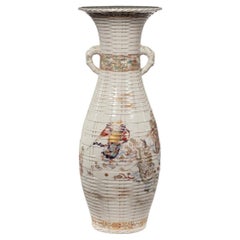
Large Meiji Period Satsuma Earthenware Floor Vase
Located in Lymington, Hampshire
A large Meiji period Satsuma earthenware floor vase, the skittle shaped body painted in pastel overglaze enamels and gilding with a continuous frieze of the Seven Gods...
Category
Antique 1870s Japanese Meiji Ceramics
Materials
Enamel
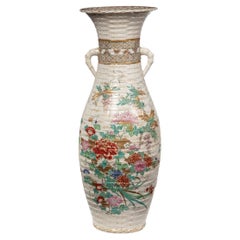
Large Meiji Period Satsuma Earthenware Floor Vase
Located in Lymington, Hampshire
A large Meiji period Satsuma earthenware floor vase, the of baluster form, painted in pastel overglaze enamels and gilding with two large sprays of flowers including prunus blossom, ...
Category
Antique 1870s Japanese Meiji Ceramics
Materials
Enamel
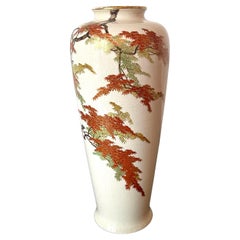
Japanese Satsuma Vase Yabu Meizan Meiji
By Yabu Meizan
Located in Atlanta, GA
A Satsuma baluster form vase from the studio of Yabu Meizan (birth name Yabu Masashichi; 1853-1934), who is one of the most celebrated and collectible Satsuma artists from Meiji Peri...
Category
Early 20th Century Japanese Meiji Ceramics
Materials
Ceramic
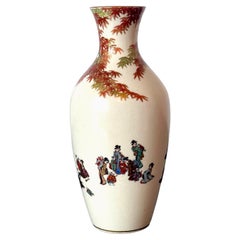
Japanese Miniature Satsuma Vase Yabu Meizan Meiji
By Yabu Meizan
Located in Atlanta, GA
A small Satsuma vase from the studio of Yabu Meizan (birth name Yabu Masashichi; 1853-1934), who is one of the most celebrated and collectible Satsu...
Category
Antique Early 1900s Japanese Meiji Ceramics
Materials
Ceramic
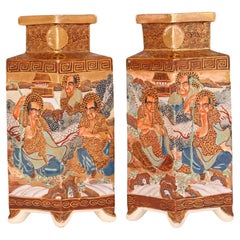
Satsuma Japanese Meiji Pair Diamond Shaped Pottery Vases
By Satsuma
Located in Bishop
s Stortford, Hertfordshire
A good and unusual pair antique Japanese Satsuma Meiji diamond shaped pottery vases decorated with monk figures with a scrolling dragon dating from the 1...
Category
Antique 19th Century Japanese Meiji Ceramics
Materials
Pottery
$621
Free Shipping
H 5.12 in W 2.76 in D 1.97 in
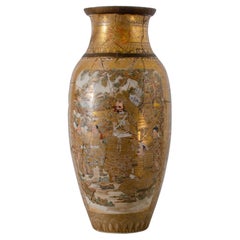
Large Repaired Satsuma Vase, Meiji
Located in Savannah, GA
A large Meiji period Satsuma vase, late 19th century.
Fully shattered and repaired.
11 ½ inches wide by 24 ½ inches tall
Category
Antique Late 19th Century Japanese Meiji Ceramics
Materials
Ceramic
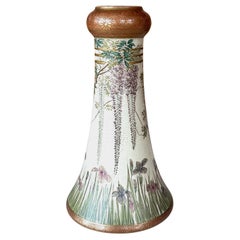
Fine Japanese Enameled Satsuma Vase by Kinkozan Meiji Period
By Kinkozan
Located in Atlanta, GA
A ceramic satsuma ware vase with very fine surface decoration made by Kinkozan circa 1880-1900s of late Meiji Period. The vase is of an elegant and relatively rare form with a trumpet shape body and the so-called garlic neck and opening. The surface is exquisitely decorated in a floral scheme with gilt and a light jewel-tone enamel. The top part showcases large bundles of wisteria blossom in white and purple, cascading down from a gilt wood trellis...
Category
Antique 1880s Japanese Meiji Ceramics
Materials
Ceramic
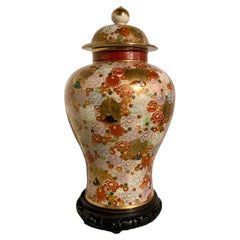
Large Japanese Satsuma Covered Vase, Showa Period, Mid 20th Century, Japan
Located in Austin, TX
A very large and exuberantly decorated Japanese Satsuma millefleur covered vase, marked Satsuma, Showa period, mid 20th century, Japan.
The large vase of attractive baluster form, with a slightly splayed foot, narrow waist, and tapered body with high shoulders and short neck. The vase topped by a domed cover with a large finial shaped like a hoju, the wish fulfilling jewel.
The vase decorated all over in a dense field of flowering blossoms - peony, lotus, and chrysanthemum - in a design known as millefleur, or a thousand flowers. The flowers freely and cheerfully painted in various colors of red, white, orange, green, blue and yellow, with raised white enamels...
Category
Mid-20th Century Japanese Showa Ceramics
Materials
Stoneware
Large Japanese Satsuma Ceramic Vase Kinkozan
By Kinkozan
Located in Atlanta, GA
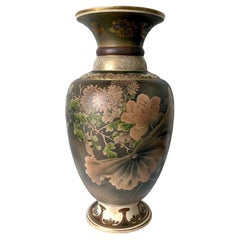
A large Japanese ceramic vase from the end of Meiji period circa 1890-1910s by Kinkozan (1645-1927). One of the largest studio manufacturers of the export ceramics at the time based in Kyoto. In the typical style of satsuma made at the turn of 20th century, the vase is elaborately decorated with a rather unusual kinran-de (gold paint) and green enamel highlight on a mottled brown background. The painterly decoration depicts a large seasonal floral arrangement in a circular fashion. Besides the obviously superb craftsmanship, what sets this particular vase apart from many lower quality and mass-produced pieces is its tone-on-tone color pallet that is visually somber and the small and sensitive details that heralds the change of the seasons. When the viewer goes beyond the first casual glimpse of the blossom and foliage, one would notice that on the edges of certain leaves as well as along the stalks, there accumulates a very thin layer of the white dust that represents the frost. The flower in bloom are chrysanthemums. Despite of being splendid, they are the messengers of the autumn. The large lotus leaf was subtly rendered in a bended and slightly withered manner, just past its prime. Although the lotus is still in bloom, the prominent seed pod indicates it may be the last for the season. The sentimental capture of the change of the seasons is not unusual in Japanese art. This vase poetically represents such a subtle transition from summer to fall, perhaps depicting the very first frost.
The neck of the vase is also slightly unusual with two rolled rings...
Category
Early 20th Century Japanese Meiji Ceramics
Materials
Ceramic
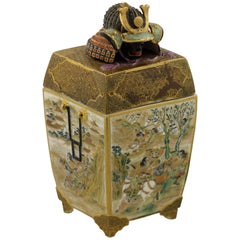
Satsuma Earthenware Vase and Cover, Japanese, Meiji Period
By Satsuma
Located in West Palm Beach, FL
A Satsuma Earthenware vase and cover,
Japanese, Meiji period, (1868-1912)
decorated in polychrome enamels and gilt over a clear, crackled glaze, delicately painted with samurai on ...
Category
Antique 1890s Antiquities
Materials
Ceramic
Still Thinking About These?
All Recently ViewedMore Ways To Browse
Nancy China
Nine Peaches Porcelain
Oribe Bowl
Persian Cloisonne
Phoenix Fenghuang Art
Porcelain Blue Monochrome Glazed
Porcelain Qing Kangxi Dragon Bowl
Prunus Kangxi
Rufinelli Assisi
Sancai Phoenix
Shimazu Satsuma Vase
Thai Celadon Plates
The Hatcher Collection Tea
Antique Chinese Clay Teapots
Celadon Seto
Damascus Tile
Daoguang Bowl
Ethan Allen Hitchcock