Items Similar to Unusual Antique Qing Chinese Porcelain Laughing Buddha Sancai Glazed c1920
Want more images or videos?
Request additional images or videos from the seller
1 of 12
Unusual Antique Qing Chinese Porcelain Laughing Buddha Sancai Glazed c1920
$5,663.80
$7,079.7520% Off
£4,197.23
£5,246.5420% Off
€4,720
€5,90020% Off
CA$7,740.76
CA$9,675.9420% Off
A$8,426.44
A$10,533.0520% Off
CHF 4,472.76
CHF 5,590.9520% Off
MX$101,388.25
MX$126,735.3220% Off
NOK 56,675.95
NOK 70,844.9420% Off
SEK 51,931.18
SEK 64,913.9820% Off
DKK 35,953.65
DKK 44,942.0620% Off
About the Item
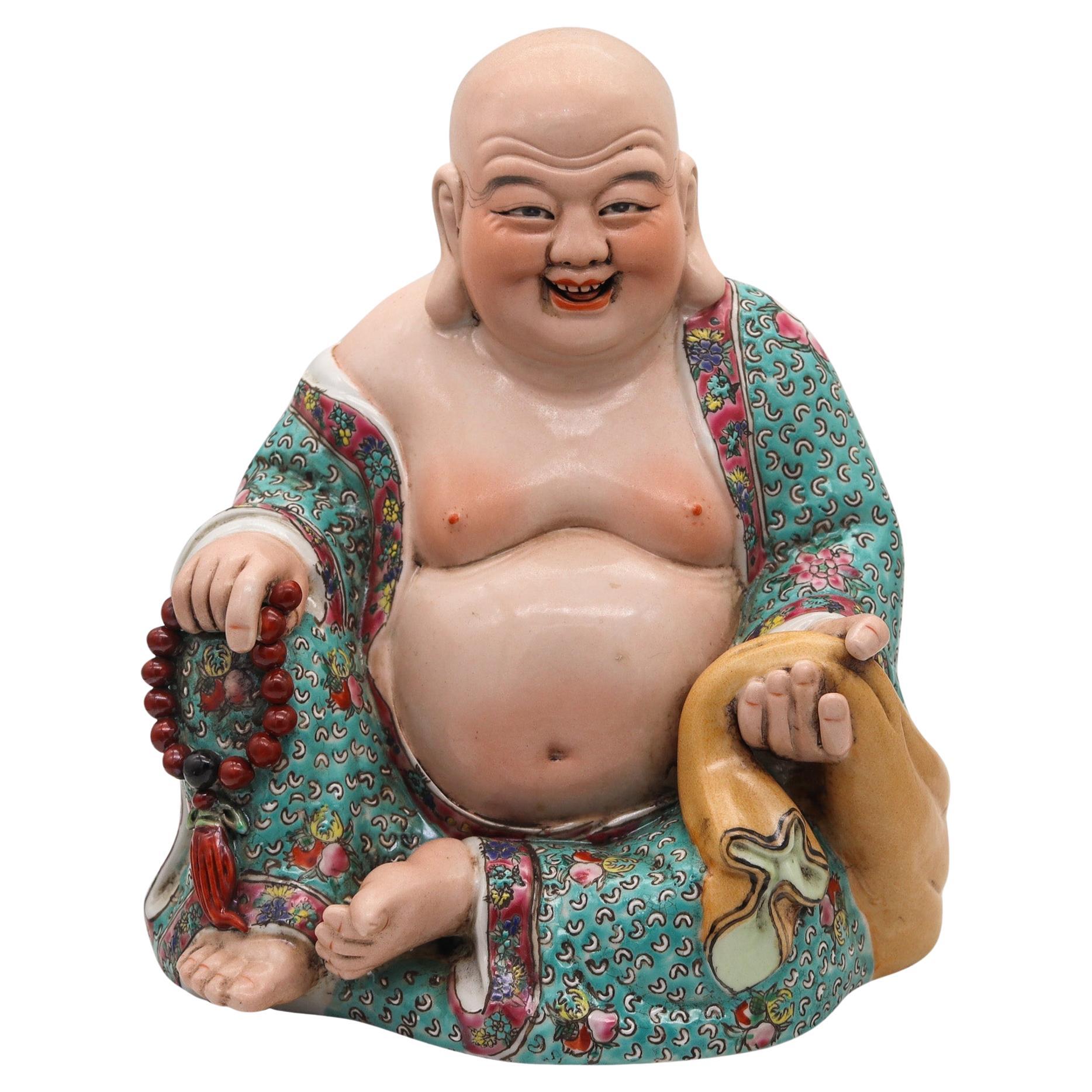
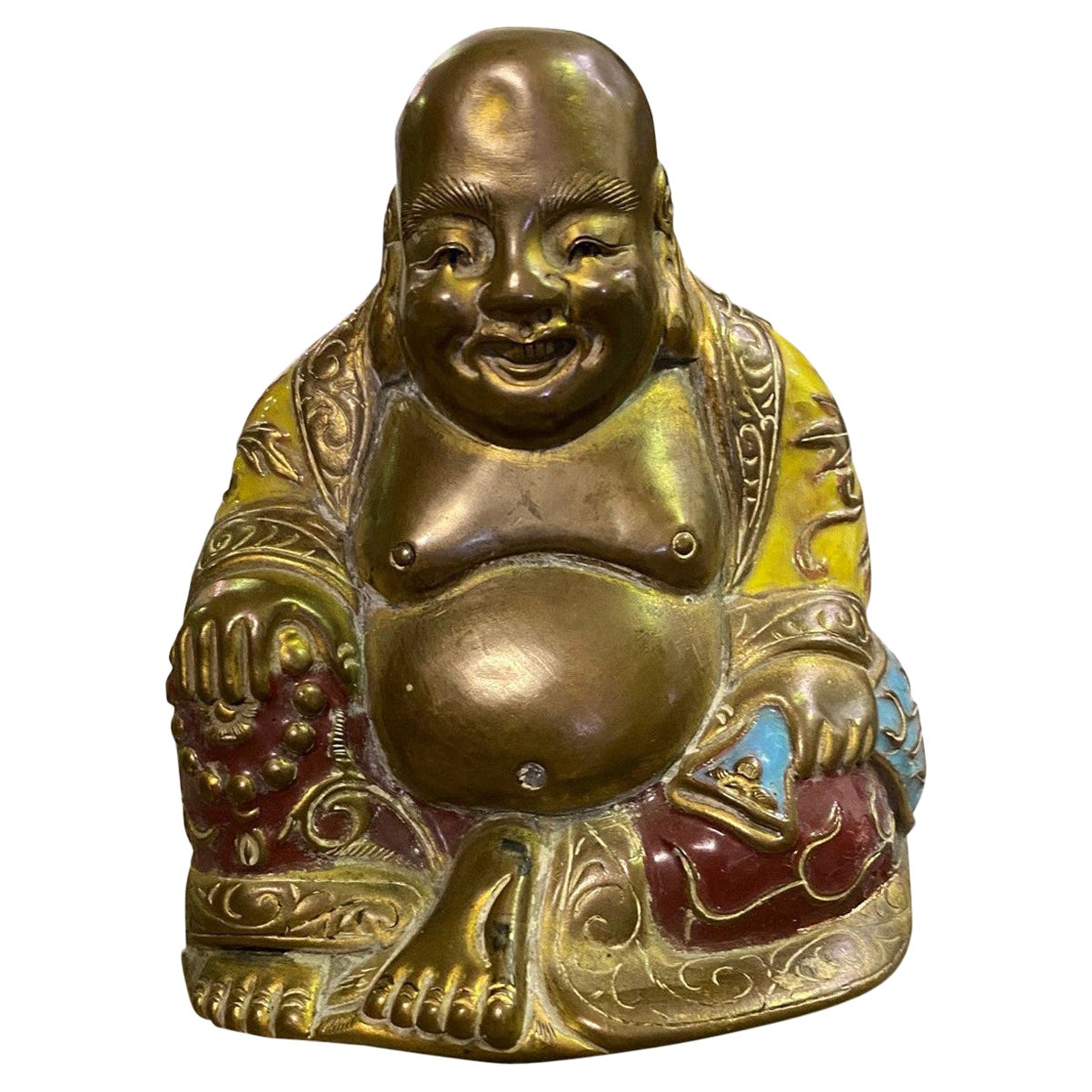
The unusual antique ca. 1920 Qing Chinese porcelain Laughing Buddha is a remarkable and exquisite piece of art that exudes charm and cultural significance. The statue features the iconic Laughing Buddha, also known as Budai or Hotei, a beloved figure in Chinese Buddhism and folklore.
Crafted during the Qing Dynasty, which spanned from the mid-17th century to the early 20th century, this Laughing Buddha statue is a testament to the skill and artistry of Chinese ceramic artisans during that time.
The statue is made from porcelain with a reduced kind of Sancai glaze, which translates to "three-color glaze". The Sancai glaze technique was popular during the Tang Dynasty, but its use continued in later periods like the Qing Dynasty.
The Laughing Buddha is depicted in a jovial and contented posture, with a round belly and a big smile on his face, symbolizing happiness, good fortune, and abundance. The figure holds a sack or bag in one hand, which is said to contain gifts and blessings for those who encounter him. This portrayal of the Laughing Buddha aligns with the belief that he brings joy and prosperity to those around him.
The antique age of this piece adds to its allure, as it carries a sense of history and longevity.
As a rare and unusual antique, the Laughing Buddha would be a treasured addition to any collection of Chinese art or Asian antiques. It holds not only artistic value but also cultural and spiritual significance, making it a truly captivating and cherished artifact from the past.
- Dimensions:Height: 9.85 in (25 cm)Width: 10.24 in (26 cm)Depth: 7.49 in (19 cm)
- Style:Qing (Of the Period)
- Materials and Techniques:Porcelain,Glazed
- Place of Origin:
- Period:
- Date of Manufacture:1920s
- Condition:excellent condition with a firing crack to the underside due to production.
- Seller Location:Bad Säckingen, DE
- Reference Number:1stDibs: LU7989232231412
About the Seller
5.0
Platinum Seller
Premium sellers with a 4.7+ rating and 24-hour response times
Established in 2009
1stDibs seller since 2023
166 sales on 1stDibs
Typical response time: <1 hour
- ShippingRetrieving quote...Shipping from: Bad Säckingen, Germany
- Return Policy
More From This Seller
View AllAntique Chinese Porcelain Famille Verte Soap Box Qing Dynasty 19th Century
Located in Bad Säckingen, DE
This charming rectangular porcelain soap box with lid is a fine example of Chinese Famille Verte ware from the Qing Dynasty, dating to the 19th century. The hand-painted decoration f...
Category
Antique 1890s Chinese Chinese Export Ceramics
Materials
Enamel
Finest Chinese Porcelain Famille Rose Vase Qing Daoguang Mark Early 20th Century
Located in Bad Säckingen, DE
Antique Chinese Famille Rose Vase with Hand-Painted Enamels and Inscription - Exquisite Artwork with Daoguang apocryphal mark.
This ...
Category
Antique Early 1900s Chinese Chinoiserie Ceramics
Materials
Enamel
$2,399 Sale Price
20% Off
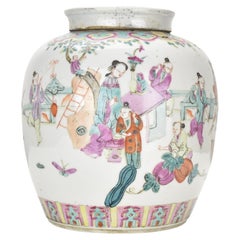
Antique Chinese Qing Porcelain Famille Rose Covered Ginger Jar Vase
Located in Bad Säckingen, DE
This antique Chinese ginger jar, from the Qing Dynasty, is beautifully decorated in the Famille Rose palette, known for its delicate pinks, greens, and intricate detailing. The jar d...
Category
Early 20th Century Chinese Qing Ceramics
Materials
Porcelain
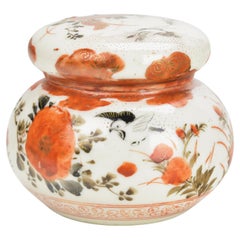
Antique Chinese Porcelain Famille Rose Inkwell Qing Dynasty 19th Century
Located in Bad Säckingen, DE
Antique Chinese Famille Rose inkwell with Hand-Painted Enamels Qing Dynasty
This lovely small antique Chinese Famille Rose inkwell hails from the late 19th century and is crafted fr...
Category
Antique 1880s Chinese Ceramics
Materials
Enamel
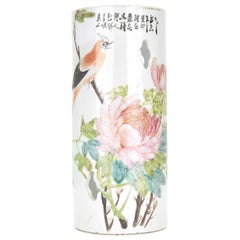
Antique Chinese Porcelain Famille Rose Hat Stand / Lantern
Located in Bad Säckingen, DE
This exquisite antique Chinese hat stand, also used as a lantern, is a fine example of Famille Rose porcelain, possibly Republican Period. Th...
Category
Early 20th Century Chinese Qing Ceramics
Materials
Porcelain
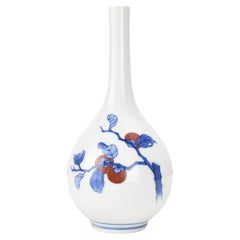
Excellent Sakaida Kakiemon 13th (1906-1982) Arita Ware Porcelain Vase
By Sakaida Kakiemon Xii
Located in Bad Säckingen, DE
This elegant Arita ware porcelain vase is a stunning example of Japanese craftsmanship by Sakaida Kakiemon XIII (1906-1982). The bottle-shaped vase features...
Category
Mid-20th Century Japanese Showa Ceramics
Materials
Porcelain
You May Also Like
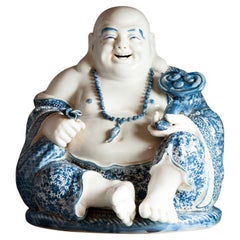
Antique Republic Period 1912-1949 Chinese Porcelain Laughing Buddha
Located in Amsterdam, Noord Holland
Sharing with you this large and beautifully carved statue of the "Budai Heshang", or "Cloth Sack Monk", also commonly called in the West the "Happy" or "Laughing" Buddha. The "Budai"...
Category
20th Century Chinese Vases
Materials
Porcelain
$6,012 Sale Price
20% Off
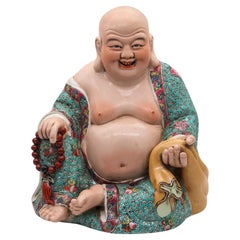
CHINA REPUBLICAN 20th Century Buddha Statue In Porcelain Zeng Long Sheng Mark
Located in Miami, FL
A China republic seated Buddha in porcelain.
This is a beautiful antique devotive figure of a seated happy Buddha created in the China Republic back in the early 20th-century, circa...
Category
Vintage 1920s Chinese Chinese Export Sculptures and Carvings
Materials
Enamel
$698 Sale Price
30% Off
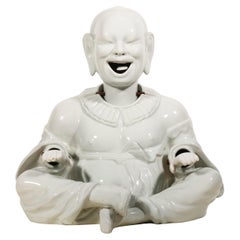
Magot, original 19th century porcelain Buddha
Located in Vicenza, IT
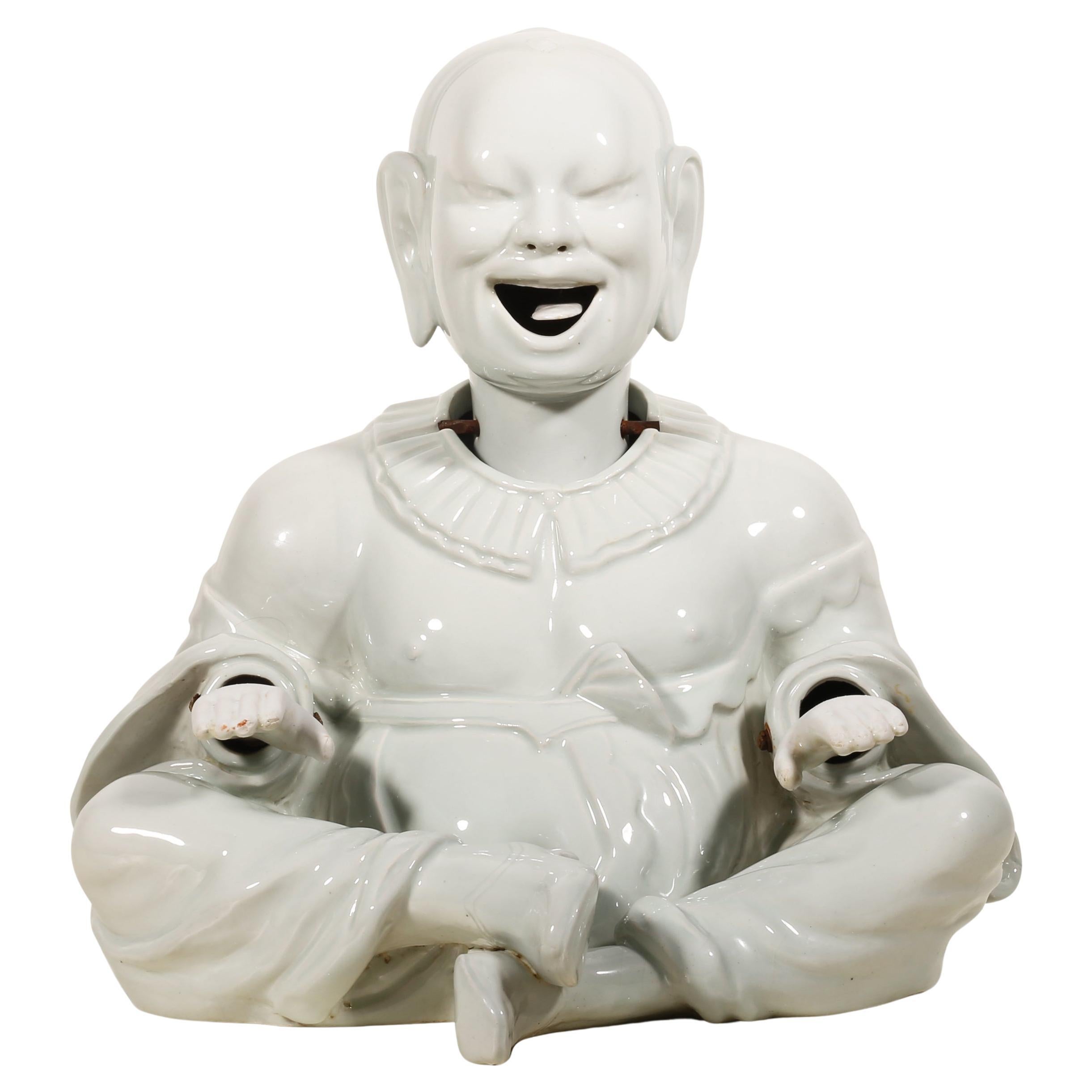
Magot of exceptional size with tilting head, tongue and hands. Material made entirely of porcelain, with the exception of the "biscuit" hands.
What are magots?
The word magot comes from the French: barbary ape. They are male or female figures with oriental features. Usually the material used for the representation was painted or decorated porcelain. The subject depicted, in a good-natured and pleasant way, is Pu-Tai. The Chinese god of happiness and abundance.
It is said that they brought good luck because, thanks to their head, tongue and jointed hands, they were able to warn earthquakes.
They arrived in Europe between the end of the seventeenth century and the beginning of the eighteenth century thanks to the first connections between European merchants (Venetian in particular) and Chinese. In the following decades, they became a status symbol to be displayed in aristocratic homes. They found fertile ground in Europe thanks to the fashion for the exotic that developed in the Old Continent during the first decades of the eighteenth century. This fashion can be found in various objects of the time, not only in the Magot, see the toilet objects and lacquered furnishings decorated with the famous chinoiseries.
In a few years, thanks to the increased demand, our factories also began working to satisfy this new form of collecting.
From the German ones: Meissen, Dresden, Rudolstadt; to the French ones: Saint Claude Samson and Chantilly, to the Italian ones.
True masterpieces were created throughout Northern Italy. The Piedmontese ones, made of papier-mâché, were then unusual.
Authenticity:
Completely intact to the naked eye and the infrared lamp...
Category
Antique Late 19th Century Italian Porcelain
Materials
Porcelain
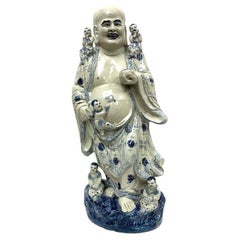
Large Chinese Pottery Budai Happy Buddha Sculpture
Located in Bridgeport, CT
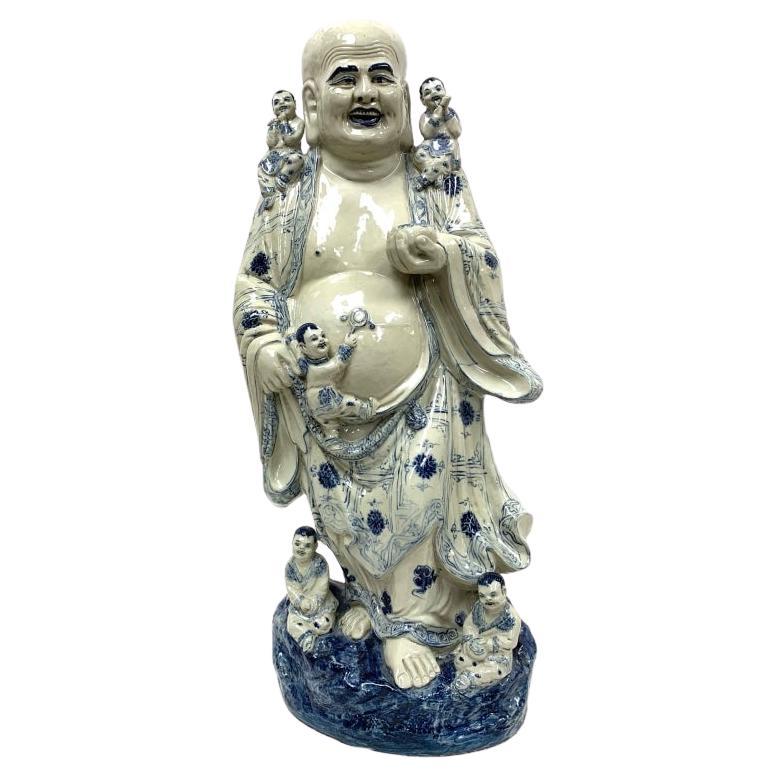
Large Chinese blue and white glazed pottery sculpture depicting a standing Hotei or Budai Buddha or Laughing Buddha. The figure is depicted standing on a blue rocky mound, smiling, w...
Category
20th Century Chinese Ming Sculptures and Carvings
Materials
Pottery
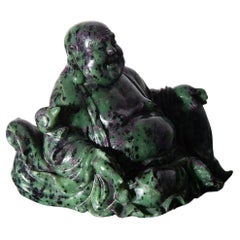
The Laughing Buddha Statue, Budai
Located in Milano, IT
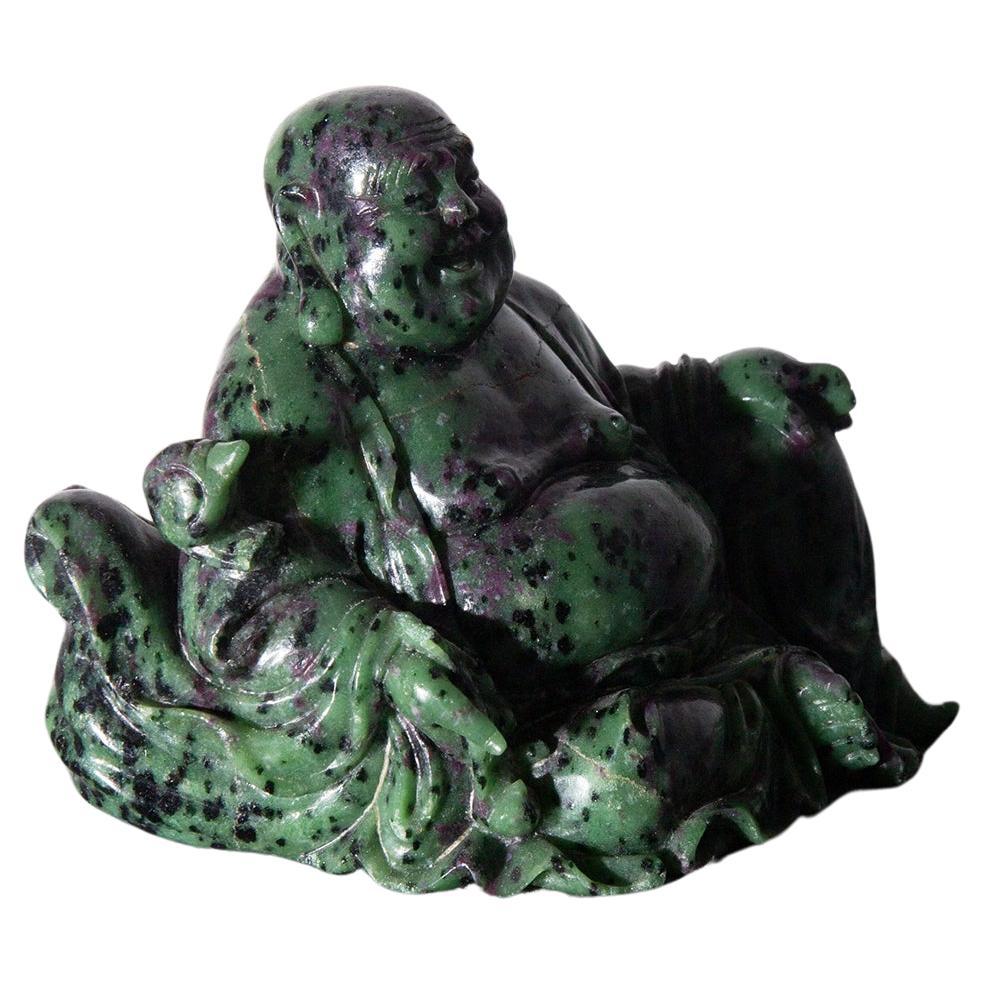
Immerse yourself in the world of serenity and abundance with this exquisite Budai, the Laughing Buddha statue. Crafted from a uniquely patterned green material, this statue captures the spirit of Budai, a beloved figure in Buddhist culture known for his joyful demeanor and generous nature.
Budai, often identified with the historical Chinese monk...
Category
20th Century Chinese Chinese Export Sculptures and Carvings
Materials
Jade
$767 Sale Price
20% Off
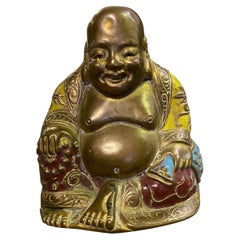
Chinese Laughing Polychrome Hand Painted Sitting Temple Shrine Buddha
Located in Studio City, CA
A fun piece. Nicely hand painted and detailed. Made of light metal of some sort.
Was acquired from a collection of Chinese and South-East Asian artifacts...
Category
20th Century Chinese Sculptures and Carvings
Materials
Metal
More Ways To Browse
Asian Antiques
Chinese Buddha
Unusual Ceramics
Sancai Glazed
Chinese Sancai
Laughing Buddha
Porcelain Buddha
Antique Laughing Buddha
Chinese Laughing Buddha
Laughing Buddha Statue
Porcelain Laughing Buddha
Qing Dynasty Buddha
Blue Imari
Meiji 19th Century Plate
Canton Rose
Kangxi Blue And White
Meiji Porcelain Charger
16th Century Chinese Blue And White Porcelain