1 of 7
"Crane
s Feathered Dance" by Kimono-Couture, Kimono Art / Japanese Art
$530List Price
About the Item
- Dimensions:Height: 20.87 in (53 cm)Width: 16.34 in (41.5 cm)Depth: 0.6 in (1.5 cm)
- Materials and Techniques:
- Place of Origin:
- Period:
- Date of Manufacture:2023
- Production Type:New Custom(One of a Kind)
- Estimated Production Time:Available Now
- Condition:Additions or alterations made to the original: Kimono-Couture s masterful artisans breathe new life into vintage Japanese kimono obi, crafting exquisite Kimono Art. Their meticulous work spans from sourcing the obi to creating captivating pieces that accentuate the obi s intrinsic beauty.
- Seller Location:Shibuya City, JP
- Reference Number:Seller: KC741stDibs: LU8102237049242
Authenticity Guarantee
In the unlikely event there’s an issue with an item’s authenticity, contact us within 1 year for a full refund. DetailsMoney-Back Guarantee
If your item is not as described, is damaged in transit, or does not arrive, contact us within 7 days for a full refund. Details24-Hour Cancellation
You have a 24-hour grace period in which to reconsider your purchase, with no questions asked.Vetted Professional Sellers
Our world-class sellers must adhere to strict standards for service and quality, maintaining the integrity of our listings.Price-Match Guarantee
If you find that a seller listed the same item for a lower price elsewhere, we’ll match it.Trusted Global Delivery
Our best-in-class carrier network provides specialized shipping options worldwide, including custom delivery.You May Also Like
Japanese 20th Century Mulberry Wood Kimono Cabinet with Doors and Drawers
Located in Yonkers, NY
An Japanese mulberry wood kimono cabinet from the 20th century, with sliding doors and drawers. Born in Japan during the 20th century, this exquisite ca...
Category
Early 20th Century Japanese Showa Cabinets
Materials
Fruitwood
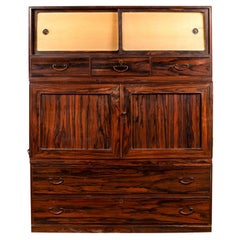
$4,500
H 58 in W 47 in D 15.5 in
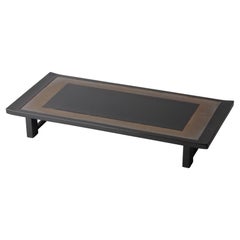
Beautiful Japanese Art Deco Lacquered Display Table
Located in Fukuoka, JP
A Beautiful Art Deco Lacquered Display Table with Original Storage Box.
This beautiful Art Deco lacquered display table is a stunning example of Japan...
Category
20th Century Japanese Art Deco Furniture
Materials
Wood, Lacquer
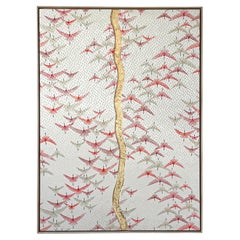
Vintage kimono textile art " Cranes ~ Kintsugi ~ " by ikasu White Red Gold Japan
By Kimono ikasu
Located in Setagaya City, JP
<
The frame for this work is made of paulownia wood taken from antique Kiritansu - chest-of-drawers for kimono.
I use antique kiritansu that can’t be used as furniture anymore to create basis and frames for my works. It adds them even more authentic atmosphere of traditional wabisabi spirit. Can you feel it?
The piece uses the concept of "kintsugi" - it "unites" the pieces of antique kimono back together with golden leaf to give it a second wind as art work.
<< Period / Story
The kimono used in this piece was originally crafted during the late Showa period (1960-80ies).
<< Explanation and meaning of pattern and colors
The Japanese saying goes, "A crane lives a thousand years, a tortoise lives ten thousand years," making cranes a symbol of longevity.
Cranes are also known for staying with the same partner for their entire lives, which is why they are often used at weddings and other celebrations to symbolize "marital bliss" and the desire for harmony between husband and wife.
On this particular piece, cranes are flying through snow woven on the fabric, as if they are overcoming all the disasters to get to their beloved ones.
The color scarlet, or deeply dyed red, used for the most of the cranes here, has long been associated with the meaning of "warding off evil." It is believed to possess the power to repel malevolent forces and invite good fortune.
During the Heian period, scarlet was reserved for sacred buildings and ceremonial objects that held great significance. Ordinary people were prohibited from wearing scarlet-red kimonos, which made it a highly special color.
<< Characteristics of the fabric
Cranes, going up and down, are generously decorated by kimpaku here. "Kimpaku" (金箔) refers to gold leaf/foil in Japanese. Gold leaf is a traditional material used in various aspects of Japanese culture, including art, crafts, and even in culinary applications.
In traditional Japanese art, gold leaf is often applied to religious objects, sculptures, paintings, and lacquerware to create a luxurious and decorative effect. The use of gold leaf in art dates back centuries and is associated with a sense of wealth, prestige, and the divine.
Traditional kimpaku technique is used here to make an accent decoration in the middle.
<< About the frame
This artwork frame is crafted from paulownia wood, a uniquely Japanese material closely tied to the world of kimonos, and it serves to convey the refined beauty of Japanese nature.
Paulownia wood is known as the lightest wood in Japan, prased for its natural luster, resistance to moisture, and resilience against cracking. Since ancient times, it has been used in crafting furniture, chests, and musical instruments.
Paulownia wood is closely linked to kimono culture. During the Edo period, it became customary to store cherished kimonos in paulownia chests...
Category
Late 20th Century Japanese Japonisme Paintings and Screens
Materials
Gold Leaf
$2,200
H 28.75 in W 20.87 in D 1.97 in
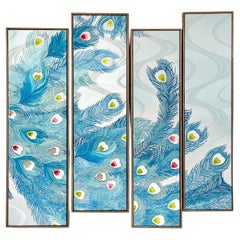
Antique kimono textile art " Peacock Feathers ~ Royalty ~" by ikasu Blue Japan
By Kimono ikasu
Located in Setagaya City, JP
This work uses an antique furisode (festive kind of kimono with long sleeves) with peacock feathers - a symbol of royalty and prosperity. Can be used both vertically and horizontall...
Category
Early 20th Century Japanese Japonisme Paintings and Screens
Materials
Gold Leaf, Silver Leaf
$3,800
H 35.44 in W 39.38 in D 1.58 in
Japanese Chest
Located in Hudson, NY
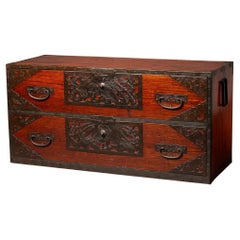
With two drawers. Top section of a two section chest. Elaborate hardware with cranes and clouds design. Hardware on all corners.
Category
Early 20th Century Japanese Furniture
Materials
Metal
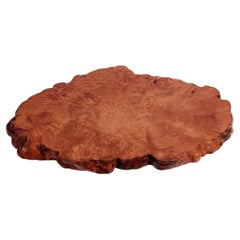
Antique Japanese Dai
Located in Point Richmond, CA
Antique Japanese Dai, a display stand used in the tokonoma, a large section of root burl possibly Sugi (Cryptomeria japonica), a beautiful golden color wo...
Category
Early 20th Century Japanese Organic Modern Furniture
Materials
Burl
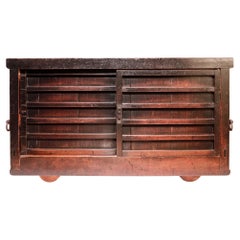
Japanese Kuruma-dansu
Located in Point Richmond, CA
Japanese Kuruma-dansu, a wheeled storage chest traditionally kept in the Kura (storeroom) for the specific purpose of containing valuables, thus the wheeled carriage for a quick exit...
Category
Antique Mid-19th Century Japanese Edo Furniture
Materials
Wood
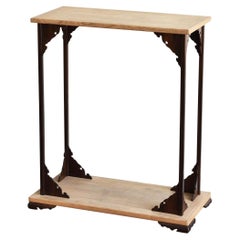
Japanese Traditional Design Exhibition Stand / Japanese Old Wooden Shelves
Located in Sammu-shi, Chiba
It is a shelf made of very beautiful traditional Japanese decoration and wood.
The wood is paulownia and ebony.
Paulownia is a material often used for tansu.
It's a soft tree, but it...
Category
20th Century Japanese Showa Furniture
Materials
Other
$1,300
H 31.58 in W 27.25 in D 13.39 in
Japanese vintage large industrial rusty iron wall decor - wabi sabi objet d
art
Located in 常陸大宮市, JP
Vintage Industrial rusty iron wall decor - this large size iron plate had been used to mix the mortar on it for long time, naturally covered with rust ...
Category
Late 20th Century Japanese Industrial Furniture
Materials
Metal, Iron
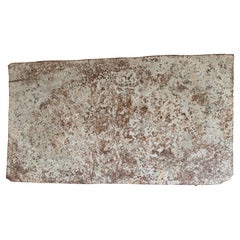
$2,000 / item
H 43.51 in W 79.93 in D 5.52 in
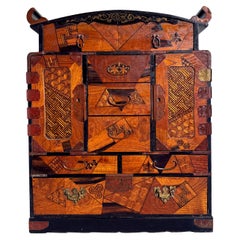
Japanese Marquetry Hanging or Table Cabinet, Meiji Period, c. 1900, Japan
Located in Austin, TX
A large and remarkable Japanese lacquer and marquetry decorated table or hanging cabinet, Meiji Period, circa 1900, Japan.
The cabinet of square form surmounted by an arched top with upturned scroll ends. Eight drawers of various shapes and sizes adorn the exterior of the cabinet. Doors on either side open to reveal interiors fitted with cubby holes over a single drawer.
The front of the cabinet is decorated with scattered geometric marquetry patterns of various design utilizing contrasting woods, including hardwood and burl, all in the yosegi zaiku technique.
The sides and top of the cabinet of black lacquer with maki-e lacquer painted designs of flowers and grasses. The back of plain black lacquer with two hoops for hanging.
The interior of the cabinet doors and the interior drawers decorated in the wakasa lacquer technique, with gold rhomboid accents against a polished black lacquer ground.
Overall a striking accent piece and nice example of Japanese yosegi...
Category
Antique Early 1900s Japanese Meiji Furniture
Materials
Metal, Brass, Copper
$2,700
H 21.5 in W 17.5 in D 8.5 in
Still Thinking About These?
All Recently ViewedMore Ways To Browse
Japanese Dance
Japanese Obi
Japanese Crane Art
Embroidered Kimono
Feather Couture
Japanese Fabric Art
Wall Kimono
Wedding Kimono
Japanese Silk Tapestries
Japanese Silk And Gold Tapestry
Japanese Kimono Fabric
Embroidered Cranes
Dancers Tapestry
Framed Kimono
Asian Feather Art
Crane Tapestries
Crane Tapestry
Silk Embroider Crane