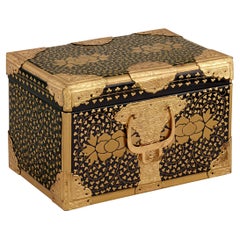
Items Similar to Edo Period Maki-e Lacquer Drum Box with Phoenix and Paulownia, 17th-19th Century
Video Loading
Want more images or videos?
Request additional images or videos from the seller
1 of 22
Edo Period Maki-e Lacquer Drum Box with Phoenix and Paulownia, 17th-19th Century
$15,700
£11,963.69
€13,797.44
CA$22,298.69
A$23,958.71
CHF 12,853.80
MX$282,261.16
About the Item
Designer's Note:
Historical Elegance: This drum box is a museum-quality example of Edo-period craftsmanship. Its presence adds an immediate sense of history and "Old World" Japanese prestige to a library, study, or professional office.
Symbolic Decor: The Phoenix and Paulownia are symbols of imperial authority and high virtue. This makes the piece not just a decorative object, but a meaningful statement piece for collectors of Asian art.
Styling Tip: Place it on a dark wood console or a silk runner to highlight the gold maki-e. The original silk cords provide a rare pop of historical color (green and violet) that can be pulled into the room's accent palette.
The Story:
This rare Edo-period Kodaiko (small drum) box represents the height of Japanese lacquer artistry. The exterior is finished in deep black lacquer, serving as a dramatic canvas for the intricate gold maki-e (sprinkled gold) decoration. The lid features a majestic phoenix with wings outspread, its tail flowing in elegant, sweeping arcs. Each feather is rendered with extraordinary precision, utilizing varied gold tones to create depth and movement.
Surrounding the phoenix are paulownia leaves, a motif traditionally associated with royalty and auspicious beginnings. The contrast between the brilliant gold and the lustrous dark ground reflects the Japanese aesthetic of "Shadow and Light." The interior remains exceptionally well-preserved, featuring its original fabric lining and the hand drum itself (note: the drum skin requires restoration).
As an authentic artifact over 150 years old, the box bears the dignified patina of time. While there is a slight matte abrasion on one side, it remains a robust and stunning example of the lacquerer's devotion to detail.
- Dimensions:Height: 9.45 in (24 cm)Width: 11.62 in (29.5 cm)Depth: 9.45 in (24 cm)
- Style:Edo (Of the Period)
- Materials and Techniques:
- Place of Origin:
- Period:
- Date of Manufacture:Edo Period (1603-1868)
- Condition:Wear consistent with age and use. Comes with a wooden storage box. The drum skin requires replacement. The lacquer box has some visible signs of age and use, including a slightly matte abrasion on one side.
- Seller Location:Taichung, TW
- Reference Number:1stDibs: LU10702248370032
About the Seller
New to 1stDibs
Joined in the past six months.
No Reviews Yet
Vetted Professional Seller
Every seller passes strict standards for authenticity and reliability
1stDibs seller since 2025
- ShippingRetrieving quote...Shipping from: Taichung, Taiwan
- Return Policy
More From This Seller
View AllMeiji Period Paulownia Crest Maki-e Kashiki Candy Dish with Cover
Located in Taichung, TW
This Meiji period kashiki candy dish presents a graceful and dignified presence. The rounded form is finished in two deep red lacquers arranged in a radiant pattern, accented with el...
Category
Antique Late 19th Century Japanese Meiji Lacquer
Materials
Wood, Lacquer
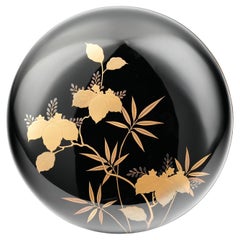
Antique Japanese Maki-e Lacquer Candy Dish with Paulownia and Bamboo Design
Located in Taichung, TW
This antique kashiki candy dish features a refined design of paulownia and bamboo executed in fine gold maki-e over a deep black lacquer ground. The paulownia is associated with puri...
Category
Antique Late 19th Century Japanese Taisho Lacquer
Materials
Lacquer
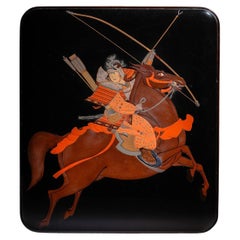
Edo Gold-Lacquer Writing Box with Samurai Warrior, Makie Suzuribako
Located in Taichung, TW
This Edo-period makie suzuribako features the legendary Heian-period general Minamoto no Yoshiie, widely known as Yawata Tarō, shown charging forward on horseback with bow drawn. Cel...
Category
Antique Mid-18th Century Japanese Edo Lacquer
Materials
Lacquer
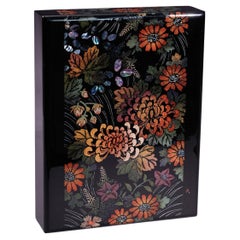
Contemporary Maki-e Lacquer Box "Chrysanthemum" by Hsien Min Wang, 2010
Located in Taichung, TW
Designer's Note:
Luminous Centerpiece: The mirror-like black lacquer and the radiant gold/silver petals create a stunning visual contrast. This box serves as a sophisticated focal p...
Category
21st Century and Contemporary Taiwanese Lacquer
Materials
Lacquer
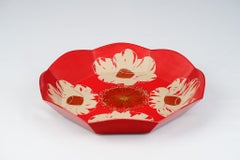
“Flower and Flower” Lacquer Serving Dish by Kobayashi Miyako
Located in Taichung, TW
“Flower and Flower” by Kobayashi Miyako is a radiant lacquer serving dish shaped like a blossoming flower. The vivid red palette and lively form immediately convey energy and joy. In...
Category
21st Century and Contemporary Japanese Lacquer
Materials
Wood, Lacquer
$2,200 Sale Price
20% Off
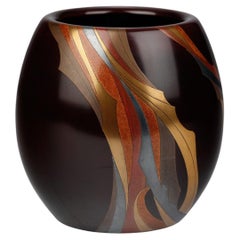
Showa Period Wajima Lacquer Vase with Gold and Silver Maki-e by Inami Tadashi
Located in Taichung, TW
This Showa period lacquer vase by Inami Tadashi presents an elegant blend of traditional craftsmanship and modern abstraction. Bands of gold, silver, red, and muted tones flow around...
Category
Mid-20th Century Japanese Showa Lacquer
Materials
Wood, Lacquer
You May Also Like
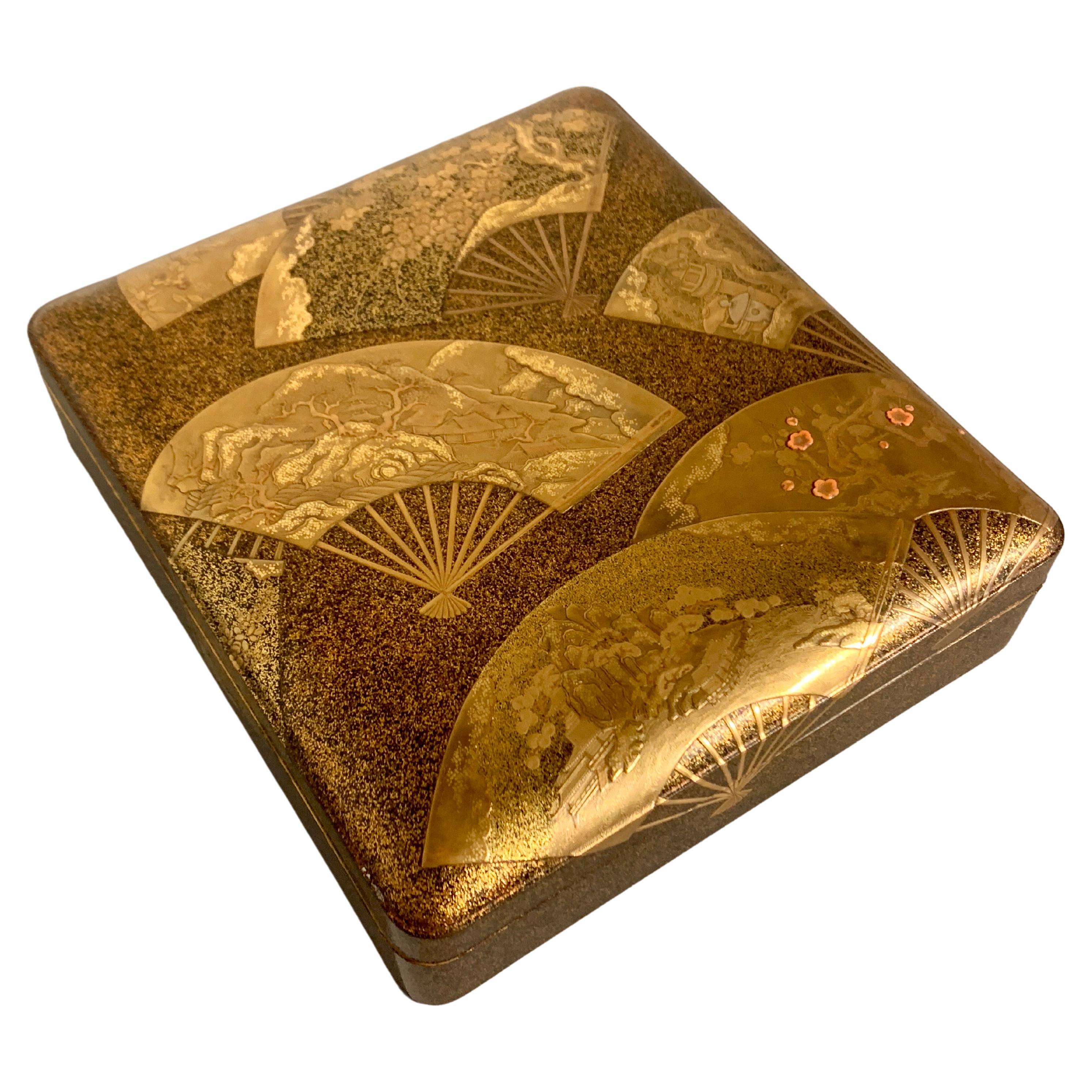
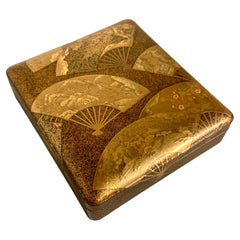
Japanese Maki-e Lacquer Document Box, Edo Period, early 19th Century, Japan
Located in Austin, TX
A spectacular Japanese maki-e lacquer lidded box, possibly a writing box, suzuribako, decorated with images of folding fans, ogi, Edo Period, earl...
Category
Antique Early 19th Century Japanese Edo Lacquer
Materials
Coral
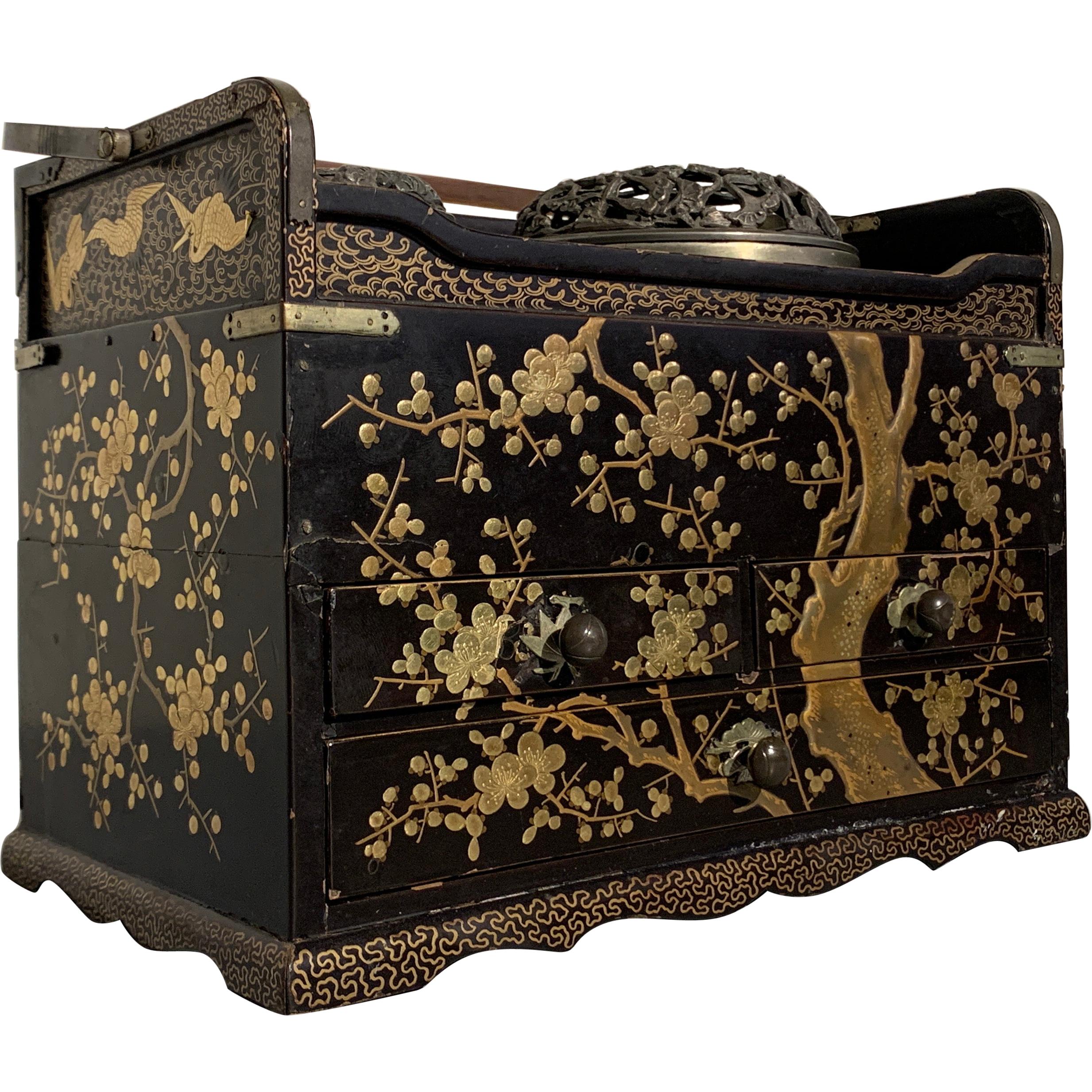
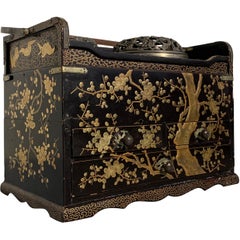
Japanese Lacquer Smoking Box, Tabako Bon, Edo Period, 19th Century
Located in Austin, TX
A very fine Japanese maki-e lacquer decorated tabako bon, or smoking box, late Edo Period, mid-19th century, Japan.
The elegant smoking box of black lacquer decorated with a wonderful gold lacquer takamaki-e design of a gnarled and elegantly twisted plum tree with branches in full bloom. A border of golden cranes in flight to the top.
The smoking box, called a tabako bon, is comprised of an open section at the top with inset with two cylindrical metal canisters...
Category
Antique Mid-19th Century Japanese Edo Lacquer
Materials
Lacquer
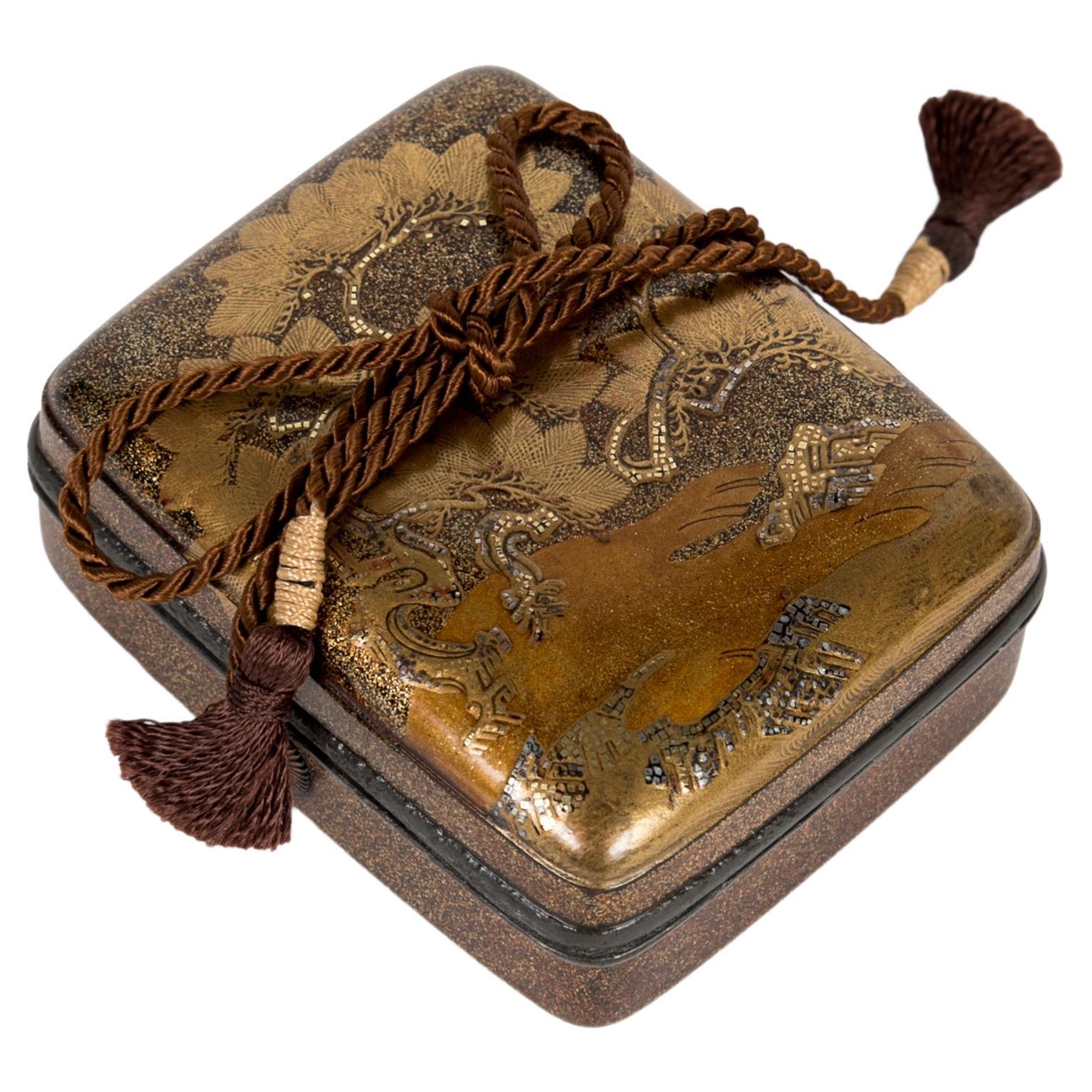
Japanese landscape pine kobako box Edo period 18th century
Located in PARIS, FR
Rectangular black and gold lacquer kobako box decorated with pine trees in a mountain landscape in takamaki-e, kirigane and hiramaki-e lacquer. Background in nashi-ji lacquer. Surmou...
Category
Antique 18th Century Japanese Lacquer
Materials
Gold
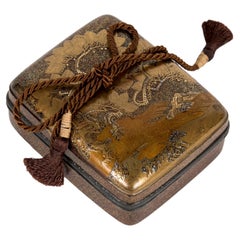
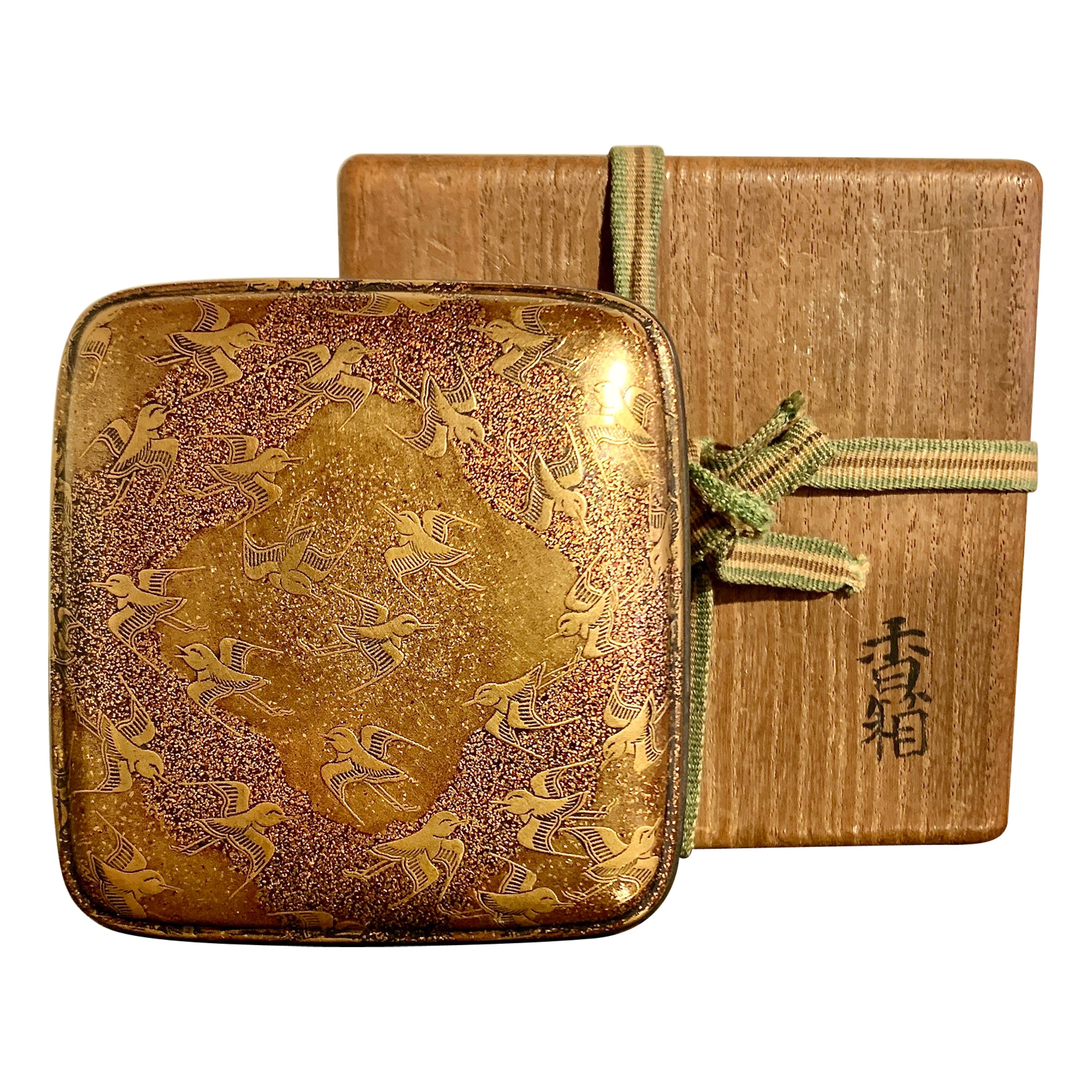
Japanese Lacquer Incense Box, Kogo, Momoyama or Edo Period, 16th/17th Century
Located in Austin, TX
A wonderful Japanese lacquer incense box, kogo, with a design of plovers in flight, late Momoyama or early Edo Period, circa 1600, Japan.
The small box, called a kogo, was used to s...
Category
Antique Early 17th Century Japanese Edo Lacquer
Materials
Gold, Pewter
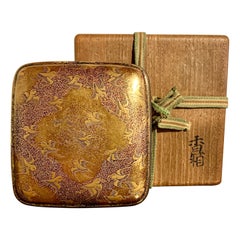
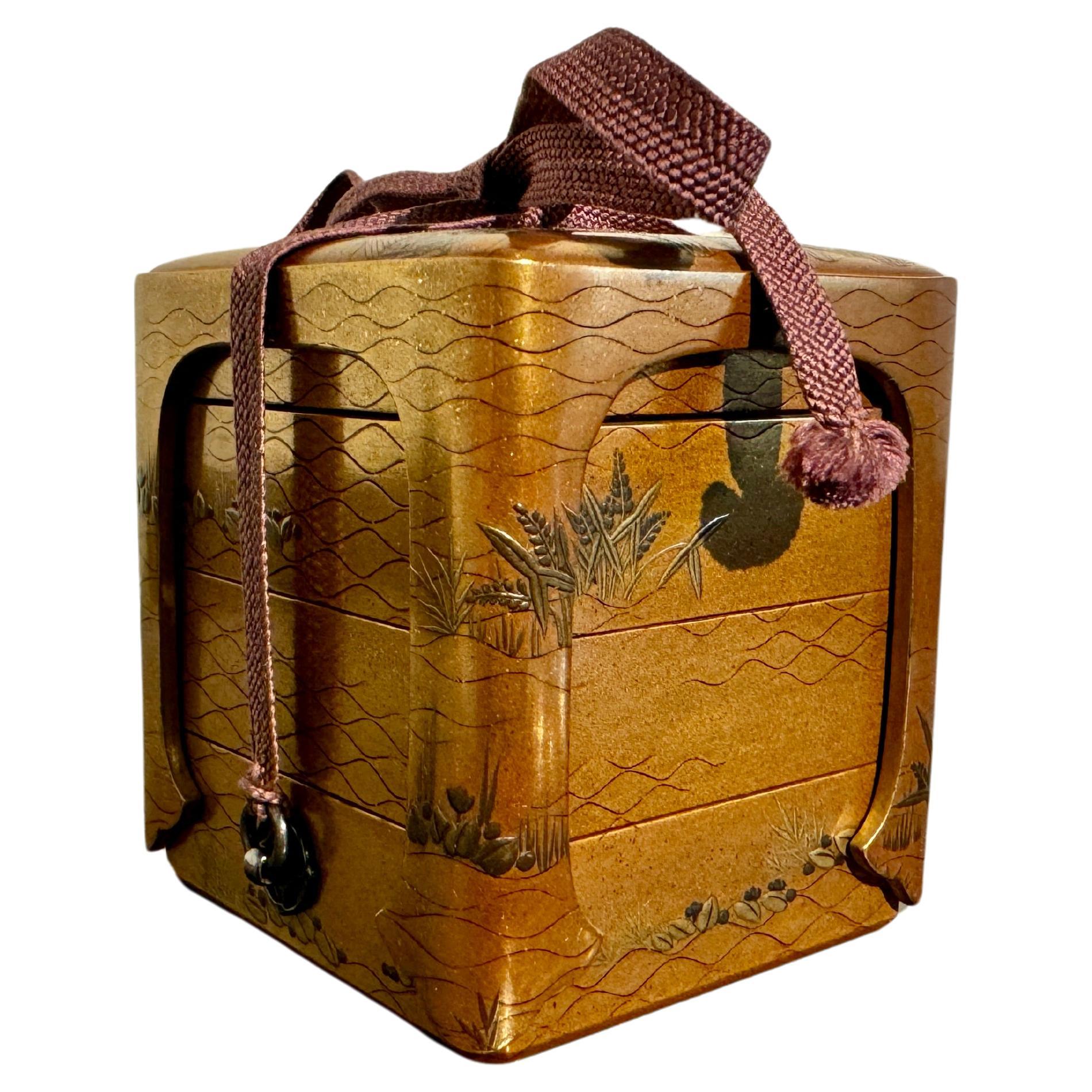
Japanese Stacking Incense Box, Ju-Kobako, Meiji Period, Mid 19th century, Japan
Located in Austin, TX
An exquisite small Japanese maki-e lacquer stacking box for incense and accessories, ju-kobako, late Edo or early Meiji Period, mid 19th century, Japan.
Crafted in maki-e lacquer an...
Category
Antique Mid-19th Century Japanese Meiji Lacquer
Materials
Silver
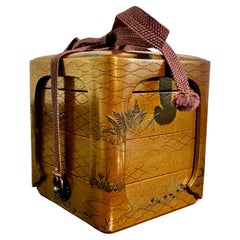
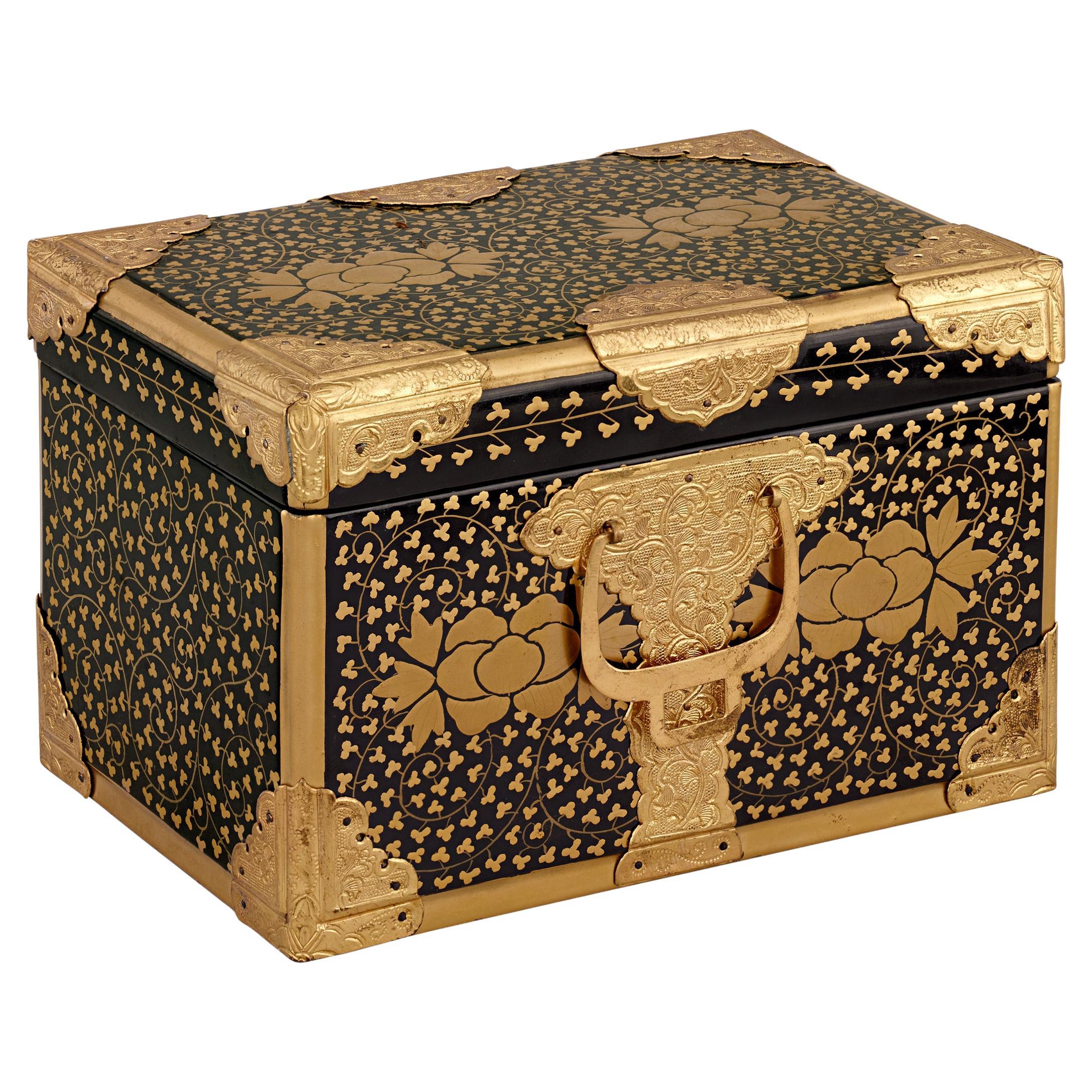
Edo-Period Lacquerware Chest
Located in New Orleans, LA
Edo-Period Lacquerware Chest
19th-century
This exquisite chest, inspired by Hasami-Bako travel trunks, is a striking example of Japanese lacquerware. The hiramaki-e technique—applie...
Category
Antique 19th Century Japanese Edo Decorative Boxes
Materials
Gold