1 of 7
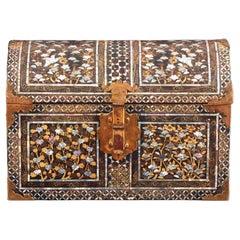
Export Chinese Tea Chest
$1,850List Price
About the Item
- Dimensions:Height: 6 in (15.24 cm)Width: 10 in (25.4 cm)Depth: 9 in (22.86 cm)
- Materials and Techniques:
- Place of Origin:
- Period:
- Date of Manufacture:1870
- Condition:Good, age appropriate wear.
- Seller Location:Charleston, SC
- Reference Number:Seller: 15191stDibs: U120503920295
Authenticity Guarantee
In the unlikely event there’s an issue with an item’s authenticity, contact us within 1 year for a full refund. DetailsMoney-Back Guarantee
If your item is not as described, is damaged in transit, or does not arrive, contact us within 7 days for a full refund. Details24-Hour Cancellation
You have a 24-hour grace period in which to reconsider your purchase, with no questions asked.Vetted Professional Sellers
Our world-class sellers must adhere to strict standards for service and quality, maintaining the integrity of our listings.Price-Match Guarantee
If you find that a seller listed the same item for a lower price elsewhere, we’ll match it.Trusted Global Delivery
Our best-in-class carrier network provides specialized shipping options worldwide, including custom delivery.You May Also Like
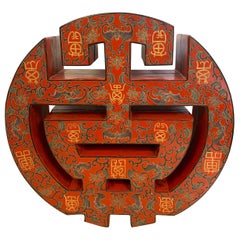
Large Chinese Export Red Lacquer Character Box
Located in West Palm Beach, FL
Large Chinese Export red lacquer character box, sculptural, well executed Chinese two part lacquer table box.
Decorated with vines, symbols and bats. Unmarked.
Category
Early 20th Century Chinese Chinese Export Lacquer
Materials
Lacquer
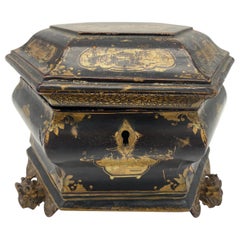
19th Century Chinese Lacquer Tea Caddy
Located in Brea, CA
19th century Qing Dynasty Chinese export gilt decorated black lacquer tea caddy. Hexagonal shape with floral chased pewter covered caddies deta...
Category
Antique 19th Century Chinese Qing Lacquer
Materials
Lacquer
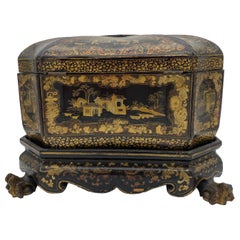
19th Century Chinese Lacquer Tea Caddy
Located in Brea, CA
Middle 19th century Chinese Export double lacquer tea caddy on stand from the Qing dynasty. octagonal form with hinged lid ,divided interior with me...
Category
Antique 19th Century Chinese Qing Lacquer
Materials
Lacquer
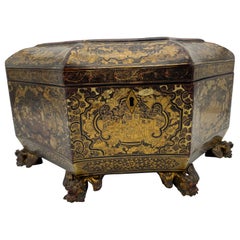
19th Century Chinese Gold Lacquer Tea Caddy
Located in Brea, CA
19th century Chinese gold lacquer tea caddy container from the Qing Dynasty. Unique shape, hard to find.
Category
Antique 19th Century Chinese Qing Lacquer
Materials
Lacquer
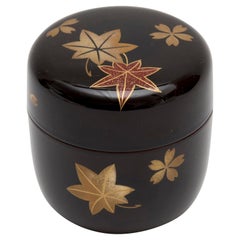
Japanese Lacquered Natsume
Tea Box
Located in PARIS, FR
Natsume in dark red lacquer, decorated with autumn leaves and cherry blossoms in hiramaki-e and nashiji. Interior in black lacquer.
Maple leaves (Momiji) are celebrated in literatur...
Category
Mid-20th Century Japanese Lacquer
Materials
Lacquer
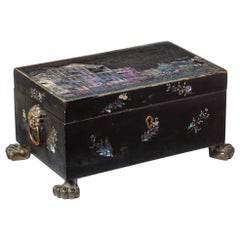
Japanese Nagasaki Export Lacquer Box with Depiction of the
Trippenhuis
Located in Amsterdam, NL
A Japanese Nagasaki export lacquer box with mother-of-pearl depiction of the Amsterdam ‘Trippenhuis’
Edo-period, circa 1830
H. 12.5 x W. 24...
Category
Antique 19th Century Japanese Edo Lacquer
Materials
Mother-of-Pearl, Lacquer
$11,318
Free Shipping
H 4.93 in W 9.45 in D 5.91 in
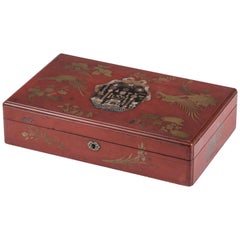
Fine Japanese Export Red Lacquer Box with Masonic Symbols, circa 1800
Located in Amsterdam, NL
A fine Japanese export red lacquer box with Masonic symbols
Kyoto/Nagasaki, 1800-1820
Red lacquer decorated with scattered flowers and flying birds with long tails in gold, wit...
Category
Antique Early 19th Century Japanese Edo Lacquer
Materials
Gold
$14,892
Free Shipping
H 3.35 in W 14.93 in D 9.3 in
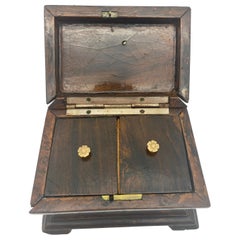
19th Century Tea Caddy with Brass Ornaments
Located in Brea, CA
19th century lacquer tea caddy with brass ornaments. Has got an mahogany flamed color. Brass ornaments. Thick layer of lacquer over wood. Very good quality wood and is very beautiful...
Category
Antique 19th Century Lacquer
Materials
Lacquer
Superb Late 16th Century Signed Colonial Japanese Namban Export Lacquer Coffer
Located in Amsterdam, NL
Superb late 16th century signed colonial Japanese Namban export lacquer coffer
Momoyama period, late 16th/early 17th century, inscribed 'Arisato' on the bottom
H. 30.5 x W. 43...
Category
Antique 16th Century Japanese Lacquer
Materials
Cedar, Lacquer
$57,186
Free Shipping
H 12.01 in W 16.93 in D 9.53 in
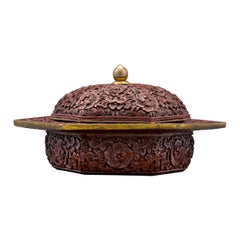
Chinese Cinnabar Lacquer Cuspidor
Located in New Orleans, LA
This intriguing Chinese zhadou is intricately carved of fine cinnabar lacquer. A work of exceptional artistry, this covered bowl is adorned with an intricately carved floral motif on all surfaces, including the cover and the wide rim. Also known as a cuspidor or spittoon, this rare container would have been used by members of the imperial family and scholar- officials at the court. Carved during the Kangxi period (1662-1722), this charming piece exhibits the high detail and charm associated with items from that period, making it a true treasure,
Early 18th century (Kangxi dynasty)
Measures: 6 ¼” wide x 3 ¼” high
Cinnabar has been revered for its color all over the world. It has been found in the royal burial chambers of the Mayas, in the rituals of India, and in the ruins of ancient Greece and Rome. In China, cinnabar and gold were the two most important elements in alchemy. Mined since the Neolithic Age, cinnabar is the ore of mercury, and as such, it can be incredibly toxic, especially when mining. In fact, during the Roman Empire, miners at Spain’s Almadén mine in Spain were frequently exposed to mercury fumes, and the subsequent, often fatal, sickness was considered an occupational hazard.
The most popular known use of cinnabar is in Chinese carved lacquer-ware, a technique that is believed to have originated in the Song Dynasty, in which cinnabar is ground to a powder and added to clear lacquer. As with mining, there was inherent danger of mercury poisoning for those who carved the lacquer, as mercury was also released into the air when artisans ground the pigments. Most antique cinnabar...
Category
Antique 18th Century Chinese Other Lacquer
Materials
Lacquer
Still Thinking About These?
All Recently ViewedMore Ways To Browse
Antique Chinese Pewter
Pewter Canister
Chinese Tea Chest
Chinese Tea Chest Antique
Lacquer Tea Chest
Japanese Export 19th
Antique Japanese Lacquerware
Japanese Black Lacquer Gold
Korean Mother Of Pearl Furniture
Antique Chinese Fan
Black Lacquer Decor
Japanese Inro
Antique Japanese Inro
Meiji Japan Tray
Japanese Containers
Japanese Pearl Inlay
Japanese Black Lacquer Tray
Lacquer Writing Box