Items Similar to Japanese Ecru Lacquered Natsume 棗
Tea Caddy
with Maki-E of Carriage Wheels
Want more images or videos?
Request additional images or videos from the seller
1 of 15
Japanese Ecru Lacquered Natsume 棗
Tea Caddy
with Maki-E of Carriage Wheels
$661.05
£489.66
€550
CA$904.29
A$985.63
CHF 521.09
MX$11,865.07
NOK 6,613.96
SEK 6,063.65
DKK 4,190.70
About the Item
Uncommon ecru lacquer tea caddy (natsume) with a nice golden hiramaki-e (low-relief design) of cart wheels submerged in a wild swirling stream.
The design reflects the Heian practice of soaking the wheels of ox carts in water to prevent them from drying out and cracking. A popular theme during the Heian period.
The interior and bottom side finished with slightly textured black lacquer.
Signed at the bottom by the artist ‘Ken’.
The natsume is in a very good original condition. Please look the photos for a condition reference.
Including original wooden signed and sealed tomobako (storage box).
Japanese natsume is a type of tea caddy used in traditional Japanese tea ceremonies. Named for its resemblance to the natsume fruit (the jujube). It's a small wooden container with intricate designs and a layer of urushi lacquer, used to hold powdered tea (usucha; thin tea). The natsume is both functional and aesthetically pleasing, reflecting traditional Japanese design values.
When shipped we will add a certificate of authenticity.
Price including insured shipping.
- Dimensions:Height: 2.84 in (7.2 cm)Diameter: 2.92 in (7.4 cm)
- Materials and Techniques:
- Place of Origin:
- Period:
- Date of Manufacture:Shôwa period (1926-1989)
- Condition:
- Seller Location:Amsterdam, NL
- Reference Number:Seller: B42321stDibs: LU7165234281932
About the Seller
4.8
Vetted Professional Seller
Every seller passes strict standards for authenticity and reliability
Established in 1996
1stDibs seller since 2022
22 sales on 1stDibs
- ShippingRetrieving quote...Shipping from: Amsterdam, Netherlands
- Return Policy
More From This Seller
View AllExceptional Japanese Gold Lacquer Tebako 手箱
Box for Personal Accessories
Located in Amsterdam, NL
Exceptional Japanese rectangular gold lacquer tebako (box for personal accessories) with a slightly domed well-fitted lid and raised by four low bracket feet. The lid finely carved with pointed shapes as if it is covered by folded papers.
On top of this embossed surface it is decorated with gold and silver hiramaki-e (low-relief design) and takamaki-e (high-relief design) depicting a wild winding river landscape with along the waterfront...
Category
Antique 19th Century Japanese Lacquer
Materials
Giltwood, Lacquer
Japanese lacquer oblong storage box by Hiroshi Hayashi 林宏 (1967)
By Hiroshi Hayashi
Located in Amsterdam, NL
An exceptional, oblong lacquer 3-tiered storage box with cover, reminiscent of a bento box, by Hiroshi Hayashi (1967). Covered in shiny gold and black l...
Category
21st Century and Contemporary Japanese Lacquer
Materials
Silk, Wood, Lacquer
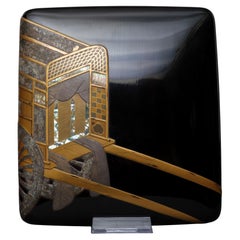
Japanese lacquer suzuri’bako 硯箱 (writing box) with ‘Rinpa School’-style design
Located in Amsterdam, NL
Superb rectangular ‘Rinpa School’-style black lacquer suzuri’bako (writing box) with a slightly arched well-fitted overhanging cover with rounded corners.
The lid with a design of a gosho’guruma (ox-drawn carriage for Heian-era nobles) featuring golden hiramaki-e (low-relief lacquer design) and takamaki-e (high-relief lacquer design), inlays of lead and shiny mother-of-pearl (raden). The design continues along the sides.
The reverse of the lid decorated with two large curving pine trees (matsu) executed in the same way, but also with intricate dots of tiny pieces of inlaid blue mother-of-pearl along the golden trunk.
The interior shaped to hold various scholar’s accessories, including a partially gold lacquered inkstone (suzuri) and a bronze waterdropper (suiteki) shaped like a mythical minogame.
The interior inscribed ‘Hokkyô Kôrin zô’ (Made by Hokkyô Kôrin). Referring to the design being in style of the master Ogata Kôrin, but the actual lacquer artist is unknown. It is a homage to Kôrin by an artist that followed the school of Rinpa.
Including black lacquer wooden tomobako (tomobako).
The Rinpa School was a key part of the Edo period revival of indigenous Japanese artistic interests described by the term yamato-e. Paintings, textiles, ceramics, and lacquerwares were decorated by Rinpa artists with vibrant colours applied in a highly decorative and patterned manner. Favoured themes, which often contained evocative references to nature and the seasons, were drawn from Japanese literature, notably The Tale of Genji, The Tales of Ise...
Category
Antique 19th Century Japanese Lacquer
Materials
Brass, Lead
Japanese lacquer suzuri’bako 硯箱 (writing box) with shishi
Hotei design
Located in Amsterdam, NL
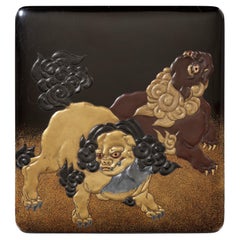
A captivating lacquer suzuri’bako (writing box) of rounded rectangular form depicting a pair of shishi (temple lions) and the lucky god Hotei 布袋 on a rôiro...
Category
Antique Early 19th Century Japanese Lacquer
Materials
Gold Leaf, Silver Leaf
Japanese
double gourd
lacquer suzuri’bako (writing box) by Hara Yôyûsai 原羊遊斎
By Hara Yôyûsai
Located in Amsterdam, NL
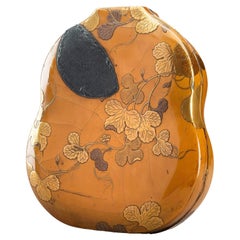
An uniquely double-gourd-shaped lacquer suzuri’bako (writing box) with a design of gourd leaves, by Hara Yôyûsai (1769-1845).
Covered with amber coloured l...
Category
Antique Early 19th Century Japanese Lacquer
Materials
Bronze
Japanese Sado ishô dansu 衣装箪笥 (cabinet of drawers) with elaborate hardware
Located in Amsterdam, NL
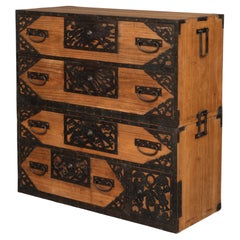
Exceptional, rare and completely restored wooden Sado ishô dansu (cabinet of drawers) with elaborately decorated open work iron hardware, in two sections. Fully restored, cleaned and waxed.
The exterior is made of hinoki cypress wood. Only slightly varnished, giving it a tad warmer colour. This soft underground lets the refined hardware stand out even more.
The upper part consists of two large drawers. The lower part with two drawers of different size and a hinged door. The interior behind the door with three small drawers. All the drawers are very deep and have a lot of volume, for easy storage. They run very smoothly as well.
The cabinet has extensively decorated hardware. The corner pieces of the drawers with stylized pine trees. The large decorative lock plates each with their own unique design of different auspicious animals; a peacock, a phoenix, a crane and a minogame. The hinged door decorated with different attributes of the Seven Gods of Fortune...
Category
Antique Late 19th Century Japanese Furniture
Materials
Iron
You May Also Like
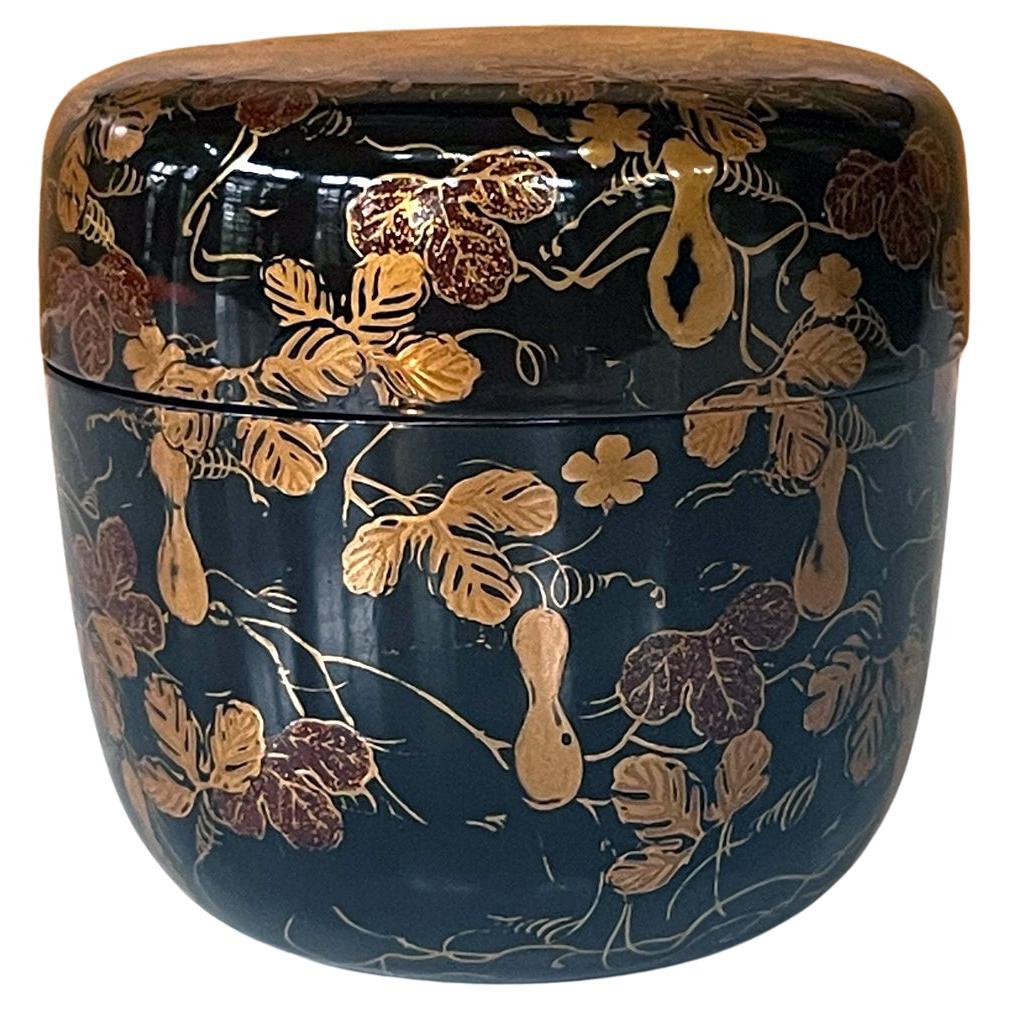
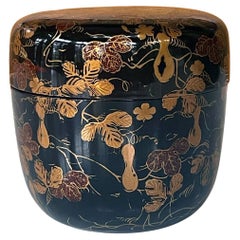
Japanese Lacquered Maki-E Natsume in Kodaiji Style
Located in Atlanta, GA
A Japanese lacquered tea caddy (known as Natsume) with fine Maki-e decoration circa 18-19th century Edo to Meiji period. The large-sized nat...
Category
Antique 19th Century Japanese Meiji Lacquer
Materials
Wood, Lacquer
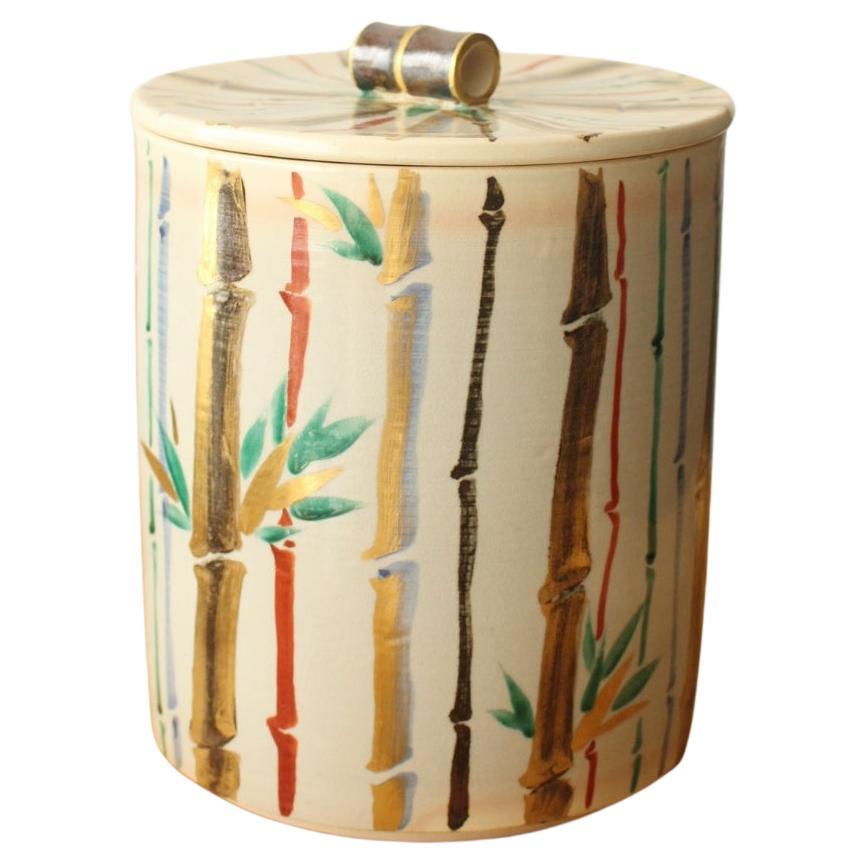
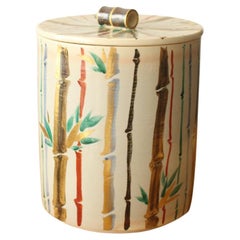
F2 Japanese Art Miura Chikuken, Kenzan design Bamboo Water Jar, Tea Ceremony
Located in Niiza, JP
Miura Chikuken Imitation Kenzan Bamboo Water Jar Tea Ceremony Utensil
Size: φ170×220mm
Box size: 190×270×190mm 3kg
Estimated packing size: 300×400×300mm 6kg
This piece is inspired b...
Category
20th Century Japanese Ceramics
Materials
Ceramic
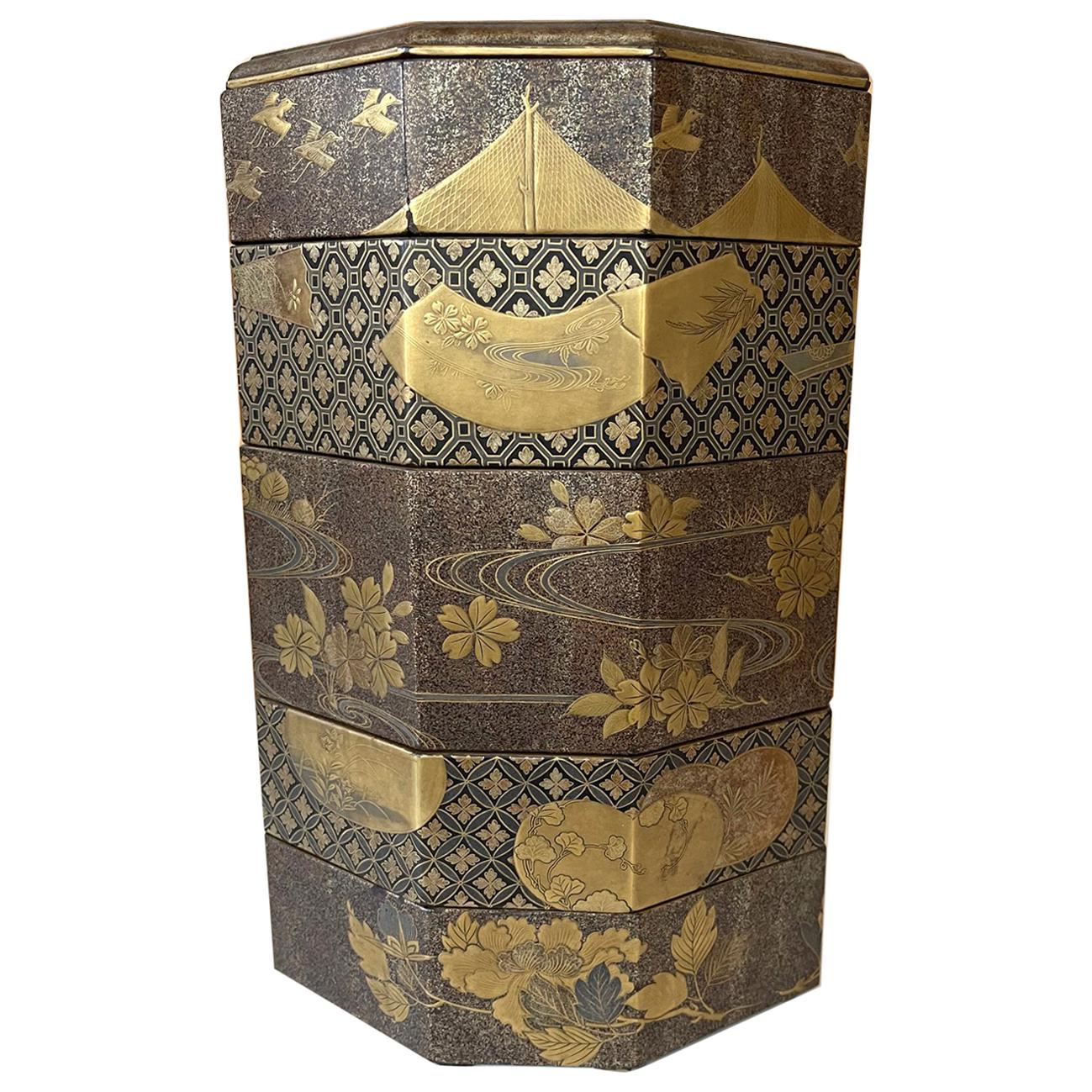
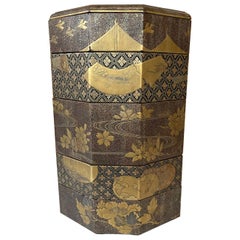
Japanese Maki-e Lacquer Stack Box Jubako
Located in Atlanta, GA
An antique jubako (stack boxes) with five tiers in an elongated octagon shape circa 19th century (end of Edo or beginning of Meiji period). jubako was traditionally used to store and...
Category
Antique 19th Century Japanese Japonisme Lacquer
Materials
Wood, Lacquer
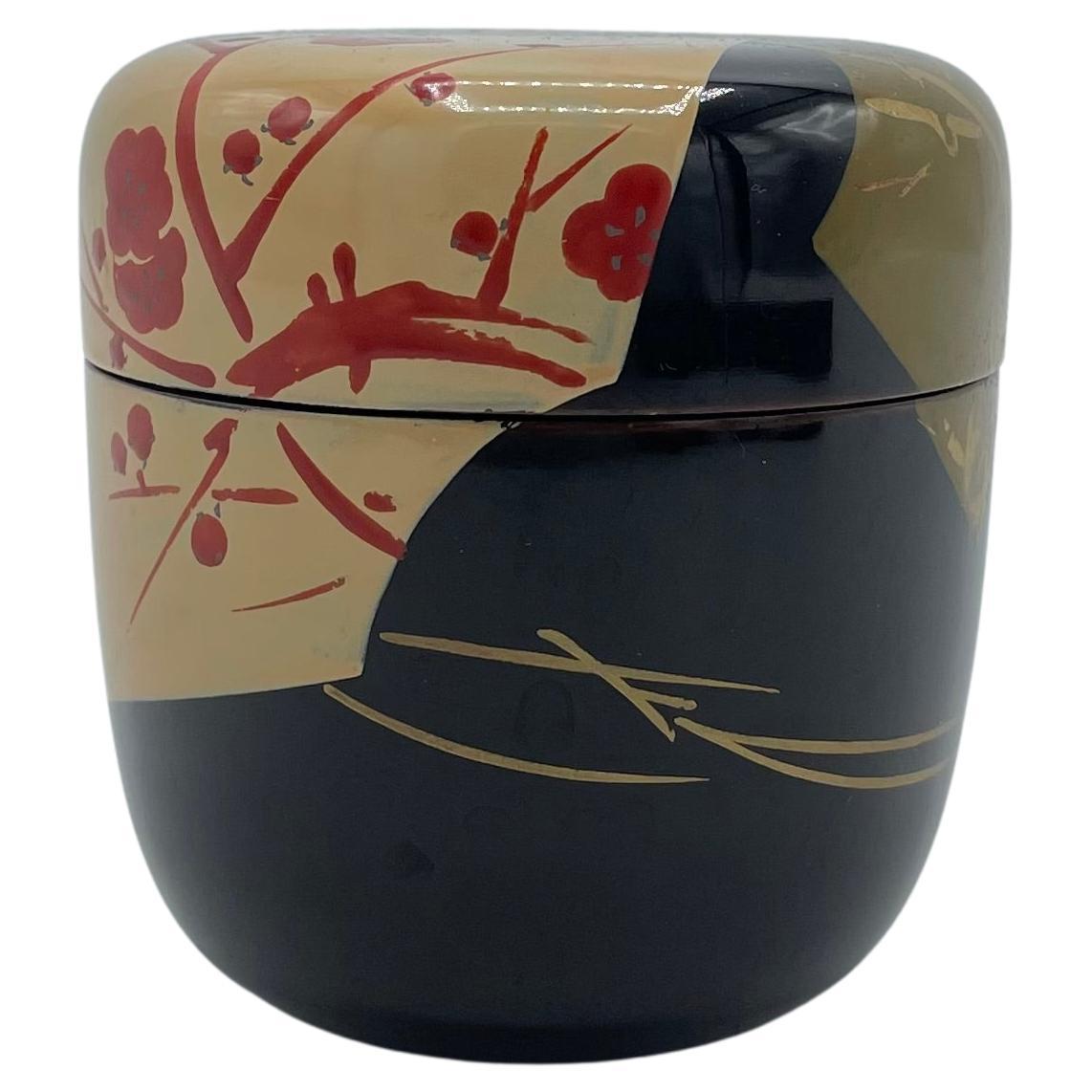
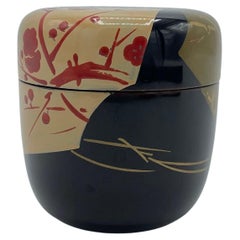
Japanese Antique Lacquer Natsume (box for matcha powder) Plum
UME
1980s
Located in Paris, FR
This is a box for the matcha powder using while tea ceremony in Japan.
It is called 'Natsume'. It is made with wood. The design is plums (Japanese apricot 'UME') and it is hand paint...
Category
Vintage 1980s Japanese Showa Lacquer
Materials
Wood, Lacquer
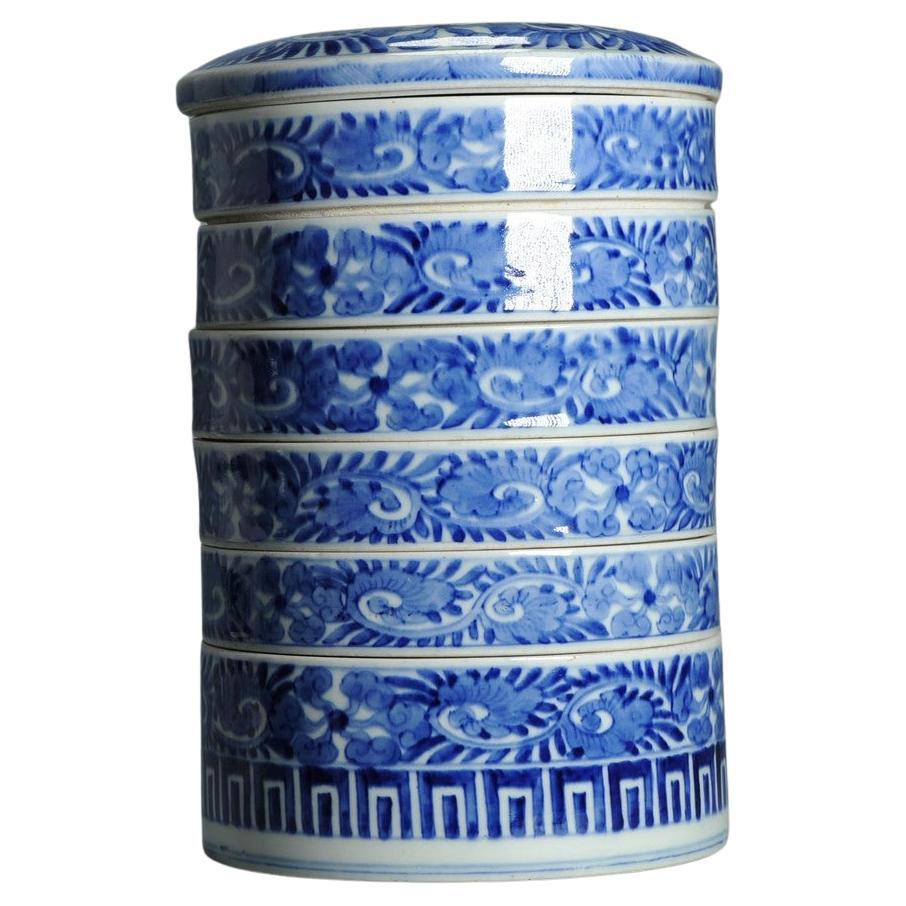
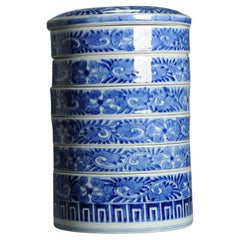
Antique Edo 19C Japanese Food container Ikegawa Ware Tea Ceremony Box Japan
Located in Amsterdam, Noord Holland
Description
Sharing with you this lovely and large Food container in blue and white.
Pieces like this were uses in the tea ceremony to serve food.
Similar pieces can be found in the ...
Category
Antique 19th Century Japanese Edo Ceramics
Materials
Porcelain
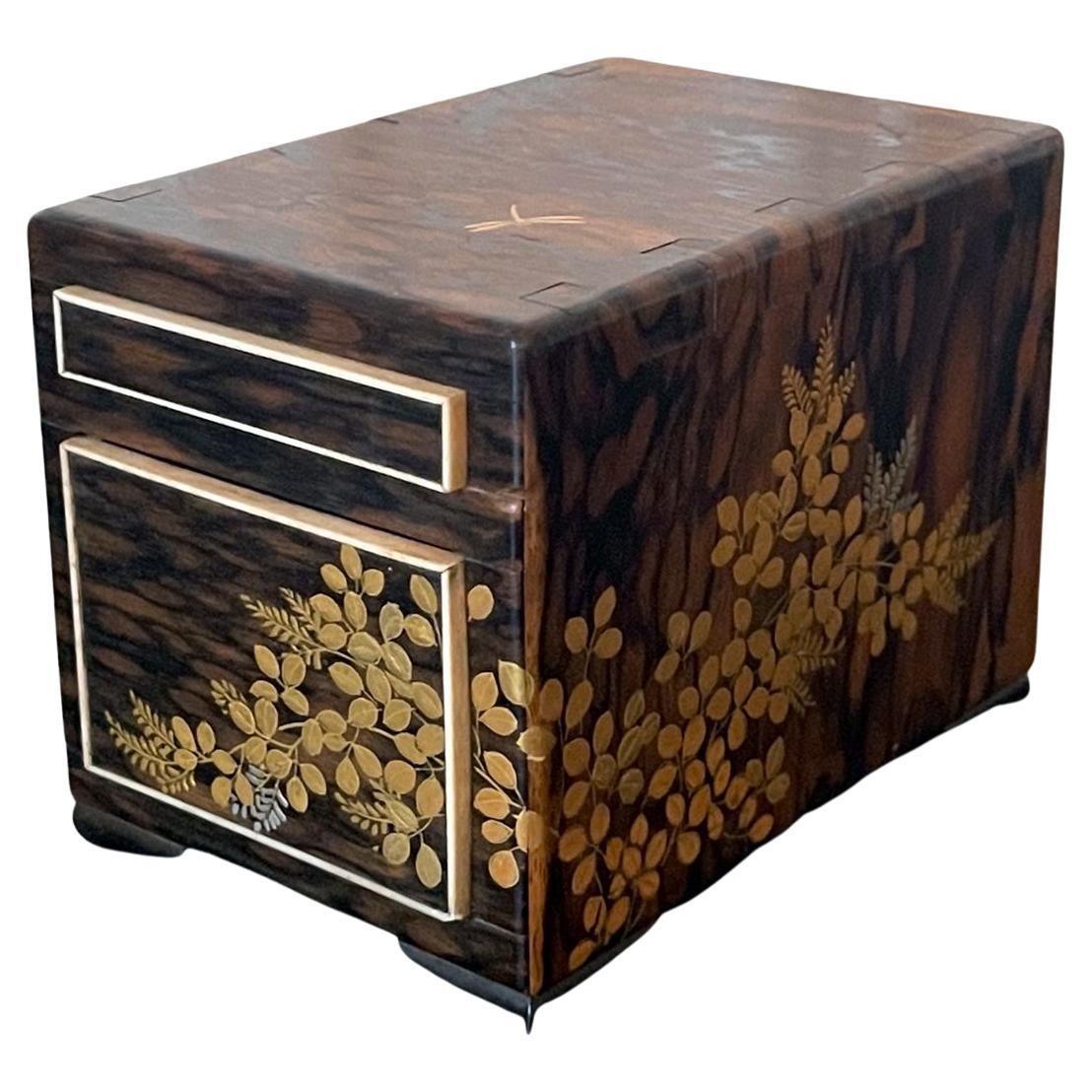
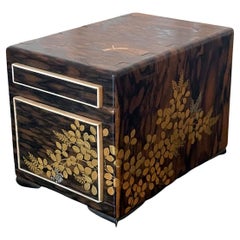
Fine Miniature Japanese Kodansu with Lacquer Inlays
Located in Atlanta, GA
A fine Japanese miniature kodansu constructed from Kaki wood (Persimmon) circa 19th century, late Meiji period. With its expressive exotic wood grains and exposed tenon construction,...
Category
Antique Late 19th Century Japanese Meiji Lacquer
Materials
Wood
More Ways To Browse
Trolley Wheels
Japanese Tea Ceremony
Urushi Lacquer
Wooden Storage Boxes
Seal Box
Vintage Lacquer
Heian Period
Lacquer Tea Caddy
Ox Cart
Tea Caddy Japan
Japanese Natsume
Japanese Lacquer Tea Caddy
Red Cinnabar
Chinese Cinnabar
Vintage Lacquer
Antique Japanese Tray
Asian Black Lacquer Pearl Furniture
Chinese Cinnabar Furniture