Items Similar to Japanese Natsume or tea box adorned with mapple leaves and sakure flowers

Want more images or videos?
Request additional images or videos from the seller
1 of 7
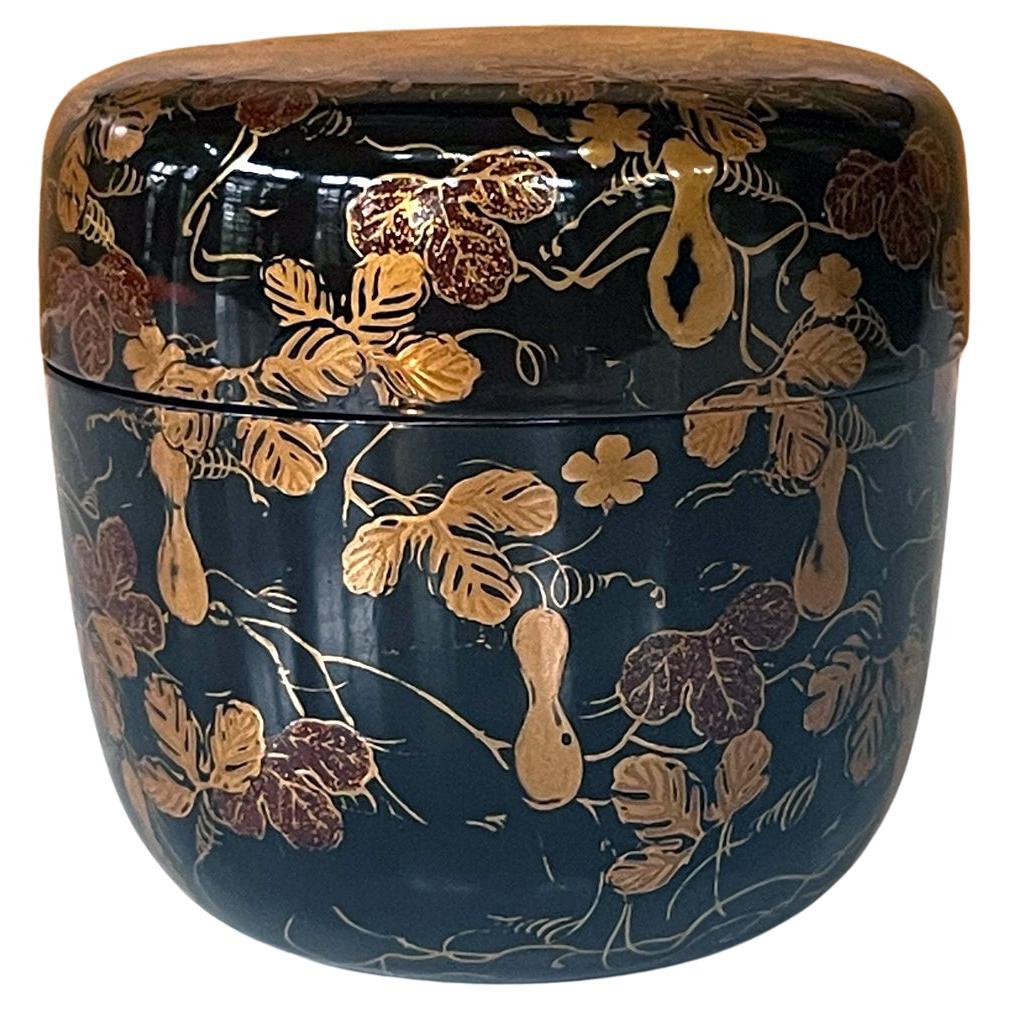
Japanese Natsume or tea box adorned with mapple leaves and sakure flowers
$1,559.94
£1,156.02
€1,300
CA$2,131.99
A$2,320.84
CHF 1,231.90
MX$27,924.73
NOK 15,609.90
SEK 14,303.08
DKK 9,902.49
About the Item
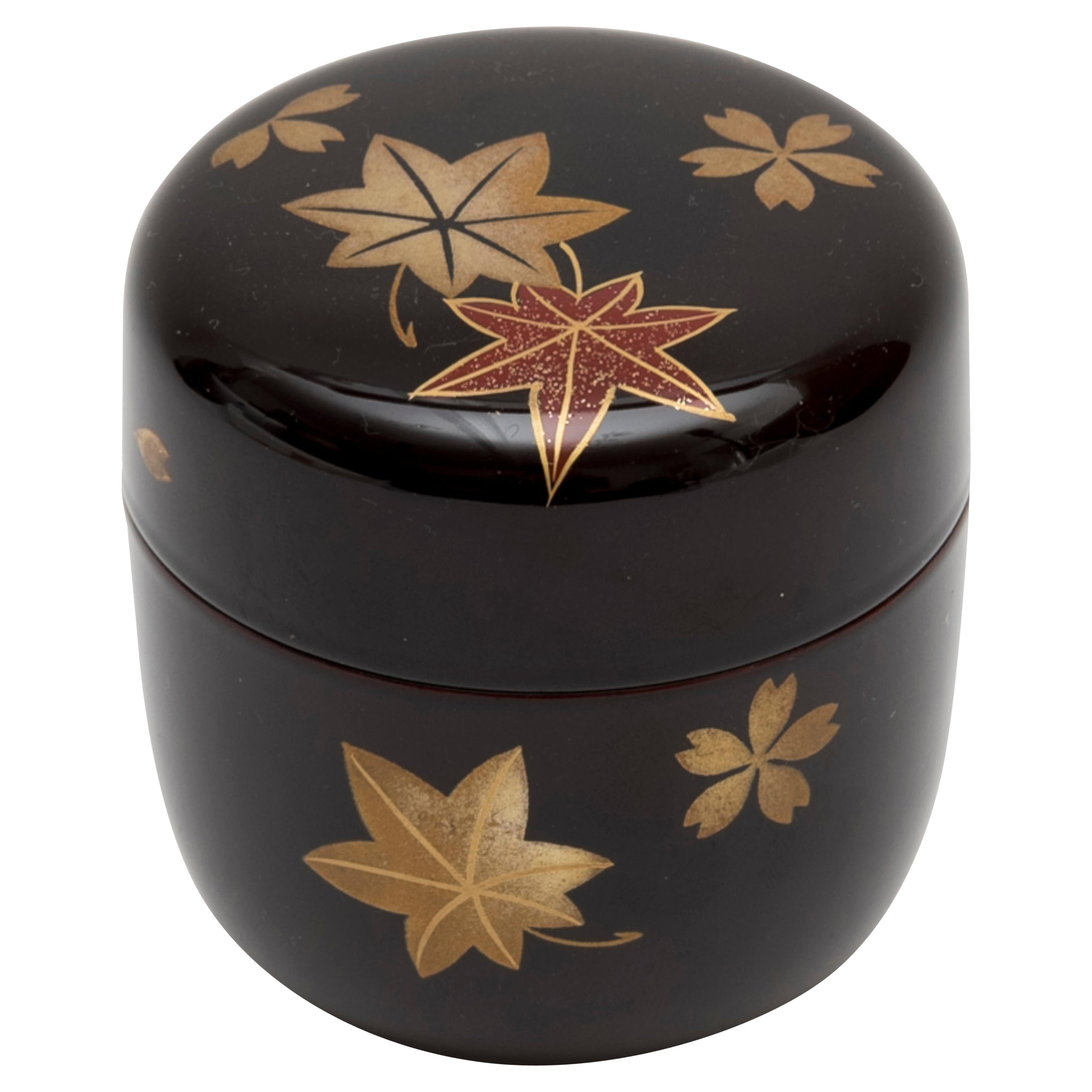
Natsume in dark red lacquer, decorated with autumn leaves and cherry blossoms in hiramaki-e and nashiji. Interior in black lacquer.
Maple leaves (Momiji) are celebrated in literature for their beauty. Cherry blossoms (sakura) are symbols of renewal and the ephemeral nature of beauty. Embodying the flowers and leaves typical of autumn and spring, they are true visual spectacles to be admired during walk or a picnic. They can also be a symbol of a change of feeling.
The natsume is the tea box designed to hold matcha tea for the preparation of the tea ceremony. It is named for its resemblance to the natsume fruit, i.e. the jujube. It is round, short and has a flat lid. It is often made of lacquer. The natsume is used for light tea or some thick tea preparations; while the cha-ire (ceramic tea box), for thick tea.
Japan – Shôwa era (1926-1989)
Height 2.7 in (7 cm) – diameter 2.5 in (6.5 cm)
- Dimensions:Height: 2.76 in (7 cm)Diameter: 2.56 in (6.5 cm)
- Style:Taisho (Of the Period)
- Materials and Techniques:
- Place of Origin:
- Period:
- Date of Manufacture:1926-1989
- Condition:Wear consistent with age and use.
- Seller Location:PARIS, FR
- Reference Number:Seller: 2021–8881stDibs: LU8311242724252
About the Seller
No Reviews Yet
Vetted Professional Seller
Every seller passes strict standards for authenticity and reliability
Established in 2013
1stDibs seller since 2023
- ShippingRetrieving quote...Shipping from: PARIS, France
- Return Policy
More From This Seller
View AllJapanese Lacquered Natsume
Tea Box
Located in PARIS, FR
Natsume in dark red lacquer, decorated with autumn leaves and cherry blossoms in hiramaki-e and nashiji. Interior in black lacquer.
Maple leaves (Momiji) are celebrated in literatur...
Category
Mid-20th Century Japanese Lacquer
Materials
Lacquer
Kobako in nashiji lacquer imitating wood texture, lid decorated with an ikebana
Located in PARIS, FR
Imposing kobako in nashiji lacquer on a black ground, decorated with a motif imitating wood grain. The lid is adorned with an ikebana basket (hanakago) containing a bouquet of remark...
Category
Antique Early 19th Century Japanese Meiji Lacquer
Materials
Gold

Japanese Lacquered Tebako
Box
Located in PARIS, FR
Tebako box with three compartments in golden and nashi-ji lacquer, decorated with golden, red, and kirigane lacquer, golden persimmon tree leaves, among rocks. The compartments are of increasing size from the top. The decoration is in continuity.
Persimmon has been cultivated in southern China for more than 2500 years and is believed to have been introduced to Japan in the 8th century. The veneer is a tree with very hard wood, similar to ebony. According to a legend, one specimen survived the atomic bombing of Nagasaki on August 9, 1945, close to the epicenter. It is therefore in Japan a symbol of strength and longevity. It is also the national fruit of the country. It is eaten as a traditional dish during New Year's Day celebrations.
Tebako literally means "portable box...
Category
Antique 1860s Japanese Lacquer
Materials
Lacquer
Japanese Tebako in Nashiji lacquer adorned with golden Persimon flowers
Located in PARIS, FR
Tebako box with two compartments in golden and nashi-ji lacquer, decorated with golden, red, and kirigane lacquer, golden persimmon tree leaves, among rocks. The compartments are of ...
Category
Antique Early 19th Century Japanese Meiji Lacquer
Materials
Gold
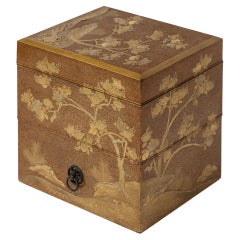
Japanese lacquered Cherry Tree Kobako
Located in PARIS, FR
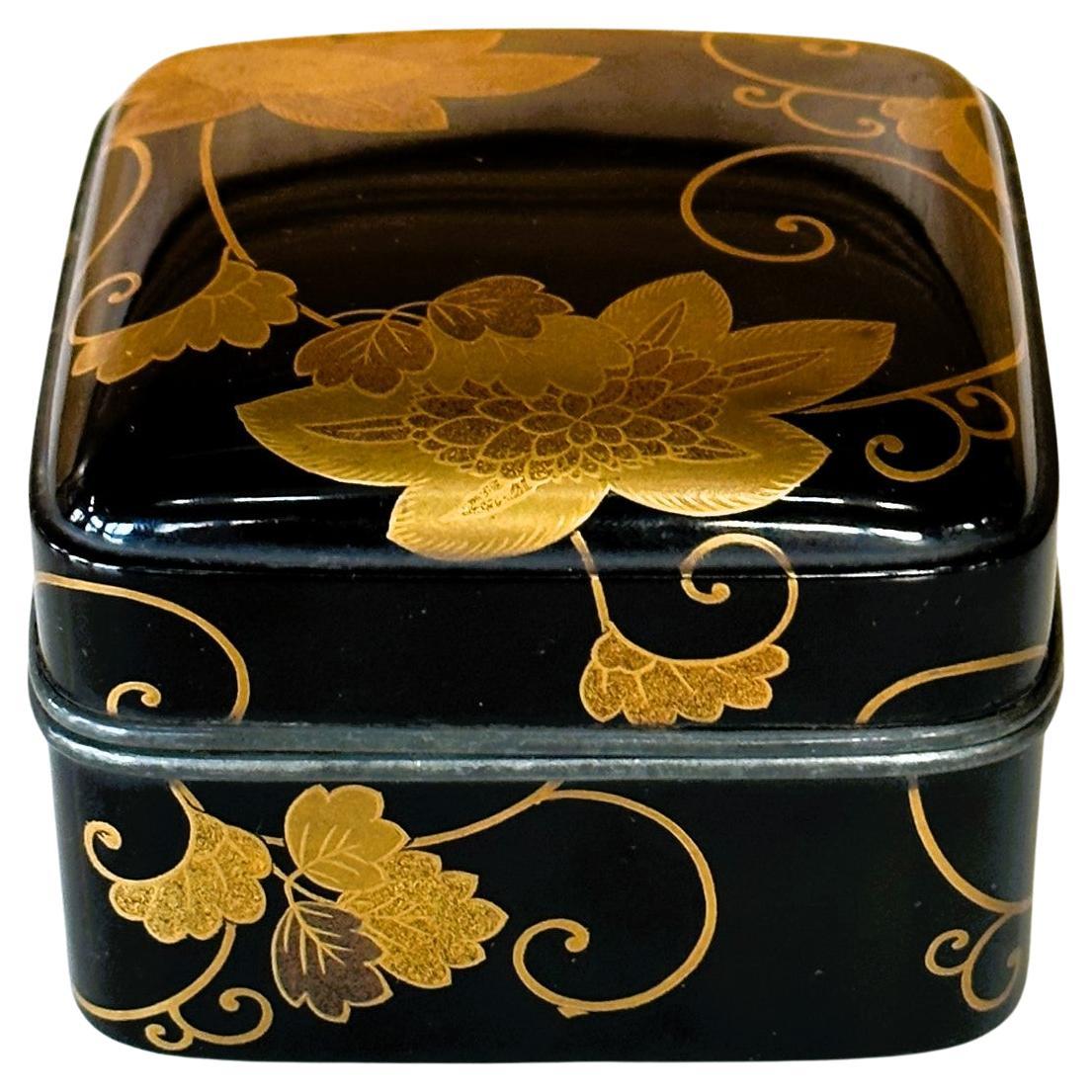
Kobako in nashiji lacquer of square shape with a hira maki-e décor of a blossoming
cherry tree. Both of the four sides are adorned with golden lacquer cherry flowers,
represented i...
Category
Antique 19th Century Japanese Lacquer
Materials
Lacquer
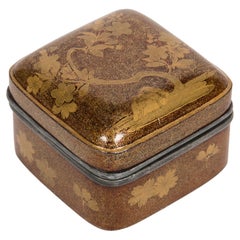
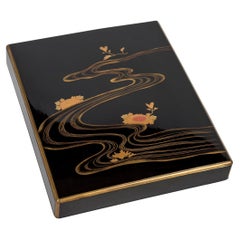
Japanese suzuribako lacquered box peony river
Located in PARIS, FR
Suzuribako box (empty) in black lacquer. Gold maki-e decoration of a river bordered by peonies, one with red highlights. The edges of the lid are in gold lacquer. Nashi-ji interior.
Category
Antique Late 19th Century Japanese Lacquer
Materials
Gold
You May Also Like
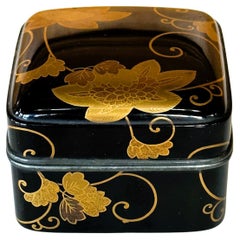
Antique Japanese Lacquered Incense Box Kobako in Kodaiji Style
Located in Atlanta, GA
An antique lacquered small box that was likely used to contain incense powder (it is called Kobako in Japanese), circa early to mid-19th century of the Edo...
Category
Antique 19th Century Japanese Edo Lacquer
Materials
Wood, Lacquer
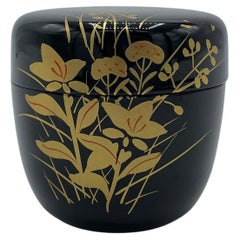
Japanese Antique Lacquer Natsume (box for matcha powder) Automne Flowers 1980s
Located in Paris, FR
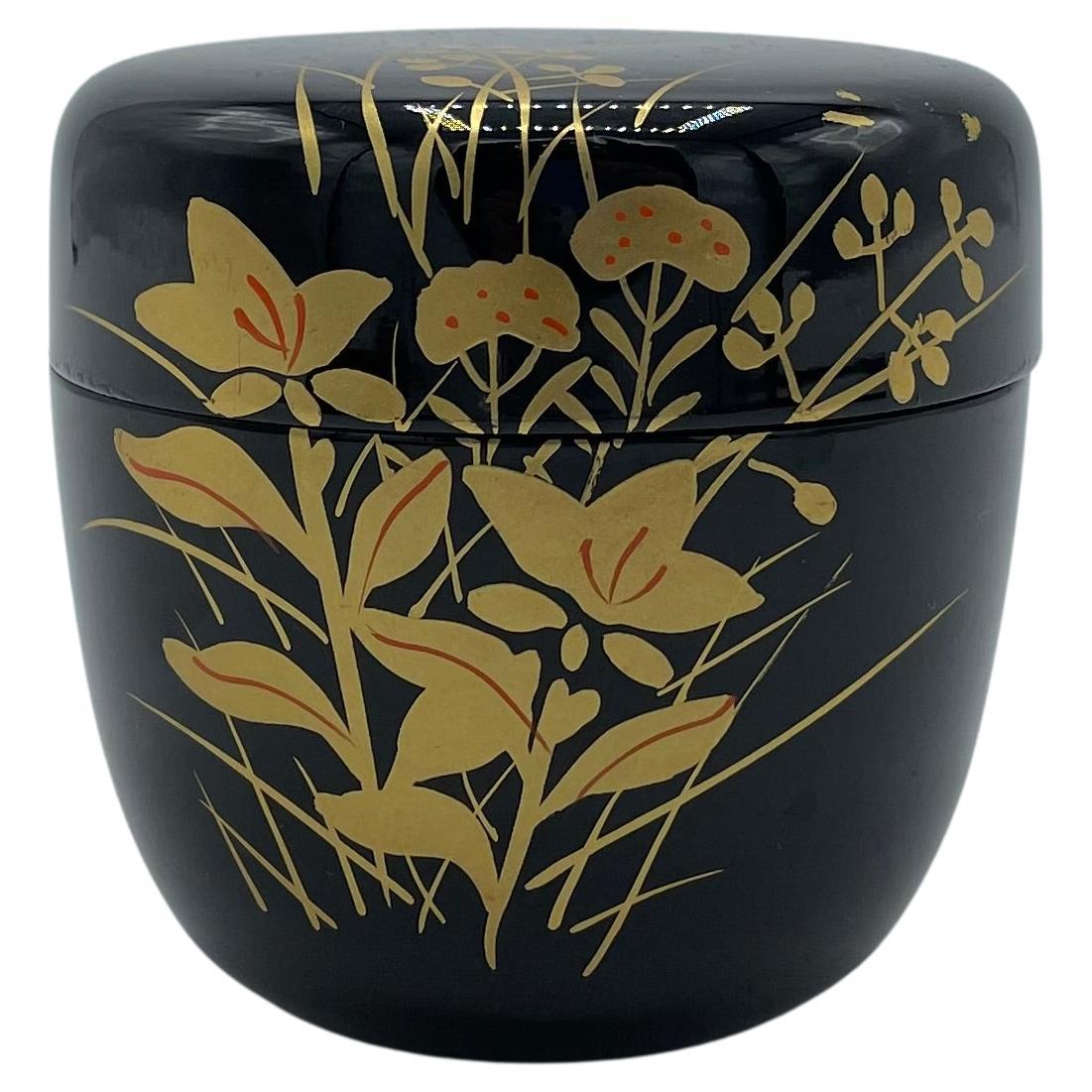
This is a box for the matcha powder using while tea ceremony in Japan.
It is called 'Natsume'. It is made with wood. The design is some automne flowers and it is all hand painted. Th...
Category
Vintage 1980s Japanese Showa Lacquer
Materials
Wood, Lacquer
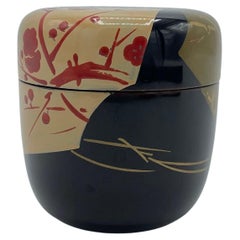
Japanese Antique Lacquer Natsume (box for matcha powder) Plum
UME
1980s
Located in Paris, FR
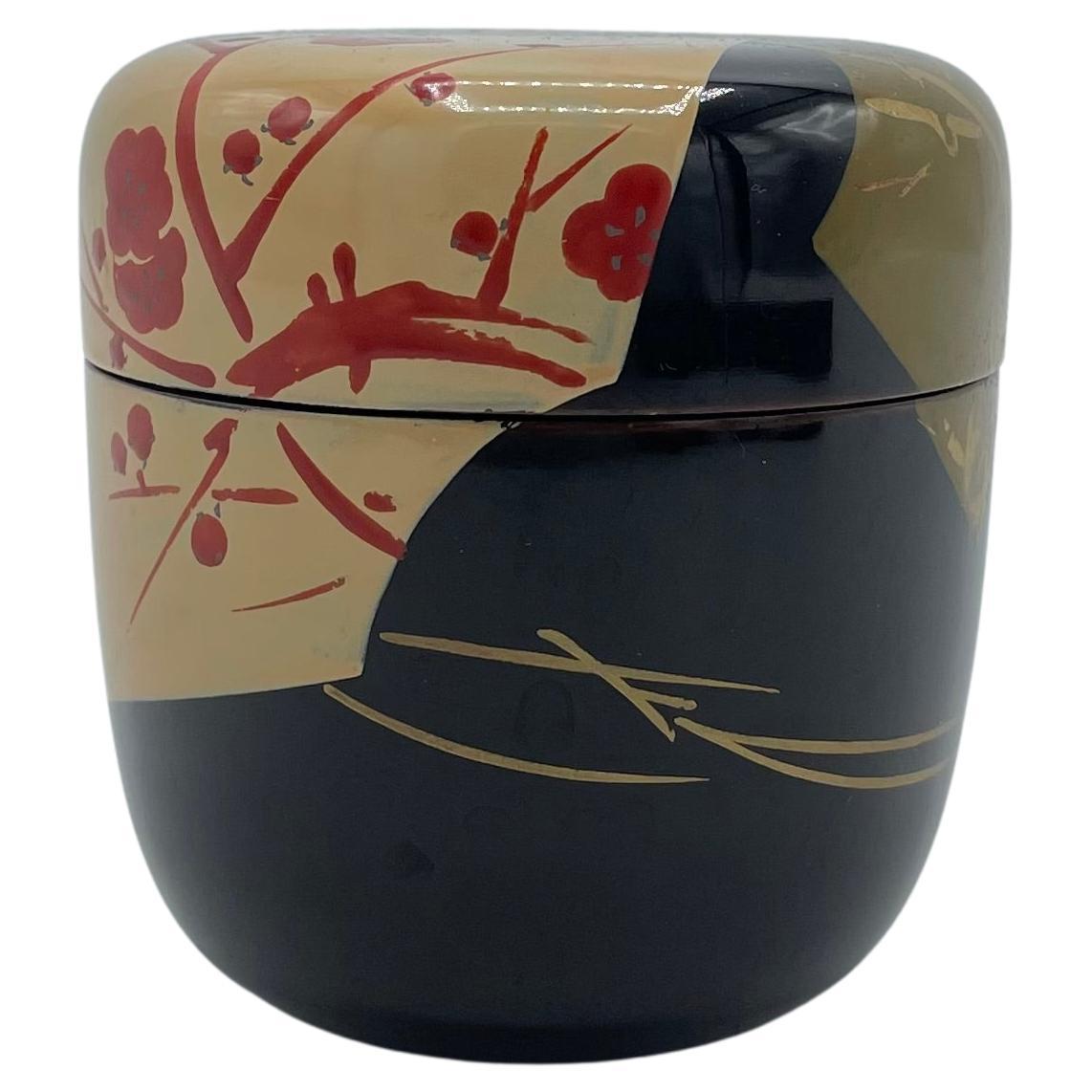
This is a box for the matcha powder using while tea ceremony in Japan.
It is called 'Natsume'. It is made with wood. The design is plums (Japanese apricot 'UME') and it is hand paint...
Category
Vintage 1980s Japanese Showa Lacquer
Materials
Wood, Lacquer
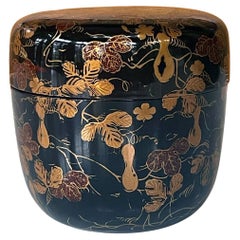
Japanese Lacquered Maki-E Natsume in Kodaiji Style
Located in Atlanta, GA
A Japanese lacquered tea caddy (known as Natsume) with fine Maki-e decoration circa 18-19th century Edo to Meiji period. The large-sized nat...
Category
Antique 19th Century Japanese Meiji Lacquer
Materials
Wood, Lacquer
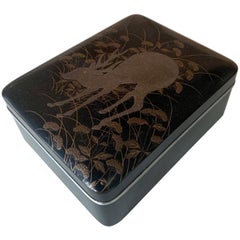
Japanese Rinpa Style Lacquer Box Meiji Period
Located in Atlanta, GA
A black lacquer tebako (hand box) with maki-e decoration and silver trim, circa late 19th century, Meiji period. The surface of the lid features a Rinpa style maki-e paint depicting ...
Category
Antique 1890s Japanese Japonisme Lacquer
Materials
Wood, Lacquer
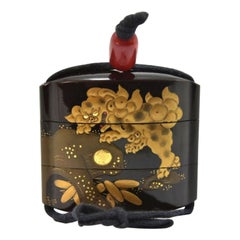
Japanese Inro XIXth Century with 3 Lacquered Wood Boxes
Located in Marseille, FR
19th Century Japanese inro with 3 lacquered wooden compartments, 63 x 70 x 22 mm in size. Weight 39.1 g.
Additional information:
Material: Lacquered ...
Category
Antique 19th Century Japanese Snuff Boxes and Tobacco Boxes
Materials
Wood
More Ways To Browse
Japanese Showa
Antique Cherry Blossom
Antique Flower Box
Antique Spectacles
Japan Tea Box
Japanese Natsume
Antique Japanese Tea Box
Gold Lacquer Tea Box
Lacquer Fan
Asian Cinnabar
Japanese Lacquer Pearl
Japanese Wood Tray
19th Century Carved Chinese Fan
Black Japanese Tray
Chinese Carved Cinnabar Red Lacquer
Antique Japanese Lacquer Tray
Japanese Export 19th
Antique Japanese Lacquerware