Items Similar to Japanese Rinpa Style Lacquer Box Meiji Period
Want more images or videos?
Request additional images or videos from the seller
1 of 11
Japanese Rinpa Style Lacquer Box Meiji Period
$2,200
£1,661.59
€1,919.39
CA$3,099.49
A$3,319.55
CHF 1,784.57
MX$40,317.89
NOK 22,548.89
SEK 20,645.18
DKK 14,341.37
About the Item
A black lacquer tebako (hand box) with maki-e decoration and silver trim, circa late 19th century, Meiji period. The surface of the lid features a Rinpa style maki-e paint depicting a deer feeding among the clusters of patrinia flowers (golden laces, Ominaeshi in Japanese). The color pallet is rather subdued. Small amount of gold was mixed with the silver powder to fill in the body of the deer just to give it a slightly shimmering effect. The pure gold was only used sparsely to highlight the grass seeds and the eye of the deer. On a kuro black background devoid of any further decoration, the scenery suggests the season of autumn and perhaps at night.
- Dimensions:Height: 2 in (5.08 cm)Width: 4.5 in (11.43 cm)Depth: 5.5 in (13.97 cm)
- Style:Japonisme (Of the Period)
- Materials and Techniques:
- Place of Origin:
- Period:
- Date of Manufacture:Late 19th Century
- Condition:Wear consistent with age and use. Surface patina and minor wear on the base as shown.
- Seller Location:Atlanta, GA
- Reference Number:1stDibs: LU945020800882
About the Seller
4.9
Platinum Seller
Premium sellers with a 4.7+ rating and 24-hour response times
Established in 2006
1stDibs seller since 2010
586 sales on 1stDibs
Typical response time: <1 hour
- ShippingRetrieving quote...Shipping from: Atlanta, GA
- Return Policy
More From This Seller
View AllJapanese Lacquer Ryoshibako Document Box Meiji Period
Located in Atlanta, GA
A large Japanese lacquer box with elaborate Maki-e design from Meiji period, (mid-late 19th century). The generous size of the box was reser...
Category
Antique 19th Century Japanese Japonisme Lacquer
Materials
Wood, Lacquer
Japanese Lacquer Box with Fine Maki-e Decoration Meiji Period
Located in Atlanta, GA
A lacquered wood box with lid from Japan circa 19th century Meiji Period. The finely decorated box was used to store paper slips and small documents on the desk. It is overall finished with black lacquer (kuro) with sparse Mura-Nashiji effect outside and on the top surface of the lid, there are three Komainu, (sometimes known as Shishi or Japanese lions) frolicking and forming a circle in lively motion. Komainu are auspicious animals in Japanese cultures in both Shinto and Buddhism tradition. Originally from China, these animals symbolizes guardians to ward off evil spirits. Hiramaki-e was used in combination with carving and combing to render the lions with various surface textures. A gilt border with an slight angle was given to the lid and even the thin band is decorated with miniature floral scrolls. The interior of the box was finished in a dense nashiji. Underneath the lid, a cluster of peonies open lavishly by two gentle mounts. Takamaki-e (high relief) in both gold and silver were...
Category
Antique Late 19th Century Japanese Japonisme Lacquer
Materials
Wood, Lacquer
Japanese Maki-e Lacquer Tray Box with Cutout Design
Located in Atlanta, GA
A Japanese lacquer box with lid and an inner tray decorated with Maki-e on a dense nashiji background. The fine box was likely made circa 1920-30s...
Category
Vintage 1920s Japanese Taisho Lacquer
Materials
Wood, Lacquer
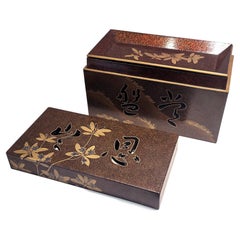
Japanese Rinpa Style Lacquer Ink Stone Box Suzuribako
Located in Atlanta, GA
A Japanese writing box with ink stone (known as Suzuribako) with exquisite maki-e decoration circa late Meiji to early Taisho period (1890s-1930s)...
Category
Early 20th Century Japanese Japonisme Lacquer
Materials
Wood, Lacquer
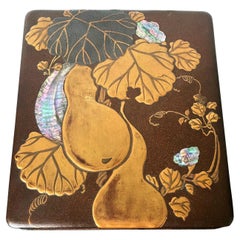
Antique Japanese Lacquer and Inlay Box from Ryukyu Island
Located in Atlanta, GA
A lacquer presentation box with mother-of-pearl inlays from Japanese Ryukyu Islands circa 17-18th century. The lidded box in rectangular form with rounded corner is a classic example...
Category
Antique 18th Century Japanese Japonisme Lacquer
Materials
Mother-of-Pearl, Lacquer

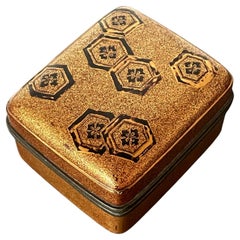
Antique Japanese Lacquered Incense Box Kobako Ex-Christie
s
Located in Atlanta, GA
An old Japanese lacquered small box likely used to contain incense powder called Kobako, circa Momoyama to early Edo period (16-17th century). The rectangular form box with a fitted ...
Category
Antique 17th Century Japanese Japonisme Lacquer
Materials
Lead
You May Also Like
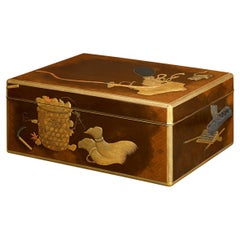
Japanese Lacquer Box
Located in New Orleans, LA
This exquisite Meiji-period lacquer document box known as a ryoshibako showcases the meticulous artistry of maki-e, a technique of raised lacquer decoration. Adorned with gold and vi...
Category
Antique 19th Century Asian Meiji Lacquer
Materials
Gold
$39,850
Antique Japanese Lacquer Jewelry Box Towards the End of the 19th Century
Located in Marseille, FR
Antique Japanese lacquer jewelry box from the late 19th century decorated with flowers and foliage, 8 cm high for a length of 21 c...
Category
Antique Late 19th Century Jewelry Boxes
Materials
Lacquer
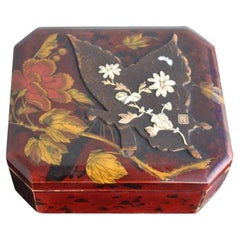
Important Japanese Lacquer Presentation Box Gifted by Japanese President to RAF
Located in Newark, England
PRESENTED BY THE 21ST PRESIDENT OF JAPAN
From our Japanese collection, we are absolutely delighted to bring to market this Important Japanese Lacquer Presentation Box. The Presentat...
Category
Early 20th Century Japanese Art Deco Lacquer
Materials
Lacquer
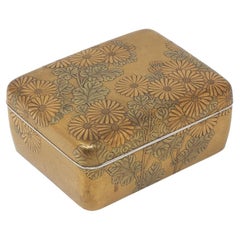
A Japanese Edo Period Lacquer Kogo (Incense) Box, late 17/early 18th Century
Located in Spencertown, NY
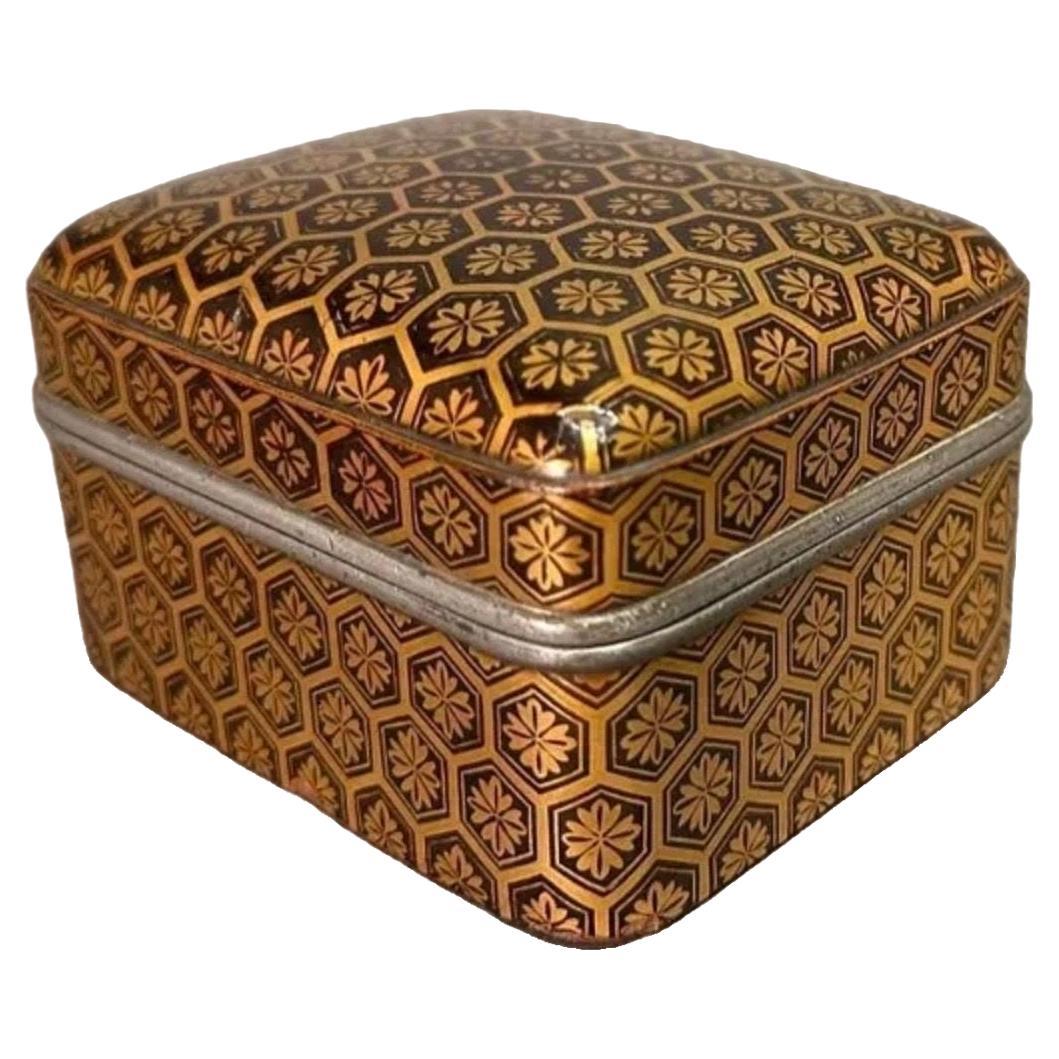
Early Japanese Lacquer Incense Box (Kogo) Late 17thc. Of rectangular form with soft corners, decorated with a diaper pattern in gold lacquer on a brownish black ground, with pewter r...
Category
Antique 17th Century Japanese Edo Decorative Boxes
Materials
Pewter
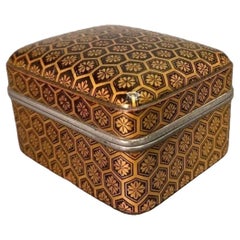
Japanese Lacquer Accessories Box, Tebako, Brocade Design, Meiji Period, Japan
Located in Austin, TX
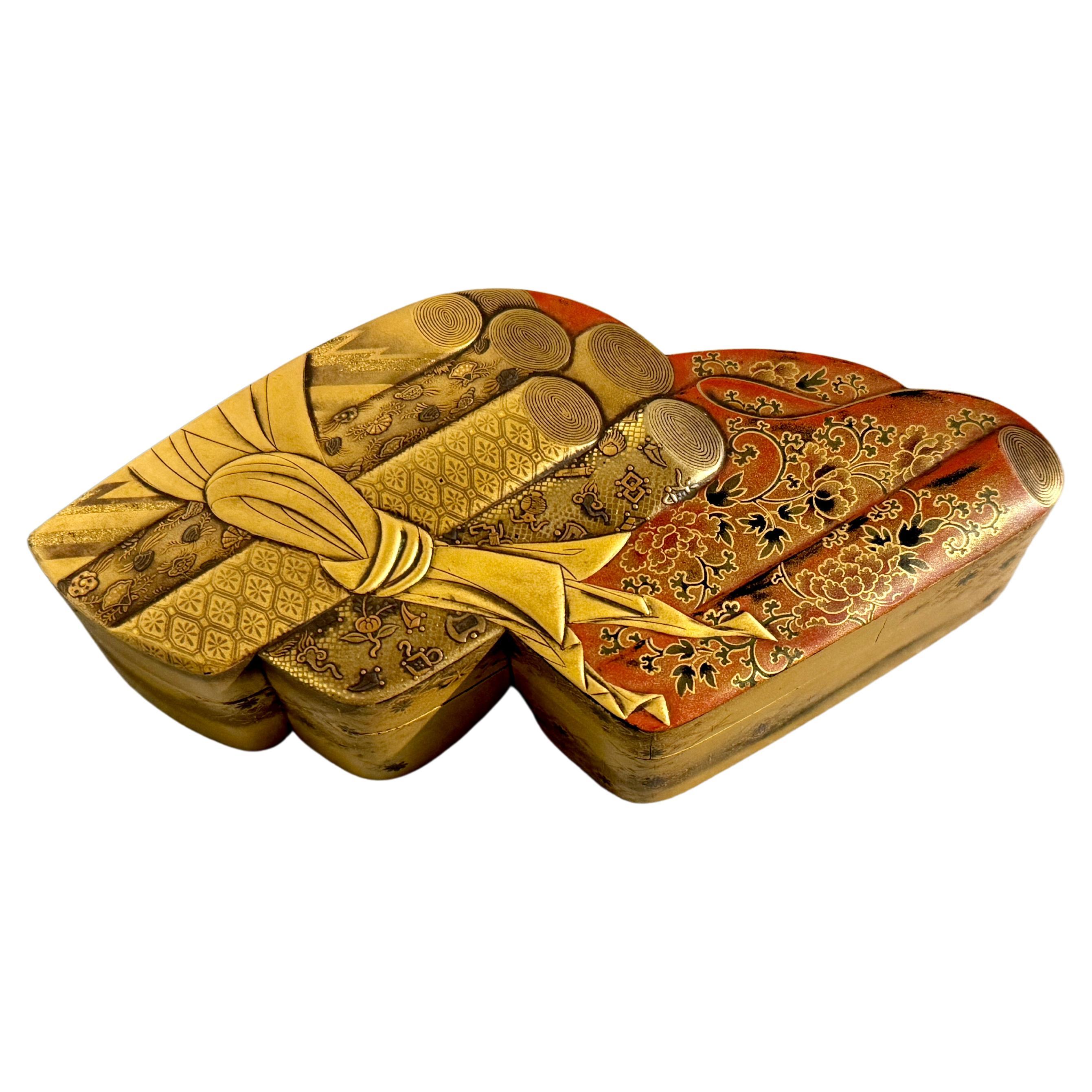
A very fine Japanese lacquer tebako, box for personal accessories, in the form of rolled bolts of brocade fabric, Meiji Period, late 19th century, Japan.
The box is whimsically shap...
Category
Antique Late 19th Century Japanese Meiji Lacquer
Materials
Softwood, Lacquer
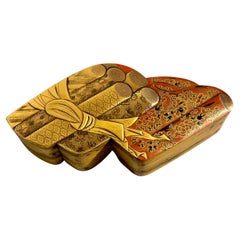
Japanese Lacquered Tebako
Box
Located in PARIS, FR
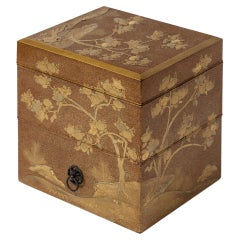
Tebako box with three compartments in golden and nashi-ji lacquer, decorated with golden, red, and kirigane lacquer, golden persimmon tree leaves, among rocks. The compartments are of increasing size from the top. The decoration is in continuity.
Persimmon has been cultivated in southern China for more than 2500 years and is believed to have been introduced to Japan in the 8th century. The veneer is a tree with very hard wood, similar to ebony. According to a legend, one specimen survived the atomic bombing of Nagasaki on August 9, 1945, close to the epicenter. It is therefore in Japan a symbol of strength and longevity. It is also the national fruit of the country. It is eaten as a traditional dish during New Year's Day celebrations.
Tebako literally means "portable box...
Category
Antique 1860s Japanese Lacquer
Materials
Lacquer
More Ways To Browse
Black Lacquer With Gold Art
Antique Lacquer Box
Antique Lacquer Boxes
Japanese Lacquered Art
Japanese Lacquer Boxes
Japanese Lacquer Meiji
Black Lacquered Boxes
Asian Black And Gold Decoration
Maki E
Silver Antique Japanese Boxes Silver Boxes
Japanese Meiji Period Box
Meiji Lacquer Box
Black Lacquer With Gold Art
Japanese Lacquered Art
Japanese 19th Century Lacquer
Asian Black Lacquer Furniture
Vintage Japanese Lacquer
Japanese Lacquer Meiji