Items Similar to Japanese Samurai Abumi Stirrups Lacquer Edo, 18th Century
Want more images or videos?
Request additional images or videos from the seller
1 of 10
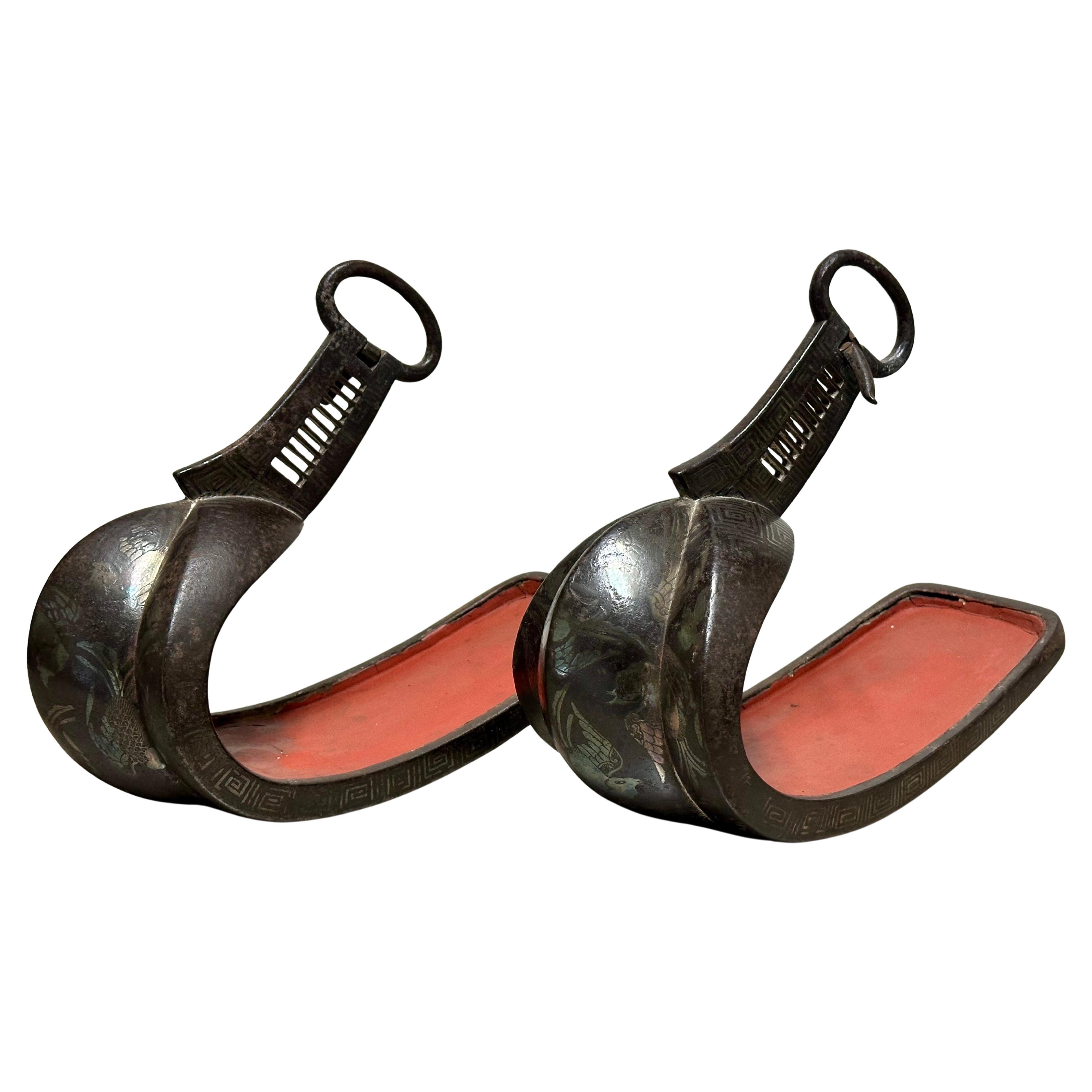
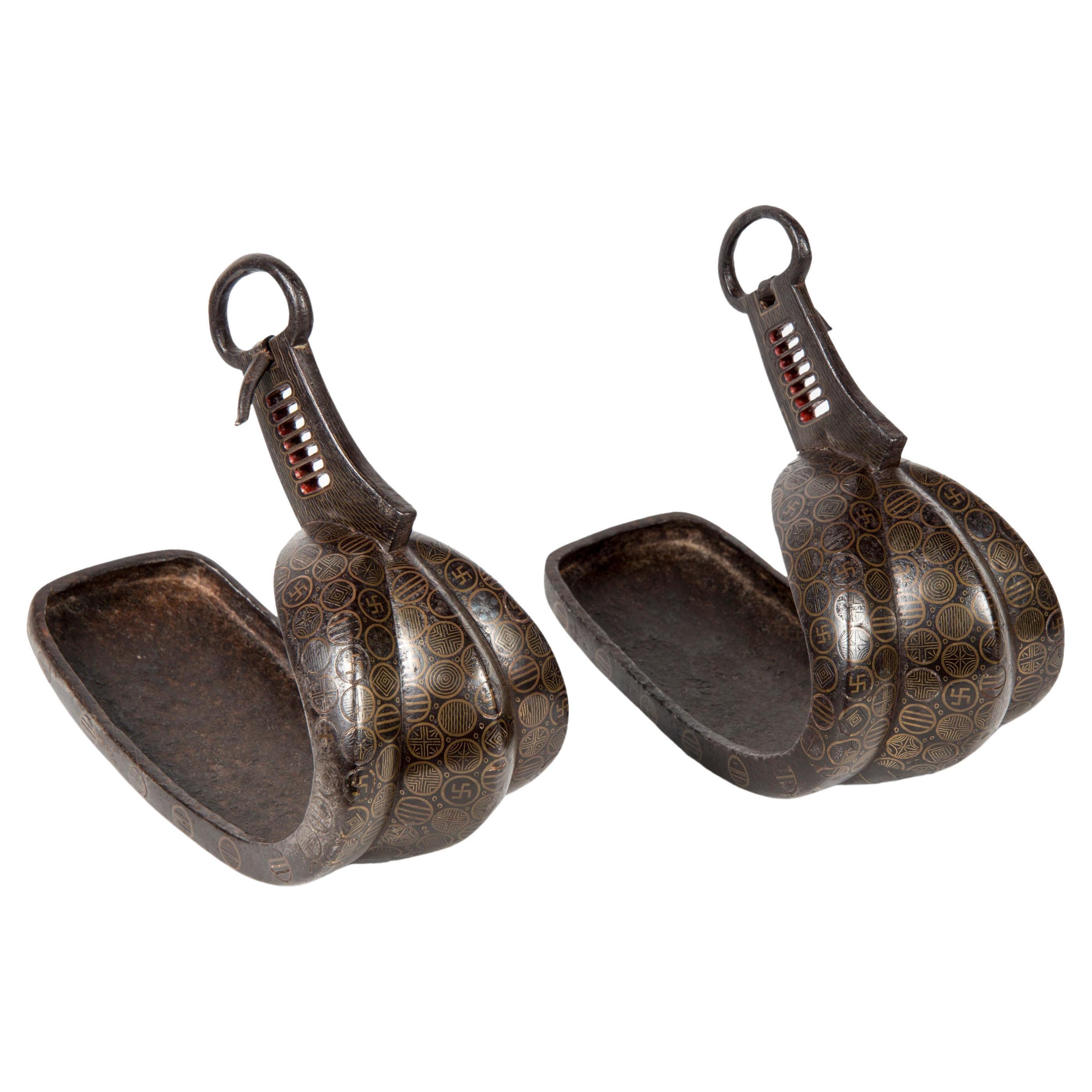
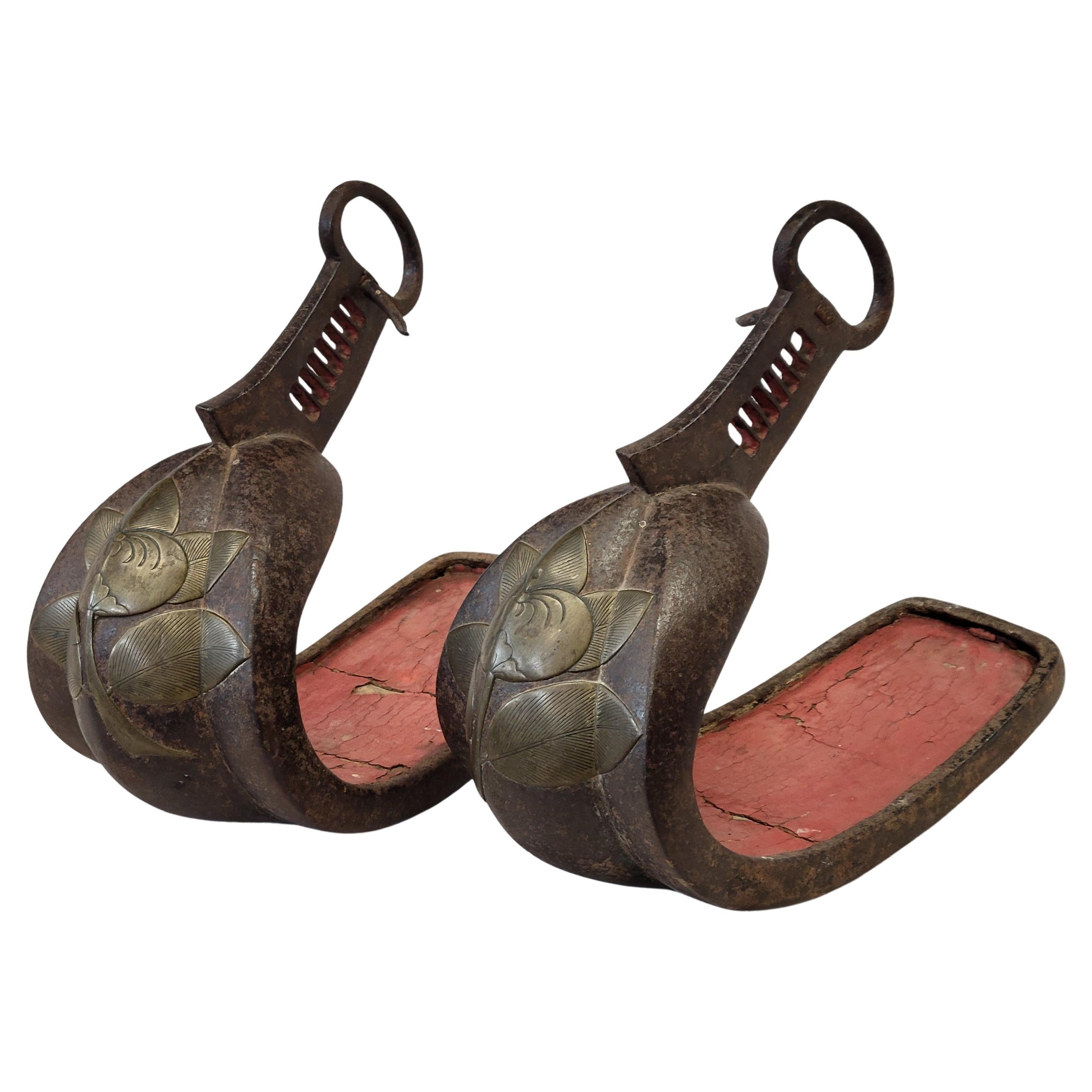
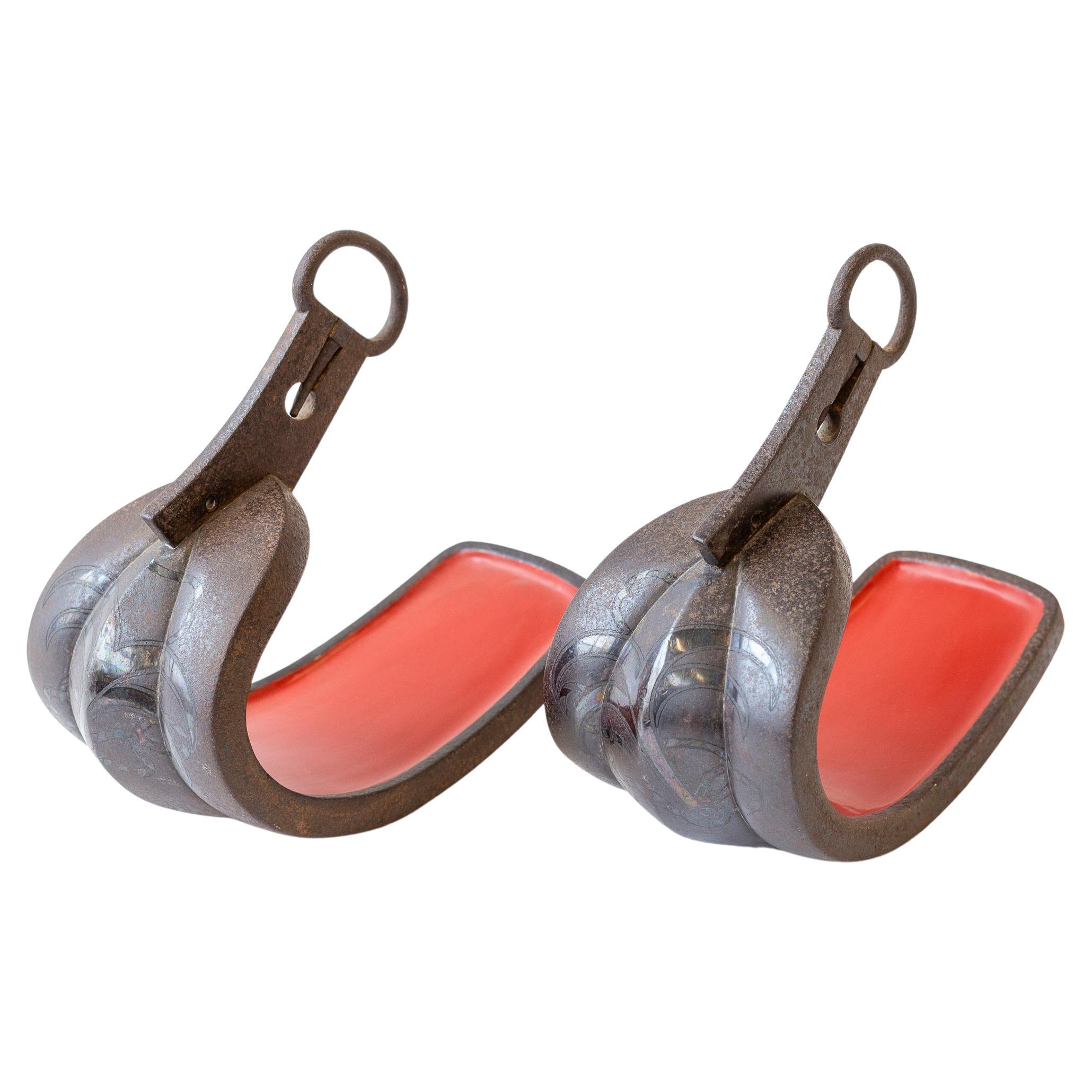
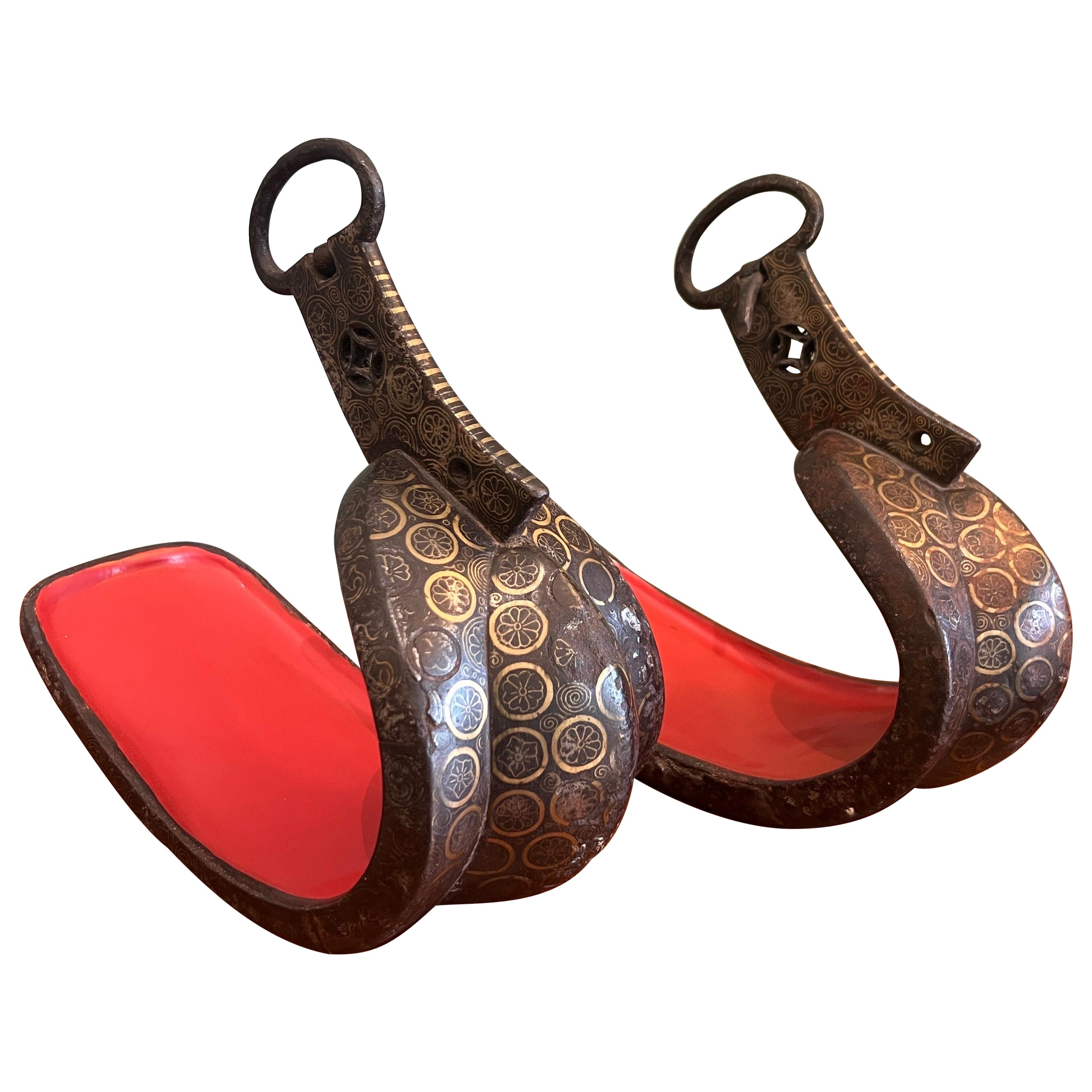
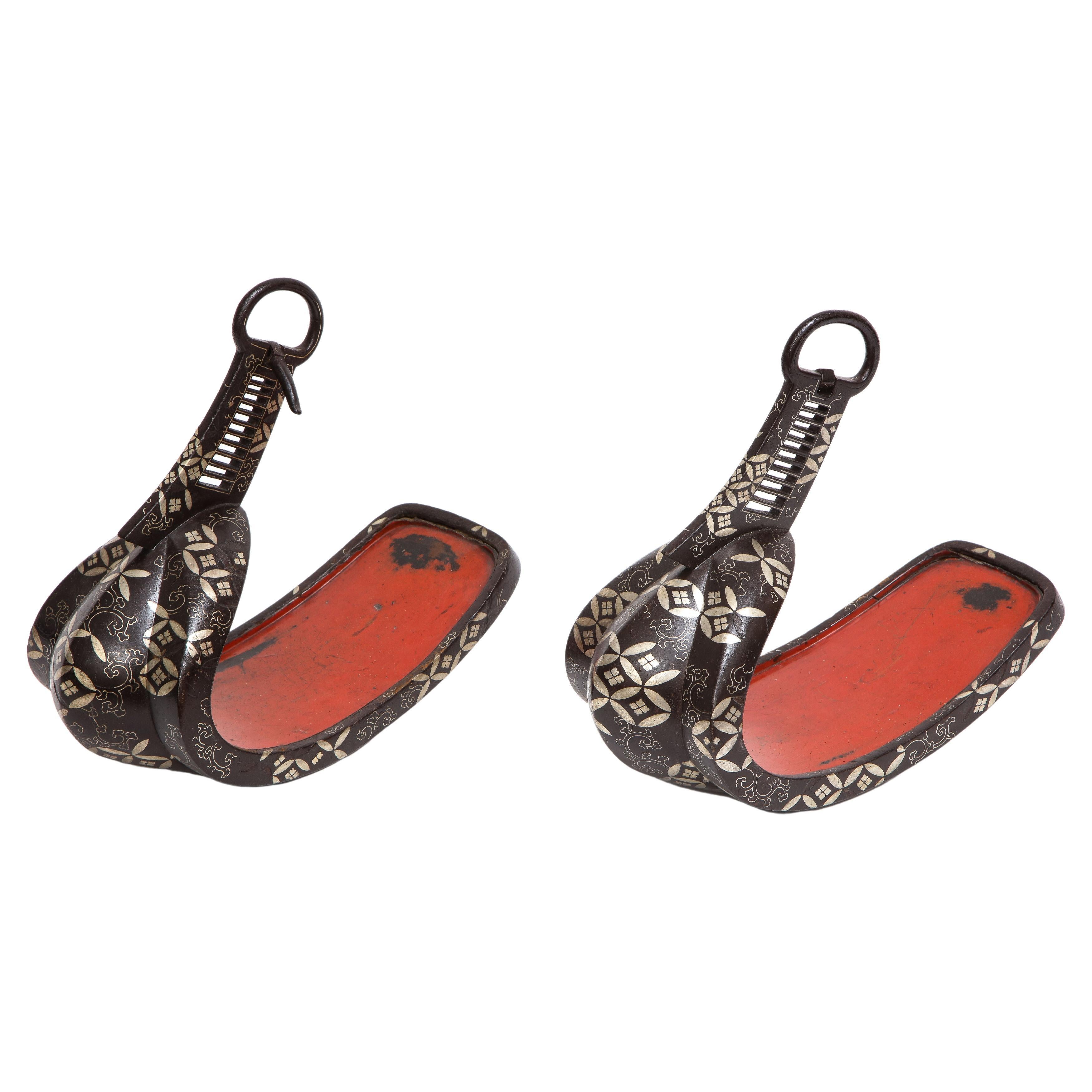
Japanese Samurai Abumi Stirrups Lacquer Edo, 18th Century
$2,700per set
£2,040per set
€2,338.95per set
CA$3,768.16per set
A$4,100.05per set
CHF 2,170.92per set
MX$49,326.34per set
NOK 27,565.89per set
SEK 25,220.86per set
DKK 17,475.23per set
About the Item
Japanese Samurai Abumi Stirrups lacquer Edo late 18th century, early 19th century.
Measures: 12 inch length, 10 inch height, 5.5 inch width.
AVANTIQUES is dedicated to providing an exclusive curated collection of Fine Arts, Paintings, Bronzes, Asian treasures, Art Glass and Antiques. Our inventory represents time-tested investment quality items with everlasting decorative beauty. We look forward to your business and appreciate any reasonable offers. All of our curated items are vetted and guaranteed authentic and as described. Avantiques only deals in original antiques and never reproductions. We stand behind our treasures with a full money back return if the items are not as described.
Early abumi were flat-bottomed rings of metal-covered wood, similar to European stirrups. The earliest known examples were excavated from tombs. Cup-shaped stirrups (tsubo abumi) that enclosed the front half of the rider's foot eventually replaced the earlier design.
During the Nara period, the base of the stirrup which supported the rider's sole was elongated past the toe cup. This half-tongued style of stirrup (hanshita abumi) remained in use until the late Heian period (794 to 1185) when a new stirrup was developed. The fukuro abumi or musashi abumi had a base that extended the full length of the rider's foot and the right and left sides of the toe cup were removed. The open sides were designed to prevent the rider from catching a foot in the stirrup and being dragged.
The military version of this open-sided stirrup, called the shitanaga abumi, was in use by the middle Heian period. It was thinner, had a deeper toe pocket and an even longer and flatter foot shelf. It is not known why the Japanese developed this unique style of stirrup, but this stirrup stayed in use until European style-stirrups were introduced in the late 19th century.[4] The abumi had a distinctive swan-like shape, curved up and backward at the front so as to bring the loop for the leather strap over the instep and achieve a correct balance.
Most of the surviving specimens from this period are made entirely of iron, inlaid with designs of silver or other materials, and covered with lacquer. In some cases, there is an iron rod from the loop to the footplate near the heel to prevent the foot from slipping out. The footplates are occasionally perforated to let out water when crossing rivers, and these types are called suiba abumi. There are also abumi with holes in the front forming sockets for a lance or banner.
Please also consider Avantique’s antique and ancient Asian Art Collection of Han Dynasty, Tang Dynasty, Ming Dynasty, Qing, and Republic period items to complete your home and office decorations with class. Avantiques has Asian pottery, terra cotta, bronze, and paintings to complement your collection. We strive to collect the highest quality Asian antiquities in exceptional condition.
- Dimensions:Height: 10 in (25.4 cm)Width: 12 in (30.48 cm)Depth: 5.5 in (13.97 cm)
- Sold As:Set of 2
- Style:Edo (Of the Period)
- Materials and Techniques:
- Place of Origin:
- Period:
- Date of Manufacture:1800
- Condition:Wear consistent with age and use.
- Seller Location:Dallas, TX
- Reference Number:1stDibs: LU1774211516721
About the Seller
4.9
Gold Seller
Premium sellers maintaining a 4.3+ rating and 24-hour response times
Established in 2000
1stDibs seller since 2015
460 sales on 1stDibs
Typical response time: <1 hour
- ShippingRetrieving quote...Shipping from: Dallas, TX
- Return Policy
More From This Seller
View AllPair Chinese 18th Century Late Ming Bronze Archaistic Gu Vases
Located in Dallas, TX
Near Pair of Chinese Archaic bronze Gu vases. 18th century Late Ming Period,
Measures: Height: 11.4 inches. Diameter: 6.4 Inches
Condition: Very good with ...
Category
Antique Mid-18th Century Chinese Archaistic Vases
Materials
Bronze
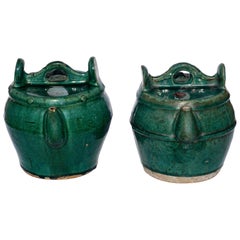
Green Glazed Shiwan Pottery Teapots Qing Dynasty,
Pair
Located in Dallas, TX
A near pair of 19th century Sancai green glazed pottery teapots. Both with yoked handles, spouts and lids. Both also have the Republic era official government wax red seal signifying...
Category
Antique 1880s Chinese Chinese Export Pottery
Materials
Pottery
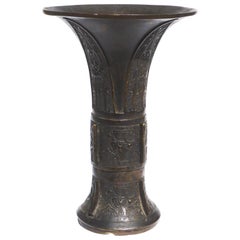
Ming Dynasty Bronze Gu Beaker Vase
Located in Dallas, TX
Chinese bronze vase, Gu, the trumpet-shaped upper section cast with four blades filled with archaic designs. Center and lower sections depicting Toadies with very intricate backgroun...
Category
Antique 17th Century Chinese Ming Vases
Materials
Bronze
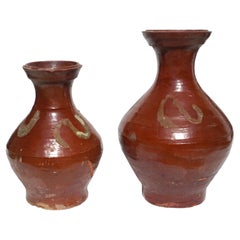
Tang Dynasty Glazed Pottery Ox Blood Jars 618-907 AD
Located in Dallas, TX
C. AD 618-907. Tang Dynasty.
Two beautiful terracotta pottery jars covered with a ox blood to chestnut-coloured glaze. The bulbous bodies taper into a slender neck with flared rim....
Category
Antique 15th Century and Earlier Chinese Tang Jars
Materials
Pottery
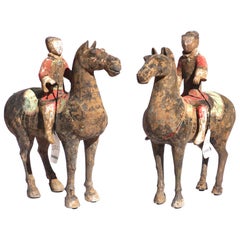
Pair of Han Dynasty Pottery Horses and Equestrian Riders
Located in Dallas, TX
A wonderful pair of Ex Sotheby’s painted Polychrome Equestrian Horse and Riders made from gray pottery, Presents beautifully and guaranteed authentic with provenance and COA.
Measures: Height 11.5 inches and width 11 inches
Condition: Possible professional restorations but not detectable.
Provenance: Sotheby’s London. 16th November, 1999. Lot 12 (2 of 4 horses in that lot).
Sotheby’s New York, NY September 14, 2019.
The importance of the horse in the history and culture of China can be viewed, in part, through the artistic legacy of this great civilization. In sculpture, painting, and literature, horses were glorified and revered. Horses were believed to be related to mythological dragons, reflecting their sacred status within society. During the unification of China under the Han Dynasty, bands of mounted nomadic warriors from the north threatened the country. In order to thwart their attacks, the Chinese sought to import stronger, faster steeds from Central Asia (as opposed to the Mongol ponies used by the invaders), eventually leading to the creation of the Silk Road. This small sculpture of a mounted soldier reveals the crucial military role of the horse. When compared to the diminutive stature of the rider, the importance of the horse becomes readily apparent. This creature provided security and strength, allowing the Empire to secure its borders and expand its influences across Central Asia. The magnificent regalia of the horse, including a brilliantly painted saddle in red and green/gold, reflect the respect this animal received. The warrior as well is gorgeously decorated with a painted red tunic and gray chest...
Category
Antique 15th Century and Earlier Chinese Chinoiserie Animal Sculptures
Materials
Pottery
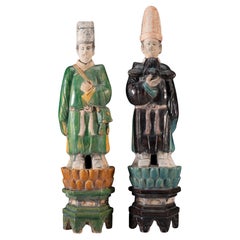
Tall Ming Dynasty Sancai Glazed Dignitary Tomb Figures
Located in Dallas, TX
A Pair of Chinese Enameled Sancai Glazed Pottery Attendant Figures Representing Dignitaries.
Ming Dynasty Period. Circa 1600AD
Dimensions; 23 x 5.5 x 5.25 inches (58.4 x 13.7 x 13.3 ...
Category
Antique 16th Century Chinese Ming Figurative Sculptures
Materials
Pottery
You May Also Like
Rare Pair of Japanese Samurai Abumi (Stirrups) from the Edo Period
Located in San Diego, CA
A rare and evocative pair of antique Japanese samurai abumi (horse-riding stirrups) dating to the Edo period (1603–1868). Expertly forged in iron, with a silver inlay decorative desi...
Category
Antique 18th Century Japanese Edo Mounted Objects
Materials
Silver, Iron

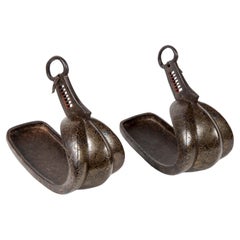
Pair of Japanese Abumi Stirrups
Located in PARIS, FR
Pair of stamped brass stirrups decorated with Hashizuka, Ito and Manabe Mons.
Japan - Edo (1615-1868), 18th century.
Height: 10.24 in. (26 cm), length: 12.6 in. (32 cm), width 4.72 in. (12 cm)
As in Western culture, the culture Japanese stirrups were part of traditional accessories...
Category
Antique Late 18th Century Japanese Metalwork
Materials
Brass
$7,205 / set
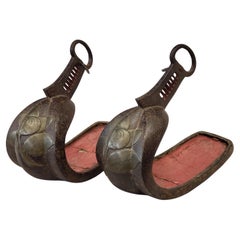
Antique Edo Period Japanese Samurai Iron Stirrups with Brass or Bronze Inlay
Located in Centennial, CO
A pair of antique Edo period (1603–1867) Japanese Samurai Abumis (stirrups for horseback-riding) expertly crafted out of cast iron with brass or bronze inlay in the form of a stylize...
Category
Antique 18th Century Japanese Edo Metalwork
Materials
Brass, Bronze, Iron
Pair of Japanese Edo Period 18th/19th century Iron Samurai Abumi Stirrups
Located in New York, NY
A pair of antique Japanese samurai Abumi (horse riding stirrups) from the Edo period (1615-1868)
Abumi often have a distinctive shape, curving up and backward at the front to achiev...
Category
Antique Mid-19th Century Japanese Edo Antiquities
Materials
Silver, Iron
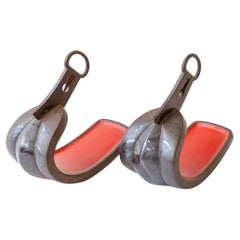
Pair of 18th/19th century Japanese Samurai Abumi (stirrups)
Located in New York, NY
A striking pair of antique Japanese abumi, dating to the Edo Period (1615-1868)
Abumi are stirrups, and were an important part of a samurai armor set.
The distinctive curved shape ...
Category
Antique Mid-19th Century Edo More Asian Art, Objects and Furniture
Materials
Copper, Iron
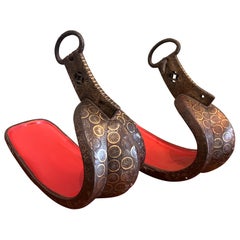
Pair of Japanese Edo Period Iron Silver Inlaid Red Lacquered Stirrups
Abumi
Located in New York, NY
A Pair of Japanese Edo Period (1603–1867) iron, silver inlaid, and red lacquered stirrups (Abumi). Each of typical form, made of iron with silver inlay on the front with floral bloss...
Category
Antique 1690s Japanese Edo Metalwork
Materials
Silver, Iron
More Ways To Browse
Edo Japan
18th Century Japanese Art
Japan Edo Lacquer
Japan Samurai
Antique Stirrups
Heian Period
Japanese Samurai Art
Terra Cotta Paintings
Antique Stirrup Cup
Edo Samurai
Antique Wood Stirrups
Antique Iron Stirrups
Abumi Japanese Stirrup
Stirrup Japan
Samurai Stirrups
Black Lacquer With Gold Art
Japanese Lacquered Art
Japanese 19th Century Lacquer