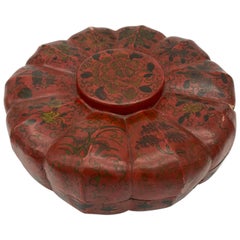
Items Similar to Large Edo Period Kamakura-bori Lacquer Box with Chrysanthemum by Chen Wu
Video Loading
Want more images or videos?
Request additional images or videos from the seller
1 of 20
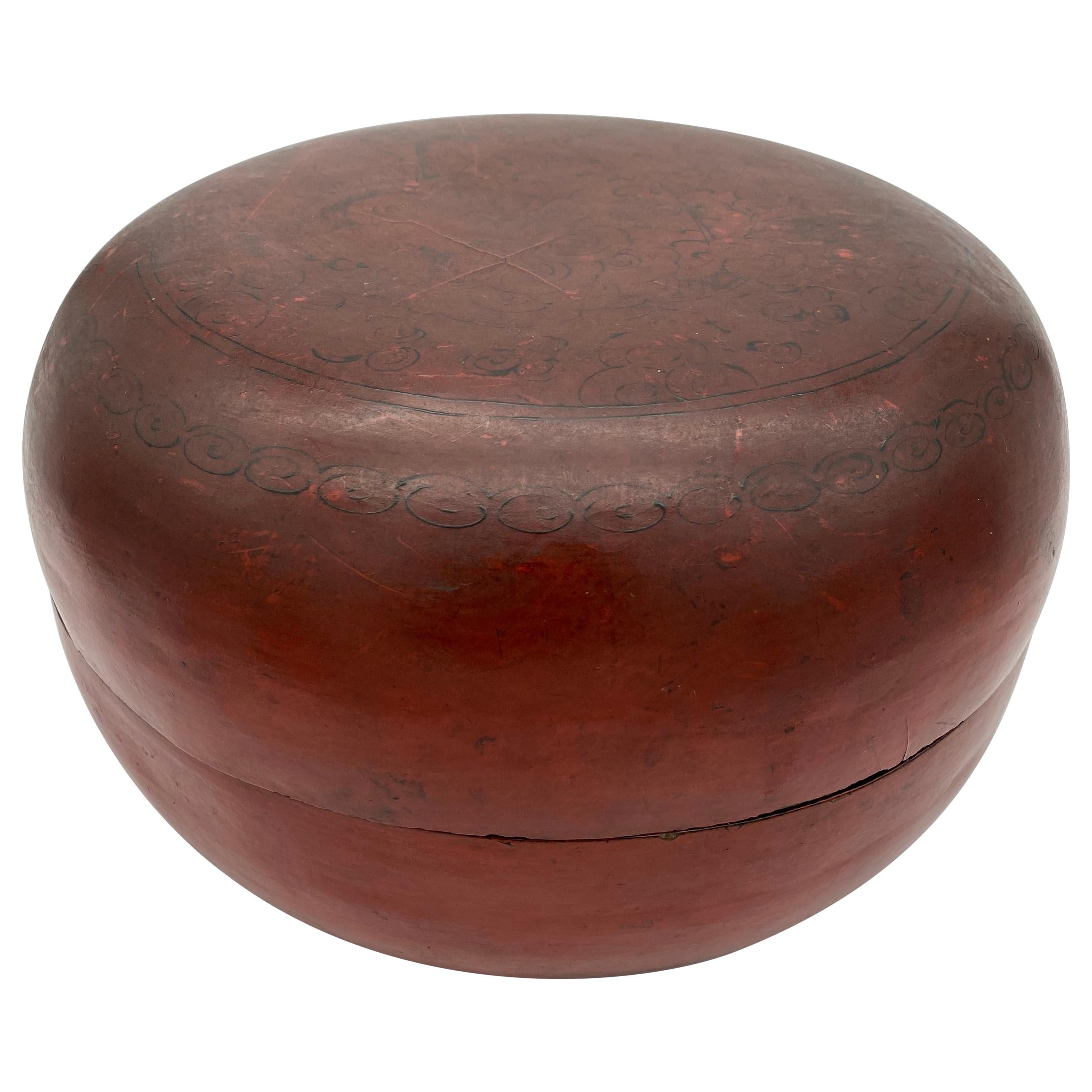
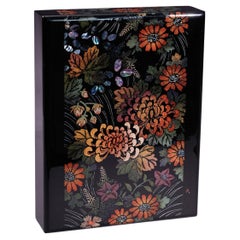
Large Edo Period Kamakura-bori Lacquer Box with Chrysanthemum by Chen Wu
$8,550
£6,489.89
€7,442.27
CA$12,068.28
A$12,954.16
CHF 6,897.43
MX$153,427.56
NOK 87,164.66
SEK 79,605.65
DKK 55,597.17
About the Item
Designer's Note:
Masculine Elegance: Unlike the delicate, smooth surface of Maki-e, Kamakura-bori is characterized by its bold, tactile wood-carving marks. Its deep red-black tones and rugged texture make it a perfect addition to a masculine study, a mid-century modern sideboard, or an eclectic library.
Scale and Function: With a width of over 15 inches, this is a substantial "Large Box." It is highly functional for storing oversized documents or fine textiles, while its symbolic chrysanthemum carving (representing longevity) brings an auspicious energy to the room.
Textural Contrast: The deep "V-shaped" chisel marks capture light beautifully, creating a dynamic surface that changes throughout the day.
The Story:
This Large Chrysanthemum Carved Box is a rare Edo-period example of Kamakura-bori lacquerware, signed or marked by the artisan Chen Wu. Built on a solid wooden core, the box is deeply carved with flourishing chrysanthemum motifs before being finished with multiple layers of dark, lustrous lacquer. In Japanese culture, the chrysanthemum symbolizes longevity and integrity. Here, its layered petals radiate with vitality, their flowing precision highlighted by the lacquer’s rich, dignified sheen.
Kamakura-bori originated under the influence of Chinese carved lacquer (Tsuishu) from the Song and Yuan dynasties. However, Japanese artisans developed a unique approach: instead of carving through thick layers of lacquer, they carved directly into the wood core, creating bold textures that emphasize the beauty of the chisel's path. Initially reserved for Buddhist ritual objects, this craft became a hallmark of high-end daily vessels. This box reflects the maturity and elegance of late Edo-period craftsmanship, balancing robust strength with refined floral grace.
As an authentic antique, it bears a noble patina and minor signs of its long history, adding to its character and provenance.
- Dimensions:Height: 7.88 in (20 cm)Width: 15.16 in (38.5 cm)Depth: 12.8 in (32.5 cm)
- Materials and Techniques:
- Place of Origin:
- Period:
- Date of Manufacture:Edo Period
- Condition:Comes with a wooden box. Minor signs of use.
- Seller Location:Taichung, TW
- Reference Number:1stDibs: LU10702248376582
About the Seller
New to 1stDibs
Joined in the past six months.
No Reviews Yet
Vetted Professional Seller
Every seller passes strict standards for authenticity and reliability
1stDibs seller since 2025
- ShippingRetrieving quote...Shipping from: Taichung, Taiwan
- Return Policy
More From This Seller
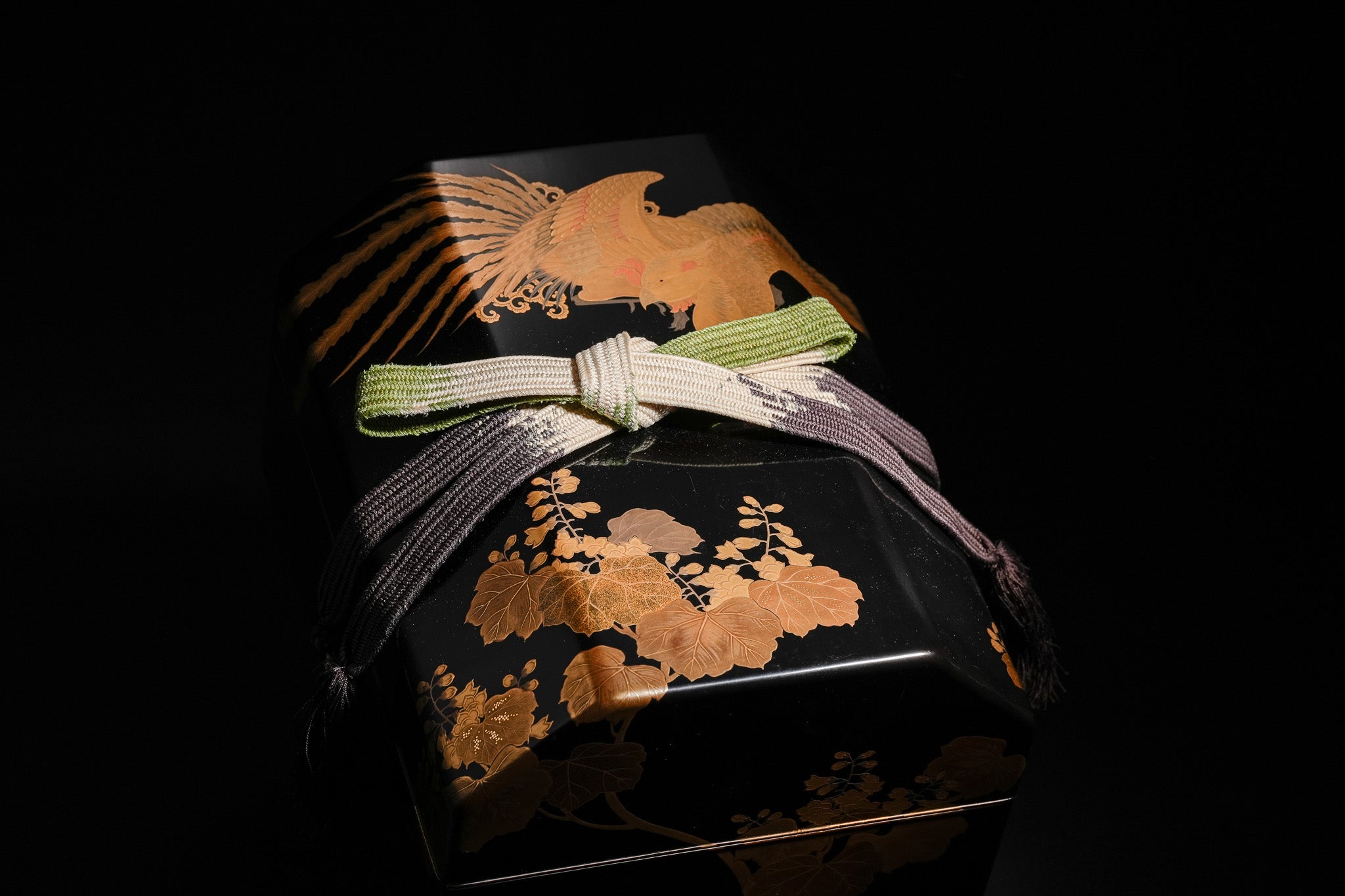
View AllEdo Period Maki-e Lacquer Drum Box with Phoenix and Paulownia, 17th-19th Century
Located in Taichung, TW
Designer's Note:
Historical Elegance: This drum box is a museum-quality example of Edo-period craftsmanship. Its presence adds an immediate sense of history and "Old World" Japanese...
Category
Antique 19th Century Japanese Edo Lacquer
Materials
Lacquer
$15,700
Free Shipping
Contemporary Maki-e Lacquer Box "Chrysanthemum" by Hsien Min Wang, 2010
Located in Taichung, TW
Designer's Note:
Luminous Centerpiece: The mirror-like black lacquer and the radiant gold/silver petals create a stunning visual contrast. This box serves as a sophisticated focal p...
Category
21st Century and Contemporary Taiwanese Lacquer
Materials
Lacquer
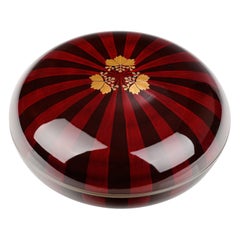
Meiji Period Paulownia Crest Maki-e Kashiki Candy Dish with Cover
Located in Taichung, TW
This Meiji period kashiki candy dish presents a graceful and dignified presence. The rounded form is finished in two deep red lacquers arranged in a radiant pattern, accented with el...
Category
Antique Late 19th Century Japanese Meiji Lacquer
Materials
Wood, Lacquer
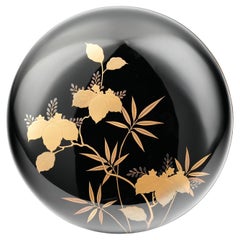
Antique Japanese Maki-e Lacquer Candy Dish with Paulownia and Bamboo Design
Located in Taichung, TW
This antique kashiki candy dish features a refined design of paulownia and bamboo executed in fine gold maki-e over a deep black lacquer ground. The paulownia is associated with puri...
Category
Antique Late 19th Century Japanese Taisho Lacquer
Materials
Lacquer
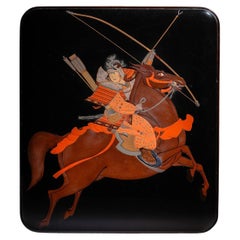
Edo Gold-Lacquer Writing Box with Samurai Warrior, Makie Suzuribako
Located in Taichung, TW
This Edo-period makie suzuribako features the legendary Heian-period general Minamoto no Yoshiie, widely known as Yawata Tarō, shown charging forward on horseback with bow drawn. Cel...
Category
Antique Mid-18th Century Japanese Edo Lacquer
Materials
Lacquer
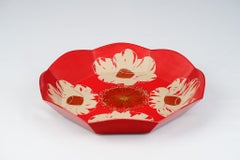
“Flower and Flower” Lacquer Serving Dish by Kobayashi Miyako
Located in Taichung, TW
“Flower and Flower” by Kobayashi Miyako is a radiant lacquer serving dish shaped like a blossoming flower. The vivid red palette and lively form immediately convey energy and joy. In...
Category
21st Century and Contemporary Japanese Lacquer
Materials
Wood, Lacquer
$2,200 Sale Price
20% Off
You May Also Like
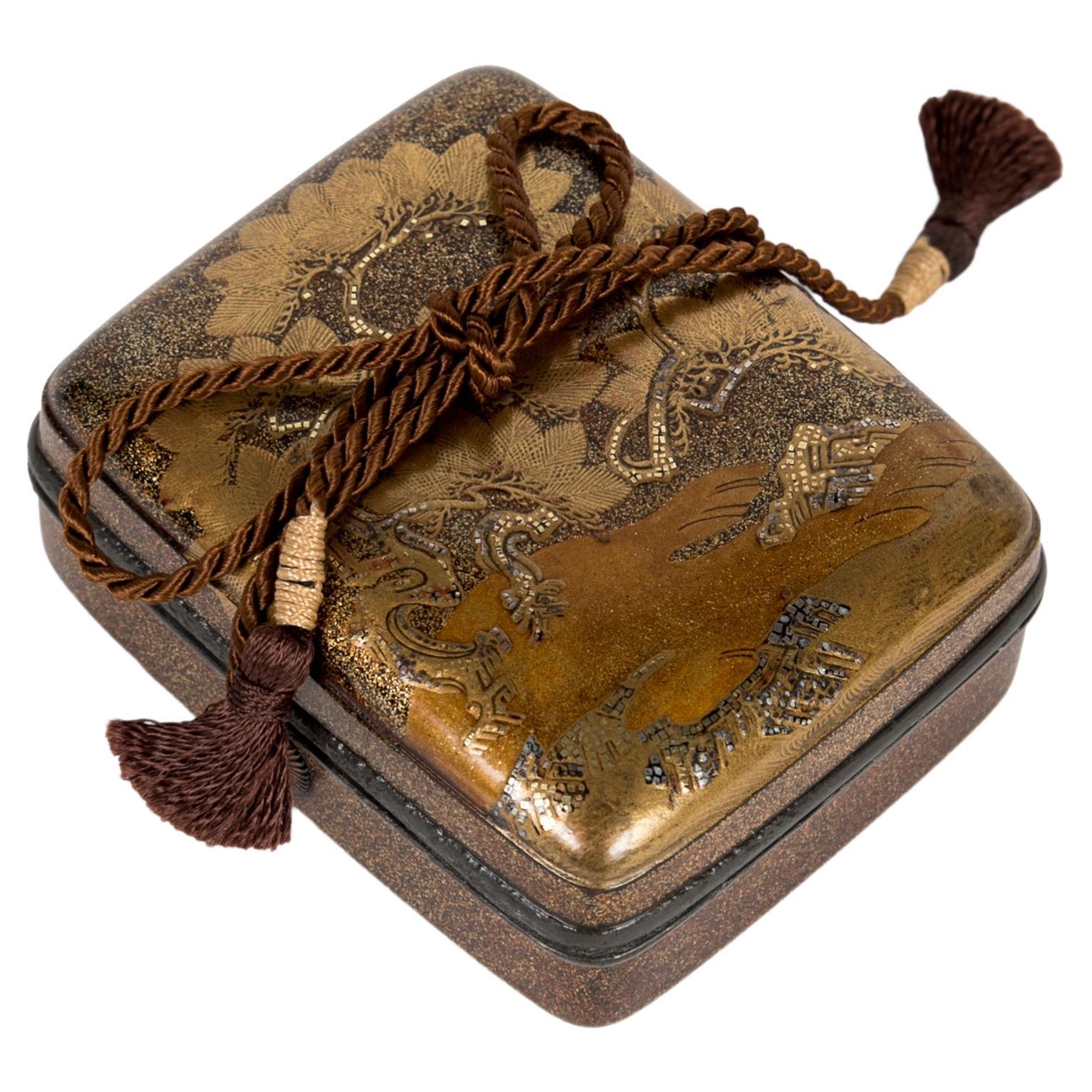
Japanese landscape pine kobako box Edo period 18th century
Located in PARIS, FR
Rectangular black and gold lacquer kobako box decorated with pine trees in a mountain landscape in takamaki-e, kirigane and hiramaki-e lacquer. Background in nashi-ji lacquer. Surmou...
Category
Antique 18th Century Japanese Lacquer
Materials
Gold
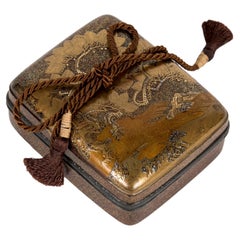
Antique Japanese Lacquered Incense Box Kobako Ex-Christie
s
Located in Atlanta, GA
An old Japanese lacquered small box likely used to contain incense powder called Kobako, circa Momoyama to early Edo period (16-17th century). The rectangular form box with a fitted ...
Category
Antique 17th Century Japanese Japonisme Lacquer
Materials
Lead
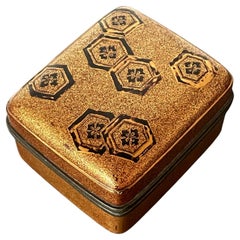
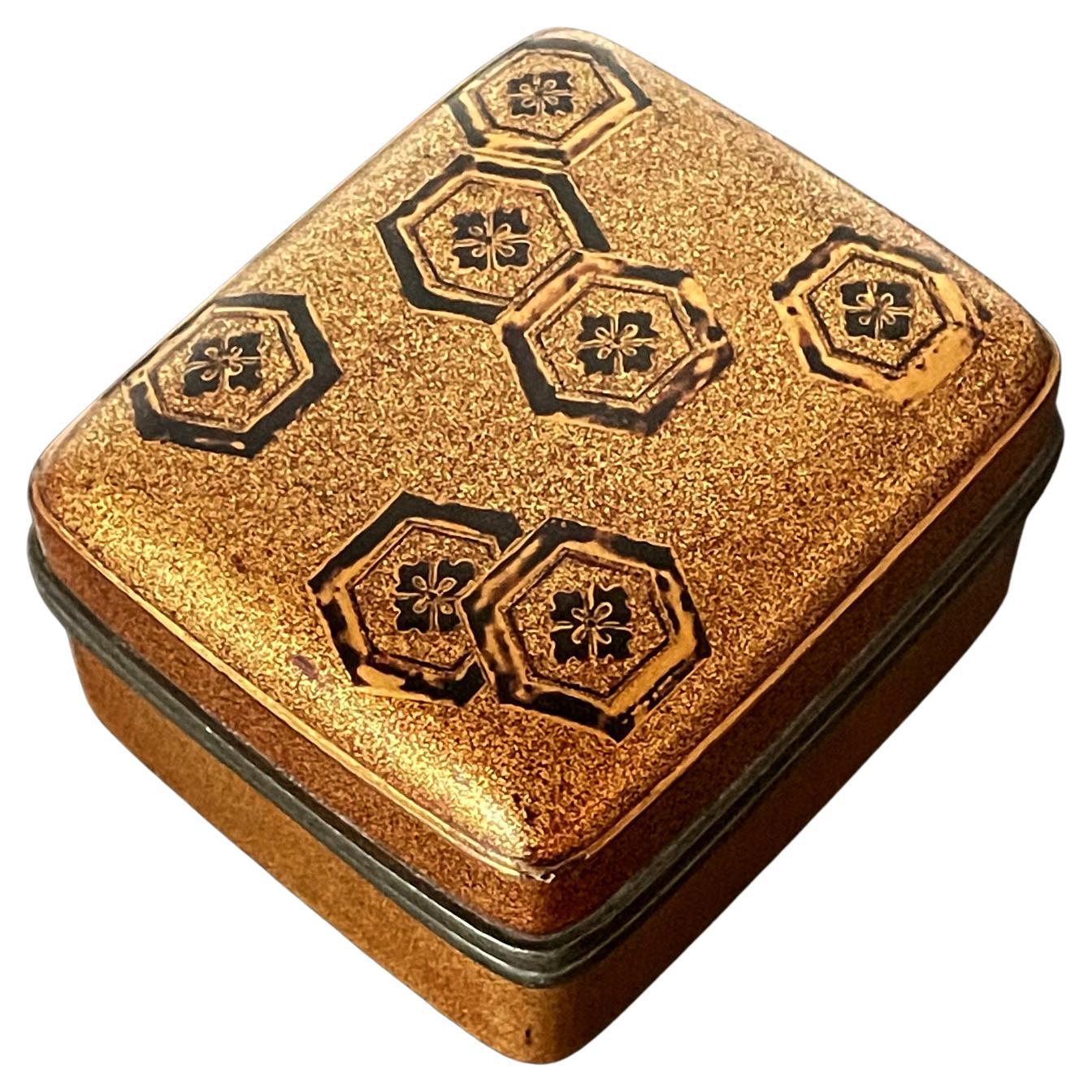
A Japanese Edo Period Lacquer Kogo (Incense) Box, late 17/early 18th Century
Located in Spencertown, NY
Early Japanese Lacquer Incense Box (Kogo) Late 17thc. Of rectangular form with soft corners, decorated with a diaper pattern in gold lacquer on a brownish black ground, with pewter r...
Category
Antique 17th Century Japanese Edo Decorative Boxes
Materials
Pewter
Japanese Lacquer Maki-E Scroll Box Fubako by Kansonsai Edo Period
Located in Atlanta, GA
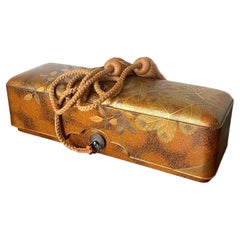
A Japanese lacquered wood fubako (a box to store document or small scroll painting) circa late 18th century of Edo period. The rectangular box features a deep lid with rounded corners and recessed mid-edge and a lower box with two bronze medallion rings and tasseled silk ties. The surface of the fubako was elaborately decorated with hiramaki-e and a low takamaki-e on a mottled Mura-nashiji background. The motifs on the lid depict branches of Japanese pine with finely rendered needles on the lower part; on the upper part, it showcases fruited persimmon branches. Two different shades of gold fundame were used to contrast the design and augmented by scattered gold kirigane to highlight some of the leaves. The design continues and cascades down to all sides of the lid as well as the walls of the box. The two bronze medallions appear original to the box and the silk ties show significant fading from the age. This Fine fubako is signed on the lower wall "Kanshosai" in Kanji with a kao mark. All the trims were finished in gold fundame and the interiors a dense nashiji in gold.
Kanshosai is the mark of the distinguished lacquer artist Lizuka Toyo I who also signed his work "Toyosai". He was active in the second half of the 18th century during Edo period, employed by Hachisuka Shigeyoshi (1738-1801), daimyo of Awa on Shikoku Island. Although most survived work bearing his marks are inros, he was also known to decorated trays and other larger objects...
Category
Antique Late 18th Century Japanese Edo Lacquer
Materials
Wood, Lacquer
19th Century Chinese Red Lacquer Box
Located in Brea, CA
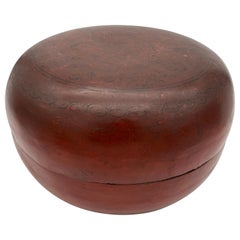
Chinese red lacquer box. Measures: 11.5 x 11.5 x 6.5 inch.
Category
Antique Late 19th Century Chinese Qing Lacquer
Materials
Lacquer
Qing Dynasty Chinese Red Lacquer Box
Located in Brea, CA
Chinese red lacquer box from Qing dynasty. Includes nine-pieces. Before in excellent condition. But when I take pictures, accidentally fell t...
Category
Antique Early 17th Century Chinese Qing Lacquer
Materials
Lacquer