Walnut Lacquer
to
3
3
1
2
38,127
436
254
116
47
2
2
2
3
3
3
Material: Walnut
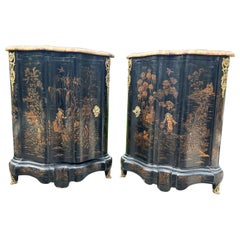
Japanese Lacquered Corner Cupboard
Located in Southall, GB
A pair of Serpentine front, early 18th Century, black lacquered corner cupboards. With thick specimen marble tops with ormorlu mounts.
Category
Early 1700s Antique Walnut Lacquer
Materials
Walnut

$20,636 / set
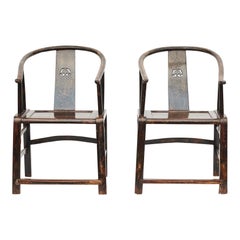
Pair of Early 19th Century Chinese
Lazy Chairs
in Walnut and Black Lacquer
Located in Kastrup, DK
Pair of 'Lazy Chairs' in walnut, black lacquer with a natural cracked wear that gives the chairs an exciting and artistic look.
Ming style, early 19th century China.
The term 'Lazy'...
Category
19th Century Chinese Ming Antique Walnut Lacquer
Materials
Walnut, Lacquer
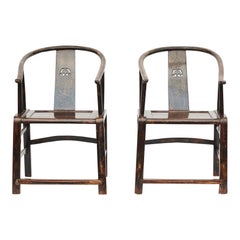
Pair of Early 19th Century Chinese
Lazy Chairs
in Walnut and Black Lacquer
Located in Kastrup, DK
Pair of 'Lazy Chairs' in walnut, black lacquer with a natural cracked wear that gives the chairs an exciting and artistic look.
Ming style, early 19th century China.
The term 'Laz...
Category
19th Century Chinese Ming Antique Walnut Lacquer
Materials
Walnut, Lacquer
Related Items
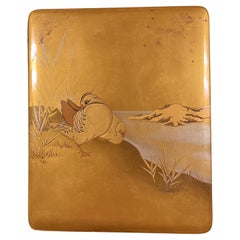
Japanese Lacquer Box with Mandarin Ducks
Located in Greenwich, CT
Japanese lacquer box with mandarin ducks motif on cover. One lacquer tray and one small lacquer plank inside the box.
Category
1930s Japanese Vintage Walnut Lacquer
Materials
Wood
Japanese Maki-e Lacquer Stacking Box, Jubako, Meiji Period, Japan
Located in Austin, TX
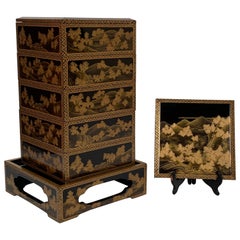
A fine and impressive Japanese gold maki-e decorated black lacquer five-tier jubako with presentation tray, two lids, and the original tomobako storage box, Meiji period, late 19th c...
Category
Late 19th Century Japanese Meiji Antique Walnut Lacquer
Materials
Lacquer
Japanese Maki-e Lacquer Stack Box Jubako
Located in Atlanta, GA
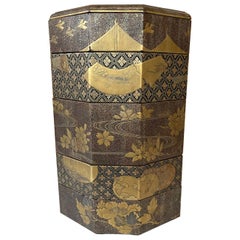
An antique jubako (stack boxes) with five tiers in an elongated octagon shape circa 19th century (end of Edo or beginning of Meiji period). jubako was traditionally used to store and...
Category
19th Century Japanese Japonisme Antique Walnut Lacquer
Materials
Wood, Lacquer
Early 19th Century Pair of Klismos Chairs, George Oakley
By George Oakley
Located in Richmond, London
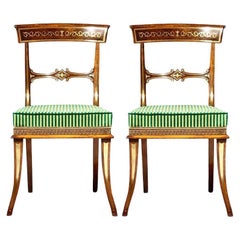
An exceptional pair of Regency period chairs, with a well-shaped 'Klismos' outline and unusually generous proportions, attributed to George Oakley of Bond Street. London, circa 1810. Extremely rare and thought after model.
Why we like them
With front legs unusually splayed in two dimensions, this design is one of the most sophisticated examples from the Regency period. Unusual in form, subtle in ornamentation, and outstanding in quality, these chairs display the decorative techniques of cabinetmaking, rather than joinery. The veneers and Greek-key brass inlays cover the seat rails and front leg joints—a highly unusual feature for chairs—demonstrating superb cabinetmaking skills and suggesting a high-end workshop origin.
Attribution:
The extremely rare ‘double-splayed’ front legs, derived from ancient Greek Klismos seats, along with exquisite brass inlays, contribute to these chairs' distinctive elegance. This form, along with certain decorative elements, aligns with other pieces traditionally attributed to George Oakley (1773–1840), one of the foremost London cabinetmakers of the period.
The scrolling foliage pattern of the inlays on the back tablets of these chairs matches the decoration on a spider-leg sofa table illustrated in F. Collard’s Regency Furniture (Woodbridge, 1987, p. 317) and Mallett’s The Age of Matthew Boulton - Masterpieces of Neo-classicism (London, 2000, pp. 112-113). This table, belonging to a group of furniture firmly attributed to Oakley, likely originates from the same workshop as these chairs. An identically decorated daybed, en suite with these chairs, appears in the same Mallett catalogue (pp. 94-95). A magnificent center table, featuring the same inlays and possibly from the same suite, was sold at Christie’s, New York, 29 January 1994, lot 342.
An identical pair of chairs is illustrated in Ronald Phillips’s Fine Antique English Furniture 2018, pp. 158-159.
George Oakley
George Oakley’s firm produced stylish Grecian-inspired furniture around the turn of the 19th century, pioneering ‘Buhl’ inlay, a decorative technique that regained popularity in the Regency’s early years. Fashionable materials like rosewood, mahogany, and calamander were often used in Oakley's furniture, combined with satinwood, ebony inlays, brass stars, and metal bands. His high-class furniture earned him a royal appointment and a reputation for fine craftsmanship.
Visits by the royal family to Oakley's Bond St. Showrooms are recorded as in the Morning Chronicle of 1799. In May, “the ROYAL FAMILY, with the PRINCE and PRINCESS of ORANGE did Mr. OAKLEY the honor of viewing his Printed Furniture...
Category
Early 19th Century British Regency Antique Walnut Lacquer
Materials
Brass
Japanese Lacquer Tray With Cards
Located in New Orleans, LA
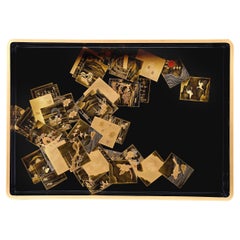
This Meiji-period lacquer tray represents the mastery of Japanese craftsmen in the art of lacquer work. Precious materials are precisely inlaid in the lacquer base, creating a highly...
Category
Late 19th Century Japanese Meiji Antique Walnut Lacquer
Materials
Gold
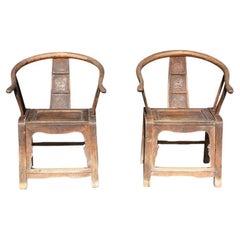
19th Century Chinese Horseshoe Round Back Chairs All Original a Pair
Located in Somis, CA
A pair of large, sold wood, all original, early 19th century Chinese Provincial Horseshoe Chairs. The solid, 2" thick, rounded crest rail is constructed with one single continuous be...
Category
Early 19th Century Chinese Ming Antique Walnut Lacquer
Materials
Wood
$1,250 Sale Price / set
50% Off
H 36 in W 27 in D 15 in
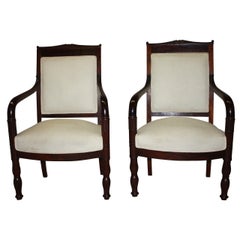
Early 19th Century Pair of Chairs
Located in Stockbridge, GA
Early 19th century pair of chairs. Built in the Restauration French period, the wood is entirely composed of mahogany, refine carved on the...
Category
Early 19th Century French Restauration Antique Walnut Lacquer
Materials
Mahogany
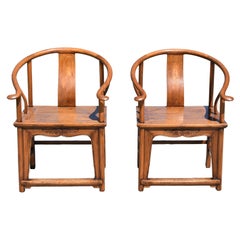
Chinese Horseshoe Chairs Oversize 19th Century
Located in Somis, CA
A pair of extra large, sold wood, 19th century Chinese Horseshoe Chairs. The solid, 2" thick, continuous rounded crest rail is composed of thre...
Category
19th Century Chinese Ming Antique Walnut Lacquer
Materials
Elm, Wood
$2,800 Sale Price / set
38% Off
H 38.5 in W 28 in D 25 in
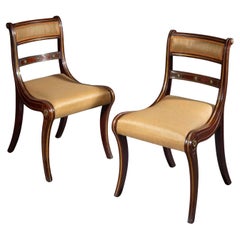
Early 19th Century Klismos Chairs
Located in Richmond, London
A pair of elegant Regency period 'Klismos' chairs, enriched with gilding and brass mounts
England, circa 1810.
Why we like them
These superb quality, wonderfully stylish Klismos ...
Category
Early 19th Century Antique Walnut Lacquer
Materials
Upholstery, Wood
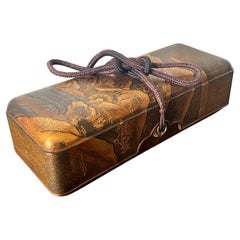
Japanese Lacquered Maki-e Fubako Edo Period
Located in Atlanta, GA
A Japanese lacquered wood fubako (a box used to store document or small scroll painting), circa second half of 19th century late Edo period. The rectangular box features an unusually deep lipped lid with slightly rounded corners, a conforming lower box that is almost entirely covered by the lid which has two bronze medallion rings with tasseled...
Category
19th Century Japanese Edo Antique Walnut Lacquer
Materials
Wood, Lacquer
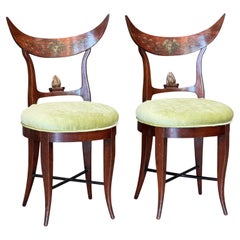
Pair of Early 19th Century German Biedermeier Chairs
Located in Charlottesville, VA
Pair of early 19th century German Beidermeier side chairs featuring curved crest rails painted with stylized female masks and vine motifs. The sculptural backs rise above generously ...
Category
Early 19th Century German Biedermeier Antique Walnut Lacquer
Materials
Fabric, Mahogany, Paint
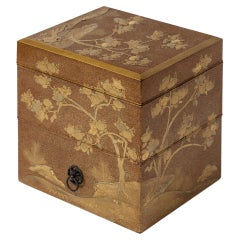
Japanese Lacquered Tebako
Box
Located in PARIS, FR
Tebako box with three compartments in golden and nashi-ji lacquer, decorated with golden, red, and kirigane lacquer, golden persimmon tree leaves, among rocks. The compartments are of increasing size from the top. The decoration is in continuity.
Persimmon has been cultivated in southern China for more than 2500 years and is believed to have been introduced to Japan in the 8th century. The veneer is a tree with very hard wood, similar to ebony. According to a legend, one specimen survived the atomic bombing of Nagasaki on August 9, 1945, close to the epicenter. It is therefore in Japan a symbol of strength and longevity. It is also the national fruit of the country. It is eaten as a traditional dish during New Year's Day celebrations.
Tebako literally means "portable box...
Category
1860s Japanese Antique Walnut Lacquer
Materials
Lacquer
Previously Available Items
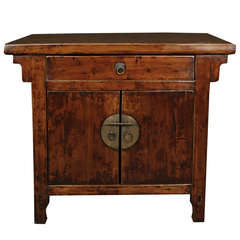
19th Century Chinese One Drawer Two Drawer Chest
Located in Chicago, IL
A wonderful cabinet from Shanxi Province, China. This cabinet features two doors below one drawer and is made of Walnut.
Category
19th Century Chinese Antique Walnut Lacquer
Materials
Walnut
Still Thinking About These?
All Recently ViewedMore Ways To Browse
Korean Mother Of Pearl
Antique Chinese Cinnabar Lacquer
Lacquer Hibachi
Chinese Lacquer Fan
Copper Hibachi
Antique Japanese Lacquer Kobako
Chinese Lacquer Board
Namban Lacquer
Antique Black Lacquer Inlay
Burmese Lacquer Trays
Japanese Laquered
Japanese Negoro Lacquer
Japanese Suzuribako
Japanese Lacquered Plates
Jubako Box
Shibayama Lacquer
Hsun Ok
Japanese Black Lacquer Abalone Inlay