Items Similar to Antique Japanese Samurai Suit of Armor, Edo Period, 18th Century
Want more images or videos?
Request additional images or videos from the seller
1 of 21
Antique Japanese Samurai Suit of Armor, Edo Period, 18th Century
$26,000
£19,817.65
€22,857.59
CA$36,927.77
A$39,682.78
CHF 21,292.11
MX$467,438.87
NOK 267,724.70
SEK 244,564.79
DKK 170,828.58
About the Item
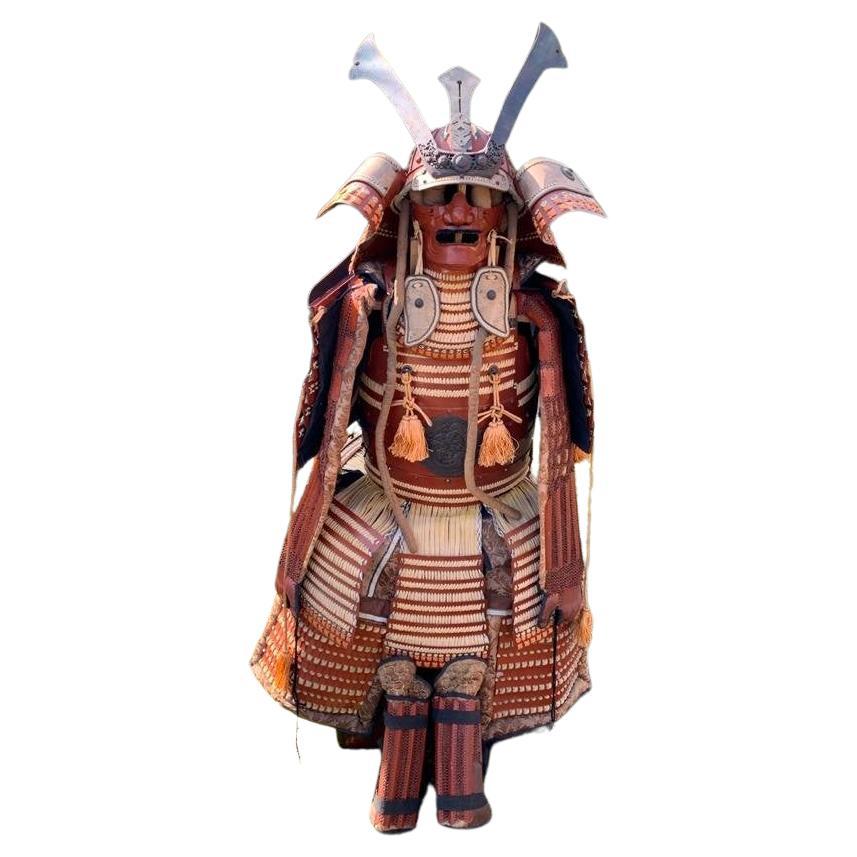
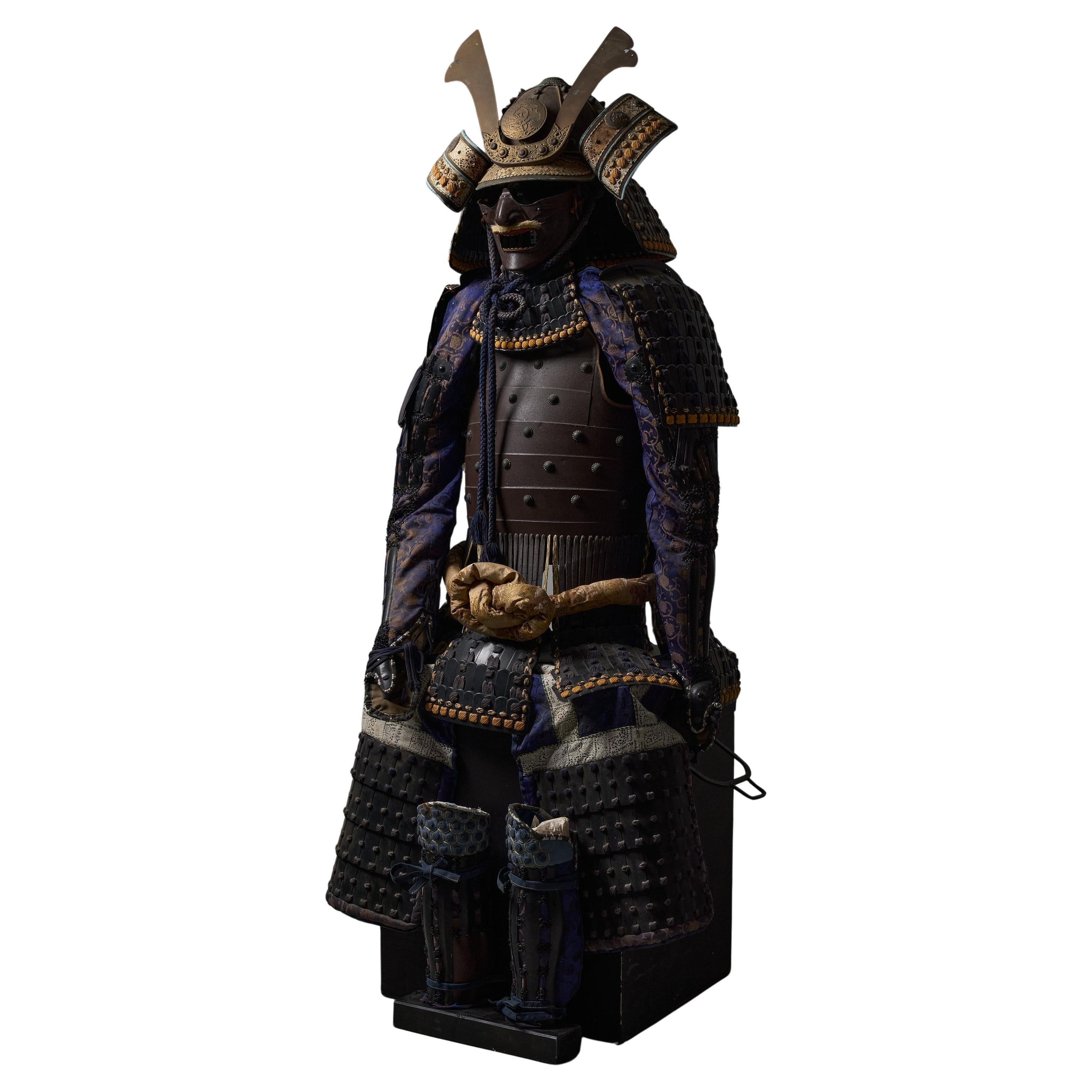
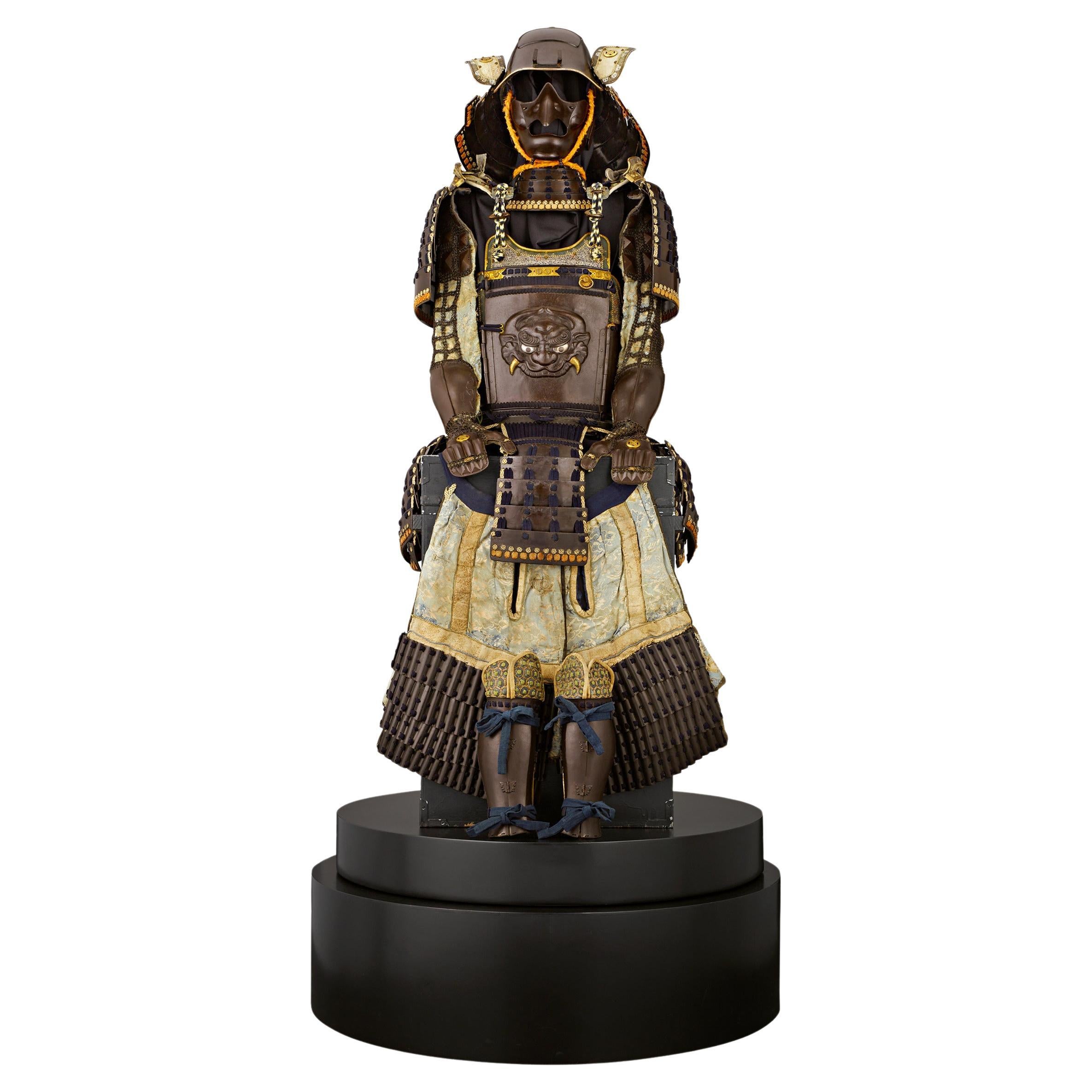
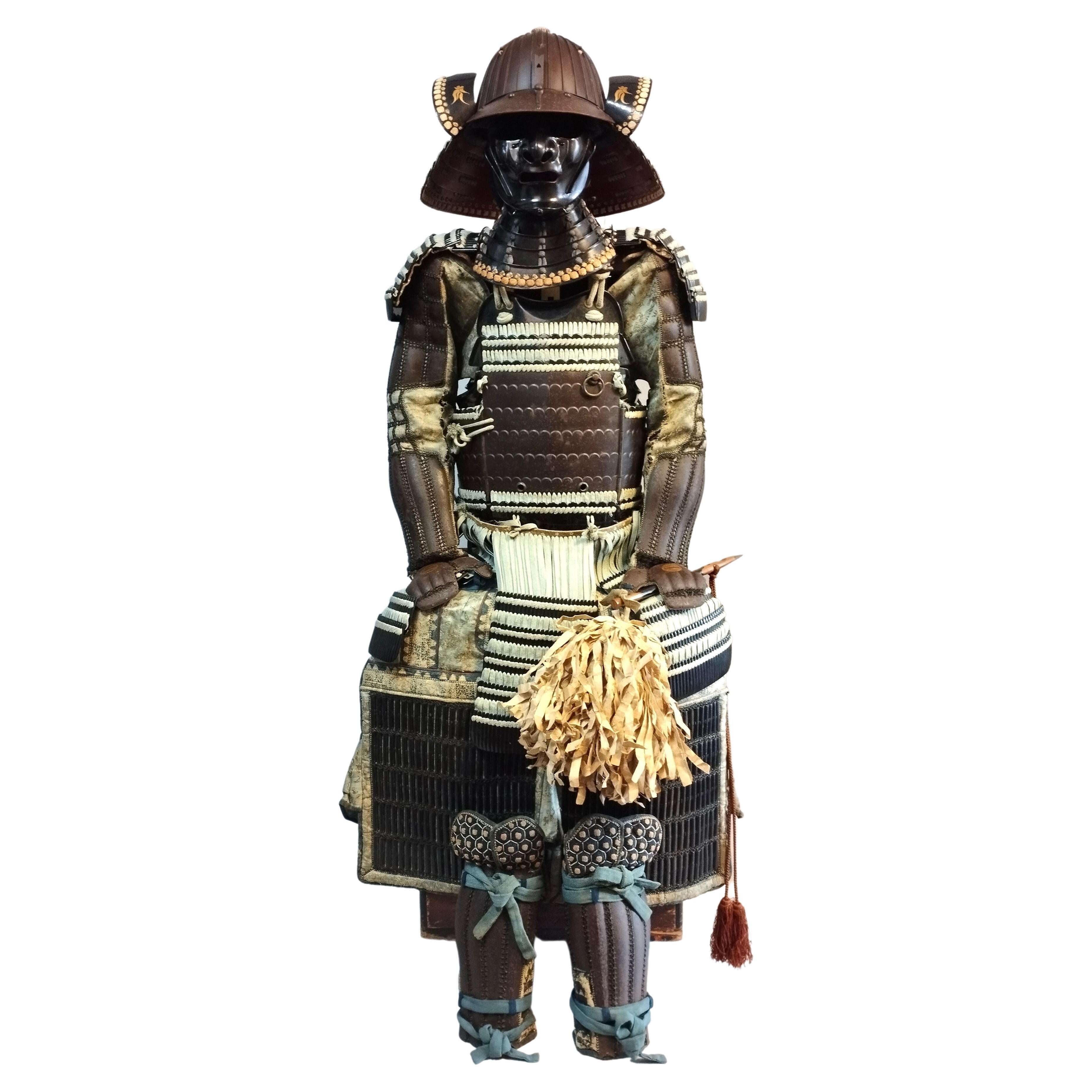
Antique Japanese Samurai Suit of Armor, Edo period, 18th century.
A complete matching set of lacquered iron work; the cuirass with dragonfly decoration and blue lacing, a Kaga school helmet having 32 plates and 415 standing rivets complete with metal crest insignias on the helmet flaps, maedate of a wood replica of red lacquered armorer’s tongs, lacquered iron throat guard and face mask with horse hair bristle mustache, lacquered iron shoulder plates, iron arm and hand guards with chain link mesh and crest detail on the hand plates. Multiple lower plates, thigh guards, shin guards, contemporary unfinished wood display stand, unusual red lacquered storage and display box on legs with iron fittings and related gold crest on the sides.
Condition: Fine, restoration of the the Japanese silk brocade backing, cord lacing and spots of lacquer.
Size: box, 29 in. x 19 in. square (73.7 x 48.3 x 48.3cm) overall, 69.5 in. x 23 in. x 20 in. (176.5 x 58.5 x 51cm)
Weight: box, 23.5 lbs. (10.7kg) Total approximately = 50 lbs. (22.68 kg)
Provenance:
Roger Dunn, Scottsdale, AZ
Susan Lapin, Houston, TX
L'Asie Exotique, Palm Springs, CA
Details of the components for this Okegawa Tosei Gusoku Armor from the 18th century.
Kabuto - Thirtytwo plate russet iron hoshi with fourhundredfifteen standing rivets, suji kabuto of Kaga manufacture (no signature), six stage gilded copper tehen kanamono, ichi manju itamono 5 plate lacquered shakuro, two maedate alternatives, an unusual long red armorer’s tongs or a black and gold colored circular crest (new).
Menpo - Iron lower face guard with separate nose piece and horse hair mustache, lacquered russet on the exterior and red on the interior, and three laced plates beneath the chin as the throat guard.
Do - Russet iron eight horizontal plates in two halves (Yokohagi Do) decorated with gold and silver dragonfly designs, black lacquered top metal flanges with gold crests of the bars within a circle crest and the Tokugawa paulownia leaf crest, eight tassets of five lacquered plates laced to the bottom of the cuirass (gawa kusazuri).
Sode - Six plate lacquered iron shoulder guards of itamono chu sode style.
Kote - Lacquered iron shino gote style sleeves.
Haidate - Lacquered iron kawara haidate.
Suneate - Large bishamon style lacquered iron shin guards with matching silk brocade and leather trim.
Yoroi Bitsu - Unusually tall armor box in the Chinese style (kanga) with top lid and splayed feet, a utility drawer at the bottom, red lacquered wood with gold crests and front character, decorative iron fittings for the locks and corners. This type of box was not carried on a pole by two retainers as most are but is of the type that would have been carried by one man via padded leather belts and shoulder straps, that would have been hooked onto the buckles on the front of this box, as well as cords that would have been strung through the base and hardware of the back of the box.
Mon - The three bars within a circle crest is referred to as “Maru-ni-mitsuhikiryo” (circle with brushstrokes) and is attributed as being the crest used by the Ashina clan, a branch of the Miura clan, established back in the Sengoku period (1454 - 1573). This crest is found on this armor set on the helmet, the cuirass, the hand plates and on three sides of the armor box.
- Dimensions:Height: 69.5 in (176.53 cm)Width: 23 in (58.42 cm)Depth: 20 in (50.8 cm)
- Style:Edo (Of the Period)
- Materials and Techniques:Brocade,Cedar,Cord,Cotton,Fabric,Foil,Gold Leaf,Hide,Iron,Lacquer,Leather,Metal,Silk,Silver,Textile,Wood,Appliqué,Blackened,Brushed,Burnished,Cold-Painted,Dyed,Embossed,Embroidered,Engraved,Etched,Forged,Gilt,Hand-Crafted,Hand-Knotted,Hand-Painted,Hand-Woven,Inlay,Lacquered,Metalwork,Painted,Polished,Repoussé,Welded,Woodwork
- Place of Origin:
- Period:
- Date of Manufacture:18th Century
- Condition:Repaired: Fine, restoration of the the Japanese silk brocade backing, cord lacing and spots of lacquer. Wear consistent with age and use.
- Seller Location:Point Richmond, CA
- Reference Number:Seller: TM-CZ040061stDibs: LU1778247657962
About the Seller
5.0
Vetted Professional Seller
Every seller passes strict standards for authenticity and reliability
Established in 1999
1stDibs seller since 2015
738 sales on 1stDibs
Typical response time: 1 hour
- ShippingRetrieving quote...Shipping from: Palm Springs, CA
- Return Policy
More From This Seller
View AllJapanese Boy
s day display suit of armor
Located in Point Richmond, CA
Antique Japanese miniature model of a suit of armor made for the Boy’s day display. Constructed of a lacquered paper cuirass, upper arm guar...
Category
Antique 1850s Japanese Edo Sculptures and Carvings
Materials
Textile, Wood, Lacquer, Paper
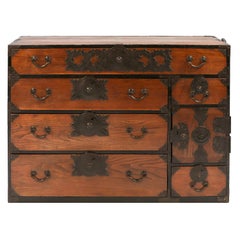
Antique Ceremonial Dress and Sword Tansu, Sendai, Japan
Located in Point Richmond, CA
Antique ceremonial dress and sword tansu, Sendai, Japan
Guaranteed to be authentic as described.
Category
Early 20th Century Japanese Furniture
Materials
Iron
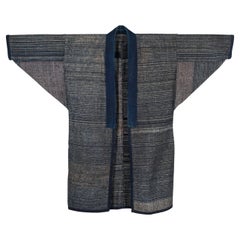
Antique Japanese Recycled Zanshiori Jacket
Located in Point Richmond, CA
Antique Japanese Recycled Zanshiori Jacket
Zanshi-ori cloth is woven from leftover cotton and silk threads, either from commercial kimono production or from home-produced recycled y...
Category
Early 20th Century Japanese Taisho Tribal Art
Materials
Cotton, Silk
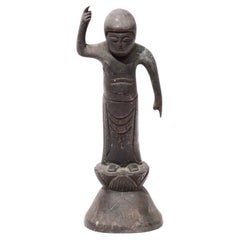
Japanese bronze image of Tanjo no Shaka
Located in Point Richmond, CA
Japanese bronze image of Tanjo no Shaka, the infant Buddha (Shakyamuni), a standing figure with the right hand pointing towards heaven and the left hand pointing toward earth, costum...
Category
Antique 1850s Japanese Edo Metalwork
Materials
Bronze
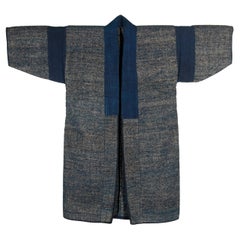
Antique Japanese Recycled Saki-Ori Farmer’s Jacket
Located in Point Richmond, CA
Antique Japanese Recycled Saki-Ori Farmer’s Jacket
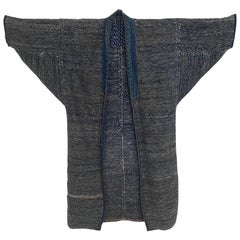
This early 20th C farmer’s jacket from the northern Japan sea coast region was strip woven from repurposed cotton scraps in a tech...
Category
Early 20th Century Japanese Taisho Tribal Art
Materials
Cotton
Saki-Ori Farmers Coat, Northern Japan, Meiji Period
Located in Point Richmond, CA
Saki-ori farmers coat, Northern Japan, Meiji period
A very heavy and substantial saki-ori coat, made of cotton with an indigo kasuri lapel. Several patches of hand sewn stitching ...
Category
20th Century Japanese Meiji Textiles
Materials
Cotton
You May Also Like
Japanese Red Samurai Armour Beginning of Meiji period 1900s
Located in Paris, FR
This is an armour of samurai. It was made around 1900s in Meiji era. This armour was not used in actual war so it was made as decoration, because of that, it is in good condition as its age.
There are some scratches and missing parts, if you need some more information, please let us know, we will respond you as soon as possible and send more photos.
This armour can be folded in a box. The box is getting damaged so it is not in good condition. We might send this armour in other box.
Dimensions: 50 x 50 x H170 cm
Scholars agree that Japanese armour first appeared in the 4th century, with the discovery of the cuirass and basic helmets in graves. During the Heian period, the unique Japanese samurai...
Category
Antique Early 1900s Japanese Meiji Antiquities
Materials
Metal, Iron
Samuraï armor
Located in Brussel, BE
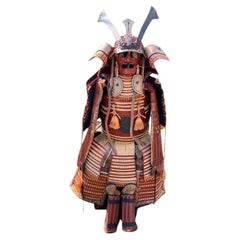
Amazing and unique Samuraï armor.
End of XIXth century, early XXth century.
Nimai do Okegawa gusoku (2 plate with barrel form cuirasse armor).
Composed o...
Category
Antique Late 19th Century Japanese Japonisme Antiquities
Materials
Iron
$29,585
Edo Period Samurai Suit Of Armor
Located in New Orleans, LA
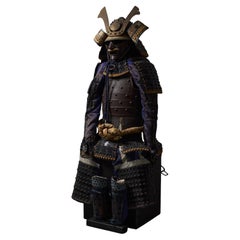
This exquisite Tetsusabiji Uchidashi Gomai Dou Gusoku (Five-Plate Russet Iron Embossed Cuirass Armor), crafted in the 18th century, exemplifies the pinnacle of Edo-period samurai arm...
Category
Antique 18th Century Asian Edo Arms, Armor and Weapons
Materials
Copper, Iron
$188,500
Rare Antique Original high Ranking Edo period Samurai armor Yoroi Japan Daimyō
Located in Ijzendijke, NL
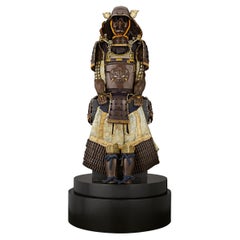
This complete Edo-period samurai armor is an exceptional example of the refined martial elegance and ceremonial grandeur associated with Japan’s warrior aristocracy. Every component reflects a precise harmony of functionality, symbolism, and prestige.
At the heart of the set is a superb suji-bachi kabuto, constructed from multiple riveted iron plates arranged with flawless symmetry and enriched by a beautifully aged patina. It is crowned with a gilt tehen no kanamono, and the imposing maedate presents a pair of antler-like blades framing a gilded sun disc an emblem of celestial authority and divine lineage.
The Fukigaeshi feature extraordinary gilt dragon ornaments, carved in high relief. Dragons, ancient symbols of protection and power, were reserved for armor of the highest rank, strongly indicating that this set belonged to a Daimyō or high-ranking retainer.
The menpō, lacquered in deep black, includes a natural-hair moustache and an articulated jaw (resseibō), lending the face a vivid sense of character. Below it, the shikoro is composed of finely lacquered blue-and-gold plates, meticulously laced with silk.
The okegawa ni-mai dō cuirass is finished in a dark brown lacquer and laced in deep indigo silk, complemented by elegant orange ceremonial tassels a hallmark of formal presentation armor. The sode (shoulder guards) retain their rare bear-fur trimming, an expensive and status-laden material symbolizing courage and noble rank.
Completing the ensemble are beautifully made kote, haidate, and suneate, each executed with rich fabrics and refined lacquer work. A butterfly mon (chō-mon) appears on the leg guards an elegant symbol of transformation, adding a poetic contrast to the armor’s martial presence.
The extensive use of gilding, the rare bear-fur details, and the prominent dragon motifs confirm this as a piece created for the highest echelons of samurai society. It is a masterpiece where ceremonial artistry, symbolism, and authority converge.
Artistic and Historical Significance
This armor epitomizes the Edo-period ideal, when arms and armor transcended their battlefield origins and became expressions of identity, dignity, and cultural refinement. The interplay of dark lacquer, golden ornamentation, and natural materials embodies the spirit of bushidō discipline, inner strength, and beauty through restraint.
Whether displayed in a private collection, gallery, office, or interior setting, this armor commands attention. Its presence transforms any space, making it a truly museum-worthy centerpiece for collectors of Japanese, military, or historical art.
The set includes its traditional stand and storage box. As with all antique armor...
Category
Antique 17th Century Japanese Japonisme Antiquities
Materials
Metal
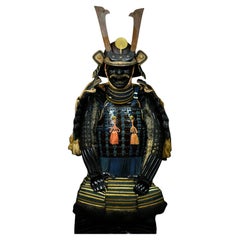
18th Century Hirate Clan Samurai Armor with Signed Kabuto Helmet
Located in Fukuoka, JP
This is a truly exceptional set of 18th century Samurai armor that is sure to impress any collector or enthusiast. The patinated iron used in its construction has aged beautifully, giving the armor a truly unique appearance that is sure to catch the eye. The brocade silk and cotton padding used to line the armor not only provide a comfortable fit for the wearer, but also add an extra layer of decorative flair.
One of the most striking features of this armor is the crests of the Hirate samurai clan that adorn it. These crests are a symbol of the clan's identity and heritage, and their presence on the armor speaks to the deep connection between samurai warriors and the clans they belonged to.
The Kabuto...
Category
Antique 18th Century Japanese Antiquities
Materials
Iron
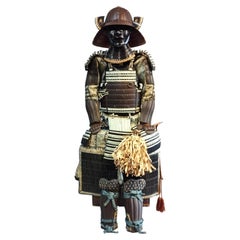
A Tosei Gusoku (Samurai
s Armour), 17th Century
Located in Roma, IT
Belonging to the period 1603-1867, most likely between the end of 17th and the beginning of 18th Century, this beautiful armour is a 32-plate suji kabuto made of brown-lacquered iron...
Category
Antique 17th Century Japanese Figurative Sculptures
Materials
Metal, Iron