Items Similar to Suit of Red Lacquer Japanese Fighting Armor of the Late Edo Period
Want more images or videos?
Request additional images or videos from the seller
1 of 11
Suit of Red Lacquer Japanese Fighting Armor of the Late Edo Period
$5,200
$6,50020% Off
£3,930.60
£4,913.2520% Off
€4,508.56
€5,635.7020% Off
CA$7,249.01
CA$9,061.2720% Off
A$7,891.14
A$9,863.9320% Off
CHF 4,188.62
CHF 5,235.7820% Off
MX$94,947.43
MX$118,684.2920% Off
NOK 53,075.54
NOK 66,344.4220% Off
SEK 48,632.19
SEK 60,790.2420% Off
DKK 33,669.65
DKK 42,087.0620% Off
About the Item
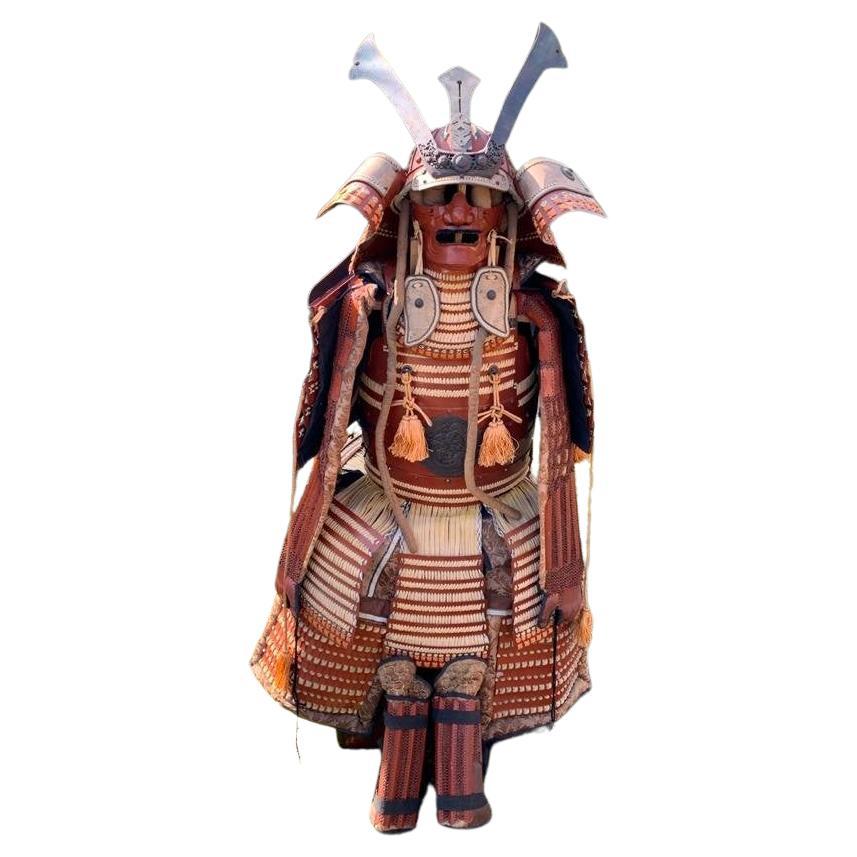
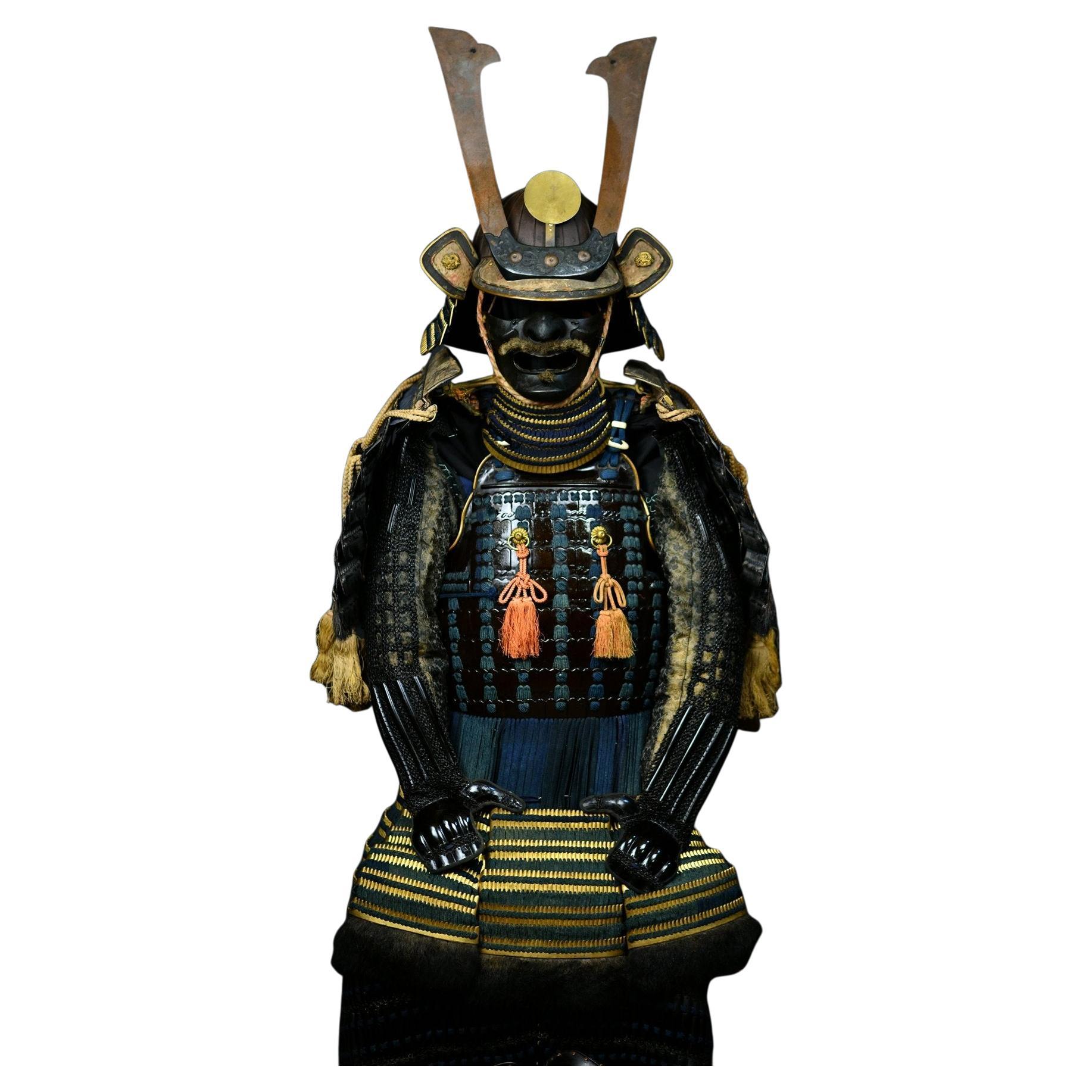
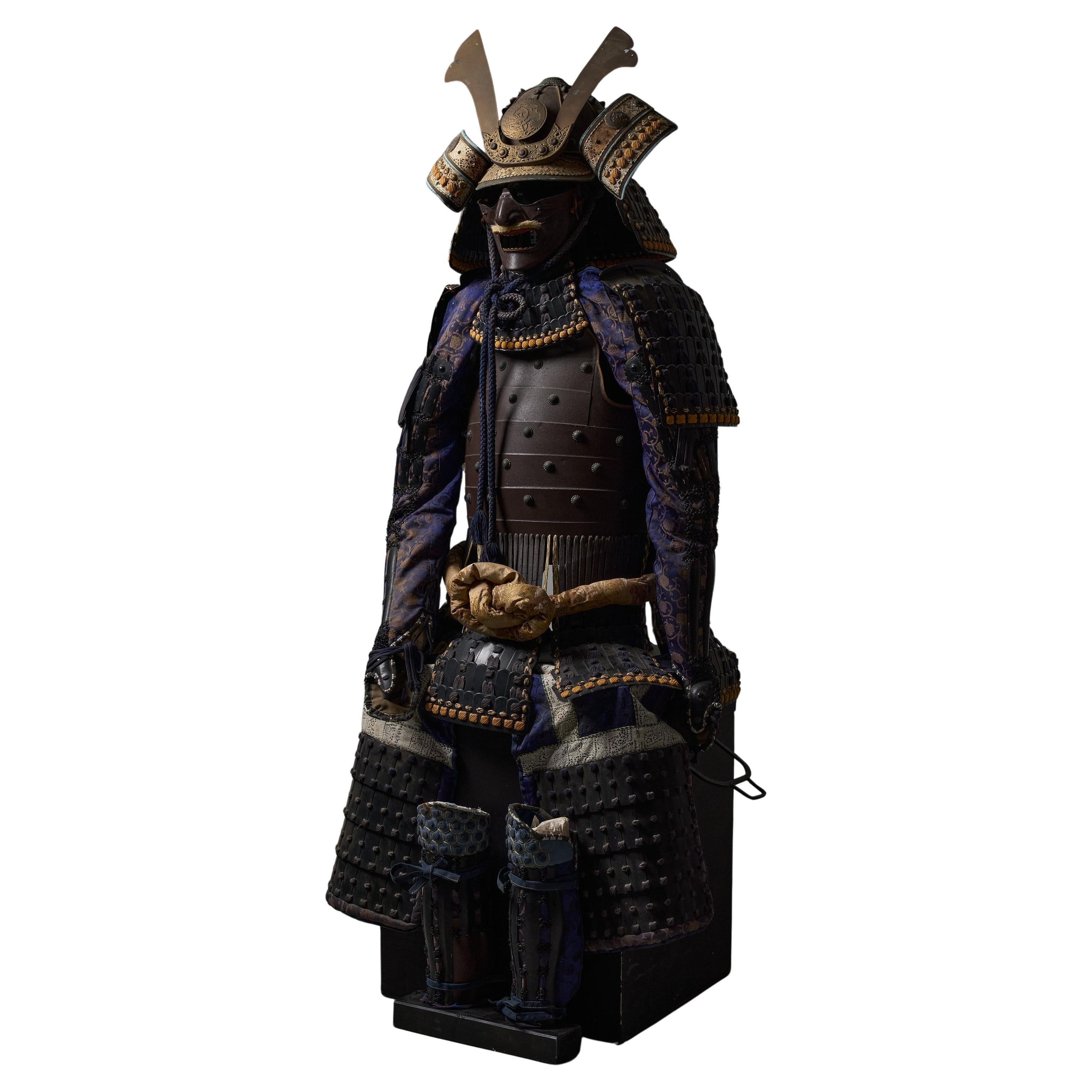
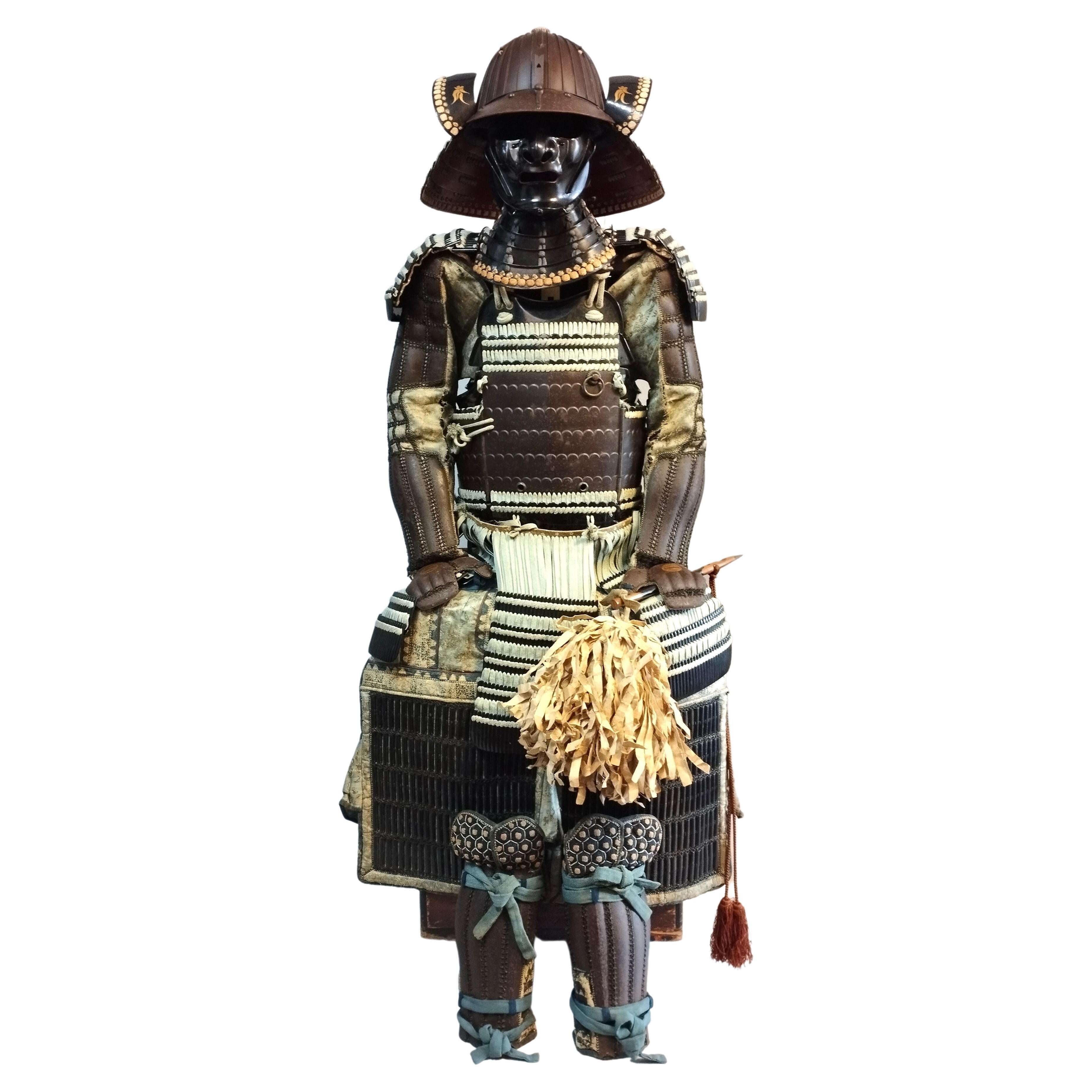
Suit of red lacquer Japanese fighting armour of the late Edo period, (1716-1868). Desirable coral red lacquer is original and unrestored.
Composed of a helmet, (Kabuto) breast plate (Do) and shoulder, arm protection (chainmail). Displayed with a later recreation expressive face plate of modern manufacture (nose, mustache). Also displayed with (photos 3
4) a period red lacquer partial face plate (Hambo) with replacement throat guards. All of the assembled parts are of same age, quality and color.
Old silk and linen sleeve and helmet linings decayed or shredding.
The Meiji period wood or lacquer three leg temple stand is display and not included.
Very original unrestored lacquer surfaces with old scars chips and losses.
- Dimensions:Height: 44 in (111.76 cm)Width: 18 in (45.72 cm)Depth: 14 in (35.56 cm)
- Materials and Techniques:
- Place of Origin:
- Period:
- Date of Manufacture:1800-1850
- Condition:Minor losses. Minor structural damages. Minor fading. A composite suit of antique japanese fighting armor in unrestored condition. Assembles and displays well over a wooden display frame.
- Seller Location:San Francisco, CA
- Reference Number:1stDibs: 1409151049441
About the Seller
5.0
Vetted Professional Seller
Every seller passes strict standards for authenticity and reliability
Established in 1977
1stDibs seller since 2014
125 sales on 1stDibs
- ShippingRetrieving quote...Shipping from: San Francisco, CA
- Return Policy
More From This Seller
View AllJapanese Bronze and Champ Leve Censer
Located in San Francisco, CA
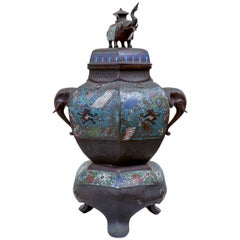
Japanese bronze and champleve censer jar. Large elephant handles and a standing elephant finial on the top lid. Six hexagonal sides. Bronze with fine ...
Category
Early 20th Century Japanese Qing Metalwork
Materials
Bronze
$1,950 Sale Price
31% Off
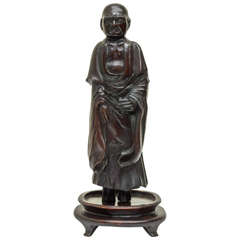
Early 18th Century Chinese Qing Period Carved Lohan Figure
Located in San Francisco, CA
Early 18th century Chinese Qing period carved Lohan figure in draped robes. Very finely carved heavy dark rosewood. The aged surface patina with tight gra...
Category
Antique Early 18th Century Chinese Qing Sculptures
Materials
Rosewood
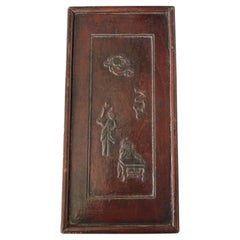
Early 20th Century Chinese Red Lacquer Decorated Box
Located in San Francisco, CA
Early 20th century Chinese Red Lacquer decorated box. Relief carved top panel of an attendant and scholar. Fine finger joints on the box and lid. Inside top of the lid having Chinese...
Category
Early 20th Century Chinese Chinese Export Decorative Boxes
Materials
Wood, Lacquer
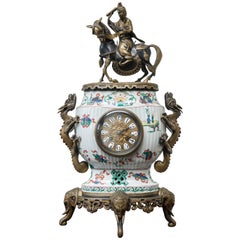
19th Century, French Clock in the Chinoiserie Style
Located in San Francisco, CA
19th century, French clock In the Chinoiserie style. An 8 day pendulum movement that bell strikes on the hour and half hour. Chinese porcelain body in the Kang His style by Samson. T...
Category
Antique Late 19th Century French Chinoiserie Table Clocks and Desk Clocks
Materials
Bronze
$4,950 Sale Price
20% Off
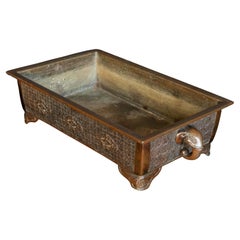
Japanese Meiji Period Bronze Incense Holder / Jardiniere
Located in San Francisco, CA
Japanese Meiji Period Bronze Incense Holder / Jardiniere. A substantial incense holder in the Chinese Ming style. Sides and bottom covered in a r...
Category
Antique Late 19th Century Japanese Ming Planters, Cachepots and Jardinières
Materials
Bronze
19th Century Anglo-Chinese Carved Teak and Inlaid Stand, circa 1880
Located in San Francisco, CA
19th century Anglo-Chinese carved teak and inlaid stand, circa 1880
From the China Trade, clipper ship, period. Very in vogue and exotic decor popular in Europe and America in the late 19th century. Ornately carved and inlaid decoration. Boxwood and bone inlays on the top and legs. A "tour de force" Chinese pavilion...
Category
Antique 1860s Chinese Chinese Export Furniture
Materials
Bone, Boxwood, Teak
You May Also Like
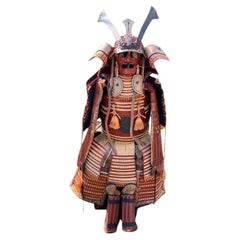
Japanese Red Samurai Armour Beginning of Meiji period 1900s
Located in Paris, FR
This is an armour of samurai. It was made around 1900s in Meiji era. This armour was not used in actual war so it was made as decoration, because of that, it is in good condition as its age.
There are some scratches and missing parts, if you need some more information, please let us know, we will respond you as soon as possible and send more photos.
This armour can be folded in a box. The box is getting damaged so it is not in good condition. We might send this armour in other box.
Dimensions: 50 x 50 x H170 cm
Scholars agree that Japanese armour first appeared in the 4th century, with the discovery of the cuirass and basic helmets in graves. During the Heian period, the unique Japanese samurai...
Category
Antique Early 1900s Japanese Meiji Antiquities
Materials
Metal, Iron
Antique Japanese Samurai Suit of Armor, Edo Period, 18th Century
Located in Point Richmond, CA
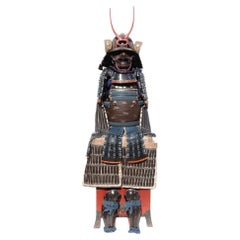
Antique Japanese Samurai Suit of Armor, Edo period, 18th century.
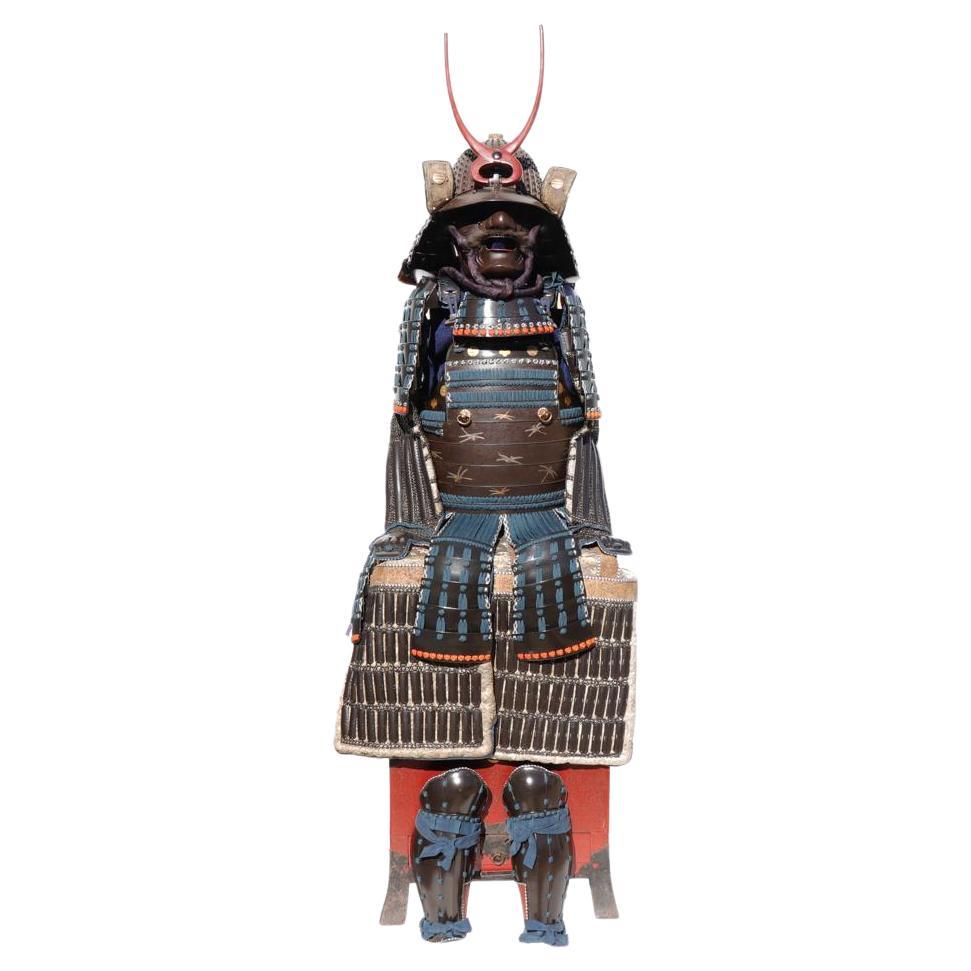
A complete matching set of lacquered iron work; the cuirass with dragonfly decoration and blue lacing, a Kaga schoo...
Category
Antique 18th Century Japanese Edo Metalwork
Materials
Gold Leaf, Silver, Foil, Iron, Metal
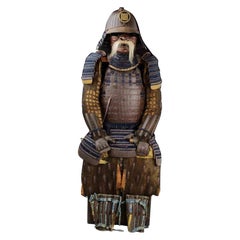
A Tosei Gusoku (Samurai
s Armour), 17th Century
Located in Roma, IT
Belonging to the period 1603-1867, most likely between the end of 17th and the beginning of 18th Century, this beautiful armour is a 32-plate suji kabuto made of brown-lacquered iron...
Category
Antique 17th Century Japanese Figurative Sculptures
Materials
Metal, Iron
$20,159 Sale Price
30% Off
Rare Antique Original high Ranking Edo period Samurai armor Yoroi Japan Daimyō
Located in Ijzendijke, NL
This complete Edo-period samurai armor is an exceptional example of the refined martial elegance and ceremonial grandeur associated with Japan’s warrior aristocracy. Every component reflects a precise harmony of functionality, symbolism, and prestige.
At the heart of the set is a superb suji-bachi kabuto, constructed from multiple riveted iron plates arranged with flawless symmetry and enriched by a beautifully aged patina. It is crowned with a gilt tehen no kanamono, and the imposing maedate presents a pair of antler-like blades framing a gilded sun disc an emblem of celestial authority and divine lineage.
The Fukigaeshi feature extraordinary gilt dragon ornaments, carved in high relief. Dragons, ancient symbols of protection and power, were reserved for armor of the highest rank, strongly indicating that this set belonged to a Daimyō or high-ranking retainer.
The menpō, lacquered in deep black, includes a natural-hair moustache and an articulated jaw (resseibō), lending the face a vivid sense of character. Below it, the shikoro is composed of finely lacquered blue-and-gold plates, meticulously laced with silk.
The okegawa ni-mai dō cuirass is finished in a dark brown lacquer and laced in deep indigo silk, complemented by elegant orange ceremonial tassels a hallmark of formal presentation armor. The sode (shoulder guards) retain their rare bear-fur trimming, an expensive and status-laden material symbolizing courage and noble rank.
Completing the ensemble are beautifully made kote, haidate, and suneate, each executed with rich fabrics and refined lacquer work. A butterfly mon (chō-mon) appears on the leg guards an elegant symbol of transformation, adding a poetic contrast to the armor’s martial presence.
The extensive use of gilding, the rare bear-fur details, and the prominent dragon motifs confirm this as a piece created for the highest echelons of samurai society. It is a masterpiece where ceremonial artistry, symbolism, and authority converge.
Artistic and Historical Significance
This armor epitomizes the Edo-period ideal, when arms and armor transcended their battlefield origins and became expressions of identity, dignity, and cultural refinement. The interplay of dark lacquer, golden ornamentation, and natural materials embodies the spirit of bushidō discipline, inner strength, and beauty through restraint.
Whether displayed in a private collection, gallery, office, or interior setting, this armor commands attention. Its presence transforms any space, making it a truly museum-worthy centerpiece for collectors of Japanese, military, or historical art.
The set includes its traditional stand and storage box. As with all antique armor...
Category
Antique 17th Century Japanese Japonisme Antiquities
Materials
Metal
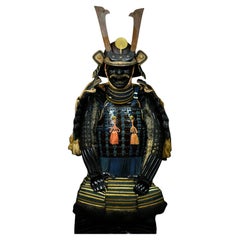
Samuraï armor
Located in Brussel, BE
Amazing and unique Samuraï armor.
End of XIXth century, early XXth century.
Nimai do Okegawa gusoku (2 plate with barrel form cuirasse armor).
Composed o...
Category
Antique Late 19th Century Japanese Japonisme Antiquities
Materials
Iron
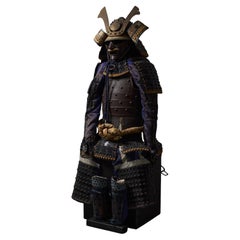
$29,998
18th Century Hirate Clan Samurai Armor with Signed Kabuto Helmet
Located in Fukuoka, JP
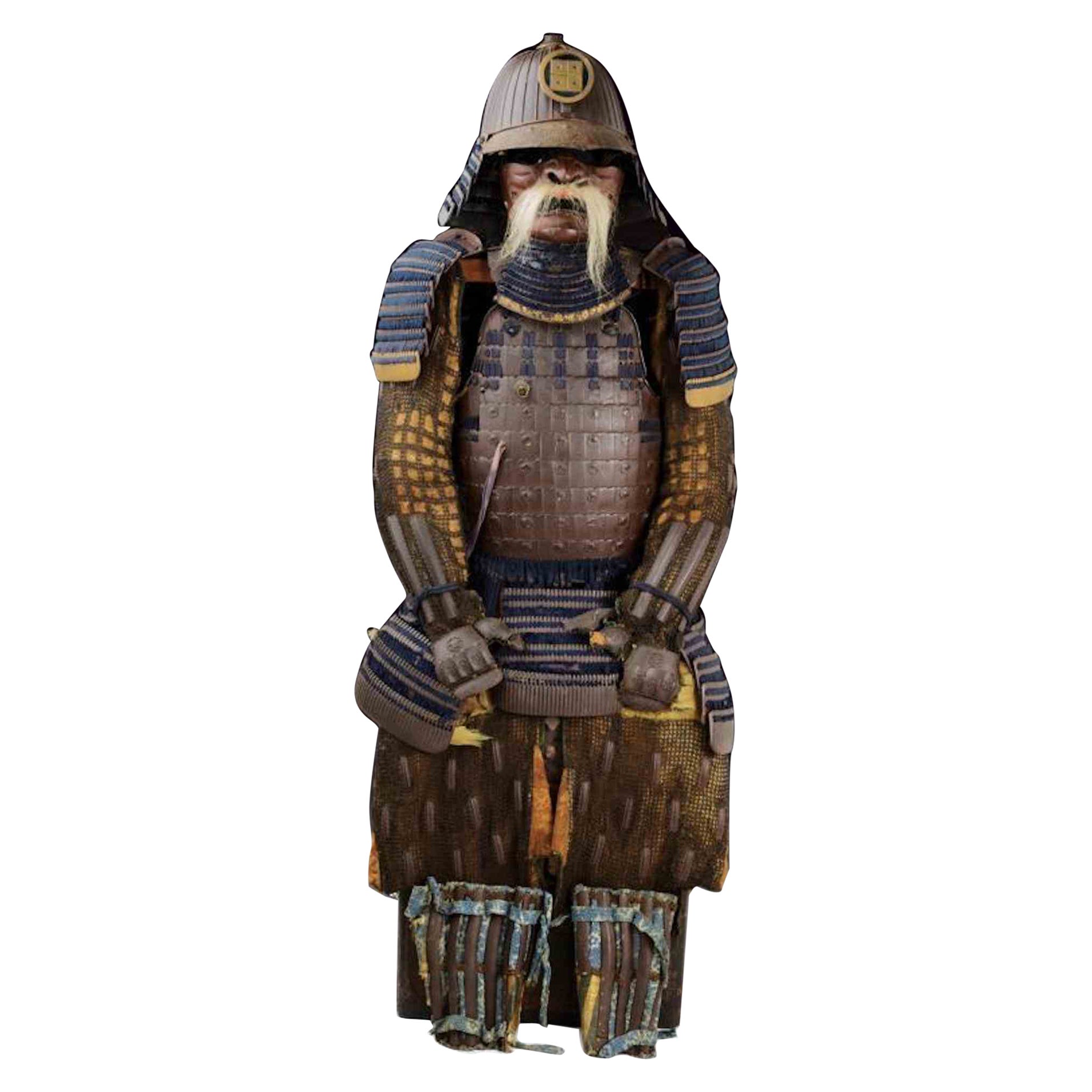
This is a truly exceptional set of 18th century Samurai armor that is sure to impress any collector or enthusiast. The patinated iron used in its construction has aged beautifully, giving the armor a truly unique appearance that is sure to catch the eye. The brocade silk and cotton padding used to line the armor not only provide a comfortable fit for the wearer, but also add an extra layer of decorative flair.
One of the most striking features of this armor is the crests of the Hirate samurai clan that adorn it. These crests are a symbol of the clan's identity and heritage, and their presence on the armor speaks to the deep connection between samurai warriors and the clans they belonged to.
The Kabuto...
Category
Antique 18th Century Japanese Antiquities
Materials
Iron