Ghanaian Asian Art and Furniture

to
3
3
2
3
1
1
2
1
1
95
17,206
12,857
6,960
5,197
3
3
3
Place of Origin: Ghanaian
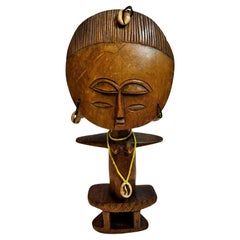
Ashanti Akua’ba Fertility Doll Ghana African Tribal Art Ethnographic Sculpture
Located in Moreno Valley, CA
Antique Ashanti Akua’ba Fertility Doll, Ghana – African Tribal Art, Ethnographic Sculpture A rare Ashanti (Asante) Akua’ba fertility doll from Ghana, hand-carved in wood and steeped in cultural and spiritual symbolism. This traditional African fertility figure...
Category

20th Century Ghanaian Asian Art and Furniture

Materials

Wood

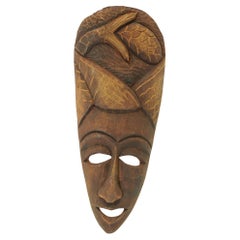
African Wood Decorative Mask Wall Sculpture
Located in Moreno Valley, CA
Vintage African Wood Decorative Mask, hand-carved African mask from Ghana of a smiling lady face with a nice hairdo. African mask, hand-carved wood wall sculpture decoration. The Afr...
Category

Late 20th Century Folk Art Ghanaian Asian Art and Furniture

Materials

Wood

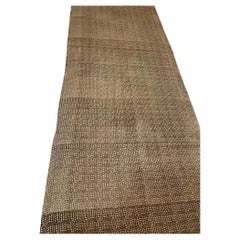
African Batik Cloth Natural Hand-woven Hand-Printed Cotton Fabric Ghana 10 Yards
Located in Moreno Valley, CA
African Batik Cloth Natural Hand-woven Hand-Printed Cotton Fabric Ghana 10 yards. Colors are organic earth tone beige and light brown in geometric design. Non waxed fabric circa 1950s. Hand made in Ghana Africa. Museum Quality Original Long Piece. 380 inches, (30 ft 10 yards Long) x 46 inches Inches Wide( 4ft). Could be use to make pillows or upholstery. History of Batik in Africa: Batik, a traditional fabric art technique, has a rich history in Ghana, West Africa. The practice of batik involves using wax to create intricate patterns on fabric, which is then dyed to achieve the desired design. While batik has its origins in Asia, particularly in Indonesia, it has been embraced and adapted by various African countries, including Ghana. In Ghana, batik-making can be traced back to the mid-20th century when it gained popularity as a form of traditional textile art. The craft was introduced by artists and artisans who were inspired by the vibrant and expressive nature of batik. These early practitioners experimented with different designs, colors, and patterns, infusing local themes and motifs into their creations. Over time, batik became an important part of Ghanaian culture and identity. It is not only used for clothing but also for various decorative and functional items such as wall hangings, tablecloths, and accessories. The art form often reflects the rich cultural heritage of Ghana, incorporating symbols, proverbs, and traditional stories into the designs. Ghanaian batik artists often employ a combination of traditional and contemporary elements, creating a unique fusion of styles. The process of making batik involves applying hot wax to the fabric using various tools to create the desired patterns. The wax acts as a resist, preventing dye from penetrating the waxed areas. After dyeing, the wax is removed, revealing the intricate designs on the fabric. Today, batik-making in Ghana continues to thrive as both a traditional craft and a form of artistic expression. Many artisans and designers draw inspiration from Ghana's diverse cultural landscape, incorporating elements from different regions and ethnic groups into their batik creations. The art form has also gained international recognition, with Ghanaian batik products being sought after both locally and abroad. In summary, the history of batik in Ghana is a testament to the creativity and adaptability of artists who have embraced and transformed this traditional technique into a vibrant and culturally significant art form within the country. HISTORY OF BATIK In the mid-nineteenth century, the Belanda Hitam, or "Black Dutchmen," are said to have introduced batik to West Africa after serving as indentured soldiers for the Dutch in Indonesia. Returning from their conscriptions with trunks of fine Javanese batik, the opulent patterns captured the imagination of their friends and relatives. However, textile history is complex, and only a handful of recruits returned to West Africa with batik due to delayed payments. Batik, with roots traced to Egyptian mummies, is a tradition found globally, from Southeast Asia to Japan and India. Europeans, particularly the Dutch, played a significant role in industrializing batik from the seventeenth century onward. In West Africa, Dutch Scholar Ineke van Kessel suggests that batik arrived from India over trans-Saharan routes. Local populations, like the Yoruba in Nigeria, incorporated wax printing into their textiles. European traders brought wax and non-wax fabrics to West Africa in the seventeenth century, targeting a population ready for their consumption. European designers adapted prints for the African market...
Category

Mid-20th Century Folk Art Ghanaian Asian Art and Furniture

Materials

Cotton

Related Items
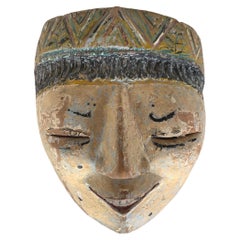
Hand-Carved Wood Javanese ‘Wayang Topeng’ Theatre Mask, Indonesia c. 1900
Located in Jimbaran, Bali
A visibly old mask from the Javanese masks theatre ‘wayang topeng’: carved from hard wood, and painted on the front side. The mask shows clear traces of ...
Category

Early 20th Century Other Ghanaian Asian Art and Furniture

Materials

Wood

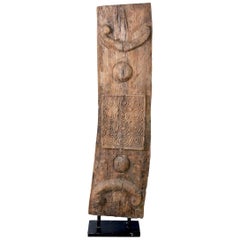
Antique Carved Wood Sculpture
Located in Sheffield, MA
Exotic 19th century carved relief architectural wood element, once part of a building facade has now been mounted on metal stand and made into an exciting and impressive sculpture. ...
Category

19th Century Antique Ghanaian Asian Art and Furniture

Materials

Wood

Antique Carved Wood Sculpture
$3,900
H 52 in W 12.75 in D 6 in
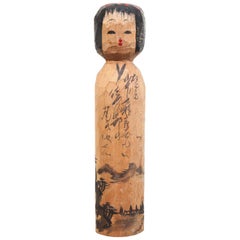
Hand Painted Wood Japanese Traditional Kokeshi Doll
Located in Barcelona, ES
Japanese doll called Kokeshi of the early 20th century. Provenance from the northern Japan. Dolls shapes and patterns are particular to a certain area and are classified under elev...
Category

Early 20th Century Edo Ghanaian Asian Art and Furniture

Materials

Wood

Hand Painted Wood Japanese Traditional Kokeshi Doll
$430 Sale Price
20% Off
H 9.65 in Dm 2.17 in
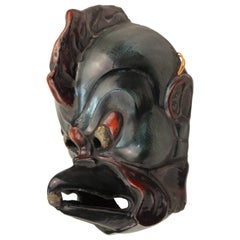
Japanese Carved Wood Mask of Tengu
Located in Astoria, NY
Japanese hand carved and painted wood mask of Tengu, the legendary Japanese folk religion creature. Traditionally depicted as a human-bird of prey hy...
Category

1920s Vintage Ghanaian Asian Art and Furniture

Materials

Wood

Japanese Carved Wood Mask of Tengu
$950
H 12 in W 8 in D 5.5 in
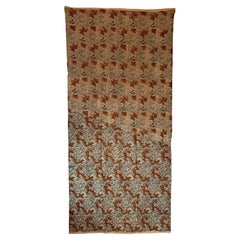
Hand-Drawn Batik Textile, from Java Indonesia
Located in Jimbaran, Bali
A fine example of a batik textile from Solo, Java, Indonesia. This textile features wonderful detailing & contrast. It features a wonderful array of flor...
Category

Early 2000s Other Ghanaian Asian Art and Furniture

Materials

Cotton

Hand-Drawn Batik Textile, from Java Indonesia
$645
H 86.62 in W 40.56 in D 0.02 in
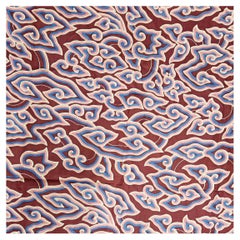
Vintage Hand Painted Oriental Cloud Batik Indonesian Textiles Interior Design
Located in London, GB
Fine Hand printed Oriental cloud batik A Indonesian Cirebon batik hand printed in a traditional Chinese cloud style with graduated blue and red Perfect...
Category

Mid-20th Century Ghanaian Asian Art and Furniture

Materials

Cotton

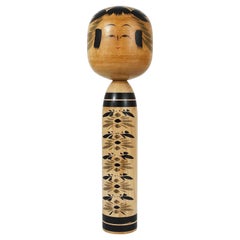
Decorative Togatta Kokeshi Doll Sculpture from Northern Japan, Hand-Painted
Located in Vienna, AT
A beautiful and exceptionally 18 inches tall classic traditional Togatta Kokeshi doll from Northern Japan. Handcrafted of wood and hand-painted in the ...
Category

Early 20th Century Edo Ghanaian Asian Art and Furniture

Materials

Wood

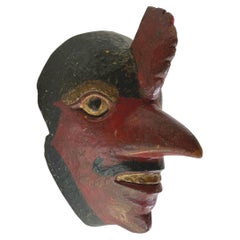
Hand-Carved Wood Javanese ‘Wayang Topeng’ Theatre Mask, Indonesia, c. 1900
Located in Jimbaran, Bali
This early 20th century ‘Wayang topeng’ mask was used in Javanese masked dance performances. This mask features a dark red polychrome and resembles a bird-...
Category

Early 20th Century Other Ghanaian Asian Art and Furniture

Materials

Wood

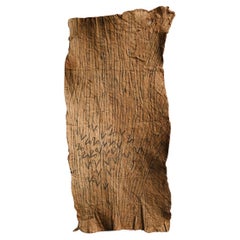
Old African bark cloth/20th century/Mbuti Pygmy Barkcloth Textile
Located in Sammu-shi, Chiba
This cloth was made by the Mbuti people, a pygmy tribe living in the Democratic Republic of the Congo. The Mbuti are hunter-gatherers who live in the Ituri rainforest, a tropical rai...
Category

20th Century Other Ghanaian Asian Art and Furniture

Materials

Other

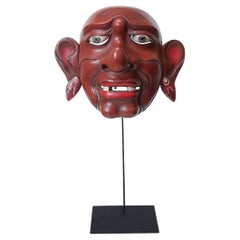
Balinese Wood Mask, Mid-20th Century
Located in New York, NY
A vintage theater mask from Bali, Indonesia, circa 1975-1980. Polychromed hand-carved teak, mounted on a black metal stand. This type of mask is used at Indonesian Topeng or Mas...
Category

1970s Tribal Vintage Ghanaian Asian Art and Furniture

Materials

Teak

Balinese Wood Mask, Mid-20th Century
$472 Sale Price
20% Off
H 15.5 in W 9 in D 4 in
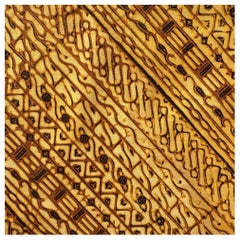
Vintage Indonesian Kain Batik Tulis, Solo (Surakarta), Java, 1960.
Located in Point Richmond, CA
Vintage Indonesian Kain Batik Tulis, Solo (Surakarta), Java, 1960. A traditional meticulously hand drawn wax resist painting by canting on cotton of a Udan Liris pattern of diagonal ...
Category

1960s Folk Art Vintage Ghanaian Asian Art and Furniture

Materials

Cotton

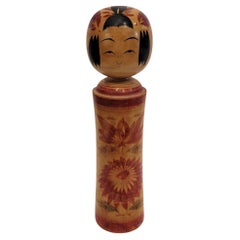
Japanese Kokeshi Red Doll, polychrome wood Vintage
By Japan Sword Master Dziokazu
Located in Valladolid, ES
Amazing kokeshi doll, a traditional type of doll of Japanese origin. These dolls are handcrafted by kijishi (a term referring to local woodcarvers) and have a variety of meanings, ...
Category

1940s Arts and Crafts Vintage Ghanaian Asian Art and Furniture

Materials

Wood, Paint

Japanese Kokeshi  Red Doll, polychrome wood Vintage
$1,075
H 18.51 in W 5.12 in D 5.12 in
Previously Available Items
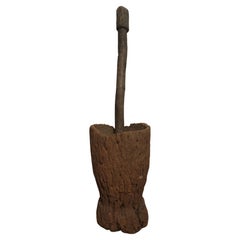
Archaic African Mortar Made from Ironwood
Located in Vienna, AT
This very massive, exceptional mortar is hand carved from a lovely rust couloured iron wood. It was made in the 19th century on the African continent, possibly in Ghana. The bowl's s...
Category

19th Century Archaistic Antique Ghanaian Asian Art and Furniture

Materials

Wood

Still Thinking About These?

All Recently Viewed