Items Similar to Antique kimono textile art " Kobachi ~ Coral Collection ~ " by ikasu Pink Japan
Video Loading
Want more images or videos?
Request additional images or videos from the seller
1 of 20
Antique kimono textile art " Kobachi ~ Coral Collection ~ " by ikasu Pink Japan
$3,000
£2,288.36
€2,607.14
CA$4,216.53
A$4,600.12
CHF 2,435.74
MX$55,122.53
NOK 31,020.44
SEK 28,365.89
DKK 19,467.11
About the Item
[Story behind the work]
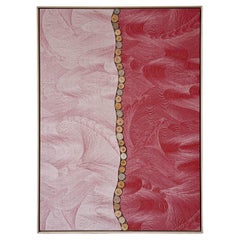
This work is inspired by the coral color palette, and is framed in paulownia wood originally used for a kimono chest-of-drawers.
It is elegantly framed with paulownia wood, a tree closely connected to kimono culture, and is filled with storytelling and sense of luxury.
In this artwork, the aim was to capture the wide palette of coral color commonly used in antique kimono. Traditional Japanese culture, represented by the kimono, and wood, an integral element of Japanese craftsmanship, were used to bring this vision to life.
I used pieces of kimono, haori and kimono lining that could no longer be used as clothing and kiritansu chest-of-drawers that would normally be discarded to create the ultimate upcycled piece.
The artwork is called "kobachi". Kobachi is a style of serving in Japanese cuisine, when small plates are positioned in a special way to satisfy both mouth and eyes.
[Explanation and meaning of pattern and colors]
Coral color is as special in Japan as it is in western culture.
This piece is impressive with its refreshing highlight of blue standing out against a gradient of pale coral color.
"Coral color" is a bright red color reminiscent of the axis of red coral, which is also expressed in modern times as salmon pink. It is believed that this color name originated from the colors of red coral or peach-colored coral ("Sango 珊瑚" in Japanese). In the Edo period, coral was popular as a decorative item such as hairpins and beads. Coral is mentioned as one of the "Seven Treasures" in Buddhist scriptures. Crushed coral was also used in Japanese paintings as a pigment introduced from China.
A lighter, slightly yellowish pink is called "akakōiro 赤香色" (literally "red incense color"). "Ko 香" means "fragrance", and "Kōiro" refers to a color extracted by boiling fragrant woods such as cloves. It was also called "awaki kō 淡き香" (pale incense color). The stronger red tinted one is called "akakōiro." Because cloves were very expensive, dyeing with safflower and gardenia was widely practiced.
The deep red in the lower left is called "akaneiro 茜色" (madder red). It refers to a subdued red with a slight yellowish tinge, and it is known for being mentioned in the Manyoshu poems, describing the evening sky, among other uses. The name of the color comes from the plant "akane 茜" (madder) which contains a red dye. The red color produced from its roots is said to be one of the oldest dyes derived from plants alongside indigo blue.
The impressive light blue in the center is called "mihanada-iro 水縹色" (literally "water light blue"). It refers to a light shade of indigo dye, a bright blue color. It can also be read as "mizuhanada" and its name can be found in the Manyoshu poems as well. It is the old color name of modern "mizuiro 水色" (water color) and it was used interchangeably until around the medieval period. However, by the Edo period (17th cent.), "mizuiro" became the mainstream term, which continues to this day.
In this work, coral is represented in different shades and tones to show the fascinating Japanese traditional dying techniques.
[About the frame]
Kiritansu - chest-of-drawers for kimono, is traditionally made from paulownia wood, a uniquely Japanese material closely tied to the world of kimonos.
Paulownia wood is known as the lightest wood in Japan, prased for its natural luster, resistance to moisture, and resilience against cracking. Since ancient times, it has been used in crafting furniture, chests, and musical instruments.
During the Edo period, it became customary to store cherished kimonos in paulownia chests, which offered fire resistance and protection from moisture and insects.
Traditionally, when a daughter was born, a paulownia tree would be planted. Upon her marriage, the tree would be cut down, and the wood would be used to craft a chest for her as a wedding gift.
Following the Ansei Earthquake during the late Edo period in 1855, paulownia chests gained popularity due to their ability to withstand fires and even float in water, thereby safeguarding their contents during floods.
I use antique kiritansu that can’t be used as furniture anymore to create basis and frames for my works. It adds them even more authentic atmosphere of traditional wabisabi spirit. Can you feel it?
- Creator:Kimono ikasu (Artist)
- Dimensions:Height: 33.47 in (85 cm)Width: 24.81 in (63 cm)Depth: 1.97 in (5 cm)
- Style:Japonisme (In the Style Of)
- Materials and Techniques:
- Place of Origin:
- Period:
- Date of Manufacture:2024
- Condition:All the works are made from real kimonos, antiques and vintages. For this reason, the fabric may have traces of long-term use and minor fabric damages. In case there are any scratches or stains, we always add a photo of the area on the item page.
- Seller Location:Setagaya City, JP
- Reference Number:1stDibs: LU10079243303652
About the Seller
No Reviews Yet
Vetted Professional Seller
Every seller passes strict standards for authenticity and reliability
1stDibs seller since 2024
- ShippingRetrieving quote...Shipping from: Setagaya City, Japan
- Return Policy
More From This Seller
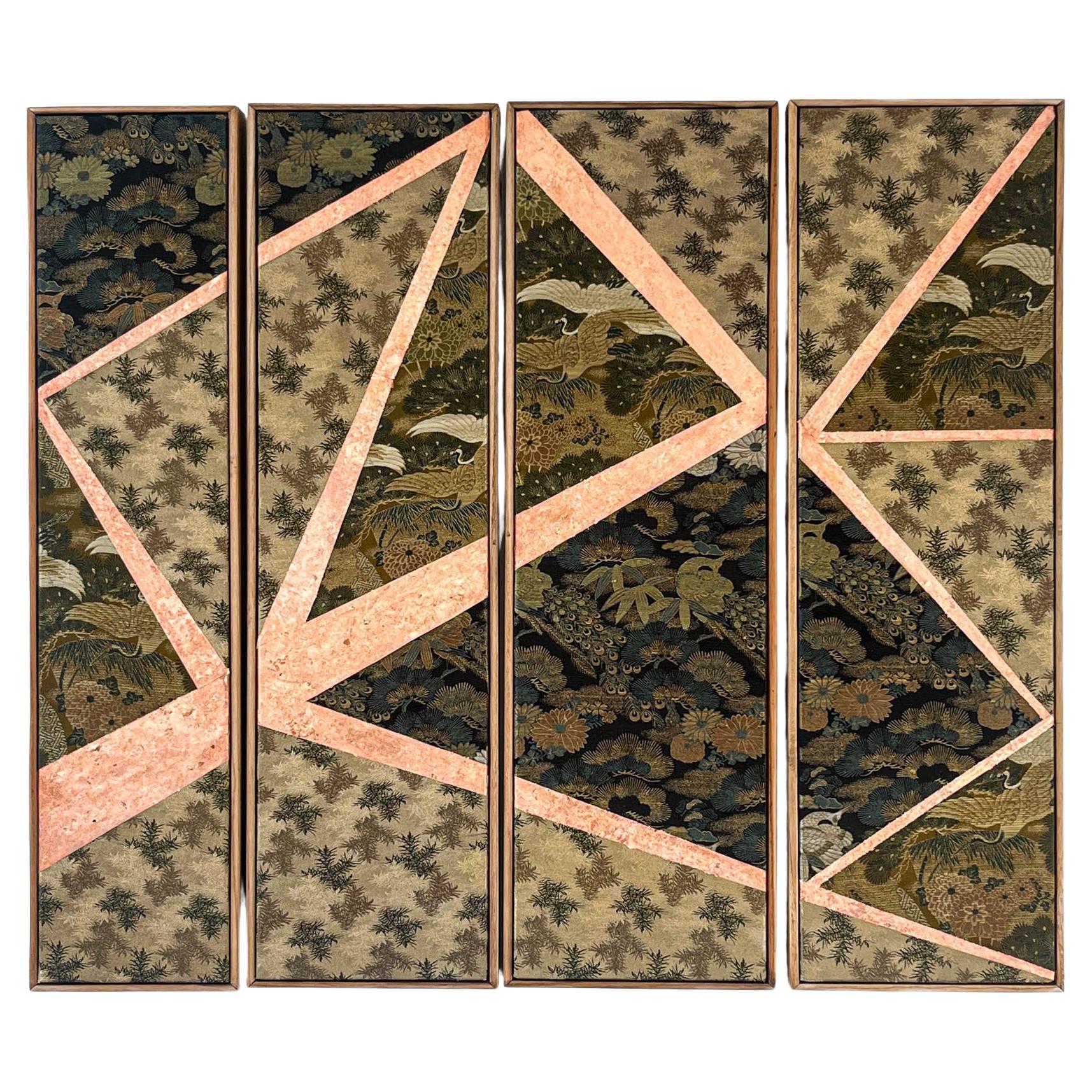
View AllVintage kimono textile art "On Coral Waves ~ Everlasting ~" by ikasu Pink Japan
By Kimono ikasu
Located in Setagaya City, JP
<< About this canvas
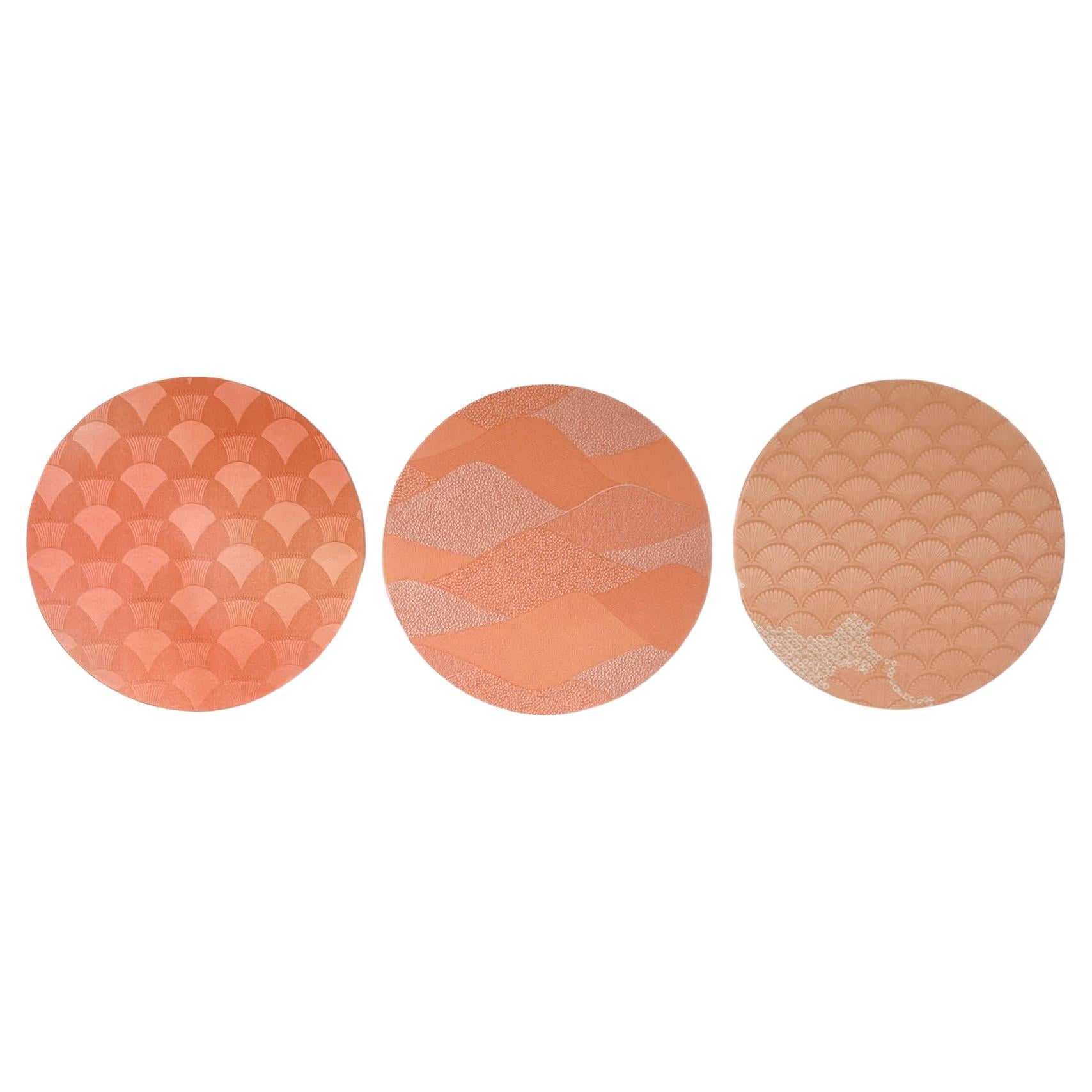
This kimono canvas set of three pieces portrays mountains surrounded by the sea. While each of the three pieces is crafted from different kimonos...
Category
Vintage 1970s Japanese Japonisme Paintings and Screens
Materials
Silk, Canvas
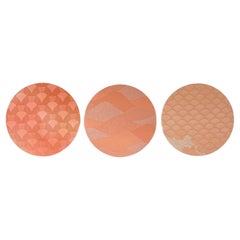
Mid 20th Century kimono textile art " Growing ~ Longevity ~" by ikasu Pink Japan
By Kimono ikasu
Located in Setagaya City, JP
<< About this canvas
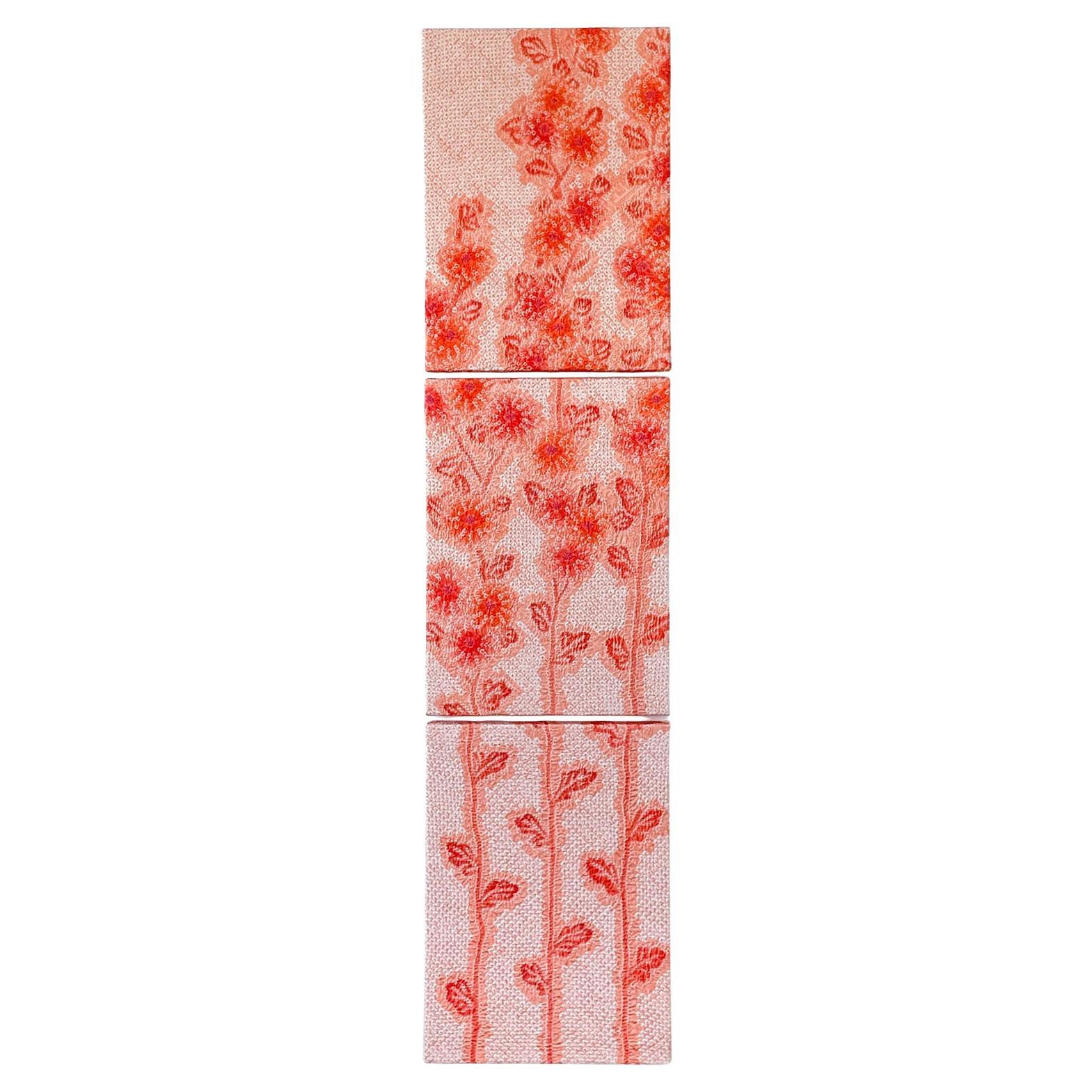
This set is a depiction of a tall chrysanthemum stem, entirely dyed in a traditional shibori technique.
<< Period / Story
The haori featured in this canvas was created and used during the late Showa period (1960-80ies).
<< Explanation and meaning of pattern and colors
A charming chrysanthemum flowers all around a stem seem to reach the heavens.
The chrysanthemum flower, which retains its vitality long after being cut, symbolizes longevity, purification from malevolent spirits, and good fortune. In ancient times, during the Kamakura period (1185-1333), emperors loved the chrysanthemum pattern, and it remains the most prestigious flower and the emblem of the Japanese imperial family...
Category
Vintage 1970s Japanese Japonisme Paintings and Screens
Materials
Canvas, Silk
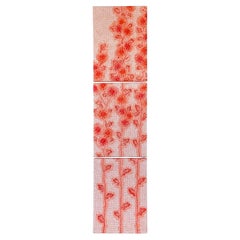
Vintage kimono textile art " Sunset Timelapse ~ Ephemerality ~" ikasu Red Japan
By Kimono ikasu
Located in Setagaya City, JP
<
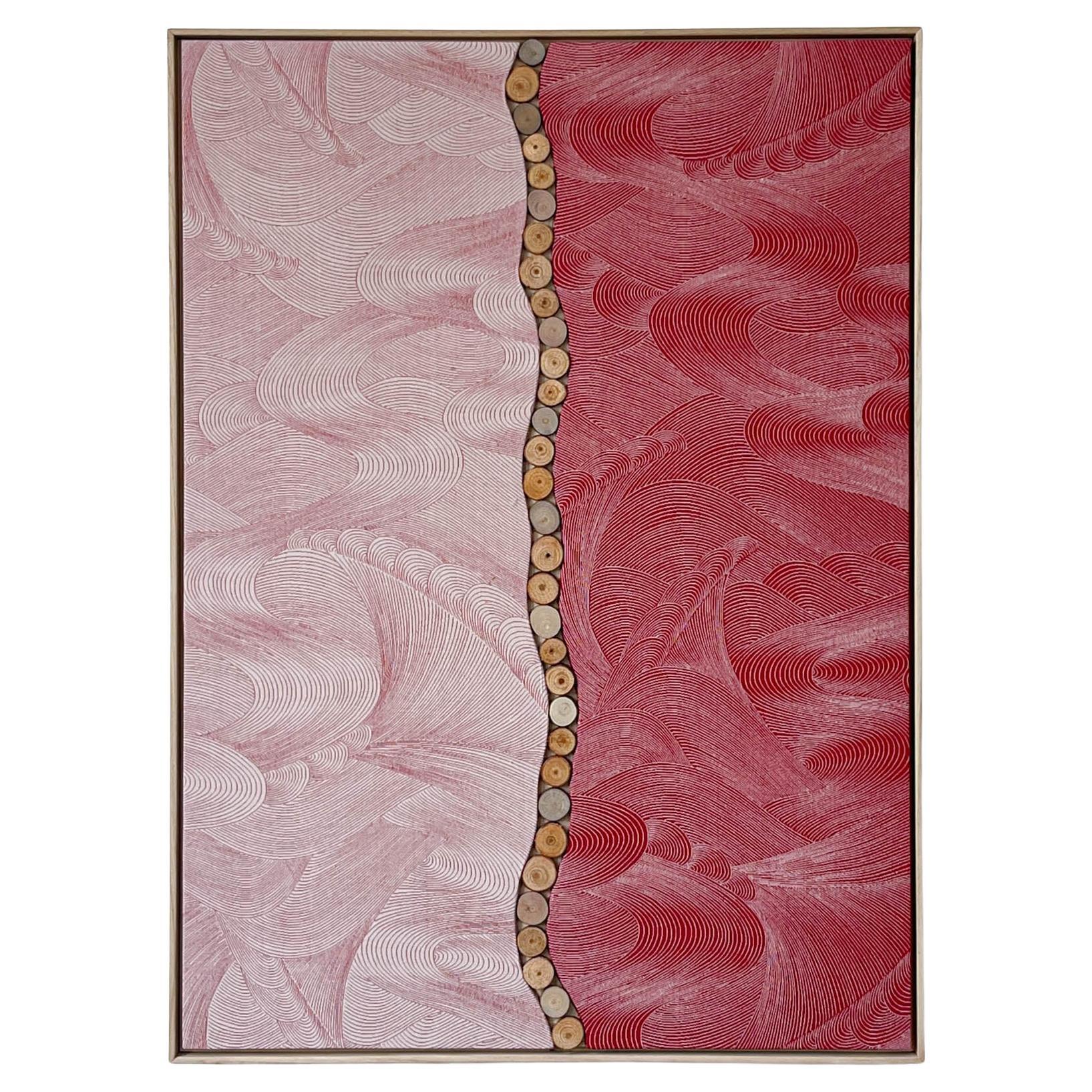
The art piece uses two sides - front and reverse - of the same kimono, to show beautiful sea surrounding Japan, in hues and in late sunset, as a timelapse.
The frame for this work is made of paulownia wood taken from antique Kiritansu - chest-of-drawers for kimono.
I use antique kiritansu that can’t be used as furniture anymore to create basis and frames for my works. It adds them even more authentic atmosphere of traditional wabisabi spirit. Can you feel it?
<< Period / Story
The kimono used in this piece was originally crafted during Showa period (around 1960ies).
<< Explanation and meaning of pattern and colors
Sea waves, depicted in two color variations here, are a symbol of transience and Impermanence in Japanese culture. The ebb and flow of the tides, the ever-changing currents, and the relentless motion of the waves serve as reminders of the fleeting nature of life. This artwork featuring the sea convey themes of impermanence, reminding viewers to cherish the present moment and appreciate the beauty of life's fleeting moments.
The theme of impermanence is strengthen by two colors of the sea - the lighter in early hues and the darker when the sun is just about to set in the sea.
<< About the frame
This artwork frame is crafted from paulownia wood, a uniquely Japanese material closely tied to the world of kimonos, and it serves to convey the refined beauty of Japanese nature.
Paulownia wood is known as the lightest wood in Japan, prased for its natural luster, resistance to moisture, and resilience against cracking. Since ancient times, it has been used in crafting furniture, chests, and musical instruments.
Paulownia wood is closely linked to kimono culture. During the Edo period (17th cent.~), it became customary to store cherished kimonos in paulownia chests...
Category
Vintage 1960s Japanese Japonisme Paintings and Screens
Materials
Silk, Wood
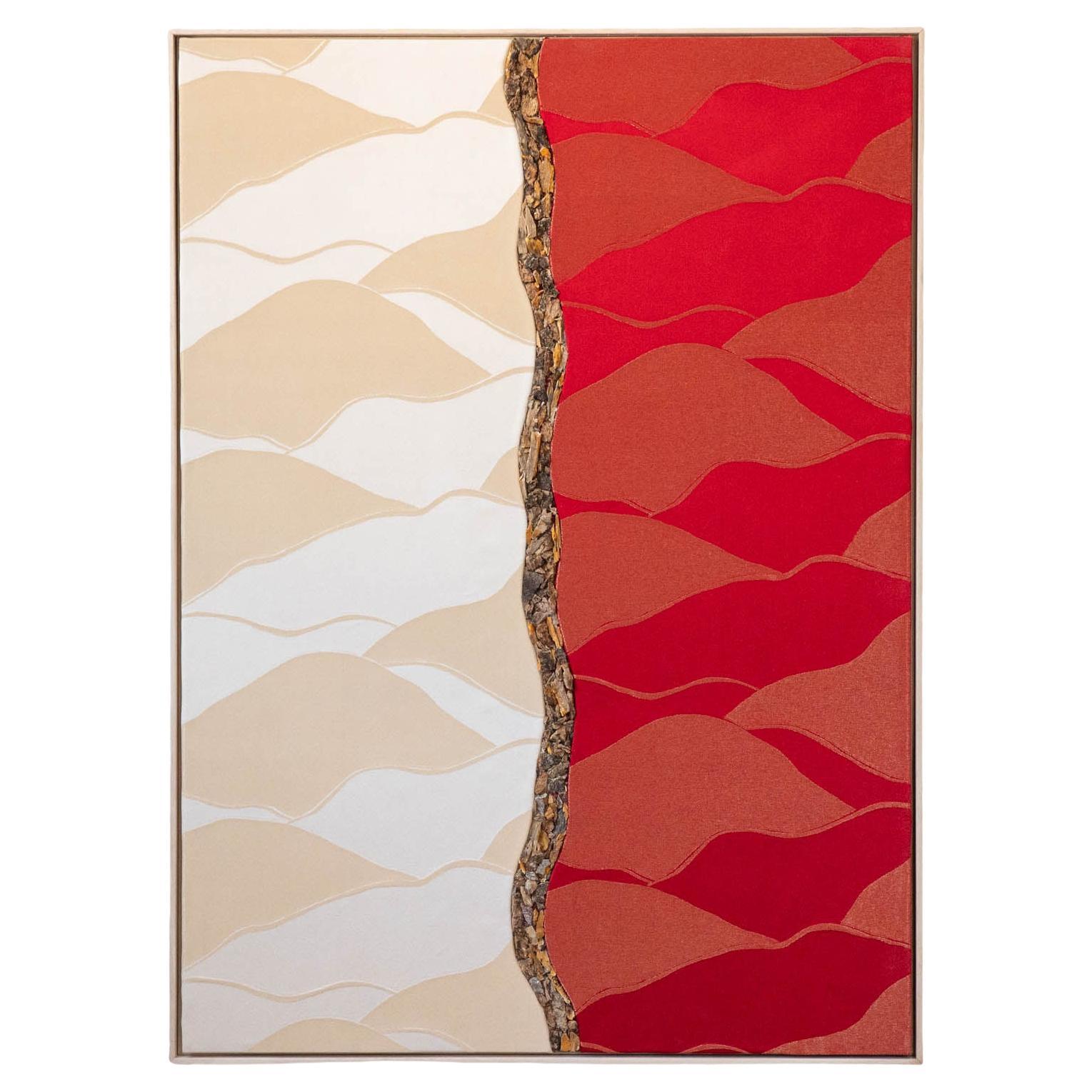
Vintage kimono textile art " Plum Gradation " by ikasu Pink White Japan
By Kimono ikasu
Located in Setagaya City, JP
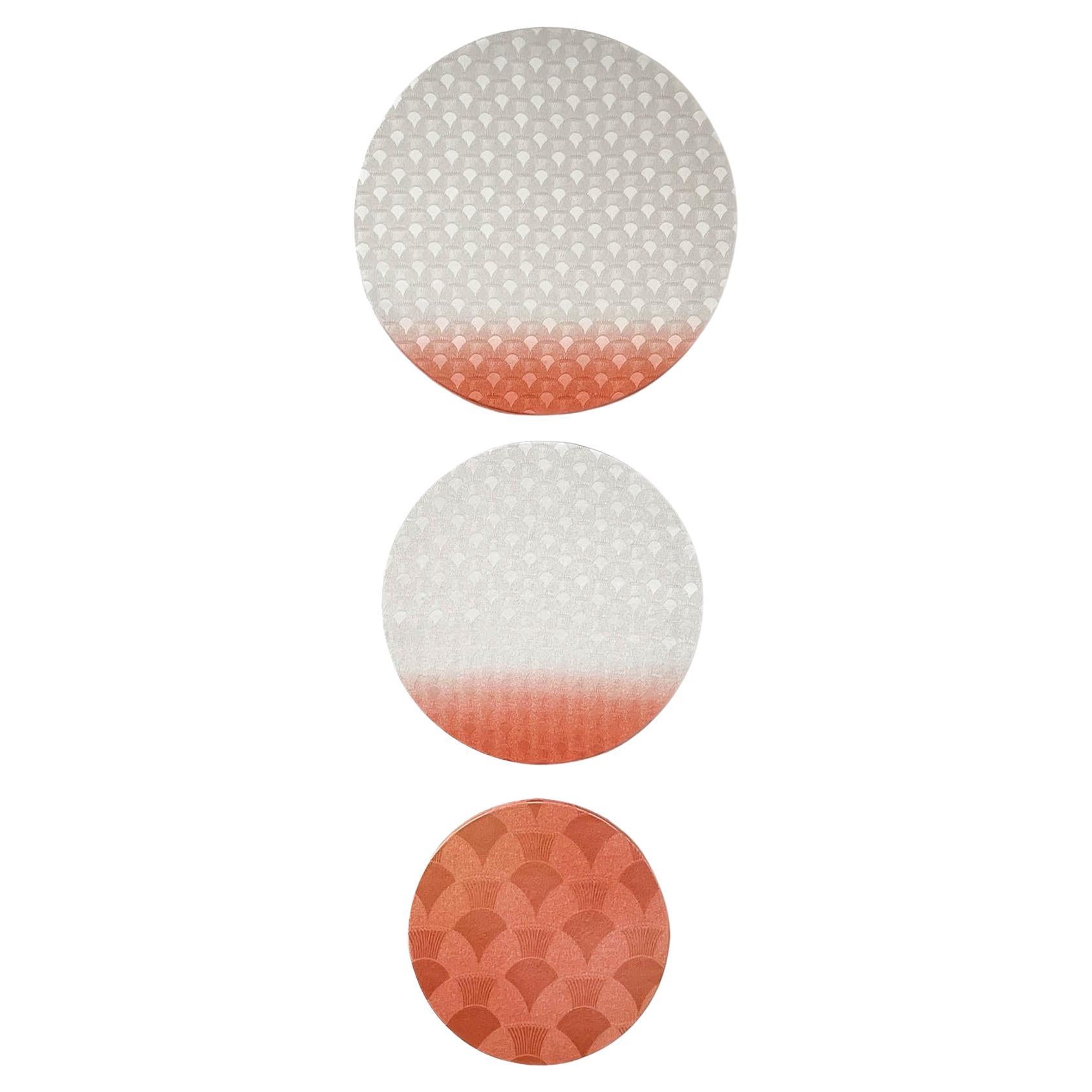
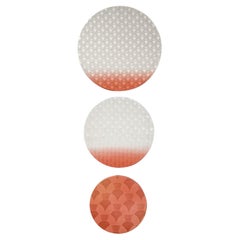
This canvas featuring a plum color gradient kimono showcases a unique decorative variation of the popular seigaiha (青海波) sea waves pattern.
The artwork got a Mr.
Mrs. Abe Arts ...
Category
Vintage 1980s Japanese Japonisme Paintings and Screens
Materials
Canvas, Silk
19th Century obi textile art " Pine forest ~ Longivety ~ " by ikasu Green Japan
By Kimono ikasu
Located in Setagaya City, JP
<< Story behind the work
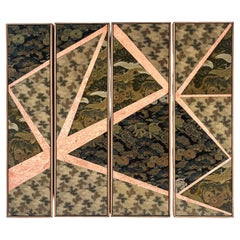
Obi fabric I used for this artwork is taken from three different over 100-years-old antique sashes, and is framed in wood taken from antique ...
Category
Early 20th Century Japanese Japonisme Paintings and Screens
Materials
Gold Leaf
Vintage obi textile art "Under the Sun ~ Serendipity ~" by ikasu Red Beige Japan
By Kimono ikasu
Located in Setagaya City, JP
<
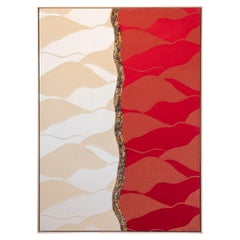
This artwork creatively uses tree bark to evoke the imagery of woods and mountains during both the morning and nighttime on left and right. It is elegantly framed with paulownia wood, a tree closely connected to kimono culture, and is filled with storytelling and sense of luxury.
By incorporating both the front and back sides of the same obi fabric woven in different colors, the play of light and shadow on the mountains is depicted through the contrasting appearances of these surfaces.
The intention behind this piece is to convey the exquisite beauty of Japanese mountains and the lush forests that inhabit them. To achieve this, traditional elements of Japanese culture, such as obi textiles and craftsmanship involving wood, were used.
The outer side and inner linings of the same obi, no longer suitable for clothing, along with bark material that would normally be discarded, have been repurposed to create this exceptional upcycle artwork.
The fusion of Japanese natural materials – silk, paulownia wood, and pine bark for the central decoration – along with the so-called "Tozan" pattern, a unique Japanese natural design showing mountains from far-away point, captures the magnificent beauty of Japanese nature from various perspectives.
The central bark decoration stands out as a distinctive feature of this work. Pine, oak, and other tree barks are interwoven among the mountains woven into the obi, creating a tangible and authentic natural atmosphere.
<< Period / Story
The obi used in this piece was originally crafted during the late Showa period (1960-80ies).
<< Explanation and meaning of pattern and colors
This upcycle artwork uses an obi with a tozan pattern woven in two colors. The design is inspired by a distant mountain range, a motif that has been used in paintings and crafts since ancient times. However, in this particular design, the mountains are depicted not as distant peaks but as graceful semicircles giving it a mild atmosphere.
<< Characteristics of the fabric
This upcycled Fukuro-obi (two-side obi) showcases a festive color pattern of mountains intricately woven with gold threads against a beige front and red on the back.
The way this obi interacts with light allows it to shift in expression, much like a mountain revealing different facets over time. It can transform from deep shades of color to the appearance of gold shimmering against bright hues, depending on the lighting and viewing angle.
<< About the frame
Kiritansu - chest-of-drawers for kimono, is traditionally made from paulownia wood, a uniquely Japanese material closely tied to the world of kimonos.
Paulownia wood is known as the lightest wood in Japan, prased for its natural luster, resistance to moisture, and resilience against cracking. Since ancient times, it has been used in crafting furniture, chests, and musical instruments.
During the Edo period, it became customary to store cherished kimonos in paulownia chests...
Category
Late 20th Century Japanese Japonisme Paintings and Screens
Materials
Silk, Wood
You May Also Like
Antique Japanese Brocade Monk
s Robe Kesa Meiji Period
Located in Atlanta, GA
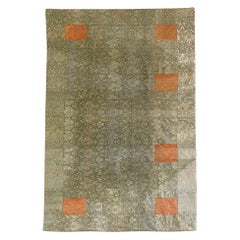
A Japanese Kesa (Monk's Vestment) made from thirteen columns of patchworks of shimmering woven brocades. The elaborate motifs feature repetitive elaborat...
Category
Antique Late 19th Century Japanese Meiji Textiles
Materials
Brocade, Silk
Vintage Hand-Painted Japanese Wedding Kimono
Located in Fort Washington, MD
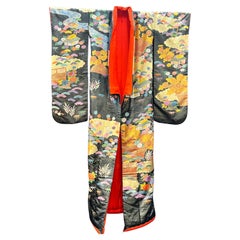
Stunning Japanese Wedding Kimono, hand painted with exceptional details in rich warm colores
Has a red silk interior, wooden rod is NOT included
An inc...
Category
Mid-20th Century Japanese Japonisme Textiles
Materials
Silk
Antique Japanese Silk Kimono
Located in Bedford Hills, NY
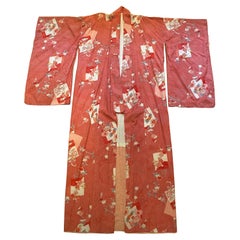
Beautiful antique Japanese silk Kimono.
Category
Early 20th Century Japanese Anglo-Japanese Textiles
Materials
Silk
Japanese Two Panel Screen: Antique Kimono Fabric Mounted on Screen
Located in Hudson, NY
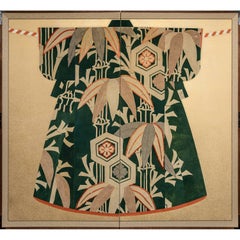
Japanese Two Panel Screen: Late Nineteenth Century Kimono Fabric Mounted on Early Twentieth Century Screen. In the Heian period (eighth century to the twelfth century), noblemen wou...
Category
Early 20th Century Japanese Meiji Paintings and Screens
Materials
Silk, Wood, Paper
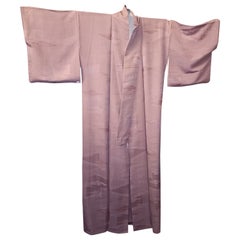
Japanese silk kimono pink grey with patterns
Located in Paris, FR
This is a silk kimono which was made in Showa era around 1970s in Japan.
The kimono is a traditional Japanese garment and the national dress of Japan. The kimono is a wrapped-front garment with square sleeves and a rectangular body, and is worn left side wrapped over right, unless the wearer is deceased. The kimono is traditionally worn with a broad sash, called an obi, and is commonly worn with accessories such as zōri sandals and tabi socks...
Category
Late 20th Century Japanese Showa Antiquities
Materials
Silk
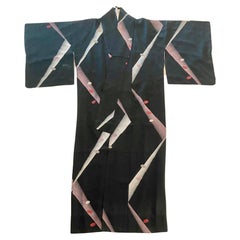
Vintage Japanese Silk Meisen Kimono with Geometrical Design
Located in Atlanta, GA
A vintage Japanese formal silk Kimono in an "ink green" color with striking geometrical design. The garment is hand-stitched Meisen kimono from a crepe l...
Category
Mid-20th Century Japanese Japonisme Textiles
Materials
Silk
More Ways To Browse
Japanese Kimono
Japanese Used Kimono
Kimono Painting
Small Japanese Chest Of Drawers
Antique Earthquake
Japanese Coral
Antique Hairpin
Antique Silk Kimono
Antique Silk Kimonos
Japanese Screen Kimono
Hand Painted Kimono
Antique Japanese Wood Screens
Edo Period Chest
Japanese Kimono Antiques
Kimono Chest
Paulownia Chest
Meiji Scroll
Meiji Period Japanese Screen