Items Similar to Elegant Edo period painting by Reizei Tamechika (1823-1864) 冷泉為恭
Want more images or videos?
Request additional images or videos from the seller
1 of 6
Elegant Edo period painting by Reizei Tamechika (1823-1864) 冷泉為恭
$2,600
$4,25038% Off
£1,964.45
£3,211.1138% Off
€2,252.33
€3,681.6938% Off
CA$3,628.60
CA$5,931.3638% Off
A$3,948.19
A$6,453.7738% Off
CHF 2,090.52
CHF 3,417.1938% Off
MX$47,499.44
MX$77,643.3238% Off
NOK 26,544.93
NOK 43,390.7538% Off
SEK 24,286.75
SEK 39,699.5038% Off
DKK 16,828
DKK 27,507.3138% Off
About the Item
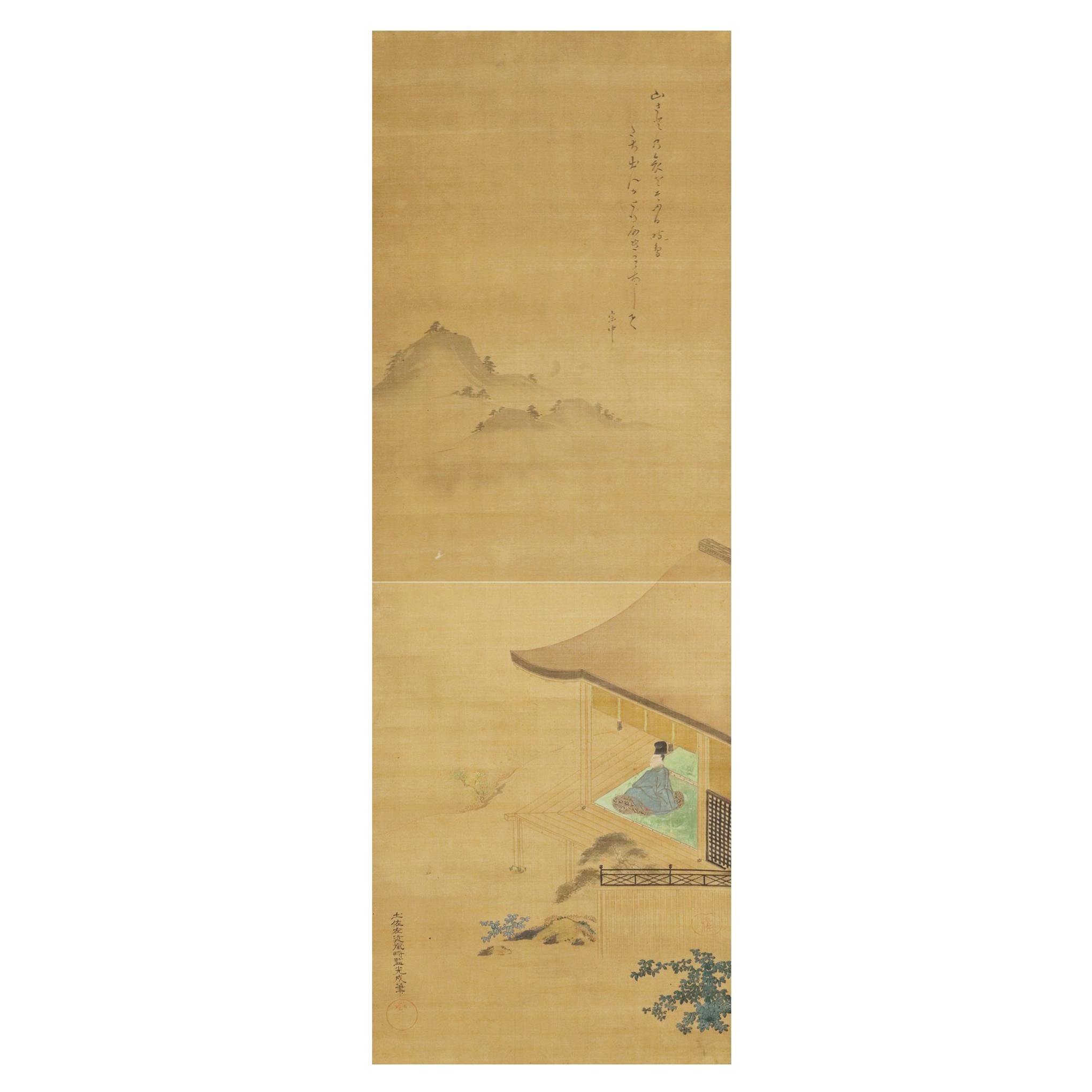
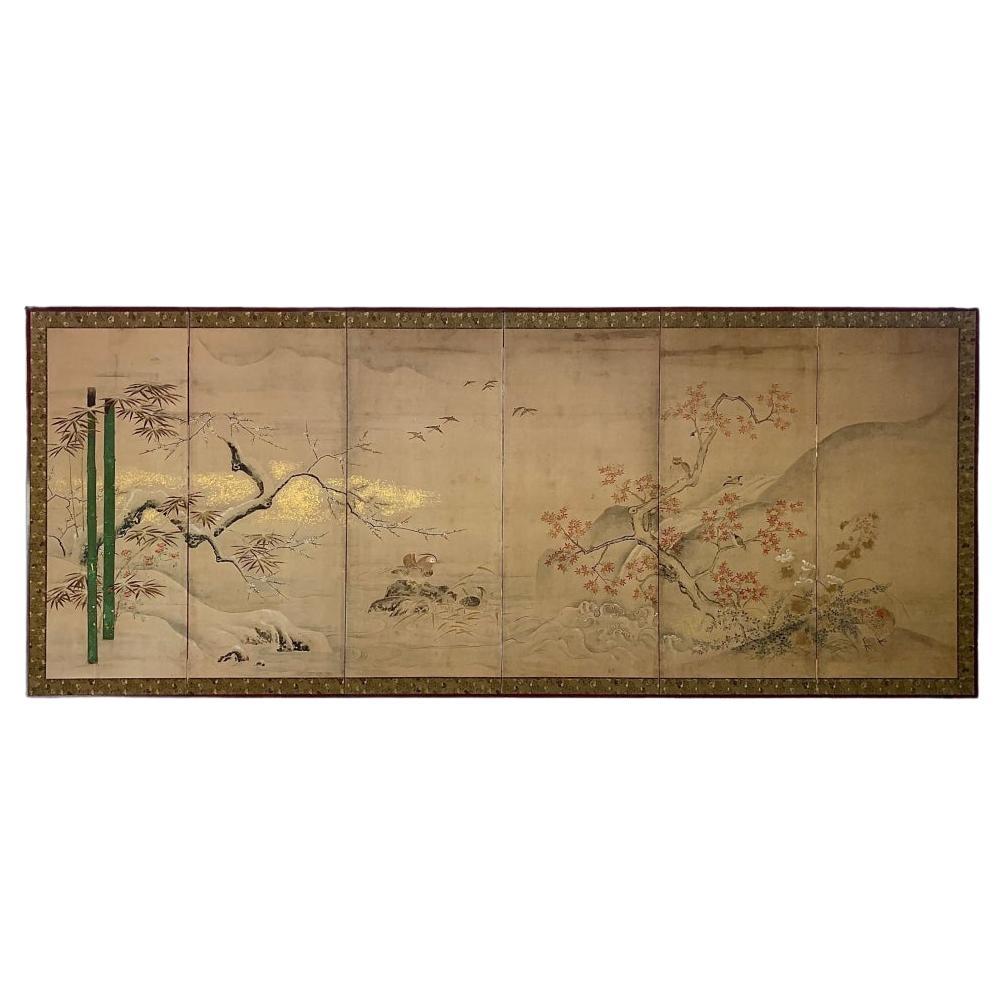
Elegant Edo period painting by Reizei Tamechika (1823-1864)
Period: Edo
Size: 113x53 cm
Indulge in the elegance of the Edo period with our superb painting on silk, a masterpiece awaiting a new frame in the hands of its discerning owner. Measuring 113.5x53 cm, this exquisite artwork embodies the grace and sophistication of Japanese artistry.
Explore the artistry of Reizei Tamechika, the renowned artist behind this captivating piece. Tamechika's works are celebrated for their intricate details and timeless beauty, earning him a place among the esteemed artists of the Edo period.
For more information about Reizei Tamechika and to explore similar works, visit his Wikipedia page and discover his contributions to Japanese art.
Experience the legacy of Tamechika's art firsthand at The Metropolitan Museum of Art, where his works have been exhibited, showcasing the enduring appeal of his creations.
Don't miss the opportunity to add this exquisite painting to your collection and elevate your space with its timeless beauty. Contact us to make it yours today.
About the artist:
Reizei Tamechika (Japanese: 冷泉為恭) also known as Okada Tamechika (岡田為恭) (20 October 1823, Kyoto - 8 June 1864, Yamato, Nara Prefecture) was a Japanese artist from the later Edo Period who was instrumental in reviving the classical style known as Yamato-e.
He was the third son of the painter, Kanō Eitai (狩野永泰 [ja]). He became dissatisfied with the prevailing Kanō school style and took up the older Yamato-e style instead, although not as taught by the Tosa school, but rather the Yamato-e of the Heian and Kamakura periods; spending many years collecting examples. He was especially interested in the Kamakura artist, Fujiwara no Nobuzane. and made numerous copies of his works.
Under the name "Reizei" (冷泉) or "Fujiwara" (藤原) he produced numerous works on traditional themes, using ancient techniques. Later, he was adopted by the court nobleman, Okada Dewa no Kami, after which he signed his name as "Okada" or "Sugawara" (菅原). It is notable that he called himself Reizei without permission of the Reizei family
His later works, such as the Fusuma-e (sliding door pictures) at the Daiju-ji temple in Okazaki, use classical themes but are presented with a more modern approach. He also portrayed the occasional Buddhist theme, due to his friendship with a priest named Gankai.
He also became involved in politics, when his revival of Yamato-e got him involved with Sonnō jōi, the movement to restore the Emperor; via the artist Tanaka Totsugen (田中訥言 [ja]). Tamechika supported the restoration, but his professional contacts with the Sakai clan, who were "Fudai daimyo" (vassals and retainers) of the Tokugawa Shogunate, created suspicion among some of the more radical samurai supporters of the Emperor. As a result, he was forced to hide in Wakayama Prefecture and adopt the priestly name "Shinrenbō Kōa". Nevertheless, he was discovered and murdered by hired assassins from the Choshu Clan.
- Dimensions:Height: 20.87 in (53 cm)Width: 44.49 in (113 cm)Depth: 0.79 in (2 cm)
- Style:Edo (Of the Period)
- Materials and Techniques:
- Place of Origin:
- Period:
- Date of Manufacture:Unknown
- Condition:Condition report upon request.
- Seller Location:Fukuoka, JP
- Reference Number:1stDibs: LU8121239720432
About the Seller
5.0
Vetted Professional Seller
Every seller passes strict standards for authenticity and reliability
Established in 1998
1stDibs seller since 2023
62 sales on 1stDibs
Typical response time: 1 hour
- ShippingRetrieving quote...Shipping from: Fukuoka, Japan
- Return Policy
More From This Seller
View AllEdo Period Seasonal Transition Screen
Located in Fukuoka, JP
Edo Period Seasonal Transition Screen
Period: Edo
Size: 368 x 153 cm
This exquisite six-panel screen, adorned with golden flakes, beautifully portrays the seamless transitio...
Category
Antique 19th Century Japanese Edo Paintings and Screens
Materials
Gold Leaf
$3,208 Sale Price
61% Off
Edo Period Kyoto Screen (2/2)
Located in Fukuoka, JP
Edo Period Kyoto Screen
Period: Edo period
Size: 343 x 176 cm (134.6 x 69 inches)
This stunning Edo period screen depicts typical scenes of daily life...
Category
Antique 18th Century Japanese Edo Paintings and Screens
Materials
Paper, Wood, Silk
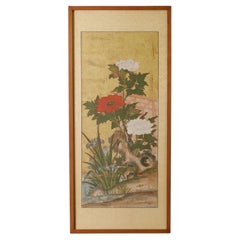
Edo Period (19th) Japanese antique painting of flowers
Located in Fukuoka, JP
Japanese antique painting of flowers 19 C
Weight 3kg ( 6.6lb)
Category
Antique Mid-19th Century Japanese Edo Paintings and Screens
Materials
Silk, Paper
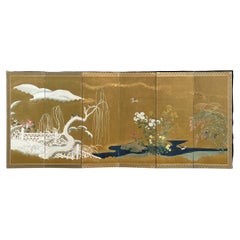
Japanese Screen: Flow of Time in Gold
Located in Fukuoka, JP
Seasons Flowing in Gold is a masterful expression of depth and rhythm, painted with a subtle three-dimensional effect that brings the landscape to life. From the snow-laden willow a...
Category
Antique Early 19th Century Japanese Edo Paintings and Screens
Materials
Paper, Wood
$5,040 Sale Price
20% Off
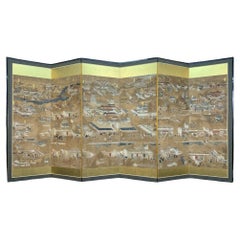
Edo Period Kyoto Screen
Located in Fukuoka, JP
Edo Period Kyoto Screen
Period: Edo period
Size: 343 x 176 cm (134.6 x 69 inches)
SKU: RJ69
This stunning Edo period screen depicts typical scenes of d...
Category
Antique 18th Century Japanese Edo Paintings and Screens
Materials
Silk, Wood, Paper
$9,450
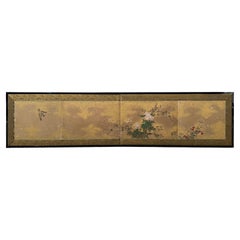
Japanese Screen: Spring Offering
Located in Fukuoka, JP
Spring Offering is a small yet exquisitely refined Edo-period screen originally created as a backdrop for a Girls’ Day altar. Against a softly shimmering gold-leaf background, delica...
Category
Antique 18th Century Japanese Edo Paintings and Screens
Materials
Paper, Wood
$1,250 Sale Price
56% Off
You May Also Like
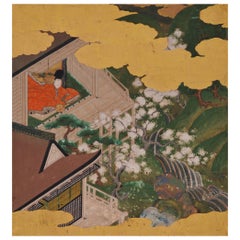
Japanese Painting, 17th Century, Tale of Genji, Tosa School
Located in Kyoto, JP
Illustration to an unidentified chapter of the Tale of Genji (Genji Monogatari)
Tosa School (second half of the 17th Century)
Ink, pigment, gofun and...
Category
Antique Late 17th Century Japanese Edo Paintings and Screens
Materials
Gold Leaf
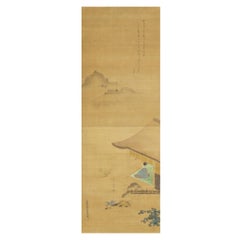
Tosa School ca 1700 Scene Edo Period Scroll Japan 17/18c Artist Tosa Mitsunari
Located in Amsterdam, Noord Holland
Around the middle of the Edo period, say to have been drawn in Tosa Mitsunari of the hands of the Tosa School,
the Heian period of person (noble?) Is watching the birds fly the gard...
Category
Antique 18th Century Japanese Edo Paintings and Screens
Materials
Silk
$2,498 Sale Price
20% Off
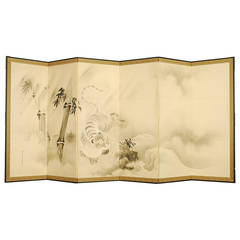
Antique Japanese Kano School Painting by Yosenin Korenobu
Located in Prahran, Victoria
Six-panel Kano School tiger screen by Yosenin Korenobu (1753-1808). Sumi-e ink on paper, late 18th century.
Dimensions: H 169cm x W 382cm.
Category
Antique Late 18th Century Japanese Edo Paintings and Screens
Materials
Wood, Paper
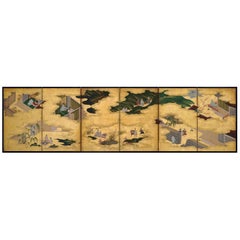
Japanese Screen Painting, Circa 1700
Tales of Ise
by Tosa Mitsusuke
By Tosa Mitsusuke 1
Located in Kyoto, JP
A six-fold Japanese screen by Tosa Mitsusuke (1675-1710), Japan 17th-18th century, Edo period.
The signature reads Shoroku-i ge Tosa sa Konoe Shogen Mit...
Category
Antique Late 17th Century Japanese Edo Paintings and Screens
Materials
Gold Leaf
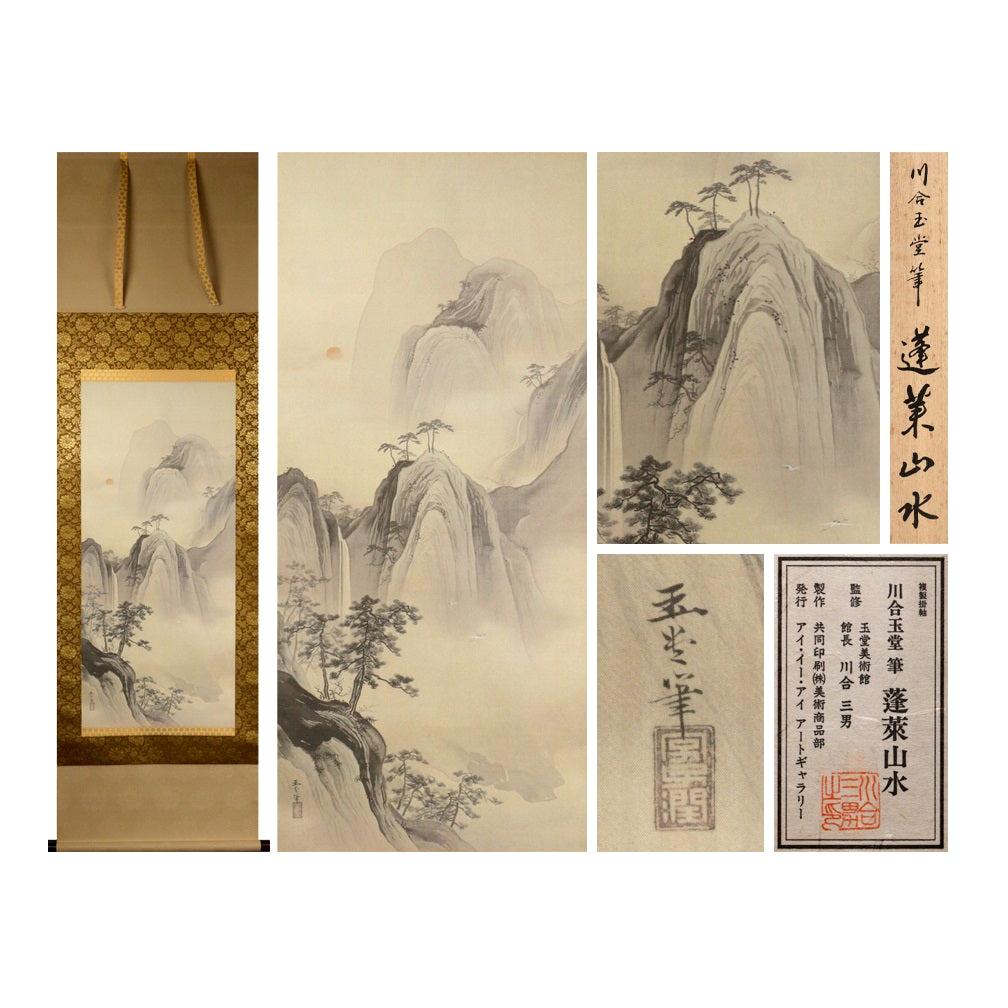
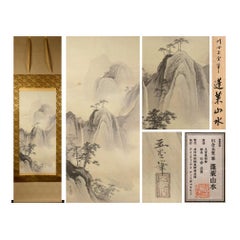
Artists Kawai Gyokudō Showa Period Scroll Japan 20c Artist Nihonga
Located in Amsterdam, Noord Holland
Kawai Gyokudo (?? ??, November 24, 1873-June 30, 1957) was the pseudonym of a Japanese painter in the Nihongo school, active from Meiji through Showa period Japan. His real name was Kawai Yoshisaburo.
Contents
Biography
Gyokudo was born in what is now Ichinomiya city, Aichi Prefecture, as the eldest son of a paper, ink and brush merchant. He went to Kyoto in 1887 to study under Kono Bairei of the Maruyama-Shijo school of painting. In 1896, he moved to Tokyo and he became the student of Hashimoto Gaho, of the Kano school. He also studied Western-style painting and developed a highly personal style, especially in the field of landscape painting.
Gyokudo is noted for his polychrome and occasionally monochrome works depicting the mountains and rivers of Japan in the four seasons, with humans and animals shown as part of the natural landscape. Among his representative works are Futsuka zuki (“The New Moon”), Yuku haru (“The Departing Spring”), Mine-no-yu (“Evening at the Mountain Top”), and Bosetsu (“Snow in the Evening”).
In 1898, Gyokudo joined with Okakura Tenshin and Yokoyama Taikan...
Category
20th Century Japanese Taisho Paintings and Screens
Materials
Silk
$1,911 Sale Price
20% Off
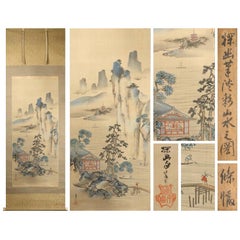
Lovely 17th-18th Century Scroll Painting Japan Artist Kano Soyu Painted
Located in Amsterdam, Noord Holland
It is a work that is said to have been drawn by Kano Soyu as you can see.
It is a picture of the light-colored Sansui map carefully drawn to the smallest detail, and the
towering m...
Category
Antique 17th Century Japanese Edo Paintings and Screens
Materials
Silk
$3,026 Sale Price
20% Off
More Ways To Browse
Edo Period Gold
Edo Period Japanese Painting
Japanese Edo Period Screens
Used Koa
Tosa School
Fusuma Doors
Fusuma Sliding Doors
Used Lattice Panels
Coromandel Lacquer
Calligraphy
Mineral Pigments On Silk
Chinese Silk Screen
Japanese Silver Leaf
Antique Brass Painting
Vintage Asian Painting
Coromandel Panel
Asian Painted Scrolls
Asian Brass Panels