Items Similar to Japanese Six Panel Screen: Red Maple and Flowers on Gold Silk
Want more images or videos?
Request additional images or videos from the seller
1 of 18
Japanese Six Panel Screen: Red Maple and Flowers on Gold Silk
$21,275
£16,081.44
€18,446.08
CA$29,658.23
A$32,285.40
CHF 17,137.10
MX$388,462.82
NOK 217,150.39
SEK 198,971.12
DKK 137,754.19
About the Item
Rimpa Floral Scene with Chrysanthemum, Morning Glories and Blue Bell Flowers. Pigment on gilded silk, signature and seal read: Hattori Shunyo. Bold colors and strong design elements combined with the trademark tarashikomi (diluted elements created when water is applied to the surface before or after pigments causing them to diffuse) exhibit the artists deep devotion to this important Japanese painting tradition. Notes about artist: Hattori Shunyo (b. 1883) was an artist from Kyoto who graduated the (now) Kyoto Municipal University of Art and fell under the circle of Yamamoto Shunkyo. His work Morning Wind was selected for and awarded at the very first Bunten National Exhibition in 1908. A pair of screens depicting the cultivation of rice through the seasons is held in the collection of Musashino Art University.
- Dimensions:Height: 37.25 in (94.62 cm)Width: 109 in (276.86 cm)Depth: 0.75 in (1.91 cm)
- Materials and Techniques:
- Place of Origin:
- Period:
- Date of Manufacture:c.1900
- Condition:Condition report upon request.
- Seller Location:Hudson, NY
- Reference Number:Seller: S18541stDibs: LU855131039702
About the Seller
5.0
Recognized Seller
These prestigious sellers are industry leaders and represent the highest echelon for item quality and design.
Established in 1971
1stDibs seller since 2008
170 sales on 1stDibs
Typical response time: 8 hours
Associations
The Art and Antique Dealers League of AmericaAntiques Associations Members
- ShippingRetrieving quote...Shipping from: Hudson, NY
- Return Policy
More From This Seller
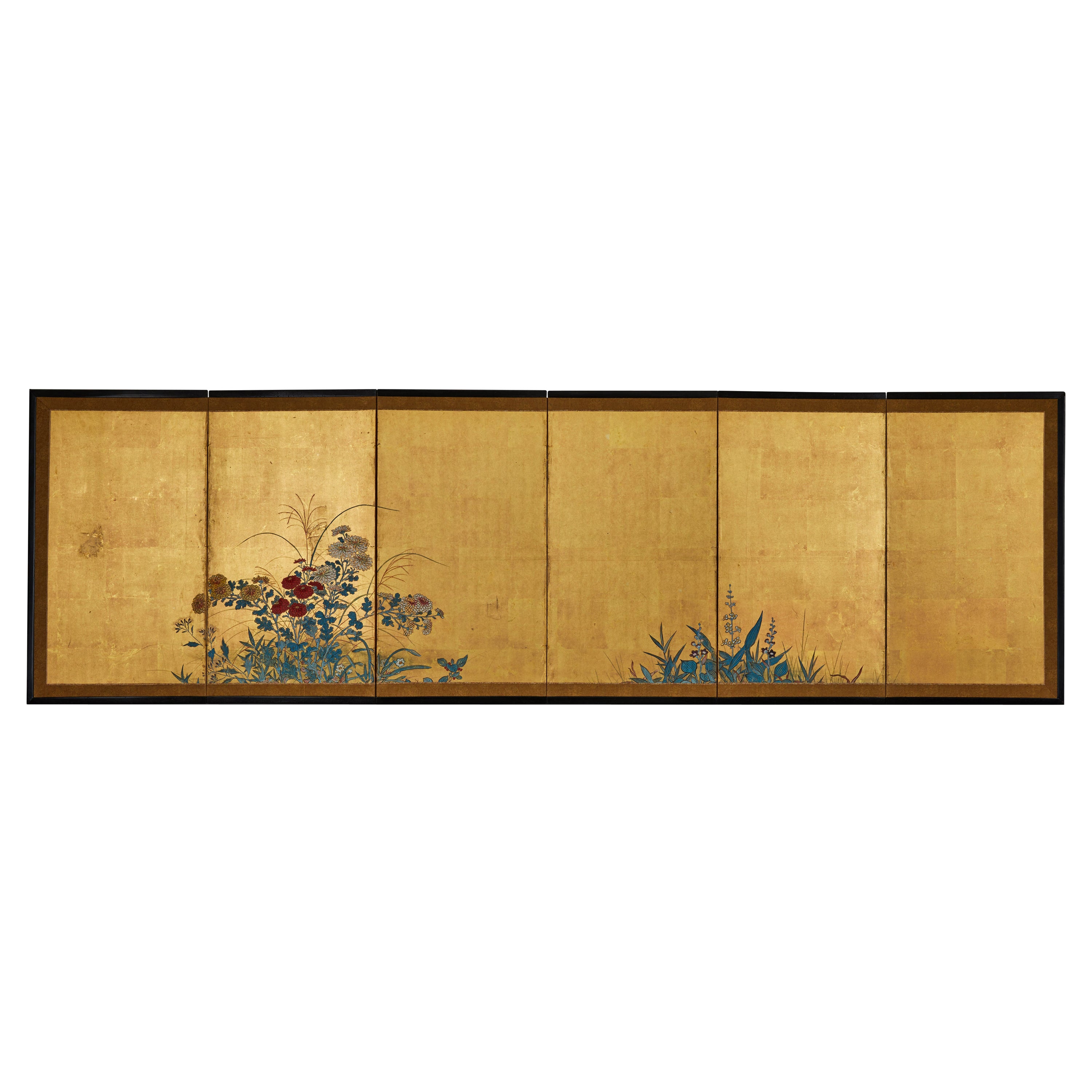
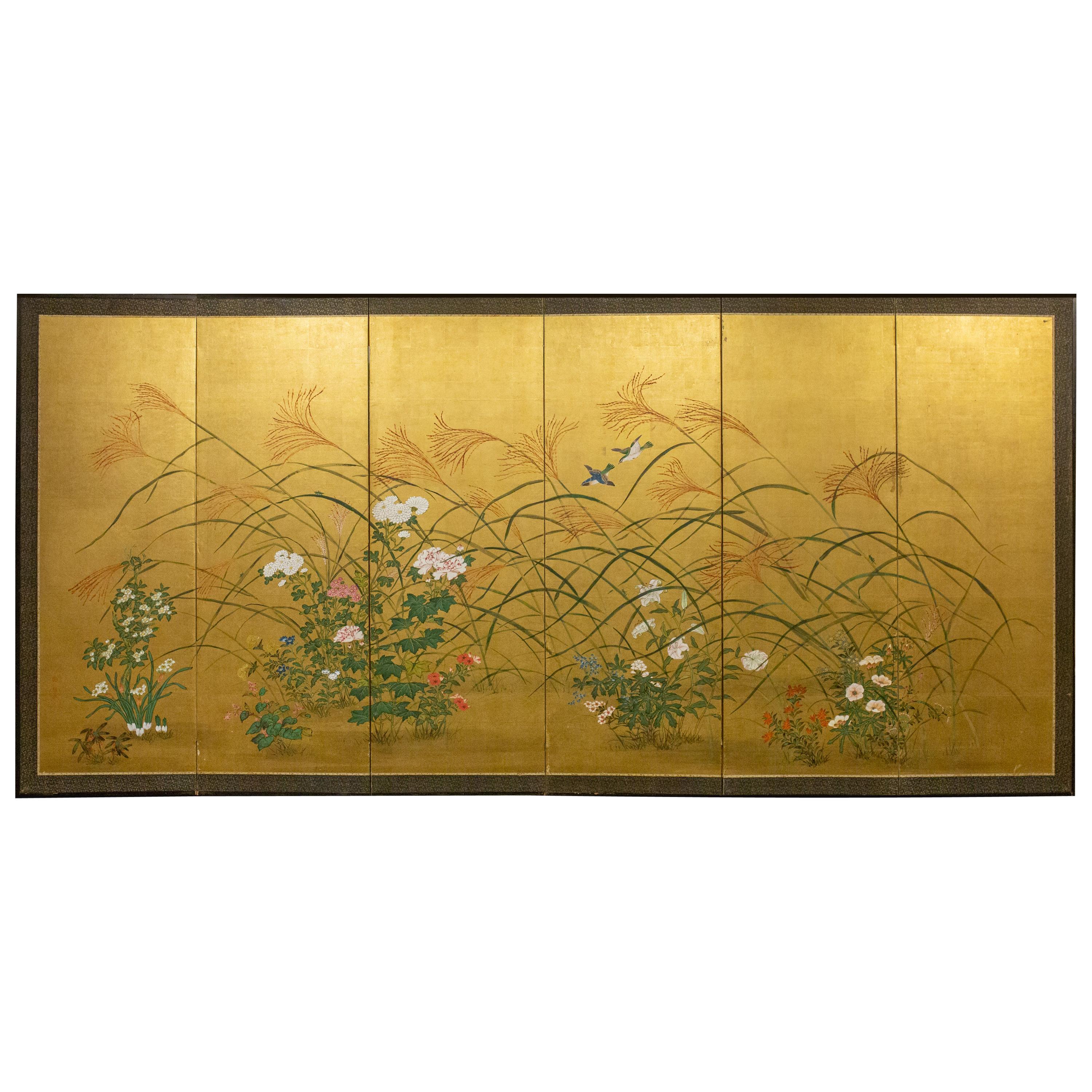
View AllJapanese Six Panel Screen: Rimpa Style Summer Flowers on Gold
Located in Hudson, NY
Red and yellow chrysanthemums and pampass grasses. Meiji period (1868 - 1912), Rimpa style painting in mineral pigments on mulberry paper with a silk brocade border.
Category
Antique Late 19th Century Japanese Paintings and Screens
Materials
Brocade, Silk, Paper
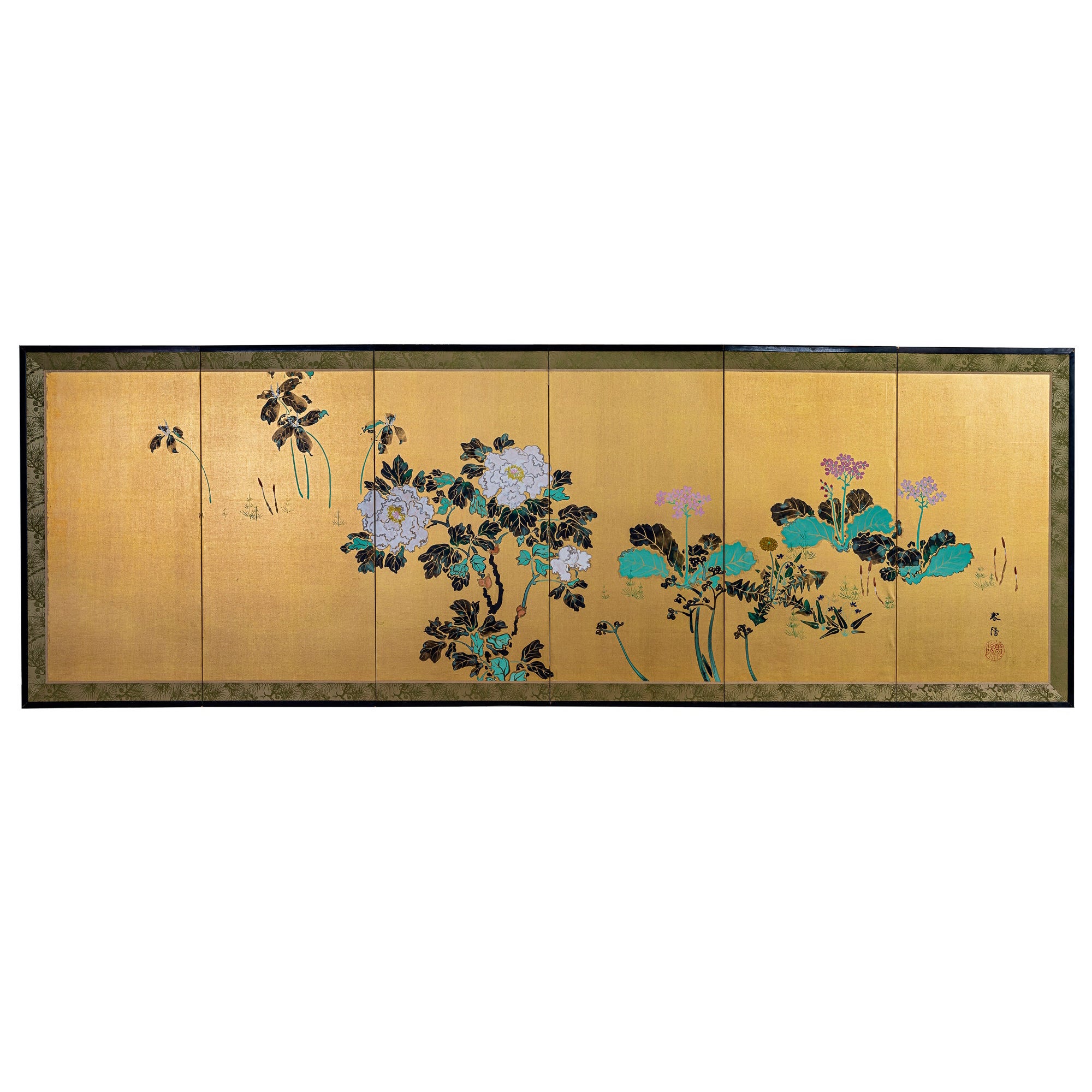
Japanese Six Panel Screen, Peonies and Young Growth on Gold Silk
Located in Hudson, NY
Rimpa floral scene. Pigment on gilded silk, signature and seal read: Hattori Shunyo. Bold colors and strong design elements combined with the trademark tarashikomi (diluted elements created when water is applied to the surface before or after pigments causing them to diffuse) exhibit the artists deep devotion to this important Japanese painting tradition. Notes about artist: Hattori Shunyo (b. 1883) was an artist from Kyoto who graduated the (now) Kyoto Municipal University of Art and fell under the circle of Yamamoto Shunkyo...
Category
Early 20th Century Japanese Paintings and Screens
Materials
Brocade, Silk

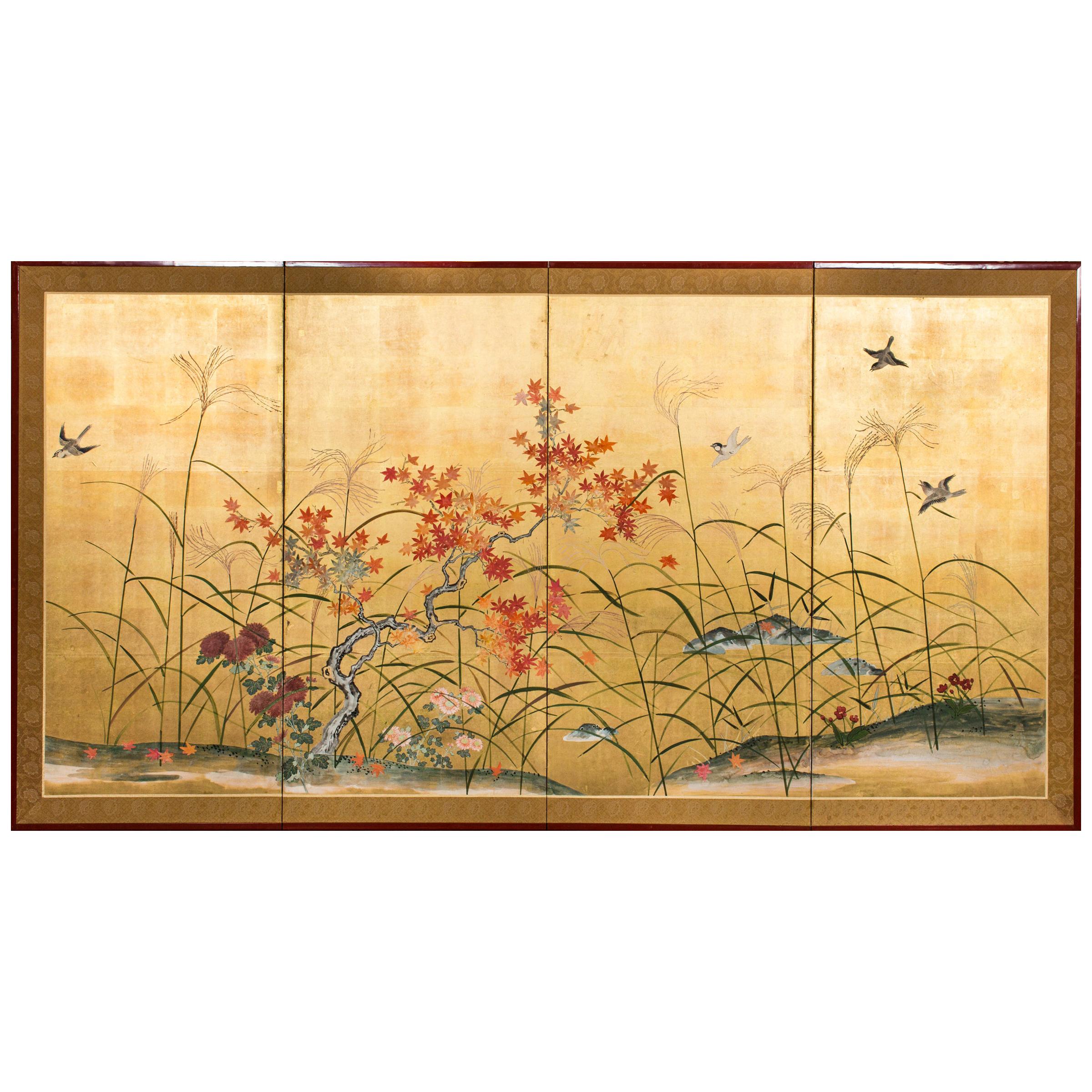
Japanese Four Panel Screen, Autumn Flowers
Located in Hudson, NY
Taisho period painting (1912-1926) of a fall landscape with wild grasses, red maple, and dahlias. Mineral pigments on gold with a silk brocade border and beautiful metal mounts.
Category
Vintage 1920s Japanese Taisho Paintings and Screens
Materials
Silk, Wood, Paper
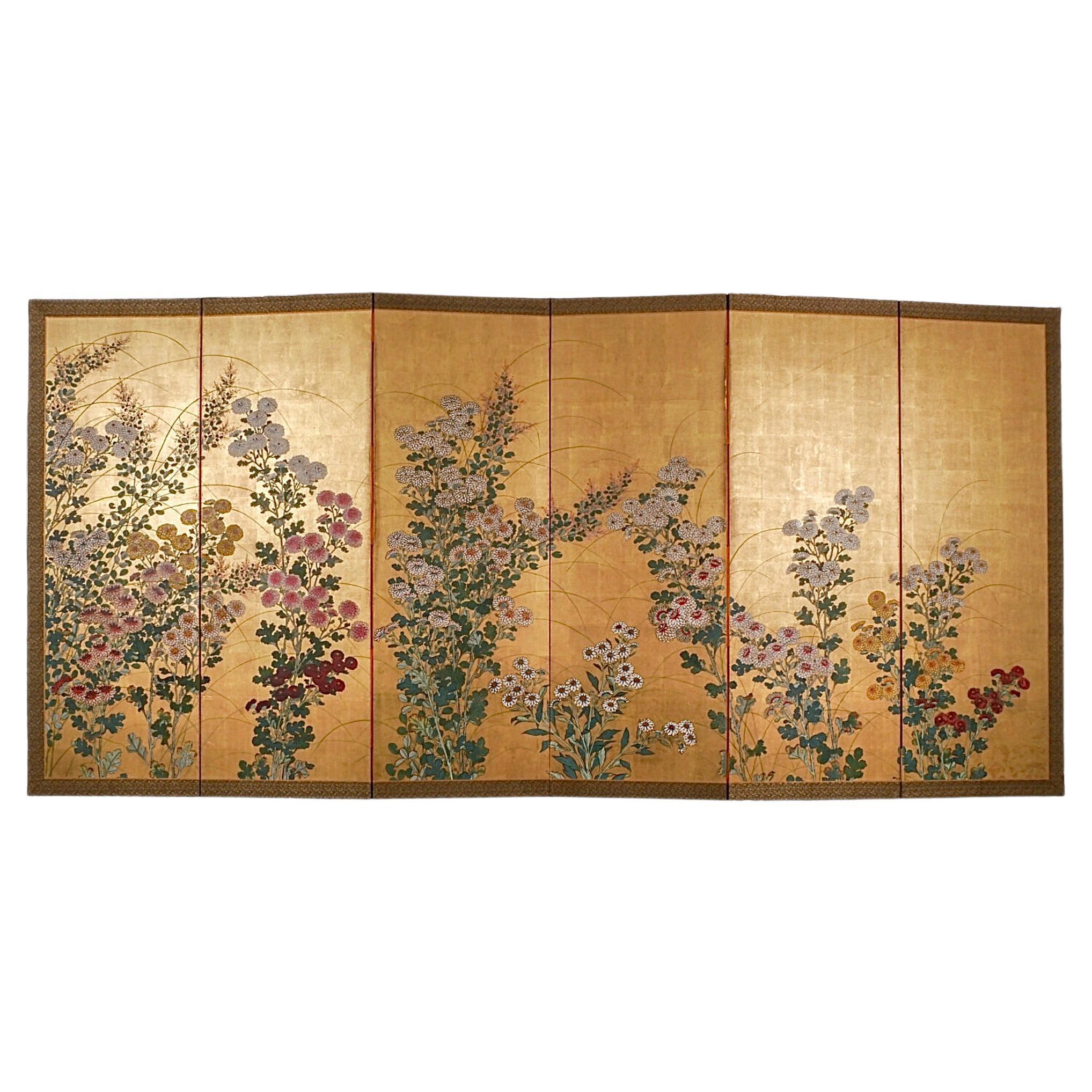
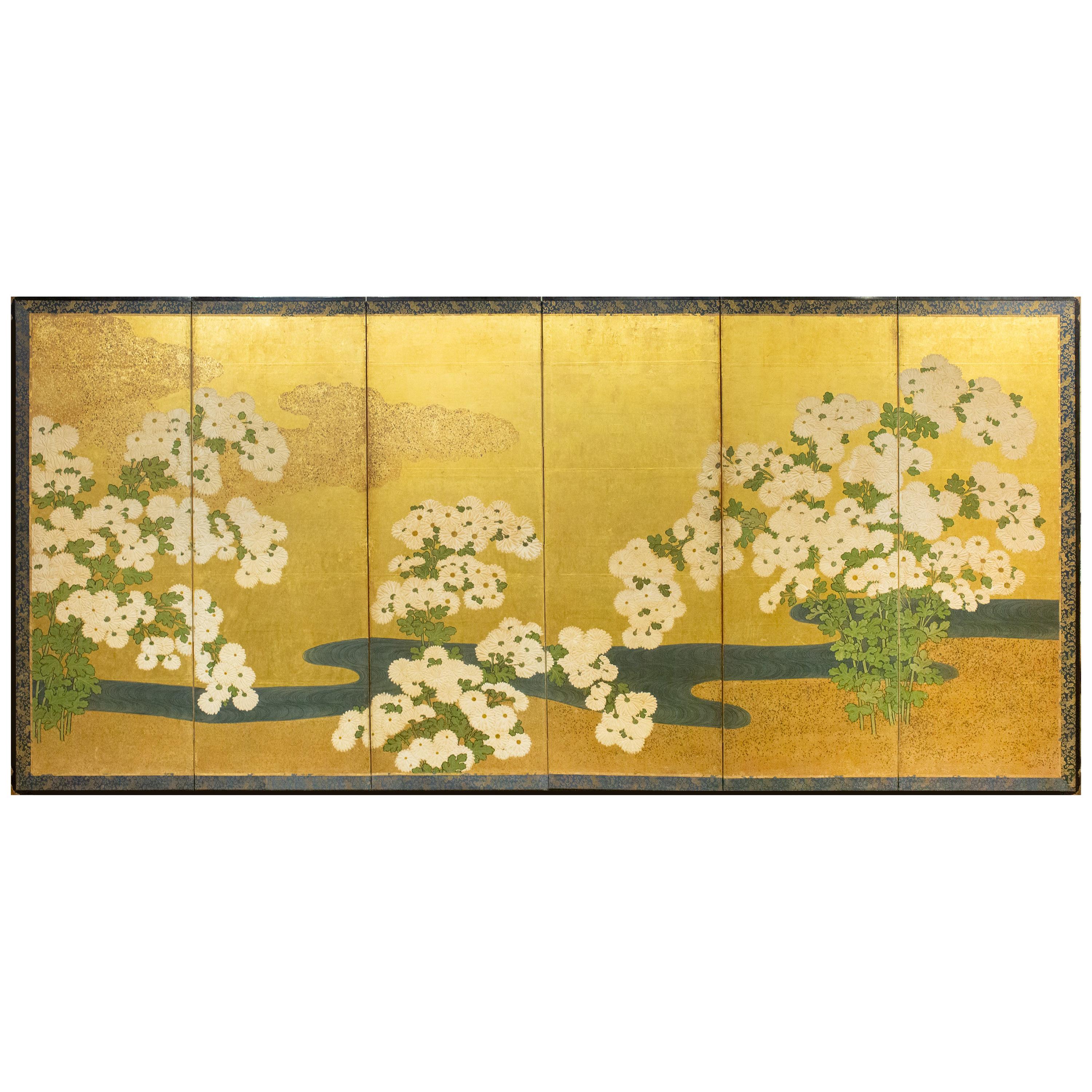
Japanese Six-Panel Screen, Rimpa School Chrysanthemums on Gold
Located in Hudson, NY
An abundant use of gold with beautifully draped chrysanthemums and gold flake clouds. Mineral pigments, go fun, gold leaf on mulberry paper with a silk brocade border.
Category
Antique Early 19th Century Japanese Meiji Paintings and Screens
Materials
Gold Leaf
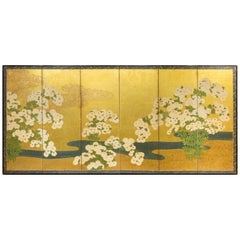
Japanese Six-Panel Screen, a Garden for All Seasons
Located in Hudson, NY
An imaginary garden with flowers from all seasons including spring lilies, summer hibiscuses, autumn chrysanthemums, and winter berries. Wild autumn grasses move in a soft breeze wit...
Category
Antique 1890s Japanese Meiji Paintings and Screens
Materials
Gold Leaf

Japanese Six Panel Screen by Garden’s Edge
Located in Hudson, NY
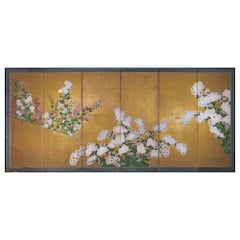
Edo period (18th century) painting of a flowing array of various types of chrysanthemums painted on beautifully faceted heavy gold leaf and behind afinely painted fence. Petals of th...
Category
Antique 18th Century Japanese Paintings and Screens
Materials
Gold
You May Also Like
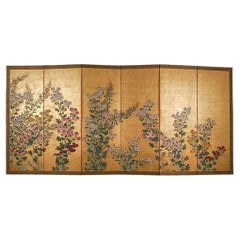
Japanese Six-Panel Screen Byobu With Chrysanthemums And Autumn Grass and Flower
Located in Torino, IT
The 19th Century Six-Panel Japanese folding screen "Byōbu" usually used in the most important Japanese house to stop wind and also to separate different space of the same big room de...
Category
Antique Mid-19th Century Japanese Edo Paintings and Screens
Materials
Gold Leaf
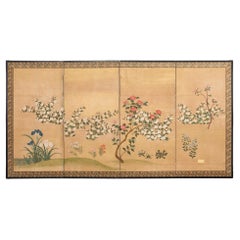
Japanese Showa Four Panel Screen Spring Flowers on Gilt
Located in Rio Vista, CA
Charming mid-20th century Japanese Showa period four-panel folding byobu screen featuring blossoming spring flowers over a bold gilt background. The painting depicts iris, camella, w...
Category
20th Century Japanese Showa Paintings and Screens
Materials
Brass
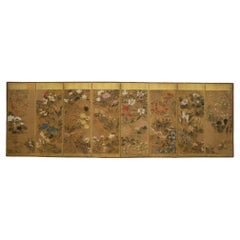
Summer Flowers Eight-Panel Botanical Screen
Located in Fukuoka, JP
Summer Flowers Eight-Panel Botanical Screen
Period: Late Edo
Size: 352x117 cm (138x46 inches)
SKU: PTA42
Immerse yourself in the splendor of late Ed...
Category
Antique 18th Century Japanese Edo Paintings and Screens
Materials
Gold Leaf
$5,304 Sale Price
38% Off
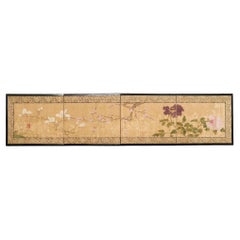
Japanese Edo Four Panel Screen Flowering Peony Prunus Magnolia
Located in Rio Vista, CA
Early 19th century Japanese Edo/Tokugawa period four panel folding byobu table screen featuring peony, prunus, and magnolia. Painted with ink and natural color pigments on silk with ...
Category
Antique 19th Century Japanese Edo Paintings and Screens
Materials
Brass
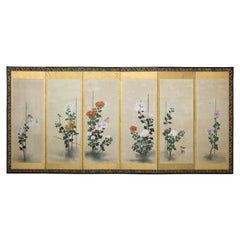
Japanese Six-Panel Screen with Chrysanthemums and Birds, Taishō Period (1920s)
Located in Yonkers, NY
A refined six-panel Japanese folding screen hand-painted with a graceful arrangement of seasonal chrysanthemums and small birds. Likely dating to the early 20th century during the Ta...
Category
Early 20th Century Japanese Taisho Screens and Room Dividers
Materials
Wood, Paper
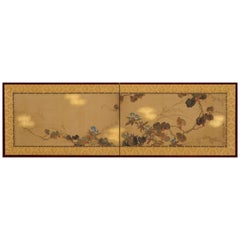
Japanese Screen Painting, Early 19th Century, Autumn Flowers by Sakai Hoitsu
Located in Kyoto, JP
A two-fold Japanese screen by the Rimpa school artist Sakai Hoitsu (1761-1828), Japan, 19th century, Edo period.
This small Japanese folding screen pai...
Category
Antique Early 19th Century Japanese Edo Paintings and Screens
Materials
Wood, Silk
More Ways To Browse
Japanese Six Screen
Japanese Six Panel
Japanese Six Panel Screen
Japanese Silk Brocade
Morning Glory Antique
Japanese Painting Silk Gold
Japanese Flower Painting
Japanese Screens Flowers
Japanese Maple
Japanese Silk Screen Flowers
Japanese Maple Art
Yamamoto Shunkyo
Silk Bird
Antique Gold Leaf Screens
Hand Painted Silk Screen
Antique Japanese Scrolls
Chinese Lacquered Screen
Hanging Scrolls