Items Similar to Antique Handcrafted 20th-Century Japanese Katagami Stencil (Kimono Dyeing Stenci
Want more images or videos?
Request additional images or videos from the seller
1 of 9
Antique Handcrafted 20th-Century Japanese Katagami Stencil (Kimono Dyeing Stenci
$500
£381.37
€434.28
CA$702.65
A$766.34
CHF 405.96
MX$9,187.34
NOK 5,170.07
SEK 4,727.65
DKK 3,244.52
About the Item
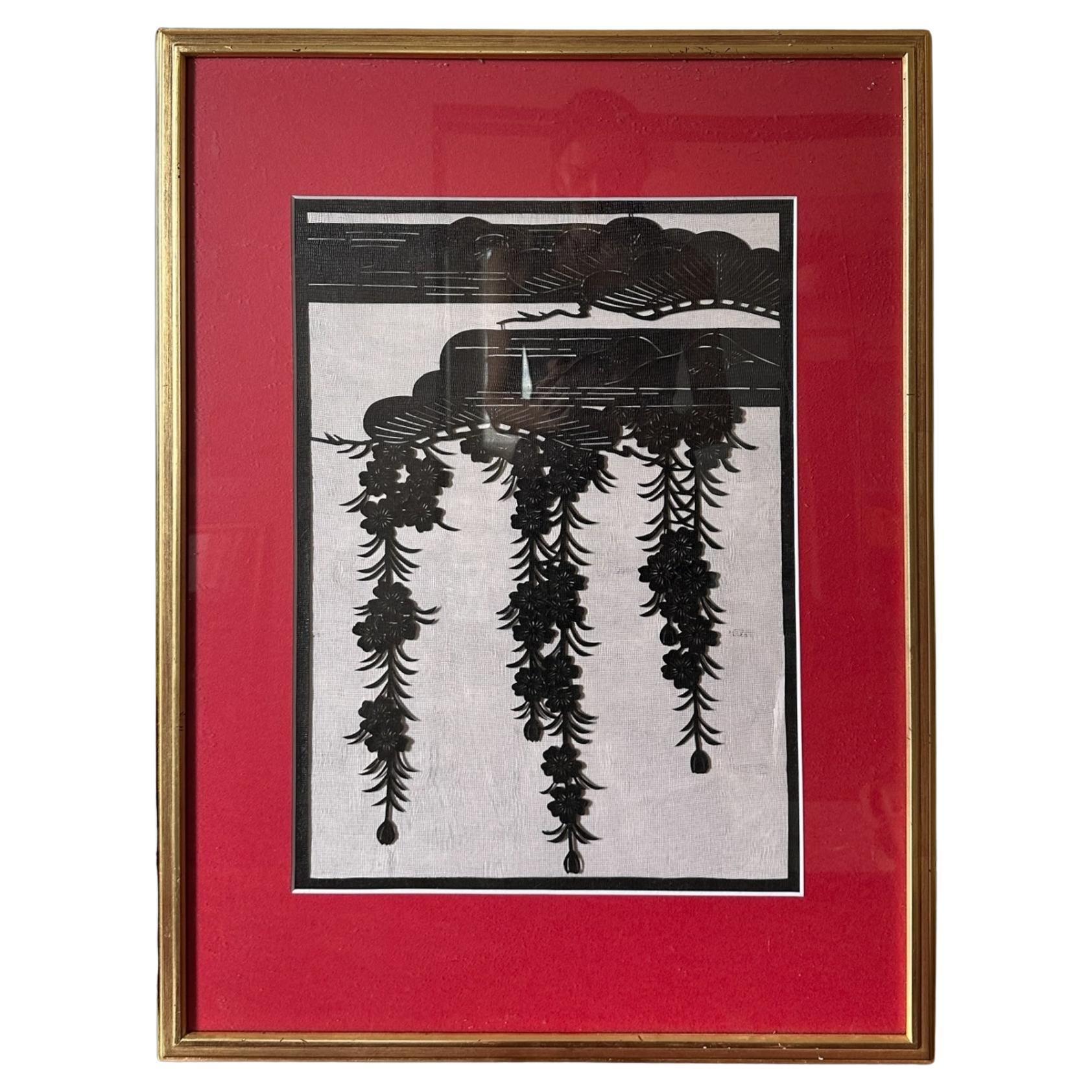
This elegant 20th-century Japanese katagami is a finely hand-cut stencil traditionally used for decorating kimono textiles. Crafted from multiple layers of washi paper strengthened with natural persimmon tannin (kakishibu), katagami stencils reflect the remarkable precision and aesthetic refinement of Japanese textile artisans.
The design features a richly detailed composition of floral motifs — meticulously cut by hand using fine knives. Such stencils were used in the katazome dyeing technique, where color is applied through the stencil onto silk or cotton fabrics. Each incision in the stencil required exceptional skill, concentration, and years of experience. No two hand-cut katagami are ever identical, making each example a unique work of art.
This piece is presented in a gold frame with a green mount, which enhances the bold contrast of the black-and-white stencil and gives it the presence of a standalone artwork.
We can ship it in two formats depending on your preference:
• With frame, ready to hang as shown
• Unframed, as the original paper stencil only
Dimensions with frame: 59 × 3 × 77 cm
A sophisticated decorative object and a fine example of traditional Japanese craftsmanship — perfect for interior display, textile collectors, or anyone drawn to the refined beauty of Japanese design heritage.
- Creator:Japanese Studio (Workshop/Studio)
- Dimensions:Height: 30.32 in (77 cm)Width: 23.23 in (59 cm)Depth: 1.19 in (3 cm)
- Materials and Techniques:
- Place of Origin:
- Period:
- Date of Manufacture:Unknown
- Condition:
- Seller Location:Fukuoka, JP
- Reference Number:1stDibs: LU10055247716222
About the Seller
No Reviews Yet
Vetted Professional Seller
Every seller passes strict standards for authenticity and reliability
Established in 2023
1stDibs seller since 2024
16 sales on 1stDibs
Typical response time: 5 hours
- ShippingRetrieving quote...Shipping from: Fukuoka, Japan
- Return Policy
More From This Seller
View AllAntique Handcrafted 20th-Century Japanese Katagami Stencil (Kimono Dyeing Stenci
By Japanese Studio
Located in Fukuoka, JP
This elegant 20th-century Japanese katagami is a finely hand-cut stencil traditionally used for decorating kimono textiles. Crafted from multiple layers of washi paper strengthened w...
Category
20th Century Japanese Prints
Materials
Paper
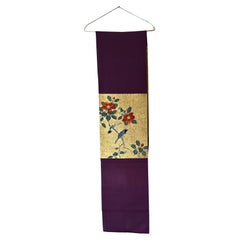
Antique Japanese Obi Textile Panel with Birds and Camellia Flowers, Meiji Period
Located in Fukuoka, JP
A magnificent antique Japanese silk obi fragment from the Meiji period (1868–1912), showcasing exceptional hand embroidery and gold leaf overlay.
This refined textile features a pai...
Category
Antique 19th Century Japanese Meiji Textiles
Materials
Silk
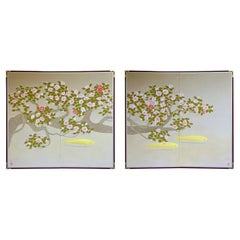
Set of screens by Nitten artist Tozaburo Ohno (大野藤三郎)
Located in Fukuoka, JP
Tozaburo Ohno (大野藤三郎)
A Japanese-style painter known for his refined depictions of koi carp and seasonal flowers. Born in 1917 in Osaka (though some sources cite Kyoto), he studied ...
Category
20th Century Japanese Showa Paintings and Screens
Materials
Wood, Paper
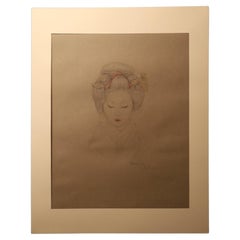
Large Collotype Print by Ryunosuke Fukui
from "Maiko" Series
- print no 4
Located in Fukuoka, JP
A large print created by Ryunosuke Fukui, a highly acclaimed modernist artist from Japan who lived between 1923 and 1986. Fukui's art has been exhibited in many prestigious museums a...
Category
20th Century Showa Paintings and Screens
Materials
Other
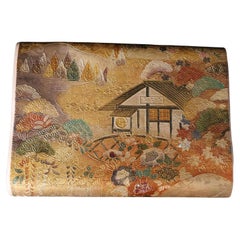
Japanese Obi with Landscape and Pavilion Motif – wall decoration, table runner
Located in Fukuoka, JP
A stunning Japanese obi textile from the Shōwa period, masterfully woven from silk with exquisite raden (mother-of-pearl inlay) detailing. This formal maru obi features a rich and in...
Category
20th Century Japanese Showa Textiles
Materials
Silk
Large Collotype Print by Ryunosuke Fukui
from "Maiko" Series
- print no 2
Located in Fukuoka, JP
A large print created by Ryunosuke Fukui, a highly acclaimed modernist artist from Japan who lived between 1923 and 1986. Fukui's art has been exhibited in many prestigious museums a...
Category
20th Century Showa Paintings and Screens
Materials
Other

You May Also Like
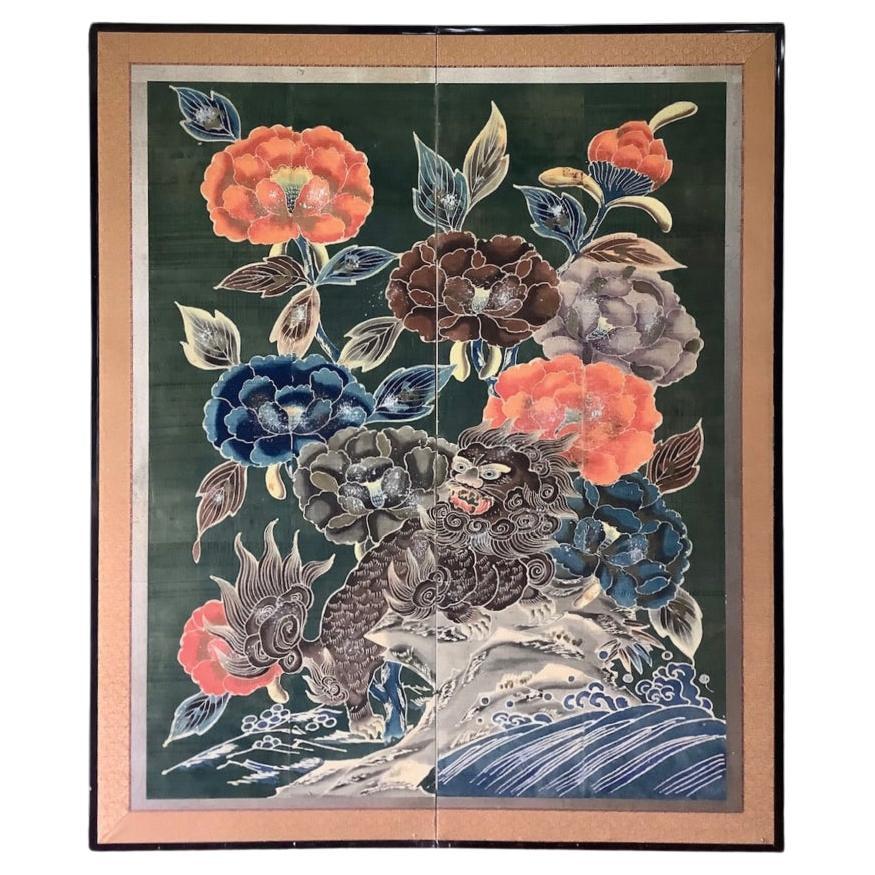
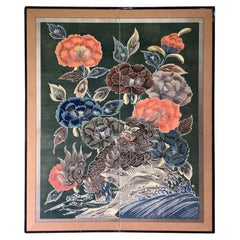
Late Edo period Tsutsugaki 筒描 Auspicious Shishi Batik Screen
Located in Fukuoka, JP
Auspicious Shishi Batik Screen
Period: Late Edo
Size: 145x173 cm (57x68 inches)
SKU: PTA62
Step into the mythical world of late Edo Japan with our radiant batik screen depicting the...
Category
Antique 19th Century Japanese Edo Paintings and Screens
Materials
Cotton, Wood
$2,690 Sale Price
50% Off
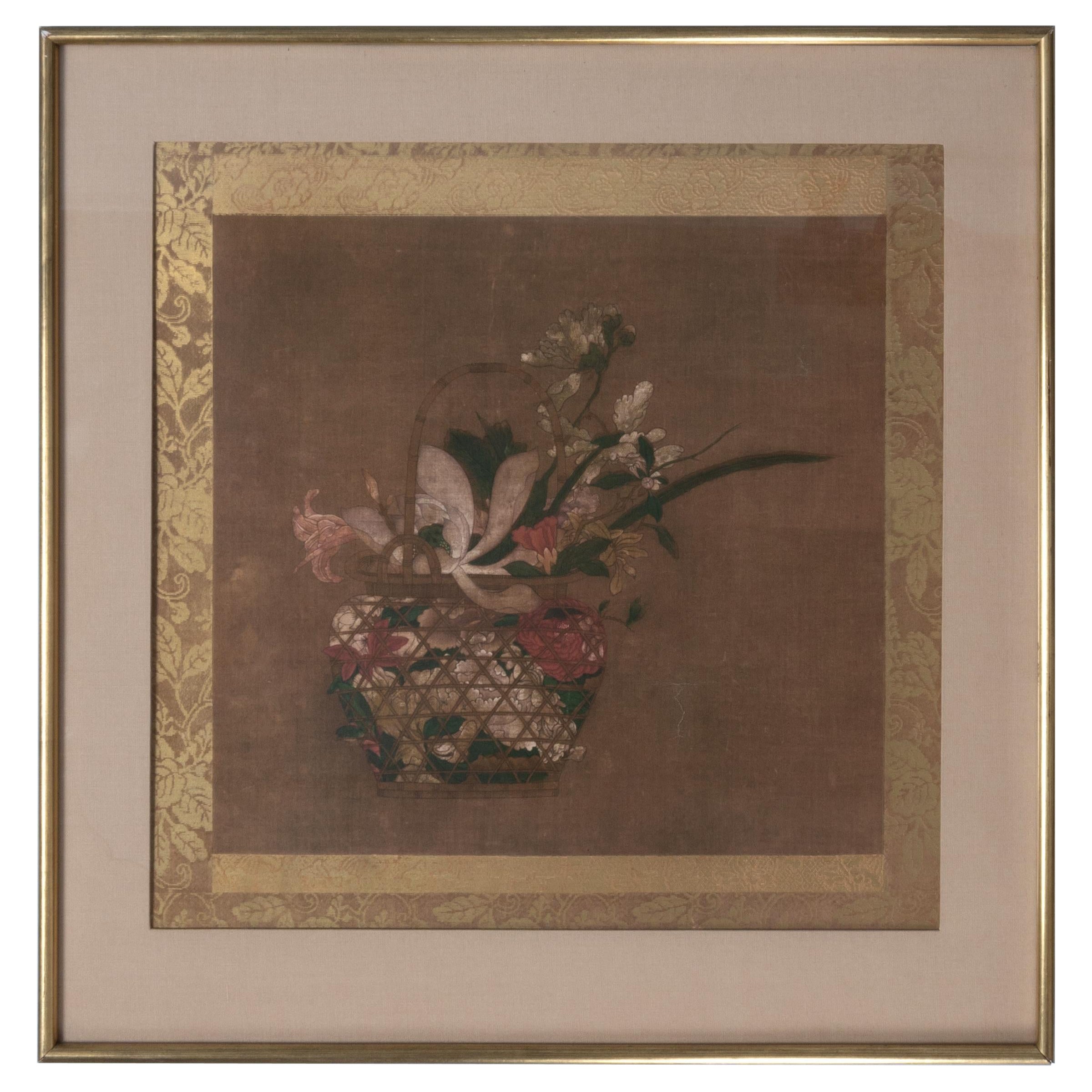
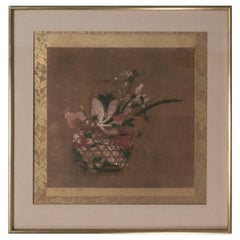
Framed Japanese Painting on Silk, Flowers In Basket , Japan, Showa Period C.1930
Located in London, GB
Framed Japanese Painting on Silk, Flowers In Basket ,
Japan, Showa Period C.1930
Present in excellent condition commensurate of age
Category
Early 20th Century Japanese Showa Paintings and Screens
Materials
Silk
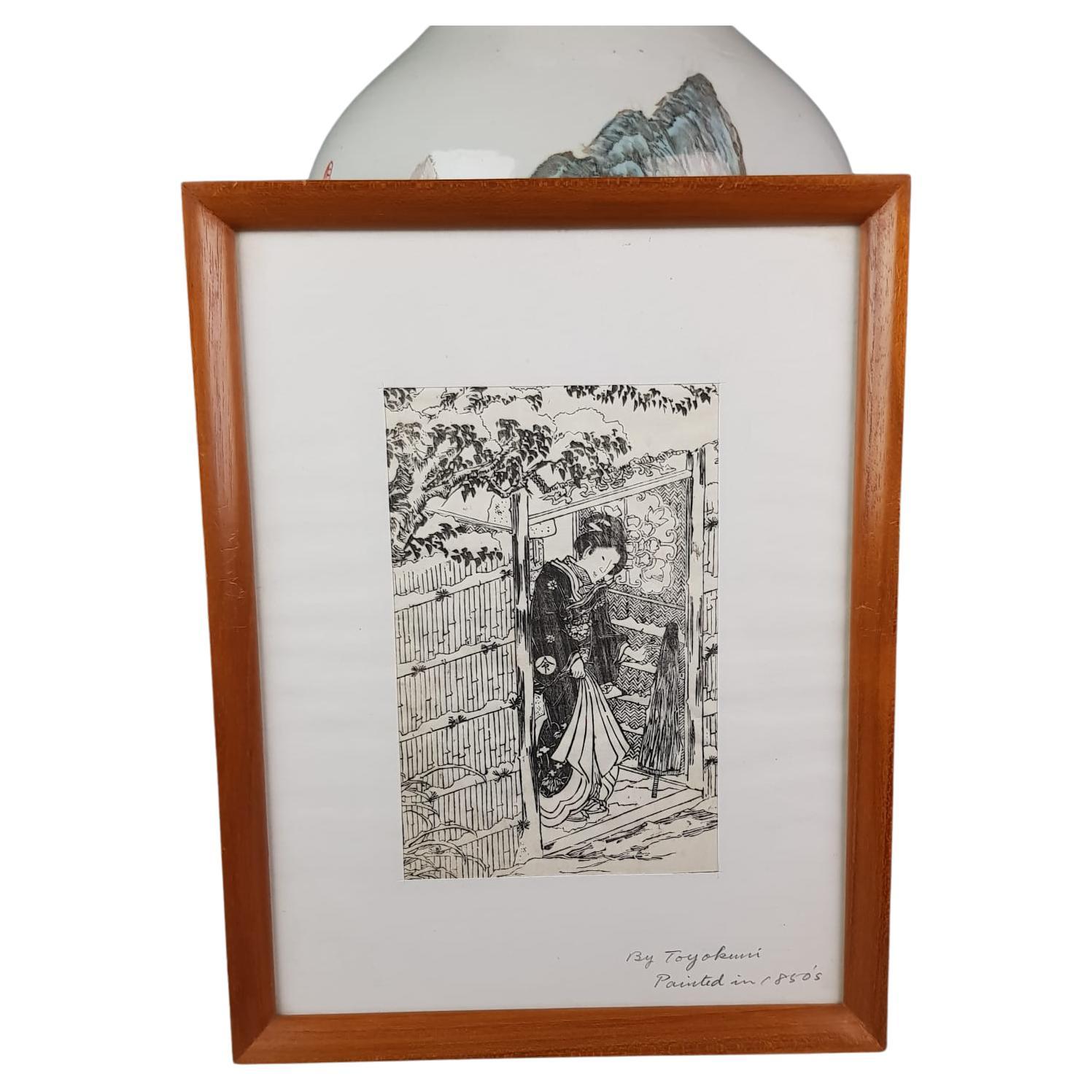
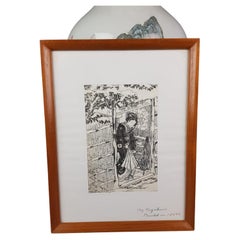
Antique Japanese Toyokuni Japan Block Print Calligrphy Edo or Meiji
Located in Amsterdam, Noord Holland
A very nice block print by Tokoyuni 1850's
10-9-18-rof-301
Additional information:
Type: Paintings, Scrolls & Prints
Region of Origin: Japan
Country of Manufacturing: Japan
Period:...
Category
Antique 19th Century Japanese Prints
Materials
Paper
$310 Sale Price
20% Off
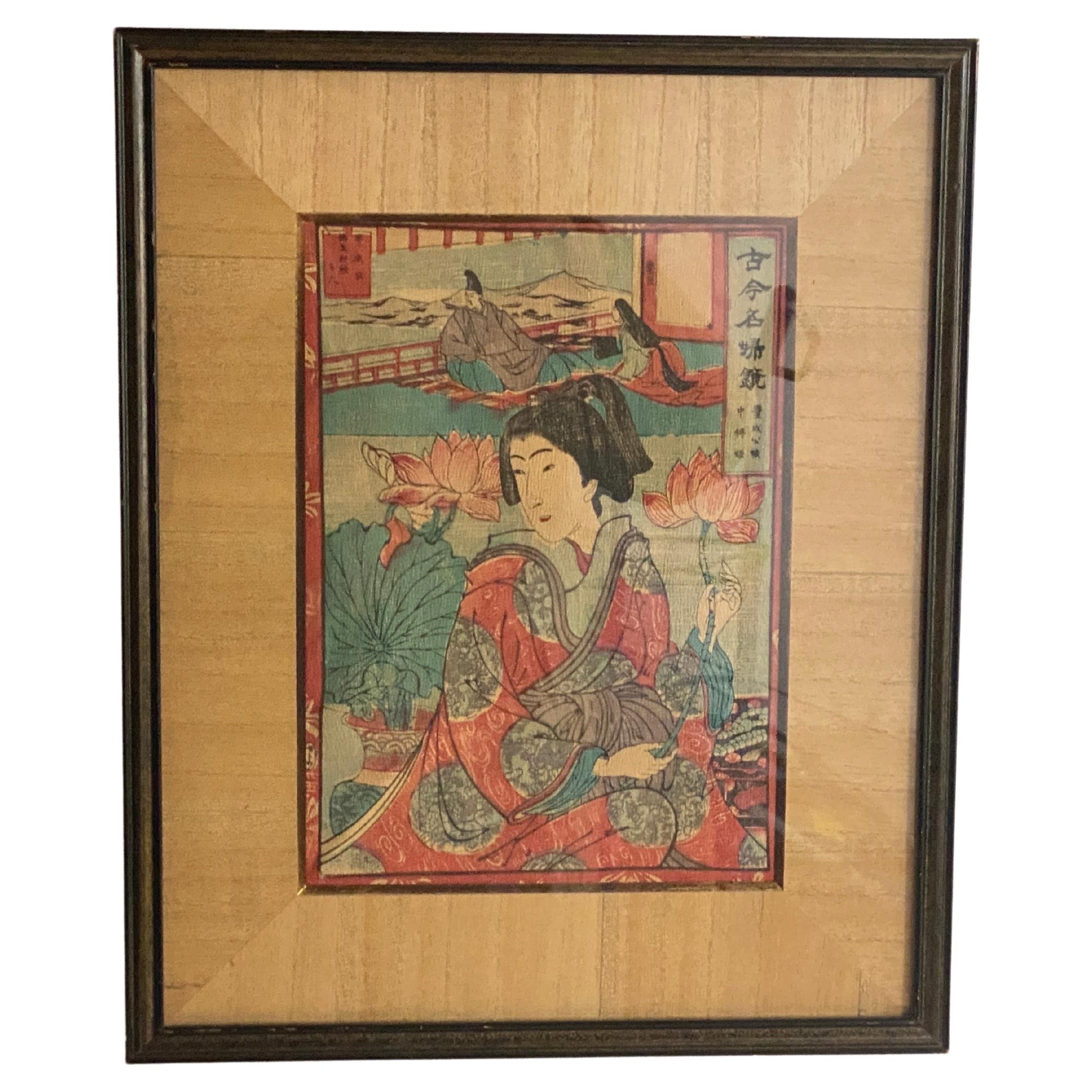
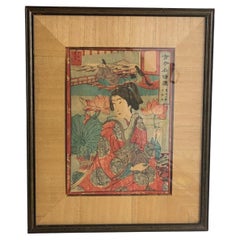
Original Japanese Woodblock Print by Japanese Artist 19th Century
Located in Auribeau sur Siagne, FR
Rare, original 19th century woodblock print. Beautiful Edo period print from the original publisher. Quality framed with conservation glass in an black painted frame.
Red Blue Gree...
Category
Antique 19th Century Japanese Chinese Export Prints
Materials
Paper
$258 Sale Price
20% Off
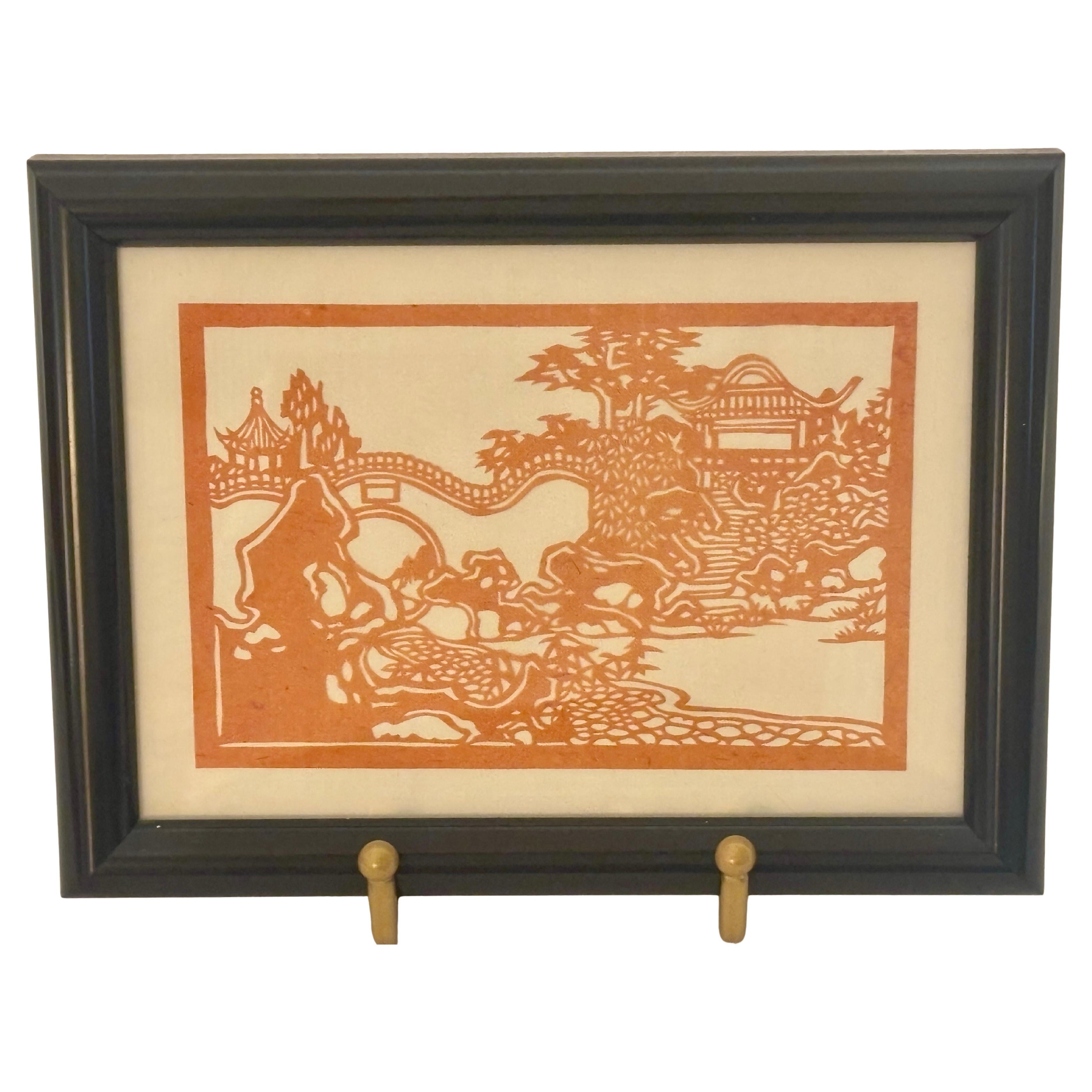
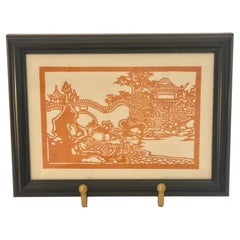
Charming Asian cut-out
Located in Evanston, IL
Charming and chic piece of art made by Canadian woman on her trip to China circa 1980
Category
Vintage 1980s Chinese Chinoiserie Outsider and Self Taught Art
Materials
Paper
Framed Japanese Woven Textile Panel with Dragon Meiji Period
Located in Atlanta, GA
A framed Japanese woven textile circa late 19th century of Meiji Period. Likely a fragment of a priest robe or kesa, the multi-paneled textile was finely woven with gold foiled threads that depicts a five-clawed dragon slithering in the clouds and water...
Category
Antique 19th Century Japanese Meiji Textiles
Materials
Silk, Wood