Items Similar to Antique Japanese Mingei Yokogi
Want more images or videos?
Request additional images or videos from the seller
1 of 10
Antique Japanese Mingei Yokogi
$4,500
£3,410.48
€3,911.53
CA$6,287.35
A$6,859.16
CHF 3,637.96
MX$82,637.45
NOK 46,172.78
SEK 42,272.44
DKK 29,213.31
About the Item
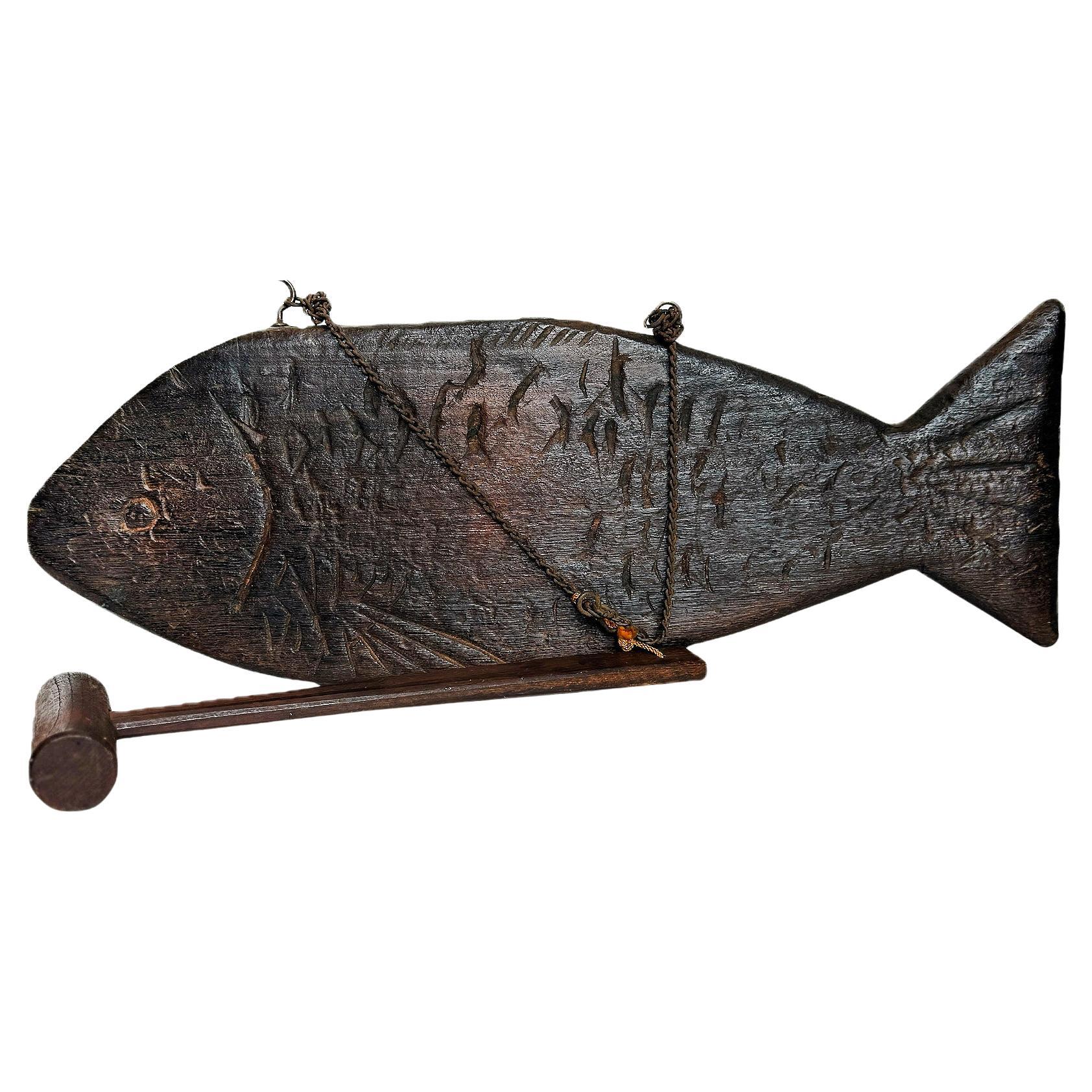
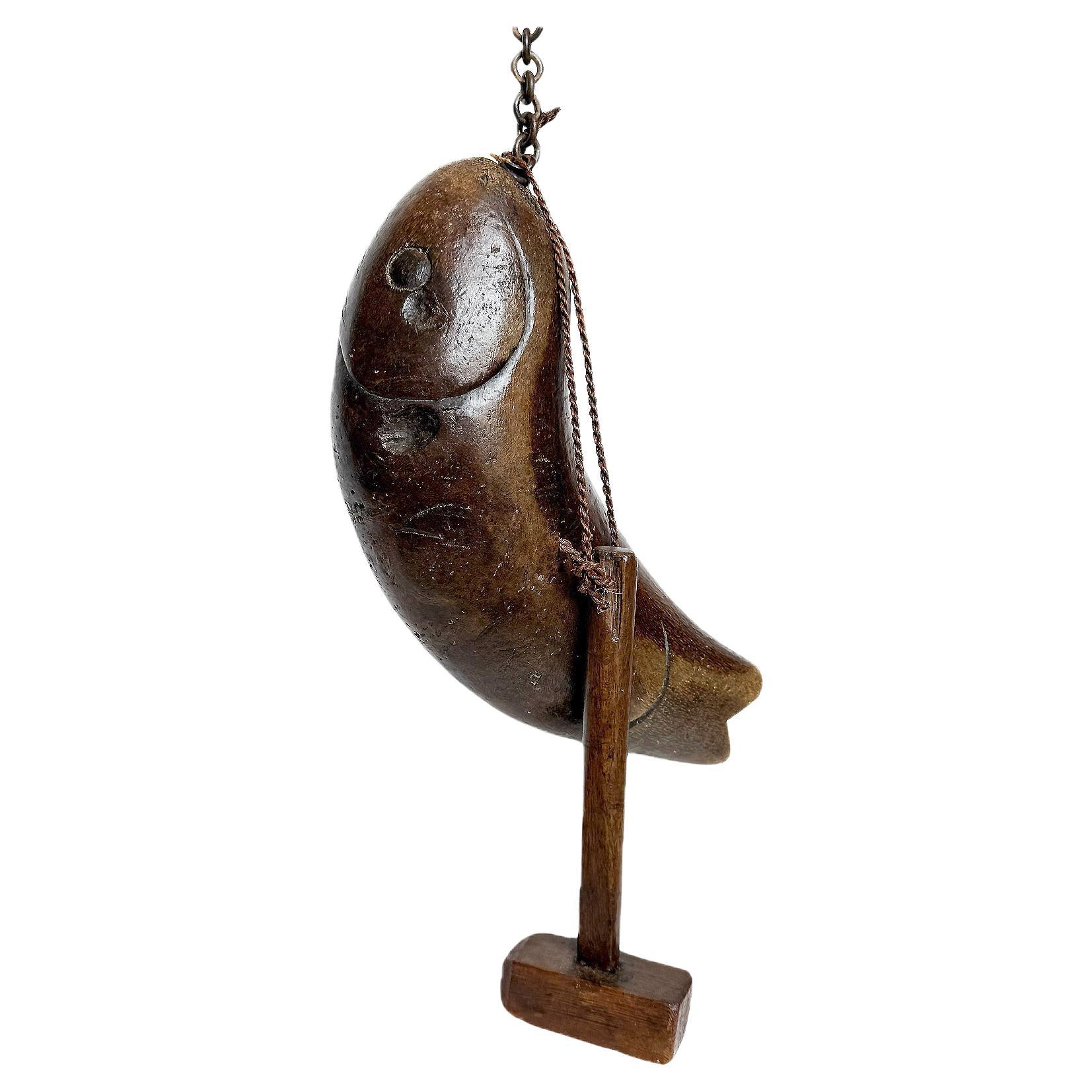
Antique Japanese Yokogi, a fish shaped fulcrum for the pot hook assembly over the hearth, a naively carved Tai (Sea Bream) with large head pierced for the hooked pole and the large tail pointed upward with a metal loop for the cord attachment, incised carving for facial details and scales, encrusted patina from use. Wood storage box made of hinoki.
Excellent condition.
5-7/8 in. high x 14-3/4 in. long x 4 in. wide.
Weight: 4 lbs. 4 oz.
Late Edo, Circa 1800.
Published in a Japanese newspaper in 1964 (article and translation available).
Provenance:
with Kingo Kondo, Kyoto 1964
Ken Domon, Tokyo
For a similar example see: Robert Moes, Mingei: Japanese Folk Art from the Brooklyn Museum Collection, #54 pp. 100-101. With the informative following information:
“Tai (sea bream, red snapper), especially the ones caught in certain parts of the Japan Sea, are among the most delicious fish in the world and make the best sashimi (sliced raw fish). Though expensive, tai is extremely popular in Japan. Tai is pronounced the same as the last syllable of the word medetai, which means “happy, propitious, auspicious”. Therefore, the tai fish became a symbol of happiness and is served at all felicitous occasions. Ebisu, one of the Shichifukujin. The Seven Gods of Good Fortune, always holds a tai under one arm and a fishing pole in the other. Ebisu is the God of Daily Food and patron deity of fisherman.
The tai is also associated with the Tanabata Festival, one of Japan’s most popular annual celebrations. On the seventh night of the seventh month, a huge float in the shape of a tai is pulled through the streets of many Japanese towns. The Tai float symbolizes the happiness of the event; the only night during the year when the Weaver (the star Vega) and her husband, The Herdsman (the star Altair), are allowed to meet (the two stars are in conjunction in the Milky Way that night). The story goes that the Weaver’s father, the Lord of Heaven, forbade her to join her husband more than one night a year.
A pothook-adjuster is usually carved in some fanciful form having auspicious and protective symbolism. In addition to the felicitous symbolism of the tai, a fish-shaped yokogi symbolizes the presence of water and magically prevents the fire in the hearth from starting a conflagration and destroying the house. Beyond the special symbolism of the tai, fish in general are considered felicitous because they seem happy in their element, swimming merrily in the water, unaware of mankind’s problems.”
- Dimensions:Height: 5.88 in (14.94 cm)Width: 14.75 in (37.47 cm)Depth: 4 in (10.16 cm)
- Style:Edo (Of the Period)
- Materials and Techniques:
- Place of Origin:
- Period:
- Date of Manufacture:Late Edo, circa 1800
- Condition:Wear consistent with age and use.
- Seller Location:Point Richmond, CA
- Reference Number:Seller: TM-NG750331stDibs: LU1778236732112
About the Seller
5.0
Platinum Seller
Premium sellers with a 4.7+ rating and 24-hour response times
Established in 1999
1stDibs seller since 2015
733 sales on 1stDibs
Typical response time: 1 hour
- ShippingRetrieving quote...Shipping from: Palm Springs, CA
- Return Policy
More From This Seller
View AllJapanese Meditation Drum (Gyoban), Fish Shape with Striker, Wood, Meiji Period
Located in Point Richmond, CA
Japanese Meditation Drum (Gyoban), Fish Shape with Striker, Wood, Meiji Period
In the Zen Buddhist temples of Japan, suspended in front of the entrance to the refectory, you will no...
Category
Early 20th Century Japanese Meiji Sculptures and Carvings
Materials
Wood
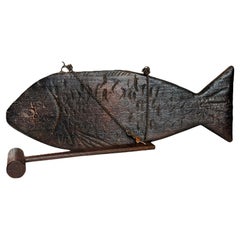
Japanese Fish Shape Meditation Drum (Gyoban), Edo Period
Located in Point Richmond, CA
Japanese Monk Meditation Fish Gong, Edo Period (Zen fish shaped drum, Gyoban)
In the Zen Buddhist temples of Japan, suspended in front of the entrance to the refectory, you will not...
Category
Antique Late 19th Century Japanese Edo Sculptures and Carvings
Materials
Wood
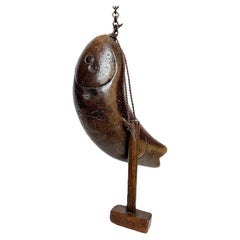
Jizai Koi and Water Motif, Japan, Miji Period
Located in Point Richmond, CA
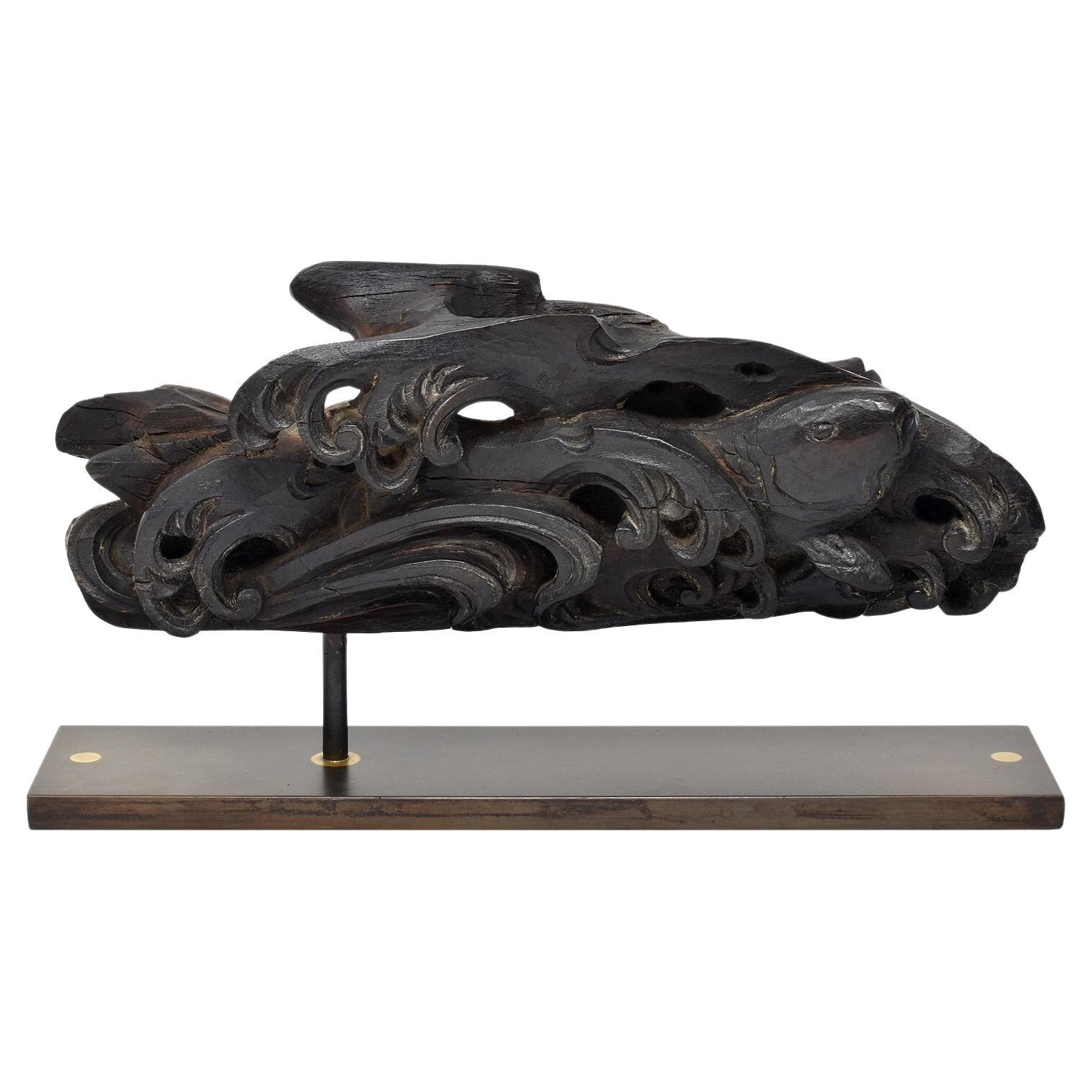
This jizai is an excellent example of a well-balanced and pleasingly carved sculpture of koi swimming in waves. Once part of a Japanese hanger (jizagake) for a kettle hook, it served...
Category
Antique Late 19th Century Japanese Meiji Sculptures and Carvings
Materials
Wood
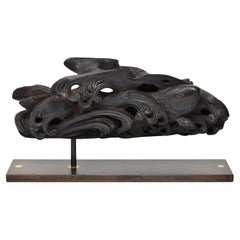
Japanese bronze image of Tanjo no Shaka
Located in Point Richmond, CA
Japanese bronze image of Tanjo no Shaka, the infant Buddha (Shakyamuni), a standing figure with the right hand pointing towards heaven and the left hand pointing toward earth, costum...
Category
Antique 1850s Japanese Edo Metalwork
Materials
Bronze
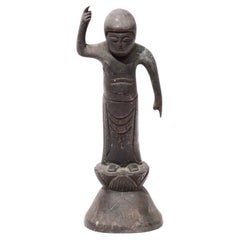
Japanese Kuruma-dansu
Located in Point Richmond, CA
Japanese Kuruma-dansu, a wheeled storage chest traditionally kept in the Kura (storeroom) for the specific purpose of containing valuables, thus the wheeled carriage for a quick exit...
Category
Antique Mid-19th Century Japanese Edo Furniture
Materials
Wood
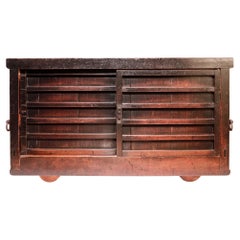
$9,000
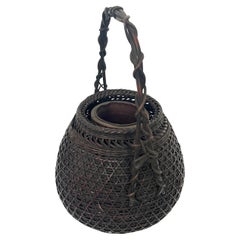
Antique Ikebana Basket , Bamboo, Early 20th Century, Japanese
Located in Point Richmond, CA
Ikebana basket for the art of flower arrangement. This ikebana basket features a weave pattern which creates a hexagon shape and a twisted handle. It has a rounded body with handle a...
Category
Early 20th Century Japanese Meiji Decorative Baskets
Materials
Bamboo
You May Also Like
Japanese Erotic Otofuku Folk Art Carving, Late Meiji Period, circa 1900
Located in Prahran, Victoria
Rare and highly unusual Japanese Folk Art wood carving depicting the folk heroine and good luck figure Otafuku with a finely painted erotic design on the interior and a carved inscri...
Category
Early 20th Century Japanese Meiji Sculptures and Carvings
Materials
Cypress
Japanese Antique Wooden Carved Ornaments
Located in Katori-Shi, 12
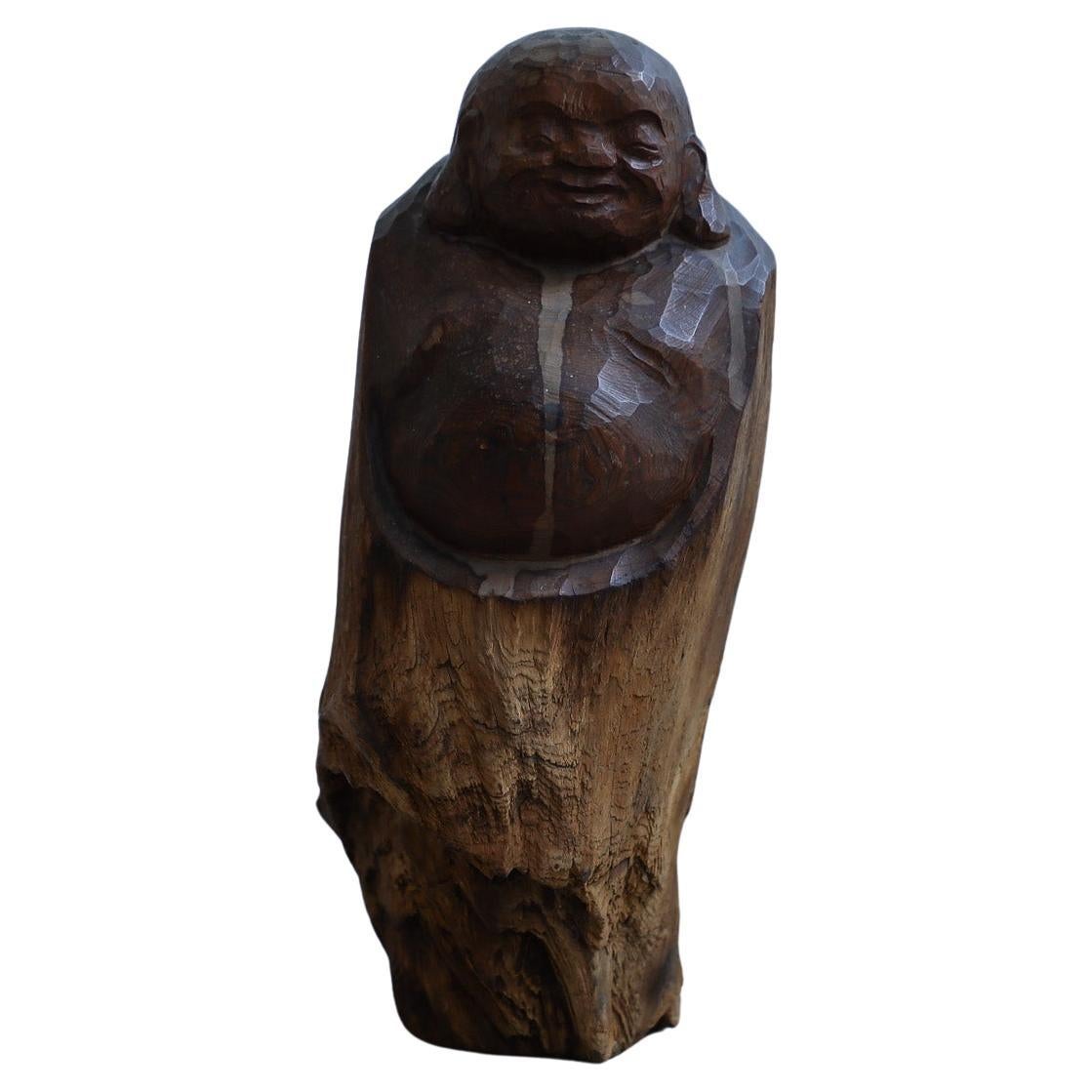
This is a wooden figurine from the Taisho period.
"Hotei-son" is a god who is widely worshiped in Japan as one of the Seven Lucky Gods.
It is modeled after the Zen monk Hotei, who ...
Category
Early 20th Century Taisho Antiquities
Materials
Wood
Japanese Edo Period Saga Ningyo, Ca. 1850
Located in New York, NY
Japanese Edo Period Saga Ningyo, Ca. 1850
DIMENSIONS
Height: 9.5 inches
Width: 6 inches
Depth: 5 inches
Category
Antique 1850s Japanese Japonisme Figurative Sculptures
Materials
Wood
A Japanese Carved Root Yōkai Figure, Meiji Period
Located in Savannah, GA
A japanese carved root yōkai figure, Meiji Period.
6 inches wide by 5 inches deep by 8 inches tall
Category
20th Century Japanese Figurative Sculptures
Materials
Wood
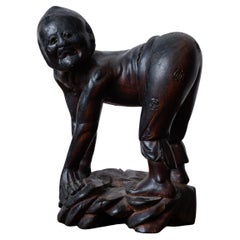
Japanese Bronze Okimono of a Carp, Taisho Period, Early 20th Century, Japan
Located in Austin, TX
An elegant Japanese cast bronze okimono of a swimming carp, Taisho Period (1912 - 1926), early 20th century, Japan.
The graceful fish portrayed realistically in motion, as if swimmi...
Category
Vintage 1920s Japanese Taisho Sculptures and Carvings
Materials
Bronze
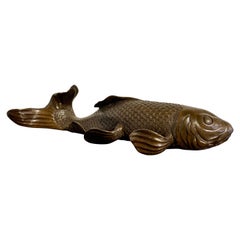
Japanese bronze Okimono , Edo period
Located in Bilzen, BE
Japanese bronze okimono from the Edo period in its old patina and good condition,
Beautiful quality and expression
Height 30 cm, not signed
Category
Antique 18th Century Japanese Edo Sculptures and Carvings
Materials
Bronze