Items Similar to Japanese antique Buddhist statues/[Ten Kings statues]/Edo period/18-19th century
Video Loading
Want more images or videos?
Request additional images or videos from the seller
1 of 22
Japanese antique Buddhist statues/[Ten Kings statues]/Edo period/18-19th century
$1,000
£755.88
€867.03
CA$1,394.04
A$1,517.53
CHF 805.50
MX$18,259.12
NOK 10,206.83
SEK 9,352.34
DKK 6,474.93
About the Item
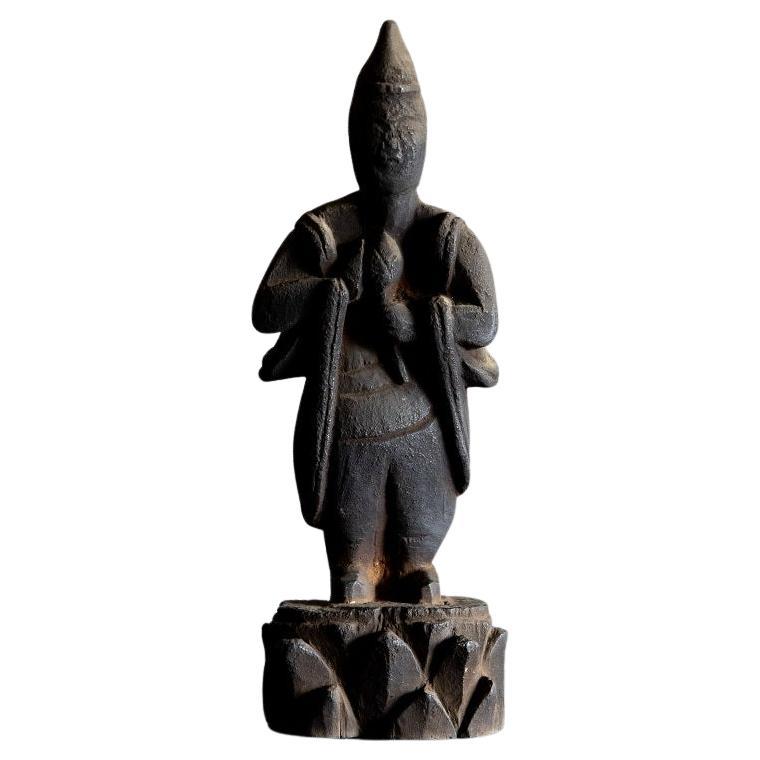
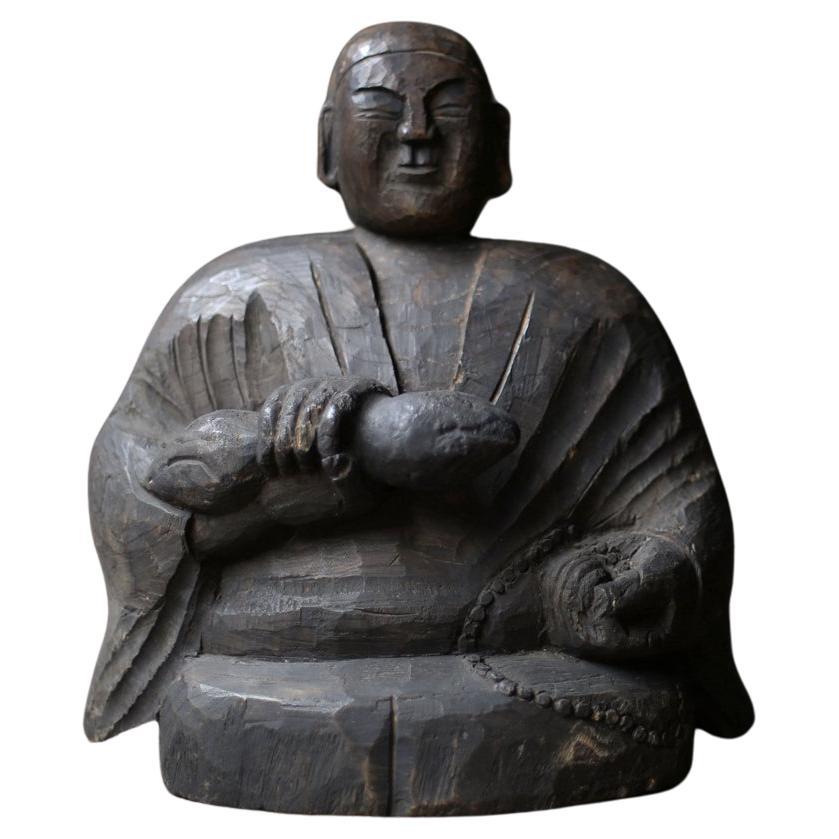
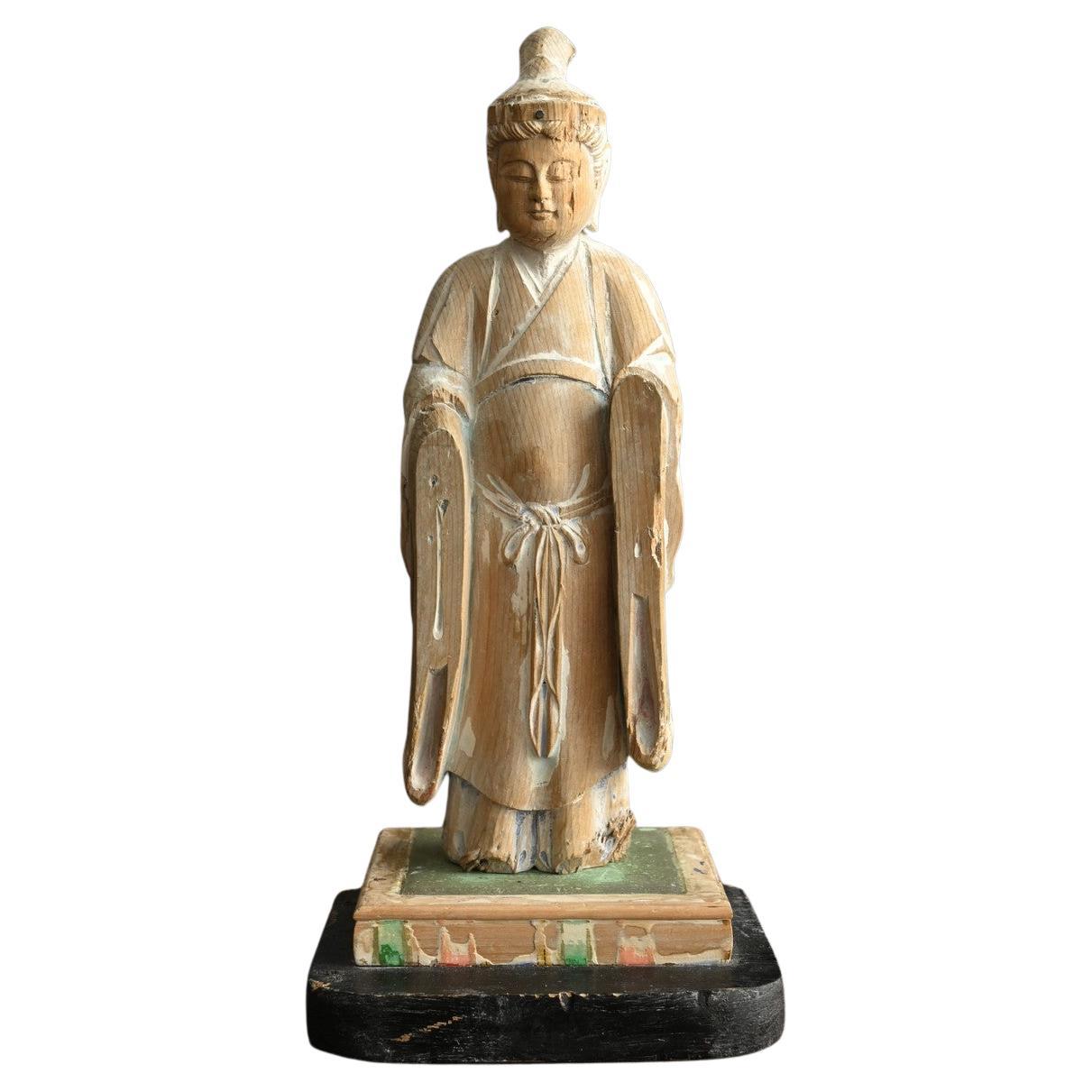
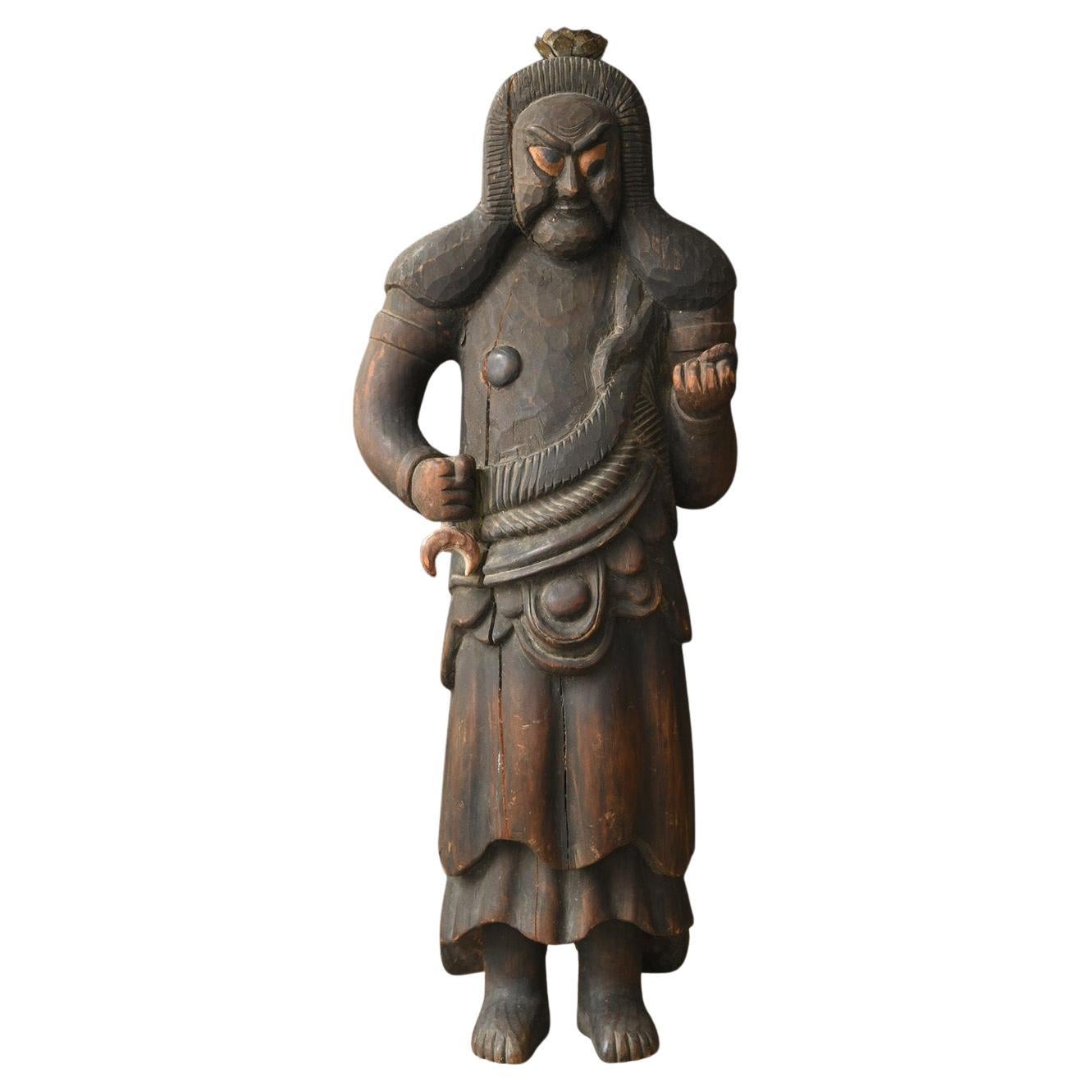
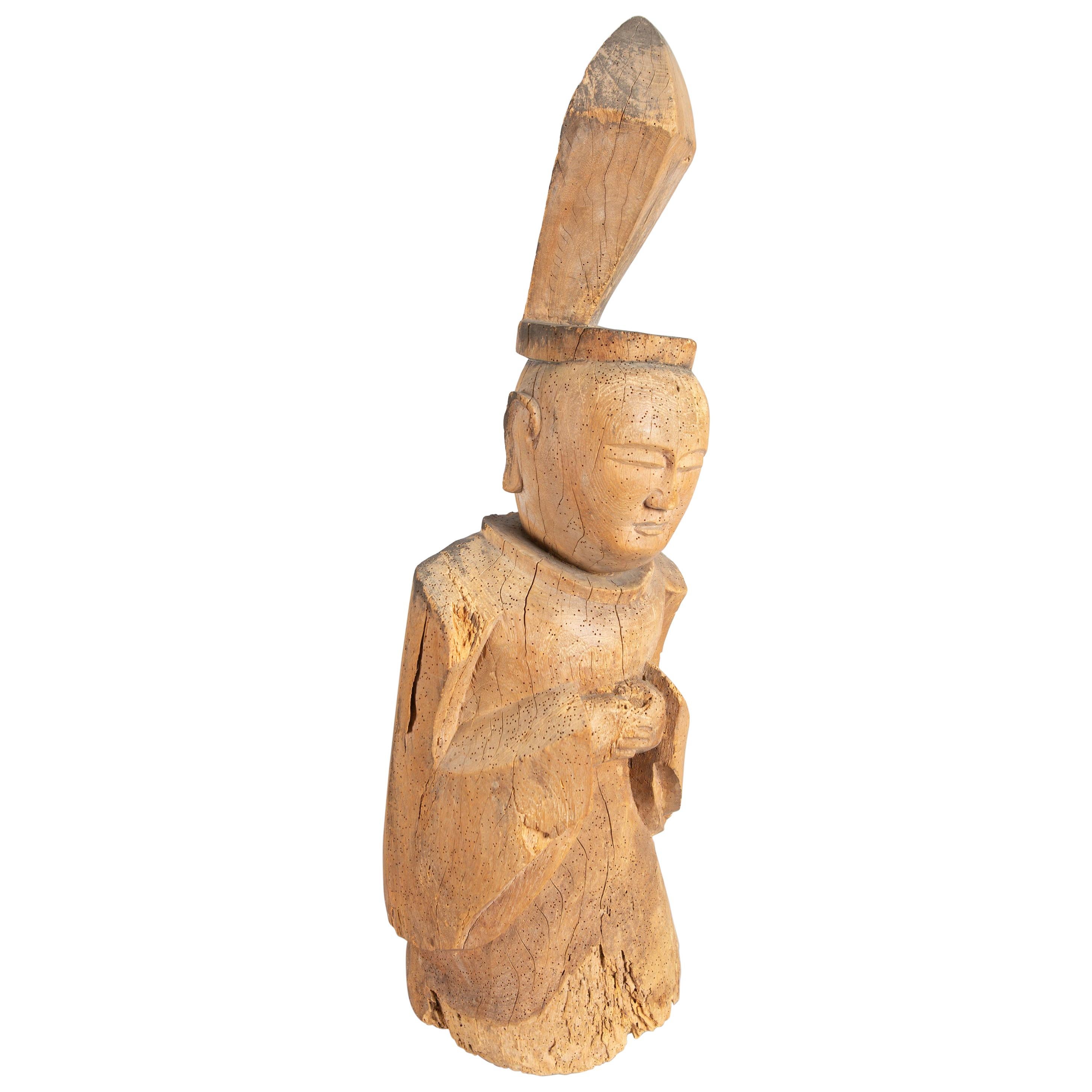
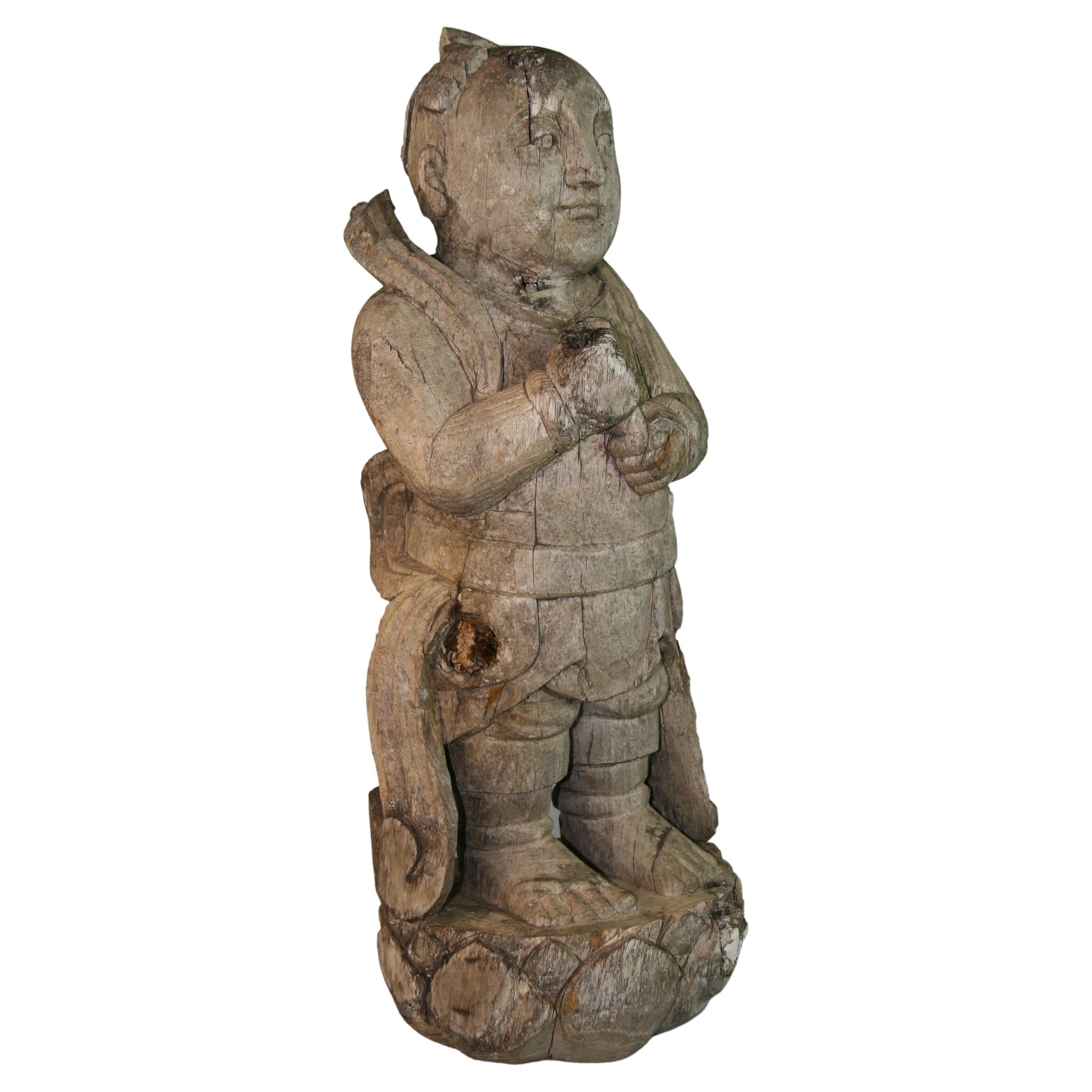
This wooden Buddhist statue (made from cypress wood) is thought to have been made in the Edo period, probably around the 18th or 19th century. It is one of the types of statues known as "Ten Kings Statues."
Ten Kings Statues are statues of the ten kings that the deceased are said to meet in the afterlife, based on Buddhist teachings. It is believed that after death, a person is judged every seven days from the seventh day after death, and that their reincarnation destination is decided by the 77th day (49th day). The Ten Kings are like judges, examining the deceased's actions in life and ultimately deciding whether they will go to paradise or hell.
Many such Ten Kings statues remain, especially in the Tohoku region and the Hokuriku region, including Niigata Prefecture. Although the specific place of production of this work has not yet been identified, it is assumed to belong to the same lineage as the Buddhist statues enshrined in the areas mentioned above. In fact, similar works are published in art books, and reference materials are included as examples.
In the past, each village or settlement had a small hall called a "Jizo-do" where these statues of the Ten Kings were enshrined along with Jizo Bodhisattva. Jizo Bodhisattva is said to save all living beings from all hardships and is widely worshipped.
The Jizo-do was not only a place of worship, but also a place where villagers gathered to interact. It was a mysterious space where the "other world" and the "this world" intersected, and the statues of the Ten Kings were symbols of facing the inevitable death. Inside the hall, there are statues of "undressing old women" who strip the dead, and they are characterized by their expressions that give a sense of humor and relief amid the fear.
This statue also retains a cheerful and gentle expression amid the sternness, and it is clear that it was a presence that eased the anxiety and fear that people at that time had in the face of death. The statues of the Ten Kings, which remain in large numbers in settlements in Tohoku and Niigata, are Buddhist statues that were associated with the earnest prayers of such villagers, and can be said to have played a central role in folk beliefs.
Currently, many Buddhist statues are housed in museums, and beautiful and majestic statues such as Shaka Nyorai, Kannon Bodhisattva, and Jizo Bodhisattva are attracting attention, but the existence of these simple Buddhist statues that are closely related to everyday life is not yet fully known. However, these Buddhist statues are proof of the faith that is deeply rooted in the lives of the people, and they have the power to speak to the heart even in modern times.
In addition, since the bottom of this work was damaged, probably due to corrosion or insect damage, part of the statue was cut out and placed on a new pedestal and reconstructed. As a result, there are slight differences in the wood quality of the pedestal and the main body, but the overall unity and stability are maintained, and it has an appearance that quietly blends in with modern spaces.
These Ten Kings statues, standing quietly, go beyond being mere ornaments and bring spirituality and a story to the space. By placing them in spaces where light and shadow intersect, such as the entrance, the tokonoma alcove, or a corner of a study, you will be able to feel the presence of prayer that transcends time.
Size: Width 26cm x Depth 11.5cm x Height 38cm
Weight: 1.35kg
Product code: SC128
[We are a specialized team dealing in antiques and vintage items, comprised of stores based on three distinct brands. While focusing on Japanese items, we also offer a carefully curated selection of attractive goods from around the world—each evoking the culture and history of its country of origin.
Unlike the traditional Japanese antique furniture and art that have been appreciated overseas until now, we shine a light on the tools and furniture that were used for many years in ordinary Japanese homes and farmhouses. These objects have gained a unique charm over time, their beauty deepened by the history accumulated through daily life. In today’s world, however, many of these precious items are discarded during home demolitions. We are committed to reassessing their value and passing them on to future generations.
Drawing from our extensive experience—having seen tens of thousands of items through direct purchases, markets, and auction houses—we carefully select and present only the most captivating pieces. This is something made possible only through the years of knowledge and expertise we have cultivated.
Rather than focusing on the widely known facets of Japanese art and culture, we highlight the subtle beauty born from the everyday life of common people. It is this rediscovered beauty, steeped in history, that we strive to share with the world.]
- Dimensions:Height: 14.97 in (38 cm)Width: 10.24 in (26 cm)Depth: 4.53 in (11.5 cm)
- Style:Edo (Of the Period)
- Materials and Techniques:
- Place of Origin:
- Period:
- Date of Manufacture:18-19th century
- Condition:Repaired: Probably due to corrosion and insect damage, the bottom of the body was in poor condition, so part of the body was cut off and placed on a different base.
- Seller Location:Sammu-shi, JP
- Reference Number:1stDibs: LU5487246008652
About the Seller
5.0
Platinum Seller
Premium sellers with a 4.7+ rating and 24-hour response times
Established in 2015
1stDibs seller since 2020
1,704 sales on 1stDibs
Typical response time: 6 hours
- ShippingRetrieving quote...Shipping from: senzoku, Japan
- Return Policy
More From This Seller
View AllAntique Wooden Sculpture "Kobo Daishi" / Buddha Statues / Edo-Meiji Period
Located in Sammu-shi, Chiba
This is an old Japanese "Kobo Daishi" wooden figure.
"Kobo Daishi" means "Kukai".
"Kukai" was a monk from the early Heian period. His posthumous name was "Kobo Daishi". He is the fou...
Category
Antique 19th Century Japanese Edo Sculptures and Carvings
Materials
Cypress
Wooden Buddha statues from the Edo period in Japan/1800-1868/Late Edo period
Located in Sammu-shi, Chiba
This wooden Buddhist statue was made in the late to late Edo period.
It is thought to be a statue of Kannon Bodhisattva.
It was originally placed in a shrine and was painted, but the...
Category
Antique 19th Century Japanese Edo Sculptures and Carvings
Materials
Cypress
Japanese antique wooden Buddha statue/Acala/Late Edo period/19th century
Located in Sammu-shi, Chiba
This is a statue of Fudō Myōō (Acala), believed to have been created in Japan during the late Edo period, specifically in the year 1804. On the back, there is an ink inscription that...
Category
Antique 19th Century Japanese Edo Sculptures and Carvings
Materials
Wood
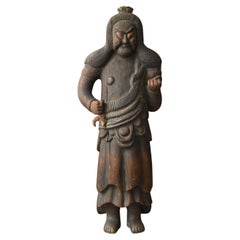
Rare Japanese antique wooden god statue /12th century/small wabi-sabi figurines
Located in Sammu-shi, Chiba
I was able to obtain a very rare item.
This is a sculpture of the god ``Shinzo''.
"Shin" = God
"zo" = statue
Since ancient times in Japan, it has been believed that gods reside in all things in the universe, and there have been many shrines.
In the 6th century, Buddhism was introduced and gradually spread throughout Japan.
Around the 8th century, the idea that gods follow the teachings of Buddha spread.
Until the Edo period, God and Buddha became one and the idea of ``Shinto and Buddhism syncretism'' was established.
This statue was created during such a history.
Originally, the image of God was invisible and could not be understood as something tangible.
However, with the introduction of Buddhism to Japan, idol worship was also introduced, and the idea that the gods follow the teachings of Buddha was also propagated at the same time in order to spread the teachings of Buddhism.
Around that time, around the 9th century, the first statues of gods...
Category
Antique 15th Century and Earlier Japanese Other Figurative Sculptures
Materials
Cypress
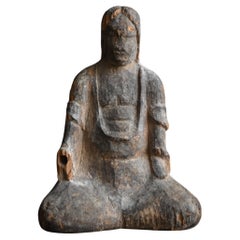
Japanese antique wood carved Buddha/1800s/late Edo period/folk Buddha
Located in Sammu-shi, Chiba
This is a wooden Jizo Bodhisattva statue made in the late Edo period in Japan.
It is thought that they were not carved by Buddhist sculptors living in central cities such as Kyoto or...
Category
Antique 19th Century Japanese Edo Figurative Sculptures
Materials
Cypress
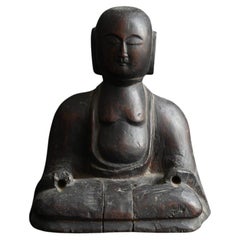
Japanese antique wooden Buddha statue / Edo period / 1600 to 1800
Located in Sammu-shi, Chiba
This wooden statue is a relic from Japan's Edo period, and within it lies a deep history that transcends time. Originally, it was part of a more intricate statue, likely adorned with...
Category
Antique 17th Century Japanese Edo Sculptures and Carvings
Materials
Cypress
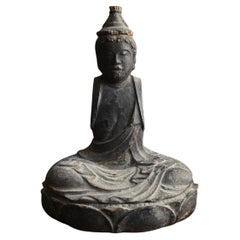
You May Also Like
Japanese Antique Wooden Buddhist Figure, Edo Period
1603-1868
Located in Hitachiomiya-shi, 08
This antique wooden Buddhist figure was crafted in the Edo Period (1603–1868).
Although the specific identity of the deity it represents is unknown, the figure has a gentle presence...
Category
Antique Mid-17th Century Japanese Edo Figurative Sculptures
Materials
Wood
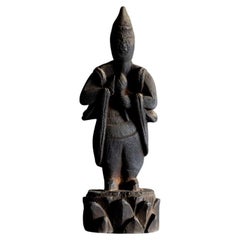
Early Shinto Carving of Figure Referred to as Father Japan
Located in Hudson, NY
Shinto carving of figure referred to as Father Japan. Heian period (794 to 1185) sculpture made of hinoki wood in single piece construction called ichiboku...
Category
Antique 15th Century and Earlier Japanese Sculptures and Carvings
Materials
Wood
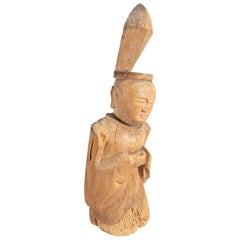
Japanese Carved Wood Sculpture 19th Century
Located in Douglas Manor, NY
1310 Japanese carved wood sculpture.Early 19th century
Category
Antique 1820s Sculptures and Carvings
Materials
Harewood
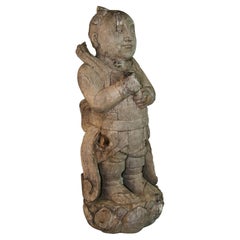
Chinese Ming Dynasty Carved Wood Budda
Located in Dallas, TX
A carved wood Budda from the Shanxi region, made during the Ming Dynasty. The carved figure has an ancient polychrome finish.
Category
Antique Mid-17th Century Chinese Ming Sculptures and Carvings
Materials
Wood
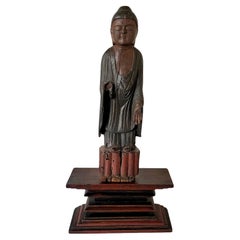
Antique Japanese Carved Village Buddha Enku Style
Located in Atlanta, GA
A carved wood buddha with lacquered surface in the style of Erku (1632–1695), a monk from Edo period who was famous for hand-carving Buddha statues in a primitive style. From a single wood block of what appears to be cedar, the standing buddha was carved in an unpolished manner with exposed knife strokes that effectively depicted a subtly smiling face and the folding of the cascading robes. The rustic style is full of Mingei charm being a great example of Japanese Buddhism...
Category
Antique 18th Century Japanese Edo Sculptures and Carvings
Materials
Wood
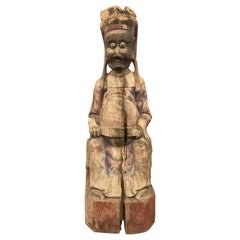
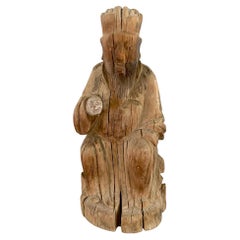
18th Century Chinese Carved Wooden Alter God
Located in Atlanta, GA
This Chinese carved seated altar god was once used on the family altar to honor their ancestors. Ancestor worship plays a major role in Chinese religion. This beautifully carved fig...
Category
Antique Late 18th Century Chinese Sculptures and Carvings
Materials
Wood
More Ways To Browse
Antique Paradise
Antique Cypress
Antique Alcove
Old Antique Statues
Asian 18 Century
Japanese Buddhist Sculpture
Statues Of Women
Jizo Statue
Bronze Monk
Gemstone Carving
Green Jade Carving
Inlay Gem
Japanese Edo Buddha
Asian Woman Sculpture
Buddha Statue China
Carved Green Jade Chinese
Monks Seat
Vintage Asian Dolls